
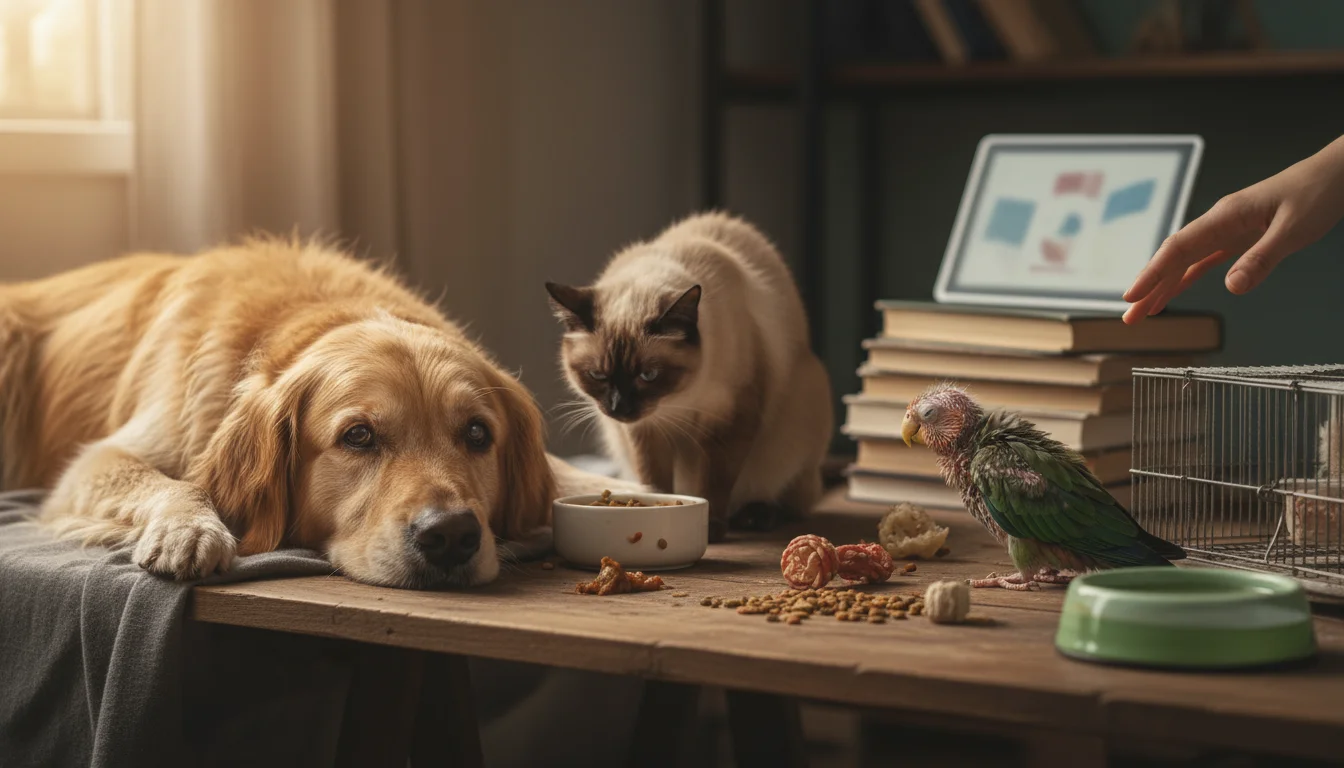
As a devoted pet owner, you know your companion better than anyone. You recognize their usual routines, their unique quirks, and the subtle cues that signal their mood. This intimate understanding is your most powerful tool in safeguarding your pet’s health. Recognizing when something is amiss can mean the difference between a minor concern and a life-threatening emergency.
Proactive pet care involves regular wellness exams and preventive measures, but even the most diligent owner might miss early signs of illness. Your pet cannot tell you when they feel unwell, so it is your responsibility to observe and interpret their signals.
This guide helps you identify 10 critical warning signs that indicate your pet needs immediate veterinary attention. Learn to spot these changes and take prompt action to protect your furry, scaly, or feathered friend.
1. Changes in Appetite or Thirst
A sudden change in your pet’s eating or drinking habits can signal a wide range of underlying health issues, from dental pain to kidney disease or diabetes. Pay close attention to both a decrease and an increase in consumption.
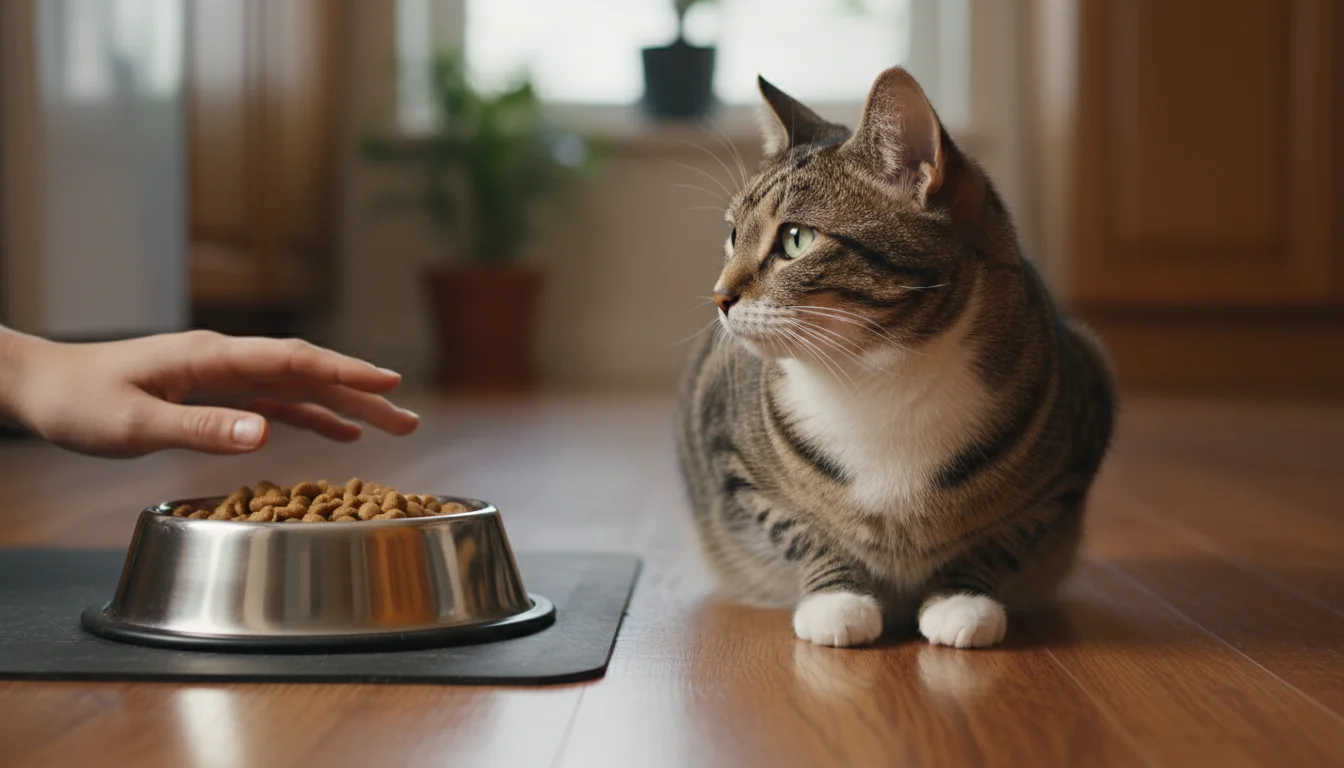
Decreased Appetite (Anorexia): If your pet refuses to eat for more than 24 hours, or consistently eats significantly less than usual, it warrants concern. This applies to dogs, cats, and even small companion animals like rabbits and guinea pigs. For cats, even a day without eating can lead to serious liver problems, such as hepatic lipidosis. Causes vary widely and include dental pain, gastrointestinal upset, organ disease, infections, or even anxiety. Observe if your pet shows interest in food but struggles to eat, perhaps dropping kibble or pawing at their mouth. This suggests oral pain, a common but often overlooked issue impacting pet health.
Increased Appetite (Polyphagia): While less common as an immediate emergency sign, a persistent, dramatic increase in hunger could indicate conditions such as diabetes, hyperthyroidism (especially in older cats), or intestinal malabsorption. Your pet eats more but may still lose weight. This signals that their body struggles to process nutrients effectively.
Changes in Thirst (Polydipsia/Dehydration): Excessive thirst and urination (polydipsia and polyuria) often go hand-in-hand, indicating potential kidney disease, diabetes, or even an infection. Conversely, reduced water intake can quickly lead to dehydration, which can be life-threatening. You can check for dehydration by gently lifting your pet’s skin between their shoulder blades. If it does not snap back quickly, your pet is likely dehydrated. Also, check their gums; if they feel tacky or dry, dehydration is present. Any noticeable shift in thirst levels requires veterinary evaluation to determine the cause and initiate appropriate pet care.
Actionable Insight: Record exactly when the change began, whether it is consistent, and any other symptoms accompanying it. This information helps your veterinarian narrow down potential diagnoses.








Leave a Reply