
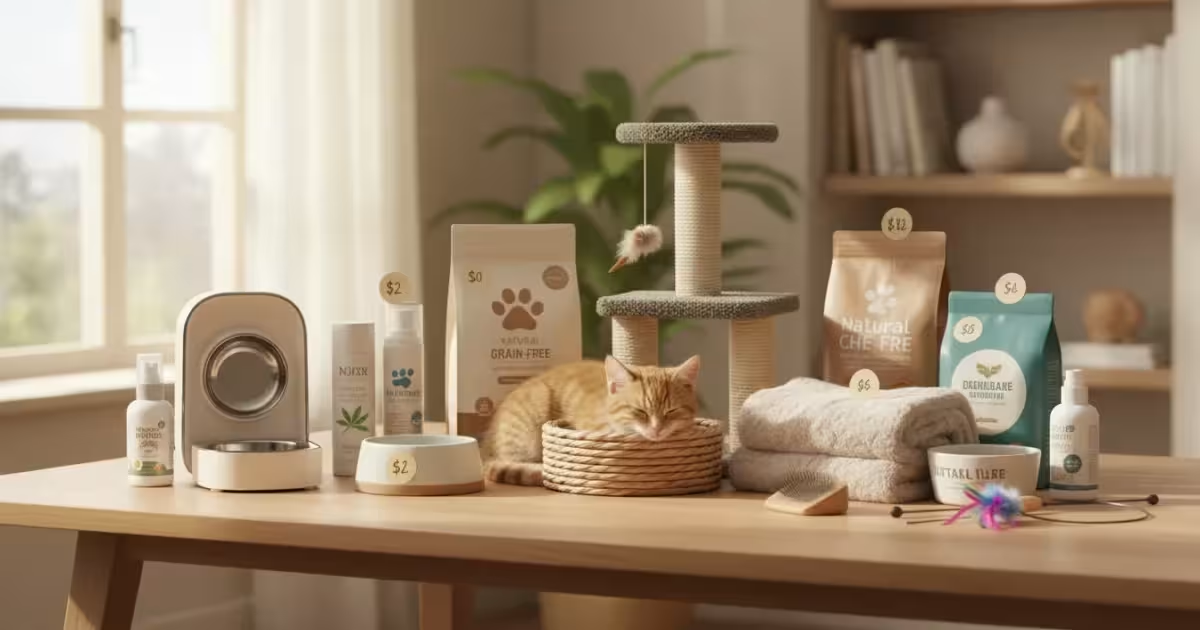
Bringing a cat into your home offers immense joy, and providing for their needs does not require breaking the bank. As a pet care writer specializing in product reviews, I understand the importance of both quality and value. Your feline companion deserves the best, and you can achieve that with careful, budget-conscious choices. This guide highlights 10 essential cat care products, each available for under $50, ensuring your cat thrives without straining your wallet. We prioritize safety, effectiveness, and durability, offering actionable insights to help you make informed decisions.

Understanding Cat Needs on a Budget
Every cat, regardless of breed or age, requires certain fundamental items for their health, safety, and happiness. Meeting these core needs establishes a solid foundation for your cat’s well-being. Our product reviews focus on items that deliver excellent performance and safety within a budget, allowing you to provide quality care without compromise. We evaluate materials, construction, and efficacy to ensure your investment serves you and your cat well.
1. High-Quality Dry Cat Food (Small Bag)
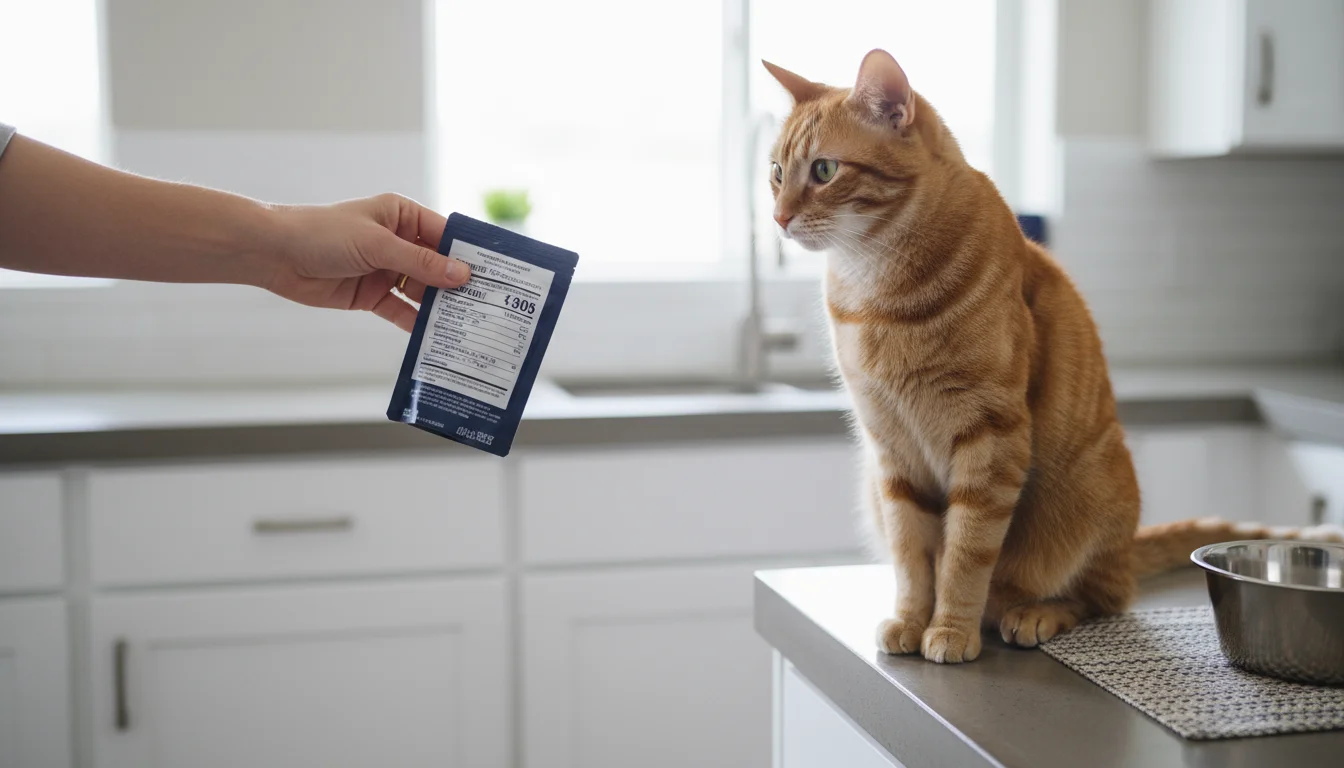
Nutrition forms the cornerstone of your cat’s health. Choosing the right food impacts their energy levels, coat quality, and overall longevity. Many excellent dry cat food brands offer smaller bags within the $50 price range, making premium nutrition accessible. Look for foods where a named meat source, such as chicken or salmon, appears as the first ingredient. Avoid brands listing “meat by-products” or excessive fillers like corn and wheat as primary components. Reputable brands often provide transparent ingredient lists and nutritional guarantees. For example, the American Veterinary Medical Association (AVMA) emphasizes the importance of balanced nutrition tailored to your cat’s life stage, whether kitten, adult, or senior. Always transition your cat to new food gradually over 7 to 10 days to prevent digestive upset, mixing increasing amounts of the new food with decreasing amounts of the old.
What to look for:
- Named Meat First: Prioritize protein sources like chicken, turkey, or salmon.
- AAFCO Statement: Ensure the bag carries an AAFCO (Association of American Feed Control Officials) statement confirming it provides “complete and balanced nutrition” for your cat’s specific life stage.
- Price-Per-Serving: Calculate the cost per day to truly understand the value, even with a slightly higher upfront cost for quality ingredients.
- Small Bag Options: Many premium brands offer 3-5 lb bags for under $50, perfect for trying a new formula or for single-cat households.
2. Stainless Steel Food and Water Bowls
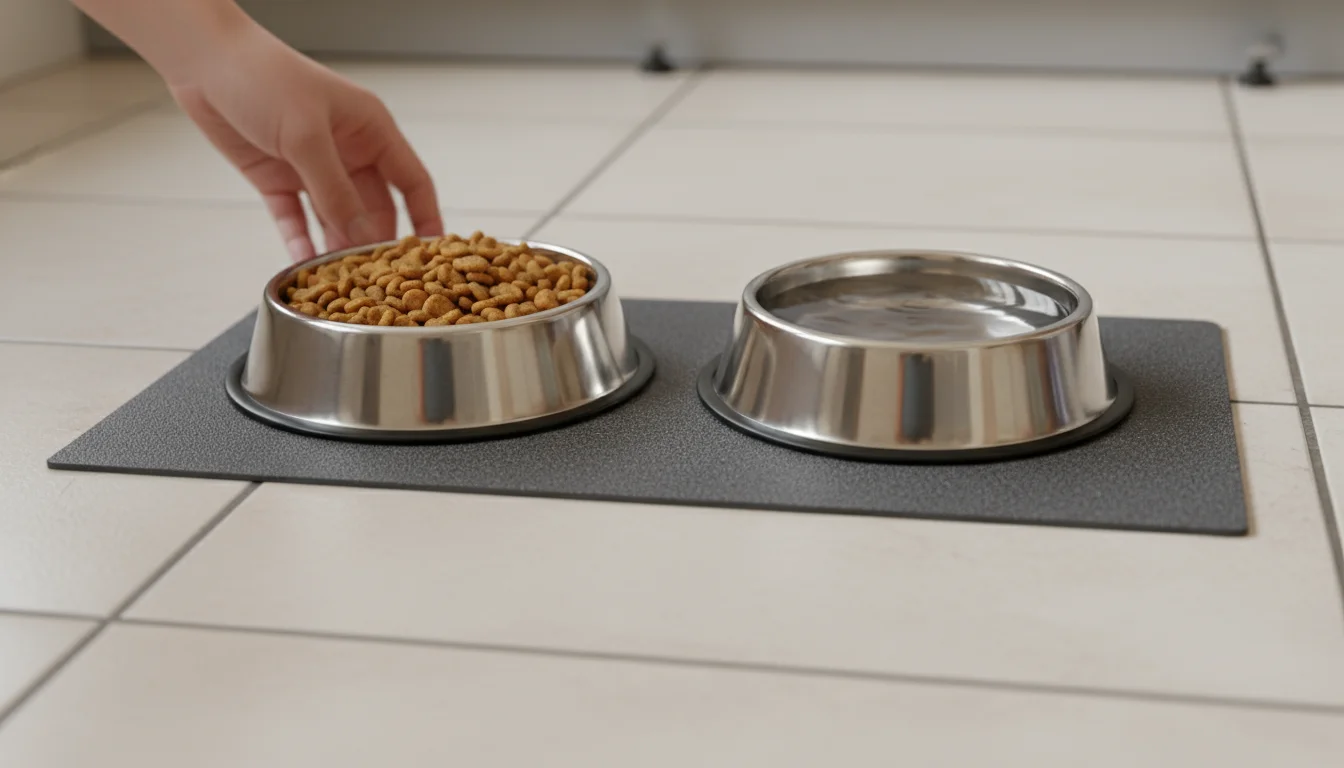
Your cat’s dishes might seem simple, but their material significantly impacts hygiene and safety. Plastic bowls, while cheap, can harbor bacteria in scratches and may cause feline acne. Ceramic bowls, if chipped, can also pose a bacterial risk and may contain lead glazes. Stainless steel bowls offer the best combination of durability, hygiene, and affordability. They are non-porous, easy to clean, dishwasher safe, and resist bacteria growth. You can typically find a high-quality set of stainless steel food and water bowls for well under $20.
What to look for:
- Food-Grade Stainless Steel: Ensures no harmful chemicals leach into your cat’s food or water.
- Non-Skid Bottom: Prevents bowls from sliding around, reducing spills and making mealtime less stressful for your cat.
- Easy to Clean: Smooth surfaces and dishwasher-safe construction simplify maintenance.
- Shallow Design: Cats often prefer shallow bowls, especially for water, to avoid “whisker fatigue.”
3. Reliable Litter Box
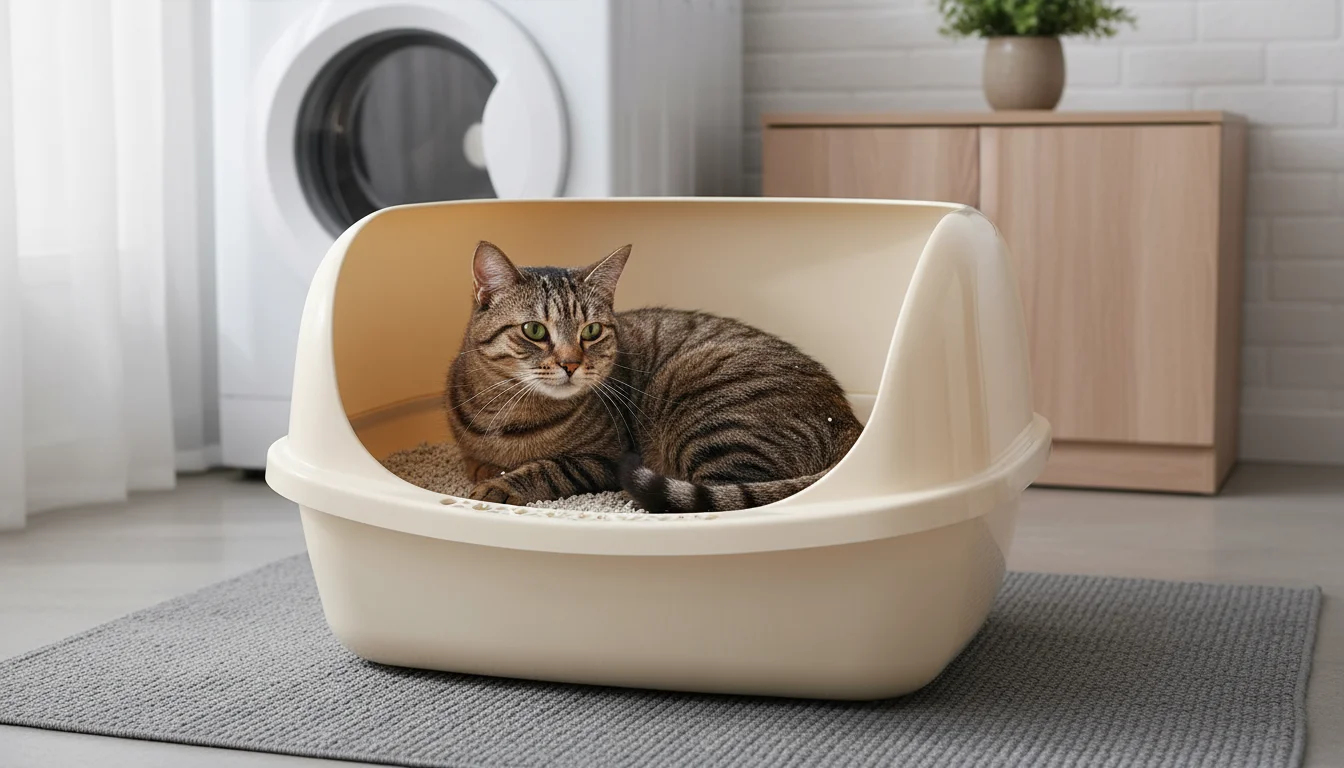
A clean, accessible litter box is crucial for your cat’s health and your home’s hygiene. While fancy self-cleaning models exist, a basic, well-sized litter box serves its purpose effectively and costs very little. Consider the size of your cat; they need enough space to comfortably turn around and dig. An open box offers maximum accessibility, while a hooded box provides privacy and some odor containment. Ensure you have at least one litter box per cat, plus one extra, distributed throughout your home. A good starter box often costs between $10 and $30.
What to look for:
- Appropriate Size: Your cat should comfortably fit inside, with enough room to turn around.
- Easy to Clean Material: Smooth, non-stick plastic prevents waste from clinging, simplifying scooping and deep cleaning.
- Low Entry Point: Important for kittens, senior cats, or cats with mobility issues.
- Open vs. Hooded: An open box offers better ventilation, but a hooded box provides more privacy and reduces litter tracking.

4. Effective Clumping Cat Litter
Choosing the right cat litter makes a significant difference in odor control and ease of cleaning. Clumping clay litter is a popular and effective choice, forming solid clumps around urine and feces, which makes scooping easier and helps contain odors. Many affordable brands offer excellent performance. Look for low-dust formulas to protect your cat’s respiratory health and your own. A 20-pound bag of quality clumping litter typically falls under $20, providing good value. While scented litters appeal to some owners, many cats prefer unscented varieties.
What to look for:
- Strong Clumping Ability: Forms tight, scoopable clumps, minimizing waste and making cleaning efficient.
- Odor Control: Uses activated charcoal, baking soda, or other natural odor absorbents.
- Low Dust Formula: Protects respiratory health for both you and your cat.
- Unscented Option: Many cats are sensitive to strong fragrances.
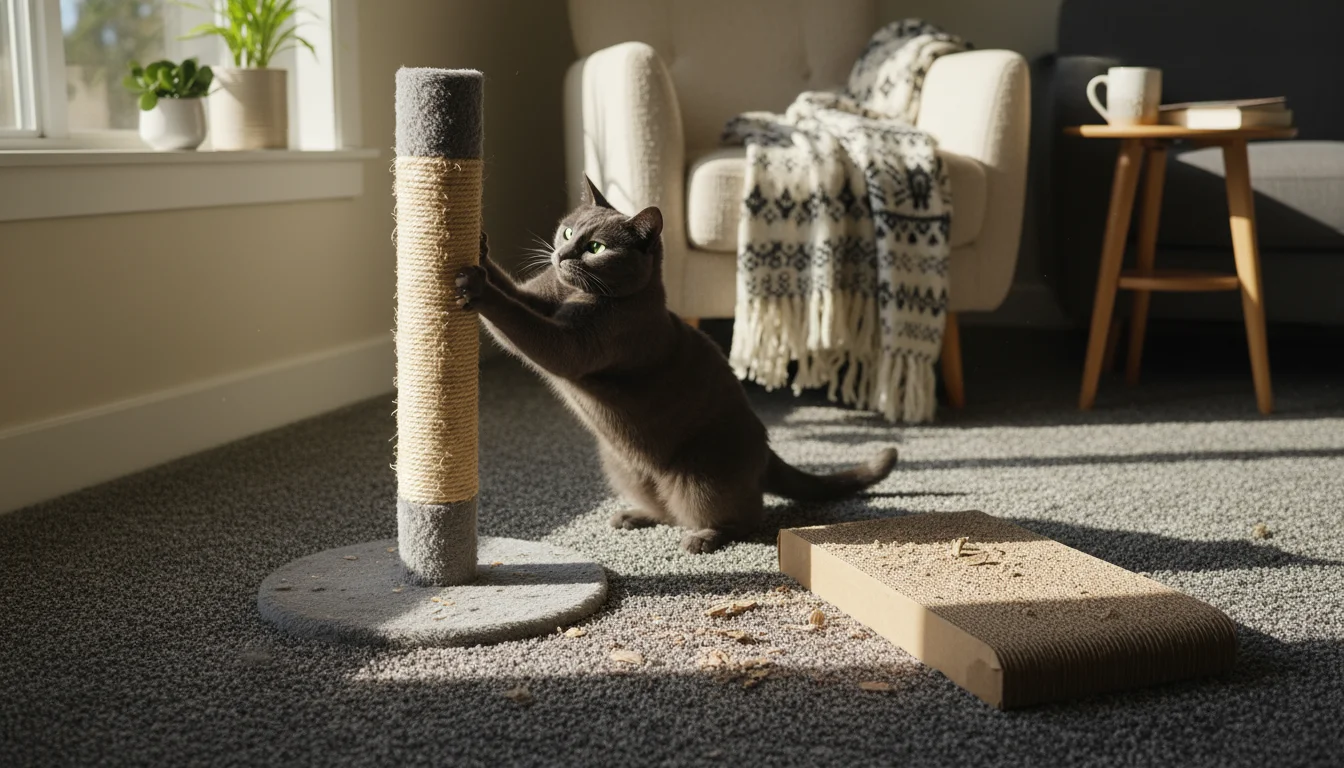
5. Durable Scratching Post or Pad
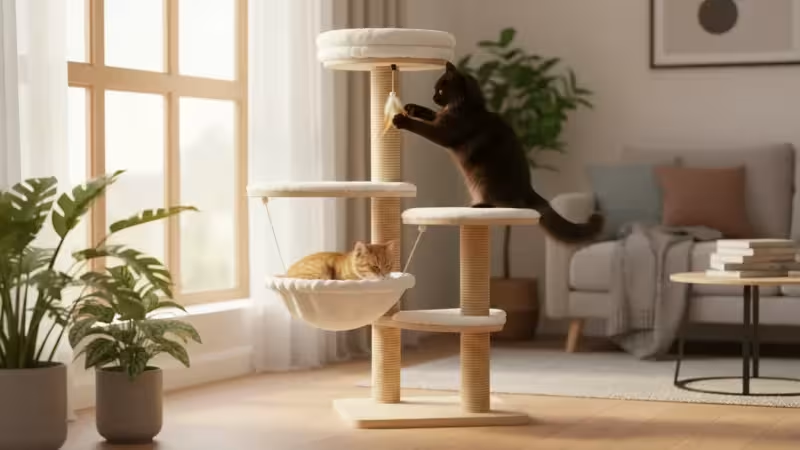
Cats scratch naturally to sharpen their claws, stretch their bodies, and mark their territory. Providing appropriate scratching surfaces protects your furniture and satisfies an innate feline need. Affordable options include sisal rope scratching posts or corrugated cardboard scratchers. Evaluate the stability of posts, as a wobbling post discourages use. For cardboard scratchers, look for dense, reversible designs to maximize longevity. These essential items are widely available for under $30, often in multi-packs for cardboard options.
What to look for:
- Sturdy Construction: A stable base prevents tipping, encouraging your cat to use it confidently.
- Appropriate Material: Sisal rope or corrugated cardboard are preferred textures for most cats.
- Vertical and Horizontal Options: Offer both to cater to your cat’s preference for stretching upwards or scratching along the floor.
- Replaceable/Reversible: Cardboard scratchers often offer reversible sides to extend their life, providing better value.
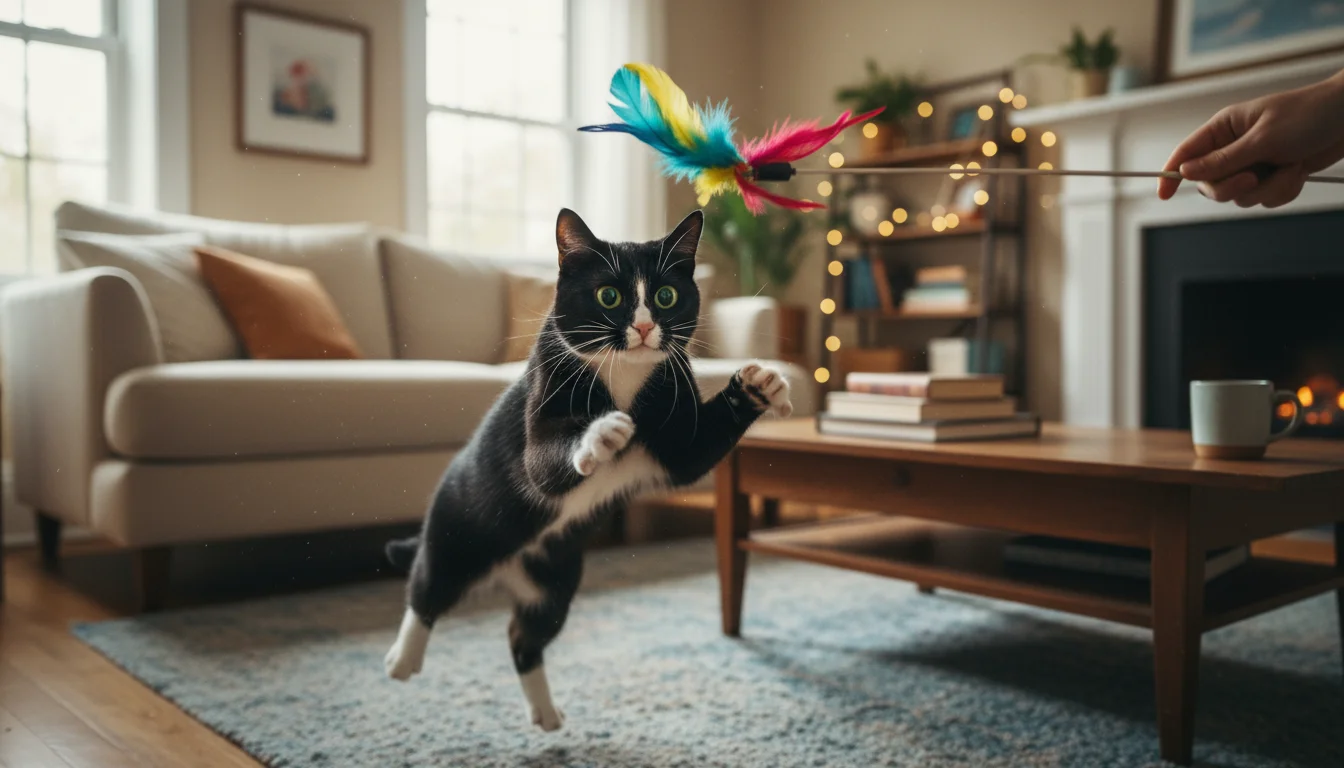
6. Engaging Interactive Wand Toy
Play is vital for a cat’s physical and mental well-being, providing exercise, mental stimulation, and a bond-building experience with you. Interactive wand toys, often made with feathers, ribbons, or small fabric toys attached to a string and rod, are incredibly effective and affordable, usually costing under $15. These toys mimic prey, triggering your cat’s natural hunting instincts. Always supervise playtime with wand toys and store them out of reach when not in use to prevent accidental ingestion of small parts. According to the ASPCA, regular interactive play helps prevent boredom, reduces destructive behaviors, and strengthens your cat’s immune system.
What to look for:
- Durable Rod and String: Resists snapping or fraying during vigorous play.
- Securely Attached Lures: Prevents small parts from detaching and becoming choking hazards.
- Variety of Lures: Look for options with interchangeable attachments to keep your cat interested.
- Safe Materials: Avoid small bells or plastic pieces that could break off.
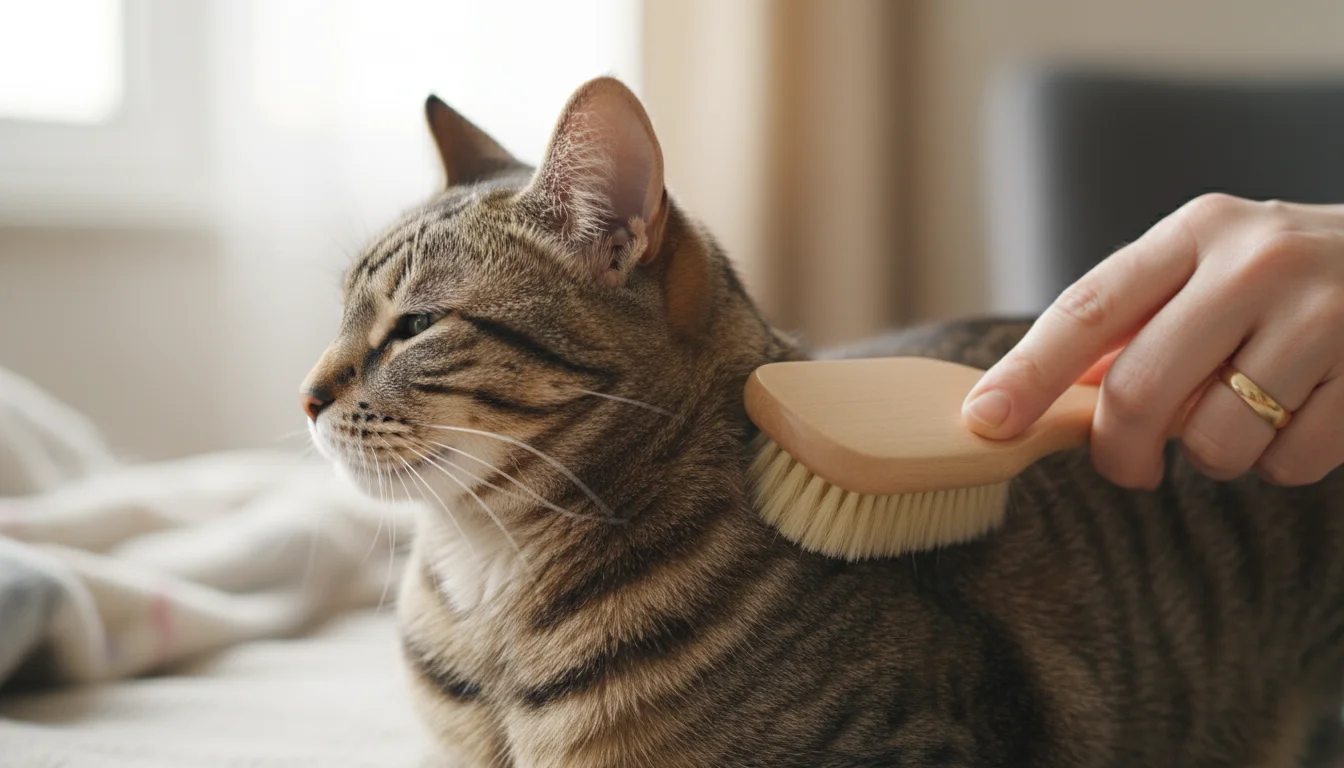
7. Gentle Grooming Brush
Regular brushing keeps your cat’s coat healthy, reduces shedding, and minimizes hairballs. A soft-bristle brush or a simple slicker brush typically costs under $20 and works wonders for most fur types. For short-haired cats, a rubber curry brush can also be very effective at removing loose fur and providing a gentle massage. Brushing sessions also offer a fantastic opportunity for you to bond with your cat and check for any skin issues, fleas, or ticks. Introduce brushing gradually, keeping sessions short and positive, using treats as rewards.
What to look for:
- Appropriate Bristle Type: Soft bristles for sensitive skin, slicker brushes for longer fur, rubber brushes for short hair.
- Comfortable Handle: Ergonomic design allows for easy grip during brushing sessions.
- Easy to Clean: Brushes with self-cleaning mechanisms or easy-to-remove hair make maintenance simple.
- Gentle on Skin: Rounded tips on slicker brushes prevent scratching.
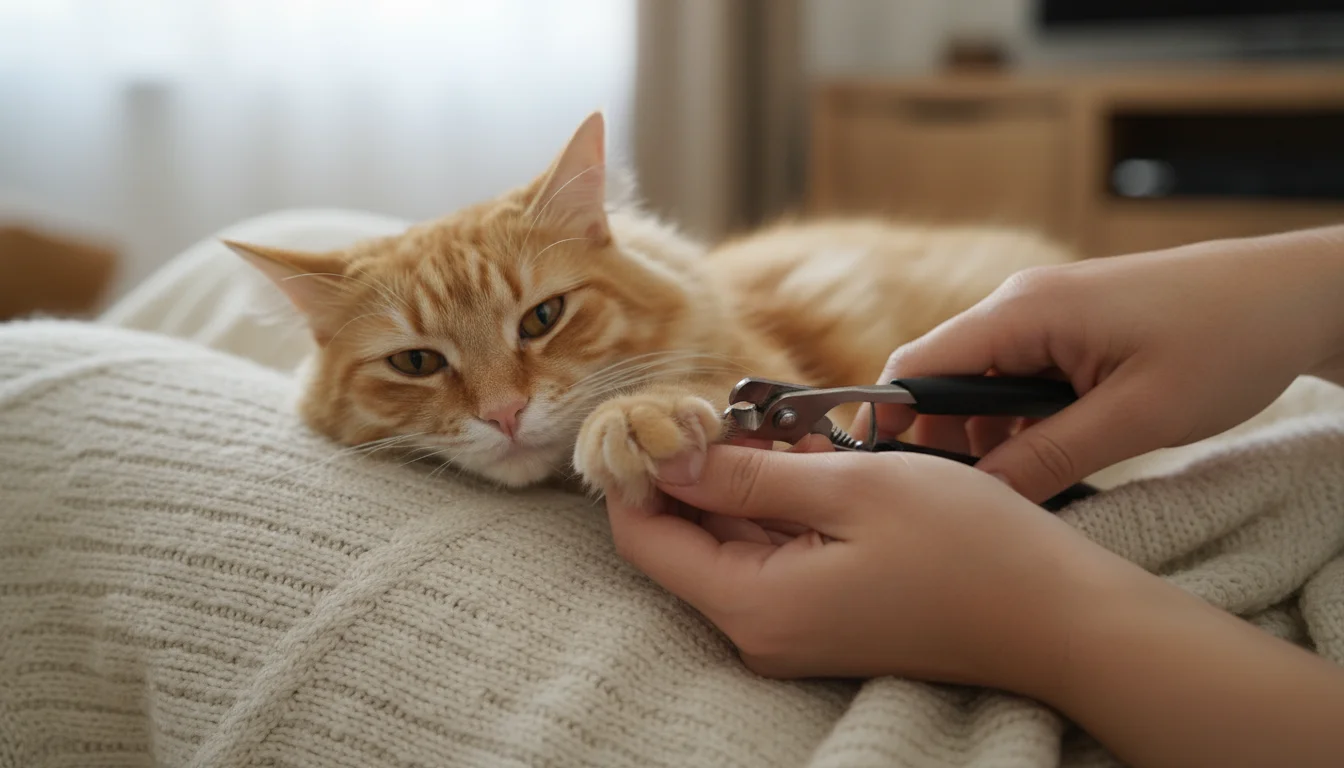
8. Safe and Effective Nail Clippers
Trimming your cat’s nails regularly prevents them from becoming too long, which can cause discomfort, lead to ingrown nails, or damage your furniture. You can find quality nail clippers, either scissor-style or guillotine-style, for under $15. Scissor-style clippers often work best for cats, providing precision and control. Learn how to identify the “quick,” the pink part of the nail containing blood vessels and nerves, and always avoid cutting into it. If you feel unsure, your veterinarian or a professional groomer can demonstrate the proper technique. Always have styptic powder on hand just in case of an accidental quicking.
What to look for:
- Sharp Blades: Ensures a clean cut, preventing splintering or crushing of the nail.
- Comfortable Grip: Non-slip handles give you better control and reduce hand fatigue.
- Built-in Safety Guard: Helps prevent over-cutting, although careful technique remains paramount.
- Appropriate Size: Clippers designed specifically for cats offer better control than those for larger animals.
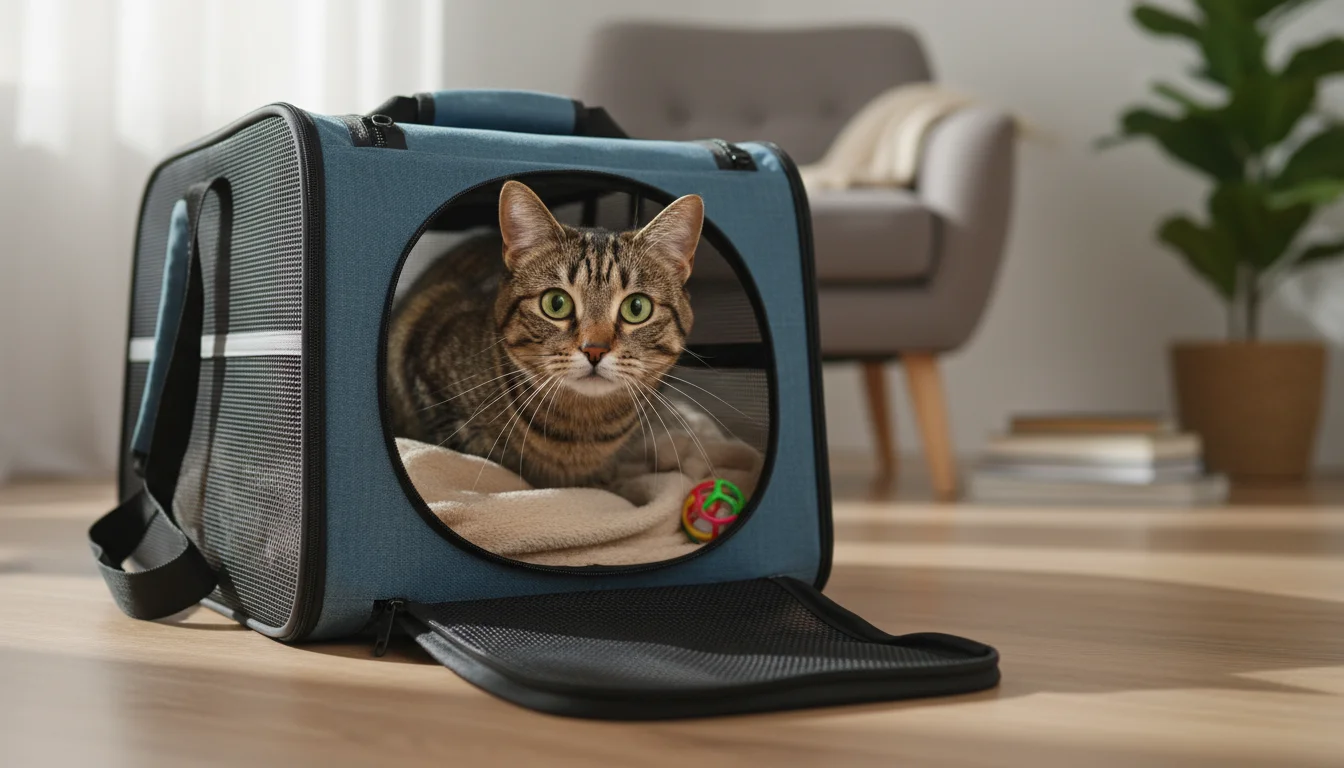
9. Comfortable Pet Carrier
A safe and comfortable pet carrier is indispensable for vet visits, emergencies, or travel. Soft-sided carriers are often budget-friendly, lightweight, and offer good ventilation, typically costing between $25 and $50. Look for carriers with sturdy zippers, ample mesh windows, and a comfortable interior. Acclimate your cat to the carrier by leaving it open with a soft blanket and treats inside, turning it into a positive, familiar space rather than something associated only with stressful trips. This can significantly reduce anxiety for your cat during transport. The Fear Free Pets initiative provides excellent resources on making vet visits less stressful, starting with carrier training.
What to look for:
- Sturdy Construction: Durable fabric and strong zippers ensure your cat’s safety during transport.
- Ample Ventilation: Mesh windows provide airflow and visibility for your cat.
- Comfortable Interior: A removable, washable fleece pad adds comfort and makes cleaning easy.
- Top and Front Entry: Offers flexibility for getting your cat in and out, which can be less stressful.
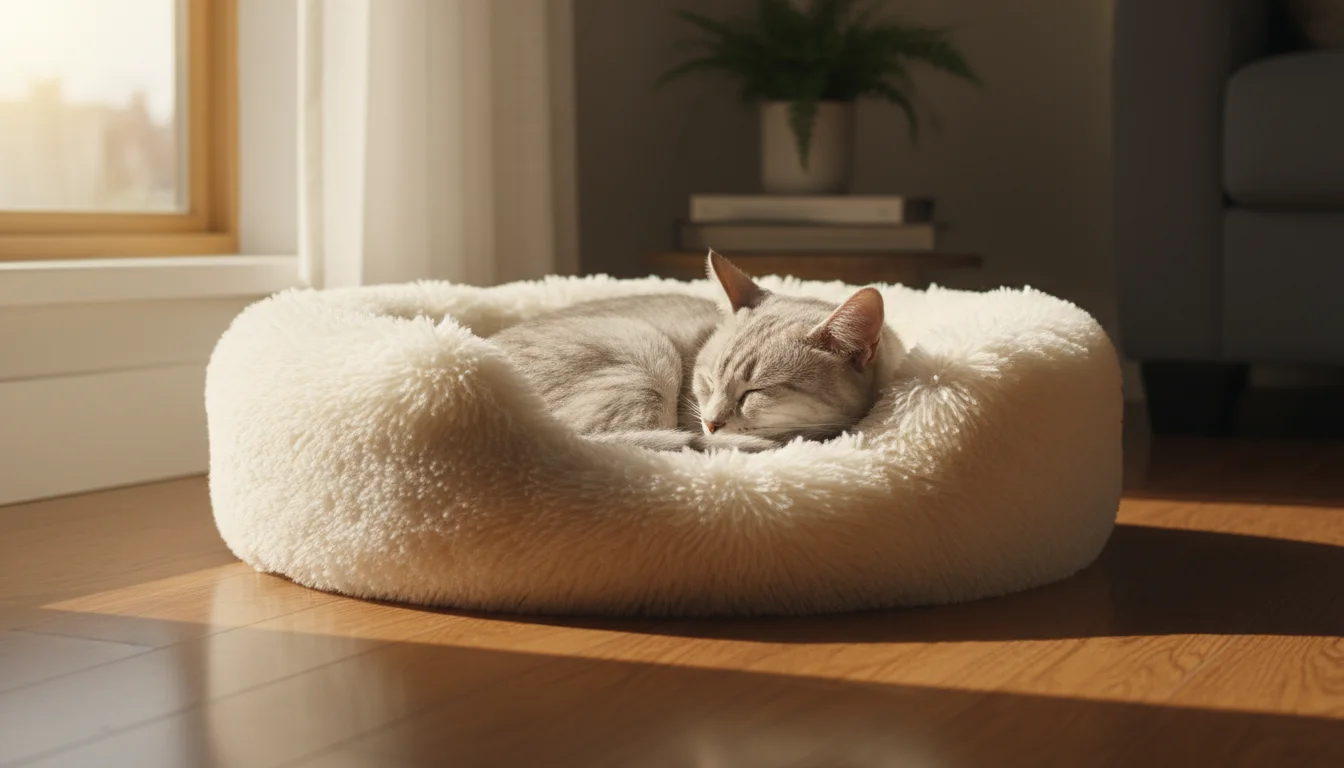
10. Cozy Washable Cat Bed
Every cat deserves a comfortable, secure spot to rest and sleep. A cozy cat bed provides warmth, security, and a designated personal space. You can find excellent washable cat beds, including bolstered styles or simple soft mats, for under $40. Look for beds made from soft, durable fabrics that withstand frequent washing. Cats often prefer beds with raised edges to curl up against or those placed in quiet, elevated spots. Offering multiple resting places throughout your home can help your cat feel more secure and comfortable.
What to look for:
- Soft, Comfortable Material: Plush fabrics like faux fur or fleece provide warmth and appeal.
- Machine Washable: Essential for maintaining hygiene and freshness.
- Appropriate Size: Large enough for your cat to stretch out or curl up comfortably.
- Durable Construction: Withstands repeated use and washing without losing shape or integrity.
Maximizing Value and Longevity
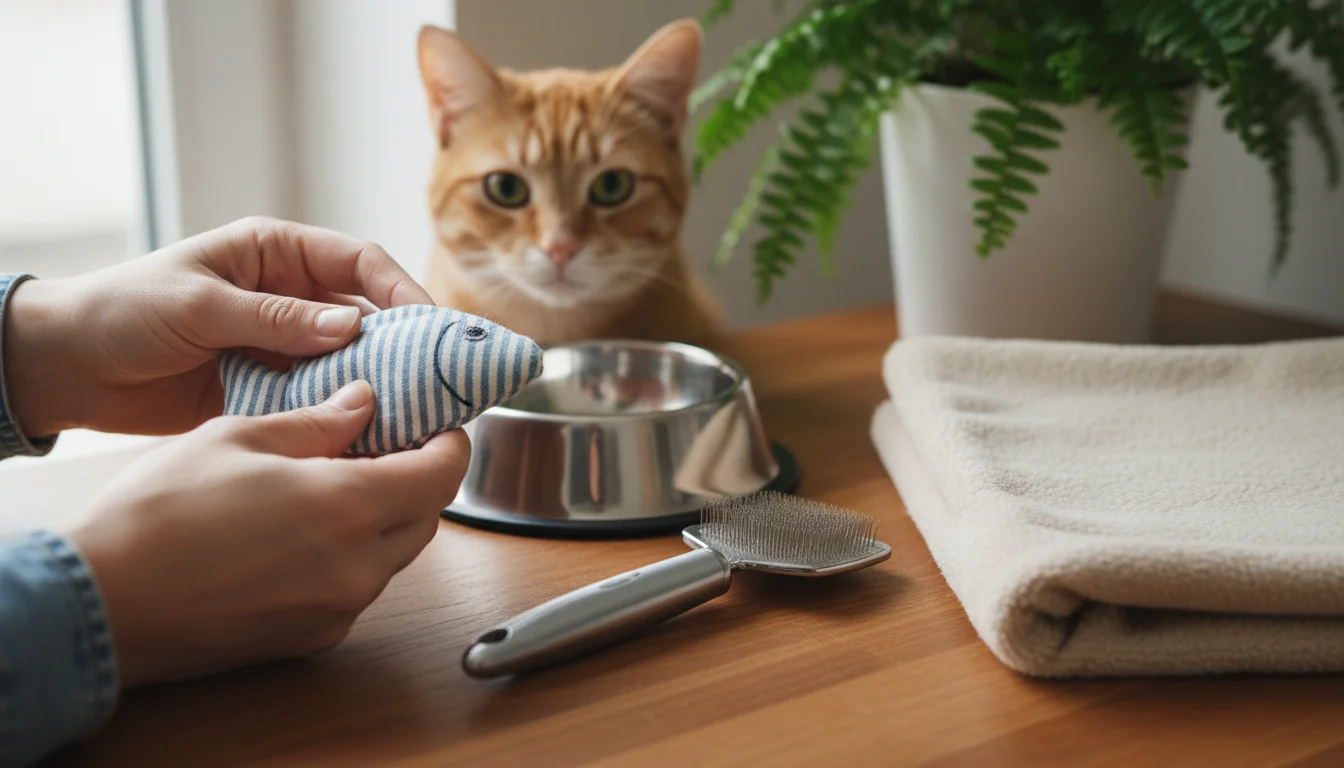
Investing in quality budget-friendly items pays off in the long run. Durable products last longer, reducing the need for frequent replacements. Follow manufacturers’ care instructions for all items, especially for washable beds and bowls, to extend their lifespan. Regularly inspect toys for wear and tear, discarding any that become damaged to prevent your cat from ingesting small pieces. For grooming tools, keep them clean and sharp. Proper maintenance ensures these essential products continue to serve your cat effectively for years, reinforcing the value of your initial purchase.
When to Consult a Veterinarian
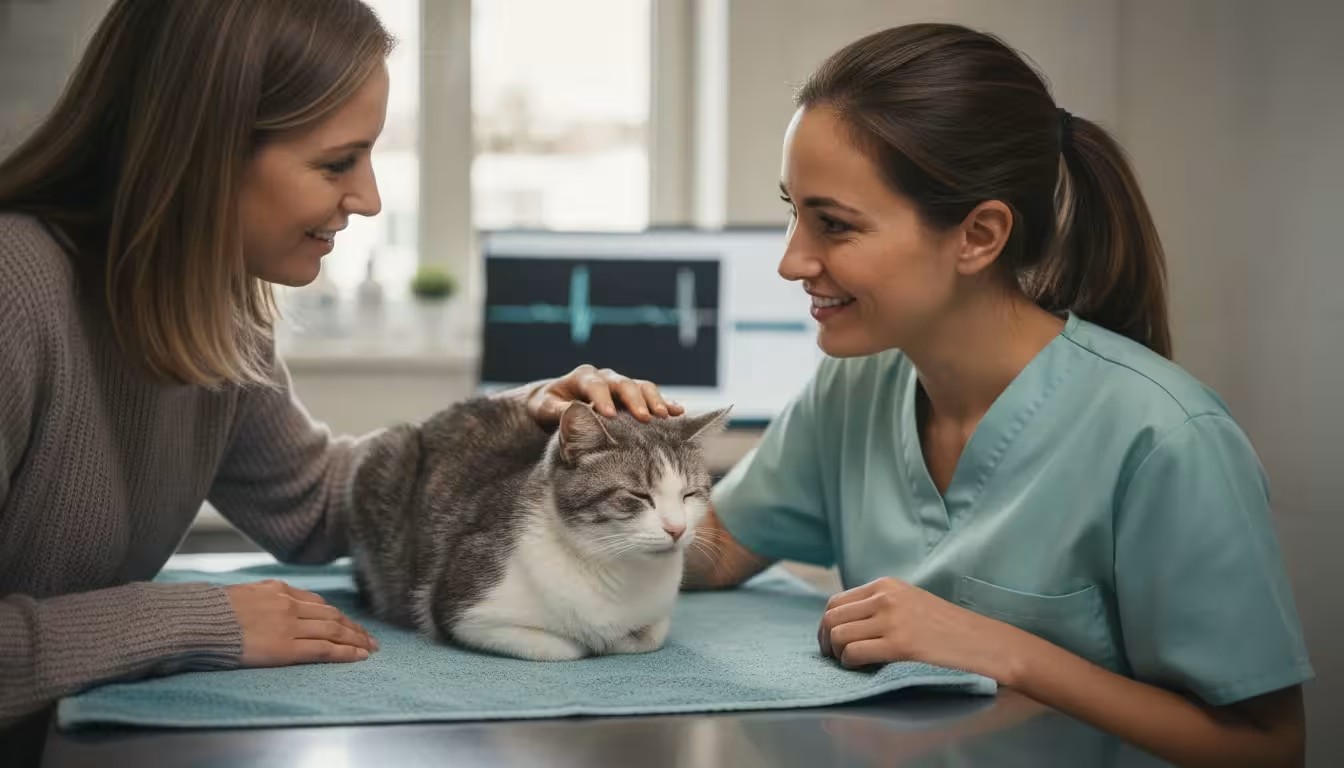
While these essential products contribute significantly to your cat’s daily care, they are no substitute for professional veterinary advice. Always consult a licensed veterinarian for any health concerns, behavioral changes, or before making significant dietary changes. Regular check-ups are crucial for preventive care, catching potential issues early, and ensuring your cat receives necessary vaccinations and parasite prevention. Your vet can also offer personalized recommendations for products based on your cat’s specific health needs, age, and lifestyle.
Frequently Asked Questions
Can I really find high-quality cat products under $50?
Yes, absolutely. Focusing on essential, well-designed items made from durable, safe materials often means you can find excellent products within this budget. Many reputable brands offer basic versions of their products that maintain high standards without premium price tags. Our selections emphasize functionality, safety, and longevity, proving that quality care does not require excessive spending.
How often should I replace my cat’s litter box?
Even with regular cleaning, plastic litter boxes can develop micro-scratches that harbor bacteria and absorb odors over time. You should plan to replace a plastic litter box every 6 to 12 months, or sooner if you notice persistent odors or significant wear. Metal or glazed ceramic boxes last longer but are often outside the under $50 budget.
What if my cat ignores a new toy or scratching post?
Cats have individual preferences. If your cat ignores a new toy, try rotating it with other toys or using catnip to pique their interest. For a scratching post, ensure it is stable and placed in a prominent location. You can also try different materials (sisal versus cardboard) or orientations (vertical versus horizontal). Positive reinforcement, such as praising your cat when they interact with the item and offering a treat, can also encourage use.
Are expensive cat foods always better than budget-friendly options?
Not necessarily. While some expensive foods offer specialized ingredients or formulas, many mid-range and even some budget-friendly dry cat foods provide complete and balanced nutrition for healthy cats. The key is to read ingredient labels, look for a named meat as the primary ingredient, and ensure the food carries an AAFCO statement. Consult your veterinarian for specific dietary recommendations tailored to your cat’s health needs.
For expert pet care guidance, visit
American Animal Hospital Association (AAHA), Association of Professional Dog Trainers (APDT), Certification Council for Professional Dog Trainers (CCPDT), International Association of Animal Behavior Consultants (IAABC) and American College of Veterinary Behaviorists (ACVB).
Disclaimer: This article is for informational purposes only and is not a substitute for professional veterinary advice, diagnosis, or treatment. Always consult with a licensed veterinarian for medical concerns about your pet.




Leave a Reply