
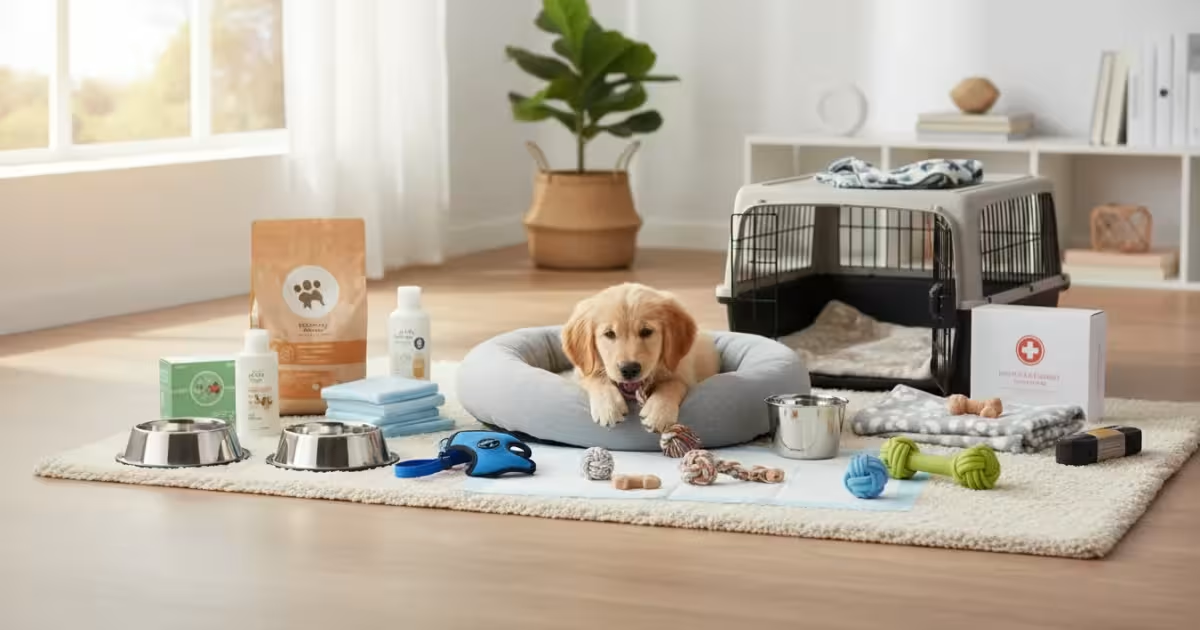
Bringing a new puppy into your home marks an exciting time, filled with joy, cuddles, and plenty of learning. Preparing for your new furry family member requires more than just enthusiasm. It involves setting up your home with the right tools and supplies to ensure their safety, comfort, and healthy development. As experienced pet care writers specializing in product reviews, we understand the overwhelming number of choices available. This guide cuts through the clutter, delivering practical, actionable insights on the 15 must-have products every new puppy owner needs.
Investing in quality pet products from the start establishes a strong foundation for pet care. You provide the best start for your puppy, focusing on their well-being and making your journey together smoother and more enjoyable. From nutritional essentials to safe toys and grooming tools, we help you navigate the initial setup with confidence, supporting your puppy’s transition into their new environment.
Getting Ready for Your Puppy: The Essentials
The first step in welcoming a puppy involves preparing their basic living environment. This includes providing appropriate nutrition and clean drinking water. Choosing the right food and bowls lays the groundwork for your puppy’s health and daily routine.
1. High-Quality Puppy Food
Proper nutrition is paramount for a growing puppy. Puppy food formulations specifically support rapid development, providing higher calorie counts and essential nutrients like DHA for brain development. When evaluating pet food products, analyze the ingredient list. Look for a named meat source, for example chicken or lamb, as the first ingredient. Avoid fillers, artificial colors, and excessive by-products. The FDA Center for Veterinary Medicine provides valuable resources on pet food labeling and safety. Consider your puppy’s breed size, as large breed puppies require specific formulas to manage growth rates and prevent orthopedic issues. Small breed puppies, conversely, need denser calories. We recommend consulting your veterinarian for a specific brand recommendation tailored to your puppy’s individual needs. Expect to pay between $30-$60 for a 15-pound bag of premium puppy food, which typically lasts 2-4 weeks depending on breed size and feeding guidelines.
2. Durable Food and Water Bowls
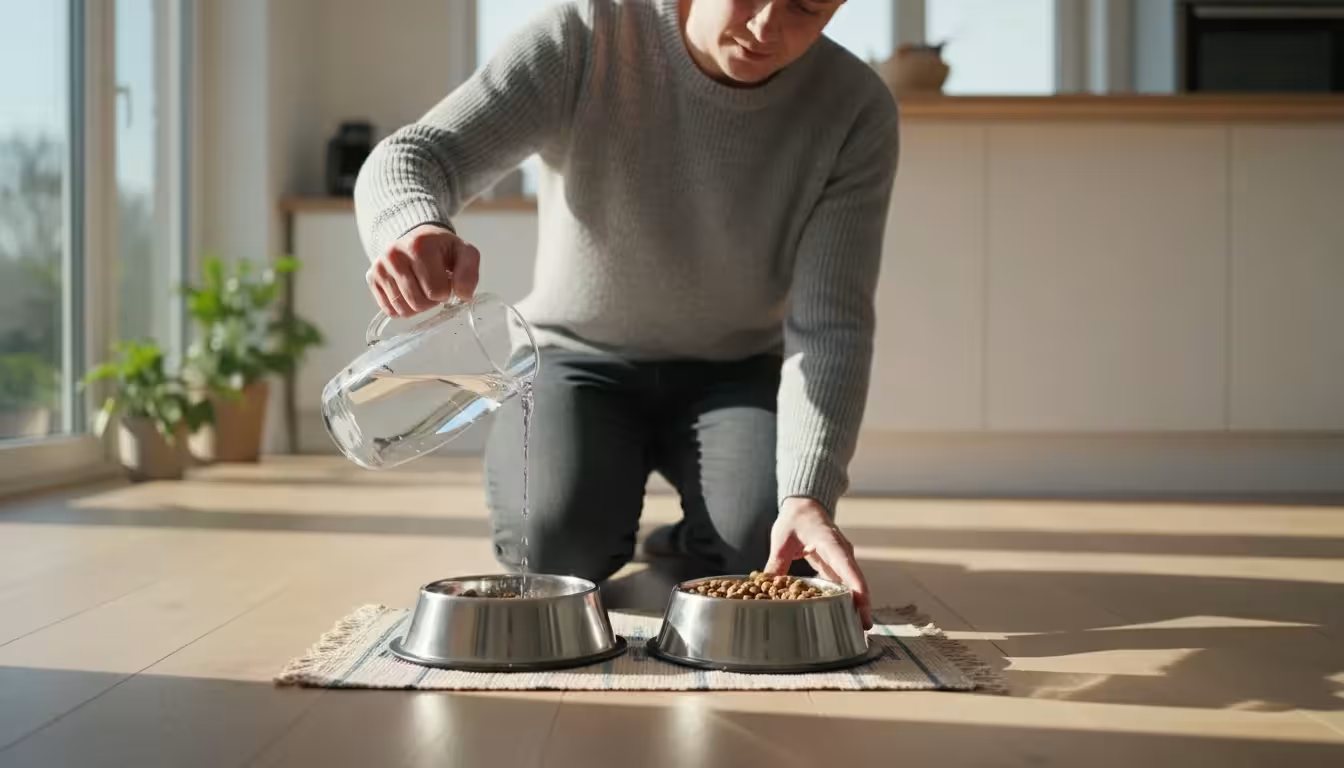
Selecting the right bowls prevents bacterial growth and ensures ease of use. Stainless steel bowls rank as a top choice for hygiene and durability. They resist scratches, making them harder for bacteria to harbor, and they are easy to clean. Ceramic bowls also work well if they are heavy enough to prevent tipping and have a lead-free glaze. Avoid plastic bowls, which can scratch easily, collect bacteria, and sometimes cause allergic reactions, such as plastic chin acne, in sensitive puppies. Choose non-slip bases to keep bowls in place during enthusiastic eating and drinking. Adjust bowl height for larger breeds to promote comfortable digestion and reduce strain. A set of good quality stainless steel bowls costs approximately $15-$30 and will last for years.
Safe and Engaging Play: Toys for Mental and Physical Stimulation
Puppies learn about their world through play. Toys provide mental stimulation, relieve teething discomfort, and help redirect destructive chewing behaviors. Safety and durability stand as primary considerations when selecting puppy toys.
3. Safe Chew Toys
Teething puppies need appropriate outlets for chewing. Provide a variety of chew toys with different textures and hardness levels. Look for toys made from durable rubber or nylon specifically designed for puppies. These materials withstand strong puppy jaws and prevent ingestion of small pieces. Always ensure the toy is appropriately sized for your puppy to prevent choking hazards. A toy too small can become lodged in their throat. Avoid toys with small removable parts or excessive squeakers that a puppy might ingest. Regularly inspect chew toys for damage and replace them when they show signs of wear. Brands like Kong and Nylabone offer excellent puppy-specific chew toys, typically priced from $8-$20 each, providing long-lasting value.
4. Interactive Toys and Puzzle Feeders
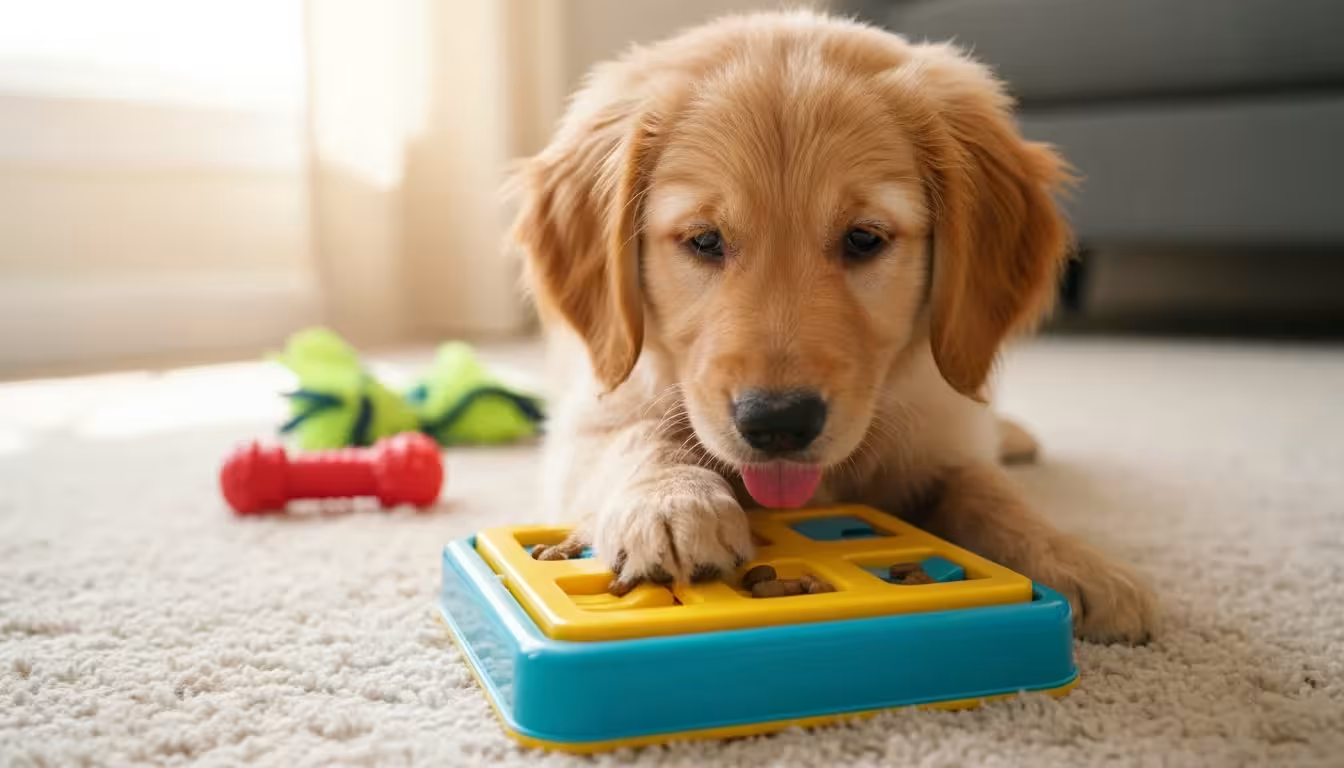
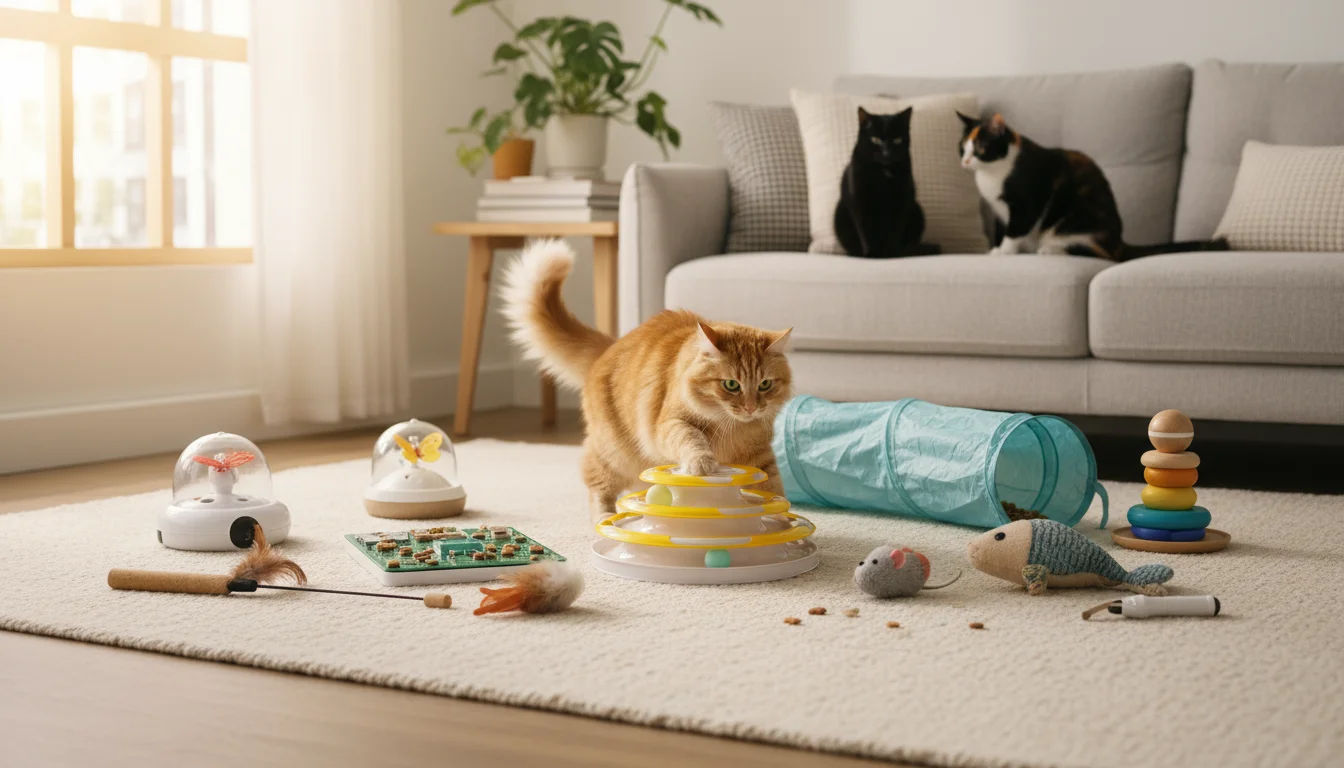
Interactive toys engage your puppy’s mind, preventing boredom and promoting problem-solving skills. Puzzle feeders, for example, dispense food or treats as your puppy manipulates them. This slows down eating, aids digestion, and provides mental exercise. These toys often involve a learning curve, so start with simpler designs and gradually introduce more complex puzzles. Mental stimulation proves just as important as physical exercise for a puppy’s overall well-being. According to the Association of Professional Dog Trainers (APDT), enriching your puppy’s environment prevents behavioral issues and encourages positive cognitive development. Expect to spend $15-$40 on a good quality interactive toy or puzzle feeder, offering significant enrichment for your puppy.
Comfort and Security: Crates, Beds, and Carriers
Creating a secure and comfortable space for your puppy fosters a sense of safety and aids in house-training and behavior management.
5. Puppy Crate
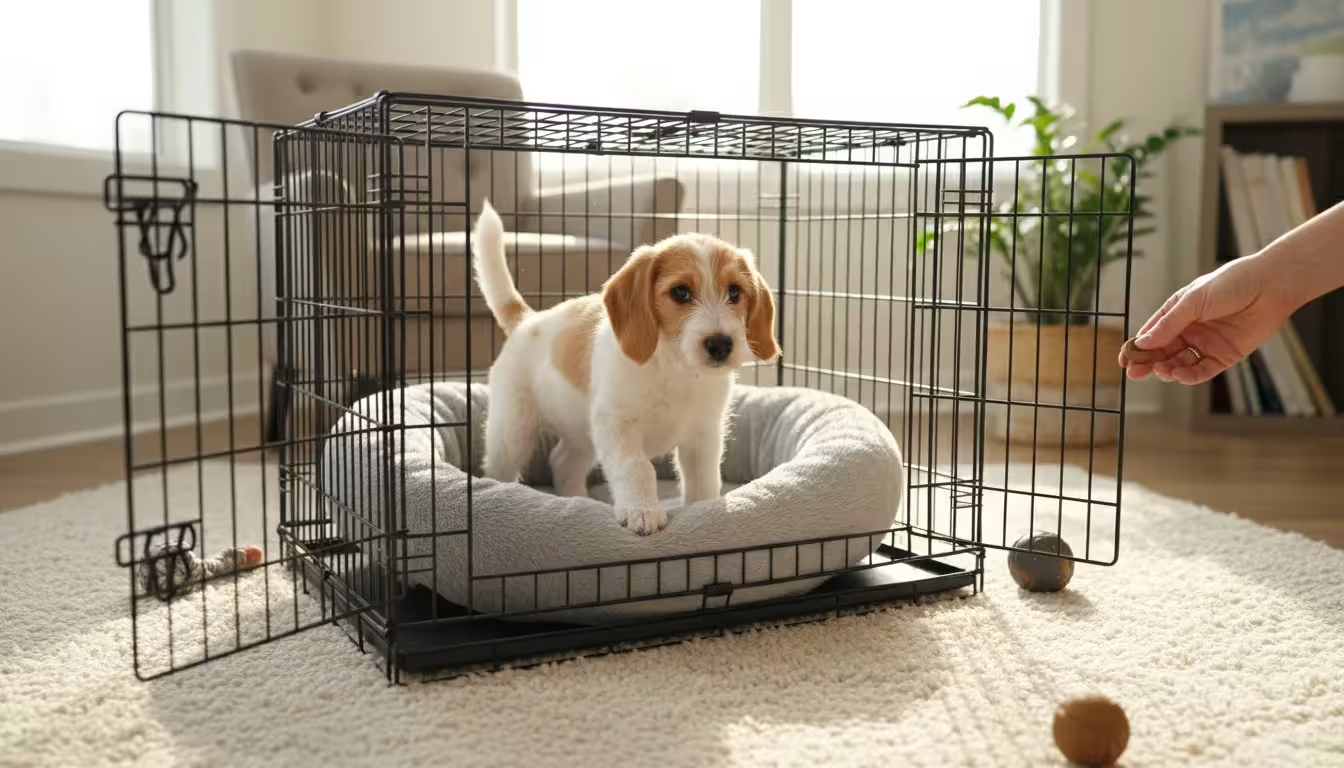
A crate serves as a safe den for your puppy, aiding in house-training and providing a secure place when you cannot directly supervise them. Choose a crate large enough for your puppy to stand up, turn around, and lie down comfortably. Many crates come with dividers, allowing you to adjust the size as your puppy grows, making it a cost-effective long-term solution. Wire crates offer good ventilation and visibility, while plastic crates provide a more den-like feel, often preferred for travel. Ensure the crate has secure latches. Introduce the crate positively, making it a comfortable space with a soft bed and treats. Never use the crate as punishment. A quality wire crate with a divider costs $40-$100 depending on size, offering invaluable support for training.
6. Comfortable Puppy Bed
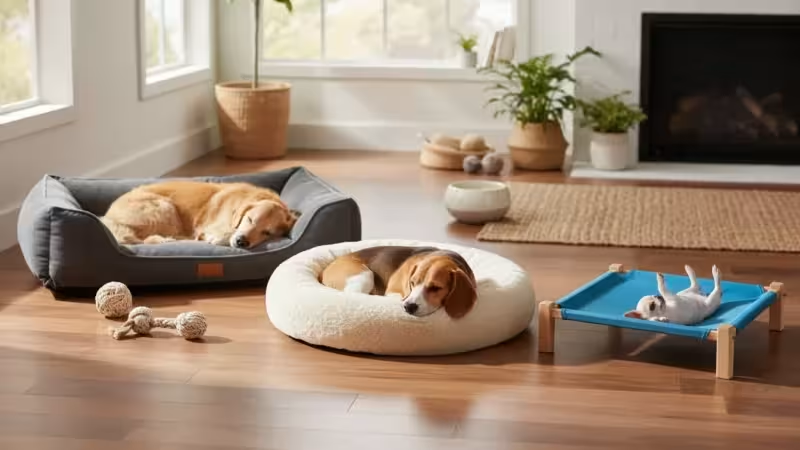
Within the crate or in a designated spot, a comfortable bed offers warmth and support. Look for beds with removable, washable covers, as accidents will happen. Consider beds made from durable, chew-resistant materials if your puppy tends to be destructive. Orthopedic beds offer excellent support for growing joints, especially for larger breeds. For younger puppies, a simpler, cozy bed or blanket inside the crate is often sufficient. Prioritize easy cleaning and durability over excessive plushness, particularly in the early stages. You can find excellent puppy beds ranging from $20-$60, providing a soft spot for your puppy to rest.
7. Pet Carrier
A secure pet carrier is essential for safe transport to vet appointments, groomers, or when traveling. Choose a carrier that provides ample ventilation and allows your puppy to stand and turn around comfortably. Hard-sided carriers offer more protection, while soft-sided carriers provide portability and often fit better under airplane seats, if you plan to fly. Ensure the carrier has reliable latches and a sturdy handle. Introduce the carrier positively, allowing your puppy to explore it and offering treats inside. This helps your puppy associate the carrier with positive experiences, reducing stress during travel. Expect to pay $30-$70 for a good quality pet carrier, a crucial item for your puppy’s safety and convenience.
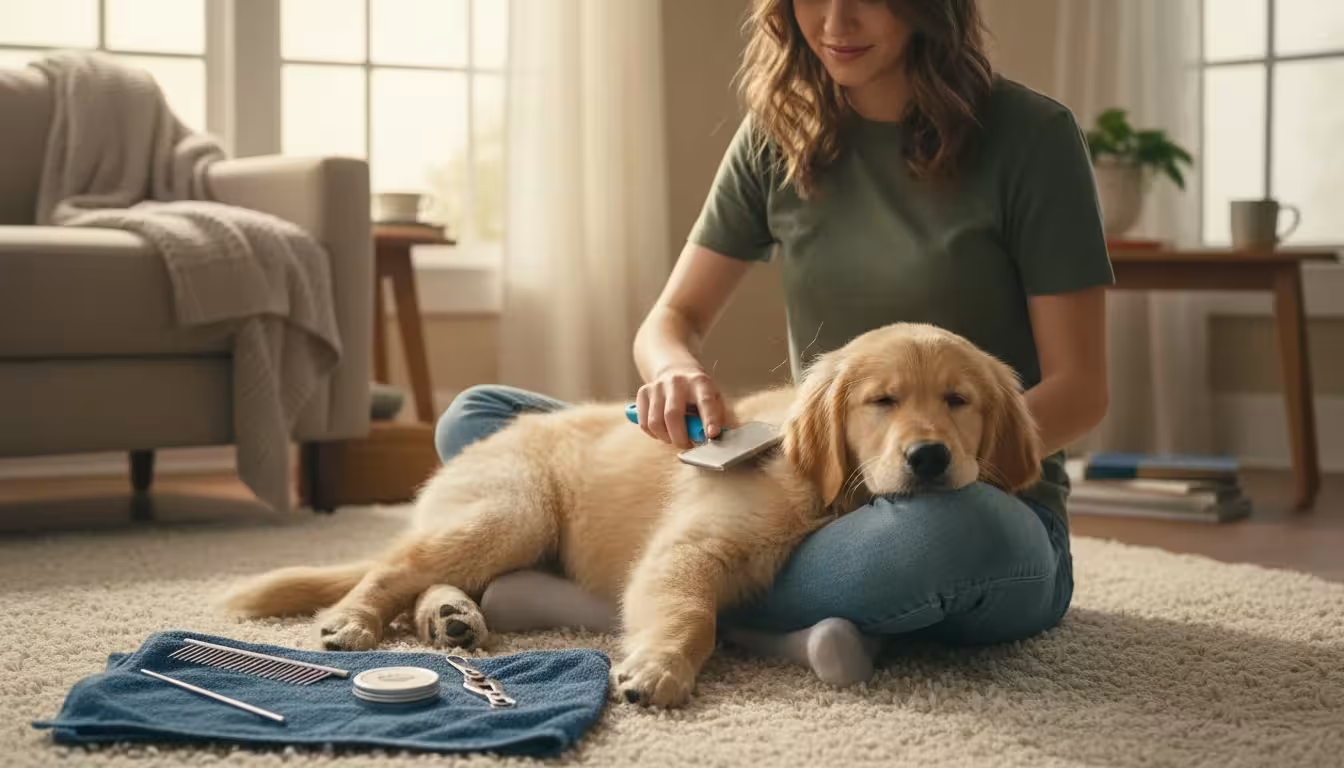
Essential Grooming Tools for a Healthy Coat and Paws
Early introduction to grooming tools makes future grooming sessions stress-free. Regular grooming maintains coat health, prevents matting, and allows for early detection of skin issues or parasites.
8. Puppy Brush or Comb
The type of brush you need depends on your puppy’s coat type. A slicker brush works well for most medium to long-haired breeds, removing loose fur and preventing mats. For short-haired breeds, a rubber curry brush stimulates the skin and removes loose hair. A soft bristle brush helps acclimate puppies to brushing gently. Regular brushing not only keeps their coat healthy but also strengthens your bond. Start with short, positive sessions, rewarding your puppy for calm behavior. This positive reinforcement approach makes grooming a pleasant experience. High-quality puppy brushes typically cost between $10-$25, a small investment for a lifetime of healthy grooming habits.
9. Nail Trimmers and Styptic Powder
Keeping your puppy’s nails trimmed prevents discomfort and potential injury. Choose guillotine-style trimmers for larger breeds or scissor-style trimmers for smaller puppies, ensuring they are sharp for a clean cut. Introduce nail trimming gradually, touching your puppy’s paws and clippers without actually trimming at first. Reward calm behavior. Always have styptic powder on hand, it quickly stops bleeding if you accidentally cut too close to the quick, the sensitive part of the nail. The Fear Free Pets initiative advocates for gentle handling and positive reinforcement during procedures like nail trims, making the experience less stressful for your puppy. A good set of trimmers costs $10-$20, and styptic powder is around $5-$10, both essential safety items.
10. Puppy Shampoo and Conditioner
Puppies have sensitive skin, so select a shampoo specifically formulated for them. Look for tearless, pH-balanced formulas free from harsh chemicals, dyes, and strong fragrances. Oatmeal or aloe vera shampoos soothe dry or itchy skin. Use a conditioner designed for puppies to help keep their coat soft and manageable, particularly for breeds prone to tangles. Introduce baths positively, using warm water and plenty of praise and treats. Avoid over-bathing, as it can strip natural oils from their skin. Your veterinarian can recommend specific products for skin conditions if your puppy develops them. A quality puppy shampoo costs around $10-$25, ensuring gentle cleaning for your young companion.

Walks and Training: Leashes, Harnesses, and Positive Reinforcement Aids
Proper gear makes walks safe and enjoyable. Effective training tools foster good behavior and a strong bond.
11. Front-Clip Harness and Leash
A front-clip harness provides more control and discourages pulling compared to traditional collars or back-clip harnesses. When your puppy pulls, the leash redirects their momentum to the side, gently turning them back towards you, reducing the urge to pull. Choose a harness that fits snugly but allows full range of motion, without chafing. Look for adjustable straps to accommodate growth. A sturdy, 6-foot nylon or leather leash provides sufficient length for walks while maintaining control. Avoid retractable leashes, which offer less control and can cause injury. For effective training, a flat buckle collar with identification tags is also crucial. A good quality front-clip harness and leash set costs approximately $25-$50, proving invaluable for comfortable, safe walks.
12. Training Treats
Training treats serve as a powerful tool in positive reinforcement. Choose small, soft, highly palatable treats that your puppy finds irresistible. They should be easy to chew and swallow quickly, so they do not distract from the training session. Look for treats with wholesome ingredients and avoid artificial additives. Many pet food companies offer specific “training treats” that are low in calories, allowing you to use them frequently without overfeeding. According to the American Kennel Club (AKC), using high-value treats during early training stages significantly improves learning and retention. A bag of high-quality training treats typically costs $8-$15 and is essential for successful puppy training.
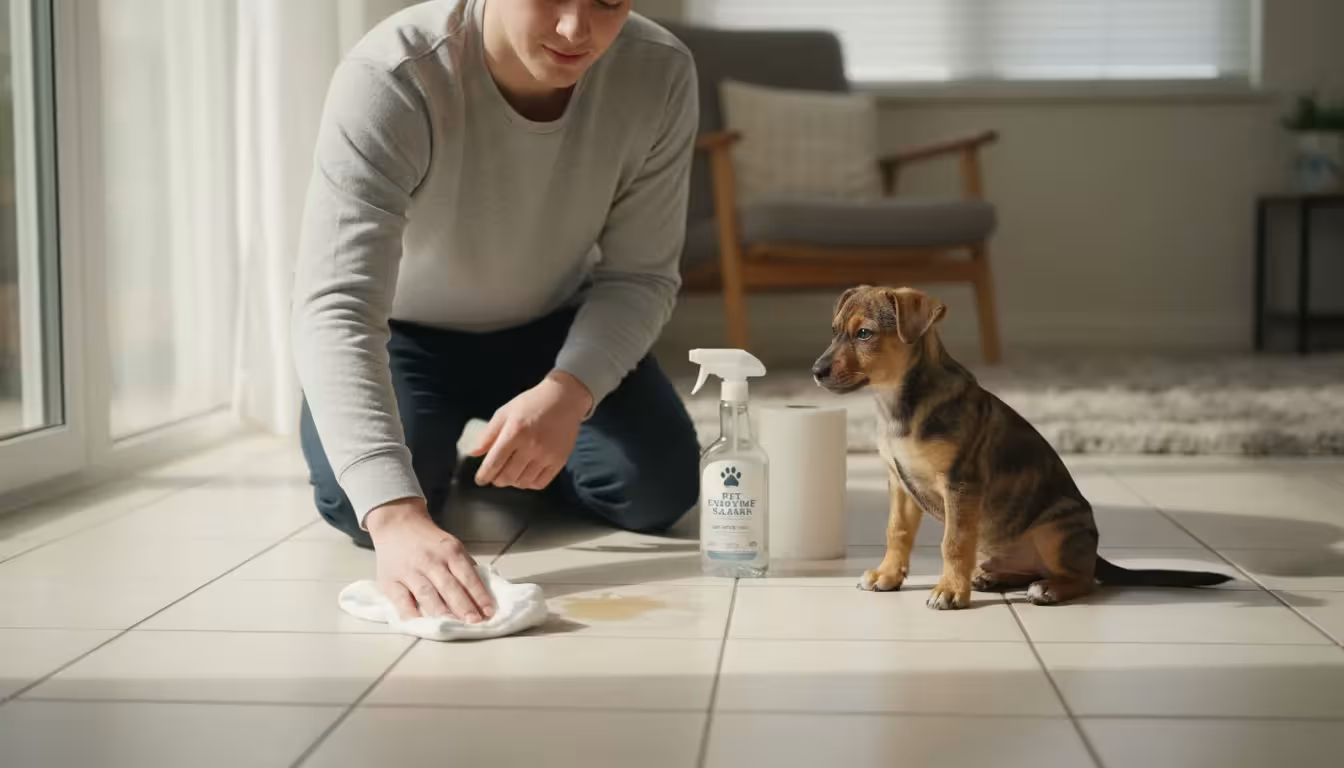
Potty Training and Cleanup: Managing Accidents and Odors
Potty training presents one of the biggest challenges for new puppy owners. Having the right cleaning supplies helps manage accidents effectively, preventing lingering odors and reinforcing proper potty habits.
13. Enzymatic Cleaner
Accidents happen, and an enzymatic cleaner is indispensable for effectively neutralizing pet odors and stains. Unlike regular cleaners that might only mask odors, enzymatic cleaners contain beneficial bacteria that break down the organic matter in urine, feces, and vomit. This eliminates the odor at its source, preventing your puppy from returning to the same spot to “re-mark.” Apply the cleaner generously, allowing it to soak into the soiled area as per product instructions. Test it on an inconspicuous area first to ensure it does not stain. A large bottle of effective enzymatic cleaner costs $15-$30, a wise investment for maintaining a clean and fresh home environment.
14. Puppy Training Pads or Potty Bells
Training pads offer a designated indoor potty spot, useful for apartment dwellers or during the initial stages of house-training. Choose absorbent pads with an attractant to encourage your puppy to use them. While effective for initial training, transition your puppy to outdoor potty habits as soon as possible to avoid long-term reliance on pads. Alternatively, consider potty bells. Hang bells near the door, and teach your puppy to nose or paw them before going outside. This provides a clear communication signal for when they need to relieve themselves. Both options provide structure during the potty-training phase. A pack of training pads costs $15-$30, and potty bells are around $10-$20, offering valuable assistance in house-training.
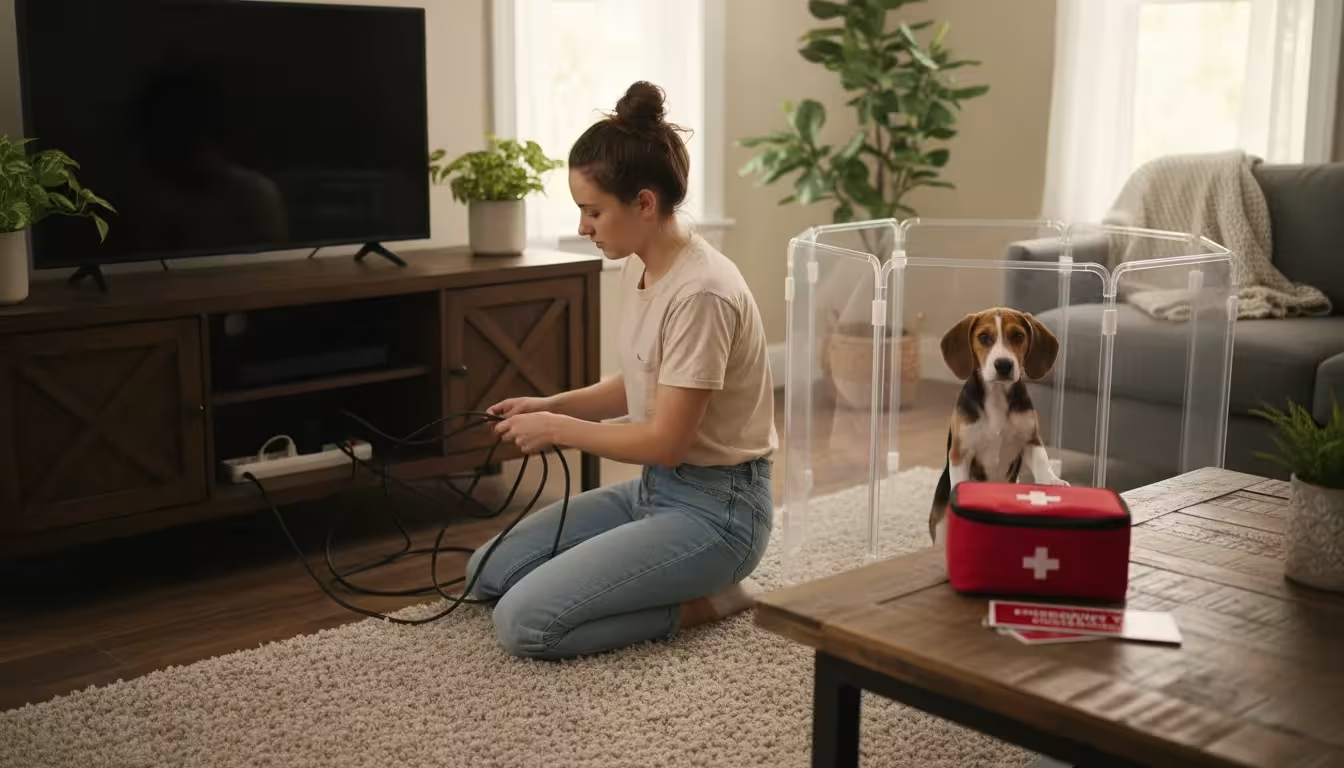
Health and Safety First: Vet Supplies and Pet-Proofing
Prioritizing your puppy’s health and safety involves more than just daily care. It includes preparedness for unexpected situations and ensuring a safe home environment.
15. Pet First-Aid Kit
A well-stocked pet first-aid kit prepares you for minor injuries or emergencies before you can reach a veterinarian. Your kit should include items like sterile gauze pads, antiseptic wipes, non-stinging, vet wrap, adhesive tape, blunt-tip scissors, tweezers, a digital thermometer, and a pet-specific Elizabethan collar. Also include a pet-safe saline solution for wound flushing or eye irrigation. Familiarize yourself with basic pet first aid. Keep your veterinarian’s contact information and the Pet Poison Helpline number prominently displayed. While not a substitute for professional veterinary care, a first-aid kit provides crucial immediate support. A pre-assembled pet first-aid kit costs $25-$50, offering peace of mind.

Technology for Modern Pet Parents: Monitoring and Convenience
Modern technology offers valuable tools to enhance your pet parenting experience, providing peace of mind and convenience, especially when you are away from home.
While not one of the core 15 “must-haves” for every new puppy owner, for those seeking extra peace of mind and convenience, consider these tech-focused pet products. These items represent premium justifications for a modern pet parent’s toolkit.
Pet Camera with Two-Way Audio
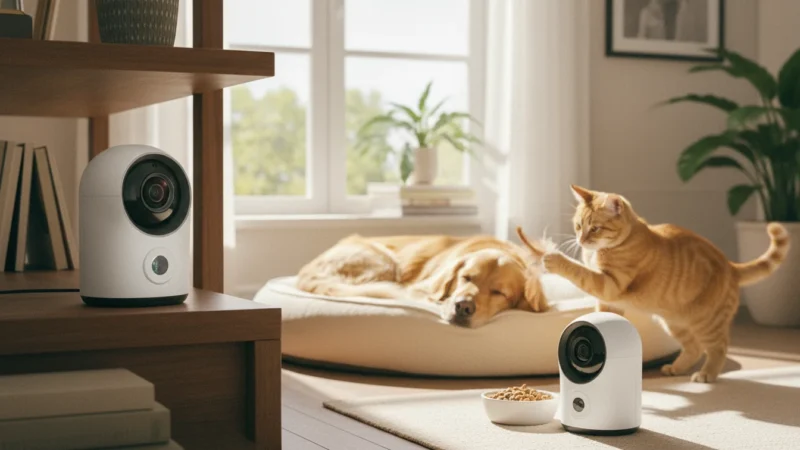
A pet camera allows you to monitor your puppy remotely, providing reassurance while you are at work or running errands. Many models offer features such as two-way audio, enabling you to speak to your puppy, and treat dispensers, allowing you to reward good behavior from afar. Some cameras even include motion detection and night vision, ensuring you catch all the action. This technology helps alleviate separation anxiety for both you and your puppy by providing a visual and auditory connection. Reliable pet cameras range from $50-$200, representing a significant investment in connectivity and monitoring.
Automatic Pet Feeder
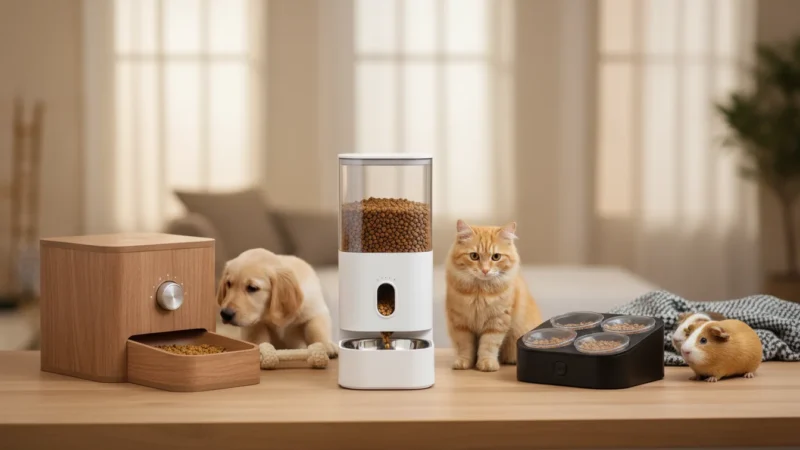
Automatic feeders ensure your puppy receives consistent meal portions on a set schedule, a valuable tool for busy pet parents or those managing a puppy’s weight. Program precise meal times and portion sizes, which helps establish a routine. Some advanced feeders connect to your smartphone, allowing you to dispense food remotely or receive notifications when meals are served. Look for models that are easy to clean and have secure food storage to prevent curious puppies from breaking in. This product excels in convenience and consistency. High-quality automatic feeders range from $40-$150, offering precise meal management.

Frequently Asked Questions
What are the most crucial items to buy before bringing a puppy home?
The most crucial items include high-quality puppy food, appropriate food and water bowls, a comfortable crate, a secure leash and harness, and an enzymatic cleaner for accidents. These essentials address immediate needs for nutrition, shelter, safety, and hygiene, setting your puppy up for a smooth transition.
How can I save money on puppy supplies without compromising quality?
Saving money on puppy supplies involves strategic shopping. Look for multi-use items, such as a crate with a divider that adjusts as your puppy grows. Consider buying certain items like beds or blankets used, ensuring they are thoroughly cleaned and disinfected. Prioritize quality for essential items like food and safety gear, but explore budget-friendly options for toys and treats by making your own or buying in bulk when appropriate.
When should I introduce grooming tools to my puppy?
Introduce grooming tools, like brushes and nail clippers, as early as possible, ideally within the first few days or weeks of bringing your puppy home. Start with very short, positive sessions, pairing the tool with high-value treats and praise. This positive early exposure helps your puppy develop a lifelong positive association with grooming, making future sessions much easier and less stressful.
Is pet insurance a must-have product for new puppy owners?
While not a physical product, pet insurance is a financial product that many consider essential for new puppy owners. Puppies, especially during their first year, often require more frequent veterinary visits for vaccinations, check-ups, and unexpected illnesses or injuries. Pet insurance can significantly reduce out-of-pocket costs for these incidents, providing financial peace of mind. Evaluate different plans and coverage options to find one that fits your budget and your puppy’s anticipated needs.
For expert pet care guidance, visit
the Association of Professional Dog Trainers (APDT),
the American Kennel Club (AKC), and
the Pet Poison Helpline.
Disclaimer: This article is for informational purposes only and is not a substitute for professional veterinary advice, diagnosis, or treatment. Always consult with a licensed veterinarian for medical concerns about your pet.
Leave a Reply