
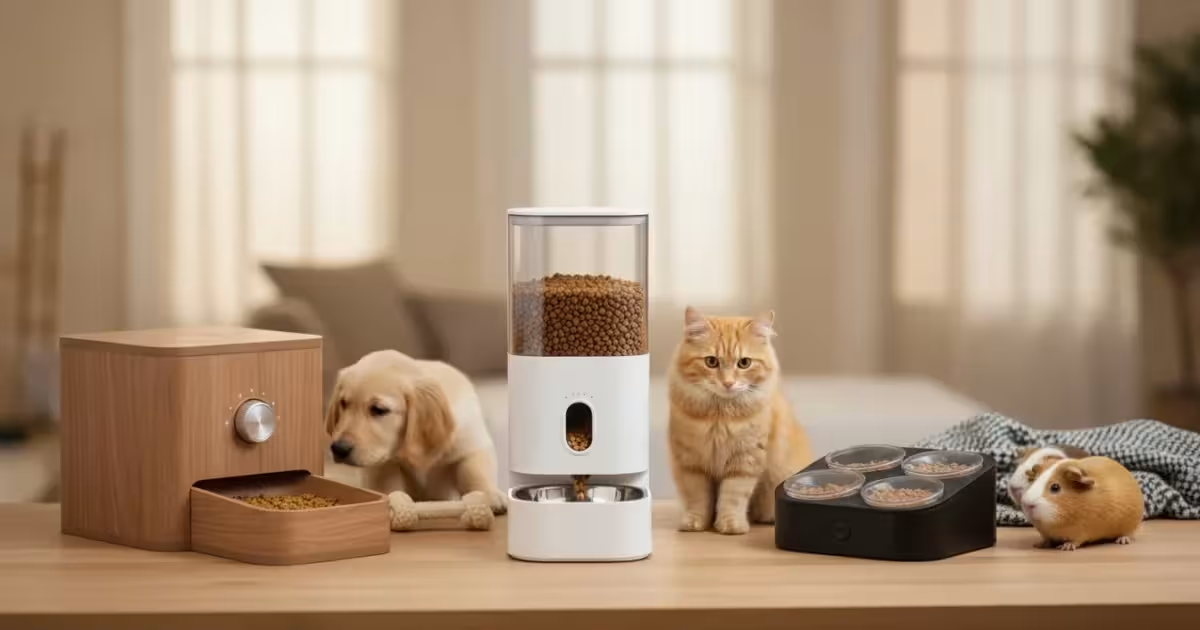
Managing your pet’s meal times can be a balancing act. Whether you work long hours, travel occasionally, or simply want to ensure consistent feeding schedules, an automatic pet feeder offers a convenient solution. These devices dispense food at predetermined times, helping to maintain your pet’s routine and even assist with portion control. However, the market offers a wide variety of feeders, each with unique features and benefits. Choosing the right one for your furry companion and your lifestyle requires careful consideration of various factors, from your pet’s specific needs to the feeder’s technology and safety.
This comprehensive guide helps you navigate the options, compare features, and ultimately select an automatic pet feeder that brings convenience to your life and consistency to your pet’s diet. We delve into different types of feeders, essential features, and how to choose the best fit for your dog, cat, or other small companion animal.
Why Consider an Automatic Pet Feeder?
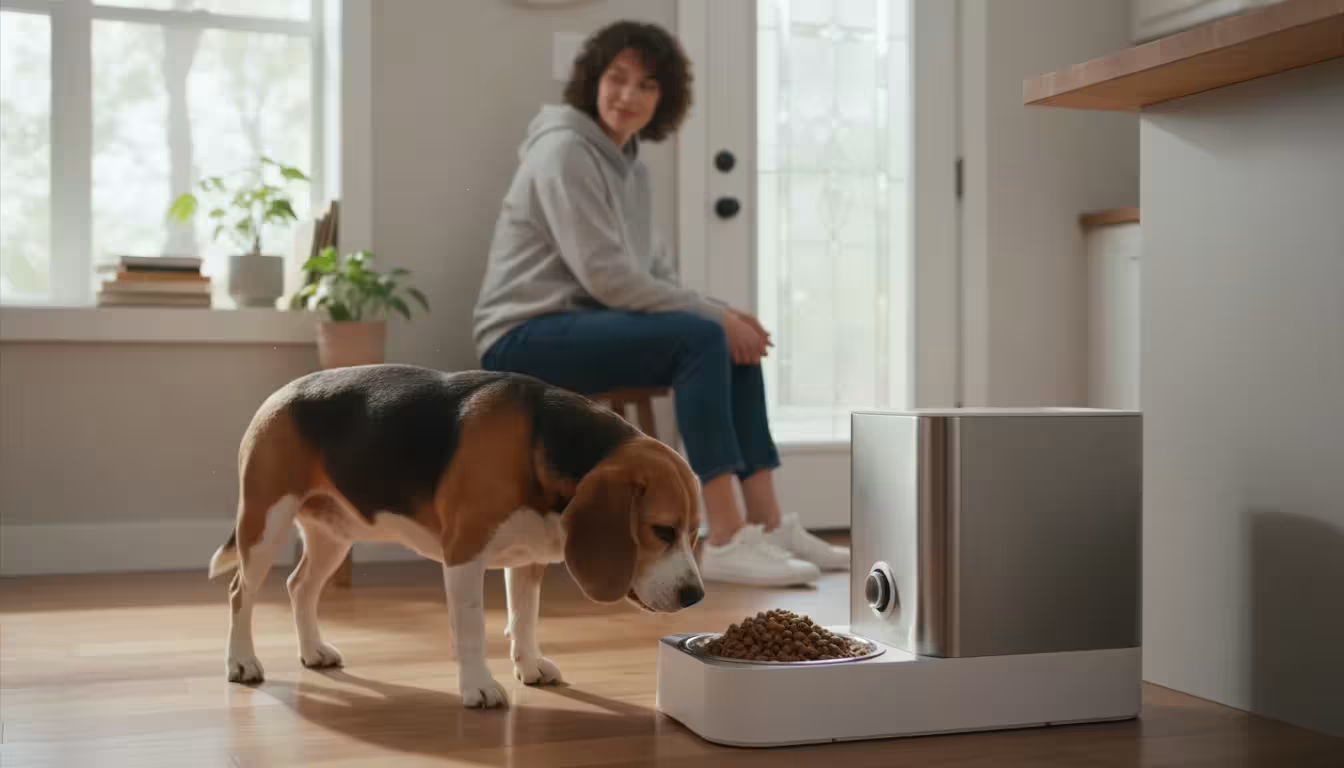
Automatic pet feeders offer more than just convenience. They play a significant role in maintaining your pet’s health and well-being. Consistent meal schedules help regulate your pet’s metabolism and digestive system. This consistency is particularly important for pets with specific health conditions, such as diabetes, where regular, precisely timed meals are crucial for blood sugar management. According to the American Veterinary Medical Association (AVMA), maintaining a consistent feeding schedule is a key component of responsible pet ownership, contributing to overall health and preventing issues like obesity.
Beyond health, automatic feeders provide peace of mind. You eliminate the worry of missing a meal due to an unexpected delay or a hectic morning. For pet owners who work shifts or travel for short periods, these feeders ensure your pet receives their food reliably. They also assist with portion control, which is vital for pets prone to overeating or those on a weight management plan. Many models allow precise programming down to the gram, preventing free-feeding and promoting healthier eating habits.
For pets with separation anxiety, an automatic feeder can provide a sense of routine and a positive event during your absence. Pairing the feeder’s dispense time with a pleasant sound or a recorded message can create a comforting association. This consistent positive experience helps reduce stress around meal times, even when you are not home.
Understanding Different Feeder Types
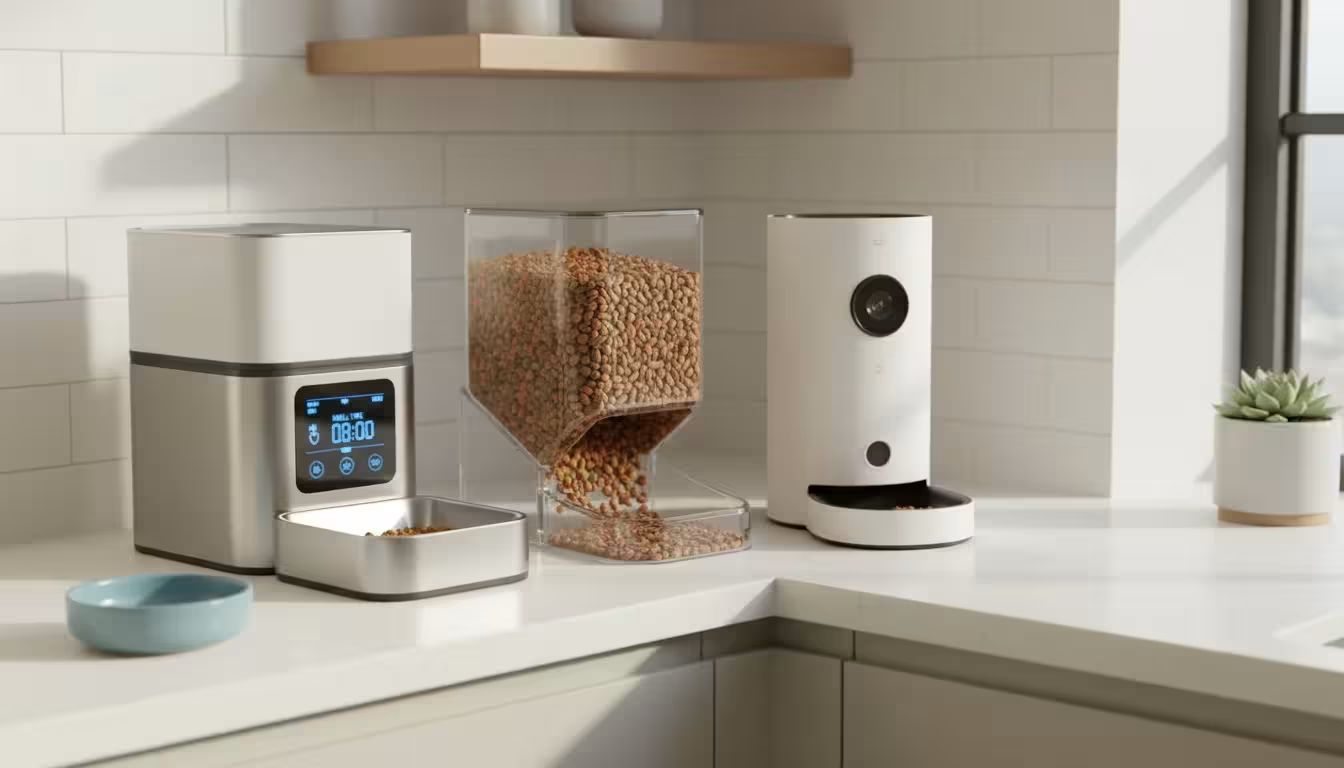
Automatic pet feeders come in several core designs, each suited for different needs and budgets. Understanding these distinctions helps you narrow down your choices.
Gravity Feeders
Gravity feeders are the simplest type. They consist of a large reservoir that holds dry kibble, which automatically refills the bowl as your pet eats. The design relies on gravity to dispense food, meaning the bowl is always full until the reservoir empties.
- Pros: Affordable, no power source needed, easy to clean, provides continuous access to food.
- Cons: Lacks portion control, not suitable for pets that overeat or require specific meal times, food can become stale or attract pests.
- Best for: Cats or dogs who graze throughout the day and do not have weight concerns, or as a backup water dispenser.
Programmable Timed Feeders
These feeders allow you to set specific times for food to be dispensed and control the portion size. They typically feature a digital timer and a dispensing mechanism that releases a measured amount of food into the bowl at scheduled intervals.
- Pros: Excellent for portion control, ensures regular meal times, prevents overeating, suitable for single or multiple pets with individual bowls.
- Cons: Requires batteries or an electrical outlet, some models can be complex to program, limited advanced features.
- Best for: Pets on a strict feeding schedule, those needing weight management, or owners wanting consistent meal times without smart features.
Smart Automatic Feeders (App-Controlled)
Smart feeders represent the cutting edge of pet feeding technology. They connect to your home Wi-Fi and allow you to control and monitor feeding schedules, portion sizes, and even view your pet via a built-in camera, all from a smartphone app. Many include additional features like two-way audio, voice recording, and low food alerts.
- Pros: Ultimate convenience and control from anywhere, real-time monitoring, customizable feeding schedules, often include security camera features.
- Cons: Higher price point, requires Wi-Fi connectivity, app dependency, potential for technical glitches, some features may require a subscription.
- Best for: Tech-savvy owners, those who travel frequently, pets with complex dietary needs, or owners who want to monitor their pet’s eating habits and activity remotely.
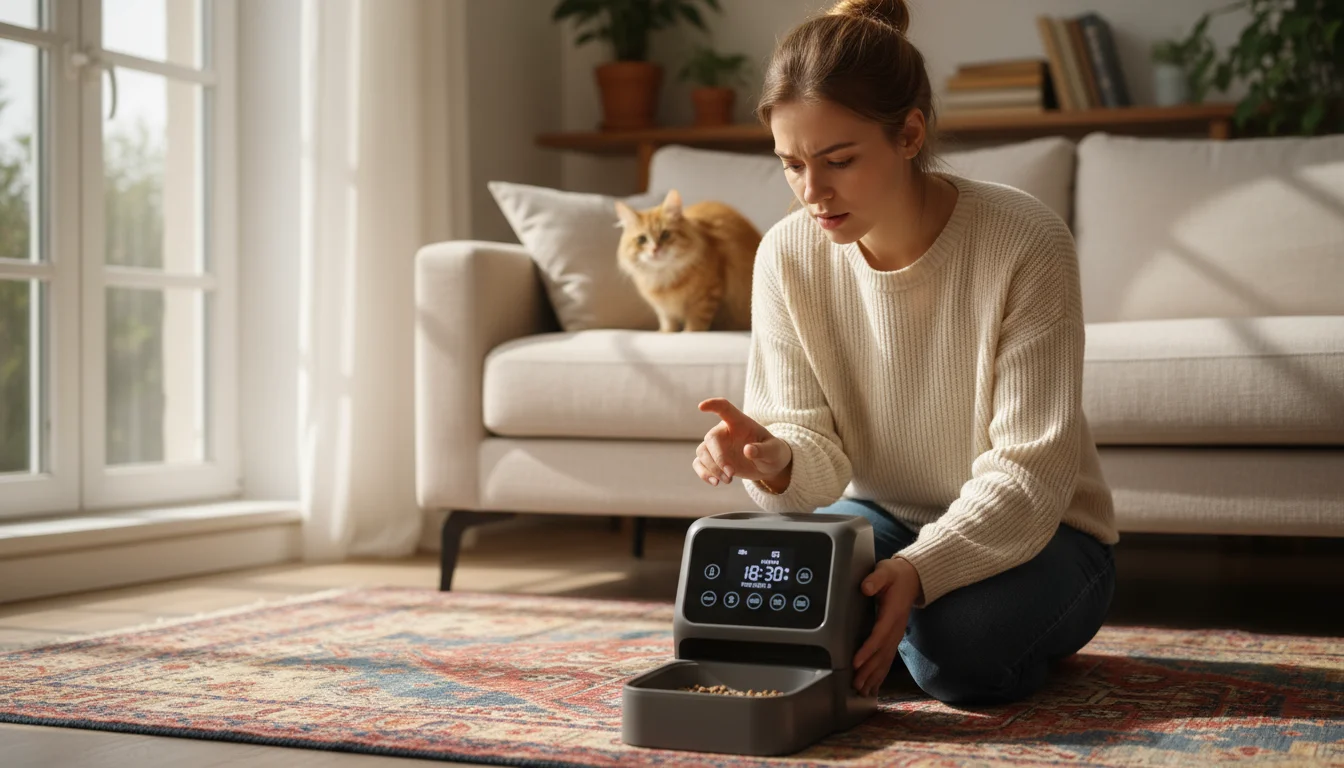
Key Features to Look For
Once you understand the basic types, consider these essential features to find the best automatic feeder for your situation:
Capacity and Food Type
Feeder capacity varies widely, from small containers for a few days’ worth of food to large hoppers holding several weeks’ supply. Consider your pet’s size, appetite, and how often you want to refill the feeder. Most automatic feeders work best with dry kibble. If your pet eats wet food, look for specialized wet food feeders that typically have rotating, chilled compartments for single-serving meals, often limited to a few servings per day. However, these are less common and usually simpler in design.
Material and Durability
Look for feeders made from durable, food-grade materials such as BPA-free plastic or stainless steel. Stainless steel bowls are often removable and dishwasher-safe, offering superior hygiene and preventing chin acne in some pets. Ensure the feeder’s construction is robust enough to withstand a determined pet trying to access extra food.
Power Source and Backup
Most programmable and smart feeders use AC power, but a crucial feature is battery backup. This ensures your pet gets fed even during a power outage. Check the battery type and expected life, and factor in the cost and frequency of battery replacement. A reliable power backup offers invaluable peace of mind.
Portion Control and Dispensing Accuracy
Precision is key for managing your pet’s diet. Look for feeders that allow small, incremental adjustments to portion sizes, ideally in grams or ounces. Research indicates that maintaining an ideal body weight can significantly extend a pet’s life, as noted by organizations like the American Animal Hospital Association (AAHA). Accurate dispensing prevents over or underfeeding. Some feeders offer slow-feed options or randomization, which are beneficial for pets that eat too quickly.
App Features and Reliability (for Smart Feeders)
If choosing a smart feeder, evaluate the companion app’s user-friendliness, features, and reliability. Important app features include: remote feeding, scheduling customization, feeding history logs, low food alerts, and integrated cameras with night vision and two-way audio. Read user reviews to gauge the app’s stability and responsiveness, as a glitchy app defeats the purpose of convenience.
Security and Pet-Proofing
A good feeder prevents your pet from breaking into the food storage or knocking it over. Look for sturdy lids, secure latches, and a stable base. Some feeders have special designs to prevent clever pets from “gaming” the system for extra kibble. This ensures your pet eats only what you intend.
Ease of Cleaning
Food residue can accumulate, leading to bacteria growth. Choose a feeder with removable components that are easy to wash, ideally dishwasher-safe. Regular cleaning is essential for your pet’s health. The less complex the design, the easier it typically is to keep clean.

Choosing the Right Feeder for Your Pet
The “best” feeder depends entirely on your pet’s species, size, eating habits, and any specific health needs.
For Cats
Cats often prefer small, frequent meals. A programmable feeder that dispenses multiple small portions throughout the day mimics their natural hunting and feeding patterns. Consider feeders with stainless steel bowls to prevent chin acne and ensure hygiene. For multi-cat households, microchip-enabled feeders are a game-changer. These feeders only open for pets wearing a specific microchip or RFID tag, ensuring each cat eats only their designated food and preventing food theft or overeating among specific individuals.
For Dogs
Dog feeders need to be durable and often larger capacity. Small dogs may do well with standard cat feeders, but larger breeds require more robust construction and a much greater food capacity. If your dog is a fast eater, look for feeders with slow-feed bowls or those that dispense smaller portions over a longer period to prevent bloat and indigestion. For puppies, a feeder can help establish a consistent routine, which supports house training and overall development. However, always supervise young puppies with new devices to ensure safety and proper use.
For Multi-Pet Homes
Managing meal times for multiple pets, especially if they have different dietary needs or tendencies to steal food, presents unique challenges. Microchip feeders are ideal for ensuring specific pets consume only their prescribed food. Alternatively, consider multiple feeders, each assigned to a particular pet, placed in separate areas to prevent conflicts and ensure fairness.
Special Considerations: Weight Management and Health Conditions
For pets needing to lose weight, precise portion control from a programmable or smart feeder is invaluable. Consult your veterinarian for an accurate daily calorie target, and then program the feeder accordingly. For diabetic pets or those requiring medication with food, consistent timing is paramount. A smart feeder with reliable scheduling and alerts helps you manage these critical needs effectively. Always discuss any dietary changes or the introduction of new feeding methods with your veterinarian.
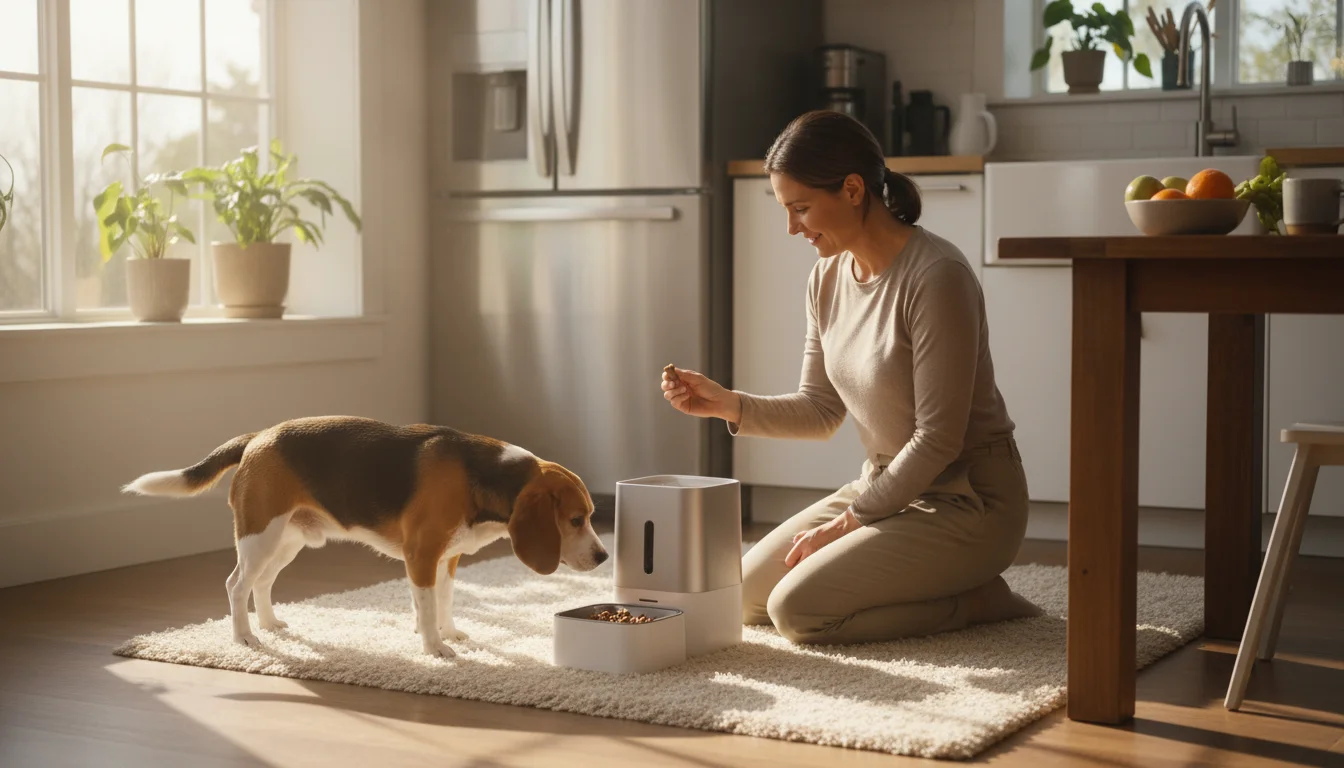
Setting Up and Using Your Automatic Feeder Safely
Introducing a new automatic feeder should be a positive experience for your pet. Gradual introduction and positive reinforcement help your pet adapt quickly.
- Location: Place the feeder in a quiet, accessible area where your pet normally eats. Ensure it is stable and unlikely to be tipped over.
- Initial Introduction: For the first few days, continue to feed your pet from their regular bowl while the automatic feeder is present but not yet active. Let them explore it.
- Positive Association: Once your pet seems comfortable with its presence, activate the feeder and manually dispense a small amount of food when your pet is nearby. Praise them and offer a high-value treat as the feeder dispenses. This creates a positive association with the feeder’s sounds and actions. As experts at Fear Free Pets emphasize, positive experiences during new introductions reduce stress and anxiety.
- Gradual Transition: Over several days, gradually reduce the amount of food in their regular bowl as you increase the programmed portions from the automatic feeder. Ensure your pet is consistently eating from the new feeder before fully transitioning.
- Programming: Follow the manufacturer’s instructions carefully for setting up schedules and portion sizes. Test the feeder several times to confirm it dispenses correctly.
- Monitoring: During the initial transition period, monitor your pet closely to ensure they are eating regularly from the automatic feeder and adapting well.
Always ensure the feeder is clean and properly assembled to prevent any safety hazards or malfunctions.
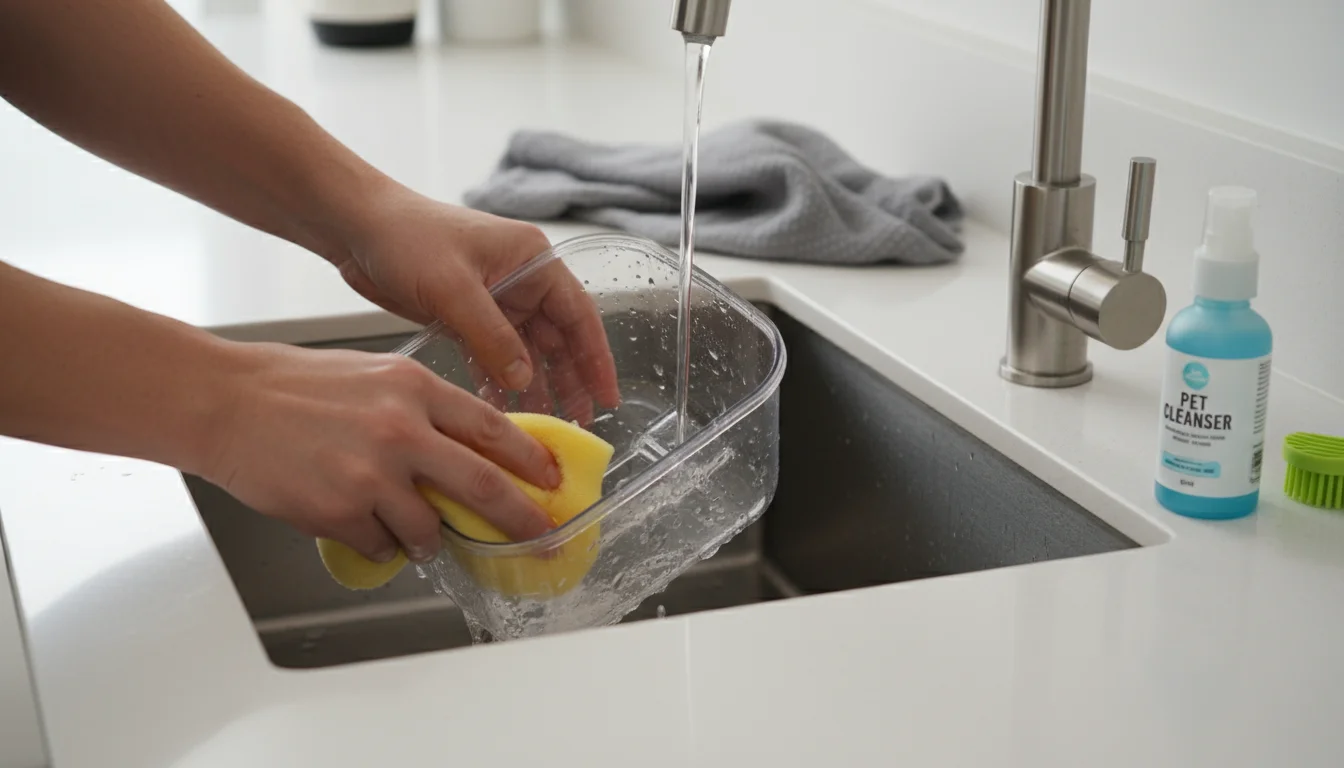
Maintaining Your Feeder and Troubleshooting Common Issues
Proper maintenance ensures your automatic feeder functions reliably and keeps your pet’s food fresh and safe.
Regular Cleaning
Food residue and oils can build up, becoming rancid or harboring bacteria. Disassemble removable parts as per the manufacturer’s instructions and wash them thoroughly with warm, soapy water. Rinse completely and allow all components to dry fully before reassembling. Aim for weekly cleaning, or more frequently if using wet food or if you notice any unpleasant odors.
Checking Batteries and Power
If your feeder uses batteries, check them regularly. Replace them before they run out to avoid missed meals. For feeders with battery backup, test the backup system periodically by unplugging the main power for a short duration. Ensure the power cord is secure and free from damage that your pet might chew. Use a chew-resistant cord protector if necessary.
Troubleshooting Common Issues
- Food Not Dispensing: Check if the hopper is empty. Ensure the dispensing mechanism is not jammed with kibble, especially if using irregularly shaped pieces. Clean the chute. Verify the schedule is correctly programmed and the feeder is powered on.
- Incorrect Portions: Recalibrate the portion size if possible, or adjust the settings in the app or control panel. Ensure the food type matches what the feeder is designed for, as different kibble sizes affect dispensing accuracy.
- Pet Accessing Extra Food: If your pet manages to “break into” the feeder, reinforce the lid mechanism or consider a more pet-proof model. Some pets learn to shake or tip gravity feeders, so a timed feeder offers better security.
- Wi-Fi Connectivity Issues (Smart Feeders): Ensure your router is functioning and within range. Restart the feeder and your router. Check the app for server issues or updates.
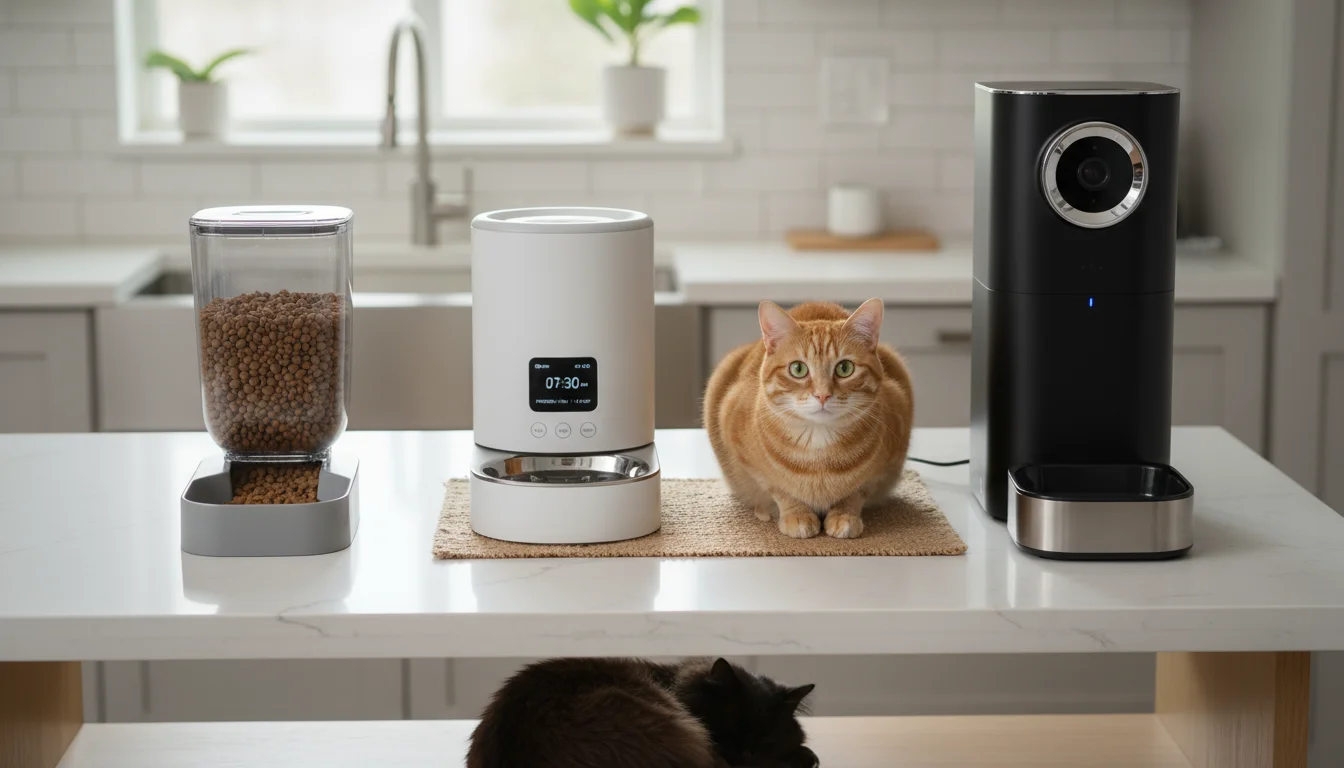
Value for Money: Budget to Premium Options
Automatic pet feeders range significantly in price, from under $30 for basic gravity models to several hundred dollars for advanced smart feeders. Consider your budget alongside the features most important to you and your pet.
Budget-Friendly Options (Under $50)
This category primarily includes gravity feeders and basic timed feeders with minimal features. They are great for consistent food availability or simple scheduling without remote control or advanced programming. While they may lack durability compared to higher-end models, they offer a functional entry point for pet owners seeking basic automation. Look for models with easy-to-clean components and a sturdy base.
Mid-Range Options ($50-$150)
Mid-range feeders typically offer more robust construction, better portion control, and more flexible scheduling options. Many programmable timed feeders fall into this category, providing reliable performance without the premium price tag of smart features. You often find better quality materials, such as stainless steel bowls, and more user-friendly interfaces. These represent an excellent balance of features and cost for most pet owners.
Premium Smart Feeders ($150+)
At the higher end, you gain access to app-controlled functionality, integrated cameras, voice recording, and other advanced features. These feeders offer unparalleled convenience and monitoring capabilities, ideal for busy owners or those with pets requiring very specific care. The value here lies in the enhanced connectivity, peace of mind, and comprehensive control. While the initial investment is higher, the long-term benefits in terms of remote management and pet monitoring often justify the cost for many pet parents.
When assessing value, consider not just the initial price but also the durability, reliability, and how well the feeder meets your specific needs. A cheaper feeder that fails or breaks easily ends up costing more in the long run.
Common Mistakes to Avoid with Automatic Feeders
Even with the best intentions, some pitfalls can negate the benefits of an automatic feeder or even cause issues for your pet.
- Relying on it Completely for Interaction: An automatic feeder handles meal delivery, but it cannot replace human interaction. Continue to bond with your pet through playtime, petting, and training sessions. Feeding time is often a key bonding experience, so ensure you still provide attention and affection.
- Not Monitoring Food Intake: While feeders automate dispensing, you must still ensure your pet eats the food. Regularly check the bowl to confirm food is consumed and not left uneaten or hidden. This is particularly important during the initial transition or if your pet’s appetite changes.
- Neglecting Cleaning: As mentioned, dirty feeders can harbor bacteria. Do not assume the feeder is self-cleaning. Regular cleaning of all food-contact surfaces prevents health issues.
- Ignoring Power Backup: Assuming your power will never go out is risky. Always use battery backup if available, and ensure batteries are fresh. A power outage can leave your pet unfed.
- Using the Wrong Food Type: Most feeders are designed for dry kibble. Attempting to use wet food in a non-specialized feeder can lead to blockages, spoilage, and hygiene issues.
- Placing the Feeder in an Unsafe Location: Ensure the feeder is stable and cannot be knocked over. Avoid placing it near stairs or in high-traffic areas where it might be a tripping hazard or easily damaged.
- Not Adjusting Portions: Your pet’s dietary needs can change due to age, activity level, or health status. Re-evaluate and adjust portion sizes as needed, in consultation with your veterinarian.
When to Seek Professional Guidance
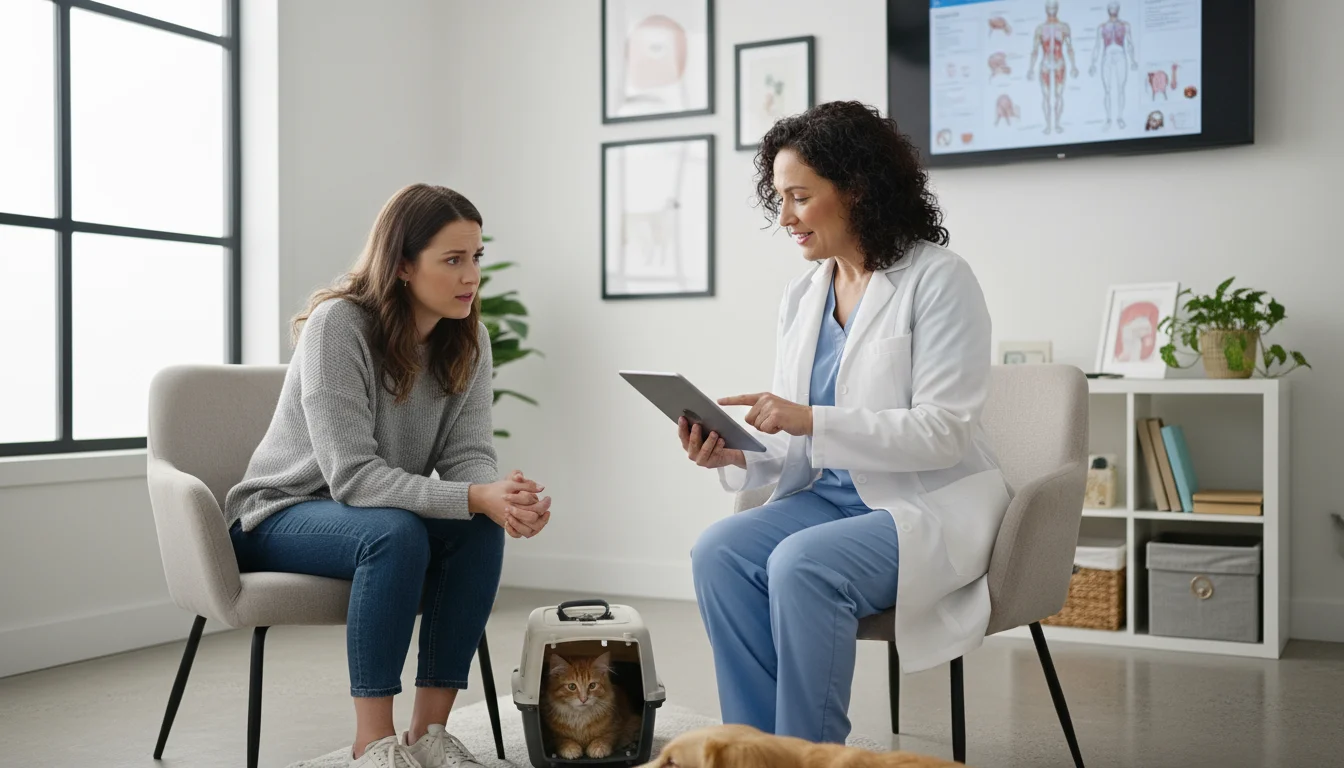
While automatic feeders simplify daily routines, they are tools that support, not replace, professional pet care. Know when to reach out to a veterinarian or a certified animal behaviorist.
- Dietary Concerns: If you are starting a new diet for weight loss, managing a chronic condition like diabetes or kidney disease, or notice changes in your pet’s appetite, always consult your veterinarian. They provide precise caloric recommendations and dietary advice tailored to your pet’s specific health needs.
- Behavioral Issues: If your pet exhibits stress, anxiety, or aggression related to the feeder, food, or your absence, a certified professional dog trainer (CPDT) or a veterinary behaviorist can offer tailored strategies. For example, if your cat is still overeating despite portion control, a behaviorist can help address the root cause, which may be boredom or anxiety. According to the International Association of Animal Behavior Consultants (IAABC), understanding underlying motivations is crucial for effective behavioral modification.
- Feeder Malfunctions: If your feeder consistently malfunctions despite troubleshooting, contact the manufacturer’s support. If the malfunction impacts your pet’s health or feeding schedule, revert to manual feeding immediately and seek a replacement.
- Sudden Changes in Eating Habits: If your pet suddenly stops eating from the feeder, eats significantly less, or seems uninterested in food, this can indicate a health issue. A veterinary check-up is warranted to rule out medical problems.
Frequently Asked Questions
Can automatic feeders work for both dogs and cats?
Yes, many automatic feeders are suitable for both dogs and cats, particularly those designed for dry kibble and offering portion control. However, consider species-specific needs. Cats often prefer smaller, more frequent meals, while large dogs require greater capacity and more robust feeders. For multi-pet homes, microchip-enabled feeders prevent food stealing among different pets.
Are automatic pet feeders safe for puppies and kittens?
Automatic feeders can be safe for puppies and kittens, provided they are introduced properly and monitored. For very young animals, consistent human supervision during meals is still important to ensure they are eating adequately and not encountering any issues. Ensure the feeder’s design prevents tiny paws from getting stuck or small heads from becoming trapped. Always introduce new devices gradually and positively.
How often should I clean my automatic pet feeder?
Clean your automatic pet feeder at least once a week, especially parts that come into contact with food. If you use wet food, daily cleaning of the food compartments is essential to prevent bacterial growth and spoilage. Regular cleaning ensures fresh food and good hygiene for your pet.
What happens if the power goes out with an automatic feeder?
Most quality programmable and smart automatic feeders include a battery backup system. This ensures the feeder continues to dispense food according to the schedule, even during a power outage. Always check for this feature before purchasing, and make sure to keep fresh batteries installed. Gravity feeders do not rely on power and continue to dispense as long as they contain food.
Can I put wet food in an automatic feeder?
Most standard automatic feeders are designed exclusively for dry kibble. Putting wet food in them can lead to spoilage, bacterial growth, and blockages in the dispensing mechanism. Some specialized automatic feeders do exist for wet food, typically featuring chilled, rotating compartments that dispense one meal at a time. If your pet eats wet food, ensure you choose a feeder specifically designed for it and clean it daily.
For expert pet care guidance, visit
Rover — Pet Care Blog, Preventive Vet and American Veterinary Medical Association (AVMA).
Disclaimer: This article is for informational purposes only and is not a substitute for professional veterinary advice, diagnosis, or treatment. Always consult with a licensed veterinarian for medical concerns about your pet.






Leave a Reply