
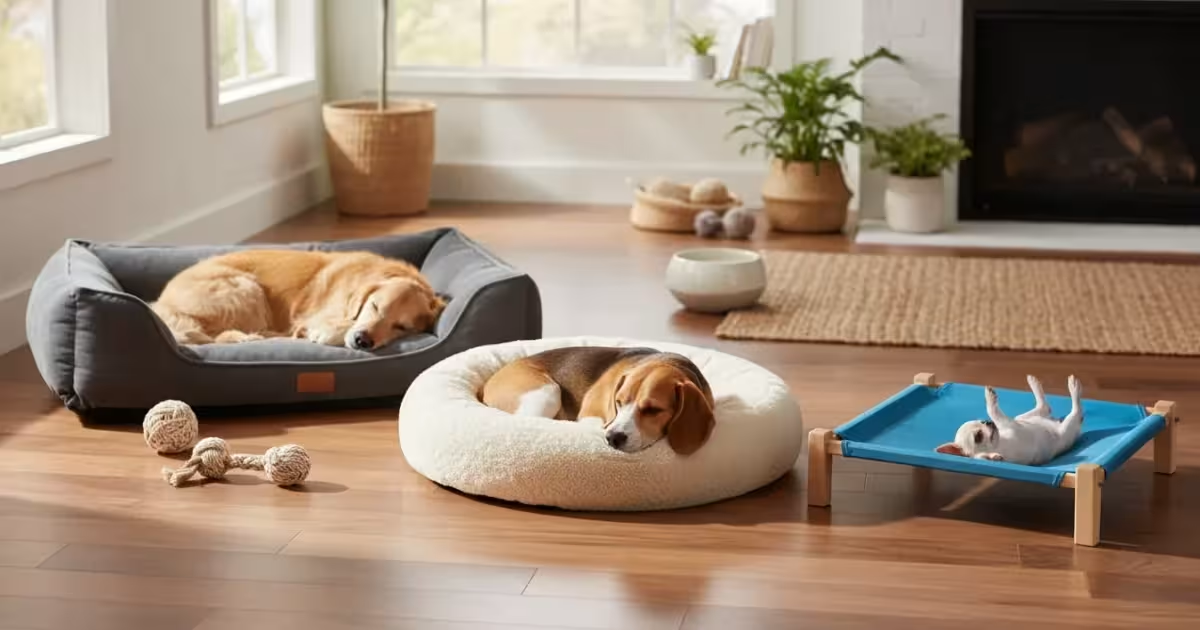
Choosing the right dog bed is more than just selecting a soft spot for your furry friend to nap. A quality bed provides essential support for their joints, promotes better sleep, and contributes significantly to their overall health and well-being. With countless pet products on the market, finding the perfect match for your dog’s unique size and sleep style can feel overwhelming. This guide offers practical, actionable insights to help you navigate the options and make an informed decision, ensuring you pick one of the best dog beds for different sizes and sleep styles. Your dog deserves a comfortable, supportive, and safe resting place.
Understanding Your Dog’s Needs: Size and Sleep Style
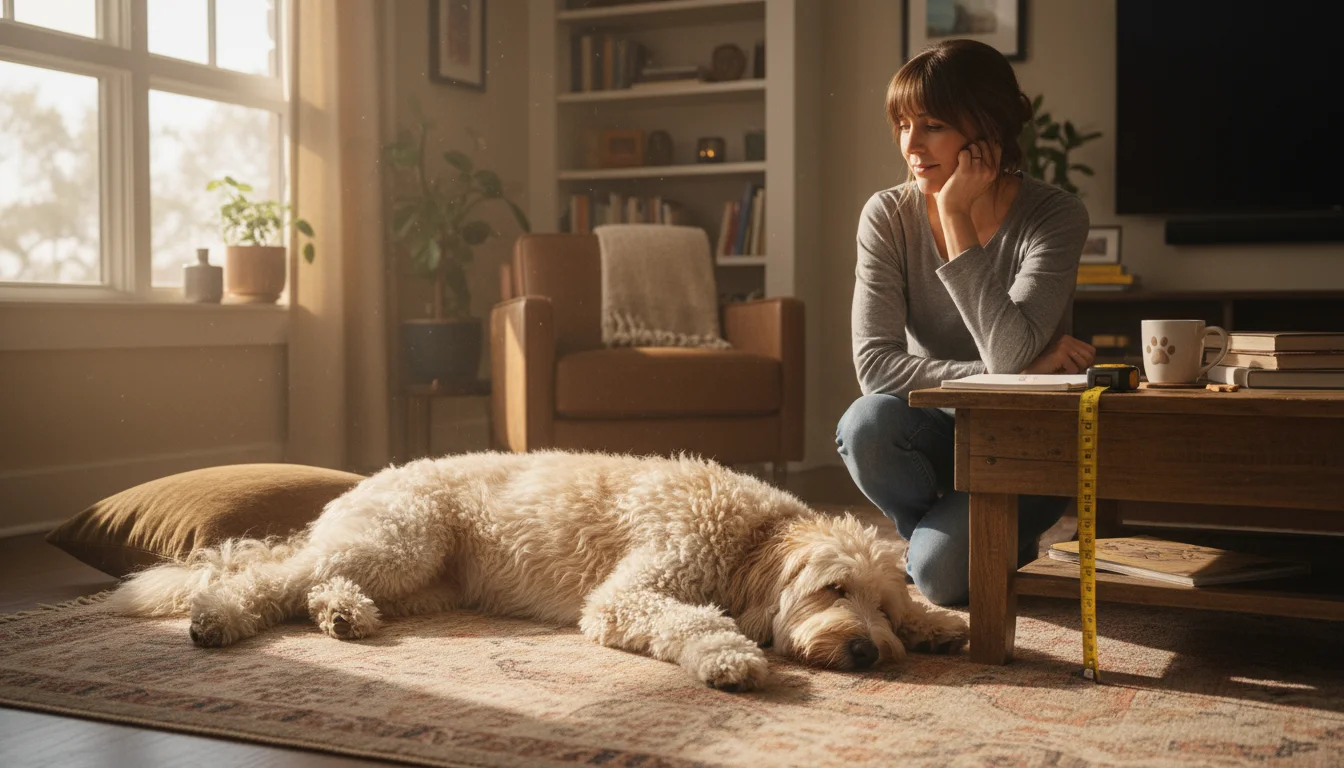
The first step in finding the ideal dog bed involves a clear understanding of your dog’s physical dimensions and their preferred sleeping posture. Overlooking these fundamental aspects often leads to an uncomfortable bed your dog avoids. We analyze countless pet products to help you identify what truly matters.
Matching Bed Size to Your Dog’s Dimensions
A bed that is too small forces your dog to curl up uncomfortably, while a bed that is too large might not provide the cozy security some dogs prefer. To determine the correct bed size, measure your dog from the tip of their nose to the base of their tail, and then from the top of their head to the ground. Add 6-12 inches to the length measurement to ensure ample space for stretching out.
- Small Dogs (under 25 lbs): Chihuahuas, Toy Poodles, Miniature Dachshunds. They often enjoy bolstered beds for security or small donut beds for curling up.
- Medium Dogs (25-50 lbs): Beagles, Border Collies, French Bulldogs. These dogs benefit from a good balance of space and support, often thriving on bolster or orthopedic beds.
- Large Dogs (50-90 lbs): Golden Retrievers, German Shepherds, Labradors. Orthopedic support becomes crucial for these heavier breeds, preventing joint strain. They need ample room to sprawl.
- Giant Breeds (over 90 lbs): Great Danes, Mastiffs, Saint Bernards. Specialized orthopedic beds with robust support and large dimensions are essential to protect their joints and ensure comfort. According to the American Kennel Club (AKC), giant breeds are prone to joint issues, making proper support critical from a young age.
Identifying Your Dog’s Sleep Style
Observing how your dog sleeps offers valuable clues to the best bed type. Dogs exhibit several common sleeping positions, each indicative of their comfort needs:
- The Curler/Nester: These dogs prefer to curl into a tight ball, often seeking warmth and security. Bolster beds or donut beds provide the perfect enclosed feeling.
- The Stretcher/Sprawler: Some dogs love to stretch out fully on their side or back, taking up as much space as possible. A flat, open mattress-style bed or a large rectangular orthopedic bed accommodates this style best.
- The Leaner/Wall-Hugger: Dogs who lean against furniture or walls while sleeping often seek a sense of support and containment. Bolstered beds offer this reassuring structure.
- The Digger/Scratcher: These dogs will paw and dig at their sleeping surface before settling down. Durable, robust beds with chew-resistant covers are ideal, as they withstand this preparatory behavior.
- The “Superman” Sprawler: Often seen in puppies and smaller dogs, this position involves lying flat on their belly with legs stretched out front and back. A spacious, flat mattress bed works well.
Key Features to Look For in Dog Beds
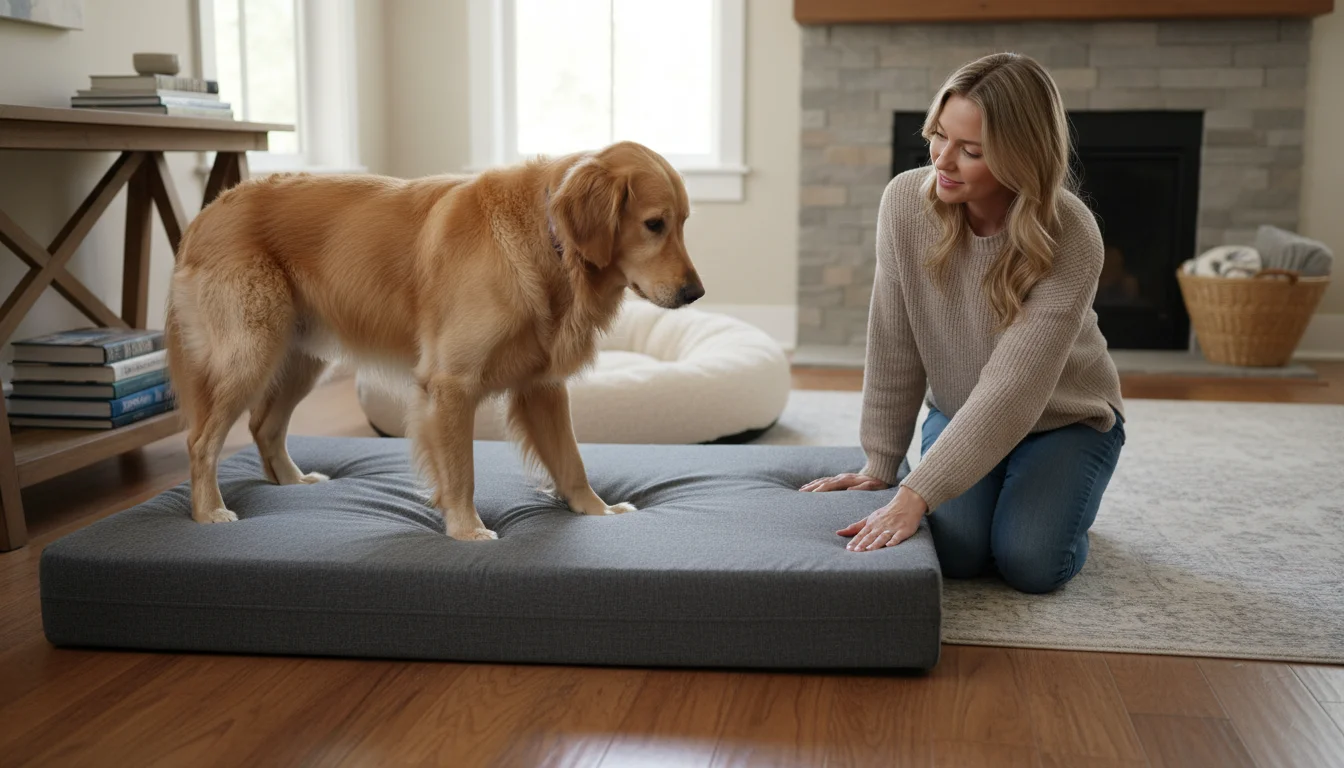
Once you understand your dog’s size and sleep style, you can focus on the specific features that make a dog bed truly exceptional. Our comprehensive pet products tips emphasize safety, durability, and comfort.
Material and Fill
- Memory Foam: Offers superior joint support, conforming to your dog’s body. Ideal for senior dogs, large breeds, or dogs with arthritis. Look for dense, high-quality foam that does not flatten quickly.
- Orthopedic Foam (Polyurethane): Provides firm, even support across the entire bed surface. It helps distribute weight evenly and relieve pressure points. Many orthopedic beds combine different foam layers for optimal comfort and support.
- Shredded Memory Foam/Polyester Fiberfill: These fills can be comfortable but may clump over time, leading to uneven support. They are generally more budget-friendly and suitable for younger, healthier dogs or those who do not require extensive orthopedic support.
- Cedar Chips: Sometimes used in outdoor or traditional beds, cedar offers natural insect repellent properties but can be uncomfortable for indoor use and may cause allergic reactions in sensitive dogs.
Cover Material and Durability
The bed cover is crucial for hygiene and longevity. Prioritize these qualities:
- Washability: A removable, machine-washable cover is non-negotiable for easy cleaning and maintaining a fresh environment.
- Durability: Look for tough fabrics like canvas, denim, or ballistic nylon, especially if your dog is a chewer or a digger. Reinforced stitching also enhances longevity.
- Waterproof/Water-Resistant: Essential for puppies, senior dogs, or dogs prone to accidents. An internal waterproof liner protects the foam from moisture and odors.
- Softness: Plush fabrics like microsuede or faux fur offer comfort, but ensure they are still durable enough to withstand washing and daily use.
Support and Orthopedic Benefits
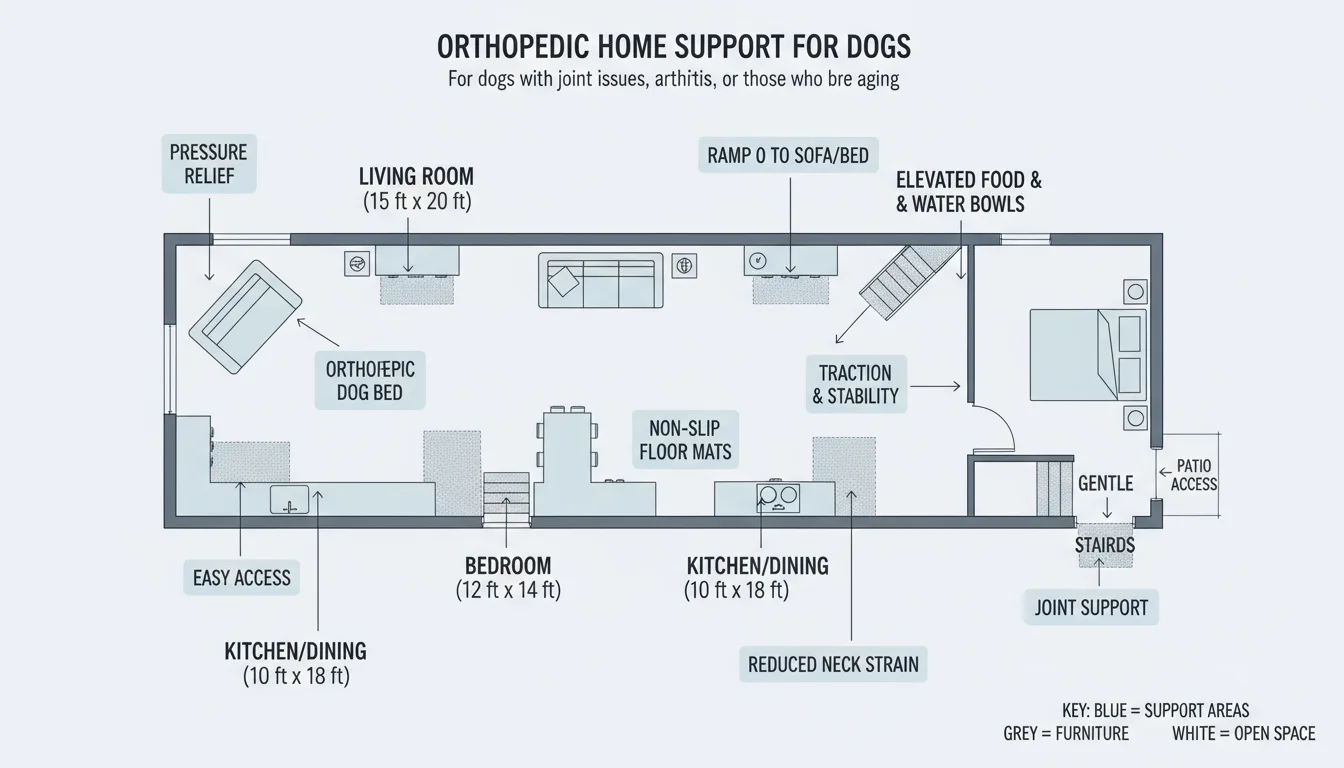
For dogs with joint issues, arthritis, or those who are aging, orthopedic support is paramount. High-quality orthopedic beds use dense, supportive foam layers that prevent sinking and provide a firm, comfortable surface. According to the American Veterinary Medical Association (AVMA), adequate joint support can significantly improve comfort and mobility for dogs with musculoskeletal conditions. Consider beds with a “human-grade” foam designation for superior quality.
Safety Considerations
As experts in pet products, we stress safety. Ensure the bed’s materials are non-toxic. Avoid beds with small, easily detachable parts that could pose a choking hazard. If your dog is a heavy chewer, seek out chew-resistant beds or those with hidden zippers. The ASPCA consistently advocates for pet products free from harmful chemicals.
Portability
If you plan to move the bed frequently between rooms, or take it on trips, consider its weight and whether it has handles for easier transport. Some beds are specifically designed to fold or roll for travel.
Types of Dog Beds: A Comparison
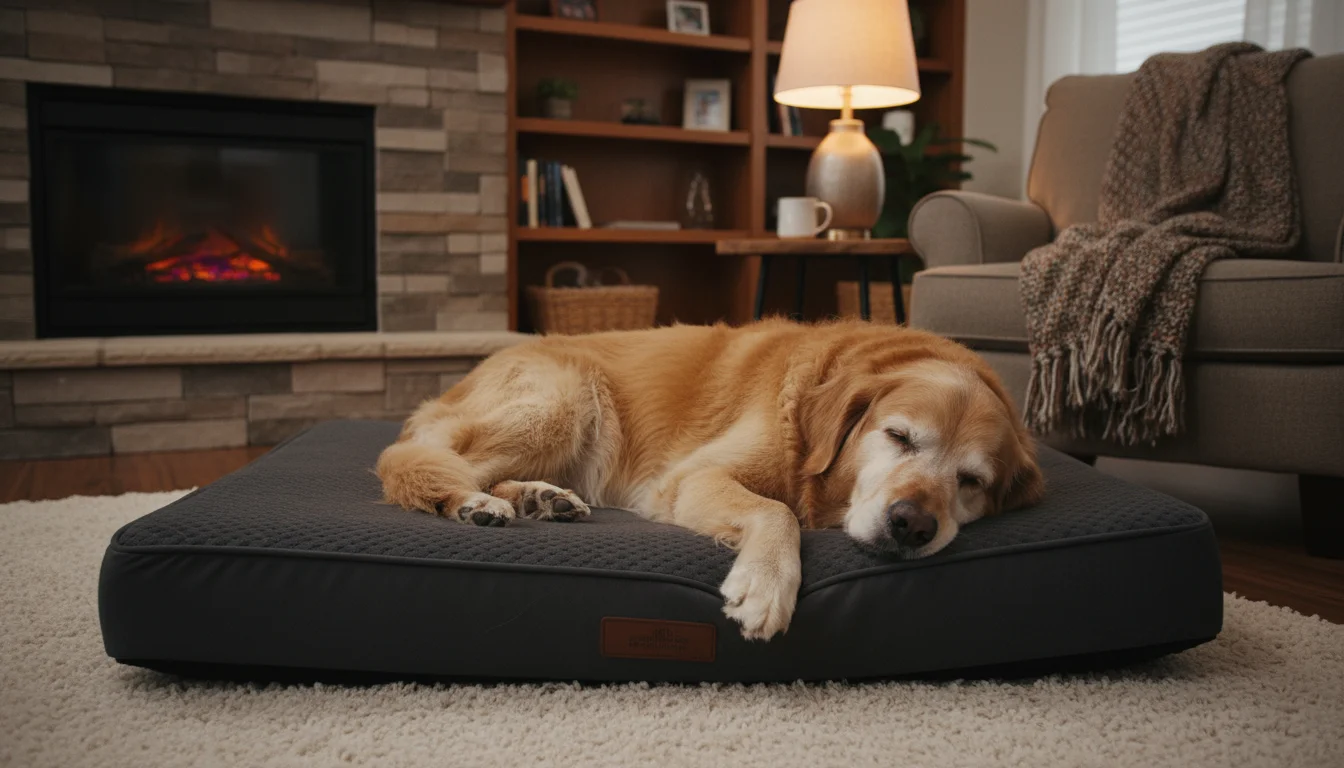
Understanding the different categories of dog beds helps you match features to your dog’s specific needs and preferences. Each type offers distinct advantages, catering to various sleep styles and health requirements.
-
Orthopedic Dog Beds:
These beds feature high-density foam, often memory foam or medical-grade support foam. They contour to your dog’s body, relieving pressure points and providing excellent support for joints and bones. Orthopedic beds are ideal for senior dogs, large breeds, dogs recovering from surgery, or those with conditions like arthritis, hip dysplasia, or other joint pain. They offer superior comfort and therapeutic benefits. Look for multi-layered foam designs with a durable, washable cover.
-
Bolster Dog Beds:
Bolster beds typically have raised edges or ‘bolsters’ on one or more sides. These bolsters create a sense of security and a cozy nesting environment, perfect for dogs who love to lean their heads or bodies against something while they sleep. They are excellent for “curlers” and “nesters” who enjoy feeling protected and enveloped. Many bolster beds also incorporate orthopedic foam bases for added support.
-
Donut/Round Dog Beds:
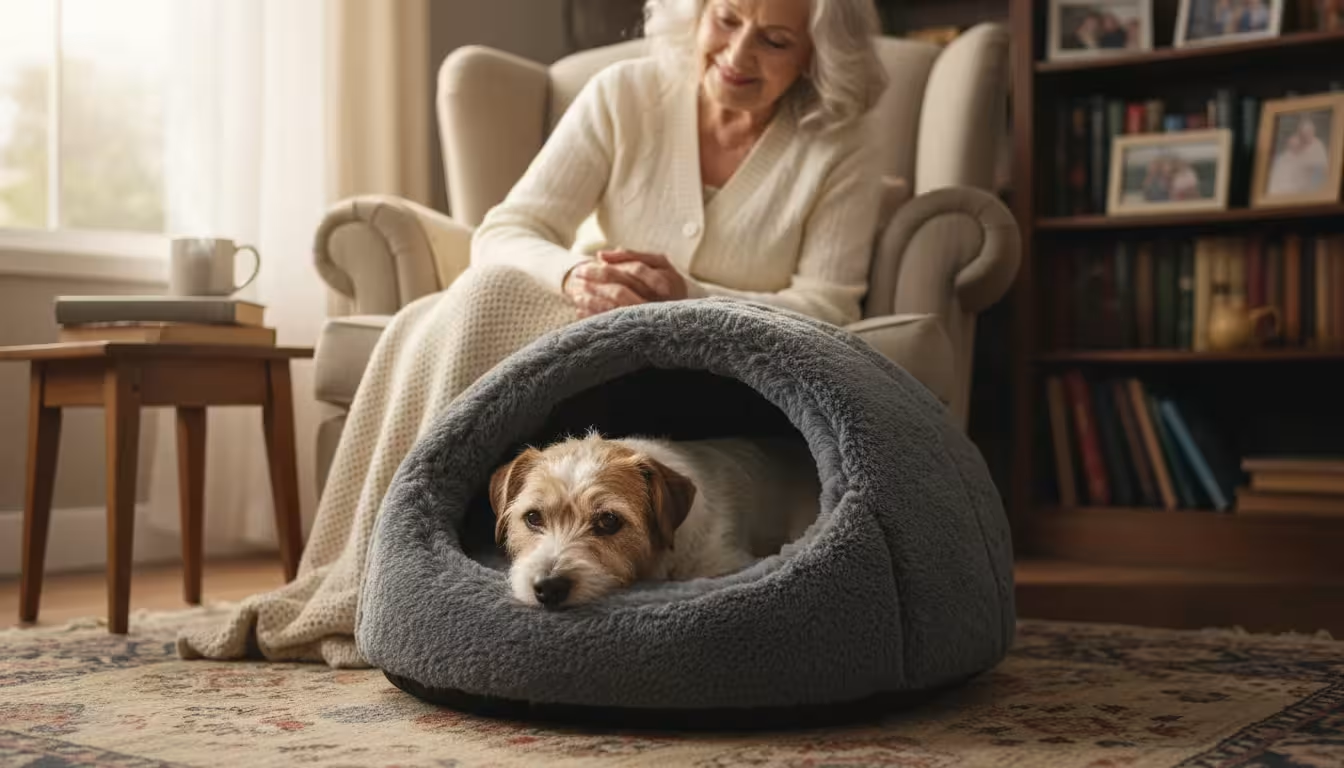
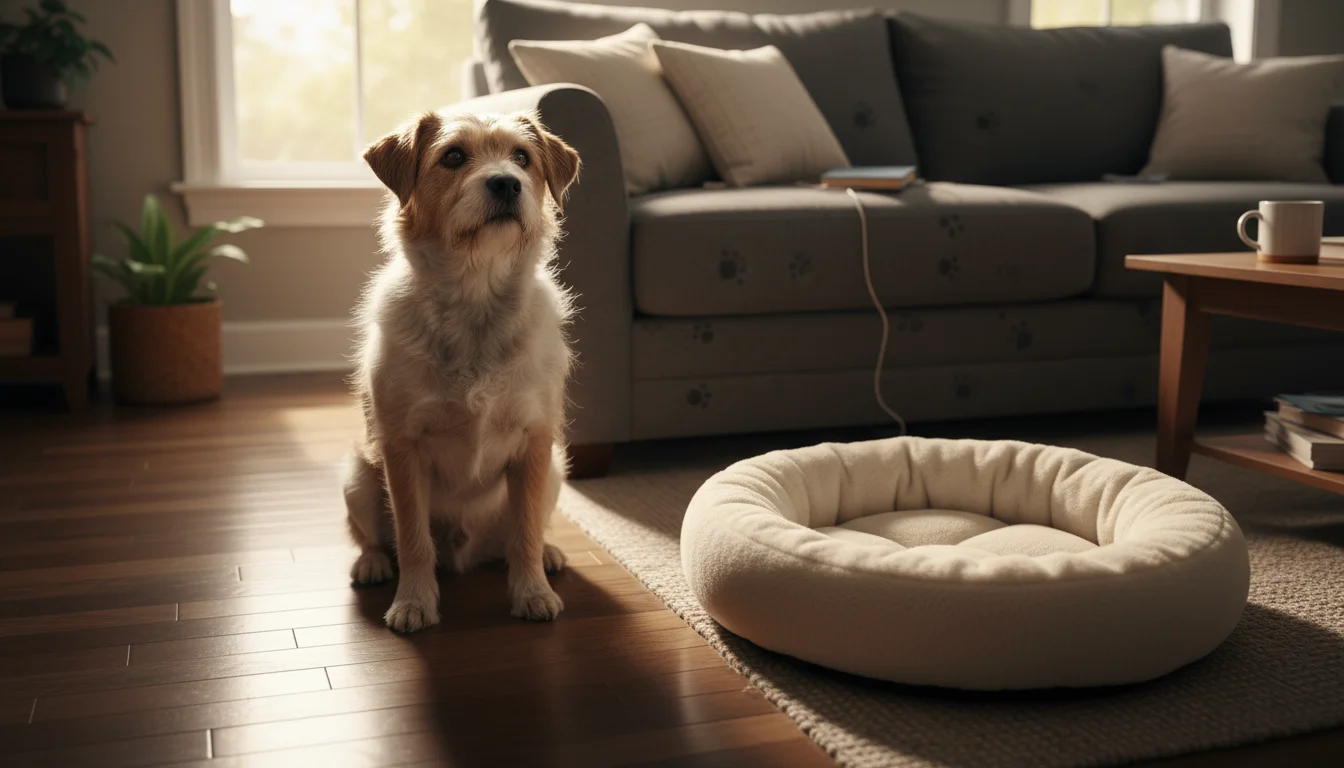
Designed for dogs who love to curl up in a tight ball, donut beds offer a plush, circular shape with raised sides that completely encompass the dog. The soft, often fluffy material provides warmth and a burrowing sensation. These are fantastic for smaller dogs or any dog that seeks ultimate comfort and security in a curled position. Some even offer a “calming” effect for anxious dogs.
-
Crate Beds/Pads:
Specifically sized to fit inside standard dog crates, these beds turn a metal crate into a comfortable den. Crate beds are often thinner but still offer cushioning. Look for durable, washable options, especially if you are crate training a puppy, as accidents can happen. Many are designed to be chew-resistant or have waterproof liners.
-
Elevated Dog Beds (Cot Style):
These beds lift your dog off the ground, typically with a sturdy frame and a fabric or mesh sleeping surface. They promote airflow, keeping your dog cool in warm climates and preventing them from sleeping on cold, hard floors. Elevated beds are also great for outdoor use, as they are easy to clean and dry quickly. They provide firm, even support but do not offer the same “nesting” feel as bolstered beds.
-
Waterproof/Outdoor Dog Beds:
Constructed with weather-resistant and waterproof materials, these beds are designed for patios, kennels, or other outdoor spaces. They withstand moisture, dirt, and UV exposure. Often, they are easy to wipe clean with a hose or damp cloth. They prioritize durability and practicality over plush comfort.
-
Self-Cooling/Heating Dog Beds:
Specialized beds designed to regulate temperature. Self-cooling beds use gels or breathable fabrics to dissipate heat, ideal for dogs in hot climates or those prone to overheating. Self-heating beds use reflective materials or non-electric warming elements to retain body heat, perfect for older dogs or those in colder environments.
Choosing the Best Bed for Your Dog’s Specific Profile
Now that you understand the types of beds and key features, let’s combine this knowledge to select the optimal bed for various dog profiles. This section answers the core question: what are the best dog beds for different sizes and sleep styles?
For Small Dogs (Chihuahuas, Shih Tzus, Toy Poodles)
Small dogs often seek warmth and security. A cozy donut bed or a small bolster bed provides the perfect snug environment. Look for beds with soft, plush materials that can retain warmth. While orthopedic support is less critical for young, healthy small dogs, older or arthritic small breeds will still benefit from a supportive memory foam base scaled to their size. Ensure the bed is easily washable.
For Medium Dogs (Bulldogs, Beagles, Cocker Spaniels)
Medium-sized dogs are versatile. They can enjoy a range of beds depending on their sleep style. A robust bolster bed works well for those who like to lean or curl, while a comfortable mattress-style orthopedic bed suits stretchers. Durability is a good consideration, as medium dogs can be quite active. Choose a bed with a removable, machine-washable cover to manage dirt and odors effectively.
For Large and Giant Breeds (German Shepherds, Great Danes, Mastiffs)
For large and giant breeds, orthopedic support is not a luxury, it is a necessity. Their weight puts significant strain on joints, making high-quality memory foam or firm orthopedic foam essential. Look for beds with a thickness of at least 4-6 inches to prevent them from sinking to the floor. The bed must also be spacious enough for them to fully stretch out without hanging over the edges. Chew-resistant covers are a plus, as large dogs often have strong jaws. When considering pet products for large breeds, prioritize long-term health benefits.
For Puppies
Puppies need a bed that is durable, chew-resistant, and easy to clean. They are prone to accidents and may chew on anything within reach. A simple, sturdy crate pad with a waterproof liner or a durable, washable bolster bed is often a good choice. Avoid overly plush or expensive beds initially, as they might not withstand puppy antics. As they grow, you can upgrade to a more supportive option. Safety is paramount; ensure no small, detachable parts exist that a curious puppy could ingest.
For Senior Dogs or Dogs with Arthritis
Orthopedic memory foam beds are indispensable for senior dogs or those suffering from joint pain. The foam conforms to their body, alleviating pressure on sore joints and promoting better circulation. Look for beds with low entry points, or even ramp access, to make it easier for them to get in and out without straining. Warming features can also provide additional comfort for arthritic joints. Prioritize consistent, firm support across the entire bed surface.
For Dogs with Anxiety or Who Love to Burrow
Dogs prone to anxiety or those who seek comfort in enclosed spaces will thrive in donut beds or bolster beds with high, encompassing walls. The feeling of being “hugged” or nested can provide immense psychological comfort. Some calming beds even feature deep crevices or integrated blankets for burrowing, which can reduce stress. Soft, comforting fabrics also contribute to a sense of security.
For Dogs with Allergies or Sensitive Skin
For dogs with allergies, choose beds with hypoallergenic materials, such as specific types of memory foam or natural cotton. Crucially, the bed must have a easily removable, machine-washable cover that you can clean frequently to remove allergens like dust mites, dander, and pollen. Waterproof liners also help prevent mold and mildew growth within the foam itself, which can exacerbate allergies.
Evaluating Value for Money: Budget vs. Premium Options
Investing in a dog bed involves considering cost, durability, and the specific benefits it offers your pet. Sometimes a higher upfront cost translates into better long-term value. Our best pet products tips guide you through making smart financial decisions.
When to Invest in Premium
Premium dog beds, often featuring human-grade memory foam, advanced orthopedic support, or highly durable, chew-resistant materials, come with a higher price tag. However, they frequently offer superior comfort, therapeutic benefits, and significantly longer lifespans. For large breeds, senior dogs, or any dog with existing or potential joint issues, a premium orthopedic bed is a wise investment. The cost-per-use over several years often makes it more economical than repeatedly replacing cheaper beds that quickly flatten or wear out. These beds are also designed with better ventilation and more robust, washable covers, contributing to better hygiene and durability.
When Budget Options Suffice
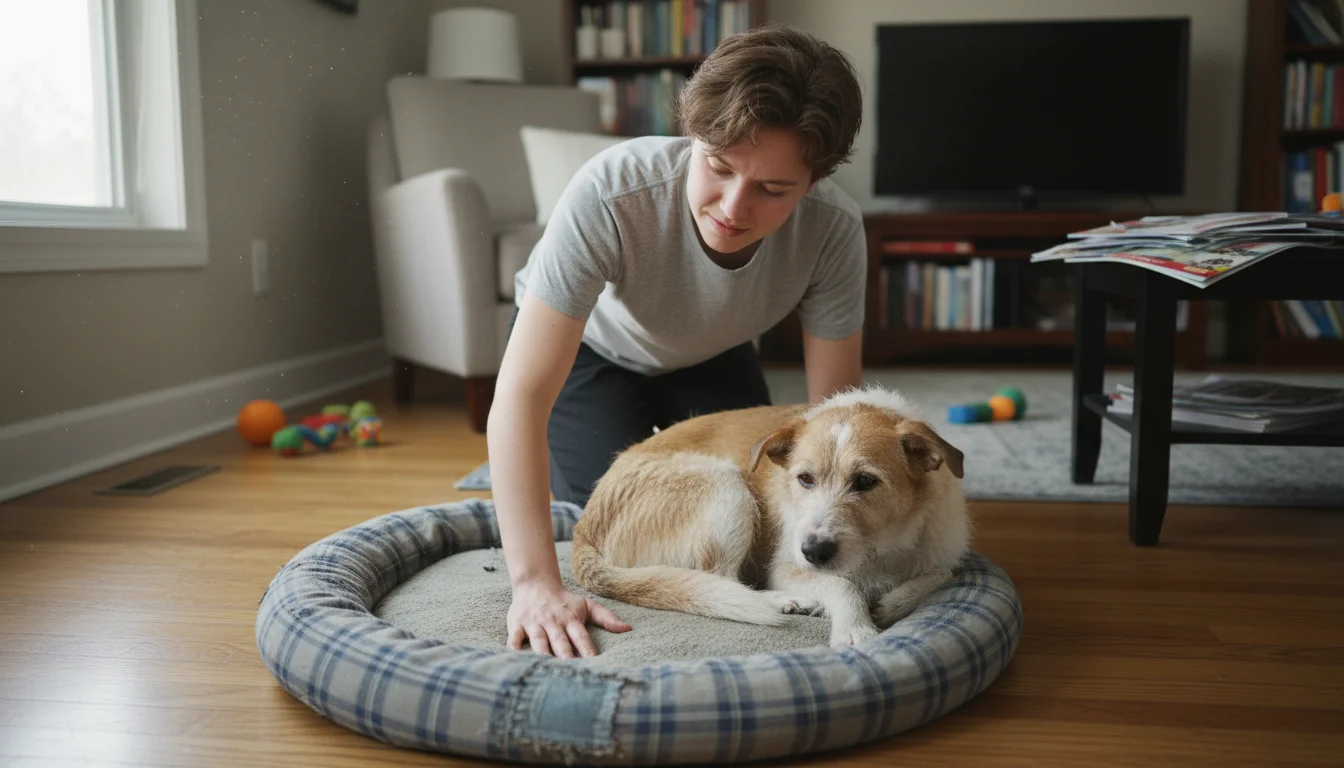
Budget-friendly dog beds are suitable for puppies who are still growing and may have accidents or destructive chewing phases. They are also fine for young, healthy dogs with no specific joint concerns who simply need a comfortable spot to rest. If you need multiple beds for different rooms or travel, more affordable options can be practical. However, be aware that cheaper beds often use lower-density foam or fiberfill, which can flatten quickly and offer minimal support over time. Evaluate the cover material to ensure it is washable and reasonably durable.
Cost-Per-Use and Longevity
Consider the cost-per-use calculation. A $200 bed that lasts five years costs $40 per year, while a $50 bed that needs replacement every six months costs $100 per year. Higher quality materials and construction in premium beds generally result in better longevity, saving you money and hassle in the long run. Look for warranty information from manufacturers as an indicator of expected durability.
Maintenance and Longevity: Keeping Beds Clean and Safe
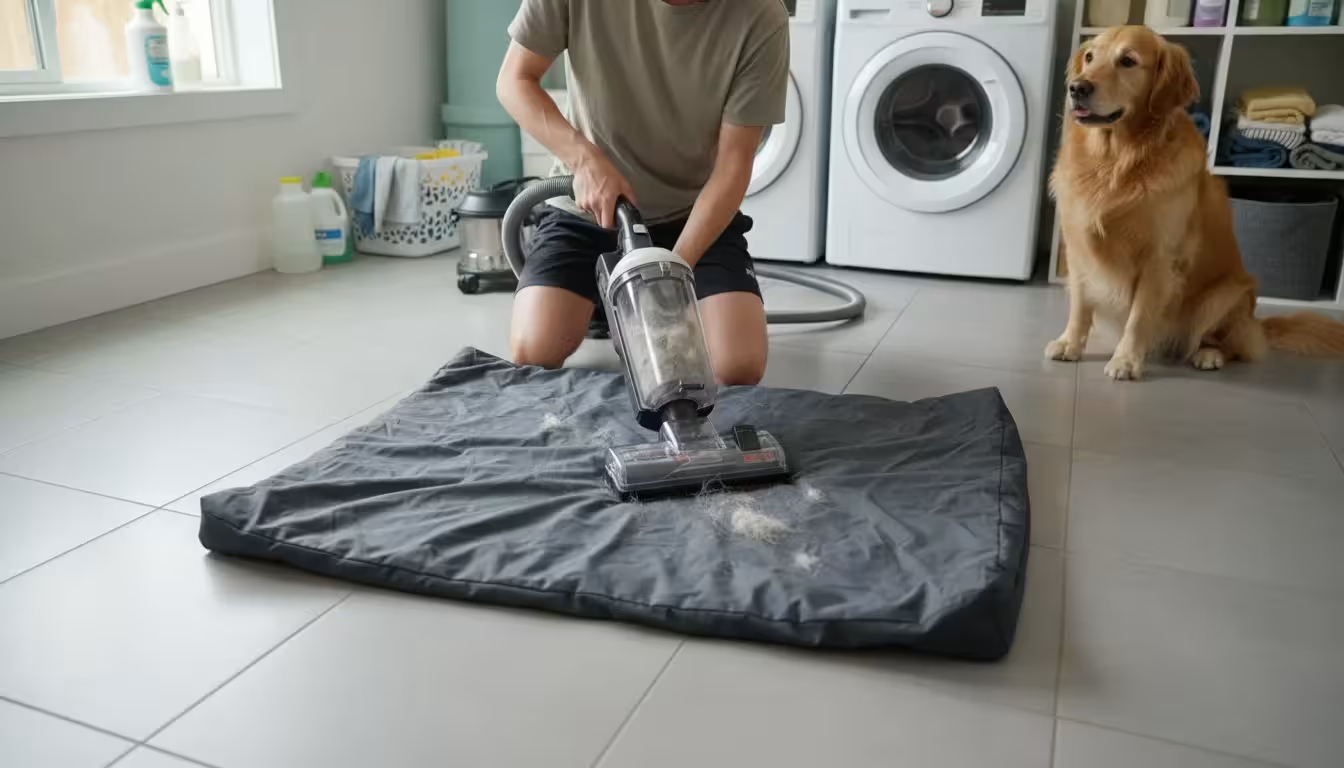
Proper maintenance significantly extends the life of your dog’s bed and ensures a hygienic environment. Regular cleaning also helps mitigate allergens and odors, contributing to your pet’s overall health and your home’s freshness.
Regular Washing Schedules
Most dog bed covers are machine washable. Aim to wash the cover every 1-2 weeks for active dogs or those with allergies, and at least monthly for others. For the inner foam core, spot clean spills or odors as needed. Some foam cores can be gently hand-washed or hosed down and thoroughly air-dried, but always check manufacturer instructions. Ensure the bed is completely dry before reassembly to prevent mold or mildew growth.
Spot Cleaning Tips
For minor spills or accidents, spot clean immediately. Use an enzymatic cleaner specifically designed for pet stains and odors. These cleaners break down organic matter, eliminating the source of the odor rather than just masking it. Blot the area, do not rub, to prevent the stain from spreading deeper into the fabric.
Checking for Wear and Tear
Regularly inspect your dog’s bed for signs of wear and tear, such as rips, holes, or flattened spots in the foam. These indicate it might be time for a replacement. Rips can become larger, leading to stuffing spilling out, which can be a choking hazard. Flattened foam no longer provides adequate support, especially for older dogs or those with joint issues.
When to Replace a Bed
Replace your dog’s bed when:
- The foam has lost its loft and no longer provides support.
- The cover is irreparable or consistently smells despite washing.
- Your dog develops new joint issues that require better support than the current bed offers.
- The bed becomes a safety hazard due to excessive chewing, exposing stuffing or dangerous components.
Safety Checks
Always ensure zippers are fully closed and ideally covered to prevent your dog from chewing on them. Check for any loose threads or small decorative elements that could be pulled off and ingested. A safe bed is paramount for your pet’s well-being.
Troubleshooting Common Bed Issues
Even with the perfect bed, you might encounter some common challenges. Addressing these proactively ensures your dog enjoys their new resting spot.
My Dog Is Not Using the Bed
If your dog avoids their new bed, several factors could be at play:
- Location: Is the bed in a high-traffic area, or a spot your dog does not feel secure in? Try moving it to a quiet corner, near your bed, or in a den-like space.
- Comfort: Is it too firm, too soft, too warm, or too cool? Consider adding a familiar blanket or one of your worn shirts to make it more appealing and scented with you.
- Size: Is the bed truly the right size and shape for their sleep style? Some dogs prefer to stretch, others to curl.
- Positive Association: Encourage your dog to use the bed by placing treats or toys on it. Praise and reward them lavishly when they lie on it. Never force them onto the bed, as this can create negative associations.
My Dog Is Chewing or Destroying the Bed
Chewing is a common issue, especially with puppies or anxious dogs. Address this by:
- Providing Alternatives: Offer appropriate chew toys, especially when you introduce the new bed. Ensure they have plenty of enrichment to redirect their chewing instincts.
- Supervision: Supervise your dog initially with the new bed. If they start chewing, redirect them to a toy.
- Bitter Sprays: Apply a pet-safe bitter apple spray to the bed. Many dogs dislike the taste and will avoid chewing.
- Durable Beds: Invest in a truly chew-resistant bed, often made from ballistic nylon or with a reinforced, hidden zipper design.
- Anxiety: If chewing is a symptom of separation anxiety, consult with a certified professional dog trainer or veterinary behaviorist for a comprehensive behavior modification plan.
Odor Issues Despite Washing
Lingering odors usually mean moisture or bacteria has penetrated the foam core. This is why a waterproof liner is so valuable. If your foam smells, you can:
- Air Out: Take the foam core outdoors on a sunny, dry day to air it out for several hours.
- Baking Soda: Sprinkle baking soda liberally over the foam, let it sit for a few hours (or overnight), then vacuum it thoroughly. This absorbs odors.
- Enzymatic Cleaners: For deep odors, gently spray the foam with an enzymatic cleaner, blot, and allow it to air dry completely. Be cautious not to oversaturate.
Allergies or Skin Irritation Related to Bed Material
If your dog develops itching, redness, or hair loss after using a new bed, the material might be the culprit. Consider:
- Hypoallergenic Materials: Switch to a bed with known hypoallergenic materials, such as specific types of memory foam, organic cotton, or bamboo fabric.
- Washing Frequency: Increase washing frequency to remove environmental allergens that collect on the bed.
- Veterinary Consultation: Consult your veterinarian. They can help identify the allergen and recommend appropriate treatments or hypoallergenic pet products.

Frequently Asked Questions
How often should I wash my dog’s bed?
For the bed cover, aim for every 1-2 weeks, especially for dogs who spend a lot of time outdoors, have allergies, or are prone to accidents. For the internal foam core, spot clean as needed and consider a deeper clean every few months if the manufacturer’s instructions allow. Ensure thorough drying to prevent mold and mildew.
Can a dog bed help with my dog’s arthritis?
Absolutely. A high-quality orthopedic dog bed with dense memory foam or supportive therapeutic foam provides crucial cushioning and support for dogs with arthritis or other joint conditions. It evenly distributes their weight, reduces pressure points, and can significantly improve comfort, reduce pain, and enhance mobility, especially for senior dogs. Always consult your veterinarian for comprehensive arthritis management.
What if my dog chews their bed?
Address chewing by ensuring your dog has appropriate chew toys to redirect their energy. Supervise them when they are on the new bed and immediately redirect any chewing to a toy. You can also try pet-safe bitter sprays on the bed. For persistent chewers, invest in a bed specifically designed with chew-resistant materials like ballistic nylon and reinforced stitching, which often includes hidden zippers to prevent access.
How do I choose the right size dog bed?
Measure your dog from nose to tail and from head to paws when they are stretched out. Add 6-12 inches to the longest measurement to ensure they have ample room to stretch, sprawl, and change positions comfortably. Always prioritize a bed that is slightly larger than your dog’s stretched-out dimensions, rather than too small, to avoid discomfort.
Are elevated beds good for all dogs?
Elevated beds are excellent for promoting airflow and keeping dogs cool in warm weather, as well as for outdoor use. They offer firm, even support, which can be beneficial for some dogs, but they do not provide the same orthopedic contouring as memory foam. Dogs who prefer to burrow or lean against bolsters may not find elevated beds as appealing. They are generally not ideal for senior dogs with severe mobility issues who struggle to step up onto the bed.
For expert pet care guidance, visit
American College of Veterinary Behaviorists (ACVB), Pet Poison Helpline and FDA Center for Veterinary Medicine.
Disclaimer: This article is for informational purposes only and is not a substitute for professional veterinary advice, diagnosis, or treatment. Always consult with a licensed veterinarian for medical concerns about your pet.







Leave a Reply