
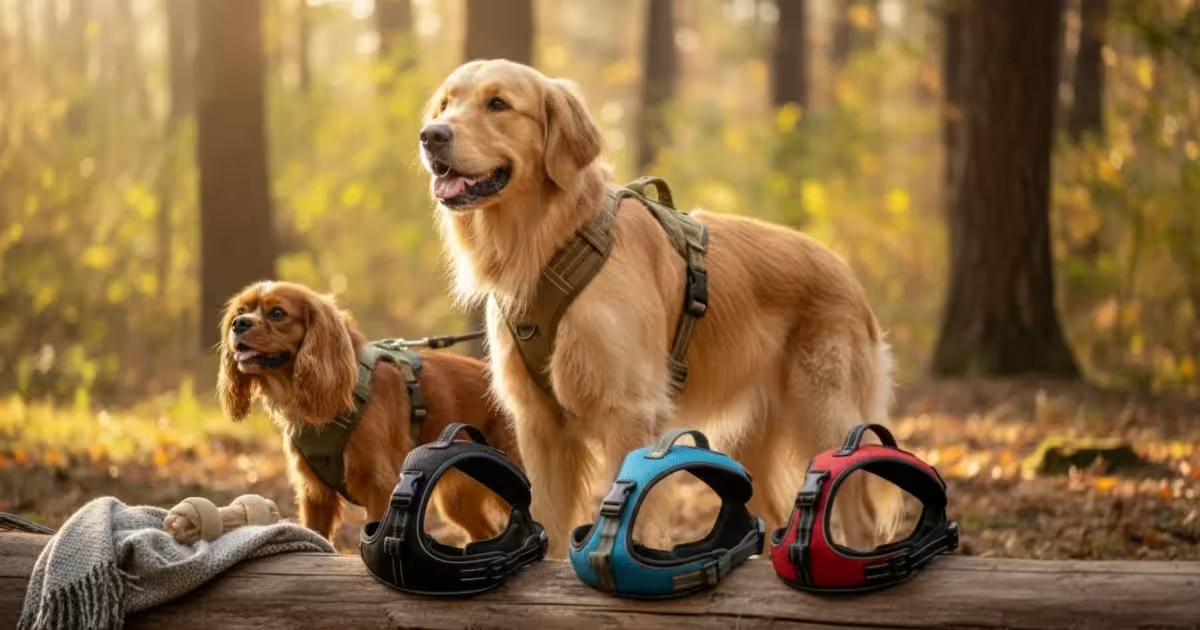
Choosing the right harness for your dog significantly impacts their safety, comfort, and your ability to enjoy walks together. A well-fitting harness provides better control than a collar, reduces strain on your dog’s neck, and helps prevent escapes. With so many options available, understanding what to prioritize ensures you pick the best gear for your canine companion. We delve into various harness types, key safety features, and how to achieve the perfect fit, giving you practical, actionable insights for your pet care journey.
Why Choose a Harness? Understanding the Benefits
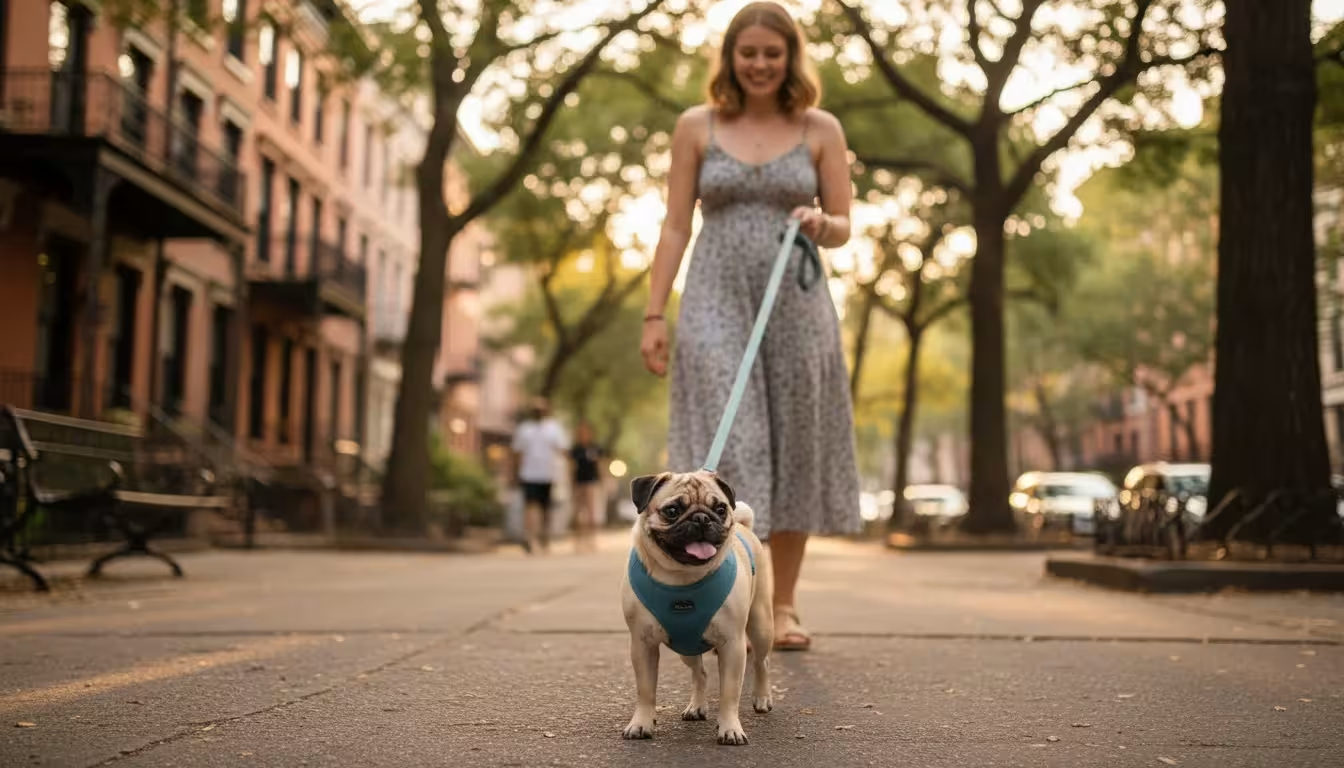
Many dog owners opt for a harness over a traditional collar for various compelling reasons. Collars, particularly flat buckle collars, place pressure directly on a dog’s trachea and neck, which can lead to discomfort, coughing, or even injury, especially for dogs who pull on the leash. Brachycephalic breeds, such as Pugs or Bulldogs, benefit immensely from harnesses because they alleviate pressure on their airways.
Harnesses distribute pressure across your dog’s chest, shoulders, and back, offering a more comfortable and safer walking experience. This distribution provides you with greater control, reducing pulling without causing your dog pain. For puppies, who are still learning leash manners, a harness protects their developing necks and spines. Senior dogs or those with orthopedic issues also find harnesses gentler, making walks more enjoyable for them. Furthermore, harnesses excel at preventing escapes, a critical safety feature for easily spooked or high-energy dogs. A properly fitted harness secures your dog without restricting their movement, promoting positive reinforcement training methods and a stronger bond between you and your pet.
Types of Dog Harnesses: A Comparison for Every Need
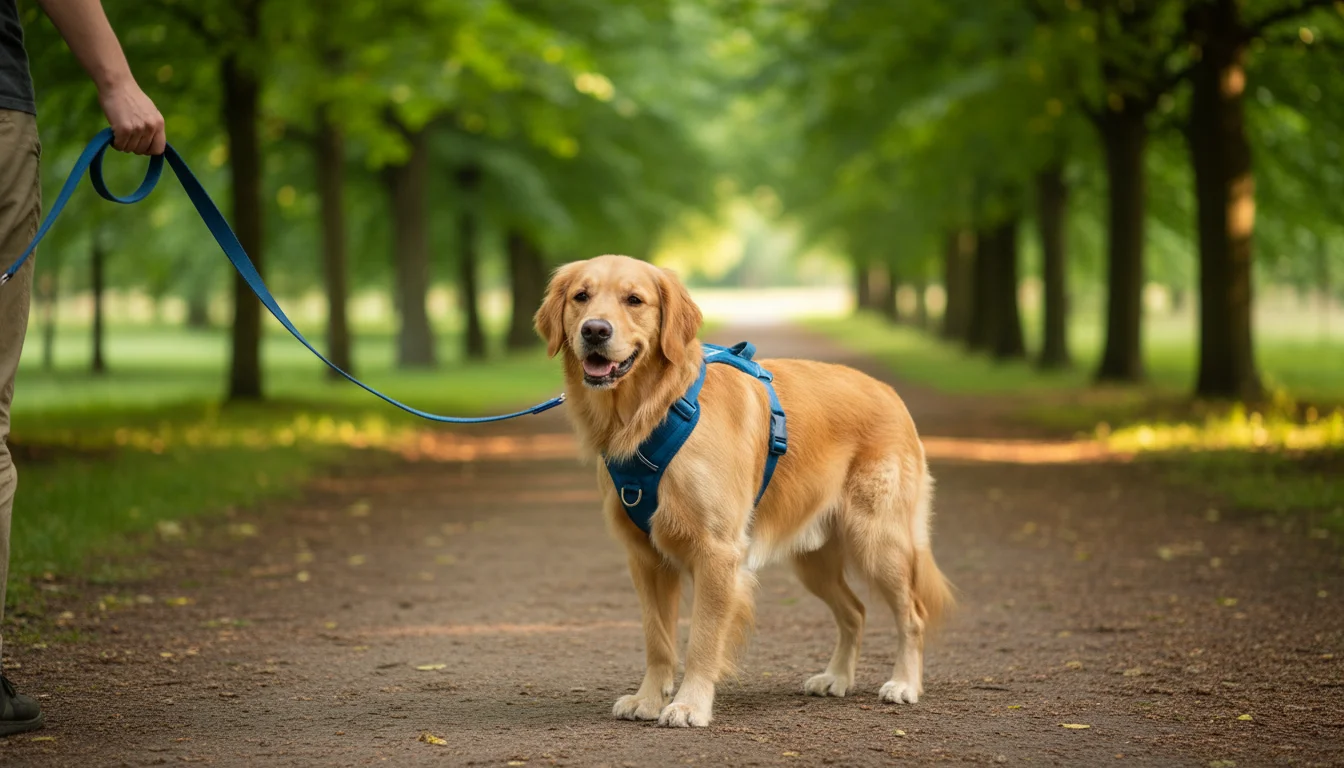
The market offers a wide array of harness types, each designed to address specific needs and behaviors. Understanding the differences helps you select the optimal harness for your dog’s unique walking style and body shape.
- Front-Clip Harnesses (No-Pull Harnesses): These harnesses feature a leash attachment ring located on the dog’s chest. When your dog pulls, the leash redirects their forward momentum to the side, gently turning them towards you. This redirection discourages pulling without causing discomfort. Front-clip harnesses work well for strong pullers and dogs learning leash manners. They typically have a Y-shaped front to avoid restricting shoulder movement.
- Back-Clip Harnesses: The most common type, back-clip harnesses have the leash attachment ring on your dog’s back, usually between the shoulder blades. They offer comfort for dogs who do not pull extensively and are suitable for casual walks. They do not provide much leverage for correcting pulling behavior, but they are generally easy to put on and take off.
- Dual-Clip Harnesses: These versatile harnesses feature both a front-clip and a back-clip attachment point. You can use them with a single leash attached to either point, or with a double-ended leash attached to both for maximum control and training versatility. They offer flexibility for different situations and training stages.
- Vest Harnesses: Vest harnesses cover a larger portion of your dog’s chest and back, distributing pressure broadly. Made from soft, breathable materials, they are particularly comfortable for small dogs, brachycephalic breeds, or dogs with delicate skin. They provide a snug, secure fit, often feeling like a comforting hug for anxious dogs.
- Head Halters: While technically not a body harness, head halters provide exceptional control by guiding your dog’s head, similar to a halter on a horse. They attach around your dog’s muzzle and behind their ears. Head halters are highly effective for strong, persistent pullers but require careful introduction and positive reinforcement to ensure your dog accepts them comfortably. Always introduce a head halter gradually and pair it with treats. According to the Association of Professional Dog Trainers (APDT), reward-based methods are always the most effective and humane approach for introducing new equipment and behaviors.
Key Safety Features to Look For
Prioritizing safety ensures your dog remains secure and protected during walks and outings. When evaluating harnesses, consider these crucial features:
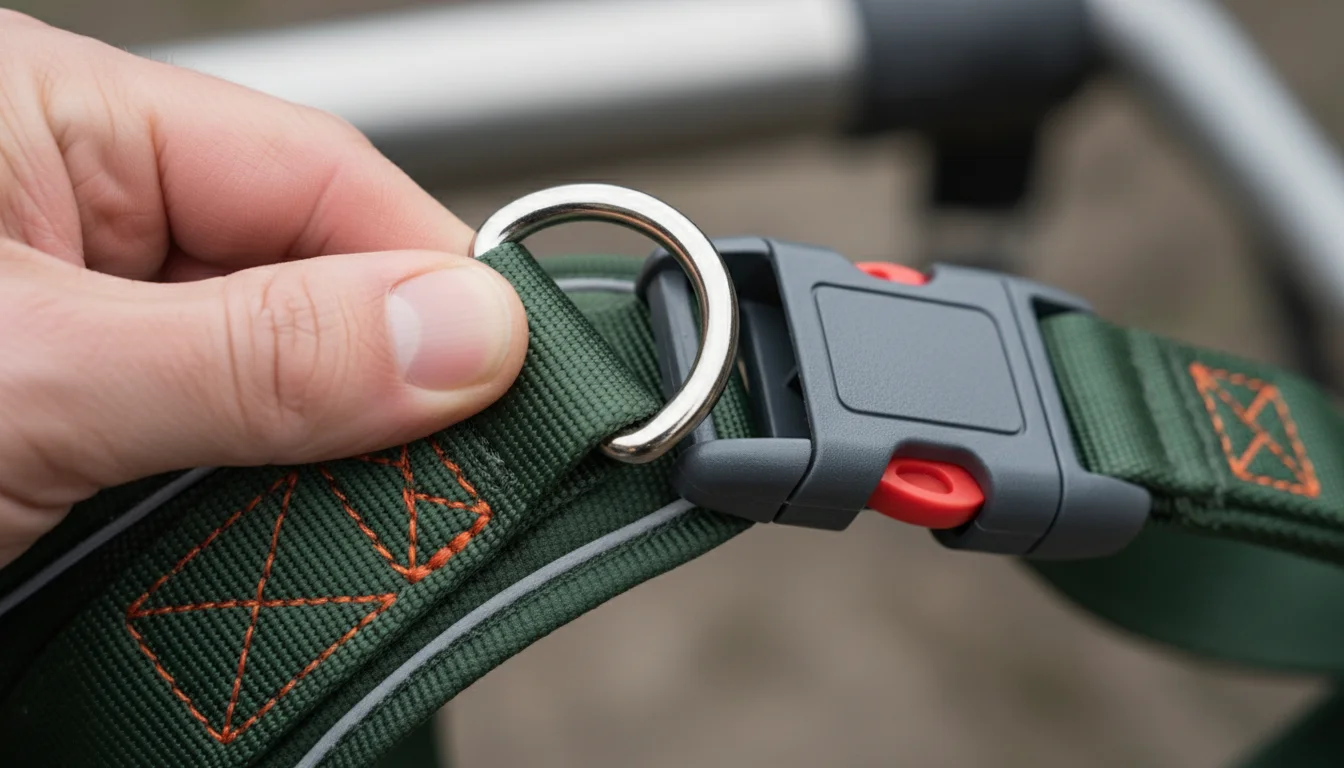
- Durable Materials and Hardware: Look for harnesses constructed from robust materials like strong nylon webbing, Ripstop fabric, or high-density polyester. Metal D-rings for leash attachment offer superior strength and longevity compared to plastic rings. Buckles should be sturdy, preferably with a locking mechanism, to prevent accidental unclipping.
- Adjustability: A truly safe harness offers multiple adjustment points—at the neck, chest, and girth. This allows you to achieve a custom, snug fit that prevents chafing and escape, accommodating your dog’s specific body shape. Improperly adjusted harnesses can restrict movement or allow your dog to back out of them.
- Reflectivity: For early morning or evening walks, reflective stitching or strips on the harness significantly enhance visibility, making your dog more noticeable to drivers and cyclists. This feature adds a vital layer of safety in low-light conditions.
- Comfort Padding: Padded straps, especially in areas prone to friction like the armpits and chest, prevent chafing and discomfort. Breathable mesh lining further enhances comfort, particularly in warmer weather. Ensure the padding does not add unnecessary bulk or restrict movement.
- “Y”-Shaped Front Design: Harnesses with a “Y” or “V” shape across the chest ensure straps sit below your dog’s throat, preventing pressure on the trachea. This design also leaves the shoulder joint free, allowing for full, natural range of motion. Avoid harnesses that feature a straight strap directly across the chest, as these can impede natural gait and cause discomfort or injury over time.
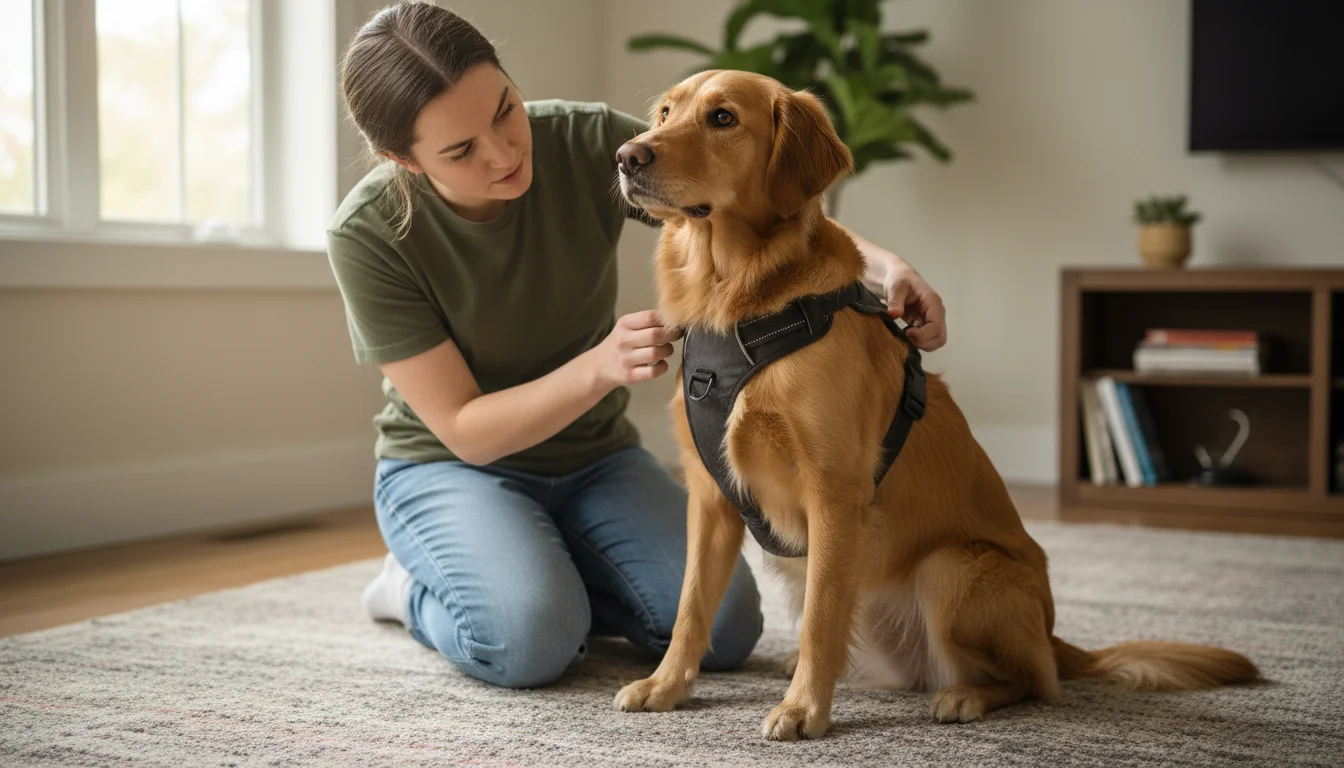
Achieving a proper fit is paramount for both safety and comfort. A well-fitted harness prevents chafing, restricts escapes, and ensures your dog moves freely and naturally. You should be able to slide two fingers comfortably under all straps, but no more. The chest strap should sit below the throat, avoiding pressure on the trachea, and the belly strap should rest a few inches behind the front legs to prevent rubbing.
Ensuring a Comfortable and Secure Fit: The Essential Guide
A harness is only effective if it fits correctly. An ill-fitting harness can cause discomfort, chafing, or even allow your dog to escape. Follow these steps to ensure a safe and comfortable fit:
- Measure Your Dog Accurately: Before purchasing, measure your dog’s chest girth (the widest part of their rib cage, usually just behind the front legs) and neck circumference (where a collar typically sits). Compare these measurements to the harness manufacturer’s sizing chart. Do not guess the size.
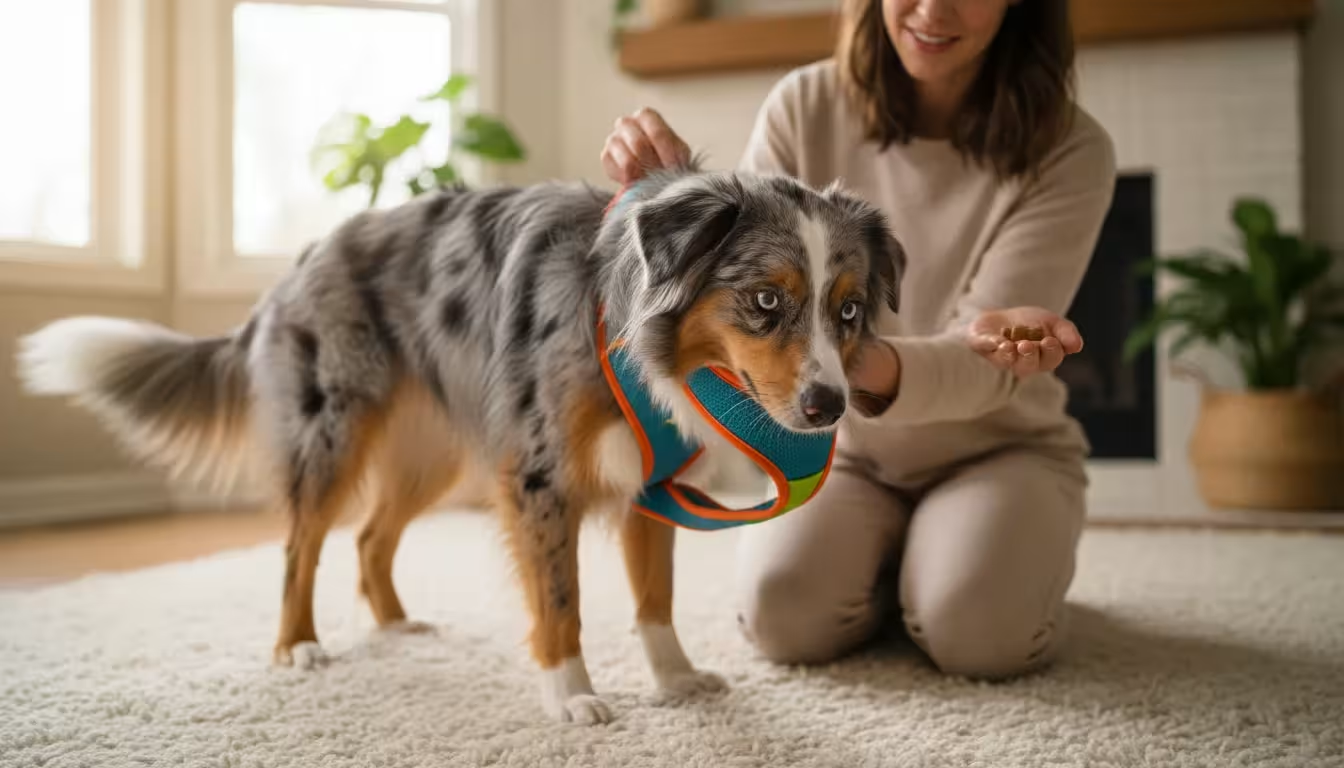
- Introduce the Harness Positively: For dogs new to harnesses, make the introduction a positive experience. Let your dog sniff the harness, offer treats, and praise them. Start by simply putting the harness on for short periods indoors, pairing it with high-value treats and gentle praise. Gradually increase the time they wear it before adding the leash. This helps your dog associate the harness with good things.
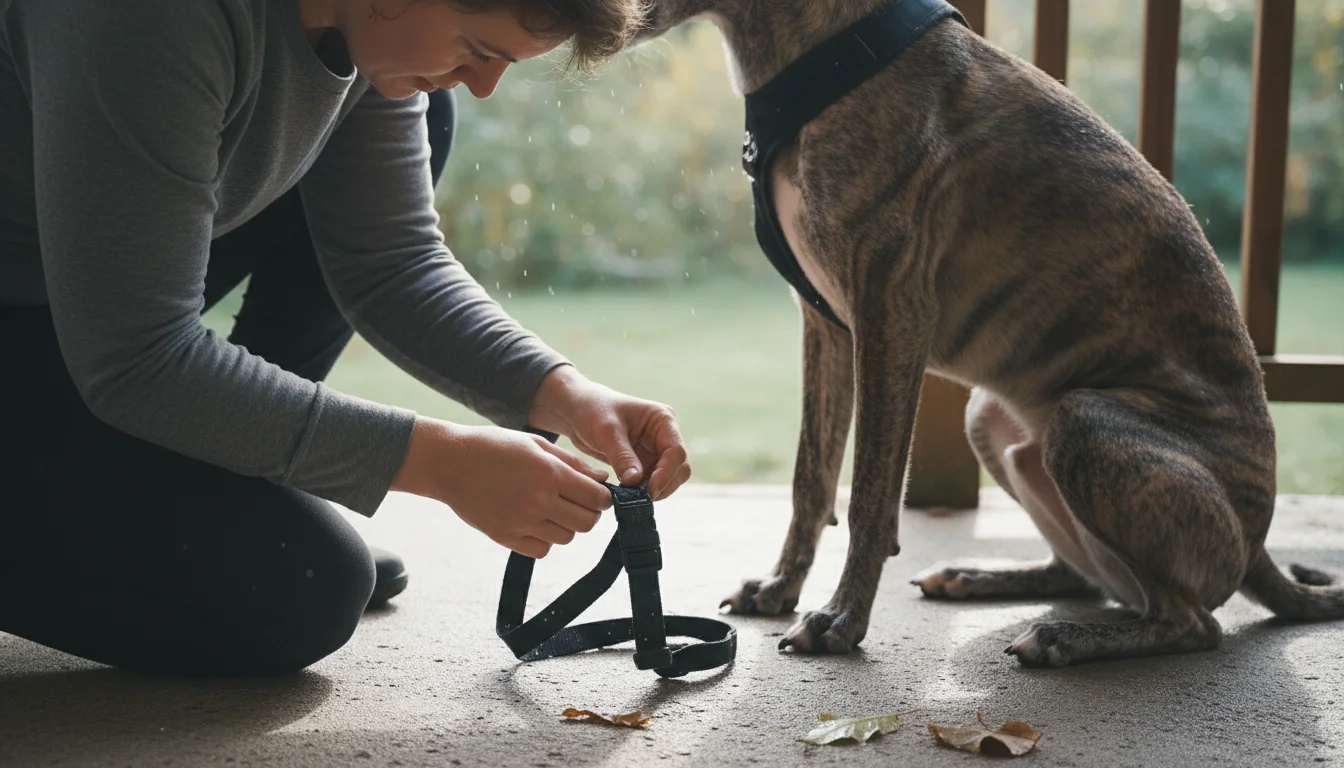
- Put the Harness On: Most harnesses involve slipping a loop over your dog’s head and then securing straps around their chest and girth. Follow the specific instructions for your chosen harness model. Ensure no fur gets pinched in the buckles.
- Check the “Two-Finger Rule”: Once the harness is on and buckled, try to slide two fingers flat underneath each strap. If you can fit more than two fingers, the harness is too loose and needs tightening. If you cannot fit two fingers, it is too tight and needs loosening.
- Verify Strap Placement: The chest strap should sit comfortably below your dog’s throat, allowing free movement of their neck and avoiding any pressure on the trachea. The girth strap should rest a few inches behind your dog’s front legs, preventing chafing in the armpit area and allowing full range of motion for their shoulders.
- Observe Your Dog’s Movement: After fitting, take your dog for a short walk. Watch for any signs of discomfort, rubbing, or restricted movement. A properly fitted harness allows your dog to walk, run, and jump without impediment.
The American Kennel Club (AKC) emphasizes that proper fit is crucial for a dog’s safety and comfort, and a well-fitted harness can significantly improve walking experiences.
Our Top Picks: Harnesses Tested for Safety and Comfort
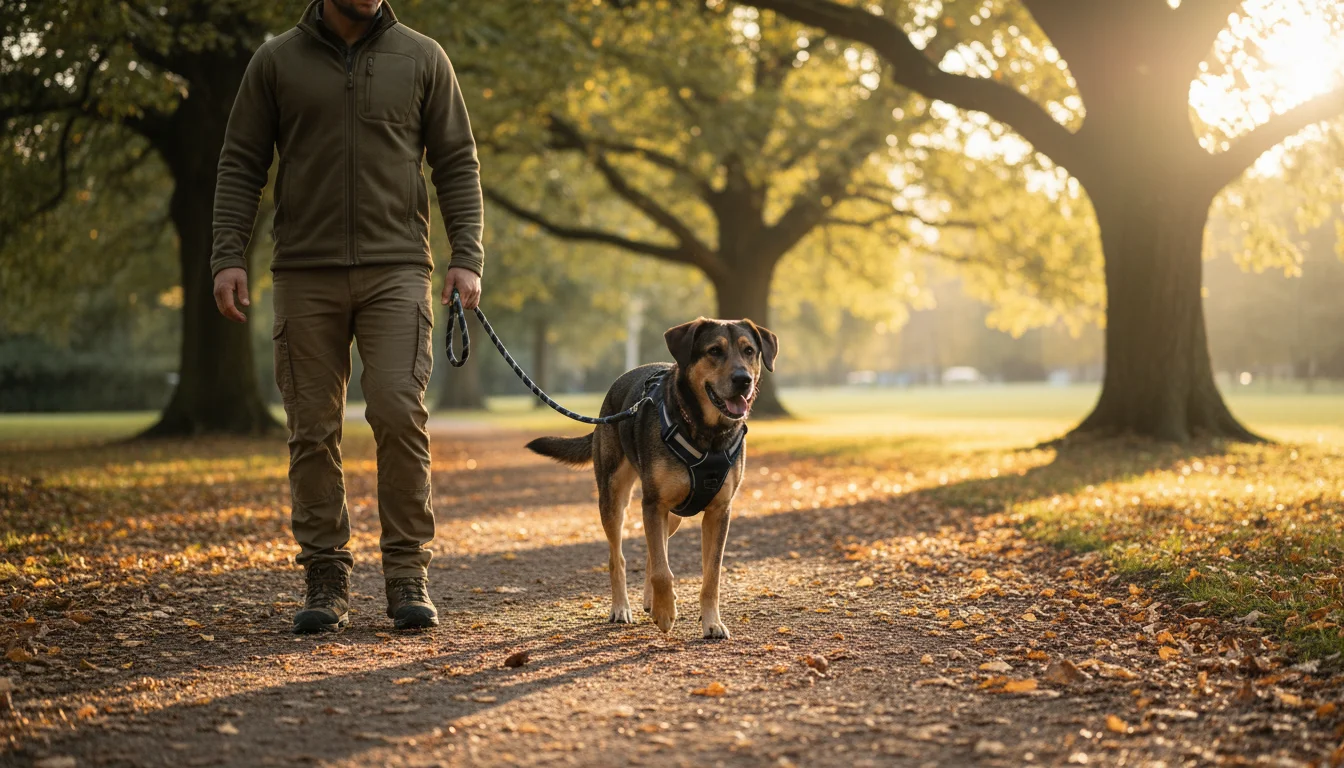
Based on extensive testing and evaluation, we identify the key attributes that define the best dog harnesses for safety and comfort. While specific brands offer various models, focusing on these characteristics guides you to excellent choices:
- For the Determined Puller: Opt for a well-constructed front-clip harness. Look for models featuring durable nylon webbing, strong metal D-rings, and multiple adjustment points. The best designs ensure the chest ring sits correctly, redirecting your dog without twisting or discomfort. Many top-rated models offer reflective stitching for added visibility.
- For Everyday Adventures: Back-clip or dual-clip harnesses excel for general use with dogs who walk well on a leash. Prioritize options with breathable mesh lining, soft padding in high-friction areas, and secure, easy-to-use buckles. These harnesses should allow full range of motion for enjoyable, unrestricted walks.
- For Small or Delicate Breeds: Vest harnesses provide unparalleled comfort for smaller dogs, puppies, and breeds prone to tracheal collapse or sensitive skin. Seek out designs made from soft, lightweight, breathable fabrics that distribute pressure evenly across the chest. Ensure the vest portion is not bulky and allows complete freedom of movement.
- For Escape Artists: Focus on harnesses with secure, multi-point adjustment systems and designs that prevent backing out. Some specialty harnesses offer an extra strap around the waist, effectively creating a “safety harness” for dogs who can slip out of standard designs. Always ensure a snug fit using the “two-finger rule.”
Regardless of the type, value-for-money means investing in a harness that lasts, provides comfort, and keeps your dog safe. Premium justification often comes from superior materials, thoughtful design, and enhanced safety features like reinforced stitching or specialized hardware. While budget options exist, carefully check reviews for durability and comfort to ensure they meet basic safety standards.
Troubleshooting Common Harness Challenges
Even with the best harness, you might encounter some common challenges. Addressing these proactively improves your dog’s experience and your peace of mind:
- My Dog Chews the Harness: This often indicates discomfort, boredom, or anxiety. First, re-check the fit to ensure it is not rubbing or too tight. If the fit is good, provide appropriate chew toys or enrichment before and after walks. Consider using a deterrent spray (vet-approved, non-toxic) on the harness, or supervise closely and redirect chewing behavior immediately with a suitable chew toy.
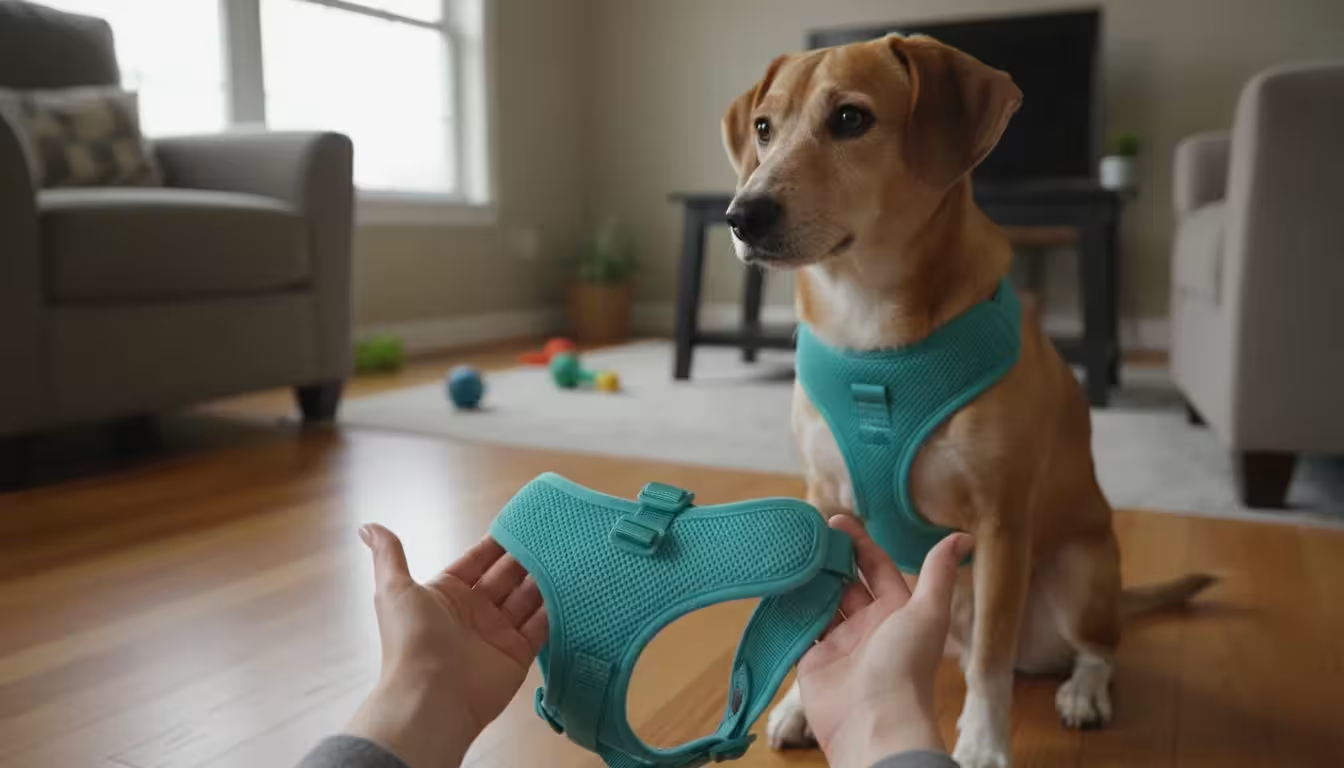
- My Dog Resists Putting the Harness On: This is a common issue, especially if the initial introduction was not positive. Revert to positive reinforcement techniques. Show the harness, give a treat. Touch the harness to your dog, give a treat. Gradually progress to putting it on briefly, always followed by treats and praise. Keep sessions short and positive. If resistance persists, consult a certified professional dog trainer for guidance.
- My Dog Still Pulls with a “No-Pull” Harness: While front-clip harnesses reduce pulling, they do not eliminate it instantly. Consistent positive reinforcement training remains crucial. Reward your dog for walking with a loose leash. If pulling remains a significant problem, or if you feel overwhelmed, consider enrolling in a force-free training class or consulting with a certified professional dog trainer (CPDT) or a veterinary behaviorist. These professionals offer tailored strategies and help address underlying behavioral issues. The ASPCA consistently advocates for positive reinforcement methods in all aspects of dog training, including leash manners.
- Chafing or Rubbing: This almost always indicates an improper fit. Re-evaluate your dog’s measurements and the harness size. Adjust the straps to ensure they are snug but not tight, and that no part of the harness rubs against the armpits or other sensitive areas. Padding can help, but correct sizing and adjustment are the primary solutions. Consider a different harness style if the issue persists.
Maintaining Your Dog’s Harness for Longevity and Hygiene
Regular maintenance extends the life of your dog’s harness and ensures it remains hygienic and safe. Dog harnesses collect dirt, mud, and oils, which can degrade materials and cause skin irritation for your pet.
- Regular Cleaning: Most harnesses are machine washable on a gentle cycle in cold water. Place them in a mesh laundry bag to protect buckles and D-rings. For spot cleaning, use a mild, pet-safe soap and warm water. Always air dry harnesses completely to prevent mildew and rust on metal components. Check the manufacturer’s care instructions for specific guidance.
- Inspect for Wear and Tear: Before each walk, quickly inspect the harness. Look for frayed webbing, loose stitching, cracks in plastic buckles, or rust/bending in metal hardware. Pay close attention to the leash attachment points and adjustment sliders.
- Address Damage Promptly: If you notice any significant wear or damage, replace the harness immediately. A compromised harness can fail during a walk, posing a serious safety risk to your dog and others.
- Proper Storage: Store the harness in a clean, dry place away from direct sunlight, which can degrade fabric over time. Keeping it organized also makes it easier to find for your next adventure.
By taking these simple steps, you ensure your dog’s harness remains a reliable and comfortable piece of equipment for many walks to come.
Frequently Asked Questions
Can harnesses really stop pulling?
Harnesses, particularly front-clip or no-pull designs, significantly reduce pulling by redirecting your dog’s momentum. They do not magically stop pulling instantly, but they are a highly effective tool when combined with consistent positive reinforcement training. They make it easier for you to guide your dog and teach loose-leash walking manners without causing discomfort or pain.
Are harnesses safe for puppies?
Yes, harnesses are generally very safe and often recommended for puppies. They protect a puppy’s developing neck and trachea from potential strain or injury that a collar might cause if the puppy pulls. Opt for a lightweight, adjustable harness that allows for growth and ensure a proper fit to prevent chafing as they explore the world.
How often should I replace my dog’s harness?
The lifespan of a harness varies based on material quality, frequency of use, and your dog’s activity level. Inspect your dog’s harness regularly for signs of wear such as fraying, stretching, or damage to buckles and D-rings. As a general guideline, consider replacing it every 1-3 years, or immediately if you notice any significant compromise in its integrity. A damaged harness is a safety hazard.
Can a harness cause chafing?
Yes, an improperly fitted harness can cause chafing, especially in the armpit area. If the harness is too loose, straps can rub; if it’s too tight, it can dig into the skin. Always ensure a snug fit that allows two fingers under the straps and check that the girth strap sits a few inches behind the front legs. Padding also helps prevent friction, but correct sizing is the primary solution.
What’s the best harness for an escape artist?
For a dog prone to escaping, look for harnesses designed with multiple points of adjustment and an extra safety strap around the waist or belly. These “escape-proof” or “three-strap” harnesses offer additional security beyond the standard chest and girth straps, making it significantly harder for a dog to back out or slip free. Always ensure a very snug, yet comfortable, fit.
For expert pet care guidance, visit
American Kennel Club (AKC), Cat Fanciers’ Association (CFA) and ASPCA.
Disclaimer: This article is for informational purposes only and is not a substitute for professional veterinary advice, diagnosis, or treatment. Always consult with a licensed veterinarian for medical concerns about your pet.






Leave a Reply