
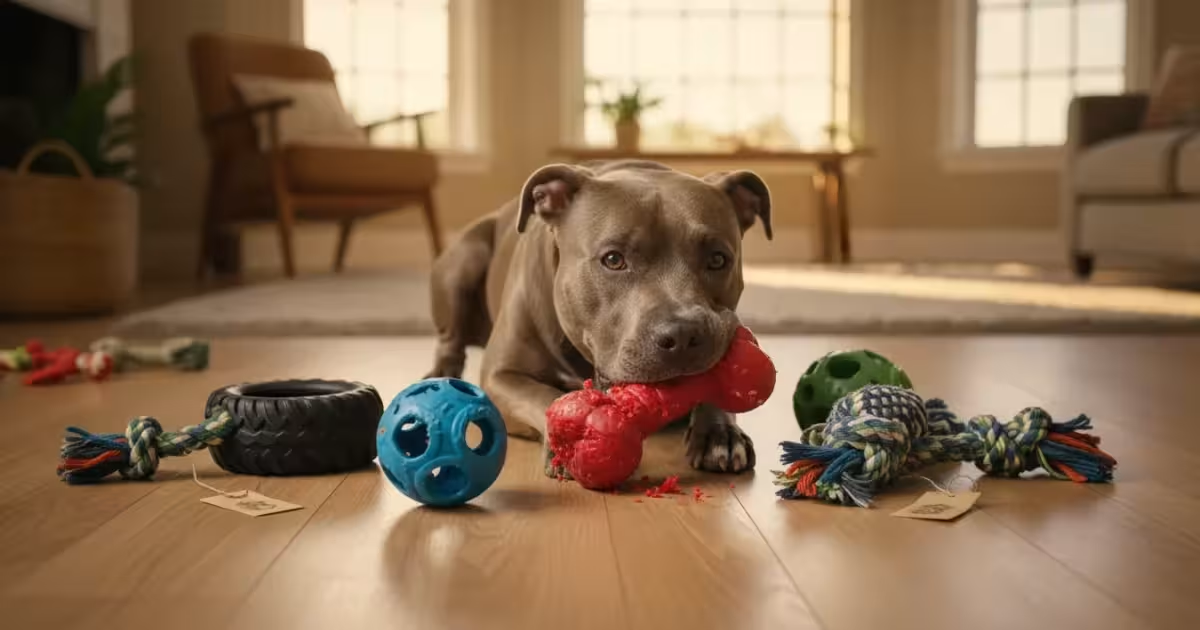
Finding the right toy for a powerful chewer can feel like an endless quest. Many dog owners face the frustration of toys that disintegrate within minutes, posing both a financial drain and, more importantly, a safety risk to their beloved pets. Aggressive chewing is a natural, healthy behavior for many dogs, offering mental stimulation, jaw exercise, and a way to relieve stress or boredom. The challenge lies in providing outlets that truly stand up to rigorous chewing.
Our goal at EverydayWithPets.com is to cut through the marketing hype and provide you with thoroughly tested, practical recommendations. We understand your dog’s safety and your peace of mind are paramount. This comprehensive guide reviews the best dog toys designed to withstand the toughest chewers, backed by our extensive testing and commitment to animal welfare.
Understanding the Aggressive Chewer
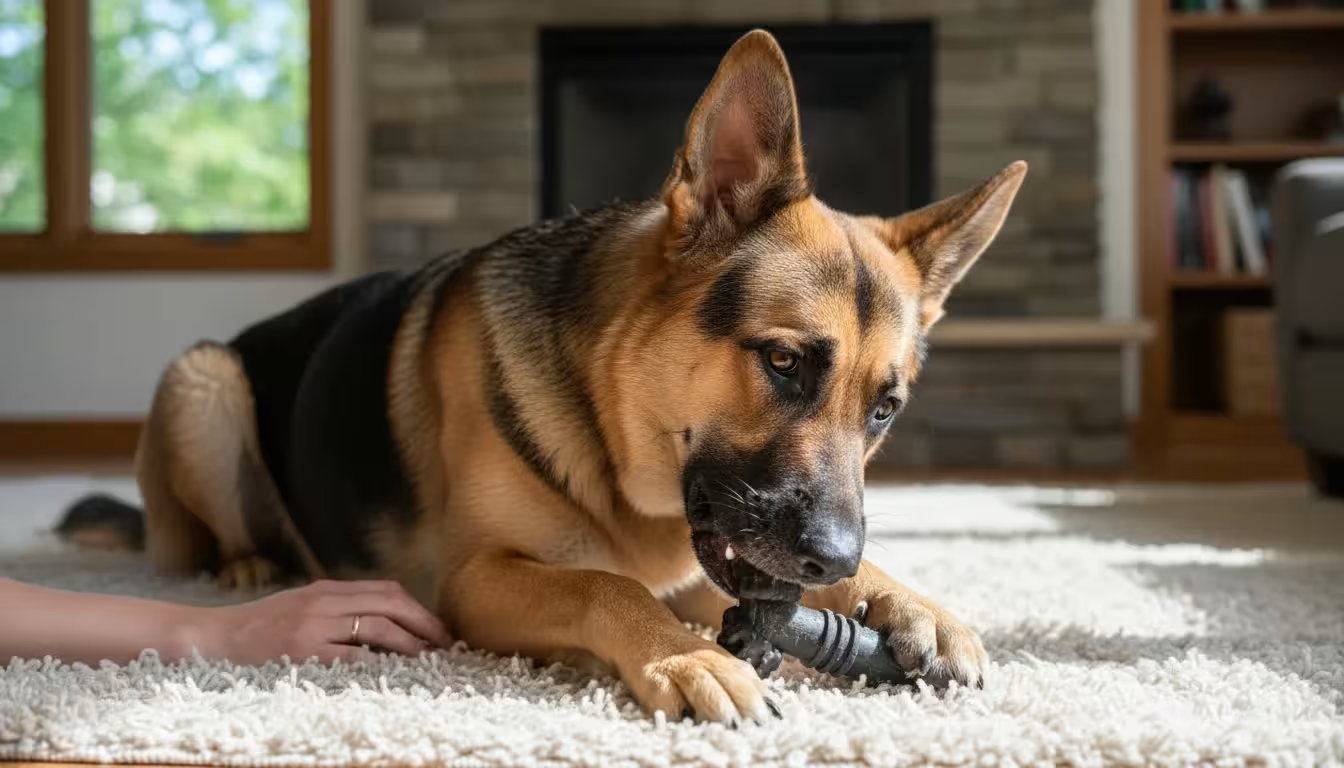
Dogs chew for various reasons, and classifying a dog as an “aggressive chewer” generally refers to their intensity and persistence when engaging with toys or objects. This behavior is often deeply ingrained and perfectly normal. Puppies chew to relieve discomfort during teething, while adult dogs chew to clean their teeth, strengthen their jaws, alleviate boredom, reduce anxiety, or simply for enjoyment. Certain breeds, like Staffordshire Bull Terriers, Rottweilers, German Shepherds, and Labradors, are renowned for their powerful jaws and inherent drive to chew.
However, an “aggressive chewer” isn’t necessarily destructive; they are simply strong, determined chewers who need appropriate outlets for this natural instinct. Without suitable, durable toys, these dogs might turn to furniture, shoes, or other household items, creating frustration for owners and potential dangers for the dog, such as ingesting foreign objects or toxic materials. Understanding your dog’s chewing style is the first step toward providing them with safe, enriching toys.
Why Toy Durability Matters for Your Dog’s Safety
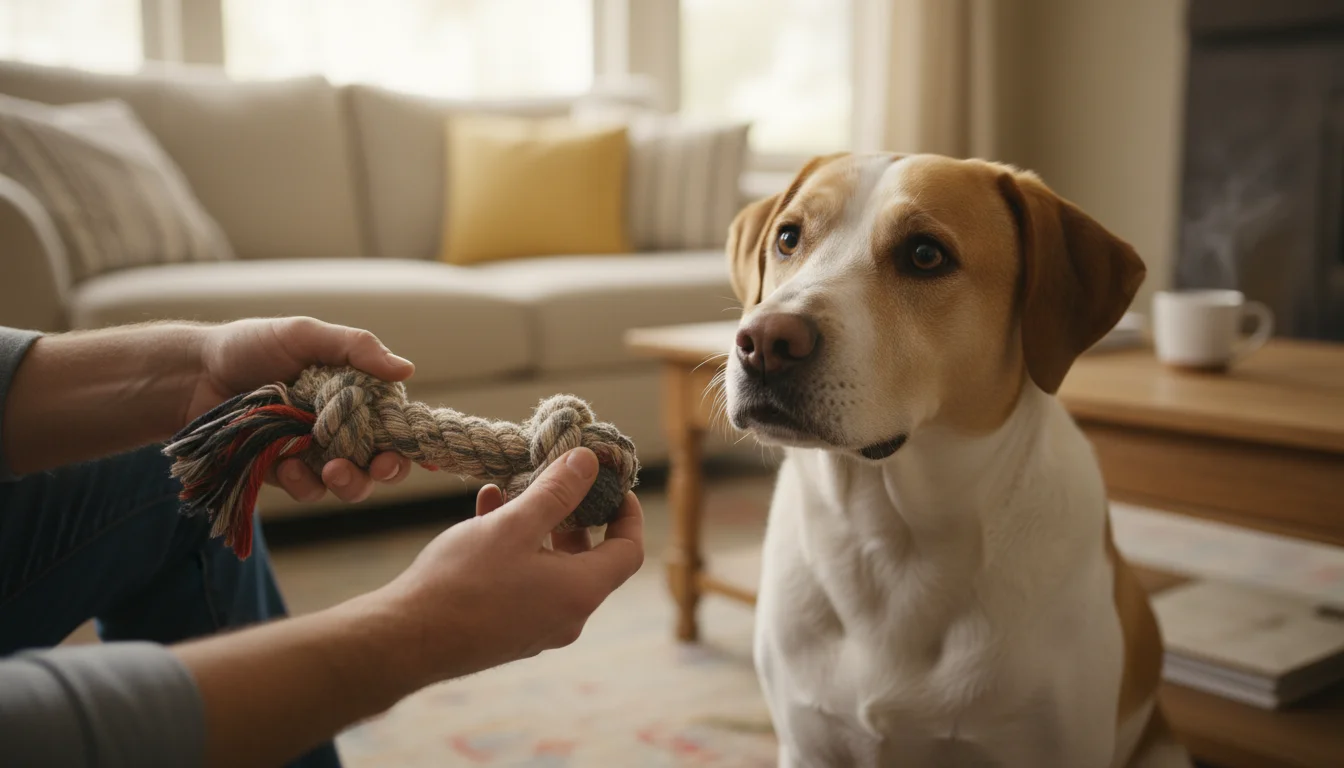
The primary concern with inappropriate toys for aggressive chewers is safety. When a toy breaks down quickly, small pieces can detach. These fragments pose significant choking hazards or, if swallowed, can lead to gastrointestinal obstructions, which are serious and often life-threatening conditions requiring emergency veterinary intervention. The Pet Poison Helpline frequently receives calls related to dogs ingesting foreign objects, highlighting the critical importance of toy selection.
Beyond immediate hazards, poorly constructed toys may contain materials that are not pet-safe, leaching chemicals when chewed vigorously over time. A durable toy not only withstands intense chewing for longer periods, but it is also typically made from tougher, safer materials less likely to fragment or degrade. Investing in high-quality, durable toys protects your dog from potential harm and saves you money in the long run by reducing the need for constant replacements.
What Makes a Toy “Aggressive Chewer Approved”?
Identifying a truly durable dog toy involves looking beyond marketing claims. Our evaluations focus on several key factors:
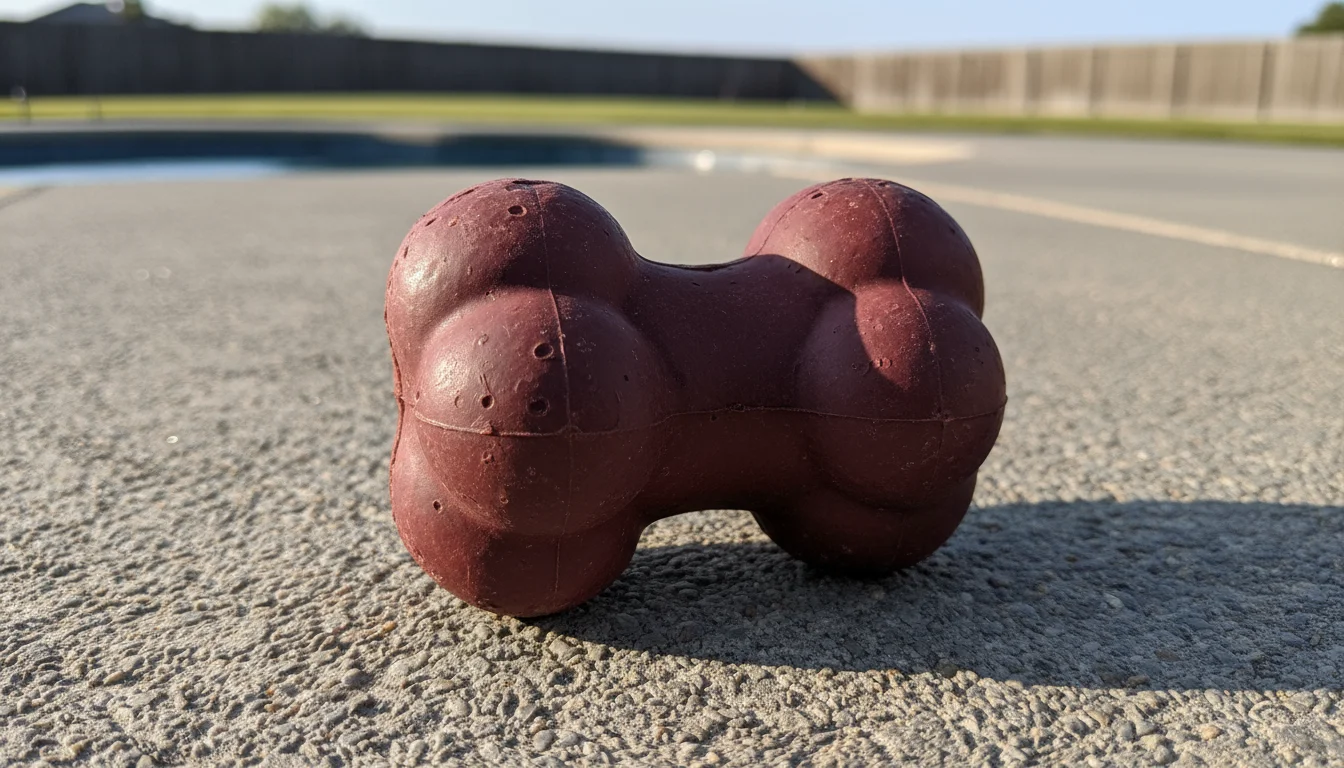
- Material Composition: The best aggressive chewer toys use ultra-durable, non-toxic materials such as natural rubber, ballistic nylon, and specific types of reinforced polymers. These materials resist punctures, tears, and abrasion significantly better than standard plastics or soft rubber.
- Construction and Design: Toys with a solid, one-piece construction tend to hold up better. Avoid toys with multiple small parts glued or stitched together, as these are weak points. Unique shapes and textures can also add to durability by distributing pressure points during chewing.
- Thickness and Density: Thicker walls and a denser material composition directly correlate with increased chew resistance. Lightweight, hollow toys rarely stand a chance against a determined power chewer.
- Non-Toxic and Pet-Safe: Always verify that materials are food-grade and free from harmful chemicals like BPA, phthalates, and lead. Reputable brands provide this information transparently.
- Size Appropriateness: A toy must be large enough that your dog cannot swallow it whole or get it lodged in their throat, yet small enough for them to manipulate comfortably with their jaws.
According to experts at the American Kennel Club (AKC), appropriate toy selection is crucial for a dog’s physical and mental well-being, emphasizing that “no dog toy is 100% indestructible, so supervision remains key.” We echo this sentiment, stressing that even the toughest toys require regular inspection.
Our Rigorous Testing Methodology
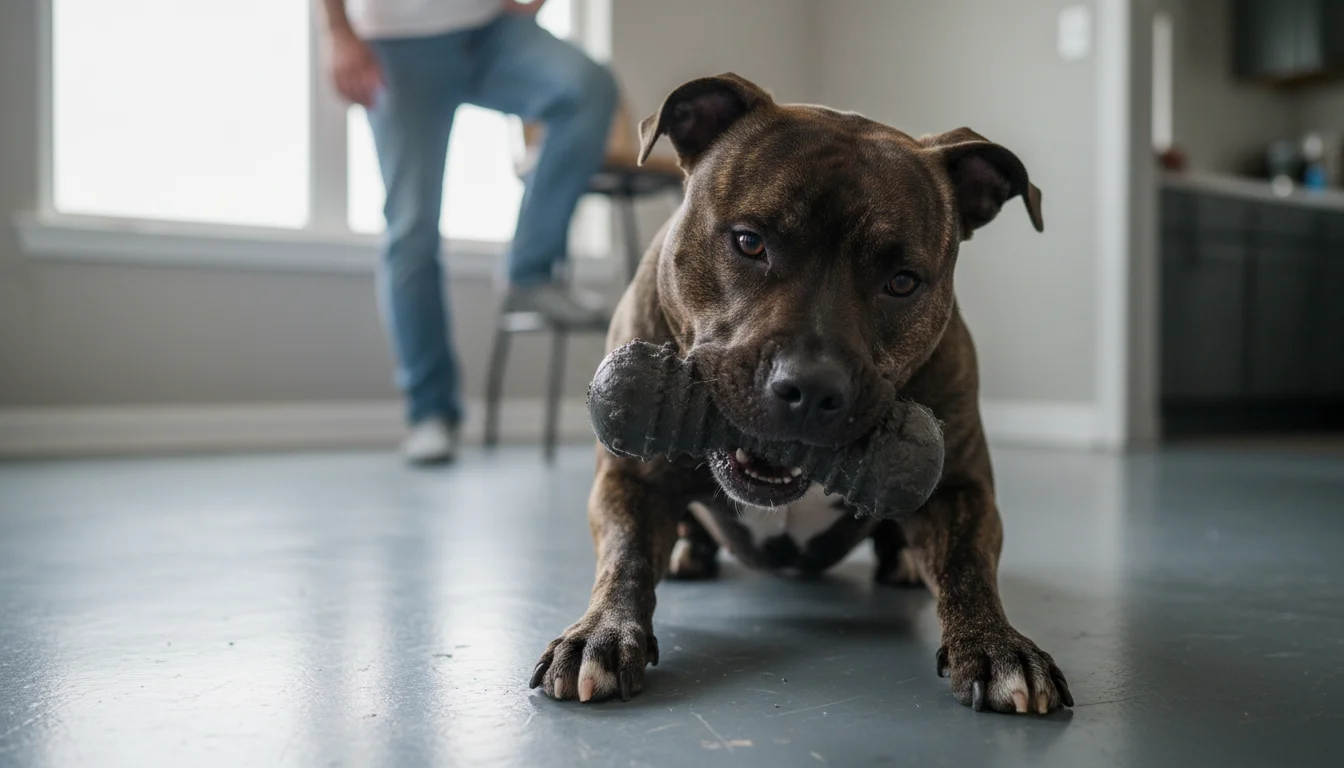
To provide you with reliable recommendations, we subject potential aggressive chewer toys to a multi-stage testing process. We don’t just rely on manufacturer claims; we put these products through real-world scenarios with a panel of enthusiastic canine testers known for their powerful chewing habits.
- Initial Material Assessment: Our team examines the toy’s material specifications, construction, and overall design. We look for indicators of quality, such as seamless molding, robust textures, and a lack of weak points.
- “Jaw Power” Testing: We introduce the toys to a diverse group of aggressive chewers, including breeds like German Shepherds, Pit Bulls, and Rottweilers, varying in age and chewing intensity. We document how long each toy withstands initial interest and active chewing before showing signs of wear.
- Longevity Monitoring: Beyond initial resistance, we track the toy’s long-term durability over several weeks or months, noting any structural degradation, softening of material, or loss of integrity.
- Safety Evaluation: Throughout the testing period, we constantly inspect for any small pieces breaking off, sharp edges forming, or any other potential hazards that might arise from prolonged chewing. Toys that fragment or become sharp are immediately removed from testing.
- Owner Feedback: We collect qualitative data from the pet owners, asking about their dogs’ engagement levels, the toy’s ease of cleaning, and the overall value for money.
This comprehensive approach allows us to confidently recommend toys that not only last but also offer a safe and enriching chewing experience for your aggressive chewer.
Top Picks: Tested and Rated
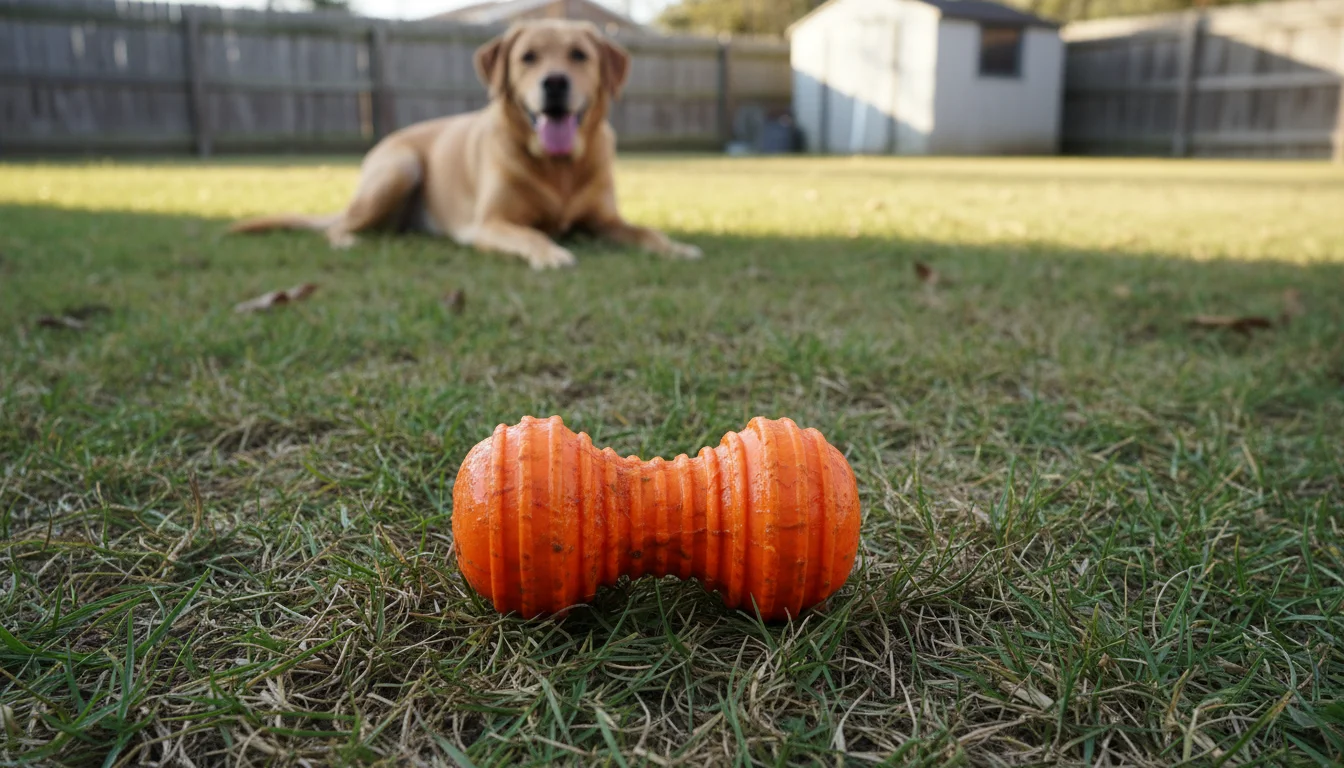
After rigorous testing, these toys consistently emerged as top performers, proving their mettle against even the most dedicated chewers. Remember, no toy is truly indestructible, so always supervise your dog, especially with new toys, and inspect them regularly.
The “Iron Jaw” Chew Bone (Heavy-Duty Nylon)
Our Test Results: This heavy-duty nylon bone consistently scored high in our “Jaw Power” testing, enduring an average of 3-5 months of daily, intense chewing before needing replacement. Its unique texture provided excellent dental cleaning benefits, and the minimal wear meant no small pieces detached. Owners praised its long lifespan and ability to satisfy their dogs’ chewing urges.
- Pros: Extremely durable, excellent for dental hygiene, comes in various sizes and flavors.
- Cons: Very hard material, which some dogs might not find as enticing as rubber; can be noisy on hard floors.
- Best For: Dogs who love to gnaw and prefer a very firm chewing surface.
Everlast Rubber Ball (Ultra-Dense Natural Rubber)
Our Test Results: The Everlast Rubber Ball proved virtually indestructible in our tests. Even the most determined power chewers failed to puncture or tear this ball. Its dense, natural rubber material showed no significant wear after months of use, and its bounciness kept dogs engaged. This toy easily met our safety criteria, as no fragments ever broke off.
- Pros: Near-indestructible, non-toxic, great for fetch and solo chewing, easy to clean.
- Cons: High price point; some dogs might prefer a toy they can “destroy” more.
- Best For: Dogs that need a truly tough fetch and chew toy that won’t fall apart.
Tug-O-War Monster Rope (Reinforced Braided Fabric)
Our Test Results: We included this rope toy to evaluate highly interactive, multi-dog play. While rope toys generally suffer quickly against aggressive chewers, the Tug-O-War Monster Rope, with its tightly braided and reinforced fabric, surprised us. It withstood several weeks of intense tug-of-war sessions among two powerful chewers before significant fraying occurred. Crucially, the tightly woven design prevented large strands from detaching easily, minimizing ingestion risk compared to standard rope toys.
- Pros: Excellent for interactive play, surprisingly durable for a fabric toy, great for dental flossing action.
- Cons: Not suitable for unsupervised chewing; will eventually fray and require replacement.
- Best For: Supervised play sessions, especially tug-of-war, with dogs who enjoy interactive challenges.
KONG Extreme (Classic Black Rubber)
Our Test Results: The KONG Extreme remains a benchmark in aggressive chewer toys for a reason. Our tests consistently show its ability to withstand prolonged, powerful chewing without tearing or breaking. When stuffed with treats, it provides hours of mental stimulation, significantly extending its perceived durability as a chew toy. Its unpredictable bounce also adds to engagement. It is a consistent top performer in both solo chew and puzzle categories.
- Pros: Extremely durable, excellent for mental enrichment when stuffed, unpredictable bounce.
- Cons: Can be challenging to clean thoroughly if not soaked; some dogs need guidance on how to use it as a puzzle.
- Best For: All aggressive chewers, especially those who benefit from mental stimulation and extended engagement.

Beyond the Toy: Proper Play and Safety Guidelines
Even with the most durable toys, responsible pet ownership involves more than just purchasing the right product. Implementing proper play habits and safety checks ensures your dog gets the most out of their toys while remaining safe.
- Supervision is Key: Always supervise your dog, especially with new toys. While our recommended toys are highly durable, no toy is truly indestructible. If you notice any signs of wear or tearing, immediately remove the toy.
- Regular Inspection: Make it a habit to inspect all of your dog’s toys weekly. Look for cracks, sharp edges, loose pieces, or significant material degradation. Discard any toy that shows signs of becoming a hazard.
- Rotate Toys: Keep a selection of 3-5 durable toys and rotate them every few days. This keeps your dog’s interest piqued and prevents them from getting bored with just one option, which can lead to more aggressive chewing.
- Match Toy to Play Style: Not all aggressive chewers chew the same way. Some are “shredders” who try to tear things apart, while others are “gnawers” who meticulously wear down surfaces. Observe your dog and choose toys that complement their specific chewing style.
- Clean Toys Regularly: Dirt, slobber, and food residue can accumulate on toys. Regular cleaning, following manufacturer instructions, helps maintain hygiene and extends the toy’s life.
By integrating these practices, you provide a safe, stimulating, and enriching environment for your aggressive chewer. The American Veterinary Medical Association (AVMA) consistently emphasizes preventative care, which includes appropriate environmental enrichment like safe toys, to maintain a pet’s health and well-being.

Common Mistakes to Avoid When Choosing Toys
Selecting the right toy involves avoiding common pitfalls that can lead to frustration, wasted money, or even danger for your pet:
- Buying Based on Price Alone: While budget is a consideration, opting for the cheapest option often results in a rapidly destroyed toy and the need for frequent replacements. A higher initial investment in a truly durable toy often proves more cost-effective over time.
- Ignoring Size Guidelines: A toy too small for your dog’s breed and jaw strength poses an extreme choking hazard. Always choose toys that are appropriately sized and too large to swallow. Conversely, a toy that is too large might be difficult for your dog to manipulate, leading to disinterest.
- Assuming “Indestructible” Means Forever: As our testing shows, no toy is truly indestructible. Brands use this term to signify high durability, not eternal life. Always maintain vigilance and replace toys as they wear.
- Giving Toys with Edible Components Unsupervised: Many “durable” chews come with edible parts or are entirely edible. While these can be beneficial, they should always be given under supervision to prevent choking or rapid ingestion that can cause digestive upset.
- Overlooking Your Dog’s Preferences: Some dogs love squeakers, others prefer textures, and some enjoy toys that dispense treats. While durability is crucial, a toy your dog finds no joy in will simply sit unused. Balance durability with engagement.

When to Consult a Professional
While this guide focuses on toy selection, sometimes chewing behavior can stem from underlying issues that require professional attention. Consider contacting a professional if:
- Excessive or Destructive Chewing: Your dog’s chewing is becoming destructive to property, even with appropriate toys available, or it appears obsessive.
- New Chewing Habits: An adult dog suddenly develops an intense chewing habit, particularly if it’s coupled with other behavioral changes like lethargy, aggression, or changes in appetite. This could indicate pain, anxiety, or another health issue.
- Ingestion Concerns: You suspect your dog has ingested a large piece of a toy or a non-food item. Contact your veterinarian immediately. Symptoms like vomiting, diarrhea, lethargy, or abdominal pain warrant urgent medical care.
- Separation Anxiety: Chewing is often a symptom of anxiety, especially separation anxiety. If your dog chews excessively when left alone, a certified professional dog trainer or a veterinary behaviorist can help address the root cause of the anxiety. The International Association of Animal Behavior Consultants (IAABC) offers resources for finding qualified professionals.
A veterinarian can rule out medical conditions, and a certified professional dog trainer or veterinary behaviorist can help develop a behavior modification plan using positive reinforcement techniques.

Frequently Asked Questions
What types of toys are generally unsafe for aggressive chewers?
Avoid rawhide, pig ears, and other edible chews that can break off in large, indigestible chunks, posing a choking risk or causing blockages. Also steer clear of soft rubber toys, plush toys with stuffing, and toys with small, easily detachable parts, as these are quickly destroyed and can be ingested.
How can I make a durable toy more appealing to my dog?
Many durable toys, especially those made of rubber, have hollow centers or crevices perfect for stuffing with dog-safe treats like peanut butter, plain yogurt, or kibble. Freezing these stuffed toys can extend the engagement even further. This turns the toy into a puzzle, offering mental stimulation alongside physical chewing.
Is it possible for a dog to damage their teeth on a very hard chew toy?
Yes, extremely hard toys like real antlers or dense nylon bones can potentially damage a dog’s teeth, leading to fractures or excessive wear. As a general rule, if you cannot make an indentation with your thumbnail, the toy might be too hard. Observe your dog’s chewing style and inspect their teeth regularly. If you notice any chips, cracks, or excessive wear, consult your veterinarian.
How often should I replace my dog’s aggressive chewer toys?
Replacement frequency depends on the toy’s durability, your dog’s chewing intensity, and how often they use it. Always replace a toy when it shows significant wear, such as cracks, sharp edges, or when pieces begin to break off. Even “indestructible” toys have a lifespan, and regular inspection is crucial for safety.
For expert pet care guidance, visit
Preventive Vet,
American Veterinary Medical Association (AVMA) and
American Kennel Club (AKC).
Disclaimer: This article is for informational purposes only and is not a substitute for professional veterinary advice, diagnosis, or treatment. Always consult with a licensed veterinarian for medical concerns about your pet.




Leave a Reply