
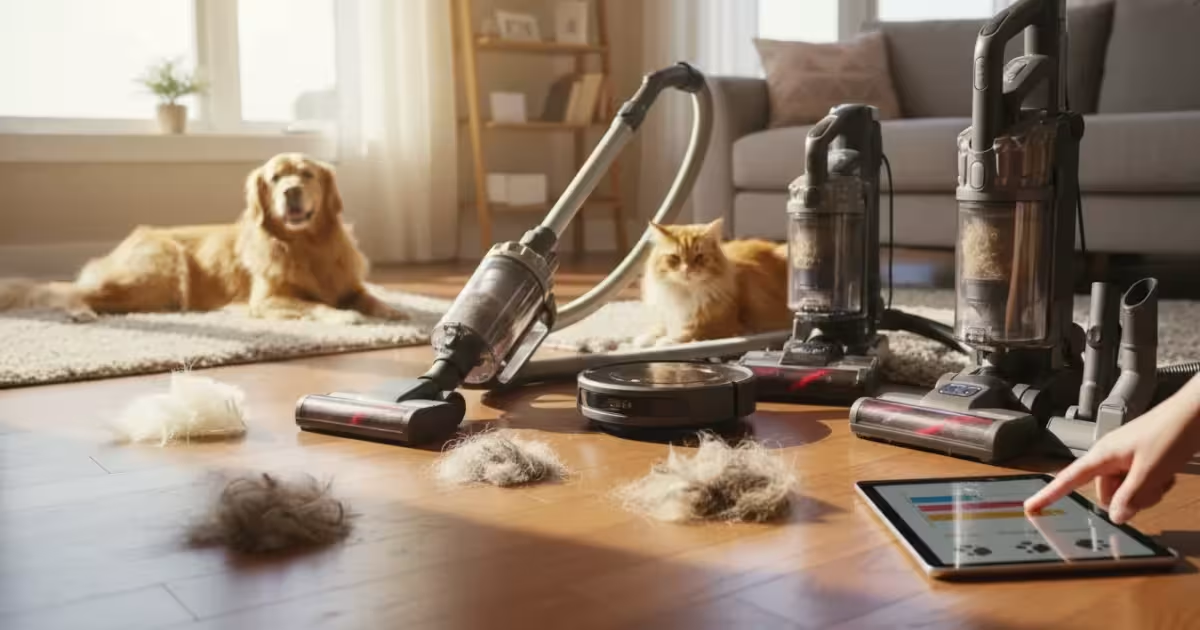
Pet ownership brings immeasurable joy, but it also brings pet hair. Whether you share your home with a fluffy Golden Retriever, a sleek Siamese cat, or a charming guinea pig, you understand the daily battle against shedding. You need a powerful ally to maintain a clean, comfortable living space. Standard vacuums often struggle with the unique challenges pet hair presents, leading to clogged filters, decreased suction, and frustrating cleaning sessions.
At EverydayWithPets.com, we understand your needs. We believe pet products should enhance your life with your companion animals, not complicate it. This is why we embarked on a rigorous journey to find the best pet hair vacuums. We didn’t just read specifications sheets; we put these machines through their paces in real homes, tackling everything from long dog hair embedded in carpets to fine cat fur on hardwood floors. Our goal is to provide you with practical, actionable insights, helping you choose a vacuum that truly stands up to the challenge of pet hair. We prioritize effectiveness, ease of use, durability, and value for your investment, ensuring you spend less time cleaning and more time enjoying your pets.
Understanding the Pet Hair Challenge
Pet hair is more than just a nuisance; it infiltrates every corner of your home, accumulating on furniture, embedding in carpets, and floating through the air. You might notice it clinging to your clothes, gathering in dust bunnies, and even ending up in unexpected places. The challenge escalates with certain breeds. For instance, Labrador Retrievers, German Shepherds, and Huskies are known for their dense undercoats and seasonal shedding, producing significant volumes of hair. Persian cats and Maine Coons also contribute substantially to the fur landscape, with their long, fine strands often tangling into carpets and upholstery.
Beyond visibility, pet dander, microscopic flakes of skin shed by animals, contributes to indoor allergens. Even if you do not have allergies, managing pet hair and dander improves overall air quality and cleanliness in your home. According to experts, consistent cleaning, especially with specialized pet products, creates a healthier environment for both humans and pets. Regular vacuuming is a fundamental aspect of pet care, extending beyond mere aesthetics to impact your living comfort and air quality. The right vacuum makes a significant difference in effectively capturing these pervasive particles.
What Makes a Vacuum “Pet-Specific”?
You might wonder if a regular vacuum can handle your pet’s shedding. While any vacuum removes some hair, pet-specific models include features designed to tackle the unique nature of animal fur and dander. These features optimize performance, prevent clogging, and offer convenience. Here are the key characteristics that set pet hair vacuums apart:
- Stronger Suction Power: Pet hair, especially when embedded in carpet fibers, requires exceptional suction to dislodge and lift. Pet vacuums typically feature more powerful motors to handle this demanding task.
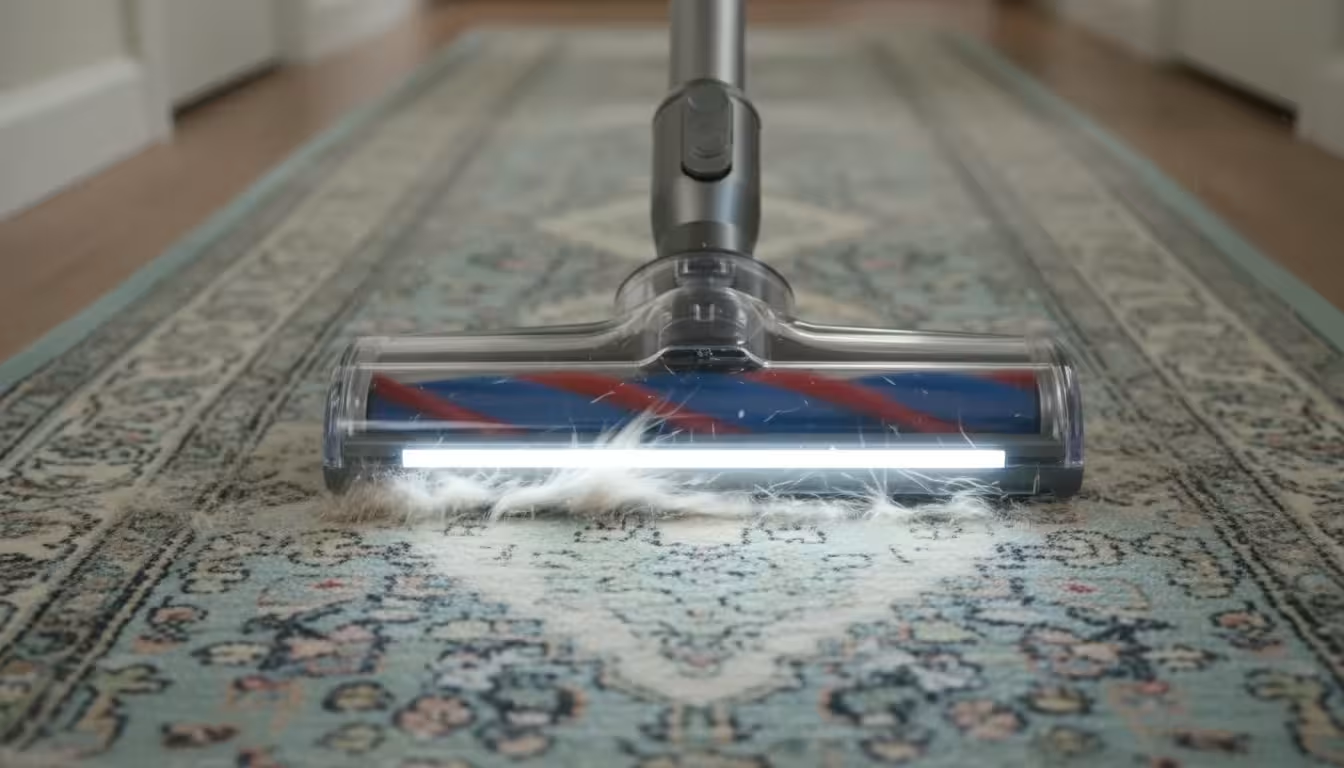
- Tangle-Free Brush Rolls: Hair, both human and animal, notoriously wraps around standard brush rolls, reducing effectiveness and requiring tedious cleaning. Many pet-specific vacuums incorporate brush rolls with anti-tangle technology, specialized bristles, or even self-cleaning mechanisms to prevent this issue.
- Advanced Filtration Systems: Pet dander is a common allergen. Vacuums designed for pet owners often include HEPA filters or multi-stage filtration systems. These filters capture microscopic particles, allergens, and dander, improving indoor air quality and preventing these irritants from recirculating into your home.
- Specialized Attachments: Pet vacuums come equipped with a range of tools tailored for pet messes. You find mini motorized brushes for upholstery and pet beds, crevice tools for tight spaces, and extra-long wands for reaching under furniture. These attachments make targeted cleaning much more effective.
- Odor Elimination: Some high-end pet vacuums feature activated charcoal filters or other technologies to neutralize pet odors trapped within the vacuum or released during cleaning.
- Larger Dustbins: Pet hair quickly fills smaller dustbins. Pet-specific models often have larger capacities, allowing you to clean more of your home without constant emptying.
Investing in a vacuum with these features saves you time and effort. It also ensures a cleaner, healthier home environment for your entire family, including your furry members.
Our Real-Home Testing Methodology
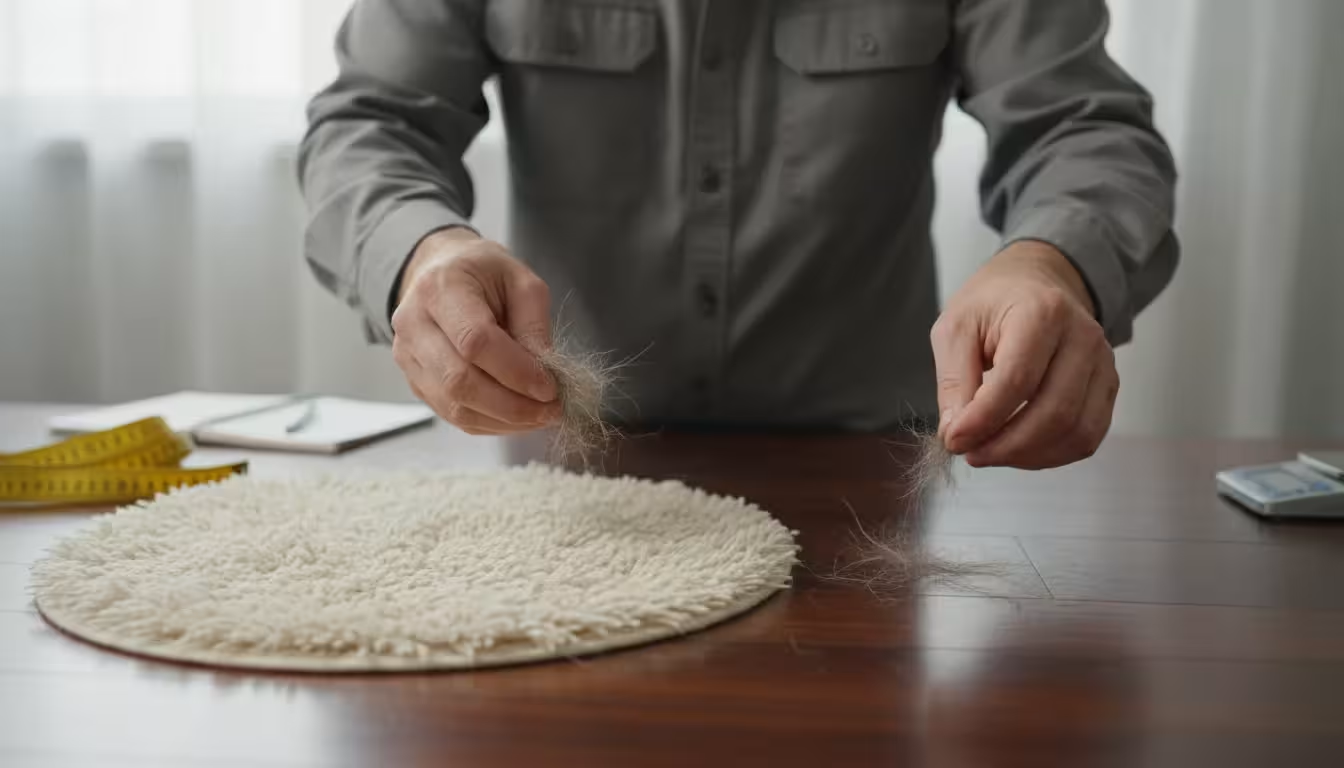
We do not rely on manufacturer claims alone. Our team, comprised of dedicated pet owners and cleaning enthusiasts, rigorously tests each pet product under real-world conditions. We know you need pet tips that deliver tangible results, so we designed a testing methodology that reflects your daily challenges:
- Diverse Pet Hair Scenarios: We tested vacuums in homes with various pet breeds, including long-haired cats, short-haired dogs, and heavy-shedding breeds. This ensured we evaluated performance across different hair types and volumes.
- Multiple Surface Types: Our testing included a range of flooring, such as low-pile carpet, high-pile shag rugs, hardwood, tile, and laminate. We also assessed performance on upholstery, pet beds, and curtains.
- Suction Power and Hair Pick-Up: We measured how effectively each vacuum picked up pet hair, dander, kibble, and general debris. We paid close attention to how many passes it took to achieve a clean result and if hair remained embedded.
- Tangle Resistance: We deliberately ran vacuums over significant amounts of pet hair to observe brush roll performance. We noted how often we needed to clean the brush roll and the ease of doing so.
- Filtration Efficiency: While not laboratory tested, we observed noticeable improvements in air quality during and after vacuuming with models featuring advanced filters, especially in homes with allergy sufferers.
- Ease of Use and Maneuverability: We evaluated weight, balance, steering, and the convenience of emptying the dustbin and changing filters. We also assessed how easily attachments connected and performed.
- Noise Levels: As pet owners, we understand loud noises can startle or stress pets. We assessed noise levels, considering how they might impact sensitive animals during cleaning sessions.
- Durability and Value for Money: We considered the overall build quality, material robustness, and price point. We evaluated if the vacuum’s performance justified its cost, aiming to identify options that offer longevity and effective pet care solutions.
This comprehensive approach provides you with reliable recommendations, helping you make an informed decision for your unique household needs. Our real-home tested results ensure you get a vacuum that performs where it truly matters: your home.
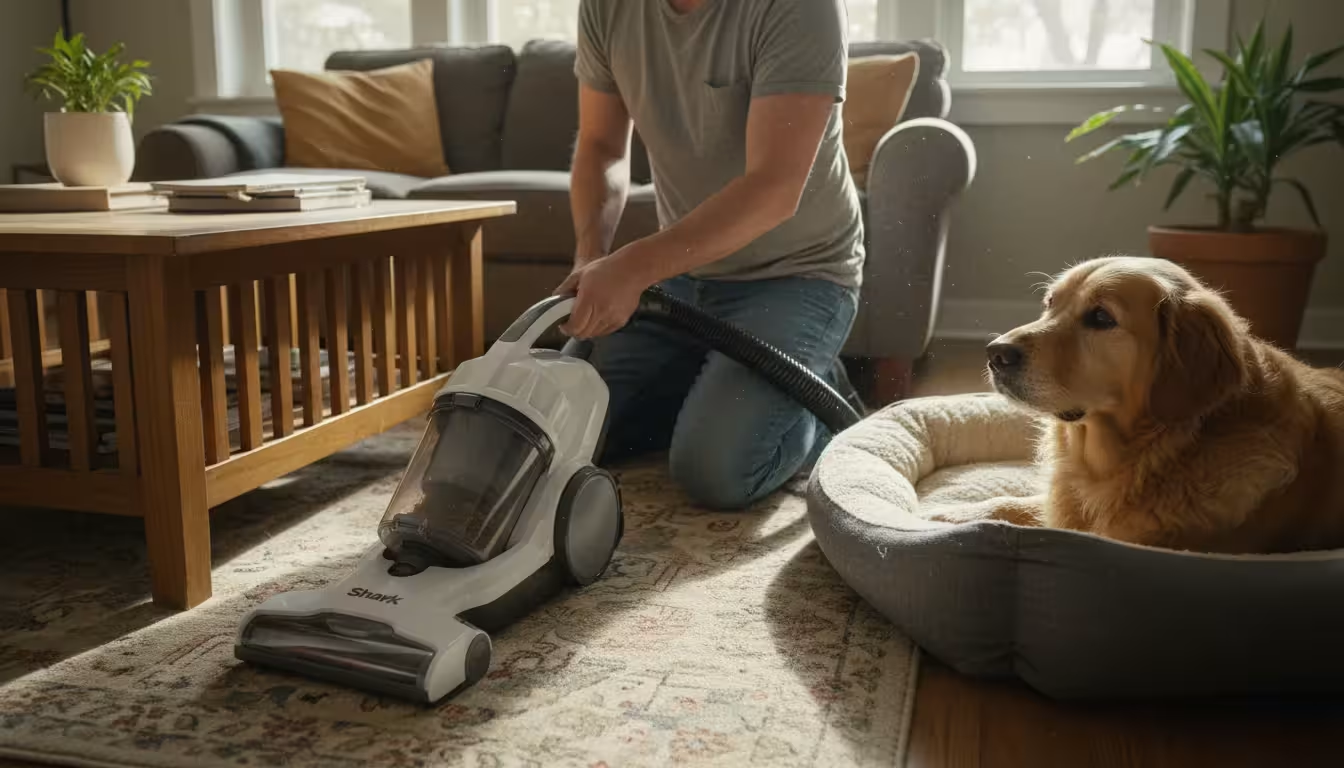
Top Picks: Best Pet Hair Vacuums for Every Home
After extensive testing, these models consistently outperformed the competition, earning our recommendation for their superior ability to tackle pet hair. We selected options across different styles and price points, ensuring a suitable choice for every pet owner.
| Vacuum Model | Type | Best For | Key Features for Pet Hair | Pros | Cons |
|---|---|---|---|---|---|
| Dyson Ball Animal 3 Extra | Upright | Heavy Shedders, All Floor Types | De-tangling Motorbar cleaner head, Ball technology for maneuverability, HEPA filtration, Powerful suction. | Exceptional deep cleaning, excellent on embedded hair, easy steering, large bin. | Higher price point, can be heavy. |
| Shark Navigator Lift-Away Professional NV356E | Upright/Lift-Away | Versatility, Pet Owners on a Budget | Lift-Away feature for portable cleaning, Anti-Allergen Seal, HEPA filter, Pet Power Brush attachment. | Great value, lightweight, strong suction, good for stairs and upholstery, easy to empty. | Brush roll can tangle with very long hair, smaller dustbin than some rivals. |
| Bissell Pet Hair Eraser Turbo Rewind | Upright | Carpets, Odor Control | Tangle-Free Brush Roll, Hands-Free Empty, Febreze Pet Odor Eliminator filter, Specialized pet tools. | Excellent on carpeted areas, effective odor reduction, convenient automatic cord rewind, easy to clean. | Slightly less effective on bare floors than some competitors, filter needs regular replacement. |
| Miele Complete C3 Cat & Dog Canister Vacuum | Canister | Hard Floors, Quiet Operation, Allergy Sufferers | AirClean sealed system, Active AirClean filter (charcoal for odors), Electro+ brush, Parquet Twister. | Extremely quiet, superior filtration, durable build, excellent for hard floors and delicate surfaces. | Premium price, uses bags which incur ongoing cost, requires assembly of parts. |
Each of these pet hair vacuums delivers robust performance for pet owners. Your ideal choice depends on your specific needs, floor types, and budget, but you can feel confident in the hair-busting power of any of these top picks.
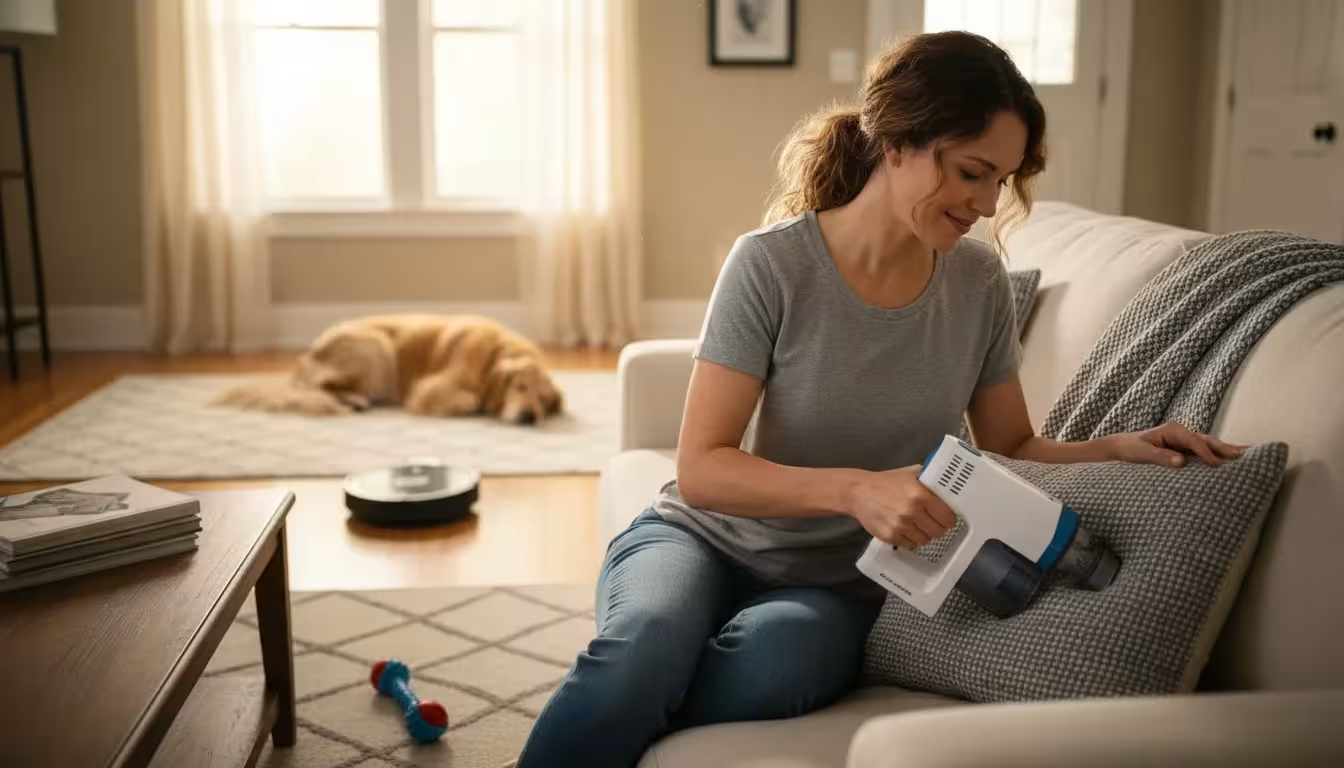
Specialized Solutions: Stick, Robot, and Handheld Vacuums
While upright and canister vacuums offer powerful deep cleaning, other specialized pet products provide convenience and targeted solutions for specific pet hair challenges. Integrating these into your pet care routine can significantly reduce overall pet hair accumulation.
Stick Vacuums: Lightweight and Agile
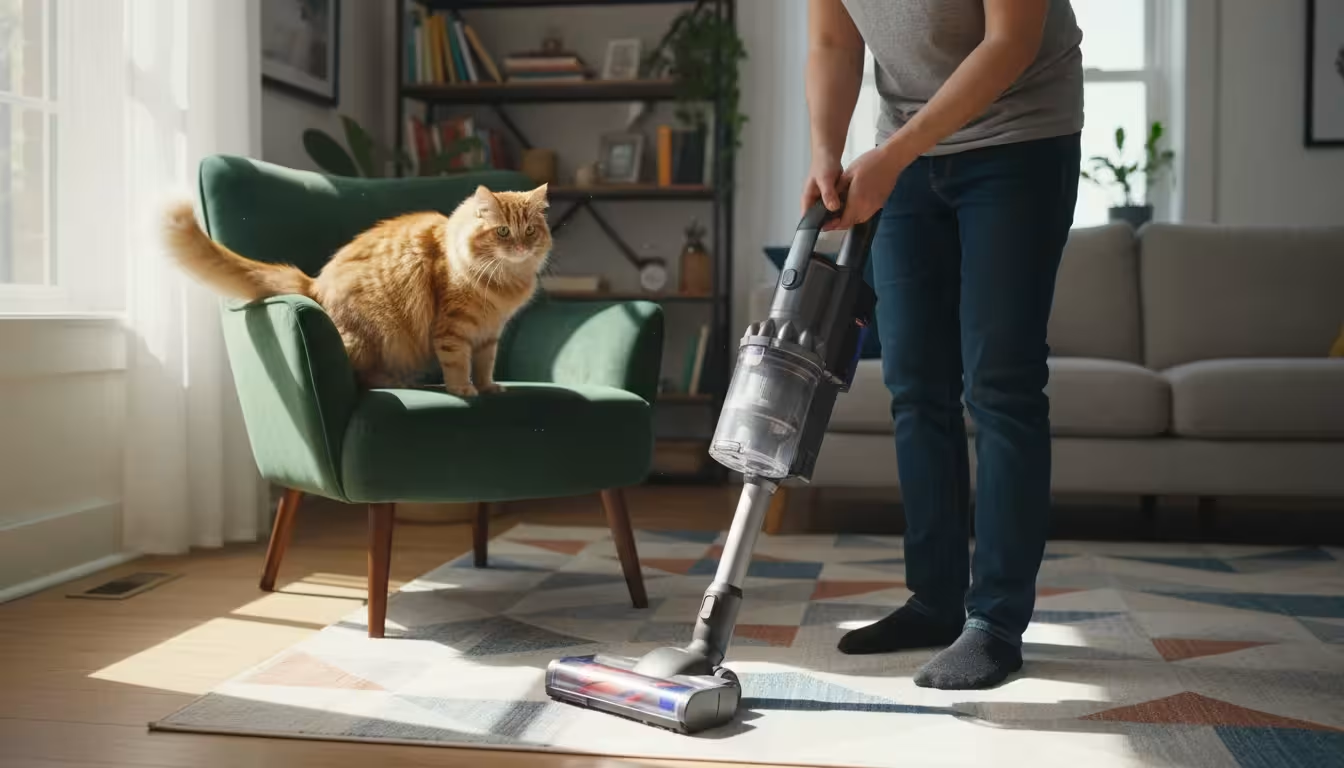
Cordless stick vacuums offer unparalleled convenience for quick cleanups and homes with a mix of hard floors and low-pile carpets. They are typically lightweight and easy to maneuver, making them perfect for daily maintenance. Many modern stick vacuums come with specialized pet hair attachments and robust suction modes for a quick burst of power. Look for models with anti-tangle brush rolls and strong battery life if you have multiple pets or a larger area to cover. They excel at picking up loose fur and surface debris.
Robot Vacuums: Hands-Free Daily Cleaning
Robot vacuums are a game-changer for busy pet owners. They maintain your home’s cleanliness automatically, ensuring daily hair removal without your direct effort. Set a schedule, and the robot takes care of the rest. Key features for pet owners include strong suction, large dustbins, and tangle-resistant brushes. Some models even offer smart mapping and virtual barriers to avoid pet bowls or sensitive areas. While they do not replace a deep clean from an upright, robot vacuums significantly reduce the amount of pet hair that accumulates daily, especially on hard floors. The Humane Society of the United States recommends creating a consistent cleaning schedule to manage pet hair and dander effectively, and robot vacuums can be a vital part of this routine.
Handheld Vacuums: Spot Cleaning and Upholstery
For tackling pet hair on furniture, car interiors, cat trees, and pet beds, a dedicated handheld vacuum is indispensable. These compact, portable devices offer focused suction and often come with specialized motorized brushes designed to lift embedded hair from upholstery. They are excellent for quick cleanups of localized pet messes and can save you from hauling out your full-sized vacuum for small tasks. Choose a model with strong suction and a good battery life for maximum utility.
Choosing the Right Pet Hair Vacuum for Your Home
Selecting the best pet hair vacuum for your needs involves considering several factors unique to your household and pets. Think about your specific circumstances to make an informed choice that truly delivers practical benefits:
- Your Pet’s Shedding Level and Hair Type: If you have a heavy shedder with long hair, prioritize powerful suction and anti-tangle brush rolls. For fine, abundant cat fur, focus on superior filtration and robust brush systems.
- Your Home’s Floor Types: Do you have mostly carpets, hard floors, or a mix? Uprights often excel on carpets, while canisters and some stick vacuums perform beautifully on hard surfaces. Multi-surface versatility is crucial for mixed homes.
- Household Size and Layout: For larger homes with many rooms, consider a vacuum with a larger dustbin and good maneuverability. For smaller spaces or apartments, a lightweight stick or even a robot vacuum might offer sufficient coverage.
- Allergy Concerns: If anyone in your home suffers from pet allergies, a vacuum with a true HEPA filter and a sealed system is non-negotiable. This prevents allergens from escaping back into the air.
- Noise Sensitivity of Your Pets: Some pets are highly sensitive to loud noises. If your dog or cat gets stressed by the vacuum, consider quieter canister models or stick vacuums, or integrate a robot vacuum that cleans when you are out. According to Fear Free Pets, minimizing stress in a pet’s environment contributes significantly to their overall well-being.
- Budget: Pet hair vacuums range widely in price. Determine what you are willing to spend, keeping in mind that a more expensive vacuum might offer greater durability, advanced features, and better long-term value.
By carefully evaluating these points, you can narrow down your options and choose a pet hair vacuum that provides effective pet care, keeping your home clean and your pets happy.
Maintenance and Longevity for Your Pet Vacuum
A pet hair vacuum is an investment in your home’s cleanliness and your pet’s well-being. Proper maintenance extends its lifespan and ensures it continues to perform effectively. Neglecting maintenance leads to reduced suction, decreased efficiency, and premature wear. Here are essential pet tips for keeping your vacuum in top condition:
- Empty the Dustbin Regularly: Pet hair fills bins quickly. Emptying after each use, or when two-thirds full, prevents suction loss and keeps your vacuum running efficiently.
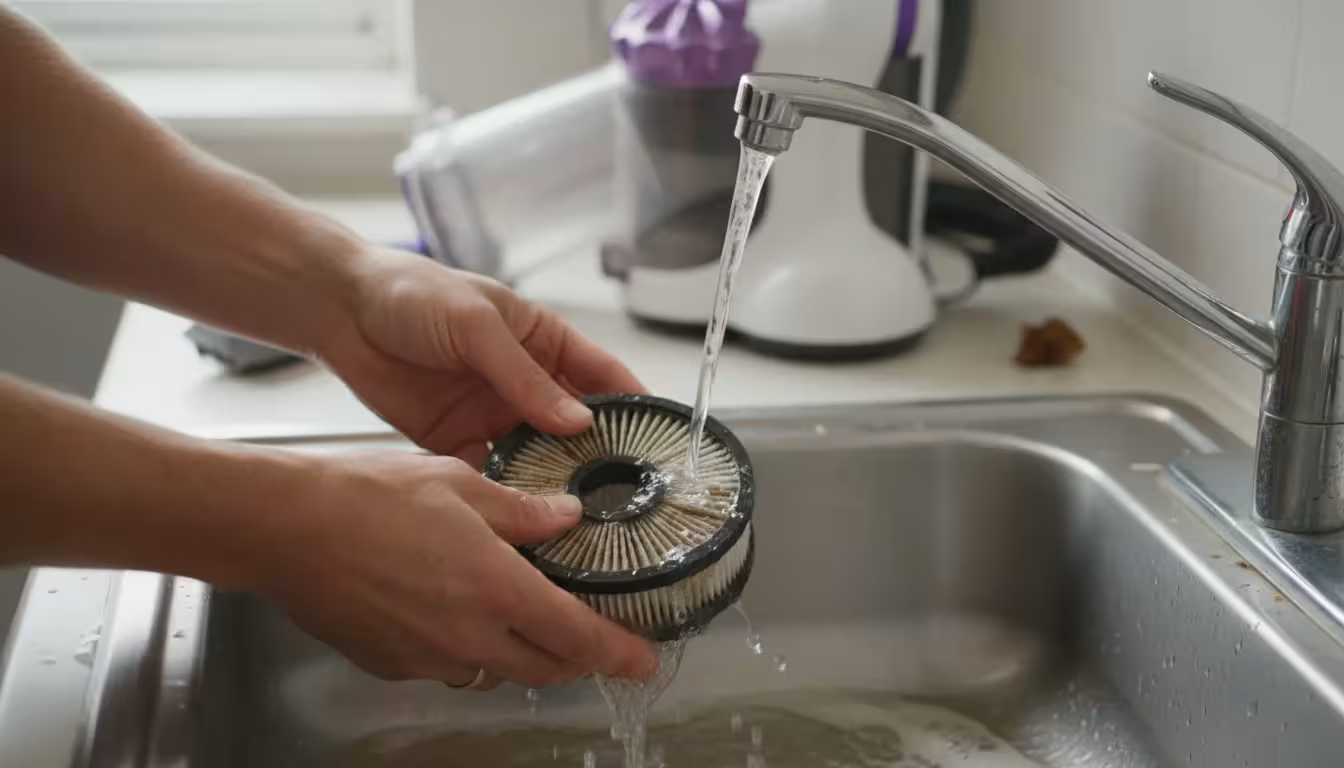
- Clean or Replace Filters: Most pet vacuums have washable or replaceable filters. Check your manual for specific instructions. Washable filters require thorough drying before reinstallation, typically 24-48 hours. Replace non-washable filters every 3-6 months, depending on use and pet hair volume. Clean filters prevent motor strain and maintain strong suction.
- Clear the Brush Roll: Hair, strings, and debris inevitably wrap around the brush roll. Regularly inspect and remove these tangles. Many pet vacuums feature easy-access brush rolls or even self-cleaning technology, but manual intervention is sometimes necessary. Keeping the brush roll free of obstructions ensures it effectively agitates carpets and picks up hair.
- Check Hoses and Attachments: Periodically inspect hoses and attachments for clogs. Pet hair can form dense clumps, especially in flexible hoses. Use a broom handle or a long tool to dislodge any blockages. Ensure attachments are clean and free of debris for optimal performance.
- Wipe Down the Exterior: Use a damp cloth to wipe down the exterior of your vacuum, removing dust and pet dander. This keeps it looking good and prevents external buildup.
- Store Properly: Store your vacuum in a dry, safe place. Avoid storing it in extremely hot or cold environments, which can damage components.
By implementing these simple maintenance steps, you protect your investment, ensuring your pet hair vacuum remains a powerful tool in your fight against pet hair for years to come. This consistent care also reflects responsible pet ownership, helping you maintain a clean and healthy home environment for your beloved companions.
Frequently Asked Questions
Why do I need a special vacuum for pet hair?
Standard vacuums often lack the suction power, specialized brush rolls, and advanced filtration necessary to effectively remove embedded pet hair and dander. Pet-specific vacuums address these challenges with features like tangle-free brush rolls, HEPA filters, and powerful motors, ensuring a deeper, more efficient clean and improved air quality.
Are robot vacuums good for pet hair?
Yes, robot vacuums are excellent for daily maintenance and managing surface pet hair, especially on hard floors. They significantly reduce accumulation. However, they typically do not provide the deep cleaning power of a full-sized upright or canister vacuum, particularly for heavily embedded hair in thick carpets. They are best as a complementary tool.
How often should I vacuum if I have pets?
You should vacuum at least 2-3 times per week, or even daily if you have multiple pets, heavy-shedding breeds, or allergy sufferers in your home. Regular, consistent vacuuming prevents pet hair and dander from accumulating and becoming more challenging to remove, contributing to overall pet care and home hygiene.
What type of filter is best for pet allergies?
For pet allergies, a vacuum with a true HEPA filter and a sealed system is essential. HEPA filters capture 99.97% of airborne particles 0.3 microns in size, including pet dander, pollen, and dust mites. A sealed system ensures these particles do not leak back into the air before passing through the filter.
Can pet hair damage my vacuum?
Yes, pet hair can damage standard vacuums by clogging filters, wrapping around brush rolls, and straining the motor. This leads to reduced performance and potential overheating. Pet-specific vacuums are designed with features like larger dustbins, tangle-free brush rolls, and stronger motors to withstand the demands of pet hair and reduce the risk of damage.
For expert pet care guidance, visit
Cornell University College of Veterinary Medicine,
UC Davis School of Veterinary Medicine,
American Animal Hospital Association (AAHA),
Association of Professional Dog Trainers (APDT) and
Certification Council for Professional Dog Trainers (CCPDT).
Disclaimer: This article is for informational purposes only and is not a substitute for professional veterinary advice, diagnosis, or treatment. Always consult with a licensed veterinarian for medical concerns about your pet.


Leave a Reply