
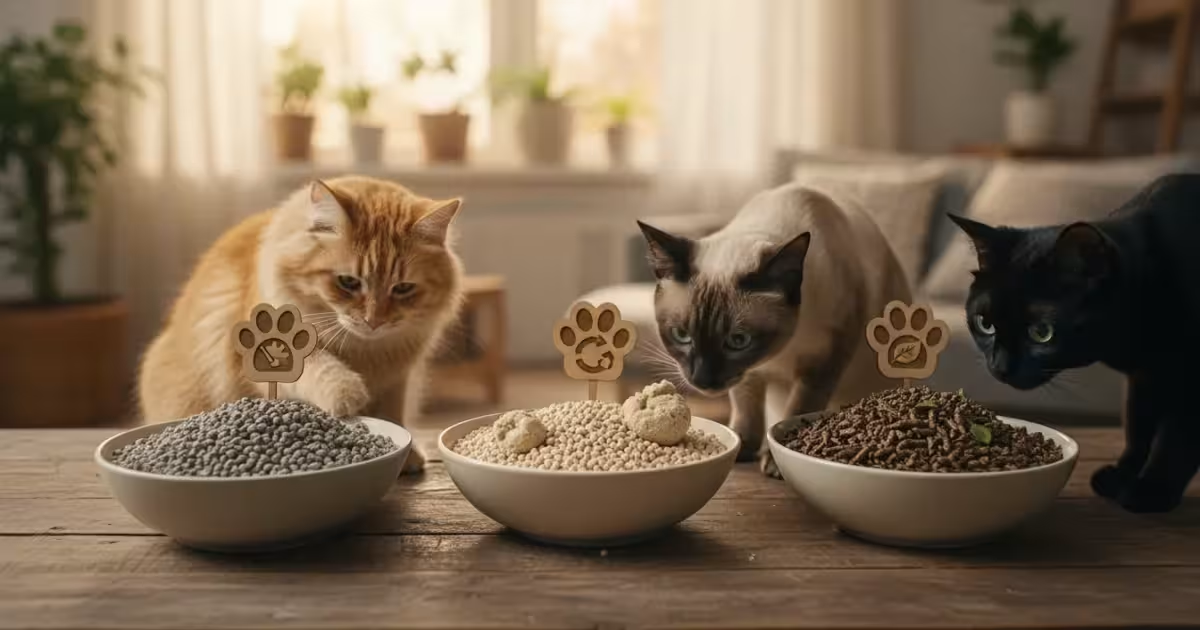
Choosing the right cat litter significantly impacts your cat’s health, happiness, and your home’s cleanliness. With an abundance of pet products available, finding the ideal litter requires understanding the options and considering your feline friend’s specific needs. This comprehensive cat litter comparison for pets evaluates traditional clay, popular clumping, and various natural litter types, offering practical insights to help you make the best choice. Your cat deserves a clean, comfortable litter box, and you deserve an effective, easy-to-manage solution.
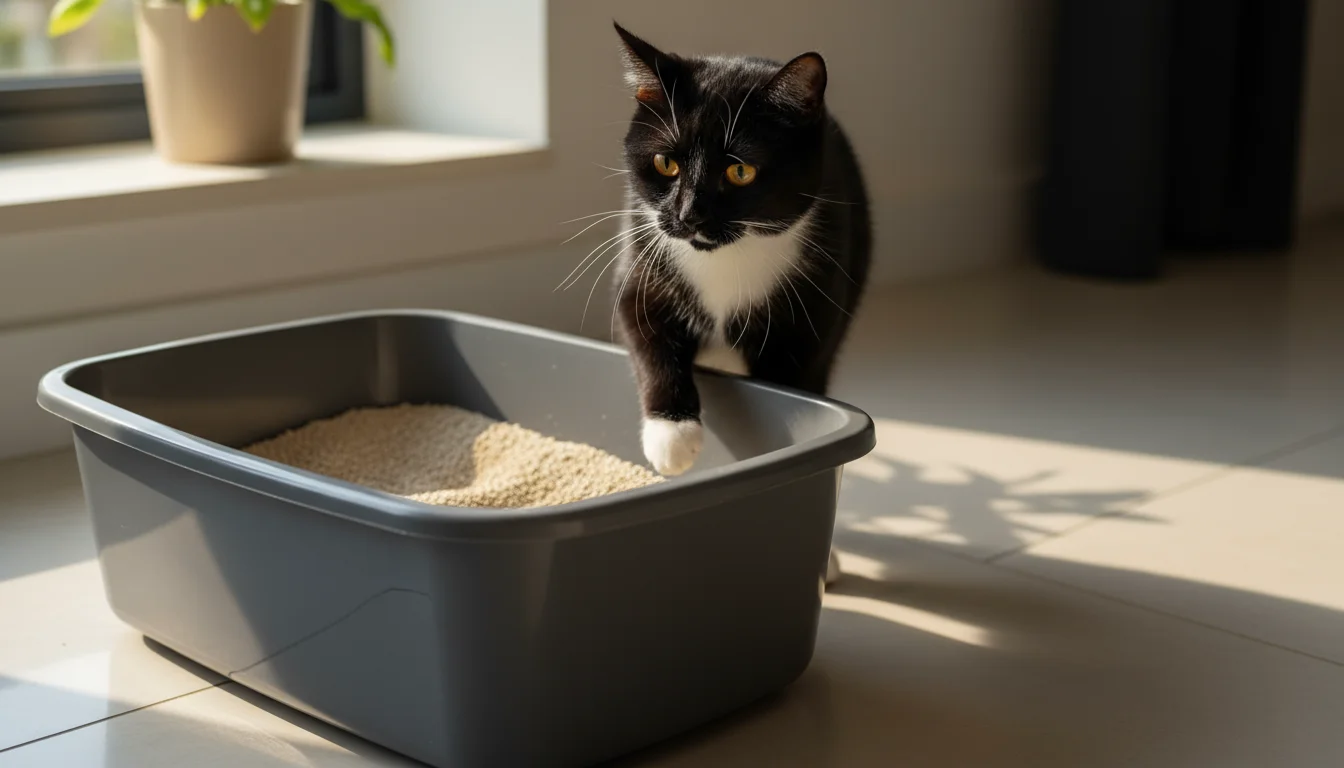
Understanding Your Cat’s Litter Preferences
Your cat possesses strong instincts and preferences, including where and on what material they eliminate. Ignoring these preferences can lead to litter box avoidance, a common behavioral issue. Cats generally prefer fine-textured, unscented litter. Research indicates many cats prefer a soft, sand-like texture over coarser materials. The Cat Fanciers’ Association (CFA) emphasizes the importance of providing a consistent, clean, and appealing litter box environment to promote good litter habits. Observing your cat’s reactions to different litters gives you valuable clues. Do they hesitate before entering the box? Do they dig enthusiastically or scratch around the edges?
A sudden change in litter type can sometimes trigger avoidance, especially for sensitive cats. If you decide to transition to a new litter, introduce it gradually. Mix a small amount of the new litter with their current litter, slowly increasing the proportion over several days or weeks. This allows your cat to adjust to the new scent and texture at their own pace. Remember, positive experiences at the litter box reinforce good behavior.
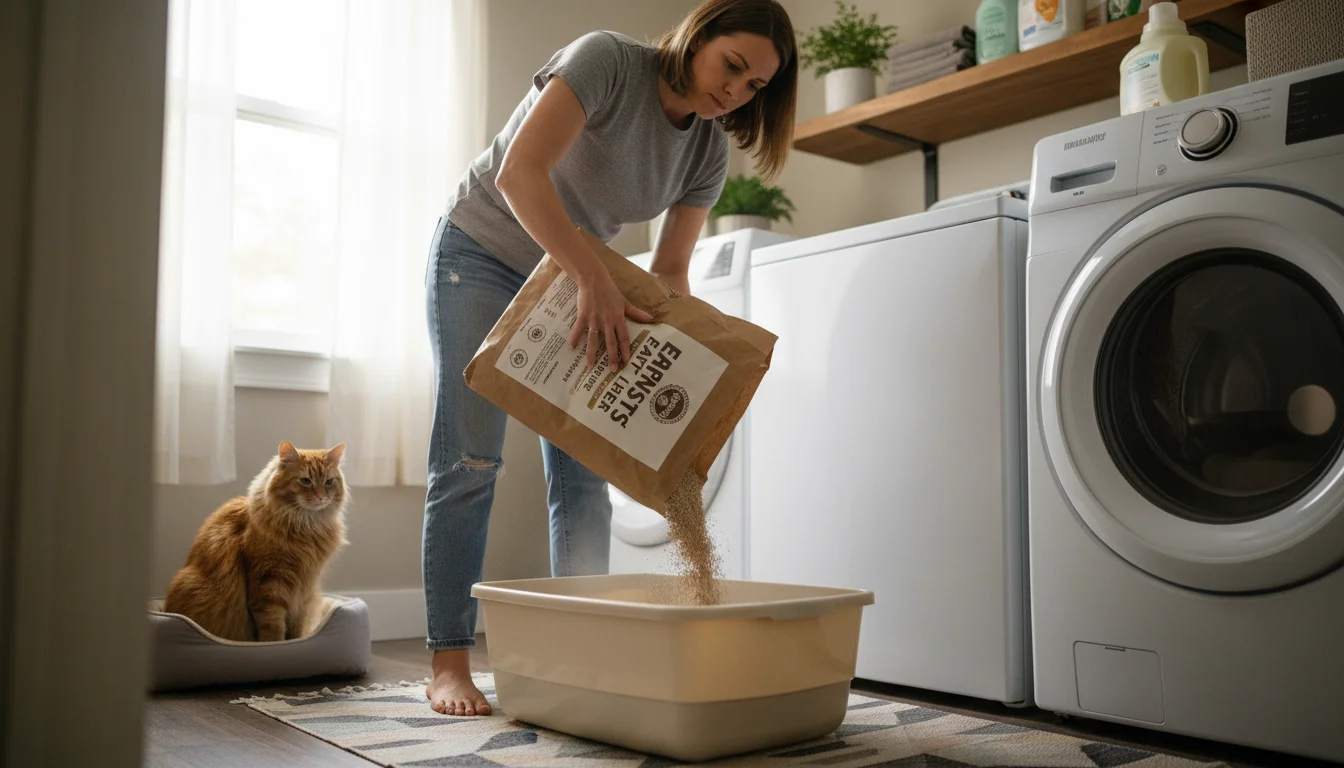
Traditional Clay Litter: The Familiar Choice
Traditional clay litter, often made from bentonite clay, has been a staple in pet care for decades. You recognize it by its distinctive granular texture and often its faint, earthy smell. Manufacturers typically sell it in large, heavy bags, and it represents a budget-friendly option for many households. The primary function of traditional clay litter is absorption. It absorbs liquid waste, trapping it within the granules.
Pros of Traditional Clay Litter
- Affordability: Generally the least expensive litter option available.
- Familiarity: Many cats readily accept its texture, having grown up with it.
- Good Absorption: Effectively absorbs urine, reducing wet spots.
Cons of Traditional Clay Litter
- Odor Control: Its odor control capabilities are often inferior to clumping litters. You may notice stronger ammonia smells, especially if you do not scoop frequently.
- Dust: Many traditional clay litters produce significant dust when poured or when your cat digs, which can irritate respiratory systems for both pets and humans.
- Weight: Heavy to transport and handle, making it physically demanding to change the litter box.
- Waste Management: Clay litter does not clump, so you must change the entire litter box more frequently to maintain hygiene and prevent odors, usually every few days. This creates more waste by volume.
- Environmental Impact: Strip mining extracts clay, and the used litter is not biodegradable, contributing to landfills.
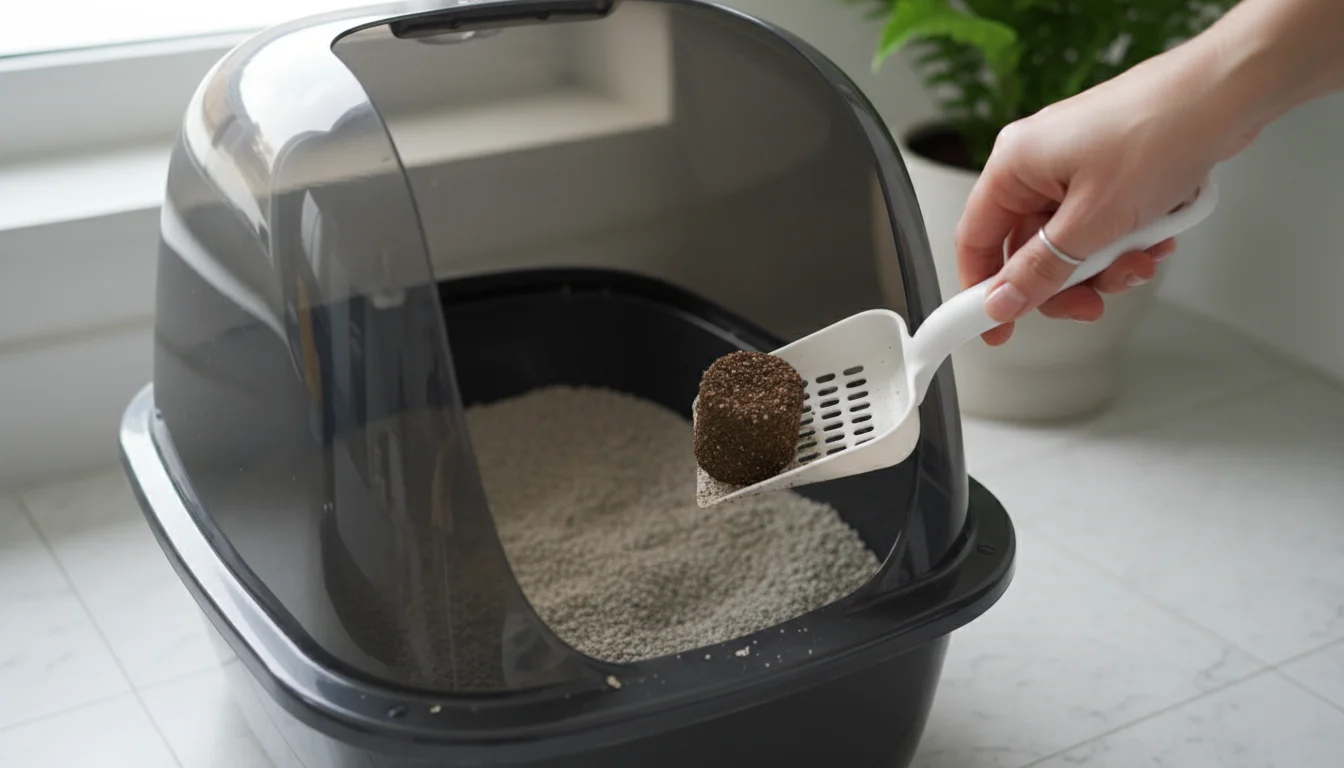
Clumping Litter: Convenience and Odor Control
Clumping litter, a revolutionary innovation in pet products, primarily consists of bentonite clay or sometimes silica gel that forms solid clumps when it comes into contact with liquid. This allows you to scoop out urine and feces easily without emptying the entire litter box. This design dramatically improves hygiene and odor control, making it one of the best pet products tips for busy owners.
Pros of Clumping Litter
- Superior Odor Control: Trapping urine in solid clumps prevents ammonia from dissipating into the air, offering excellent odor management.
- Easy Cleaning: Simply scoop the clumps daily. This reduces the frequency of full litter box changes.
- Reduced Waste: You only remove soiled litter, meaning the remaining clean litter lasts longer. This also often reduces the overall amount of litter you discard.
- Cat Preference: Many cats appreciate the fine, sand-like texture of most clumping litters.
Cons of Clumping Litter
- Dust: Like traditional clay, many clumping litters produce dust, though low-dust formulas exist.
- Weight: Still relatively heavy, though less so than non-clumping clay as you scoop out less material.
- Tracking: Fine particles can stick to your cat’s paws and track outside the litter box.
- Price: Generally more expensive per pound than traditional clay litter.
- Potential Health Concerns: While generally considered safe, some owners worry about dust inhalation or ingestion if their cat grooms paws after using the box, especially with heavily scented varieties.
- Environmental Impact: Similar to traditional clay, clumping clay is non-biodegradable and derived from mining.
Natural Litters: Eco-Friendly Alternatives
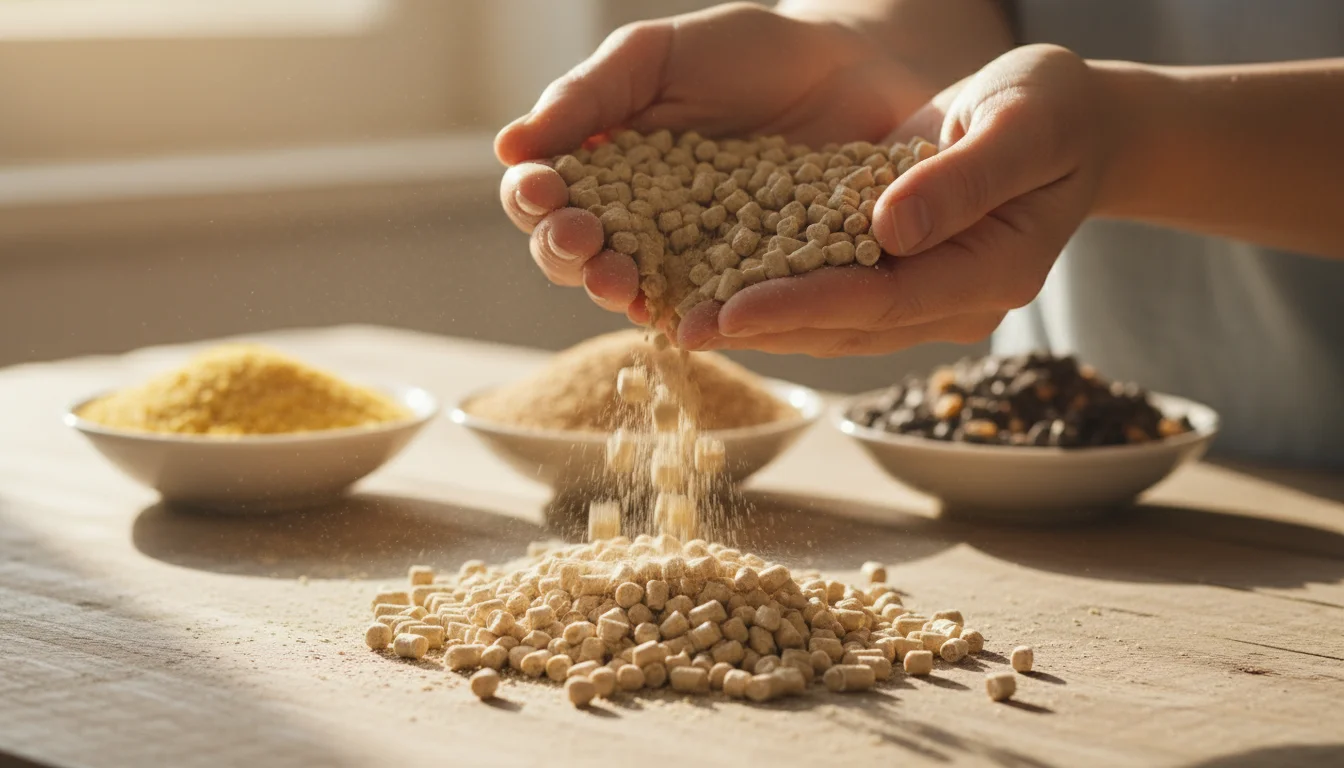
Natural litters encompass a wide range of materials, including pine, corn, wheat, paper, walnuts, and even tofu. Manufacturers design these litters to offer biodegradable, renewable, and often dust-free alternatives to clay-based options. They appeal to owners seeking environmentally friendly pet products and those with respiratory sensitivities. The selection of natural cat litter comparison for pets continues to grow, providing diverse choices.
Types of Natural Litters and Their Characteristics
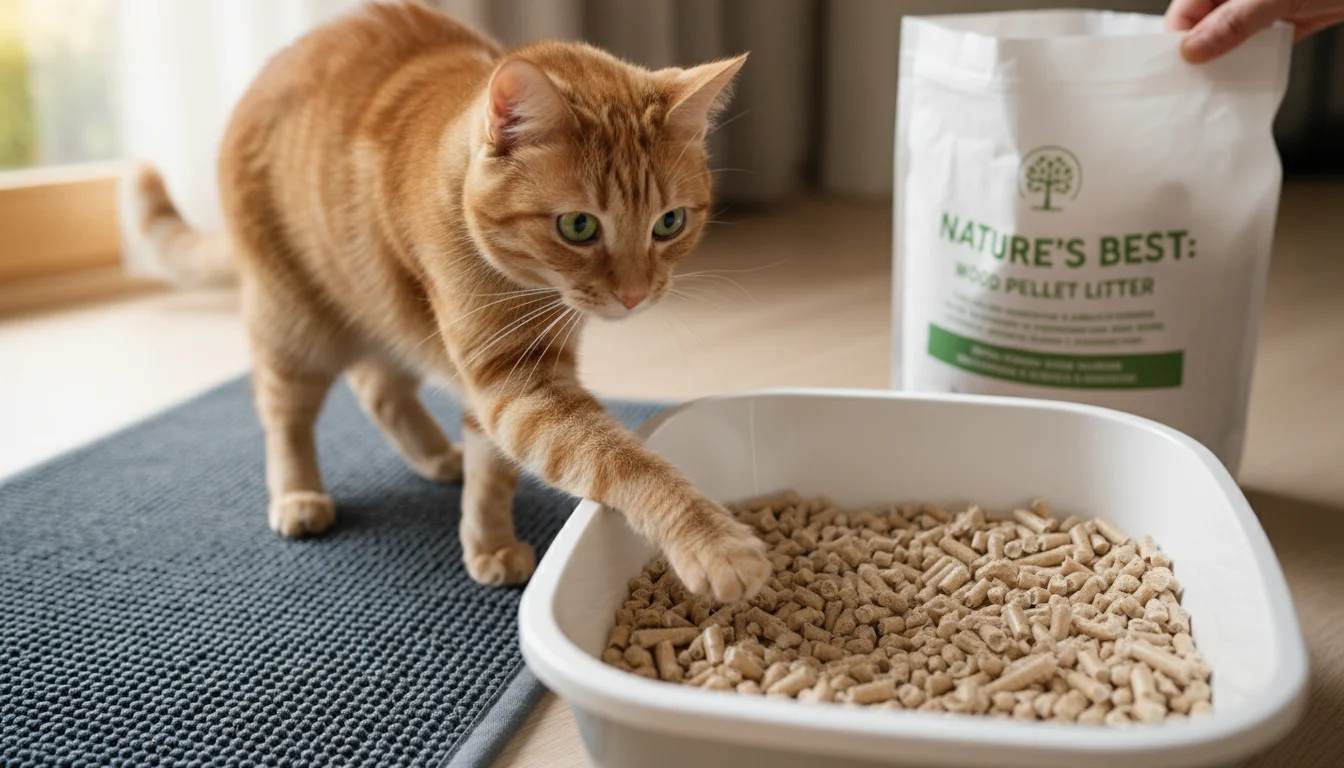
- Pine Litter: Made from compressed pine sawdust, it often comes in pellet form. It excels at odor control due to natural pine oils and is highly absorbent. Some cats dislike the pellet texture.
- Corn Litter: Biodegradable and often made from recycled corn, it offers good clumping action and moderate odor control. Some concerns exist about potential for aflatoxins if not properly manufactured, and attraction to pests.
- Wheat Litter: Made from wheat by-products, it clumps well and has good odor control. It is generally low-dust and biodegradable.
- Paper Litter: Often made from recycled paper, it is dust-free, highly absorbent, and lightweight. It does not clump and may not offer strong odor control.
- Walnut Shell Litter: Biodegradable, excellent at odor control, and offers good clumping. Its dark color can make it harder to spot urine.
- Tofu Litter: A newer option made from food-grade soybean fiber. It is highly absorbent, clumps well, dust-free, and often flushable. It can be more expensive.
Pros of Natural Litters
- Eco-Friendly: Many are biodegradable, made from renewable resources, and can be composted or even flushed (check product guidelines).
- Low Dust: Generally produce less dust than clay litters, making them suitable for allergy sufferers or pets with respiratory issues.
- Lightweight: Often lighter than clay litters, making them easier to handle.
- Odor Control: Many natural litters, like pine and walnut, offer excellent natural odor absorption.
Cons of Natural Litters
- Cost: Typically more expensive than clay or clumping litters.
- Cat Acceptance: Cats can be particular about texture. Some may reject the coarser texture of pine pellets or the distinct scent of certain natural litters.
- Clumping Performance: While many natural litters clump, their clumping strength might not match that of bentonite clay.
- Tracking: Some fine-textured natural litters can still track.
Factors to Consider When Choosing Cat Litter
Selecting the best cat litter involves balancing your cat’s needs with your own lifestyle and values. Consider these factors:
- Cat’s Preference: This is paramount. If your cat rejects a litter, you face litter box avoidance issues. Observe their behavior closely.
- Odor Control: Evaluate your home environment and how sensitive you are to odors. Clumping and some natural litters excel here.
- Dust Level: If you or your cat have respiratory sensitivities or allergies, opt for low-dust or dust-free options like paper or tofu litters.
- Tracking: Finer litters tend to track more. Consider litter mats or larger granules to minimize tracking.
- Ease of Cleaning: Clumping litters offer the easiest daily cleanup. Non-clumping varieties require more frequent full changes.
- Environmental Impact: If sustainability is important to you, explore biodegradable natural litters.
- Cost: Budget plays a role. Weigh the initial cost against longevity and the frequency of full litter changes. Sometimes a pricier clumping litter saves money long-term due to less frequent replacement.
- Scented vs. Unscented: Most veterinary experts, including those at Cornell University College of Veterinary Medicine, recommend unscented litters. Cats have a highly sensitive sense of smell, and artificial scents can be overpowering, deterring them from using the box.
When you introduce new pet products, including litter, monitor your cat’s behavior for any signs of discomfort or aversion. If they stop using the litter box, consult with your veterinarian to rule out medical issues, and then a certified feline behaviorist if the problem persists.
The Best Litter Box Setup for Success
Even the best litter will not guarantee success if the litter box setup is suboptimal. A proper setup is one of the best pet products tips you can implement to ensure your cat uses the box consistently.
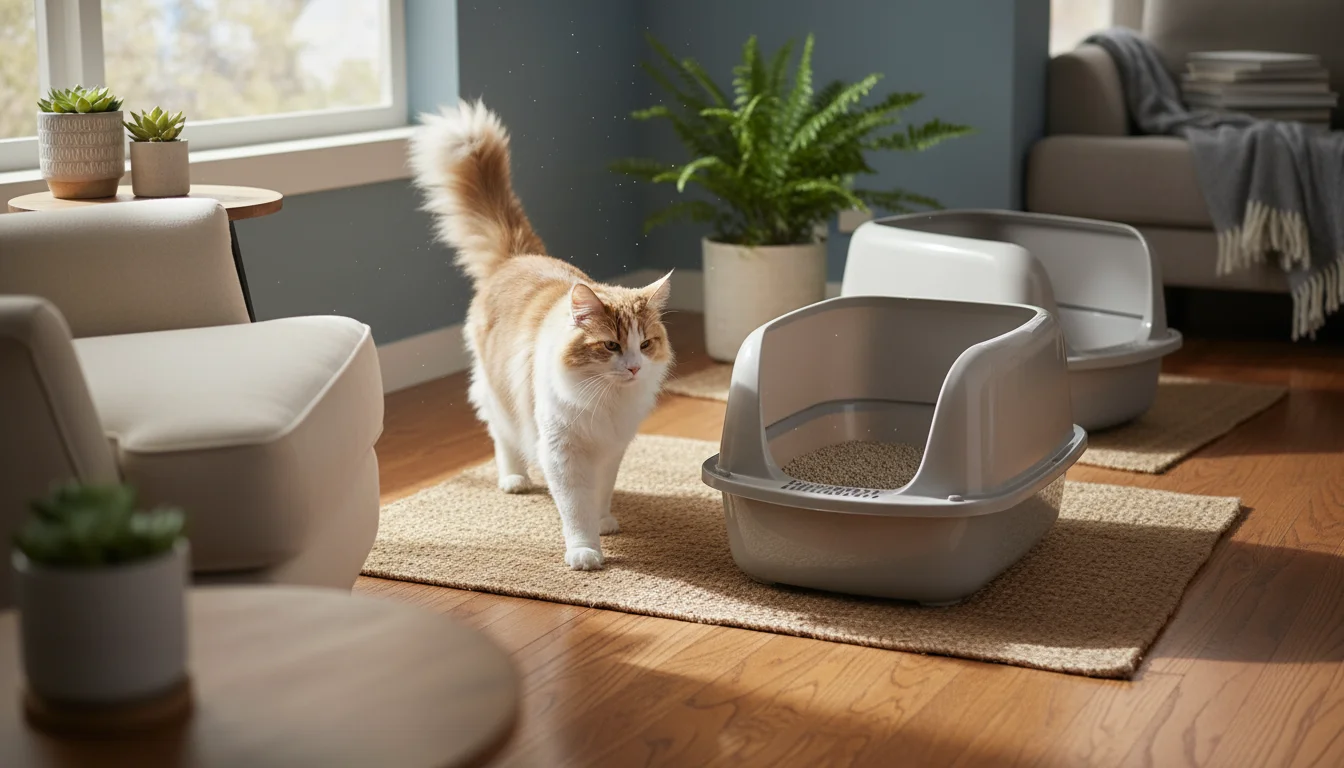
- Number of Boxes: The general rule is one litter box per cat, plus one extra. So, for one cat, you need two boxes; for two cats, you need three. This prevents competition and offers choice.
- Location: Place litter boxes in quiet, accessible, and safe locations. Avoid high-traffic areas, noisy appliances, or places where your cat might feel trapped. Ensure each box has at least two escape routes.
- Size: Opt for large litter boxes. Your cat should have enough space to stand, turn around, and dig comfortably. Many standard boxes are too small for adult cats. Look for boxes at least 1.5 times the length of your cat from nose to base of tail.
- Type of Box: Open litter boxes are often preferred by cats over covered boxes. Covered boxes trap odors, which can be unpleasant for your cat, and they can make your cat feel vulnerable or confined. If you use a covered box, ensure it is exceptionally large and has good ventilation.
- Cleanliness: Scoop waste at least once, ideally twice, daily. Clean the entire box with mild, unscented soap and water weekly or bi-weekly, depending on the litter type and number of cats. Avoid harsh chemicals or strong-smelling cleaners, as they can deter your cat.
- Litter Depth: Maintain 2-3 inches of litter. Some cats prefer deeper litter for digging, but too much can make the box heavy and difficult to clean.
Following these guidelines creates an inviting and hygienic space that encourages your cat to use their litter box reliably.
Troubleshooting Litter Box Issues
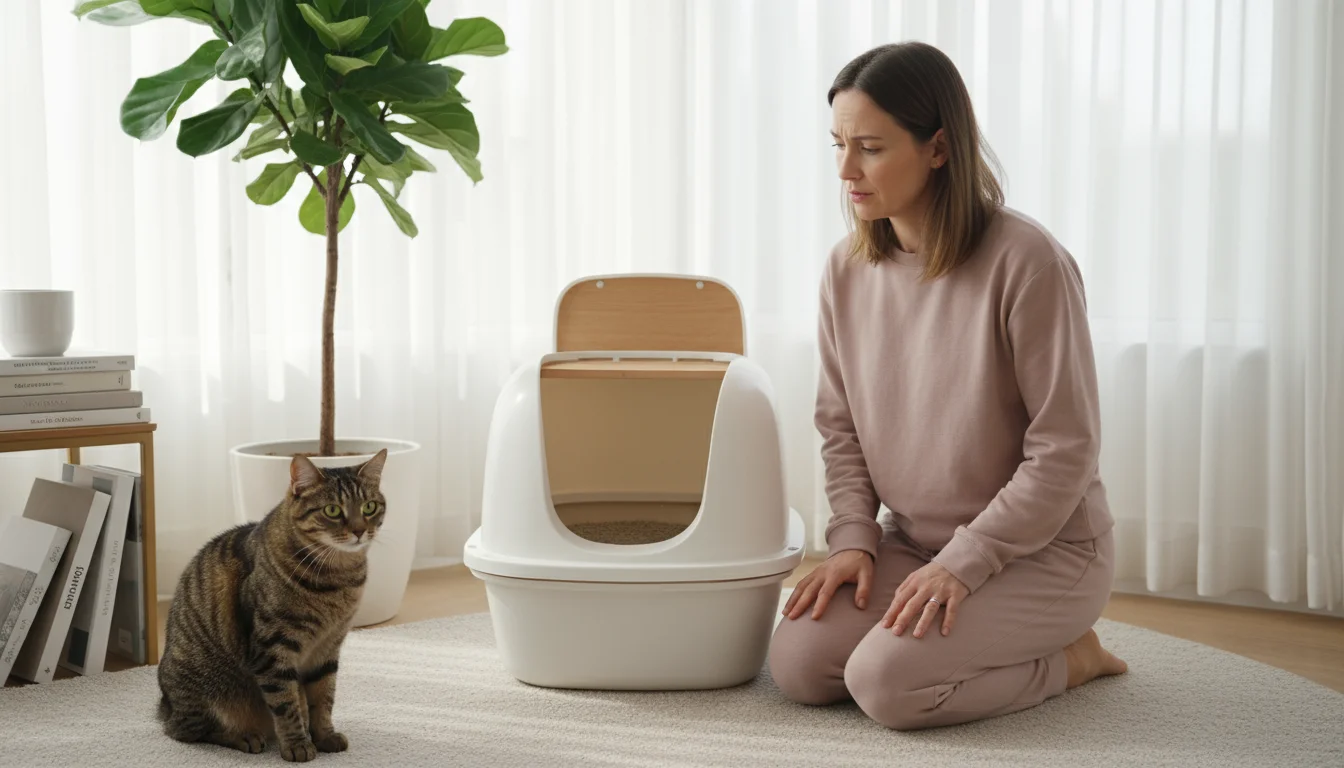
Litter box avoidance is a common and frustrating problem for cat owners, but you can resolve it with patience and a systematic approach. The first step involves ruling out medical causes. Urinary tract infections, kidney disease, diabetes, or even arthritis can make urination painful or difficult, causing your cat to associate the litter box with discomfort. Schedule a veterinary visit immediately if you observe inappropriate urination. According to the American Veterinary Medical Association (AVMA), changes in litter box habits often signal underlying health problems.
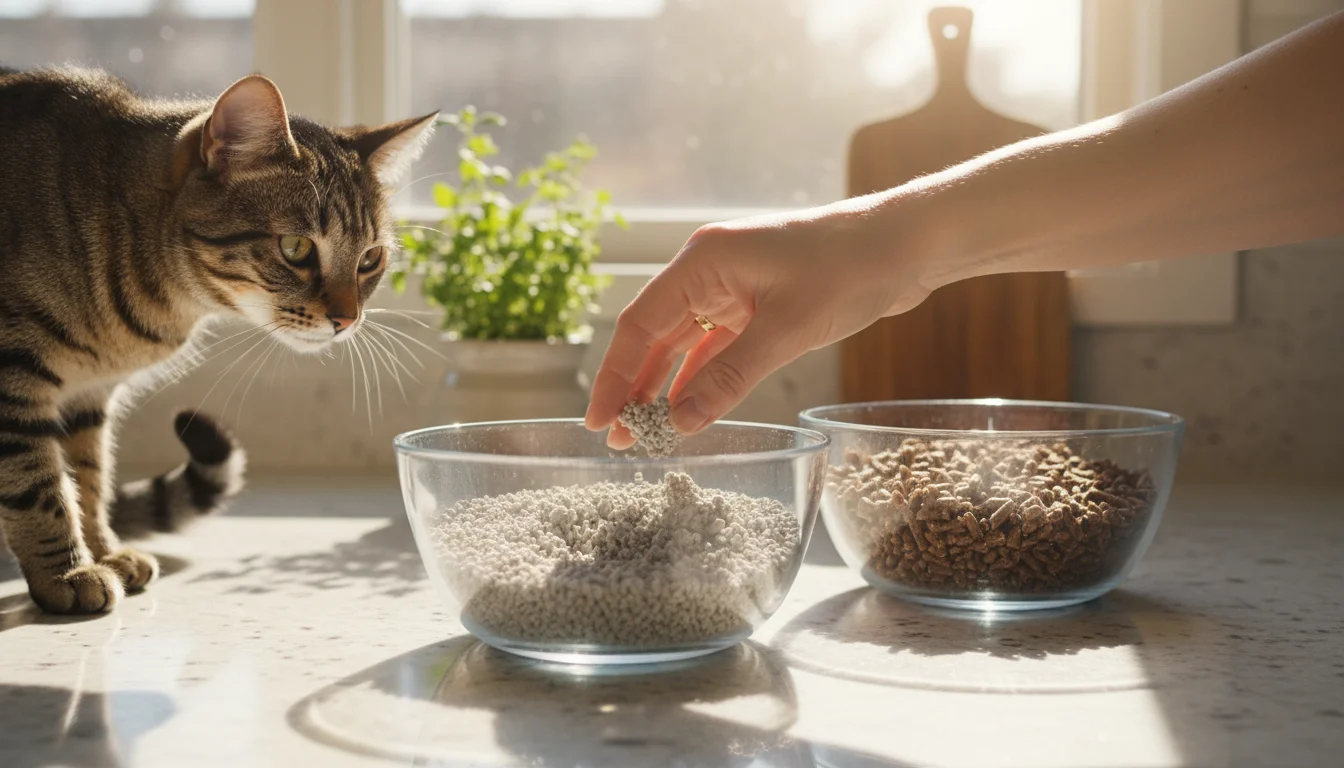
Once your veterinarian clears your cat medically, consider behavioral or environmental factors. Review the litter box setup points mentioned above. Is the box clean enough? Is it large enough? Are there enough boxes for the number of cats in your home? Experiment with different litter types if your cat suddenly stops using their preferred litter. You can offer a “litter cafeteria” by providing several boxes, each with a different type of litter, allowing your cat to choose their favorite. Ensure your cat feels safe and undisturbed while using the litter box.
Never punish your cat for accidents outside the litter box. Punishment only creates fear and anxiety, damaging your bond and exacerbating the problem. Instead, focus on making the litter box an appealing place and cleaning soiled areas thoroughly with enzymatic cleaners to eliminate odors that might attract them back. If you struggle to resolve the issue, consult a certified feline behaviorist who can provide tailored strategies.
Frequently Asked Questions
What is the best type of cat litter for odor control?
Clumping clay litter generally excels at odor control because it traps urine into solid clumps, preventing ammonia from evaporating. Many natural litters, such as those made from pine, activated charcoal, or walnut shells, also offer excellent odor neutralization through natural absorption and scent masking properties.
Can I mix different types of cat litter?
You can mix different litters, especially during a transition period. For example, mix a new natural litter with your cat’s current clumping clay litter to gradually introduce it. However, avoid mixing litters with vastly different textures or absorption qualities in the long term, as it might compromise performance or deter your cat.
Is flushable cat litter truly safe for plumbing and the environment?
While some natural litters advertise as flushable, you should use caution. Many plumbing systems, especially older ones or septic tanks, may struggle to process even biodegradable litter, potentially leading to clogs. Additionally, cat feces can contain Toxoplasma gondii, a parasite harmful to marine life. Even if the litter biodegrades, flushing the parasite into water systems poses an environmental risk. It is generally safer to dispose of all cat litter in the trash.
How often should I change the entire cat litter box?
For clumping litter, scoop daily and replenish as needed, performing a full litter change and washing the box every 2-4 weeks. For traditional non-clumping clay or paper litters, you should change the entire box every 3-7 days, depending on the number of cats and their usage, as these litters quickly become saturated and odorous.
My cat is tracking litter everywhere, what can I do?
To reduce litter tracking, consider using a litter mat designed to catch particles from paws. Choose litters with larger, heavier granules that are less likely to cling, such as pellet-form pine or silica gel crystals, or a specific “low-tracking” formula. Ensure your litter box has high sides to contain litter effectively.
For expert pet care guidance, visit
Cat Fanciers’ Association (CFA),
ASPCA and
The Humane Society of the United States.
Disclaimer: This article is for informational purposes only and is not a substitute for professional veterinary advice, diagnosis, or treatment. Always consult with a licensed veterinarian for medical concerns about your pet.


Leave a Reply