
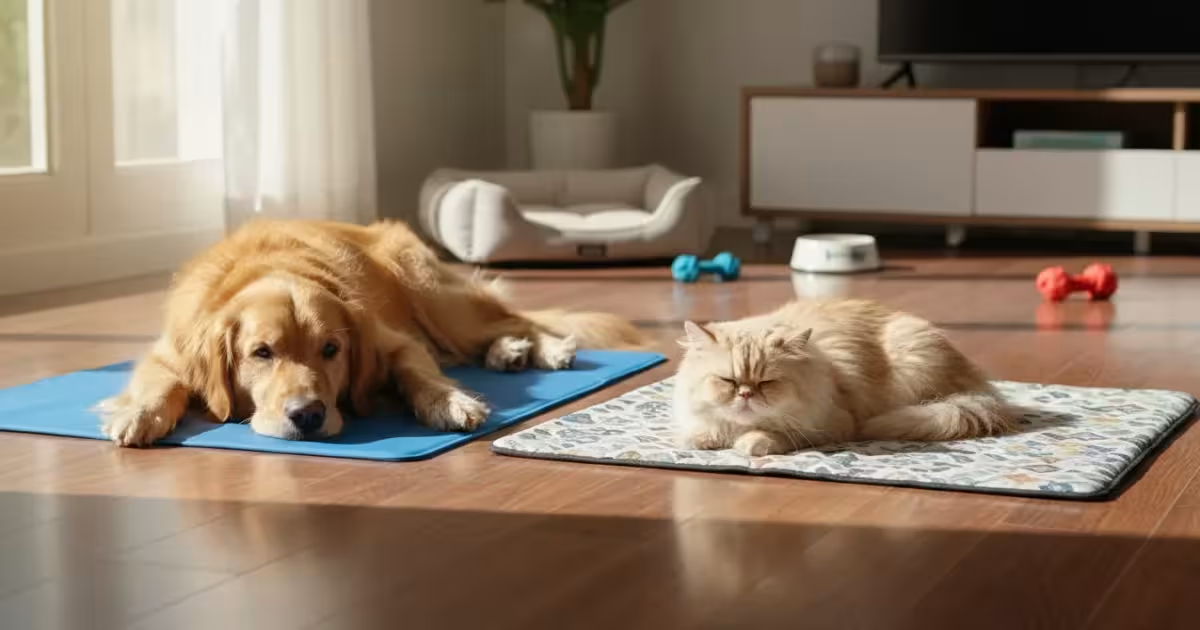
As temperatures rise, many pet owners seek effective ways to keep their furry friends comfortable and safe. Overheating poses a serious health risk to dogs, cats, and other companion animals, making proactive cooling strategies essential. Cooling mats have emerged as a popular pet product, promising to provide relief from the heat. But with so many options available, you may wonder if these mats truly deliver on their claims. This article delves into the science behind cooling mats, compares different types, evaluates their safety, and offers practical advice to help you choose the best cooling solution for your beloved pet.
Understanding Pet Overheating Risks
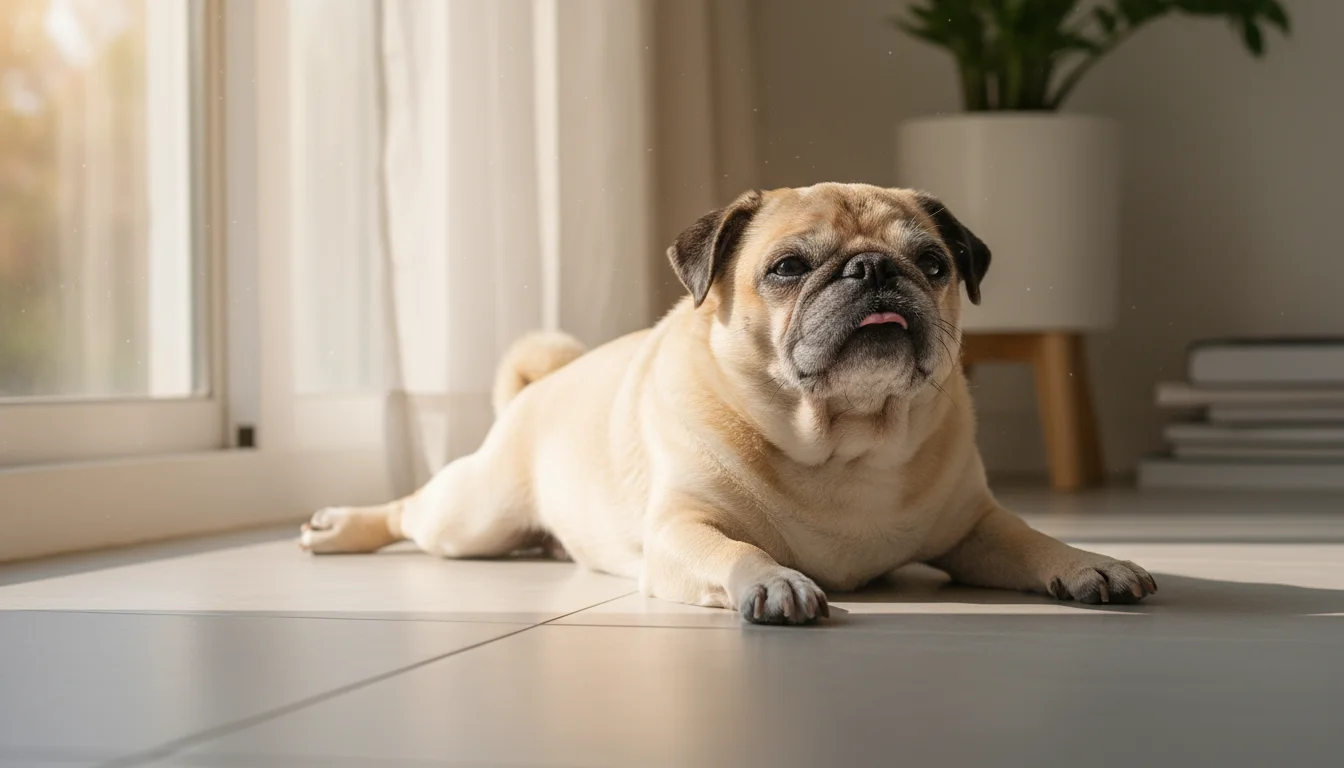
Pets experience heat differently than humans. Unlike people who sweat extensively through their skin, dogs primarily cool themselves by panting. They also have sweat glands in their paws, but these offer limited cooling capacity. Cats typically groom themselves to spread saliva, which cools as it evaporates. Thick fur coats, brachycephalic (short-nosed) breeds like Pugs and Bulldogs, senior pets, very young animals, and pets with underlying health conditions face significantly higher risks of overheating.
When a pet’s body temperature rises too high, it can lead to heat stress and, in severe cases, life-threatening heatstroke. Recognizing the signs early is crucial. These signs include excessive panting, drooling, lethargy, red gums, uncoordinated movement, vomiting, and diarrhea. Immediate action is necessary if you observe these symptoms. Therefore, proactive measures to keep your pet cool are not just about comfort, they are about safety.
What Are Cooling Mats and How Do They Function?
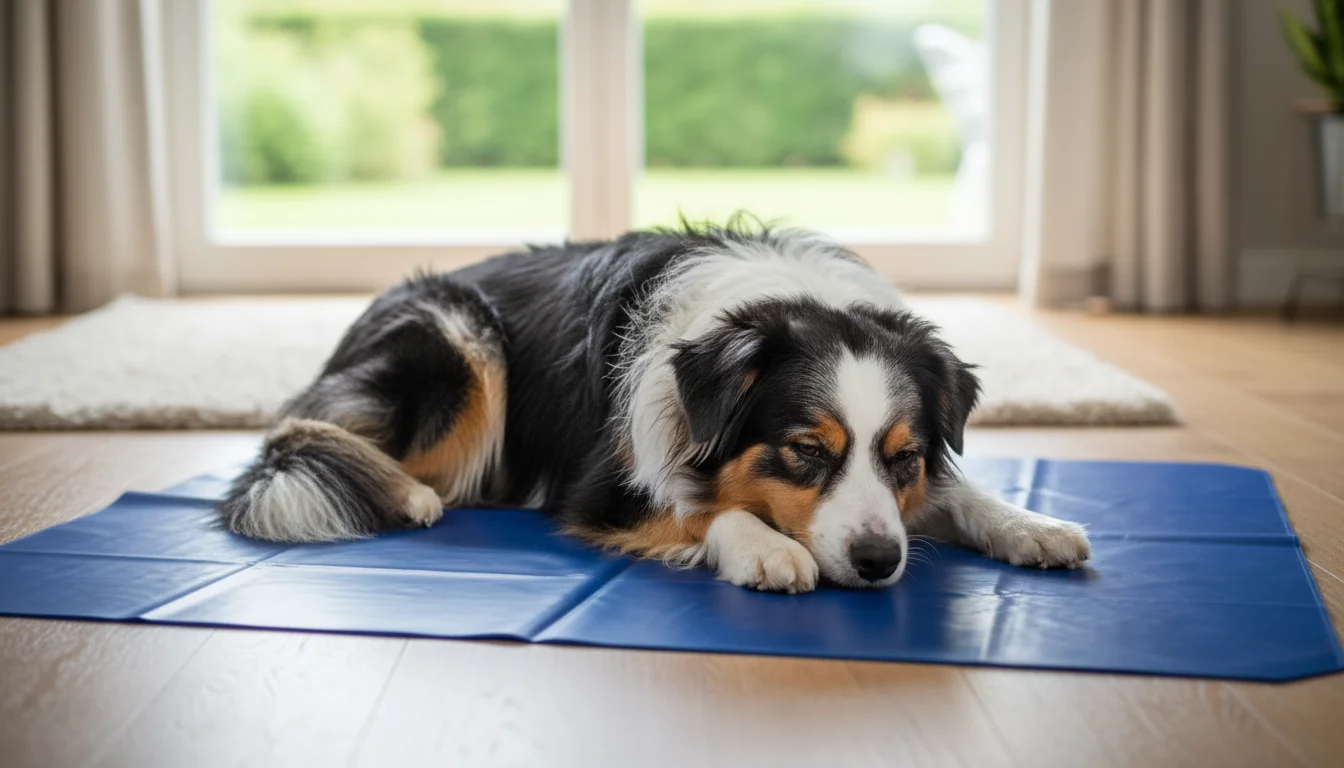
Cooling mats are specialized pet products designed to provide a cooler surface for your pet to rest on, helping to regulate their body temperature. They come in several variations, each employing different mechanisms to achieve a cooling effect.
- Gel-based Mats: These mats contain a non-toxic gel that reacts to pressure. When your pet lies on the mat, the pressure activates the gel, causing it to absorb and dissipate body heat. This creates a cooler surface through the principle of conduction, transferring heat away from your pet. They typically require no refrigeration or electricity, making them highly portable.
- Water-filled Mats: These mats feature a compartment that you fill with water. The water inside provides a cool surface, similar to a waterbed. Some versions allow you to refrigerate the water for enhanced cooling. The water’s thermal mass helps it stay cool for extended periods, and it absorbs heat from your pet.
- Elevated Beds/Breathable Fabric Mats: While not “mats” in the traditional sense, elevated pet beds, often made with mesh or open-weave fabric, facilitate excellent air circulation around and under your pet. This design prevents heat from trapping underneath their body, allowing for natural convection to cool them. They are particularly effective in breezy conditions.
- Phase-Change Material (PCM) Mats: These advanced mats use materials that solidify or liquefy at specific temperatures, typically around body temperature. As the material changes phase from solid to liquid, it absorbs heat from its surroundings, including your pet’s body. PCM mats can often “recharge” and become solid again simply by being exposed to a cooler room temperature, without refrigeration.
Do Cooling Mats Really Work? Separating Fact from Fiction
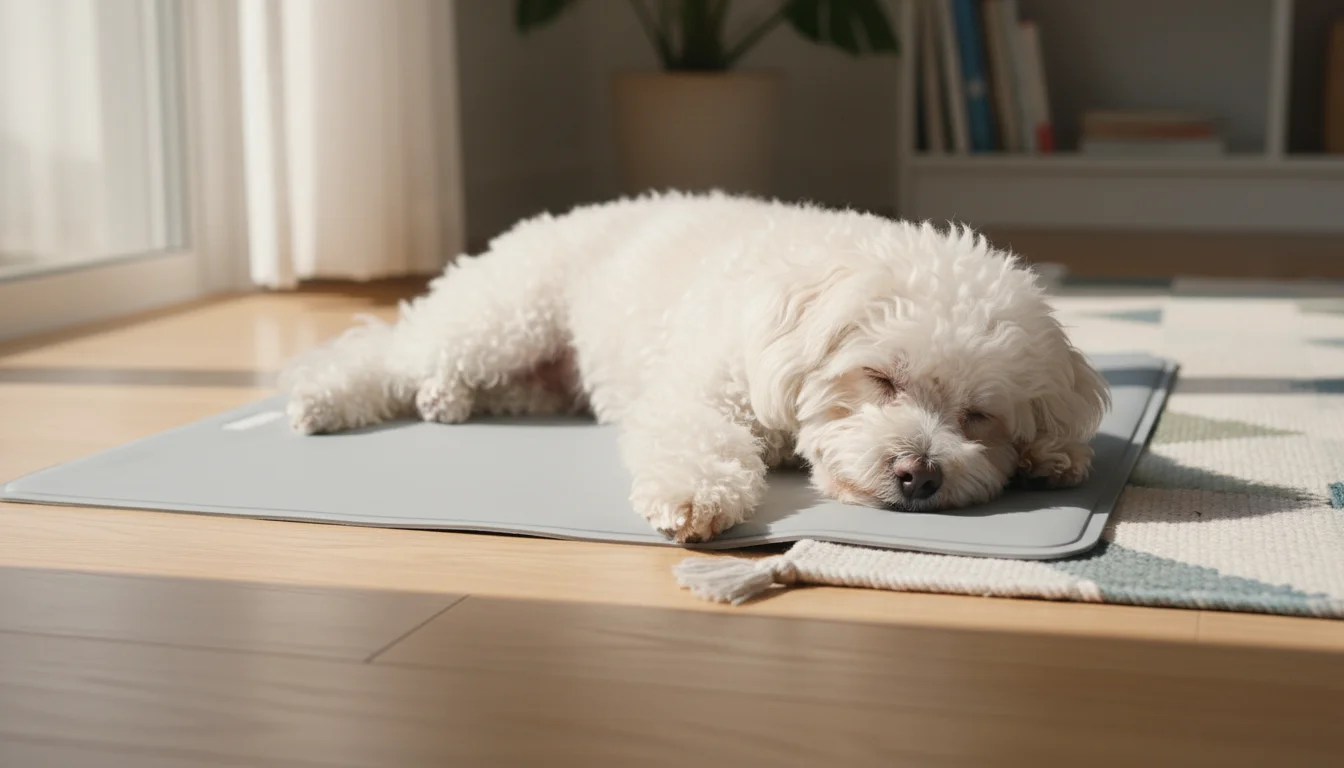
The fundamental principle behind cooling mats is heat transfer through conduction. When your pet lies on a surface that is cooler than their body, heat naturally flows from their warmer body to the cooler mat. This process helps to lower their body temperature. Scientific evidence supports the effectiveness of conduction in heat dissipation, a concept widely utilized in medical cooling devices for humans.
Cooling mats genuinely work for mild to moderate heat relief. They offer a comfortable retreat for pets, especially when ambient temperatures are warm but not extreme. You will often observe pets actively seeking out cooler surfaces, like tile floors, during hot weather. Cooling mats provide a dedicated, accessible version of this cool spot. They are particularly beneficial for pets resting indoors or in shaded outdoor areas, helping to prevent body temperature from rising too high.
However, it is vital to set realistic expectations. Cooling mats are an aid, not a solution for severe heat. They cannot prevent heatstroke in extreme temperatures, nor should you rely on them as the sole cooling method when your pet is exposed to intense heat, direct sunlight, or confined in a hot environment. For instance, leaving your pet in a hot car with only a cooling mat is incredibly dangerous and entirely insufficient. According to the American Veterinary Medical Association (AVMA), pets can suffer irreversible organ damage or death from heatstroke within minutes in a hot vehicle. Always provide ample fresh water, shade, and access to air conditioning when temperatures soar.
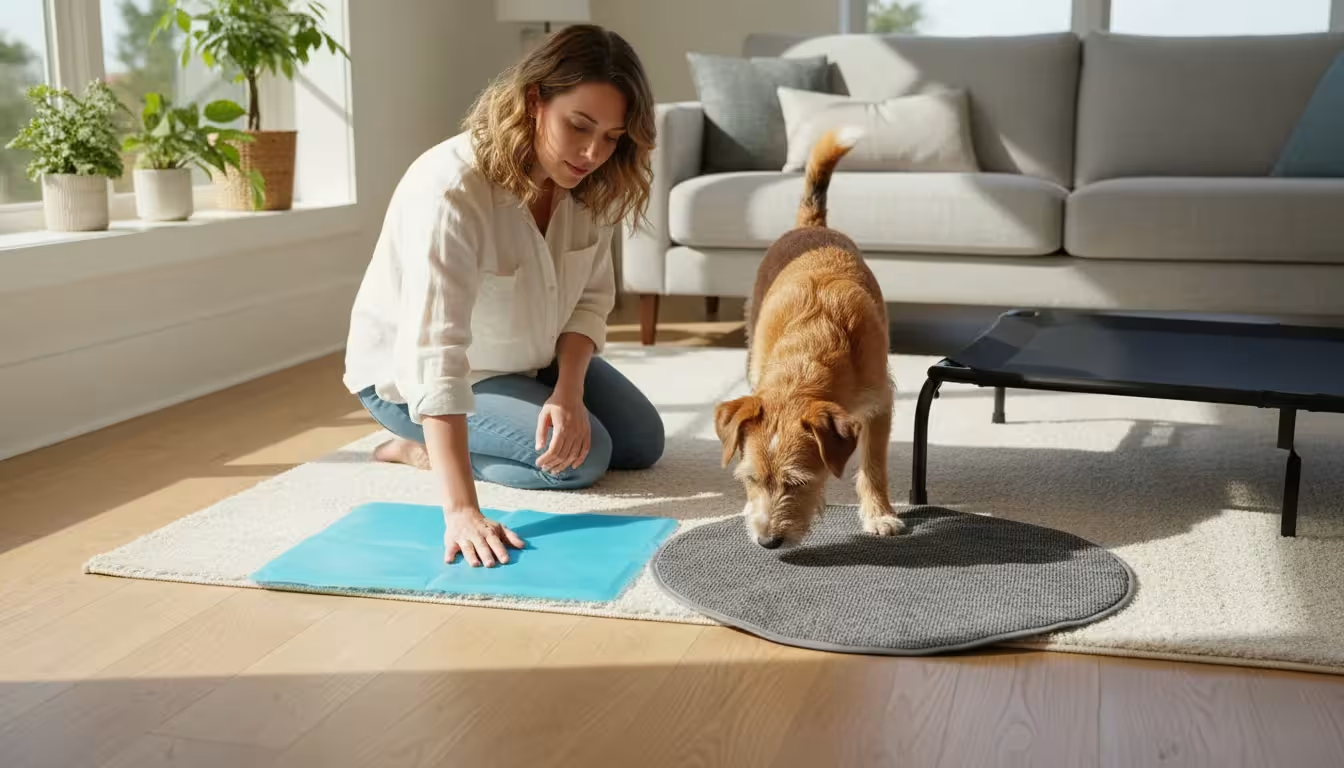
Comparing Cooling Mat Types: Features, Safety, and Value
When evaluating pet products, considering features, safety, and value helps you make an informed decision. Cooling mats are no exception, with each type offering distinct advantages and disadvantages.
Gel-Based Cooling Mats
- Features: These mats are popular for their convenience. They are typically lightweight, foldable, and require no power or water. The gel activates with pressure, providing instant cooling.
- Safety: Most manufacturers claim their gel is non-toxic. However, if your pet punctures the mat and ingests a significant amount of gel, it can cause gastrointestinal upset. Supervise pets, especially aggressive chewers, to prevent punctures. Choose mats with durable, chew-resistant outer layers if possible.
- Value: Gel mats are generally affordable and offer good value for money if your pet is not a chewer. Their portability adds to their utility for travel or multiple locations within your home. They may lose some cooling efficacy after several hours of continuous use but recharge when left undisturbed.
Water-Filled Cooling Mats
- Features: These mats often provide more intense cooling than gel mats, as water has a higher thermal capacity. You can often control the cooling intensity by refrigerating the water before filling.
- Safety: The primary safety concern is leakage if the mat punctures. While water is not toxic, a wet mat can create a slip hazard or dampen your pet’s fur, potentially leading to skin issues if not dried properly. Ensure the fill cap is securely fastened.
- Value: Water mats can be a cost-effective option for strong cooling. They tend to be heavier and less portable once filled, limiting their use to more stationary settings. Durability against punctures is a key consideration for longevity.
Elevated Beds/Breathable Fabric Mats
- Features: These are not “cooling” in the same way as gel or water mats, but they promote significant airflow. Many designs are simple, durable, and easy to clean.
- Safety: Generally very safe. Ensure the frame is sturdy and cannot tip, and the fabric is securely attached. There is no risk of ingestion or leakage.
- Value: Excellent long-term value due to durability and versatility. They work well in warm, breezy climates and can be used year-round, not just for cooling. They might not provide enough direct cooling for extremely hot conditions.
Phase-Change Material (PCM) Mats
- Features: PCM mats offer consistent, extended cooling without needing refrigeration or electricity. They absorb heat to transition from solid to liquid, then solidify again at room temperature. This provides a constant, safe temperature.
- Safety: PCM materials are typically non-toxic and sealed within durable casings. They are generally considered safer for pets that might chew compared to gel mats due to their more robust construction.
- Value: PCM mats are often the most expensive option, but they offer superior performance and safety. Their “recharge at room temperature” feature adds significant convenience and makes them a premium choice for reliable cooling.
Here is a comparison of these cooling mat types:
| Mat Type | Cooling Power | Safety (Chewing Risk) | Ease of Use | Typical Cost |
|---|---|---|---|---|
| Gel-Based | Moderate | Moderate (puncture/ingestion risk) | High (no setup) | Low to Mid |
| Water-Filled | High | Low (leakage/wetness) | Mid (requires filling) | Low to Mid |
| Elevated/Breathable | Air Circulation (Indirect) | Very Low (no internal components) | High (no setup) | Mid to High |
| PCM | Consistent High | Low (durable casing, non-toxic) | High (no setup/recharge) | High |
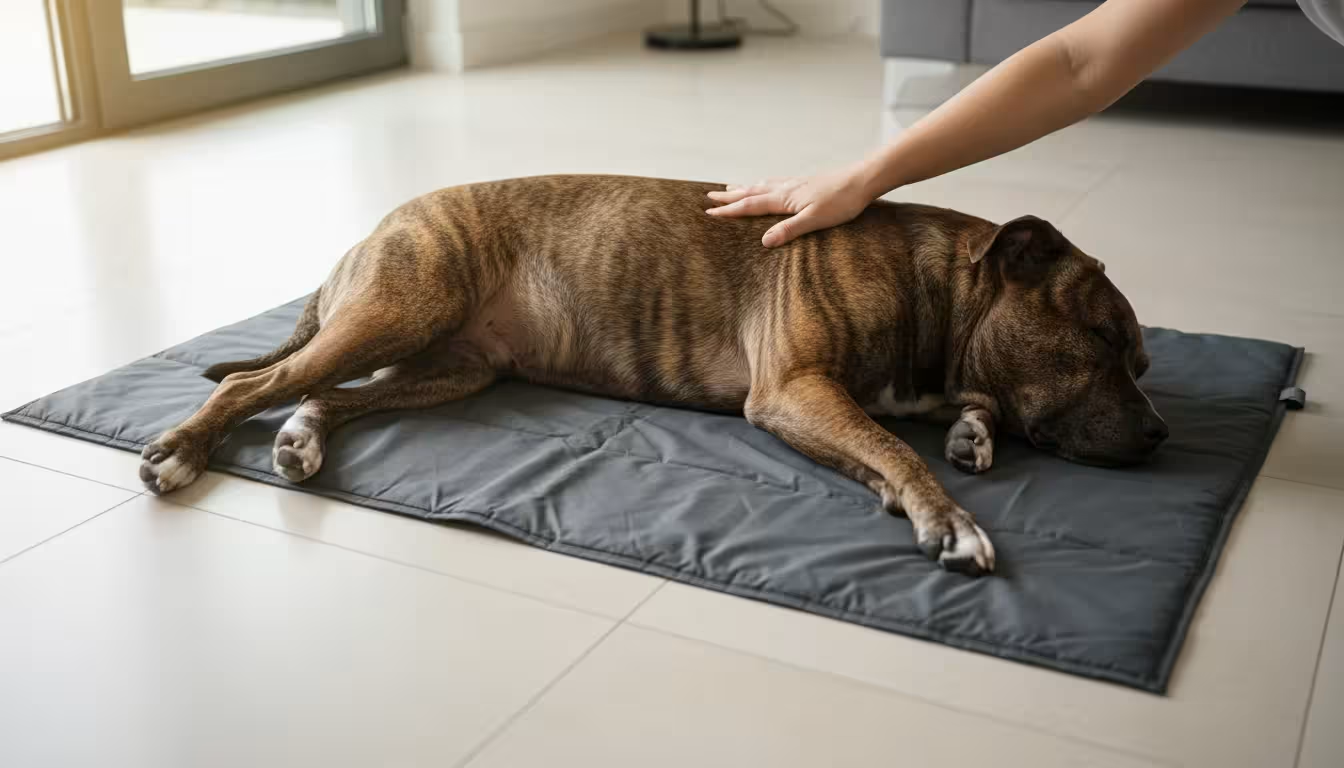
Choosing the Best Cooling Mat for Your Pet
Selecting the right cooling mat depends on several factors specific to your pet and your living situation. Consider these points to make the best choice:
- Pet’s Size and Weight: Ensure the mat is large enough for your pet to lie down comfortably and stretch out. A mat that is too small offers minimal cooling surface area.
- Pet’s Chewing Habits: If your pet is an avid chewer, prioritize durability. Elevated beds, heavy-duty PCM mats, or water-filled mats with robust outer layers are safer choices. Avoid thin gel mats that are easily punctured, as this poses an ingestion risk.
- Climate and Heat Intensity: For mild heat, a gel mat or elevated bed may suffice. For hotter climates or pets prone to overheating, water-filled or PCM mats offer more substantial cooling.
- Portability Needs: If you travel frequently or want to move the mat between rooms, a lightweight, foldable gel mat or an easily disassembled elevated bed is ideal. Water-filled mats are less portable once filled.
- Ease of Cleaning: Look for mats with wipeable surfaces or removable, machine-washable covers for easy maintenance and hygiene.
- Your Budget: Cooling mats range in price. Balance the features and safety requirements with your financial constraints. Remember that investing in a more durable, safer mat might save you money and worry in the long run.
For example, a short-nosed breed like a French Bulldog, known for its heat intolerance, benefits from consistent, strong cooling. According to the American Kennel Club (AKC), brachycephalic breeds struggle to pant efficiently, making them highly susceptible to heatstroke. For these breeds, a high-quality PCM mat or a well-maintained water-filled mat provides critical relief. In contrast, a less heat-sensitive breed with mild chewing habits might do well with a standard gel mat for occasional summer comfort.
Safe and Effective Use of Cooling Mats
Even the best pet products require proper use to ensure your pet’s safety and maximize their effectiveness. Follow these guidelines for cooling mats:
- Proper Placement: Always place the cooling mat in a shaded, cool area indoors or outdoors. Never place it in direct sunlight, as this will quickly diminish its cooling capabilities and could make it uncomfortably warm.
- Supervision: Especially when introducing a new mat or if your pet has a history of chewing, supervise them to ensure they do not try to tear or ingest parts of the mat. Remove the mat if your pet attempts to destroy it.
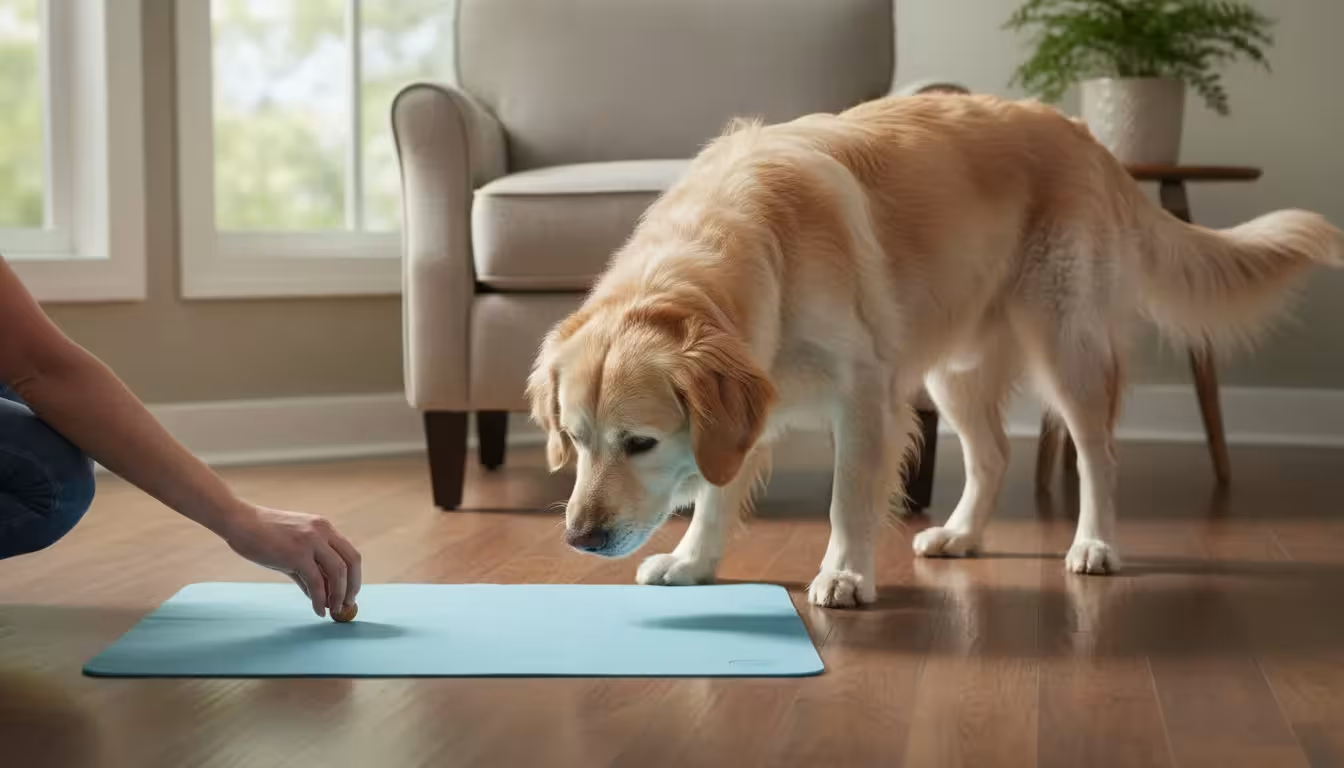
- Positive Introduction: Encourage your pet to use the mat with positive reinforcement. Place treats or their favorite toy on the mat. Praise them when they lie on it, creating a positive association. Never force your pet onto the mat.
- Regular Cleaning: Mats can accumulate dirt, fur, and dander. Wipe down surfaces regularly with a pet-safe cleaner. For water-filled mats, periodically change the water to prevent algae growth. Follow manufacturer instructions for specific cleaning methods.
- Combine with Other Cooling Methods: Cooling mats are part of a comprehensive strategy. Always provide access to fresh, cool water. Ensure your pet has plenty of shade outdoors, and access to air conditioning indoors during peak heat. A fan directed at your pet can also enhance the cooling effect, especially with elevated beds.
- Know When a Mat Isn’t Enough: A cooling mat cannot substitute for emergency veterinary care. If you suspect your pet is suffering from heatstroke, focus on immediate first aid and getting to a vet, not just relying on the mat.

When Cooling Mats Aren’t Enough: Recognizing Heatstroke
While cooling mats serve as an excellent preventative measure for heat stress, they are not a cure or primary treatment for heatstroke. Heatstroke is a severe and potentially fatal condition requiring immediate veterinary intervention. You must recognize the advanced signs of heatstroke:
- Excessive, persistent panting: More intense and rapid than normal.
- Bright red gums: A stark contrast to their normal pink color.
- Lethargy or weakness: Difficulty standing or moving.
- Vomiting or diarrhea: Sometimes bloody.
- Stumbling or uncoordinated gait: Appearing “drunk.”
- Collapse or seizures: A critical emergency.
- Body temperature above 104°F (40°C): If you have a pet thermometer.
If you observe these symptoms, act immediately. Move your pet to a cooler environment, apply cool (not ice cold) water to their fur, especially on their ears and paw pads. You can use a fan to aid evaporative cooling. Do not submerge them in an ice bath, as this can cause blood vessels to constrict and hinder cooling. Cornell University College of Veterinary Medicine emphasizes that seeking immediate veterinary care is paramount in cases of suspected heatstroke, as rapid intervention significantly improves outcomes.

Frequently Asked Questions
Are cooling mats safe if my pet licks it?
Most manufacturers state their gels are non-toxic. While licking a small amount is unlikely to cause serious harm, ingestion of a large quantity if the mat is punctured can lead to stomach upset, vomiting, or diarrhea. For this reason, always prioritize supervision, especially with pets prone to chewing, and choose mats with robust, puncture-resistant materials to minimize this risk.
Can a cooling mat make my pet too cold?
Generally, no. Cooling mats work by drawing heat away from your pet through conduction. Your pet can simply move off the mat if they become too cool or no longer need its cooling effect. They do not actively chill your pet beyond a comfortable level, functioning more like a cool surface than a refrigerator. Pets are naturally adept at self-regulating their temperature by choosing where to rest.
How long do cooling mats stay cool?
The duration of cooling varies significantly by type. Gel mats typically provide cooling for 3-4 hours of continuous use before needing a period to “recharge” by sitting unused. Water-filled mats can stay cool for many hours, especially if the water was refrigerated. Phase-change material (PCM) mats offer the longest and most consistent cooling, often staying active for several hours and then recharging at normal room temperature.
Can I leave my pet unsupervised with a cooling mat?
While many pets use cooling mats without issue, supervision is always recommended, particularly for chewers or when first introducing a new mat. If your pet is known to destroy objects, an elevated bed or a very durable PCM mat might be a safer choice for unsupervised use. Always inspect mats regularly for damage that could pose a hazard.
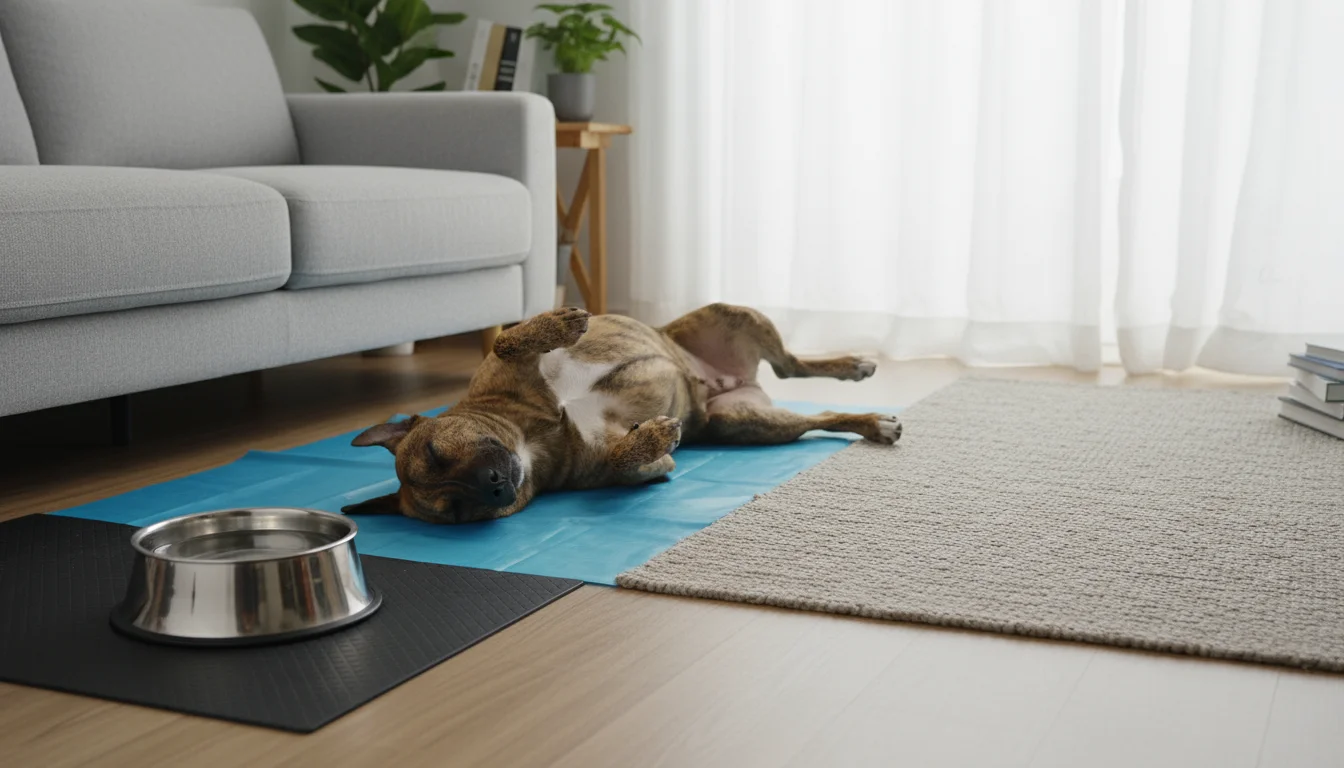
Final Thoughts on Keeping Your Pet Cool
Cooling mats are valuable pet products, offering practical and actionable support for managing your pet’s comfort during warm weather. They work effectively by utilizing conduction to draw heat away from your pet, providing a comfortable, cooler resting spot. When choosing one, consider your pet’s size, chewing habits, and the level of heat relief required. Different types, from convenient gel mats to advanced PCM options, cater to various needs and budgets.
Remember that a cooling mat is one component of a comprehensive pet care strategy for hot conditions. Always ensure your pet has constant access to fresh water, ample shade, and a cool environment. By integrating a suitable cooling mat with other common-sense precautions, you can help keep your cherished companion safe, comfortable, and happy throughout the warmer months. Prioritize your pet’s welfare, and do not hesitate to consult your veterinarian for personalized advice regarding heat management or if you suspect your pet is suffering from heatstroke.
For expert pet care guidance, visit
The Humane Society of the United States,
Cornell University College of Veterinary Medicine,
UC Davis School of Veterinary Medicine and
American Animal Hospital Association (AAHA).
Disclaimer: This article is for informational purposes only and is not a substitute for professional veterinary advice, diagnosis, or treatment. Always consult with a licensed veterinarian for medical concerns about your pet.








Leave a Reply