
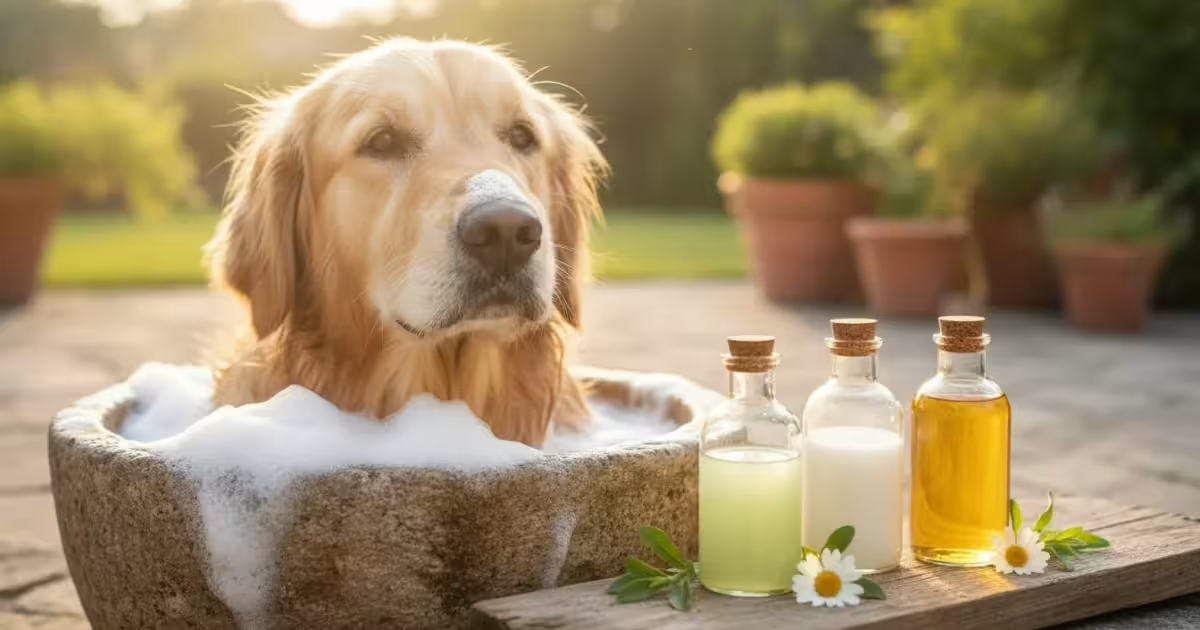
Selecting the right shampoo for your beloved canine companion does more than simply make them smell fresh. It plays a crucial role in maintaining their skin health, coat condition, and overall well-being. With countless pet products on the market, understanding the specific needs of your dog’s skin and coat helps you make an informed decision. This guide provides practical, actionable insights to help you navigate the options, ensuring you choose the best formula for your furry friend.
Why Your Dog’s Skin and Coat Matter
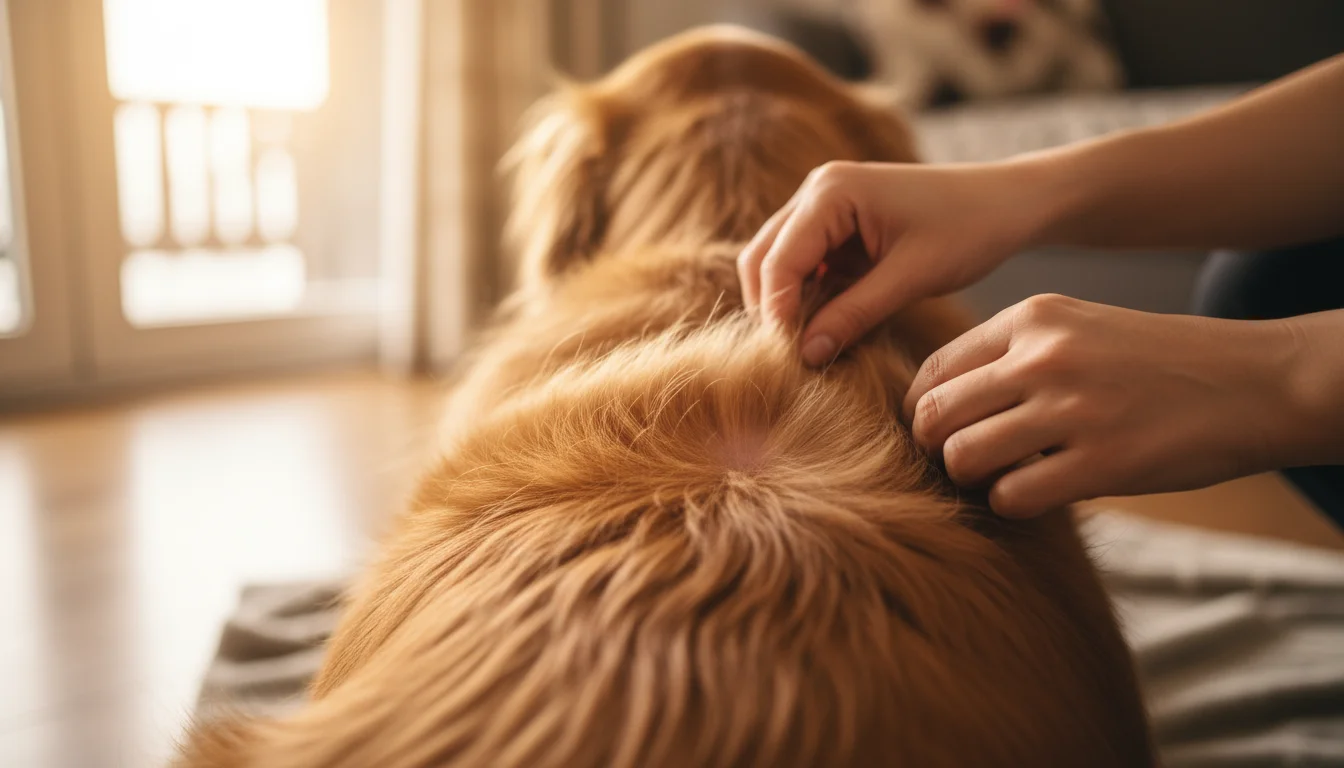
Your dog’s skin and coat serve as a vital protective barrier against environmental elements, allergens, and pathogens. Healthy skin is supple, free from redness, flaking, or lesions, while a healthy coat appears shiny, lies smoothly, and sheds appropriately. When you use an unsuitable shampoo, you risk stripping natural oils, disrupting the skin’s pH balance, and leading to dryness, irritation, or even allergic reactions. This compromises their natural defenses, potentially causing discomfort and inviting secondary skin infections.
A dog’s skin pH differs significantly from a human’s. Human skin typically has a pH of 5.5 to 5.6, which is acidic. Dogs, however, have a skin pH ranging from 6.2 to 7.4, making it more neutral to alkaline. Using human shampoo on your dog can disrupt this delicate balance, leading to dryness, irritation, and increased susceptibility to bacterial or fungal infections. Always choose a shampoo specifically formulated for dogs to protect their skin barrier and maintain optimal skin health.
Decoding Dog Shampoo Labels: Key Ingredients and What to Avoid
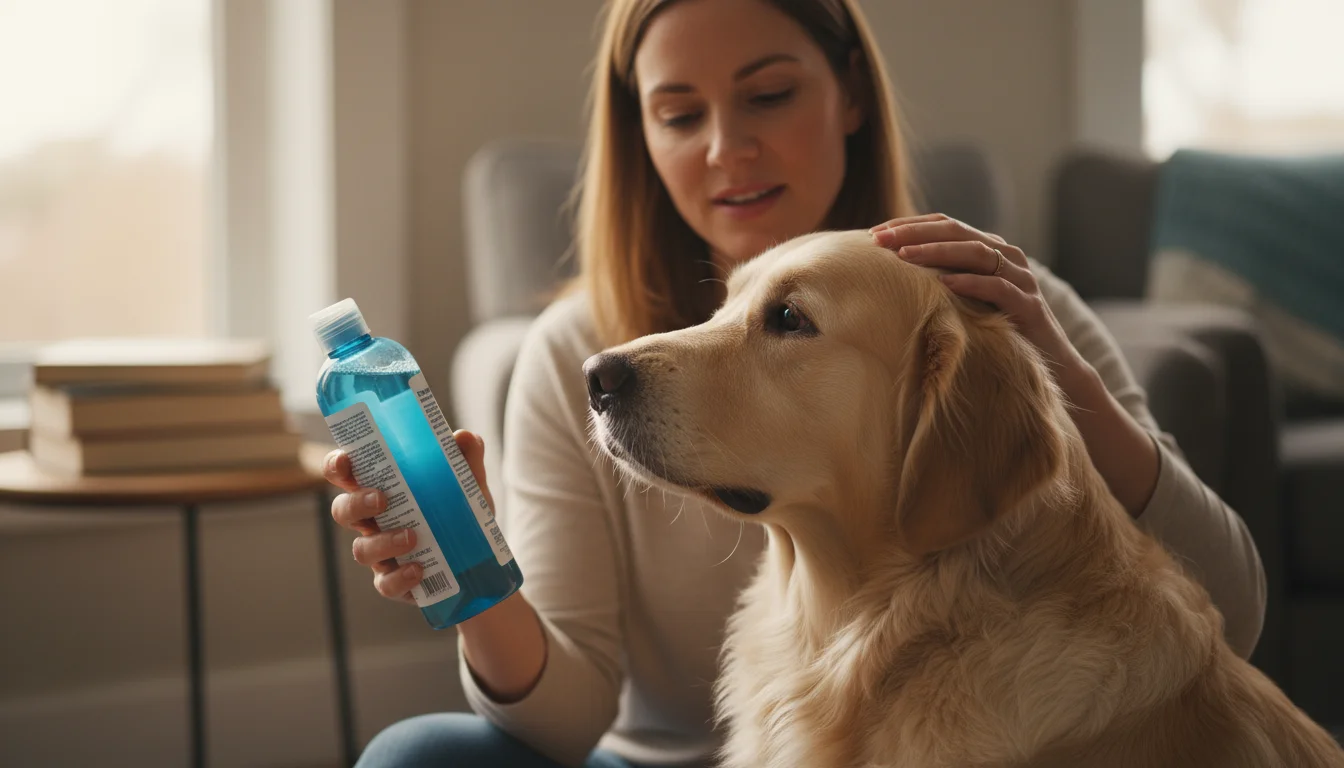
Understanding dog shampoo ingredients empowers you to make smarter choices. Look beyond marketing claims and examine the ingredient list closely. Your goal is to find gentle, effective formulas that support skin and coat health without causing irritation.
Beneficial Ingredients to Look For:
- Oatmeal: Colloidal oatmeal, a finely ground oat flour, is a common and effective ingredient for soothing itchy, irritated, or dry skin. It helps to calm inflammation and provide moisture.
- Aloe Vera: Known for its natural anti-inflammatory and healing properties, aloe vera can soothe irritated skin and promote a healthy coat.
- Natural Oils (Coconut, Jojoba, Argan): These oils provide hydration, improve coat shine, and can help with detangling. They offer natural conditioning benefits without leaving a greasy residue.
- Gentle Cleansers (Coconut-derived surfactants): Look for cleansers like cocamidopropyl betaine or coco-glucoside. These plant-derived ingredients create lather and clean effectively without harshness, making them ideal for sensitive pets.
- Vitamins (E, B5): Vitamin E supports skin health and acts as an antioxidant. Panthenol (Vitamin B5) helps moisturize and strengthen hair follicles.
- Hypoallergenic Formulas: These shampoos typically contain fewer ingredients, avoiding common irritants like fragrances and dyes, making them suitable for dogs prone to allergies or skin sensitivities.
Ingredients to Avoid:
- Harsh Sulfates (Sodium Lauryl Sulfate, Sodium Laureth Sulfate): These chemicals create a rich lather but can strip natural oils from your dog’s skin and coat, leading to dryness, irritation, and itchiness.
- Parabens (Methylparaben, Propylparaben): Used as preservatives, parabens have raised concerns about potential hormone disruption, though research is ongoing. Many owners choose to avoid them as a precaution.
- Artificial Dyes and Fragrances: While a pleasant scent appeals to owners, artificial fragrances are common irritants and allergens for dogs. Dyes add no benefit and can also trigger reactions. Opt for fragrance-free or naturally scented products.
- Phthalates: These chemicals often appear in conjunction with synthetic fragrances. They are also endocrine disruptors and best avoided.
- Alcohol: Alcohol can be drying and irritating to your dog’s skin, especially in higher concentrations. Check ingredient lists for various forms of alcohol.
- Formaldehyde-releasing Preservatives: Ingredients like quaternium-15 can slowly release formaldehyde, which is a known irritant and allergen.
Matching Shampoo to Your Dog’s Unique Needs
Every dog is an individual, and their grooming needs reflect that. Matching the right shampoo to your dog’s specific condition ensures optimal results and comfort. Here, we compare different shampoo types and their ideal applications.
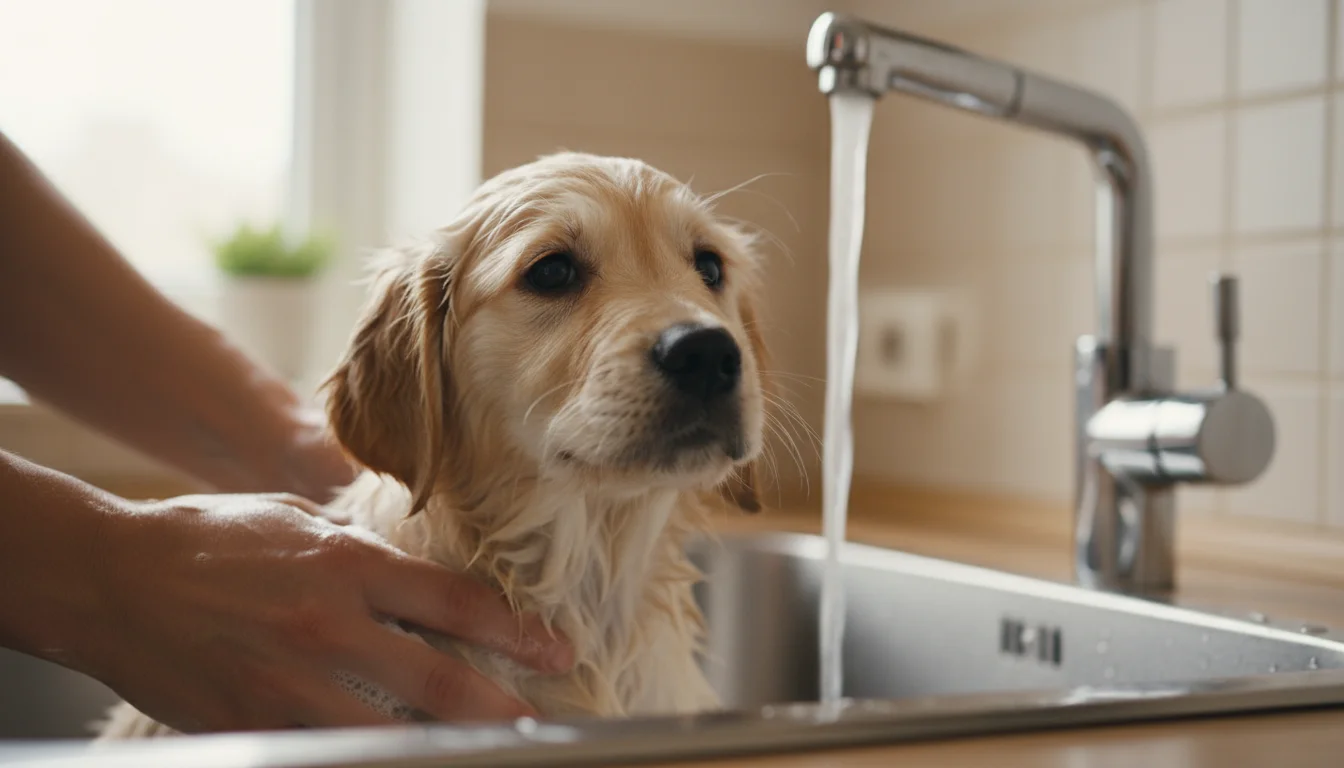
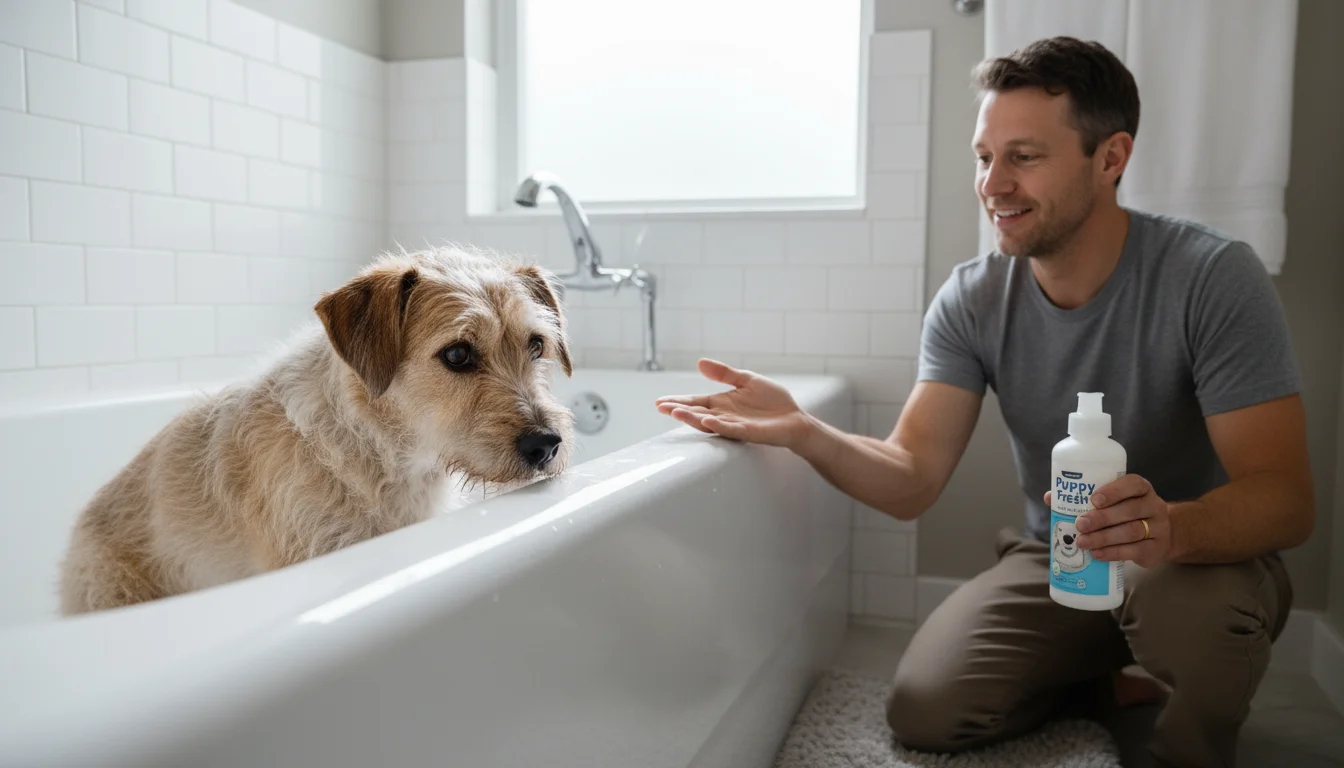
- Puppy Shampoo: Puppies have delicate skin and may experience discomfort if shampoo gets in their eyes. Look for “tear-free” and extra-gentle formulas. These shampoos often contain mild, hypoallergenic ingredients to protect their developing skin barrier. They are specifically designed for the sensitive nature of young animals.
- Sensitive Skin/Allergy Shampoo: If your dog suffers from environmental allergies, food sensitivities, or general skin irritation, a hypoallergenic, fragrance-free shampoo is essential. These formulas often contain soothing ingredients like oatmeal, aloe vera, and natural moisturizers, helping to calm redness and reduce itching. Some may include antihistamines or hydrocortisone, but consult your veterinarian before using medicated options without guidance.
- Medicated Shampoo: For specific conditions such as flea and tick infestations, fungal infections, bacterial dermatitis, or severe seborrhea, your veterinarian may prescribe a medicated shampoo. These shampoos contain active pharmaceutical ingredients like chlorhexidine (antiseptic), miconazole (antifungal), or pyrethrin (insecticide). It is critical to use medicated shampoos exactly as directed by your vet, following the recommended contact time and frequency. As noted by experts at PetMD, using medicated shampoos incorrectly can reduce their effectiveness or irritate your pet’s skin.
- Deodorizing Shampoo: Some dogs simply have a stronger “doggy odor” or love to roll in unpleasant things. Deodorizing shampoos work by neutralizing odors rather than just masking them. They often contain baking soda, activated charcoal, or natural essential oils (used safely and in appropriate concentrations). These are excellent for dogs with naturally oily skin or those prone to strong smells.
- Shedding Control Shampoo: These shampoos typically contain omega fatty acids and other conditioning agents designed to strengthen hair follicles and reduce excessive shedding by loosening undercoat fur. While they do not stop shedding entirely, they can help manage it, especially when combined with regular brushing.
- Whitening/Brightening Shampoo: For dogs with white or light-colored coats, these shampoos use optical brighteners (safe, non-bleaching agents) to enhance coat luminosity and remove yellowing or dullness. They do not contain bleach and are safe for regular use on appropriate coat colors.
- Waterless Shampoo: Perfect for quick clean-ups between full baths, for older dogs with mobility issues, or when a full bath is impractical. Waterless shampoos come in foam, spray, or powder form. You apply them to the coat, massage, and then towel dry. They do not deep clean but effectively remove light dirt and odor.
Breed and Coat Type Considerations
Your dog’s breed and coat type significantly influence their grooming needs and the type of shampoo that will work best. Different coats require different care to maintain their integrity and health.
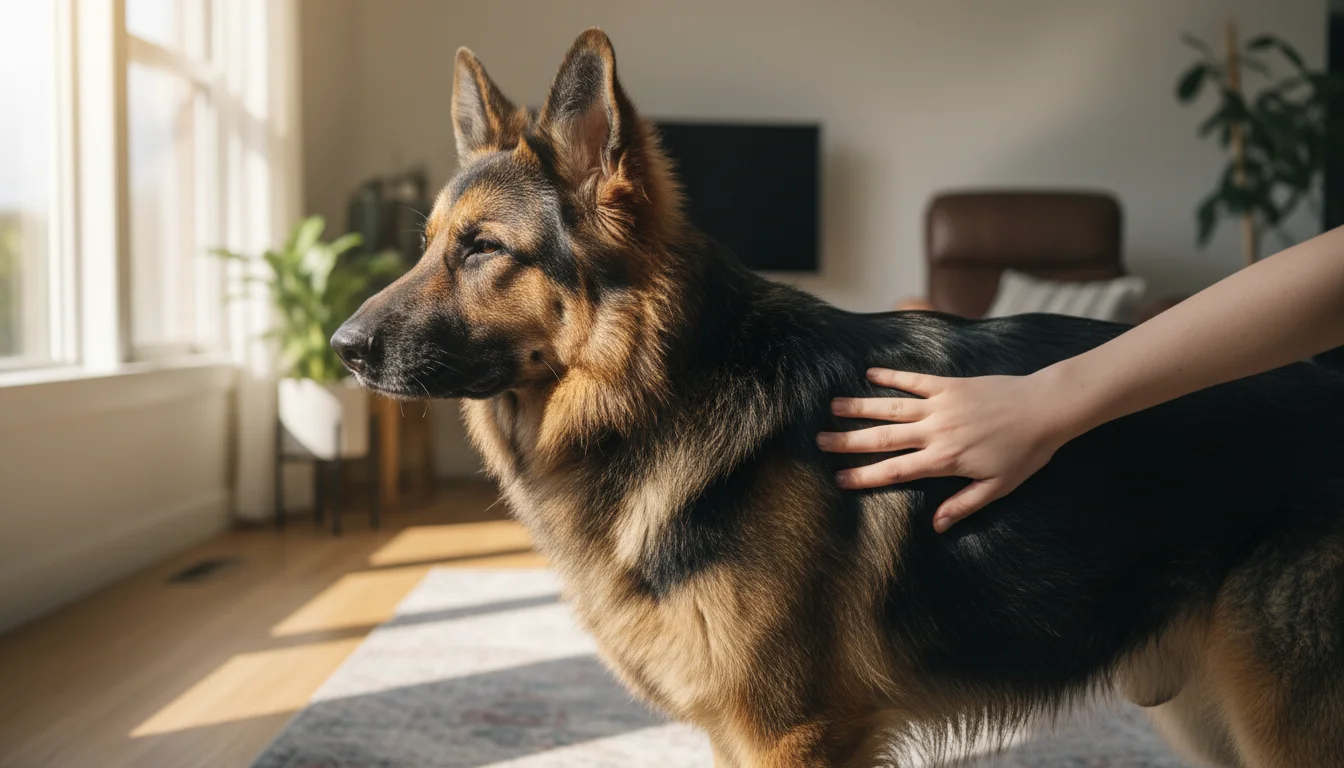
- Double-Coated Breeds (e.g., Huskies, German Shepherds, Golden Retrievers): These breeds have a dense undercoat for insulation and a coarser outer coat. Proper shampooing for double-coated breeds requires thorough rinsing to prevent residue buildup, which can irritate the skin and lead to matting. Use a shampoo that cleans deeply without stripping too many natural oils, followed by a conditioner to help maintain coat health.
- Oily Coats (e.g., Basset Hounds, Cocker Spaniels): Breeds prone to oily skin or coats benefit from shampoos designed to control sebum production without over-drying. Look for clarifying shampoos or those with ingredients like tea tree oil (in safe concentrations for dogs) or salicylic acid, which can help regulate oil.
- Wiry Coats (e.g., Terriers, Schnauzers): Wiry coats have a unique texture that sheds dirt effectively. Over-conditioning can soften the coat, altering its natural texture. Use shampoos designed to maintain coat texture and avoid heavy conditioners unless specifically needed for skin issues.
- Long-Haired Breeds (e.g., Shih Tzus, Afghan Hounds, Yorkshire Terriers): Long coats are prone to tangles and matting. A moisturizing shampoo followed by a good conditioner is crucial. Look for formulas that help detangle and add shine, making brushing easier and preventing breakage.
- Short-Haired Breeds (e.g., Pugs, Boxers, Beagles): While seemingly low-maintenance, short-haired breeds can still suffer from dry skin or allergies. A gentle, moisturizing shampoo is usually sufficient. Focus on ensuring the skin underneath the short coat remains healthy and free from irritation.
Regardless of coat type, always brush your dog thoroughly before bathing. This removes loose fur and tangles, allowing the shampoo to penetrate the coat more effectively and making the washing and drying process much smoother.
How to Shampoo Your Dog Safely and Effectively
Bathing your dog can be a positive bonding experience if you approach it with patience and the right technique. Follow these steps for a safe and effective bath:
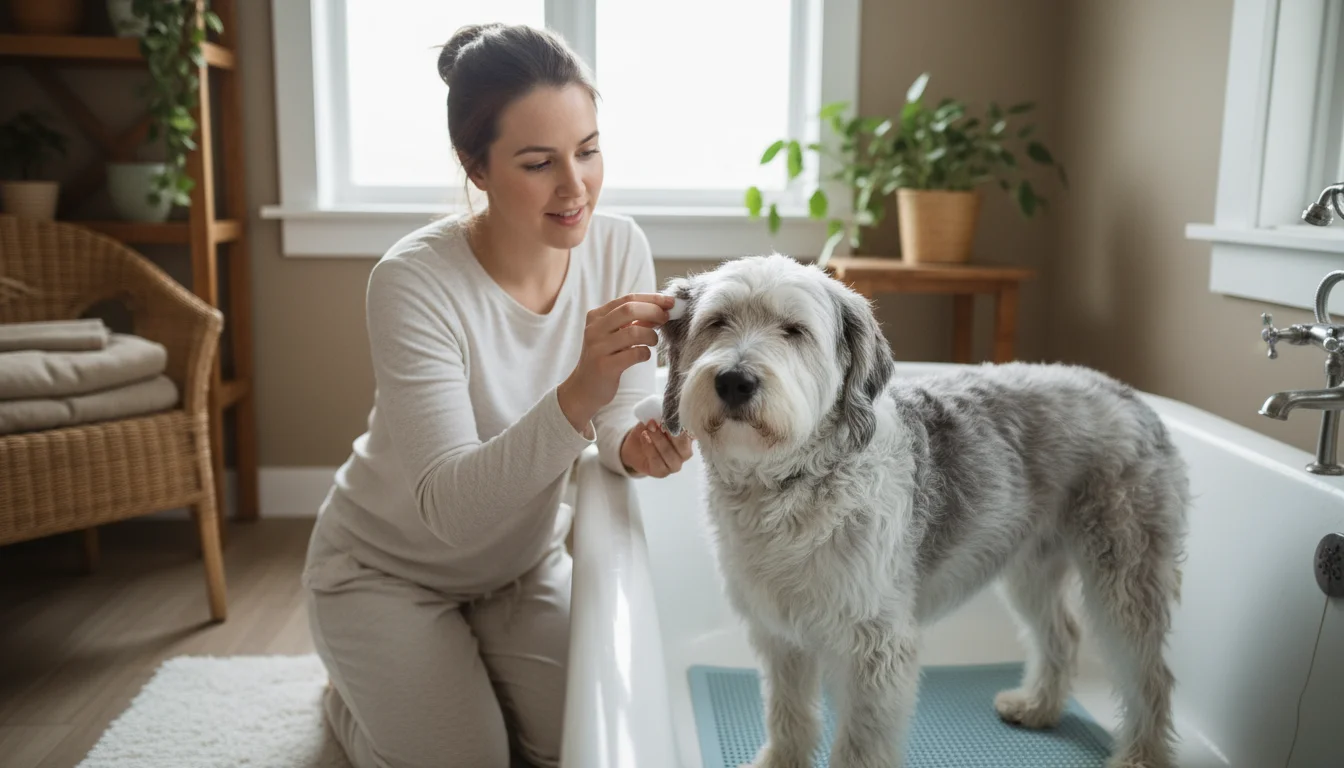
- Gather Your Supplies: Collect everything you need beforehand: the chosen dog shampoo, conditioner (if using), towels (including one specifically for ear drying), a brush, cotton balls (for ears), a non-slip mat for the tub, and plenty of treats for positive reinforcement.
- Pre-Bath Brushing: Thoroughly brush your dog to remove loose hair, dirt, and any tangles or mats. Mats trap water and become tighter when wet, making them harder to remove and causing discomfort.
- Protect Ears and Eyes: Gently place cotton balls loosely in your dog’s ears to prevent water from entering the ear canal, which can lead to infections. Be careful not to push them in too deeply. A trickle of water into the eyes during rinsing is usually fine, but avoid direct application of shampoo near the eyes.
- Wet Your Dog Thoroughly: Use lukewarm water. Cold water can be startling, and hot water can burn. Wet your dog from neck to tail, ensuring their coat is completely saturated down to the skin.
- Apply Shampoo: Many shampoos are concentrated, so you can dilute them slightly with water in a separate cup for easier application and distribution, especially for thick coats. Apply shampoo from the neck down, working towards the tail. Lather gently, massaging the shampoo into the coat and skin. Pay attention to areas like the paws, armpits, and groin. Avoid direct application to the face. For the face, use a damp washcloth with a tiny bit of diluted shampoo, wiping carefully around the eyes and mouth, then rinsing with a clean damp cloth.
- Rinse, Rinse, Rinse: This is arguably the most crucial step. Residual shampoo can irritate your dog’s skin, cause itching, and attract dirt faster. Rinse thoroughly until the water runs clear and you feel no slippery residue on the coat. Work from head to tail, lifting folds of skin or long fur to ensure all shampoo is gone.
- Apply Conditioner (Optional but Recommended): If using a conditioner, apply it after rinsing the shampoo, following the product’s directions for contact time. Conditioner helps moisturize the skin, detangle the coat, and restore natural oils. Rinse thoroughly after conditioning, just as you did with the shampoo.
- Towel Dry: Gently squeeze excess water from your dog’s coat. Then, wrap them in a towel and blot or rub gently. Avoid vigorous rubbing, especially for long or double coats, as this can cause matting.
- Air Dry or Blow Dry: Allow your dog to air dry in a warm, draft-free area, or use a pet-specific blow dryer on a cool or low-heat setting. Keep the dryer moving to prevent hot spots and never use a human hair dryer on high heat, as it can burn your dog’s skin. If your dog is anxious, allow them to air dry. Offer praise and treats throughout the drying process.
- Positive Reinforcement: Throughout the entire bath, use a calm, reassuring voice. Offer treats frequently, especially if your dog is new to bathing or anxious. Make it a positive experience. According to Fear Free Pets, creating positive experiences during routine care reduces stress and builds trust between you and your pet.
Beyond the Bottle: Conditioner, Sprays, and Grooming Tools
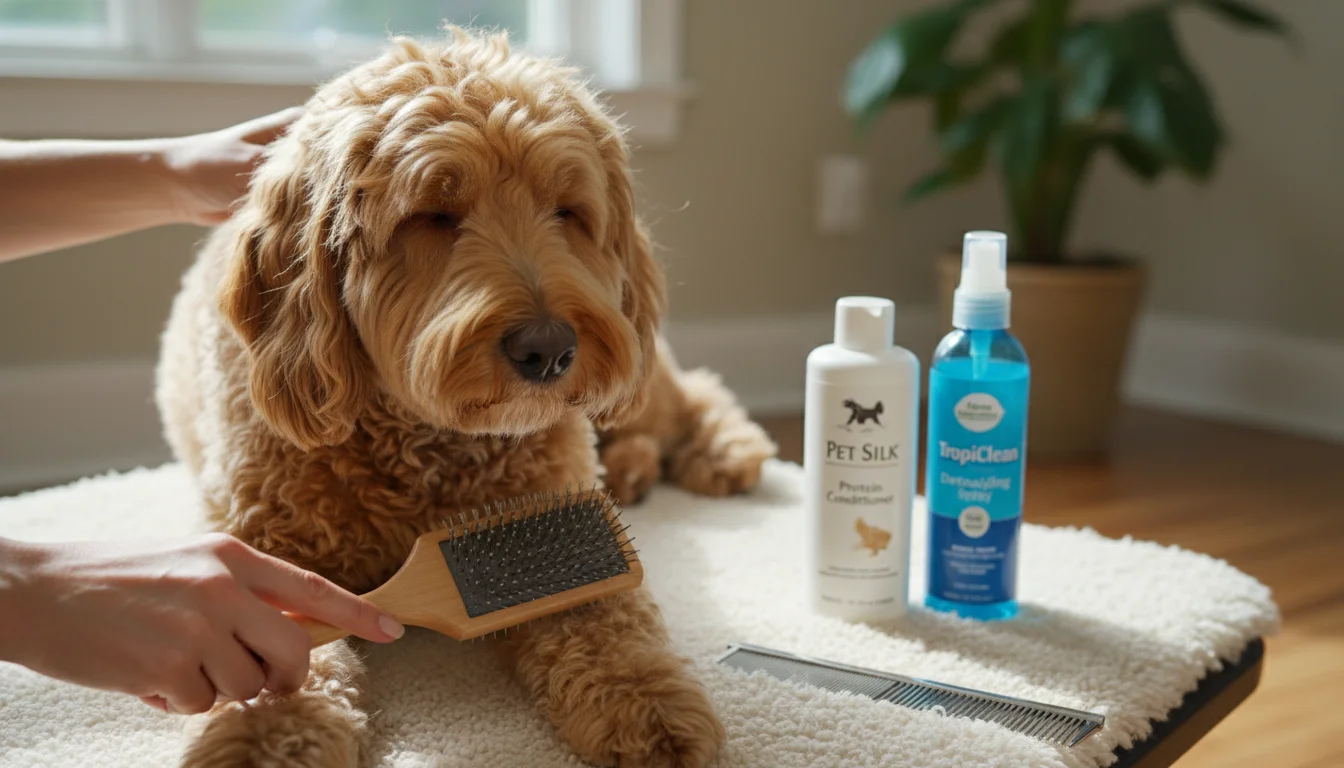
While shampoo forms the foundation of your dog’s bathing routine, other products and tools complement it, contributing to a truly healthy and gleaming coat. Considering these additional pet products helps you achieve comprehensive pet care.
Conditioners
Just like human hair, your dog’s coat benefits from conditioning after shampooing. Conditioners help to:
- Restore Moisture: Shampoo can sometimes strip natural oils. Conditioner replenishes moisture, keeping the skin hydrated and the coat soft.
- Detangle: For long-haired breeds or those prone to tangles, conditioner makes brushing significantly easier, preventing mats and reducing pulling.
- Reduce Static: Especially in dry climates, conditioner can help minimize static electricity in the coat.
- Enhance Shine: A well-conditioned coat reflects light better, appearing healthier and shinier.
Choose a conditioner that matches your dog’s shampoo in terms of skin sensitivity and coat type. Look for ingredients like shea butter, coconut oil, or hydrolyzed proteins.
Leave-in Sprays
Leave-in sprays offer quick solutions between baths or for specific grooming needs:
- Detangling Sprays: Applied to dry or damp fur, these sprays help loosen knots and make brushing more comfortable, especially for long or curly coats.
- Deodorizing Sprays: For a quick refresh, deodorizing sprays can mask or neutralize odors without a full bath. Opt for natural, dog-safe fragrances or unscented options.
- Conditioning Sprays: These provide a light layer of moisture and shine, suitable for daily touch-ups or to combat dryness.
Grooming Tools
The right grooming tools are indispensable for maintaining coat health, especially when used in conjunction with bathing products. They improve the effectiveness of your pet tips for a healthy coat.
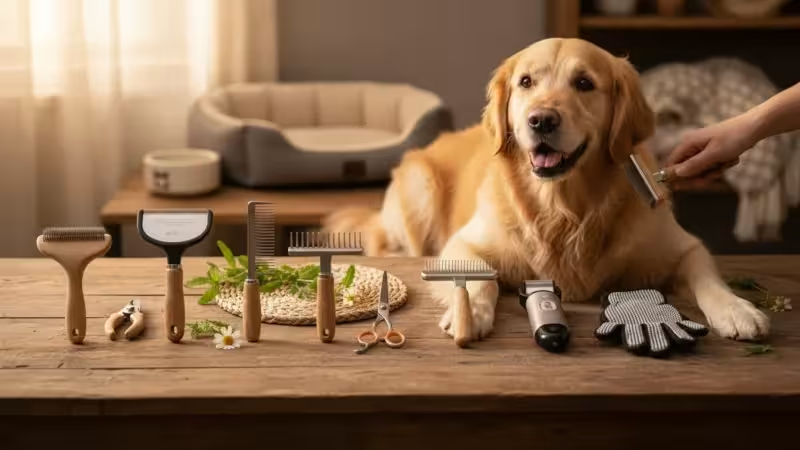
- Brushes and Combs: Different coat types require specific brushes. A slicker brush removes loose undercoat, a pin brush is good for detangling long coats, and a rubber curry brush is excellent for short coats to remove loose hair and massage the skin.
- Deshedding Tools: Tools like a deshedding rake or blade effectively remove large amounts of loose undercoat, significantly reducing shedding around your home. Use these gently and sparingly to avoid irritating the skin.
- Nail Trimmers: Regular nail trims prevent discomfort and potential health issues. Choose clippers appropriate for your dog’s size and consider a styptic powder in case of accidental quick-cutting.
Value Assessment: When considering these additional pet products, think about cost-per-use and longevity. A high-quality deshedding tool might seem like an initial investment, but it saves on professional grooming costs and keeps your home cleaner for years. Similarly, a good conditioner, while not strictly necessary for all dogs, can significantly improve the coat health and ease of grooming for specific breeds, offering excellent value in terms of comfort for your pet and ease for you.

Common Shampoo Mistakes and When to Seek Veterinary Advice
Even with the best intentions, owners can make mistakes that impact their dog’s skin and coat health. Knowing these pitfalls helps you avoid them and provides the best pet care.
Mistakes to Avoid:
- Using Human Shampoo: As discussed, human shampoo has a different pH and can strip your dog’s natural oils, leading to dry, itchy skin and a dull coat. Stick to dog-specific formulas.
- Not Rinsing Thoroughly: Shampoo residue is a common culprit for skin irritation, itching, and flaking. Always rinse until the water runs clear and you feel no slippery film on the coat. This often takes longer than you expect.
- Bathing Too Frequently or Infrequently: The ideal bathing frequency varies by breed, coat type, and lifestyle. Bathing too often can dry out the skin, while bathing too infrequently allows dirt, oil, and allergens to accumulate. Most dogs benefit from a bath every 4-8 weeks, but outdoor dogs or those with skin conditions may need more frequent washing, while some indoor breeds with non-oily coats may go longer.
- Ignoring Skin Issues: If you notice persistent itching, redness, flaky skin, hair loss, or an unusual odor, do not just reach for a new shampoo. These symptoms indicate an underlying problem that requires professional attention.
- Not Brushing Before Bathing: Skipping the pre-bath brush can lead to matted fur, which tightens when wet and traps shampoo, making it difficult to rinse thoroughly and potentially causing skin irritation.
When to Seek Veterinary Advice:
Your dog’s skin and coat are indicators of their overall health. If you observe any of the following, consult your veterinarian:
- Persistent Itching or Licking: If your dog constantly scratches, licks, or chews at their skin, even after bathing, it may indicate allergies, parasites, or an infection.
- Redness, Rashes, or Bumps: These could be signs of irritation, allergic reactions, bacterial infections, or fungal issues.
- Excessive Hair Loss or Bald Patches: Beyond normal shedding, unexplained hair loss or bald spots warrant investigation. This can signal hormonal imbalances, parasites, or underlying medical conditions.
- Unusual Odor: A strong, unpleasant odor, even after bathing, can indicate a skin infection (bacterial or yeast) or other health issues.
- Open Sores or Scabs: Any breaks in the skin barrier increase the risk of infection and require veterinary care.
Your veterinarian can accurately diagnose the cause of skin issues and recommend appropriate treatment, which may include specific medicated shampoos, oral medications, or dietary changes. Research from the American Veterinary Medical Association (AVMA) emphasizes the importance of consulting a vet for skin conditions to ensure accurate diagnosis and effective treatment, preventing chronic issues.
Top Product Picks: Tailored Shampoo Recommendations
Choosing the right dog shampoo guide for pets means aligning the product with your dog’s specific needs. While specific brand names vary and formulations evolve, here are categories of shampoos we recommend and what makes them effective, embodying our pet product reviews expertise.
- For the Itchy & Sensitive Dog: Soothing Oatmeal & Aloe Formula
- Why it works: These formulas prioritize gentle, natural ingredients known for their calming properties. Colloidal oatmeal creates a protective barrier, reducing irritation and locking in moisture. Aloe vera provides additional anti-inflammatory relief. They typically avoid common allergens like artificial fragrances and dyes.
- Best for: Dogs with seasonal allergies, dry skin, hot spots, or generally sensitive skin.
- Key features to look for: “Hypoallergenic,” “Fragrance-Free,” “Sulfate-Free.”
- For the Messy Puppy: Tear-Free Gentle Cleanser
- Why it works: Puppy shampoos use the mildest surfactants, ensuring a gentle clean that doesn’t strip delicate puppy skin. The “tear-free” designation means they are formulated to be non-irritating to the eyes, making bath time less stressful for both you and your young companion.
- Best for: Puppies up to 12-18 months of age, or any dog with extremely sensitive skin or eyes.
- Key features to look for: “Tear-Free,” “Mild Formula,” “pH Balanced for Puppies.”
- For the “Stinky” Dog: Odor-Neutralizing & Deep Cleaning Shampoo
- Why it works: These shampoos contain ingredients like baking soda, activated charcoal, or specific odor-neutralizing compounds that actively break down odor-causing molecules, rather than just masking them. They often also have stronger cleansing agents suitable for removing heavy dirt and oils.
- Best for: Dogs with naturally strong body odor, those who love to roll in mud or unfortunate substances, or dogs with oily coats.
- Key features to look for: “Deodorizing,” “Odor Eliminating,” “Deep Clean.”
- For the Luxuriously Coated Dog: Moisturizing & Detangling Shampoo with Conditioner
- Why it works: Combining a moisturizing shampoo with a complementary conditioner is vital for long-haired, curly, or dense double-coated breeds. These formulas infuse the coat with hydration, reducing static, preventing breakage, and making brushing significantly easier. Ingredients like argan oil, shea butter, and silk proteins are common.
- Best for: Afghan Hounds, Golden Retrievers, Poodles, Shih Tzus, and other breeds prone to tangles or dry, dull coats.
- Key features to look for: “Conditioning,” “Detangling,” “Moisturizing,” “Rich in Omega Fatty Acids.”
- For Quick Cleanups: Waterless Foam or Spray Shampoo
- Why it works: These products use gentle cleansing agents in a foam or spray that you massage into the coat and then towel off. They do not require rinsing and are perfect for targeted cleaning, elderly pets, or between-bath refreshes. While not a substitute for a full bath, they help maintain cleanliness and manage odor.
- Best for: Senior dogs, anxious bathers, light dirt, quick paw cleanups, or travel.
- Key features to look for: “No Rinse,” “Foam Shampoo,” “Dry Shampoo.”
When selecting any of these options, always check the full ingredient list to ensure it aligns with your dog’s sensitivities and our advice on what to avoid. Reading pet product reviews from other owners can also provide valuable real-world insights into effectiveness.
Frequently Asked Questions
How often should I bathe my dog?
Bathing frequency depends on your dog’s breed, coat type, lifestyle, and any existing skin conditions. Most dogs benefit from a bath every 4-8 weeks. Active outdoor dogs or those with skin issues may need more frequent baths, perhaps every 2-3 weeks, using a gentle or medicated shampoo as advised by your vet. Indoor dogs with healthy skin and a short coat might only need a bath every 2-3 months.
Can I use human shampoo on my dog?
No, you should never use human shampoo on your dog. Human shampoos are formulated for a much more acidic skin pH (around 5.5-5.6), whereas a dog’s skin pH is more neutral (6.2-7.4). Using human shampoo can disrupt your dog’s natural skin barrier, leading to dryness, irritation, itching, and increased susceptibility to bacterial or fungal infections. Always choose a shampoo specifically designed for dogs.
What if my dog hates baths?
Make bath time a positive experience. Introduce bathing gradually, starting with short, positive sessions and plenty of treats. Use lukewarm water, a non-slip mat, and a gentle, reassuring tone. Distract your dog with lick mats covered in peanut butter or treats. If extreme fear persists, consult a professional trainer or behaviorist for guidance on desensitization and counter-conditioning techniques to make pet care less stressful.
How do I know if a shampoo is safe for my dog?
Check the ingredient list carefully, avoiding harsh chemicals, artificial fragrances, and dyes. Look for phrases like “pH balanced for dogs,” “hypoallergenic,” or “veterinarian-approved.” Perform a patch test on a small area of your dog’s skin if you are concerned about sensitivities. Most importantly, if your dog shows any signs of irritation, stop using the product immediately and consult your vet.
Is professional grooming better than home bathing?
Professional grooming offers expertise in handling different coat types, access to specialized tools, and a thorough, efficient bathing and drying process. Groomers can also spot potential skin issues you might miss. However, home bathing, when done correctly with appropriate pet products, is perfectly sufficient for many dogs and can be a wonderful bonding experience. For dogs with complex grooming needs, heavy shedding, or those requiring specific cuts, professional grooming provides excellent value. For basic pet care, home bathing works well.
For expert pet care guidance, visit
Preventive Vet,
American Veterinary Medical Association (AVMA),
American Kennel Club (AKC),
Cat Fanciers’ Association (CFA) and
ASPCA.
Disclaimer: This article is for informational purposes only and is not a substitute for professional veterinary advice, diagnosis, or treatment. Always consult with a licensed veterinarian for medical concerns about your pet.




Leave a Reply