
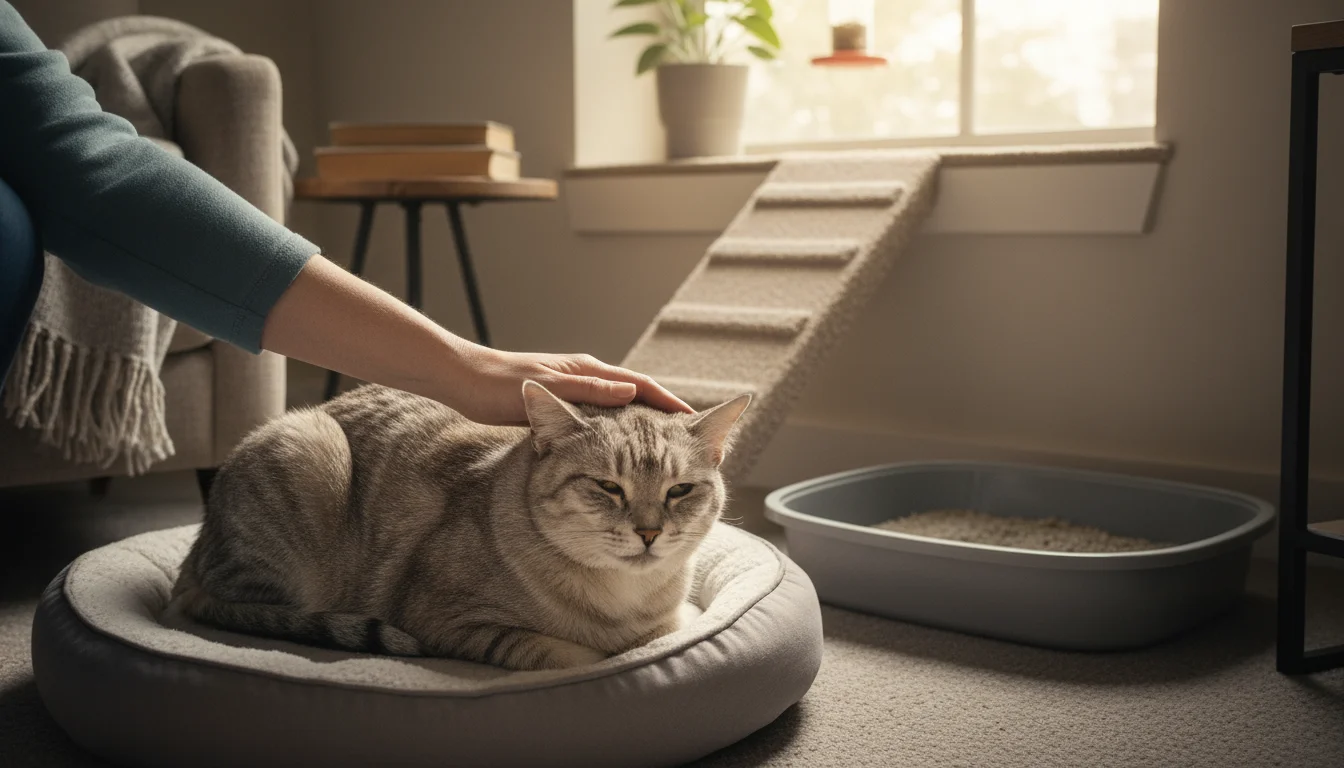
Senior Cat Care in a Smaller Space
As cats age, their needs change, and their care in an apartment setting requires specific adjustments. Senior cats, generally those aged 7 and older, may experience decreased mobility, sensory decline, and various health issues. Tailoring their environment and routine ensures they remain comfortable and content.
Mobility Aids and Comfort Measures
Help your senior cat navigate your apartment comfortably.
- Easier Access: Provide ramps or steps to help them reach favorite elevated spots like window perches or beds. Ensure their litter boxes have lower sides for easier entry and exit.
- Comfortable Bedding: Offer orthopedic beds or extra-soft bedding to support aging joints. Place beds in warm, draft-free areas.
- Non-Slip Surfaces: Lay down rugs or carpet runners on slippery floors to provide better traction, reducing the risk of falls for cats with compromised mobility.
Health Monitoring and Dietary Adjustments
Vigilant health monitoring and appropriate dietary changes are crucial for senior cats.
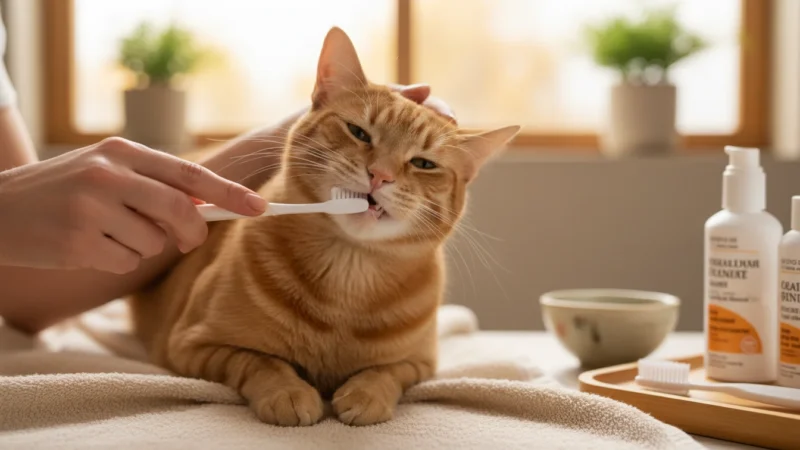
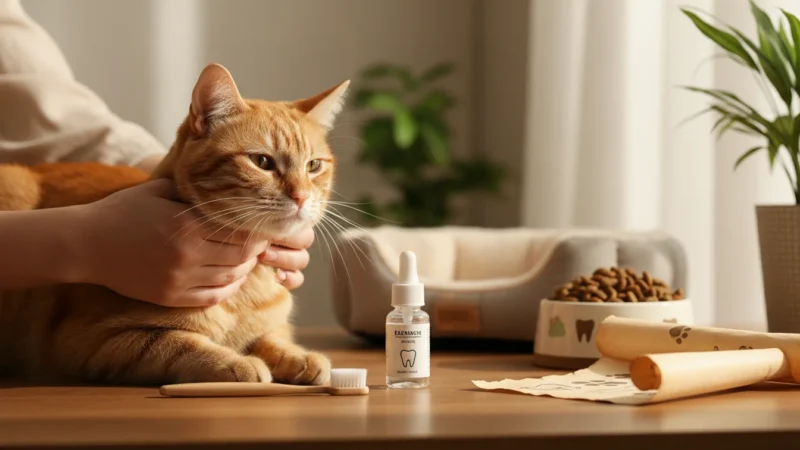
- Regular Vet Check-ups: Increase the frequency of veterinary visits, typically twice a year, to monitor for age-related conditions like arthritis, kidney disease, or dental issues. Early detection allows for more effective management.
- Dietary Needs: Your veterinarian may recommend a senior-specific diet that supports joint health, kidney function, and weight management. Ensure they have constant access to fresh water.
- Medication Management: If your cat is on medication, administer it consistently as prescribed. Make the process as stress-free as possible using treats or specialized pill pockets.
By making these thoughtful adjustments, you can help your senior cat enjoy their golden years gracefully and comfortably in your apartment.


Great advice for me, apartment dweller, but where can I obtain these breeds? Are they expensive?