

When you plan a trip, whether for business or pleasure, one of your biggest considerations is the well-being of your beloved pet. Leaving your furry, scaled, or feathered family member behind can feel daunting, but choosing the right pet sitter or boarding facility ensures they receive the best possible care. This decision allows you to enjoy your time away with peace of mind, knowing your pet maintains their routine, stays safe, and even has some fun. You want a solution that caters to your pet’s individual needs, keeping them happy and healthy until your return.
Understanding Your Pet’s Unique Needs
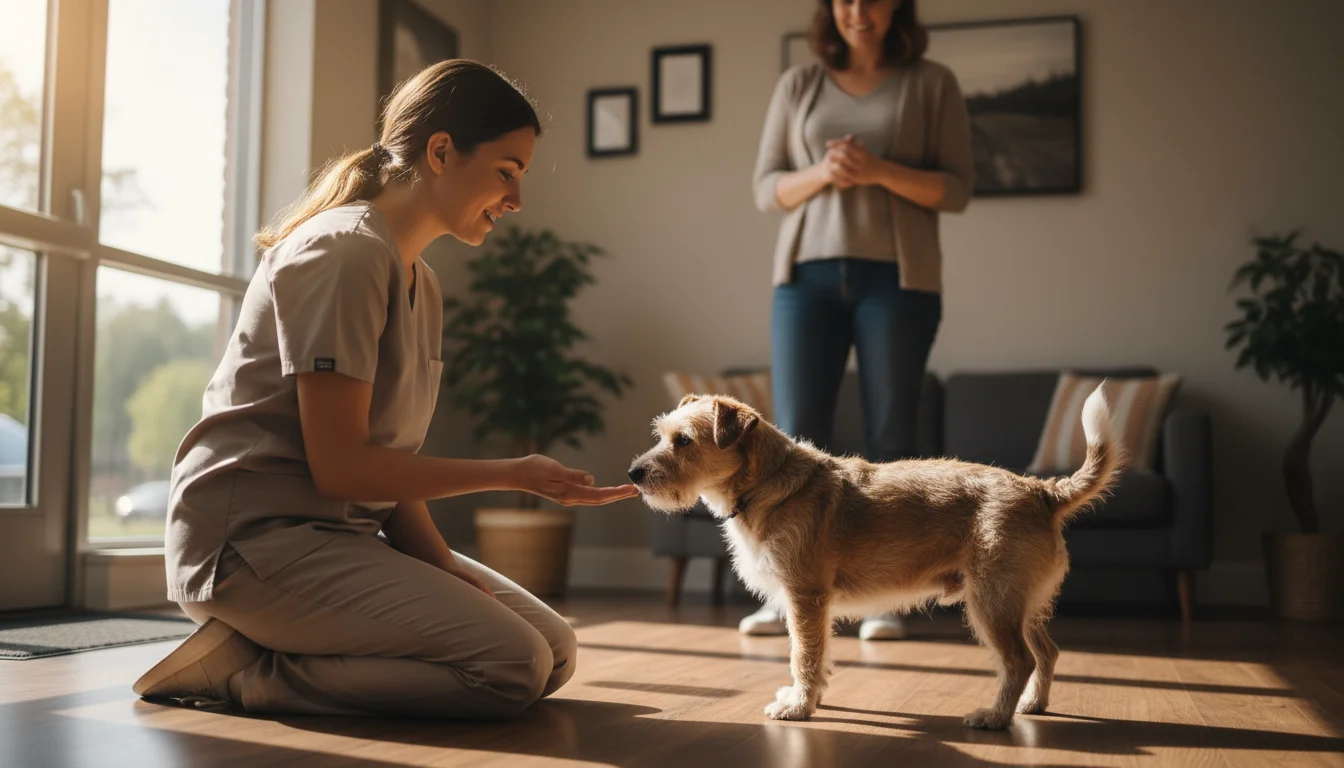
The first step in selecting the best care for your pet involves a thorough assessment of their individual personality, health status, and daily routine. You know your pet better than anyone, and their specific requirements significantly influence whether an in-home sitter or a boarding facility is the ideal choice. Consider their species, age, temperament, and any existing medical conditions.
For instance, a highly social dog who thrives on interaction might enjoy the dynamic environment of a well-run boarding facility that offers group play. Conversely, a shy cat, an anxious dog, or an exotic pet with very specific environmental requirements may fare much better with an in-home pet sitter who maintains their familiar surroundings and routine. Puppies and kittens, with their frequent feeding schedules and need for socialization, present different challenges than senior pets who might require medication or have mobility issues.
Health conditions also play a crucial role. If your pet has a chronic illness, requires regular medication, or needs careful monitoring, you need a caregiver experienced in these situations. According to the American Veterinary Medical Association (AVMA), proper medication administration and observation for any changes in health are critical when pets are away from their primary caregivers. This proactive approach ensures your pet’s safety and comfort.
The Pet Sitter Option: In-Home Care
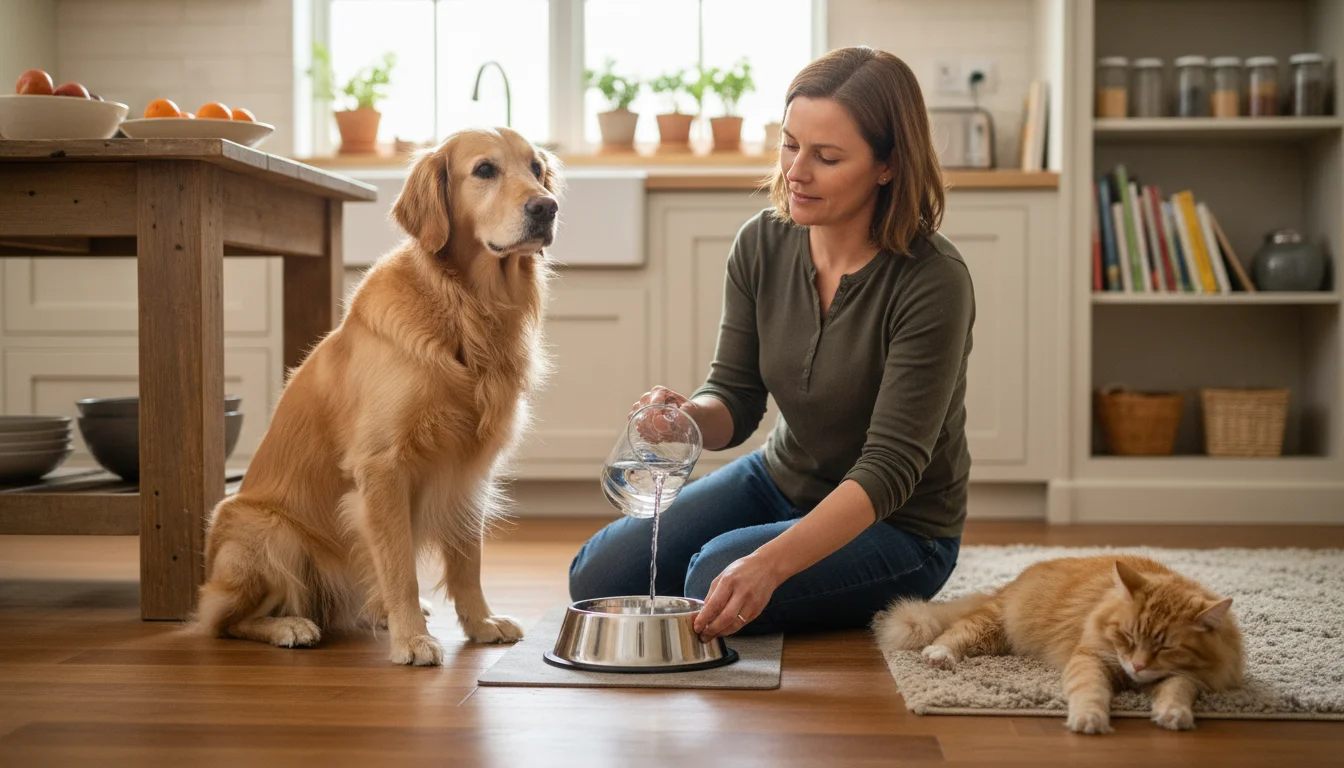
Choosing an in-home pet sitter means your pet remains in the comfort and familiarity of your own home. This option often minimizes stress, particularly for animals sensitive to new environments or those with specific routines.
Benefits of In-Home Pet Sitting:
- Familiar Environment: Your pet stays in their own home, surrounded by familiar sights, sounds, and smells. This reduces anxiety and helps them maintain their sense of security.
- Consistent Routine: A pet sitter can often adhere closely to your pet’s established feeding, walking, and play schedules, providing stability.
- Individualized Attention: Your pet receives one-on-one interaction and care, which can be invaluable for animals who thrive on human companionship.
- Reduced Exposure to Illness: Staying home minimizes exposure to illnesses that might circulate in multi-pet environments, like kennel cough or parasites.
- Home Security: A pet sitter often provides an added layer of security for your home by collecting mail, watering plants, and giving the appearance of occupancy.
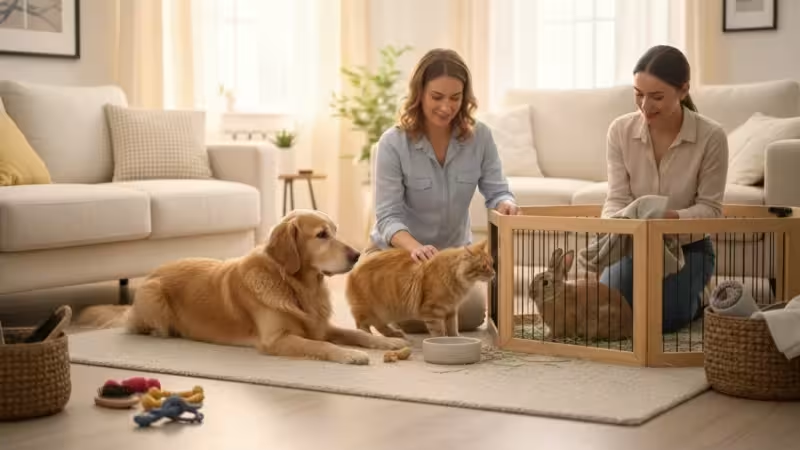
- Multi-Pet Households: For homes with multiple pets, a sitter can be more cost-effective and less disruptive than boarding each animal separately.
Drawbacks of In-Home Pet Sitting:
- Availability: Finding a qualified, reliable sitter may be challenging, especially during peak travel times.
- Limited Supervision: Unless you hire an overnight sitter, your pet may spend significant time alone between visits.
- Trust Factor: You must feel completely comfortable allowing someone into your home and entrusting them with your pet’s care and your personal belongings.
When considering a pet sitter, you are looking for someone who understands pet behavior, provides positive reinforcement, and actively engages your pet in stimulating activities. For a highly energetic dog, this means structured walks and playtime. For a curious cat, it involves interactive toys and dedicated cuddle sessions.

The Boarding Facility Option: A Home Away From Home
A boarding facility offers a structured environment designed specifically for pet care. These facilities range from traditional kennels to luxury pet hotels, each providing different levels of service and amenities.
Benefits of Boarding Facilities:
- Constant Supervision: Many facilities have staff present around the clock or for extended hours, providing continuous monitoring, especially important for pets with health concerns or those who are easily stressed.
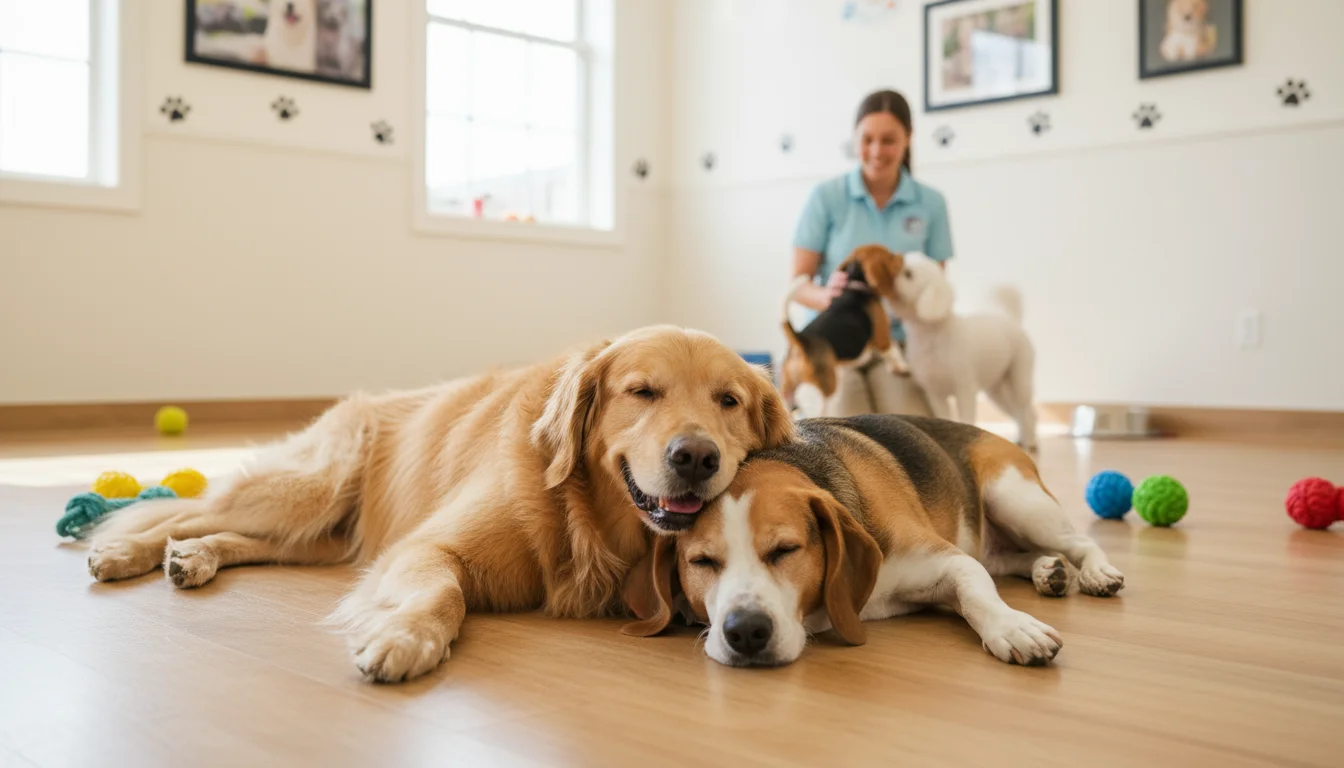
- Socialization Opportunities: For social dogs, facilities offering supervised group play can provide valuable interaction and exercise.
- Professional Staff: Reputable facilities employ trained staff knowledgeable in animal behavior and first aid. Some even have veterinary staff on call or on-site.
- Structured Environment: Facilities often have robust safety protocols, climate control, and dedicated areas for play, rest, and feeding.
- Specialized Services: Many offer grooming, training, and enrichment activities as add-ons, enhancing your pet’s stay.
Drawbacks of Boarding Facilities:
- Environmental Stress: New sights, sounds, and smells, along with the presence of other animals, can be stressful for some pets.
- Exposure to Illness: Despite rigorous cleaning protocols, close contact with other animals can increase the risk of infectious diseases.
- Less Individual Attention: Staff-to-pet ratios mean less one-on-one attention compared to a dedicated pet sitter.
- Fixed Schedules: Pets must adapt to the facility’s feeding and walking schedules, which might differ from their home routine.
Choosing a boarding facility requires careful vetting. You want to see clean, well-maintained spaces, secure enclosures, and evidence of a caring, professional staff. Research from the Humane Society of the United States emphasizes the importance of a facility’s commitment to animal welfare and humane treatment in all aspects of its operation.
Key Qualities to Look for in Any Pet Care Provider
Regardless of whether you choose a pet sitter or a boarding facility, certain qualities signify a high standard of care. Focus on these attributes to ensure your pet’s safety and happiness.
Credentials and Experience:
Look for professional certifications for pet sitters, such as those from the National Association of Professional Pet Sitters (NAPPS) or Pet Sitters International (PSI). For boarding facilities, accreditation from organizations like the American Animal Hospital Association (AAHA) indicates adherence to high standards of veterinary care and facility management. Always ask about their years of experience and their specific experience with your type of pet or breed.
Insurance and Bonding:
A reputable pet care provider carries liability insurance to cover accidents, injuries, or unforeseen events involving your pet or their property. Bonding protects you if an employee steals from your home. Always ask for proof of both insurance and bonding.
References and Reviews:
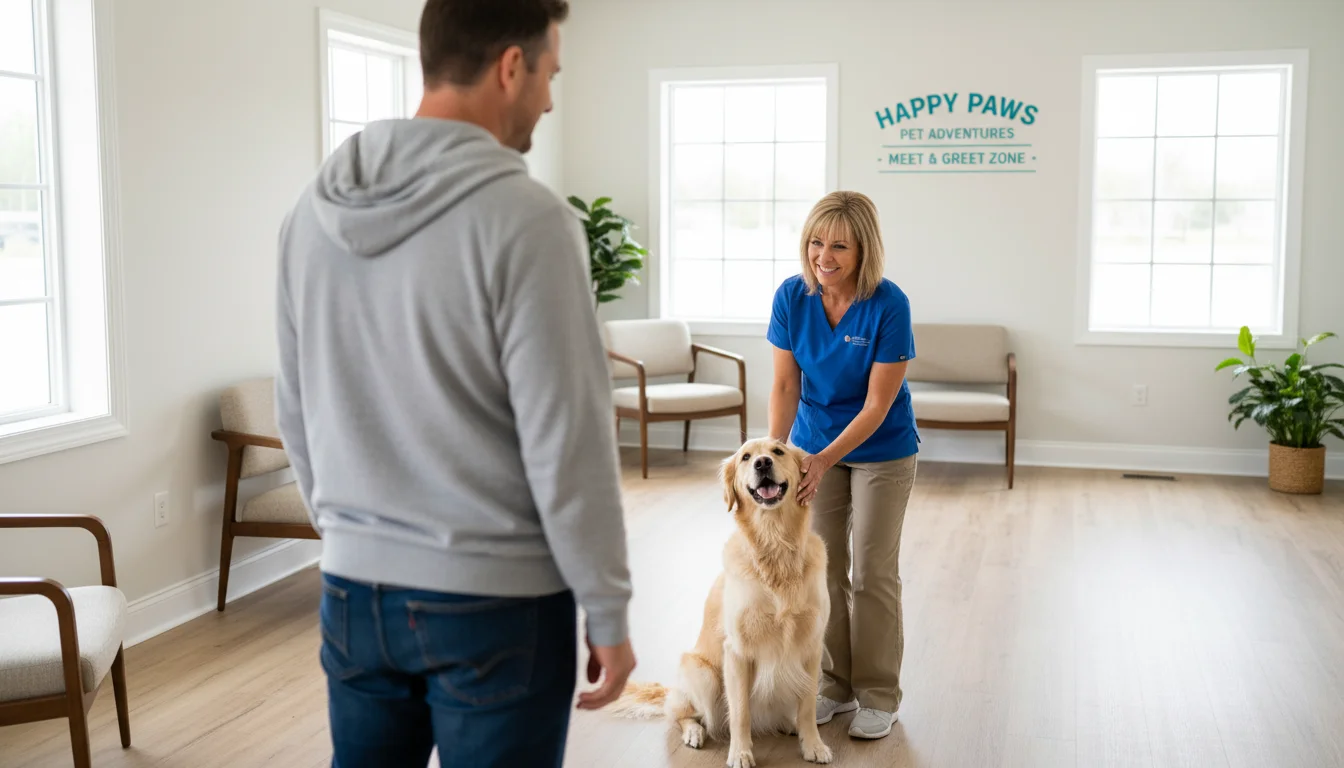
Always request references from current and past clients. Contact these references to ask about their experiences. Read online reviews on various platforms, but also consider scheduling a meet-and-greet to observe the provider’s interaction with your pet directly.
Emergency Protocols:
A crucial aspect of responsible pet care is a clear plan for emergencies. The provider should detail their protocols for medical emergencies, natural disasters, or unexpected events. This includes having your veterinarian’s contact information, an emergency contact for you, and knowing how to administer first aid.
Transparency and Communication:
An excellent pet care provider communicates openly and regularly. They should offer daily updates, photos, or videos of your pet. They should also be transparent about their policies, fees, and any concerns they might have. Clear communication builds trust and gives you peace of mind.

The Interview Process: Questions to Ask
Once you narrow down your options, schedule interviews. For pet sitters, this is often a home visit. For boarding facilities, it involves a guided tour. Prepare a list of questions to ensure you cover all critical areas.
Questions for Pet Sitters:
- What is your experience with [your pet’s species/breed/age]?
- Are you certified in pet first aid and CPR?
- What is your policy for administering medication?
- How do you handle behavioral issues, such as anxiety or aggression?
- What is your emergency plan? Who is your backup in case you become unavailable?
- How often will you visit/walk my pet, and for how long?
- Do you provide daily updates (texts, photos, videos)?
- Can you provide references?
- Are you insured and bonded?
Questions for Boarding Facilities:
- Can I tour the entire facility, including sleeping and play areas?
- What are your vaccination requirements? (Ensuring a healthy environment for all pets).
- What is the staff-to-pet ratio?
- How often do pets get individual attention or group play? How are groups supervised and structured?
- What is your cleaning and sanitization protocol?
- Do you have veterinary staff on call or on-site? How do you handle medical emergencies?
- What enrichment activities do you offer?
- What are your policies for feeding, medication, and special needs?
- Can you accommodate my pet’s dietary restrictions or specific exercise needs?
Pay attention to their answers, but also observe their demeanor and how they interact with your pet during the interview. Their genuine love for animals should be evident.

The Trial Run: Ensuring a Smooth Transition
A trial run is an invaluable step, especially if your pet has never stayed with a sitter or boarded before. This practice helps your pet adjust and provides valuable insights into how they will cope during your extended absence.
For a pet sitter, schedule a few shorter visits before your trip. This allows your pet to become comfortable with the sitter in their own environment. For dogs, a trial walk or a brief drop-in visit helps build rapport. For cats, a sitter simply being present in the home for a short period can help them get used to a new person.
For a boarding facility, consider booking a single overnight stay or a day visit. This allows your pet to experience the new environment, routines, and staff without the pressure of a long separation. You can observe their behavior when you pick them up and discuss their stay with the staff. Did they eat well? Did they play? Did they show signs of stress? The American Kennel Club (AKC) recommends a trial stay for dogs to ensure a smooth transition and minimize stress during a longer boarding period. This preparation significantly contributes to a positive experience for your pet.

Special Considerations for Different Pets or Situations
Every pet is unique, and some require extra attention or a specialized approach when you are away. Tailoring your choice to these specific needs ensures the best possible care.
Senior Pets:
Older pets often have specific health concerns, require medication, or need more restful environments. In-home care is often ideal as it avoids the stress of a new place and maintains their routine. If boarding, choose a facility with quiet spaces, soft bedding, and staff experienced in senior pet care, including administering medications and monitoring for signs of discomfort.
Puppies and Kittens:
Young pets need frequent feeding, potty breaks, and continued socialization. A pet sitter can provide consistent training reinforcement and play. Boarding facilities that specialize in puppy care with dedicated, supervised play areas and frequent breaks can also be suitable, but ensure they prioritize hygiene to prevent illness.
Anxious or Reactive Pets:
Pets prone to anxiety or reactivity may find new environments overwhelming. A quiet, in-home sitter who understands their triggers and can maintain their safe space is often the best choice. If boarding is necessary, look for facilities offering individual suites, minimal exposure to other animals, and staff trained in handling fearful or reactive behaviors. Positive reinforcement is key in these situations, never punishment.
Multi-Pet Households:
Keeping multiple pets together, whether with a sitter or at a facility, often reduces stress. An in-home sitter can care for all your pets without separating them. Some boarding facilities offer multi-pet accommodations or allow pets from the same household to stay together, but confirm this policy and ensure enough space for all.
Pets with Medical Needs:
For pets requiring injections, complex medication schedules, or ongoing medical care, your primary veterinarian is always the best resource for guidance. A professional pet sitter or a boarding facility with veterinary staff or highly trained personnel is essential. Provide clear, written instructions for all medications and treatments, including dosages, times, and any specific administration techniques.
Exotic Pets:
Birds, reptiles, and small mammals have highly specific environmental, dietary, and handling needs. In most cases, an experienced in-home pet sitter is preferable, as maintaining their established habitat is critical. If a specialized boarding facility exists for your particular exotic pet, ensure they have expert staff and appropriate enclosures. The ASPCA consistently advocates for specialized care for exotic pets due to their unique requirements, often recommending caregivers with specific experience in their species.

Budgeting for Pet Care: What to Expect
Pet care services come with varying price points, and understanding these costs helps you plan effectively. Prices typically depend on the type of service, your location, the duration of care, and any special needs your pet has.
Pet sitters usually charge per visit or per day, with additional fees for extra pets, medication administration, or services like plant watering. Overnight stays command a higher rate. Boarding facilities often charge per night, with pricing varying based on the size of the enclosure, amenities offered (e.g., private rooms, webcam access, extra playtimes), and any special services like grooming or training.
While budget is a factor, prioritizing quality care is paramount. A lower-priced option might seem attractive, but compromised safety, reduced attention, or inadequate facilities can lead to stress or health issues for your pet, potentially incurring higher veterinary costs later. Consider the value you receive: peace of mind, professional care, and your pet’s happiness. Sometimes, investing a bit more upfront saves you worry and expense in the long run.

Preparing Your Pet and Home for Your Absence
Once you select your pet care provider, thorough preparation ensures a smooth transition and reduces stress for everyone involved.
For Your Pet:
- Health Check: Schedule a veterinary check-up to ensure your pet is healthy and up-to-date on vaccinations, especially if boarding. Many facilities require proof of specific vaccinations.
- Grooming: A fresh groom can make your pet more comfortable, particularly for longer stays.
- Familiar Items: If boarding, pack familiar items like your pet’s favorite blanket, bed, or toys. Ensure they are clearly labeled.
- Diet: Provide ample amounts of your pet’s regular food and treats. Sudden dietary changes can cause digestive upset. Include clear feeding instructions.
For Your Home (if using a pet sitter):
- Keys and Access: Provide a reliable key and clear instructions on home access. Consider a spare key with a trusted neighbor.
- Supplies: Stock up on food, treats, litter, waste bags, and any necessary medications. Clearly label everything.
- Emergency Contacts: Leave a list of emergency contacts, including your veterinarian, a trusted friend or neighbor, and your travel itinerary.
- Home Instructions: Detail any quirks about your home (e.g., sticky lock, specific alarm instructions, where to find supplies).
- Security: Ensure all windows and doors are secure, and your alarm system is operational, if applicable.
Information for the Caregiver:
Create a detailed guide for your pet sitter or boarding facility. This should include:
- Your pet’s full name, breed, age, and any identifying characteristics.
- Veterinarian’s contact information and emergency clinic details.
- Any known medical conditions, allergies, or behavioral issues.
- Feeding schedule, portion sizes, and specific food brands.
- Medication instructions (name, dosage, frequency, method of administration).
- Exercise routine, favorite toys, and play preferences.
- Potty schedule and habits.
- Comfort words or phrases, and any anxieties or fears.
- Your contact information and emergency contact while you are away.
Troubleshooting and When to Seek Help
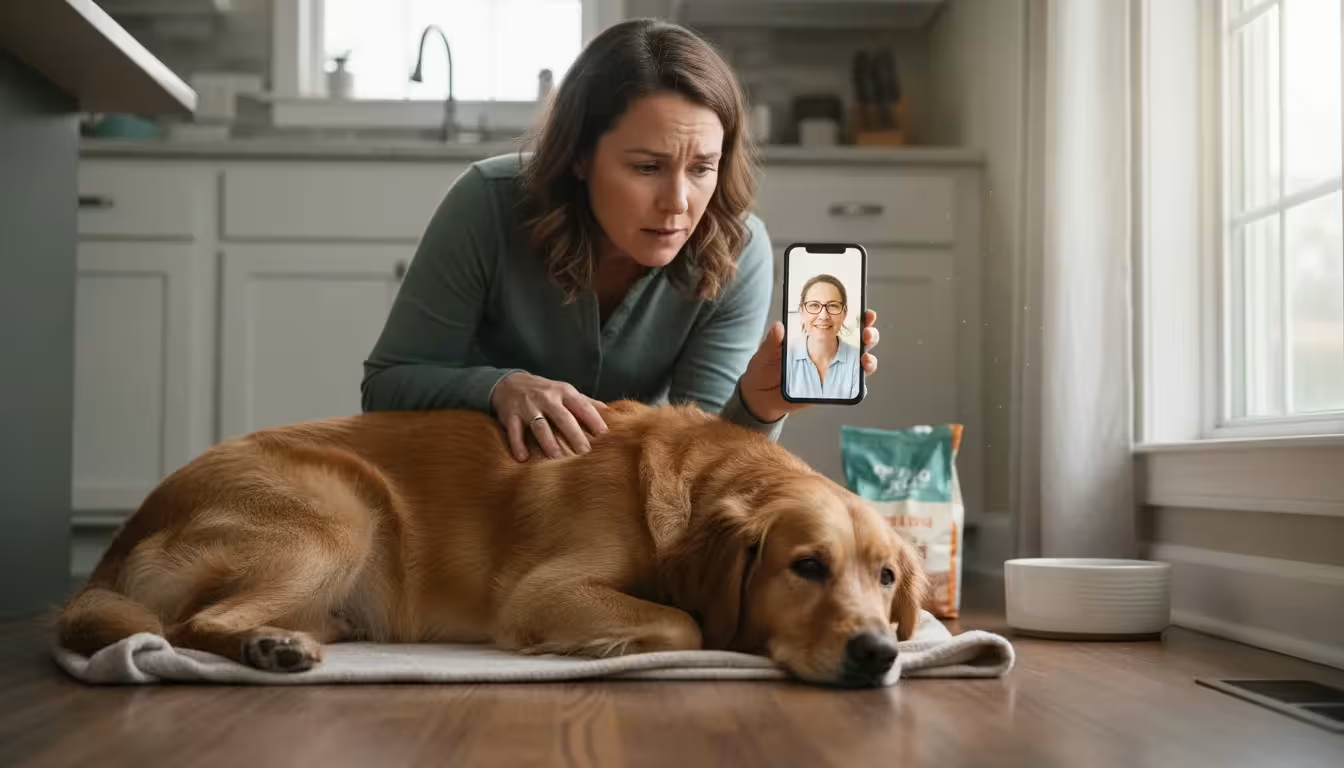
Even with the best preparation, unforeseen issues can arise. Knowing how to troubleshoot and when to seek professional help ensures your pet remains safe and healthy.
Common Issues and Solutions:
- Loss of Appetite: Some pets experience mild stress and may eat less initially. If it persists for more than 24-48 hours, or if accompanied by vomiting or diarrhea, alert the caregiver to contact your vet.
- Minor Behavioral Changes: Increased clinginess, mild withdrawal, or temporary changes in potty habits can occur. A good caregiver can use positive reinforcement to help your pet adjust.
- Separation Anxiety Symptoms: Excessive barking, destructive chewing, or inappropriate urination might indicate significant distress. The caregiver should try to increase interaction and mental enrichment. If severe, a veterinary behaviorist may offer strategies to manage it in the future.
When to Contact a Veterinarian:
Your chosen caregiver must understand when to escalate concerns to a veterinary professional. Instruct them to contact your vet immediately if your pet exhibits any of the following:
- Persistent vomiting or diarrhea.
- Lethargy or extreme weakness.
- Difficulty breathing.
- Lack of appetite for more than 48 hours.
- Inability to urinate or defecate.
- Any signs of injury or sudden lameness.
- Any significant change in behavior indicating pain or distress.
Provide clear consent for the caregiver to authorize emergency medical treatment if you cannot be reached. Your pet’s health is the priority.
Frequently Asked Questions
What vaccinations do pets typically need for boarding?
Most boarding facilities require proof of current vaccinations for rabies, distemper (DHPP for dogs, FVRCP for cats), and kennel cough (Bordetella) for dogs. Some facilities may also require canine influenza or feline leukemia vaccinations. Always confirm the specific requirements with your chosen facility well in advance.
How far in advance should I book a pet sitter or boarding facility?
Booking well in advance, especially during peak travel seasons like holidays, spring break, or summer, is crucial. Aim to book at least 2-3 months ahead for popular periods. For regular off-peak times, 2-4 weeks is often sufficient, but earlier is always better to secure your preferred caregiver.
Can my pet get sick at a boarding facility?
Despite stringent cleaning protocols and vaccination requirements, pets in multi-animal environments can still be exposed to illnesses like kennel cough, canine influenza, or upper respiratory infections. Reputable facilities work hard to minimize risks, but exposure is always a possibility. This risk highlights the importance of keeping your pet’s vaccinations current and discussing any concerns with your veterinarian.
What if my pet doesn’t get along with other animals during group play?
A good boarding facility assesses each pet’s temperament before allowing them into group play. If your pet is not social, or if they prefer human companionship, ensure the facility offers individual playtime or walks. It’s vital that the staff prioritizes safety and prevents conflicts by supervising interactions closely and separating incompatible animals.
Should I tip my pet sitter?
Tipping is not mandatory, but it is a thoughtful gesture for exceptional service, especially during holidays or for complex care. A tip of 15-20% of the total bill is generally appreciated for sitters who go above and beyond, provide regular updates, or handle unexpected situations with professionalism.
For expert pet care guidance, visit
American College of Veterinary Behaviorists (ACVB), Pet Poison Helpline, FDA Center for Veterinary Medicine, PetMD and Vetstreet.
Disclaimer: This article is for informational purposes only and is not a substitute for professional veterinary advice, diagnosis, or treatment. Always consult with a licensed veterinarian for medical concerns about your pet.








Leave a Reply