
10. Lumps, Bumps, or Swelling
Discovering a new lump or area of swelling on your pet can be alarming. While not all are cancerous, all new growths or swellings warrant veterinary investigation.
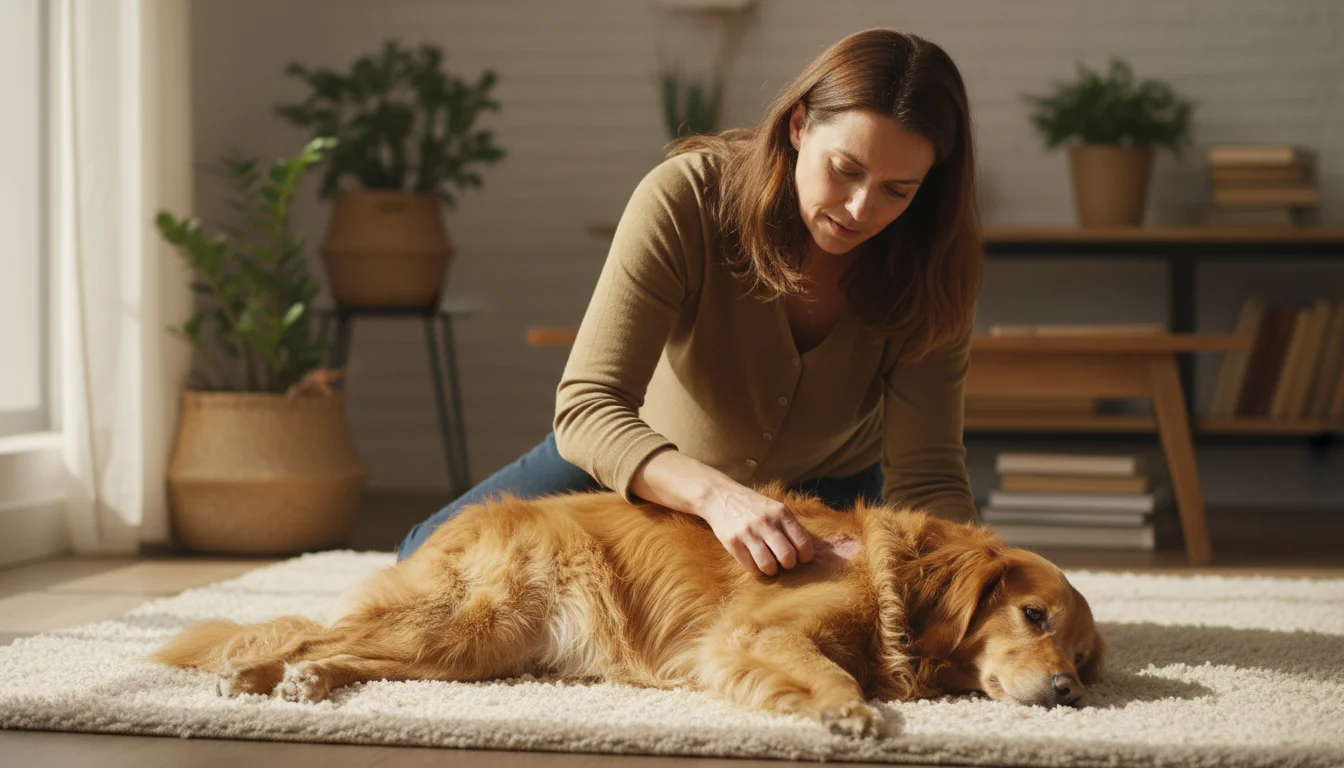
New Lumps or Bumps: During petting or grooming, you might discover a new mass. This could be a benign fatty tumor (lipoma), a wart, an abscess, or a more serious cancerous growth. Location, size, texture (soft, firm, movable, fixed), and growth rate are crucial details to relay to your vet. The American Kennel Club (AKC) recommends that any new lump or bump should be evaluated by a veterinarian to determine its nature.
Rapidly Growing Lumps: Any lump that appears suddenly and grows quickly, or changes in shape or color, is particularly concerning and requires urgent attention. This rapid growth can indicate an aggressive tumor or a rapidly developing infection (abscess).
Generalized Swelling:
- Facial Swelling: Swelling around the face, muzzle, or eyes often indicates an allergic reaction (e.g., from an insect sting) or a dental abscess. While allergies can range from mild to severe, rapid and significant swelling can impede breathing, necessitating emergency care.
- Limb Swelling: Swelling in a limb can point to injury, infection, a blood clot, or even a cancerous process in the bone or surrounding tissues.
- Abdominal Swelling: A distended or bloated abdomen, especially if firm to the touch and accompanied by discomfort, panting, or retching, is an emergency. This could indicate bloat (gastric dilatation-volvulus) in dogs, internal bleeding, fluid accumulation, or an enlarged organ.
Actionable Insight: Keep a close eye on your pet’s body during petting. If you find a lump, measure it, take a picture, and note when you first discovered it. These details assist your veterinarian in diagnosis and determining the best course of action for your pet care plan. If you suspect an allergic reaction affecting breathing, or abdominal bloat, seek immediate emergency veterinary care.







Leave a Reply