

3. Vomiting or Diarrhea
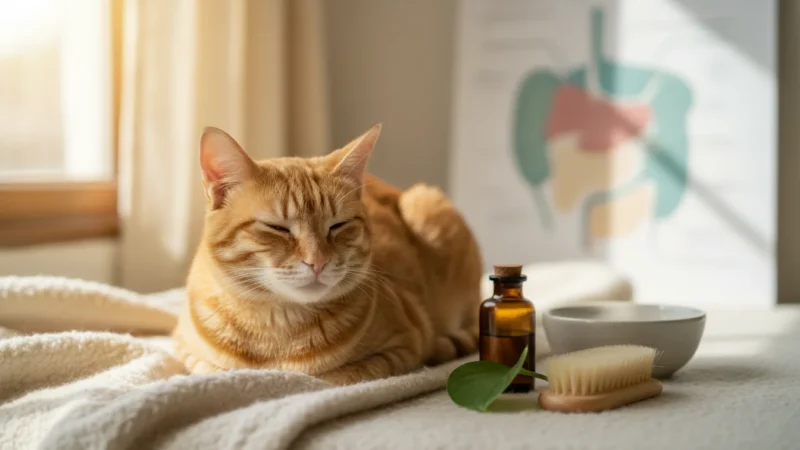
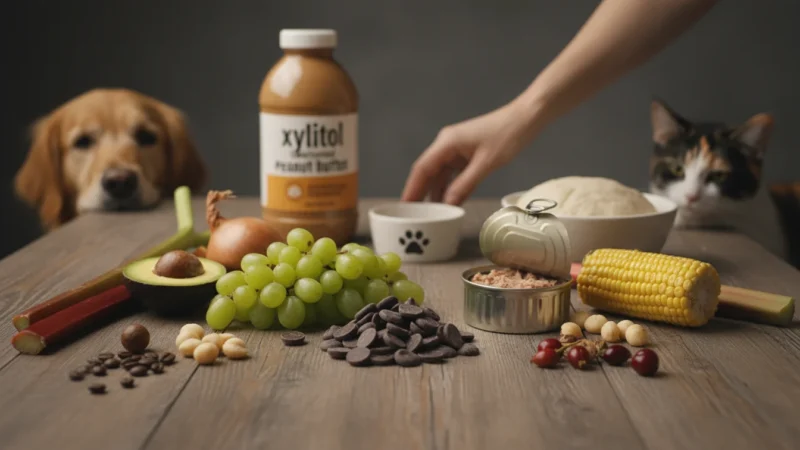
Occasional vomiting or a single loose stool might not always signal an emergency. Pets sometimes eat something they should not, causing minor stomach upset. However, persistent or severe vomiting and diarrhea, especially when accompanied by other symptoms, require prompt veterinary attention.
Because diagnostic tests and emergency care for digestive issues can be costly, understanding pet insurance is a vital part of planning for your pet’s long-term health.
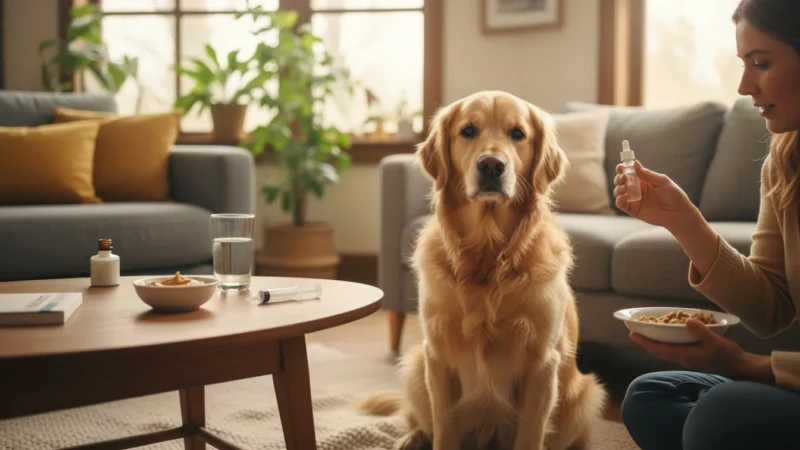
In cases of severe distress, knowing how to administer first aid to your pet can stabilize them while you are en route to the clinic.
When to Worry About Vomiting:
- Frequent Vomiting: If your pet vomits multiple times within a few hours, or regularly over several days.
- Projectile Vomiting: Forceful expulsion of stomach contents suggests a more serious issue.
- Blood in Vomit: Bright red blood or “coffee grounds” (digested blood) indicates gastrointestinal bleeding.
- Vomiting and Lethargy: When vomiting combines with a lack of energy, it suggests a more severe illness.
- Attempting to Vomit but Nothing Comes Up: This is a critical emergency, particularly in large, deep-chested dogs, as it can indicate bloat (gastric dilatation-volvulus), a life-threatening condition requiring immediate intervention.
When to Worry About Diarrhea:
- Severe or Bloody Diarrhea: Liquid stools, especially with fresh blood or dark, tarry stools (melena), signal serious intestinal distress or bleeding.
- Frequent Diarrhea: If your pet has frequent bouts of diarrhea for more than 24 hours.
- Diarrhea and Other Symptoms: Diarrhea accompanied by vomiting, lethargy, fever, or pain.
- Small Animals: For rabbits, guinea pigs, and other small animals, diarrhea can be rapidly fatal and always requires immediate veterinary attention.
Both vomiting and diarrhea can quickly lead to dehydration and electrolyte imbalances, weakening your pet and complicating treatment. Your best pet health tips involve acting quickly when these symptoms become severe or persistent.





Leave a Reply