
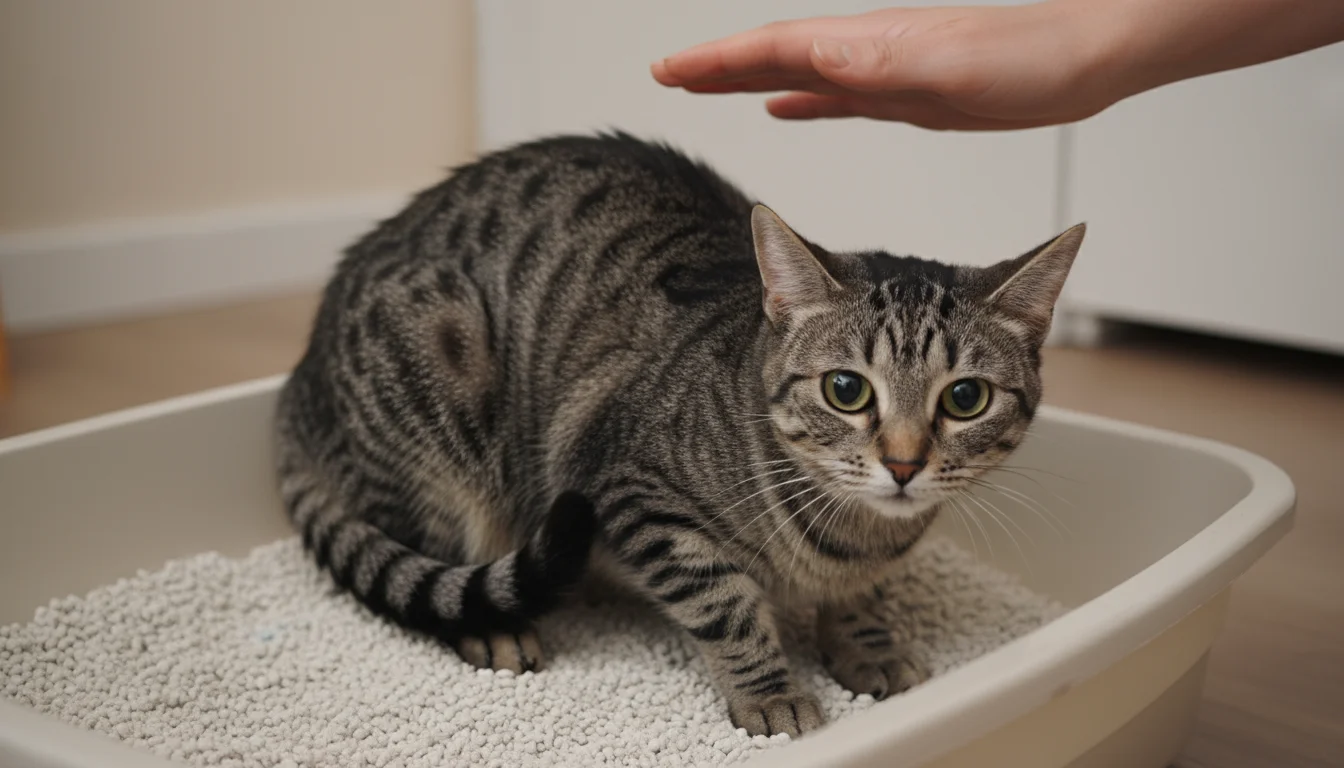
4. Difficulty Urinating or Changes in Urination
Problems with urination can be incredibly serious, especially for male cats. Any deviation from your pet’s normal urinary habits warrants immediate investigation.
It is also worth noting that spaying and neutering can significantly lower the risk of certain infections and cancers that affect the urinary tract.
Straining or Inability to Urinate:
Being aware of common cat health issues and their warning signs is particularly vital for feline owners dealing with urinary changes.
If your pet strains, cries out, or attempts to urinate multiple times without producing much, or any, urine, this is an emergency. For male cats, this could indicate a urinary blockage, where crystals or stones obstruct the urethra, preventing urine flow. This condition is excruciatingly painful and quickly becomes fatal if untreated, as toxins build up in the bloodstream. Dogs can also experience blockages, although less commonly than male cats.
Increased Urination (Polyuria): Urinating more frequently, producing larger volumes of urine, or having accidents in the house when previously house-trained can indicate kidney disease, diabetes, or a urinary tract infection (UTI). You might notice your pet drinking more, which often accompanies increased urination. This is a common sign of issues impacting pet health.
Decreased Urination (Oliguria/Anuria): If your pet is not urinating or produces very little urine, it signals severe kidney problems, dehydration, or a urinary blockage. This situation is extremely dangerous.
Blood in Urine (Hematuria): Pink, red, or rust-colored urine indicates the presence of blood, often caused by UTIs, bladder stones, kidney disease, or even certain cancers. Sometimes, the blood is microscopic and only detectable through a veterinary urinalysis, but if you see it, act quickly.
Actionable Insight: Note the color, volume, and frequency of urination. If you suspect a blockage, especially in a male cat, consider it a life-threatening emergency and seek veterinary care immediately.





Leave a Reply