
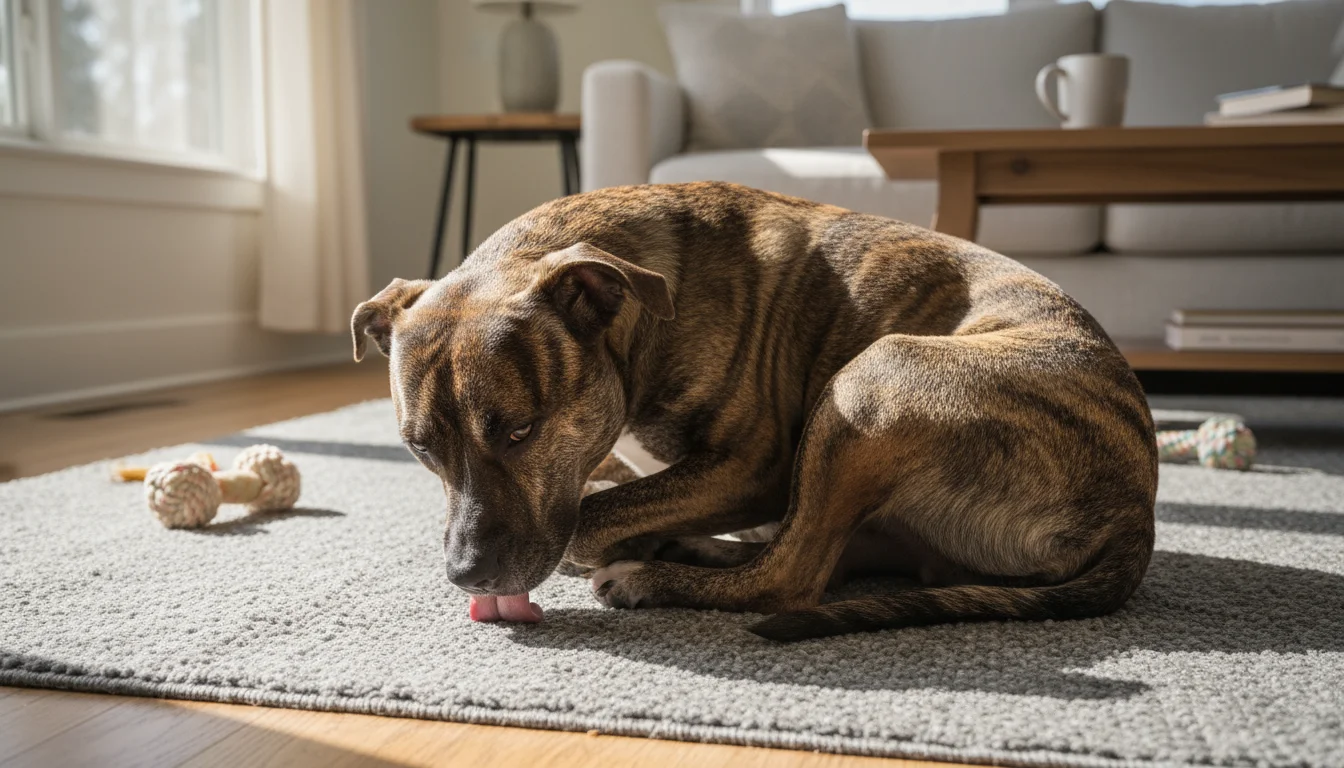
7. Skin or Coat Changes, Excessive Scratching
Your pet’s skin and coat often reflect their overall health. Changes here can indicate allergies, parasites, infections, or systemic diseases.
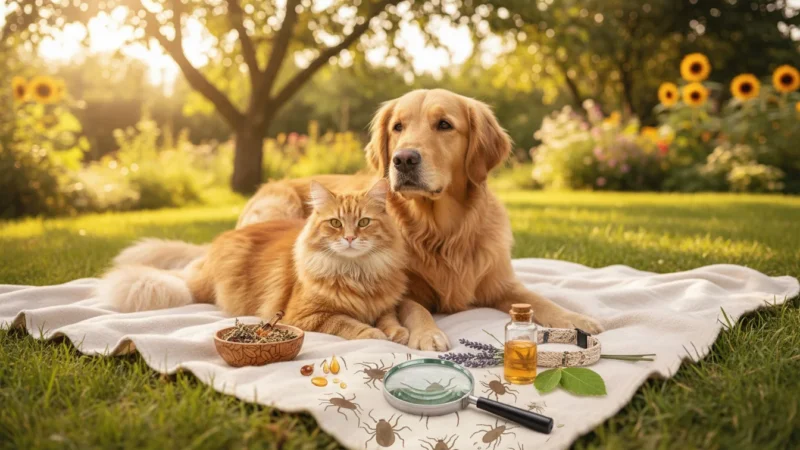
Excessive Scratching, Licking, or Chewing: If your pet constantly scratches, licks, or chews at their skin, paws, or base of their tail, it signals intense itching (pruritus). Common causes include fleas, mites, environmental allergies, food allergies, or skin infections. This compulsive behavior can lead to “hot spots” (acute moist dermatitis), skin thickening, hair loss, and secondary bacterial or yeast infections. For best pet health tips, regular parasite prevention is crucial. Even indoor cats can get fleas.
Hair Loss (Alopecia): Bald patches, thinning fur, or excessive shedding can result from allergies, parasites, hormonal imbalances (e.g., thyroid issues), fungal infections (like ringworm), stress, or nutritional deficiencies. Observe the pattern of hair loss: Is it symmetrical? Is the skin underneath red, flaky, or inflamed?
Redness, Rashes, Bumps, or Sores: Any unexplained redness, skin lesions, pustules, or scabs on your pet’s skin requires attention. These can indicate allergic reactions, bacterial or fungal infections, or immune-mediated skin conditions. Open sores are prone to infection and cause significant discomfort.
Dull, Dry, or Greasy Coat: A healthy coat is typically shiny and soft. A dull, dry, brittle, or excessively greasy coat can point to nutritional deficiencies, internal parasites, or underlying metabolic diseases. For example, a dog with hypothyroidism may have a dull, sparse coat and dry skin. Consistent pet care practices, including proper nutrition, help maintain a healthy coat.
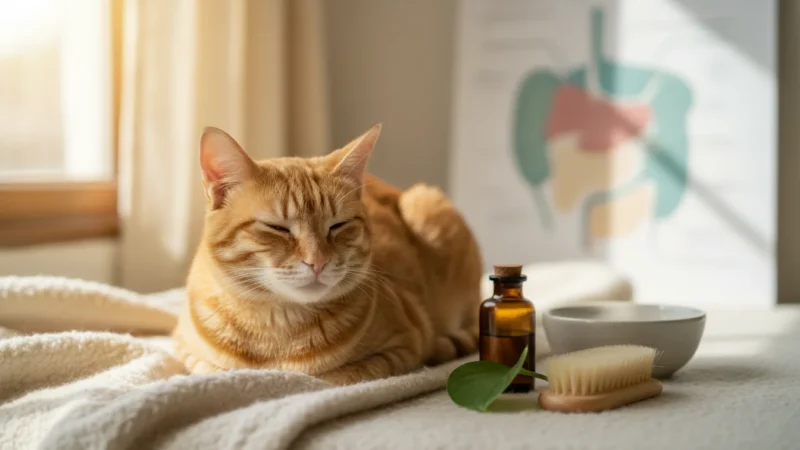
Actionable Insight: Regularly groom your pet to visually inspect their skin and coat. Early detection of these changes allows for quicker diagnosis and treatment, preventing escalation of discomfort and potential infection.






Leave a Reply