
Changes in Mobility and Movement
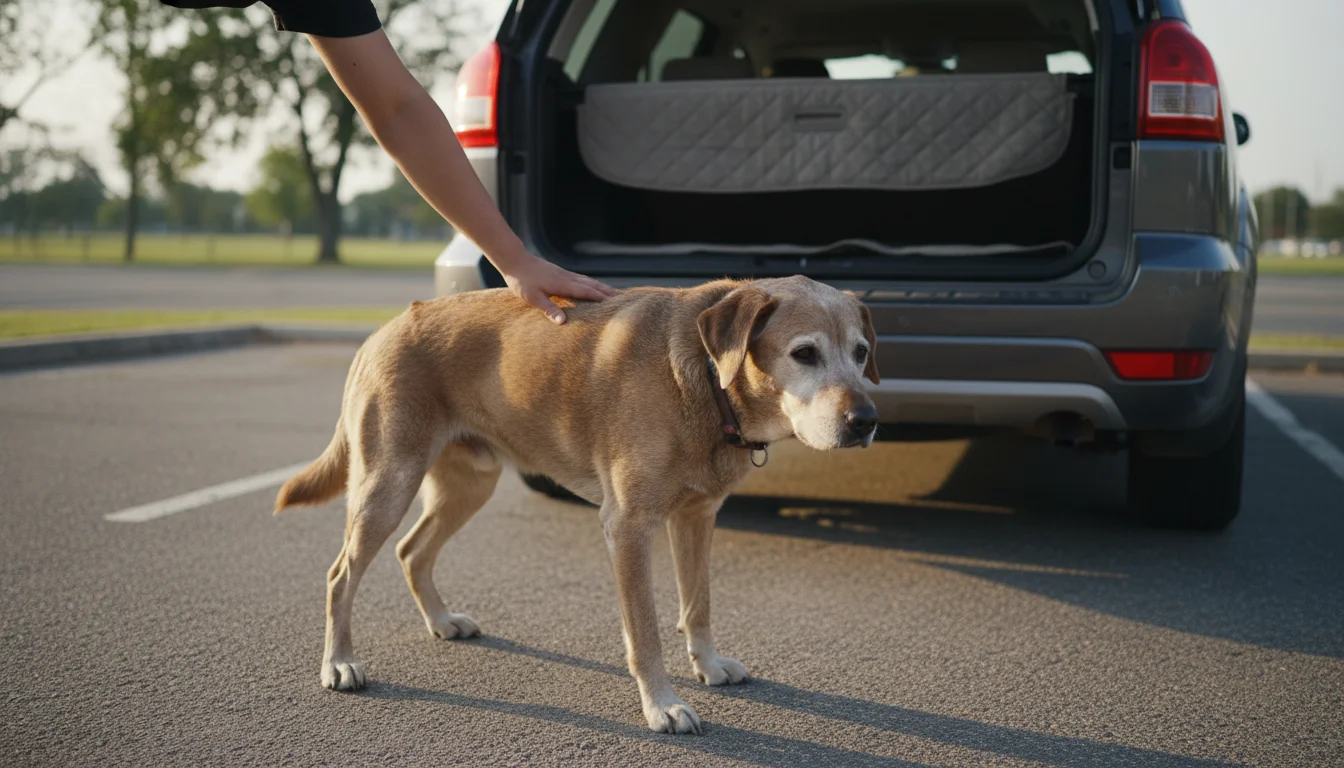
Pain often manifests physically through altered movement. Watch how your pet walks, runs, jumps, and climbs stairs. Any new reluctance to perform these activities or noticeable changes in their gait suggests discomfort. Arthritis, hip dysplasia, soft tissue injuries, or even spinal issues commonly cause mobility problems. You might observe a limp, stiffness, or an uneven stride. Cats, known for their agility, might struggle to jump onto furniture they previously accessed with ease. Dogs might hesitate before going up or down stairs, or they might struggle to get into a car. Even subtle shifts, such as a dog favoring one paw or a cat moving more slowly than usual, warrant investigation. For instance, an elderly Labrador who always eagerly bounded for their walk but now lags behind or moves stiffly after a rest likely experiences joint pain.
In cases where mobility issues stem from a sudden injury, knowing how to administer first aid is a crucial skill for every pet owner.
For those with aging animals, proactive senior dog care involves adjusting your routine to accommodate these physical limitations.
- Limping or Lameness: This is a clear sign, indicating pain in a limb or joint. It might be continuous or intermittent.
- Stiffness: Your pet may appear rigid, especially after rest. They might struggle to stand up or lie down smoothly.
- Reluctance to Move: They might avoid stairs, jumping, or their usual walks. They may move more slowly or cautiously.
- Shifting Weight: Pets experiencing pain in one limb might shift their weight to other limbs, altering their posture.
- Trembling or Shivering: Localized pain, especially in the abdomen or limbs, can cause muscle tremors.
- Difficulty Rising: Older pets or those with orthopedic issues often struggle to get up from a lying position.









Leave a Reply