
Alterations in Eating, Drinking, or Elimination
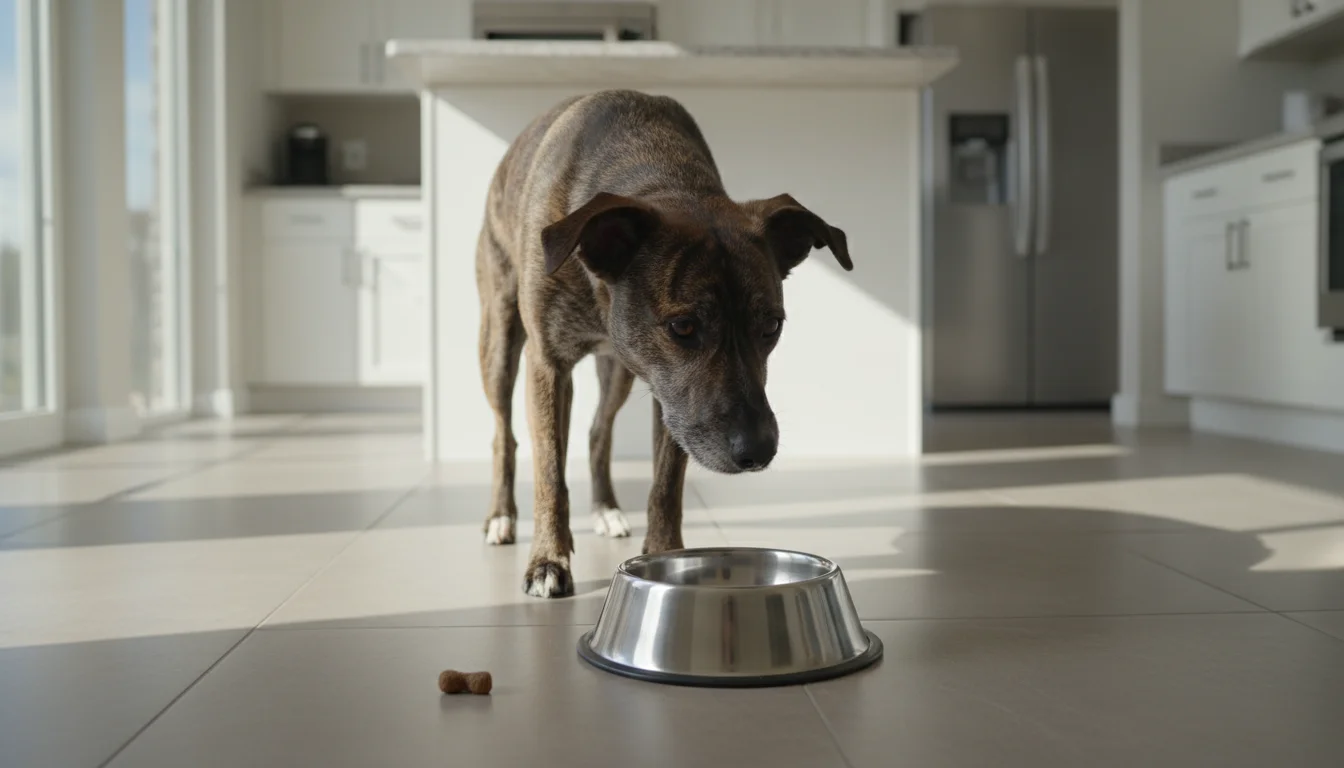
Pain significantly impacts your pet’s basic biological functions. A loss of appetite or a refusal to eat or drink suggests discomfort, especially if accompanied by other signs. Dental pain, for instance, makes eating difficult and painful. Abdominal pain might lead to nausea and avoidance of food. Changes in thirst, either increased or decreased, can also indicate underlying health issues. Similarly, observe changes in your pet’s bathroom habits. Straining to urinate or defecate, increased frequency of urination, or accidents inside the house might signal bladder infections, kidney issues, or constipation, all of which cause pain. Difficulty squatting or posturing for elimination also indicates musculoskeletal pain. For example, a dog who suddenly stops eating their favorite meal or a cat who begins urinating outside the litter box needs veterinary attention immediately. According to experts at Cornell University College of Veterinary Medicine, changes in elimination patterns are often early indicators of significant health problems in felines.
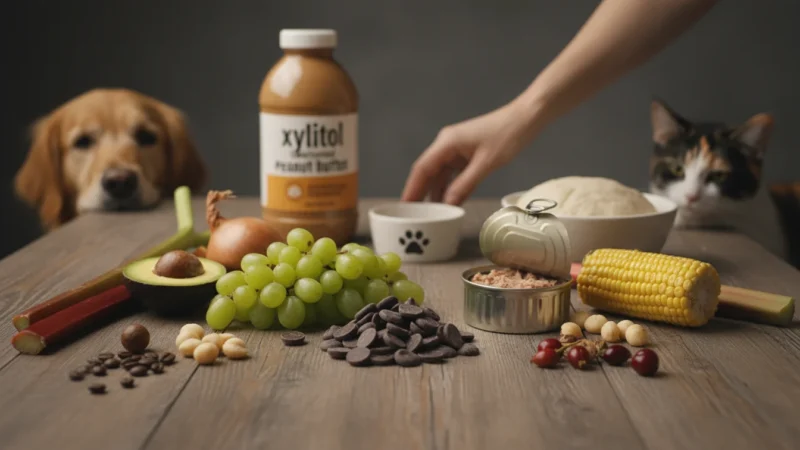
Keep in mind that sudden digestive pain could also be a result of ingesting dangerous human foods if your pet is a scavenger.
Managing chronic pain often requires long-term care, making it helpful to start understanding pet insurance early to help cover treatment costs.
- Loss of Appetite (Anorexia) or Reduced Intake: Your pet may refuse food or eat less than usual. This is a common, non-specific sign of illness and pain.
- Changes in Drinking Habits: Either excessive thirst or a noticeable decrease in water consumption can signal various health issues, including kidney problems or dehydration.
- Difficulty Chewing or Dropping Food: This often points to dental pain, gum disease, or an oral injury.
- Straining to Urinate or Defecate: Indicates pain or difficulty with elimination, potentially from urinary tract infections, bladder stones, or constipation.
- Accidents in the House: A house-trained pet suddenly having accidents signals pain, a urinary tract issue, or a mobility problem that prevents them from reaching their designated spot.








Leave a Reply