
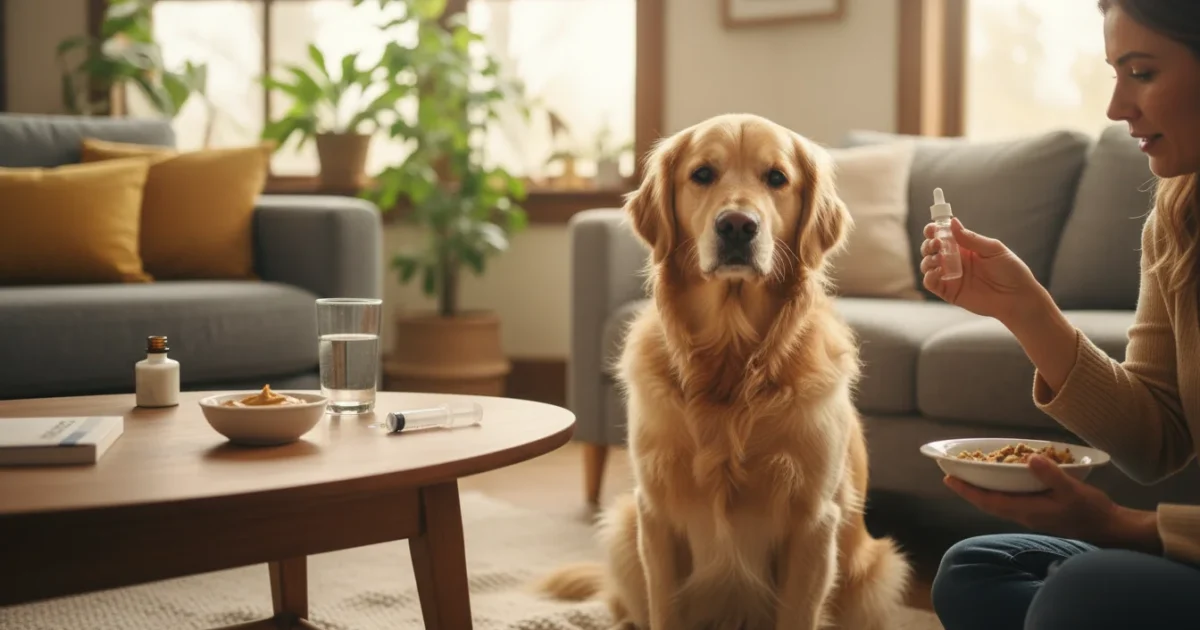
Administering medication to your dog can feel daunting, whether it involves a simple daily pill or a course of liquid antibiotics. Many pet owners find themselves struggling, but with the right approach and a calm demeanor, you can make the process less stressful for both you and your canine companion. This comprehensive guide provides practical, evidence-based techniques for giving your dog pills, liquids, topical treatments, and more, ensuring your furry friend receives the care they need to stay healthy.
Establishing these habits early, as outlined in puppy care 101, sets the stage for a lifetime of wellness.
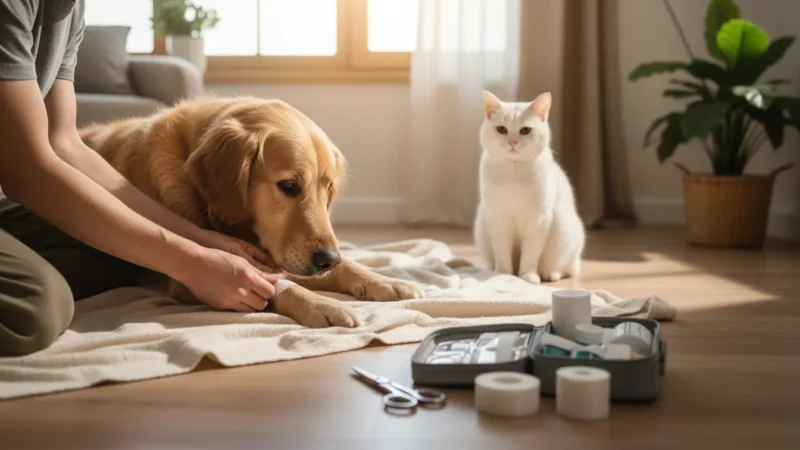
Beyond routine care, learning how to administer first aid is a vital skill for any owner managing a pet’s health at home.
Your dog’s health often depends on consistent medication administration. Understanding the various methods and preparing effectively transforms a potential struggle into a routine part of your pet care regimen. We will explore step-by-step instructions, positive reinforcement strategies, and troubleshooting tips to help you confidently manage your dog’s medical needs.
Understanding Your Dog’s Medication Needs
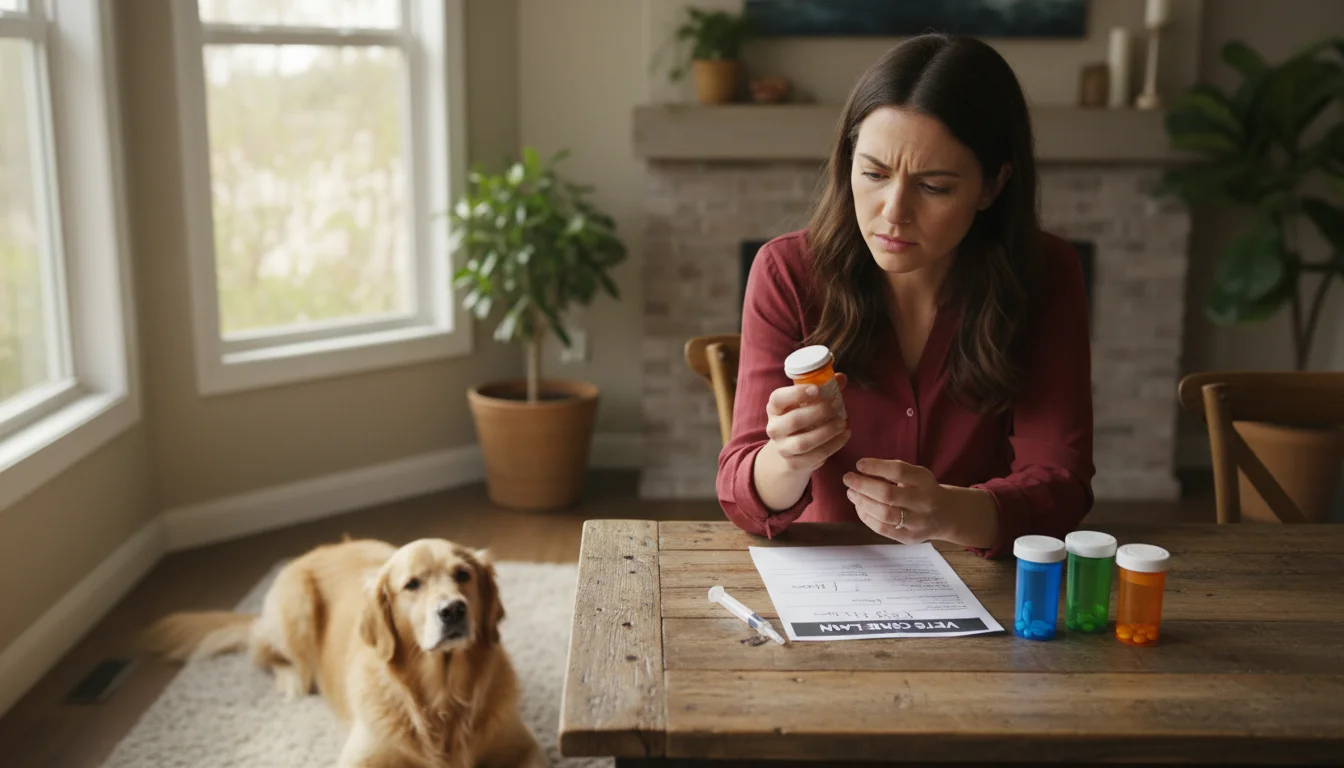
Before you begin administering any medication, understand its purpose, dosage, and frequency. Your veterinarian provides specific instructions tailored to your dog’s condition, weight, and overall health. Pay close attention to whether the medication needs to be given with food, on an empty stomach, or at specific times. This information directly impacts the medication’s effectiveness and your dog’s safety.
Different medications treat various conditions, ranging from acute infections to chronic illnesses. For instance, antibiotics combat bacterial infections, anti-inflammatories reduce pain and swelling, and long-term medications might manage conditions like thyroid disorders or arthritis. Each type requires a specific administration approach. Always clarify any doubts with your veterinarian before you administer the medication. Ensure you understand potential side effects and what to do if you observe them.
Some medications come in flavored formulations designed to be more palatable. Your vet can advise you on these options. For instance, many common medications, particularly those for pain or anxiety, now come in chewable forms that dogs often mistake for treats. This significantly simplifies administration for many owners. However, never assume a medication is chewable or flavored without confirmation from your veterinarian.
It is also crucial to store medications properly. Keep them in their original containers, away from direct sunlight, moisture, and out of reach of pets and children. Refrigeration may be required for some liquid medications, so always check the label. Proper storage maintains the medication’s potency and prevents accidental ingestion.
Essential Preparations Before Administering Medication
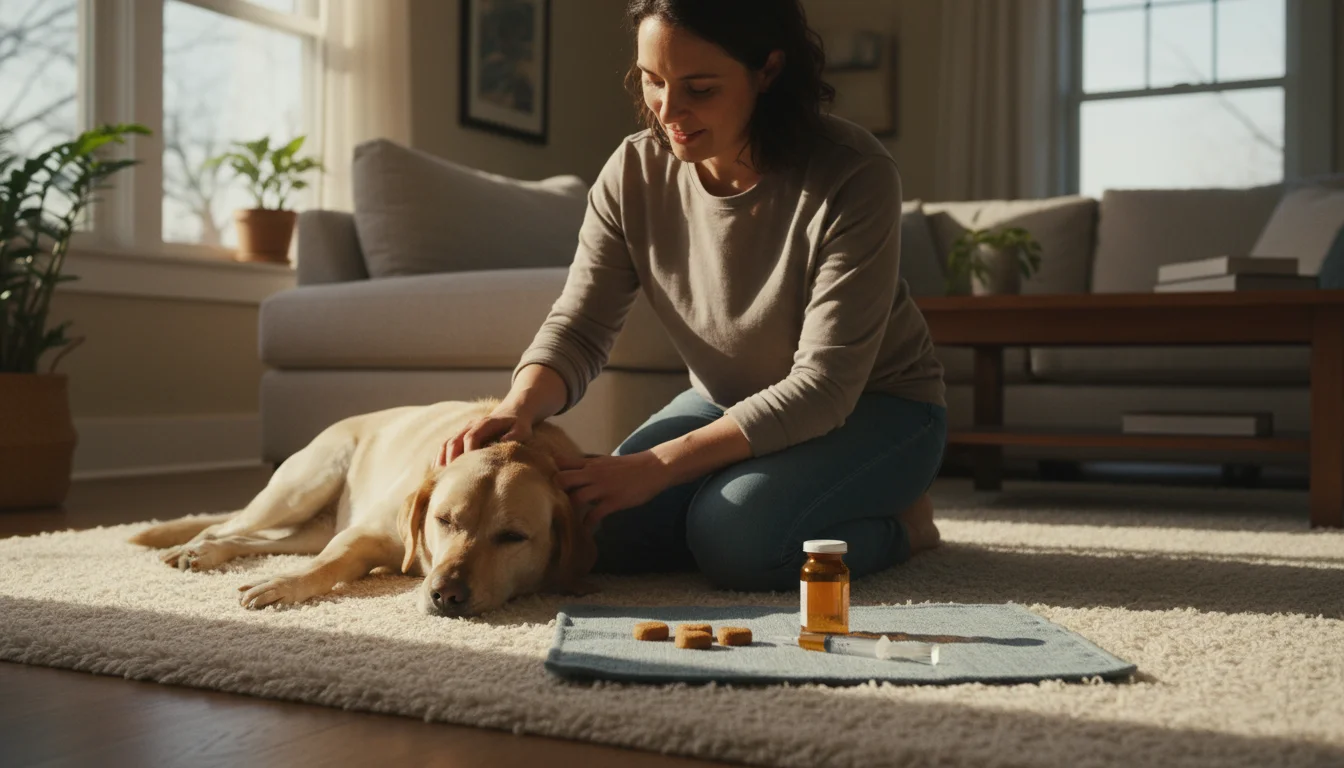
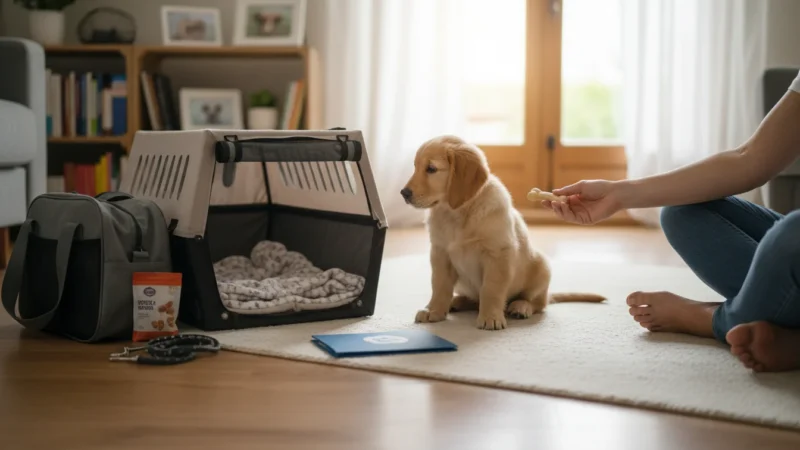
Preparation reduces stress for both you and your dog. A calm, systematic approach helps your dog associate medication time with positive experiences, rather than fear or anxiety. Gather all necessary supplies before you start.
Pet owners often first encounter these techniques while managing recovery after surgery, such as spaying and neutering.
Gather Your Supplies
- The prescribed medication.
- A high-value treat your dog loves (cheese, peanut butter, a small piece of cooked chicken).
- A pill popper (for pills, if using).
- A syringe (for liquids, if using).
- Water or a small amount of broth (to help with swallowing, if appropriate).
- A quiet, comfortable space where your dog feels secure.
Create a Calm Environment
Choose a time when you feel relaxed and unhurried. Your dog picks up on your emotional state. A rushed or stressed owner often leads to a stressed dog. Find a quiet corner of your home, free from distractions. You can sit on the floor or on a comfortable chair, creating a relaxed atmosphere. According to Fear Free Pets, minimizing stress and creating positive emotional experiences for pets during veterinary visits and home care significantly improves their welfare and cooperation.
Practice Positive Reinforcement
Positive reinforcement forms the cornerstone of successful medication administration. Before you even introduce the medication, give your dog a treat just for approaching you in the chosen medication spot. Gradually introduce the medication packaging, offering treats for calm behavior. Reward your dog immediately after successful administration, and even if they only partially cooperate. This builds a positive association with the process.
Mastering Pill and Tablet Administration
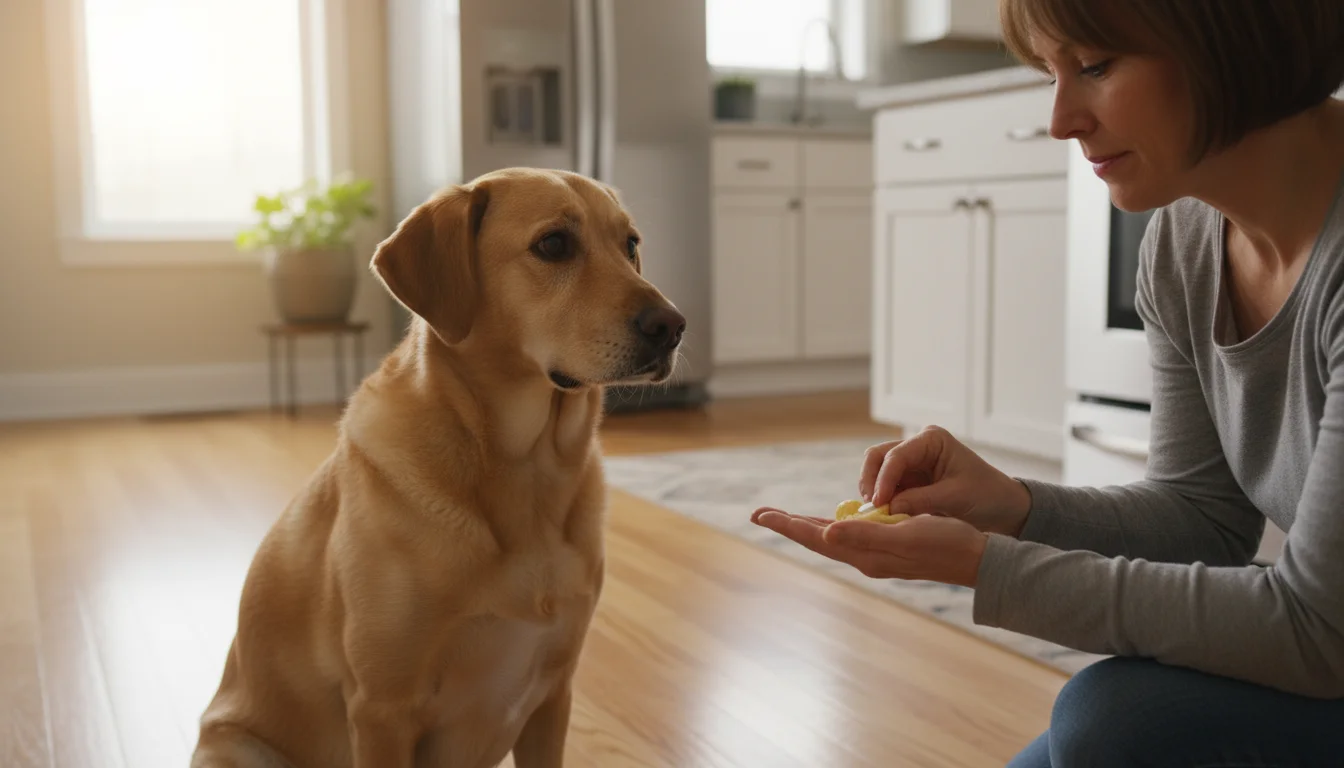
Pills and tablets often present the biggest challenge. Your approach determines success. Here are common methods:
This technique is also excellent for ensuring your dog takes their monthly parasite prevention without a fuss.
Gaining confidence in handling your dog’s muzzle also makes it easier to maintain their pet dental health through regular brushing.
Method 1: Hiding in Food or Treats
This method works best for dogs who readily consume treats or food. Ensure your dog likes the treat and swallows it whole, not just chews it.
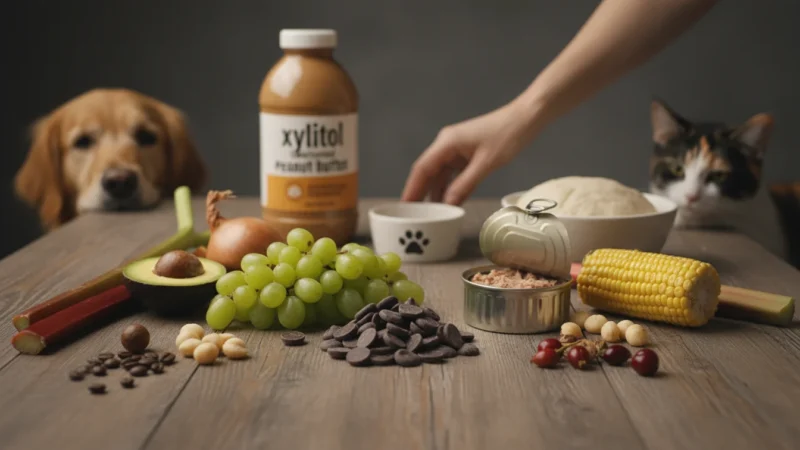
- Choose a high-value treat: Use soft treats that you can easily mold around the pill. Examples include pill pockets, a small piece of cheese, a spoonful of peanut butter (xylitol-free!), or a piece of cooked meat.
- Conceal the pill: Firmly embed the pill deep inside the treat. Ensure no part of the pill shows or creates a noticeable bump.
- Offer quickly: Give the disguised treat to your dog promptly. Many owners offer a “decoy” treat first, then the medicated treat, then another decoy. This makes your dog more likely to gulp down the medicated treat without much scrutiny.
- Verify ingestion: Watch your dog closely to ensure they swallow the entire treat. Some clever dogs learn to eat the treat and spit out the pill.
If your dog is adept at spitting out pills, ensure the treat is small enough for them to swallow quickly. Soft cheese or cream cheese can work well as it adheres to the pill, making separation difficult. Always confirm with your vet that the medication can be given with food, as some require an empty stomach.
Method 2: Direct Oral Administration (Pilling by Hand)
This method requires a bit more technique and a cooperative dog, but it often works when hiding pills fails.
- Prepare the pill: Have the pill ready in your dominant hand. You might lightly coat it in butter or a small amount of non-toxic oil to make it slide down more easily.
- Position your dog: Gently but firmly hold your dog’s muzzle. Place your non-dominant hand over the top of their muzzle, with your thumb and fingers behind their upper canine teeth. Gently tilt their head upwards.
- Open the jaw: With your dominant hand, use your middle finger to press down on their lower incisors or chin, causing their lower jaw to open.
- Place the pill: Quickly place the pill far back on their tongue, as close to their throat as possible. The goal is to get it past the hump of their tongue.
- Encourage swallowing: Immediately close their mouth, keeping their head tilted up. Gently stroke their throat or blow lightly on their nose. These actions often stimulate the swallowing reflex. You will see them lick their nose or swallow.
- Offer praise and reward: As soon as your dog swallows, offer praise and a highly desirable treat. This reinforces the positive experience.
Method 3: Using a Pill Popper
A pill popper, or pet piller, is a device that helps you deposit a pill further back in your dog’s mouth, reducing the risk of being bitten and making it easier to reach the correct spot. This is especially helpful for small pills or if your dog has a strong bite reflex.
- Load the pill popper: Place the pill securely in the tip of the pill popper.
- Position your dog: Follow steps 2 and 3 from the direct oral administration method (gentle muzzle hold, head tilt, open jaw).
- Insert the popper: Carefully insert the pill popper into the side of your dog’s mouth, aiming towards the back of their throat. Avoid jamming it down.
- Release the pill: Once the tip is positioned far enough back, depress the plunger to release the pill.
- Encourage swallowing and reward: Remove the popper, close your dog’s mouth, and encourage swallowing as described above. Always follow with praise and a treat.
Practice these techniques with an empty pill capsule or a small treat before using actual medication. This helps you refine your technique and allows your dog to get used to the handling without the pressure of actual medicine.
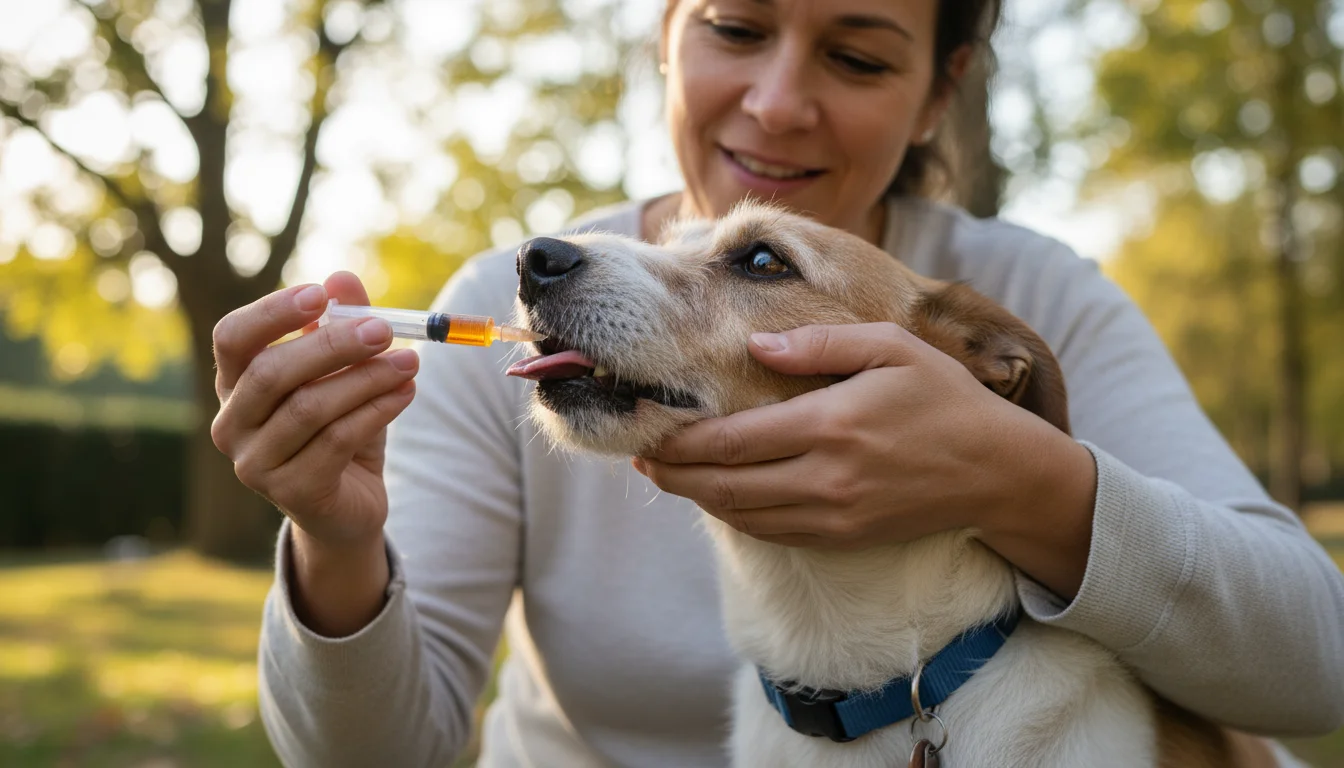
Administering Liquid Medications Safely
Liquid medications are often easier to administer than pills, but they still require careful technique to ensure your dog receives the full dose and does not choke or aspirate the liquid.
Following a consistent dog grooming schedule can also help you identify physical changes that might require medication.
Method 1: Direct Oral Administration (Syringe)
Most liquid medications come with an oral syringe for accurate dosing.
- Measure the dose: Draw the precise amount of medication into the syringe, as prescribed by your vet. Double-check the dosage to prevent accidental overdose or underdose.
- Position your dog: Gently hold your dog’s head steady. You can sit on the floor with your dog between your legs or have them stand next to you.
- Insert the syringe: Locate the gap between your dog’s cheek and gums, just behind their canine teeth. Gently insert the tip of the syringe into this pouch.
- Administer slowly: Aim the syringe towards the back of their mouth, not straight down their throat. Slowly depress the plunger, allowing your dog to swallow small amounts at a time. Do not squirt the entire dose at once, as this can cause choking or aspiration.
- Encourage swallowing and reward: Allow your dog to swallow between squirts. Once the full dose is given, praise them extensively and offer a delicious treat.
Method 2: Mixing with Food or Water
This method works if the medication is not bitter and your vet confirms it can be mixed with food or water without impacting its efficacy.
- Mix thoroughly: Stir the liquid medication into a small amount of highly palatable wet food, yogurt, or broth. Use just enough food to disguise the taste and ensure they consume the entire portion.
- Offer the medicated food: Present the mixture to your dog. Stay with them to ensure they eat it all.
- Verify ingestion: Watch to make sure your dog finishes the entire medicated portion. If they leave any, they have not received the full dose.
Some liquid medications are notoriously bitter. If your dog refuses food mixed with medication, do not force it. Revert to direct oral administration or consult your vet for alternative options or flavoring agents.
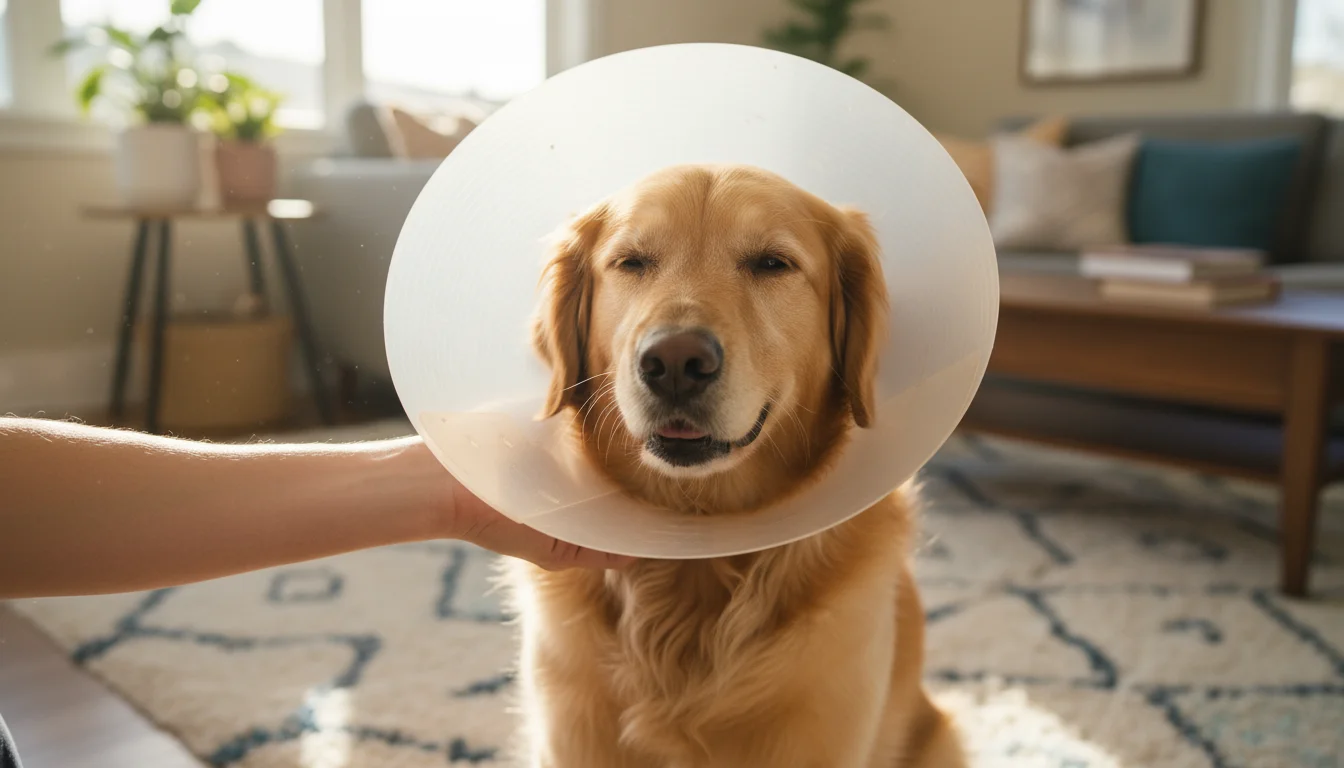
Applying Topical Treatments and Eye/Ear Drops
Topical medications, eye drops, and ear drops require a different approach. The key here is often preventing your dog from licking or rubbing off the medication too soon.
Administering Topical Creams, Ointments, and Sprays
Topical treatments are applied directly to the skin for conditions like hot spots, wounds, or skin infections.
- Clean the area: If instructed by your vet, gently clean the affected area before applying the medication.
- Wear gloves: Wear gloves to protect yourself and prevent contamination of the medication.
- Apply thinly and evenly: Apply a thin, even layer of cream or ointment as directed. For sprays, hold the bottle at the recommended distance and spray directly onto the area.
- Prevent licking: This is critical. Many topical medications are not safe for internal consumption. Use an Elizabethan collar (e-collar or “cone of shame”) or a recovery suit to prevent your dog from licking the treated area until the medication has absorbed or dried. Distract your dog with a puzzle toy or a chew while the medication is fresh.
- Reward: Praise your dog for tolerating the application and wearing the e-collar.
Applying Eye Drops or Ointments
Eye medications require a very gentle touch to avoid injury and reduce stress.
- Clean the eye: Gently wipe away any discharge from around the eye with a clean, damp cotton ball or gauze. Wipe from the inner corner outwards.
- Position your dog: Have your dog sit or lie down. Gently hold their head steady with one hand.
- Prepare the medication: With your free hand, hold the medication bottle or tube about an inch above the eye. Avoid touching the applicator tip to the eye or eyelashes to prevent contamination.
- Apply the drops/ointment:
- For drops: With your thumb and forefinger, gently open the upper and lower eyelids. Squeeze the prescribed number of drops into the conjunctival sac (the pouch formed by the lower eyelid).
- For ointment: Gently pull down the lower eyelid. Squeeze a small strip of ointment along the inside of the lower lid.
- Allow absorption: Release your dog’s head. They will blink, which helps distribute the medication. Avoid rubbing the eye.
- Reward: Offer immediate praise and a treat for their cooperation.
Administering Ear Drops or Cleaners
Ear medications treat infections, mites, or require cleaning for ongoing ear health.
- Warm the medication (optional but recommended): Gently warm the bottle of ear drops in your hand or a bowl of warm water for a few minutes. Cold drops can be startling and uncomfortable.
- Position your dog: Have your dog sit or lie down. Gently lift the ear flap to expose the ear canal.
- Insert and apply: Hold the ear flap up and insert the tip of the applicator into the opening of the ear canal. Do not push it down deep. Squeeze the prescribed number of drops into the ear canal.
- Massage the base of the ear: Keep the ear flap held up for a moment. Then, gently massage the base of the ear for 30 seconds. You should hear a squishy sound as the liquid moves around.
- Allow shaking: Let go of your dog’s ear. They will likely shake their head, which helps move the medication deeper into the canal and expels any excess. You can wipe away any visible excess with a cotton ball.
- Reward: Praise and treat your dog immediately after the process.
Some dogs are sensitive about their ears. Start with gentle ear handling and reward generously even when not medicating to build a positive association with touching their ears.
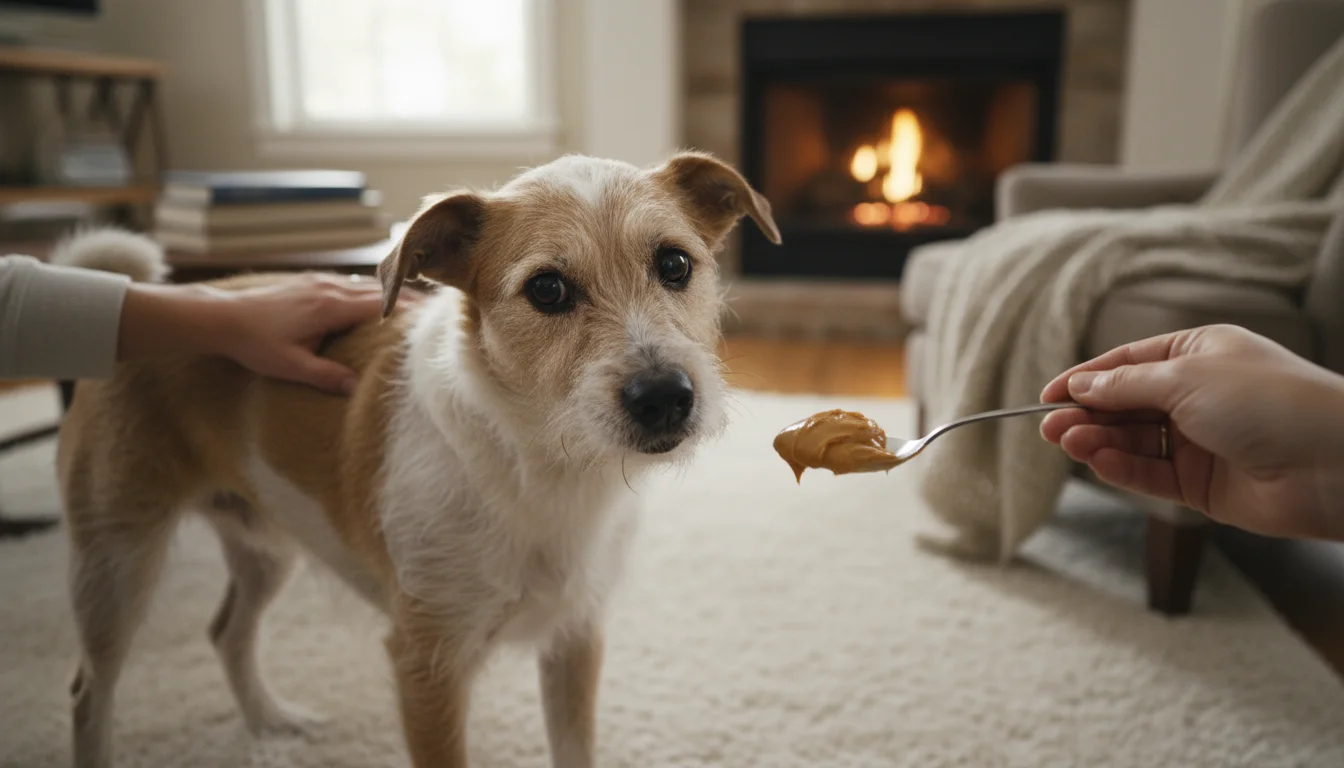
Strategies for Challenging Dogs and Reluctant Patients
Some dogs prove more challenging than others. Fear, pain, or prior negative experiences can make medication time difficult. Employing these strategies helps manage reluctant patients and reduces stress for all involved.
Desensitization and Counter-Conditioning
If your dog actively resists, you need to change their emotional response to the process. This involves desensitization (gradually exposing them to the triggers) and counter-conditioning (changing their association from negative to positive).
- Start small: Begin by just touching your dog’s mouth, ears, or eyes briefly, followed by a high-value treat.
- Increase duration: Gradually increase the duration of the touch.
- Introduce tools: Bring out the syringe or pill popper, letting your dog sniff it, then immediately giving a treat. Do not attempt administration yet.
- Mimic the action: Pretend to give medication (without actual medication) and immediately follow with a treat.
This process takes time and patience, but it builds trust and reduces fear. Consistency is key. Research from the ASPCA highlights that positive reinforcement methods improve compliance and reduce stress in pets during handling and procedures.
Enlist Help
Having a second person can significantly ease the process, especially for larger or more resistant dogs. One person can gently hold and distract the dog, while the other administers the medication. The holder should provide calm reassurance and treats.
The “Treat Sandwich” Approach
When hiding pills, a “treat sandwich” can outsmart a wary dog. Offer an un-medicated treat first, then the medicated treat, and immediately follow with another un-medicated treat. This pattern encourages them to gobble down all treats quickly without scrutinizing the middle one.
Consider Compounding Pharmacies
If your dog consistently refuses medication due to taste or form, discuss compounding pharmacies with your veterinarian. These pharmacies can often reformulate medications into different flavors (like chicken, beef, or tuna) or forms (like transdermal gels or chews) that are more appealing or easier to administer. This can be a game-changer for long-term medications.
Professional Guidance
For severe resistance, aggression, or anxiety during medication administration, consult your veterinarian or a certified professional dog trainer. They can offer tailored strategies, behavioral modification plans, or even mild sedatives for short-term use if absolutely necessary for critical medications.
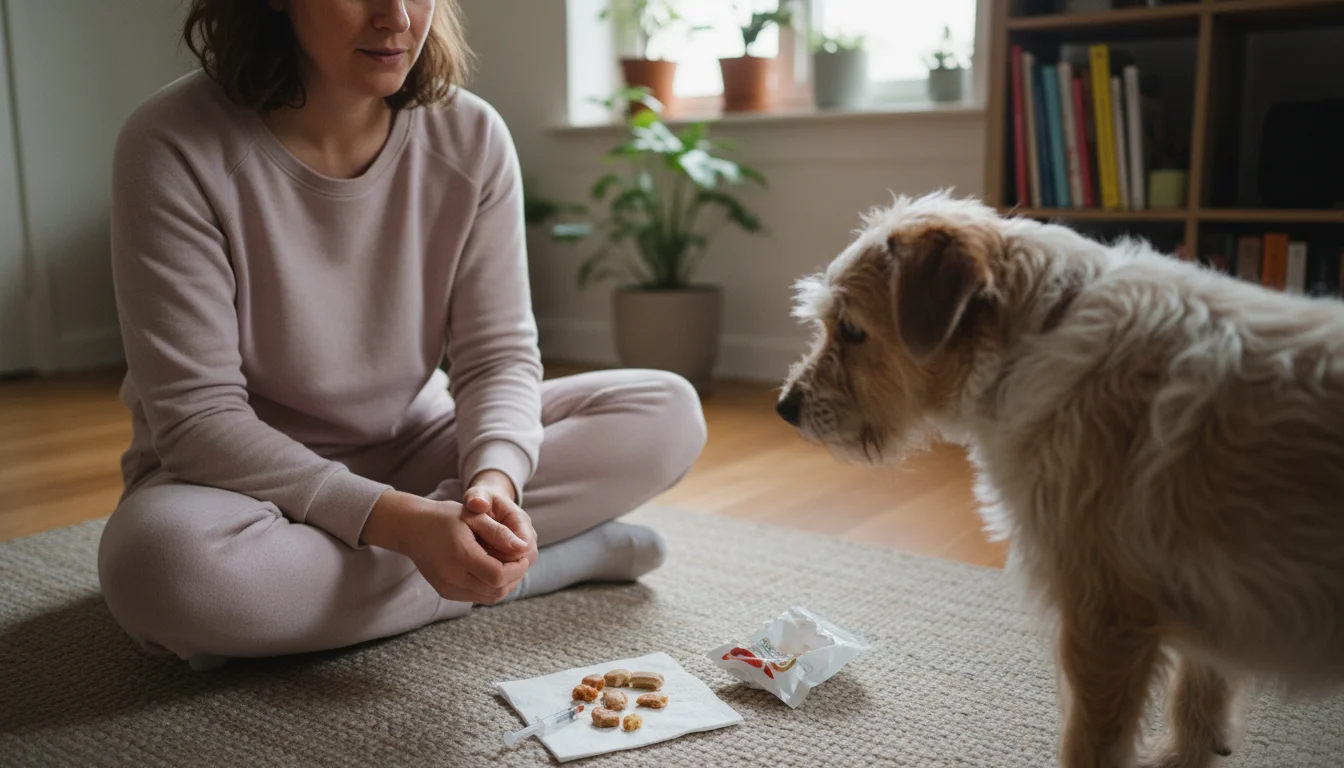
Troubleshooting Common Medication Administration Issues
Even with the best preparation, challenges arise. Knowing how to troubleshoot helps you stay calm and effective.
Your Dog Spits Out the Pill
- Reason: The pill was not placed far enough back on the tongue, or your dog is highly adept at detection.
- Solution: Ensure you place the pill past the hump of the tongue. Try coating the pill in a small amount of butter or cream cheese to help it slide. Immediately after pilling, gently stroke their throat or blow on their nose to encourage swallowing. Follow with water or a high-value treat to ensure it goes down. If manual pilling consistently fails, explore pill pockets or compounding options.
Your Dog Refuses Food with Medication
- Reason: The medication has a strong, unpleasant taste or odor, or your dog is suspicious.
- Solution: Use a very small amount of highly palatable, aromatic food. Mix it extremely well. If the medication is bitter, a small amount of strong-smelling canned fish (in water, no oil) or liverwurst can sometimes mask it. If the problem persists, direct oral administration for pills or syringe feeding for liquids might be necessary. Consult your vet about flavored compounds.
Your Dog Licks Off Topical Medications
- Reason: The treated area is itchy, irritating, or tastes unusual.
- Solution: An Elizabethan collar (e-collar) or a recovery suit is often the only reliable solution. Leave it on for the time specified by your vet for absorption. Distract your dog with a long-lasting chew or puzzle toy immediately after application to divert their attention from the treated area.
You Missed a Dose
- Reason: Forgetfulness, scheduling conflict, or inability to administer.
- Solution: Contact your veterinarian immediately. Do not “double up” on doses without specific veterinary instruction. Your vet will advise you on whether to give the missed dose, skip it, or adjust the schedule. The action depends on the medication type, its half-life, and the condition being treated.
Your Dog Becomes Aggressive or Extremely Anxious
- Reason: Fear, pain from the underlying condition, or a negative past experience.
- Solution: Stop immediately. Forcing medication can damage your relationship with your dog and cause injury to both of you. Contact your vet. They may prescribe anti-anxiety medication for administration, demonstrate alternative techniques, or recommend a veterinary behaviorist.
When to Consult Your Veterinarian
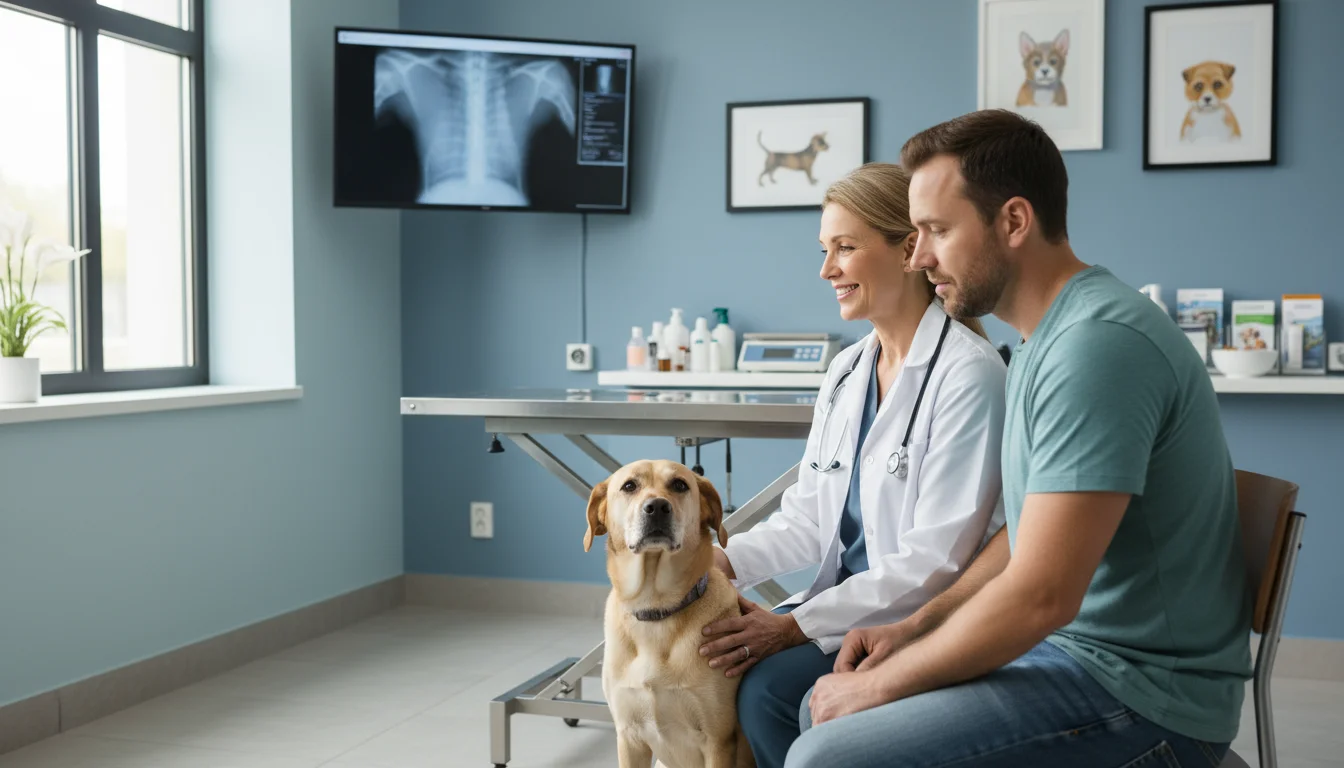
Your veterinarian is your primary resource for all aspects of your dog’s health, including medication administration. Do not hesitate to reach out if you encounter difficulties or concerns.
Reasons to Contact Your Vet:
- Inability to administer medication: If you consistently cannot give your dog their medication, your vet can offer demonstrations, suggest alternative formulations, or discuss professional administration options.
- Signs of adverse reactions: If your dog develops vomiting, diarrhea, lethargy, loss of appetite, skin rashes, or any unusual symptoms after starting medication, contact your vet immediately.
- Worsening condition: If your dog’s underlying condition does not improve, or if symptoms worsen while on medication, seek veterinary advice.
- Missed doses: Always call your vet if you miss a dose to determine the best course of action.
- Concerns about dosage: If you are unsure about the correct dosage or frequency, double-check with your vet.
- Behavioral changes: If medication administration is causing severe stress, anxiety, or aggression in your dog, your vet can provide solutions.
Timely communication with your veterinary team ensures your dog receives appropriate and safe care. As emphasized by the American Veterinary Medical Association (AVMA), maintaining open communication with your veterinarian is vital for your pet’s health and well-being.
Frequently Asked Questions
Is it safe to crush my dog’s pills and mix them with food?
Only crush pills if your veterinarian explicitly instructs you to do so. Some pills are extended-release, enteric-coated, or have a taste that becomes much worse when crushed. Crushing these can alter their effectiveness, make them dangerous, or make them even more unpalatable. Always ask your vet first.
What if my dog gags or vomits the medication?
If your dog gags or immediately vomits the medication, contact your veterinarian. Do not administer another dose without their guidance. They can advise you on whether to retry, adjust the method, or if it indicates an adverse reaction to the medication itself.
How can I make medication time less stressful for my anxious dog?
Create a positive routine. Always follow medication with a highly desirable treat, playtime, or a walk. Use a calm, reassuring voice. Practice desensitization by handling your dog’s mouth or ears gently and rewarding them, even when not medicating. For severely anxious dogs, discuss anti-anxiety medications or behavioral strategies with your vet.
Can I use human pain relievers for my dog if they are in pain?
Never give your dog human pain relievers or any human medication without specific instructions from your veterinarian. Many human medications, even common ones like ibuprofen or acetaminophen, are highly toxic to dogs and can cause severe illness or death. Always use only medications prescribed for your dog by a licensed vet.
My dog hides when it is time for medication. What should I do?
Your dog associates medication time with something unpleasant. Rebuild positive associations. Try calling them to a specific “medication spot” with happy tones and give them a treat *before* you even bring out the medicine. Only after they are comfortable in that spot should you introduce the medicine. If they are very fearful, practice desensitization and counter-conditioning as described earlier. You might also need to enlist another person to help gently guide them to the spot.
Administering medication to your dog is a fundamental aspect of responsible pet ownership, directly impacting their health and quality of life. While challenges arise, adopting a calm, consistent approach, employing positive reinforcement, and utilizing the right techniques significantly improves the experience for both you and your beloved companion. Remember, your veterinarian remains your best resource. Do not hesitate to seek their guidance for any concerns or difficulties. With patience and practice, you can confidently ensure your dog receives the vital medications they need to thrive.
For expert pet care guidance, visit
Association of Professional Dog Trainers (APDT), Certification Council for Professional Dog Trainers (CCPDT) and International Association of Animal Behavior Consultants (IAABC).
Disclaimer: This article is for informational purposes only and is not a substitute for professional veterinary advice, diagnosis, or treatment. Always consult with a licensed veterinarian for medical concerns about your pet.
Consistency is particularly critical for senior pet health, as older dogs frequently require long-term medication for chronic conditions.
Leave a Reply