

Bringing a new pet home is an exciting time, filled with joy and new responsibilities. One of the most crucial steps in responsible pet care is ensuring your furry, scaly, or feathered companion receives proper veterinary attention. Your pet’s first vet visit establishes a baseline for their overall pet health and sets the foundation for a lifetime of wellness. Preparing effectively makes this initial experience positive for both you and your pet.
If you are starting this journey with a young canine, following a guide for puppy care during their first 30 days can help you stay organized.
Before you head out, ensure you have taken the time to choose a veterinarian you can trust to manage your pet’s long-term care.
This comprehensive guide will walk you through everything you need to know about how to prepare for your pet’s first vet visit, offering practical pet tips and actionable advice to ensure a smooth, stress-free experience. We cover what to bring, how to help your pet feel comfortable, and what important health discussions you will have with your veterinarian.

Why Your Pet’s First Vet Visit Matters
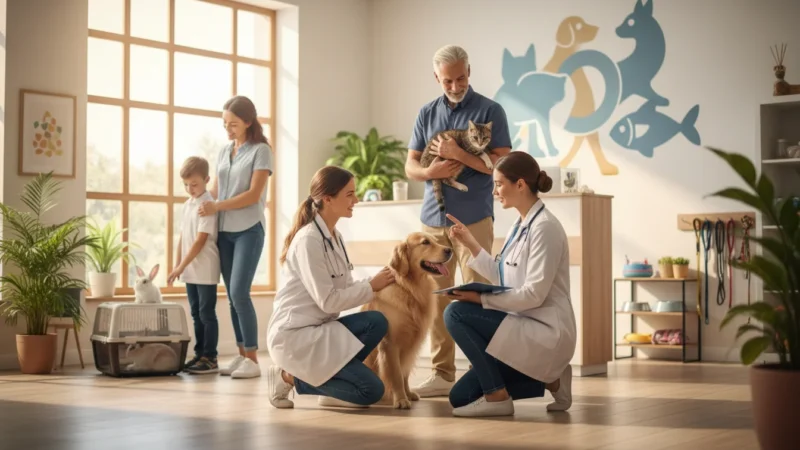
Your pet’s first visit to the veterinarian is more than just an introduction. It is a critical initial step in managing their health throughout their life. This visit allows your veterinarian to assess your pet’s current health status, identify any immediate concerns, and establish a personalized preventive care plan. For puppies and kittens, this often includes their initial vaccination series and deworming. For adopted adult pets, it provides an opportunity to review their history, identify any underlying issues, and begin a new health journey with a comprehensive check-up.
Establishing a strong relationship with your veterinary team early on offers invaluable benefits. It creates a comfort level for your pet with the clinic environment and familiarizes you with the resources available. Regular veterinary check-ups, starting with this first visit, are crucial for early detection of potential health problems, which often leads to more effective and less costly treatments. According to the American Veterinary Medical Association (AVMA), routine preventive veterinary care is fundamental to maintaining your pet’s health and well-being, helping them live longer, healthier lives.
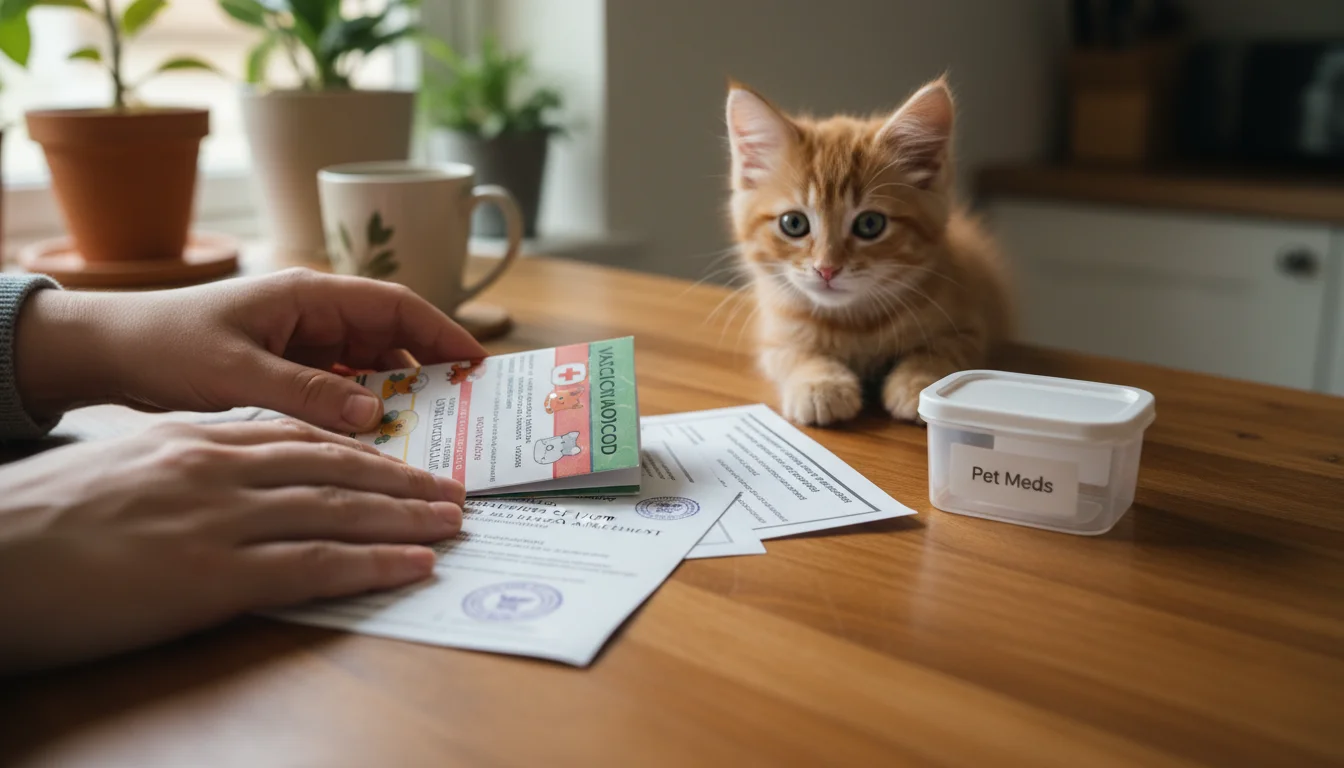
Gathering Essential Information and Documents
Arrive prepared with all necessary information and documents to make the check-in process smoother and ensure your veterinarian has a complete picture of your pet’s background. This proactive approach saves time and contributes to a thorough examination.
If you are adopting an older dog or cat, you may want to research senior pet health to understand their specific needs.
Here is a checklist of items to gather before you leave:
- Previous Medical Records: If you adopted your pet from a shelter, breeder, or rescue, bring any vaccination records, deworming history, or spay/neuter certificates. These documents provide vital information about treatments already received.
- Adoption Papers/Proof of Ownership: These confirm your pet’s background and can be important for registration or insurance purposes.
- A Fresh Stool Sample: Your vet will likely perform a fecal analysis to check for intestinal parasites, which are common in puppies, kittens, and newly adopted animals. Collect a small, fresh sample (within 12 hours) in a clean, sealed container.
- Your Pet’s Current Diet: Bring the packaging or a detailed list of what your pet eats, including brand, type (wet, dry, raw), treats, and any supplements. This helps the vet assess their nutritional intake.
- List of Questions/Concerns: Write down any questions you have about your pet’s behavior, diet, training, or health concerns. It is easy to forget things in the moment.
- Details of Any Medications or Supplements: Include names, dosages, and frequency if your pet is currently receiving any.
- Your Pet’s Birthdate or Estimated Age: This helps the vet determine appropriate life-stage care.

Preparing Your Pet for a Positive Experience
The goal is to make the vet visit as positive and stress-free as possible. Many pets experience anxiety in new environments, but you can take steps to reduce their apprehension. These pet tips focus on positive reinforcement and gradual desensitization.
Building positive associations with the car now will make it much easier to plan a pet-friendly road trip in the future.
For Cats and Small Animals (e.g., Rabbits, Guinea Pigs):
Carrier Training: Begin conditioning your pet to their carrier well before the appointment. Leave the carrier open in a living area with soft bedding and treats inside. Encourage your pet to enter voluntarily. Feed meals near or inside the carrier. For the car ride, place a blanket over the carrier to create a den-like feel, reducing visual stimulation. Research from Fear Free Pets emphasizes the importance of positive association with carriers to reduce vet visit stress.
Car Ride Practice: Once comfortable with the carrier, take short, positive car rides. Start with just sitting in the car, then short trips around the block, gradually increasing duration. Offer treats and praise throughout the process.
For Dogs:
Car Rides: Just like with cats, practice short, positive car rides. Use a seatbelt harness or a secure crate for safety. Reward calm behavior with treats and praise.
Practice Handling: Gently touch your dog’s paws, ears, mouth, and tail regularly at home. This mimics the examination your vet will perform and helps your dog become accustomed to being handled. Pair these touches with treats and praise.
Socialization: If your dog is a puppy, exposure to various sights, sounds, and people in a positive way helps build confidence. However, avoid dog parks or areas with high canine traffic before they are fully vaccinated. The vet clinic exposes them to new smells and sounds, so any positive prior experiences with newness will help.
Exercise Before the Visit: A tired pet is often a calmer pet. Take your dog for a walk or engage in a play session before the appointment to burn off excess energy.
Familiar Items: Bring your pet’s favorite toy or blanket. The scent of home can provide comfort in an unfamiliar environment.
Treats: Pack plenty of high-value treats to reward calm behavior throughout the entire process, from getting into the car to the examination itself.
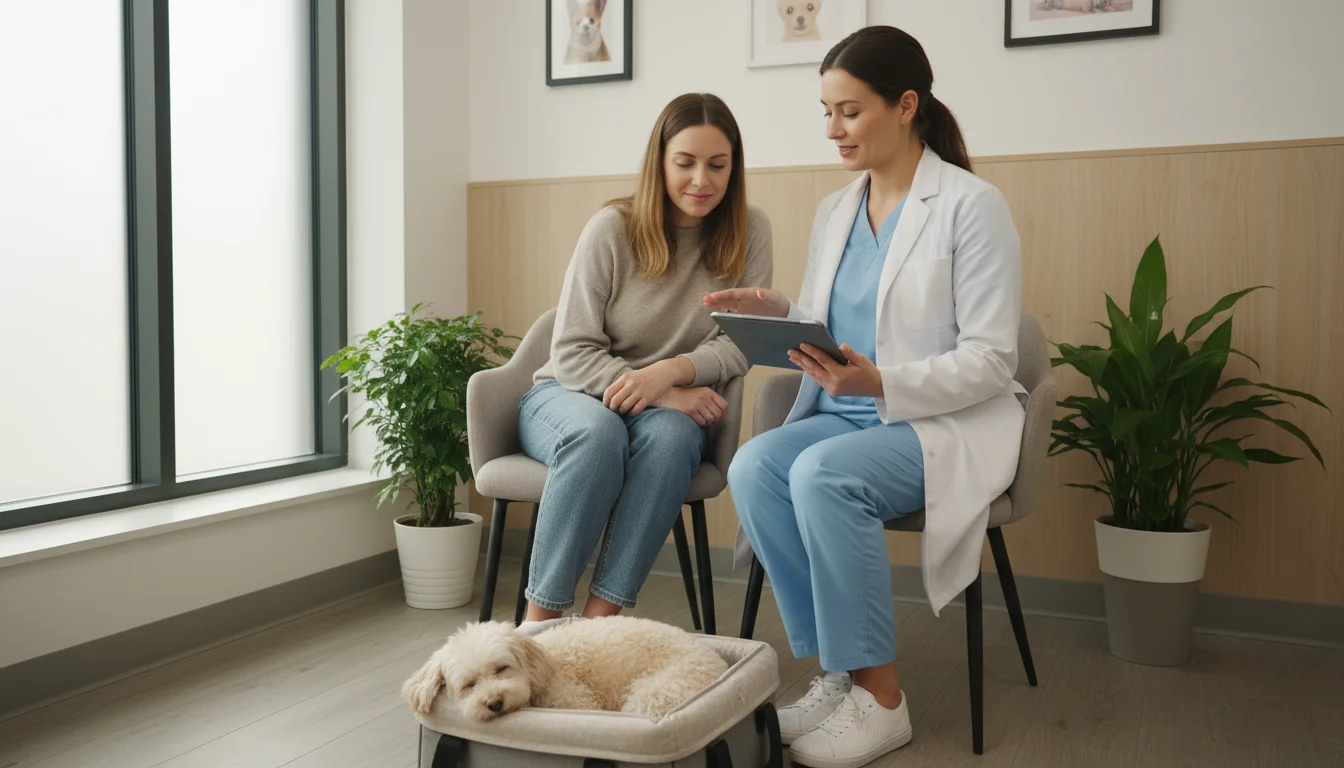
What to Expect During the Visit
Your first vet visit typically includes a comprehensive physical examination, a discussion of your pet’s history, and planning for preventive care. Understanding the flow helps you stay relaxed, which in turn helps your pet.
Learning how to check your pet’s vital signs at home is also a great skill for proactive owners to develop.
The Examination:
Your veterinarian will perform a head-to-tail examination. This involves:
- Eyes, Ears, and Nose: Checking for discharge, redness, or signs of infection.
- Mouth and Teeth: Inspecting gums, teeth, and tongue for signs of dental disease or abnormalities. Even young pets can have dental concerns.
- Skin and Coat: Looking for fleas, ticks, lumps, skin irritations, or unusual hair loss.
- Abdomen: Gently palpating the abdomen to check for pain, organ enlargement, or masses.
- Legs and Paws: Assessing mobility, looking for injuries, and checking paw pads.
- Heart and Lungs: Listening with a stethoscope for murmurs, abnormal rhythms, or breathing difficulties.
- Temperature: Taking your pet’s temperature.
- Weight: Your pet will be weighed to monitor growth or track weight management goals.
Discussion with the Vet:
Be prepared to discuss your pet’s lifestyle, environment, and any behavioral observations. The vet will ask about:
- Diet: What your pet eats, how much, and how often.
- Water Intake: How much water your pet drinks daily.
- Urination and Defecation Habits: Frequency, consistency, and any changes.
- Energy Levels and Activity: How active your pet is and if there are any changes in their playfulness.
- Behavioral Concerns: Any issues like aggression, excessive barking/meowing, inappropriate urination, or anxiety.
- Environment: Whether your pet spends time outdoors, has access to other animals, or lives with children.

Understanding Preventive Care Protocols
Preventive care is the cornerstone of pet health, aiming to stop diseases before they start or catch them early. Your first vet visit will lay out a tailored preventive plan for your pet.
Your vet will help you understand the essential vaccinations for dogs to ensure your new friend is protected from common diseases.
Vaccinations:
Vaccinations protect your pet from common, often serious, infectious diseases. The specific schedule and vaccines depend on your pet’s species, age, lifestyle, and geographical location. Core vaccines are universally recommended. Non-core vaccines are given based on individual risk factors.
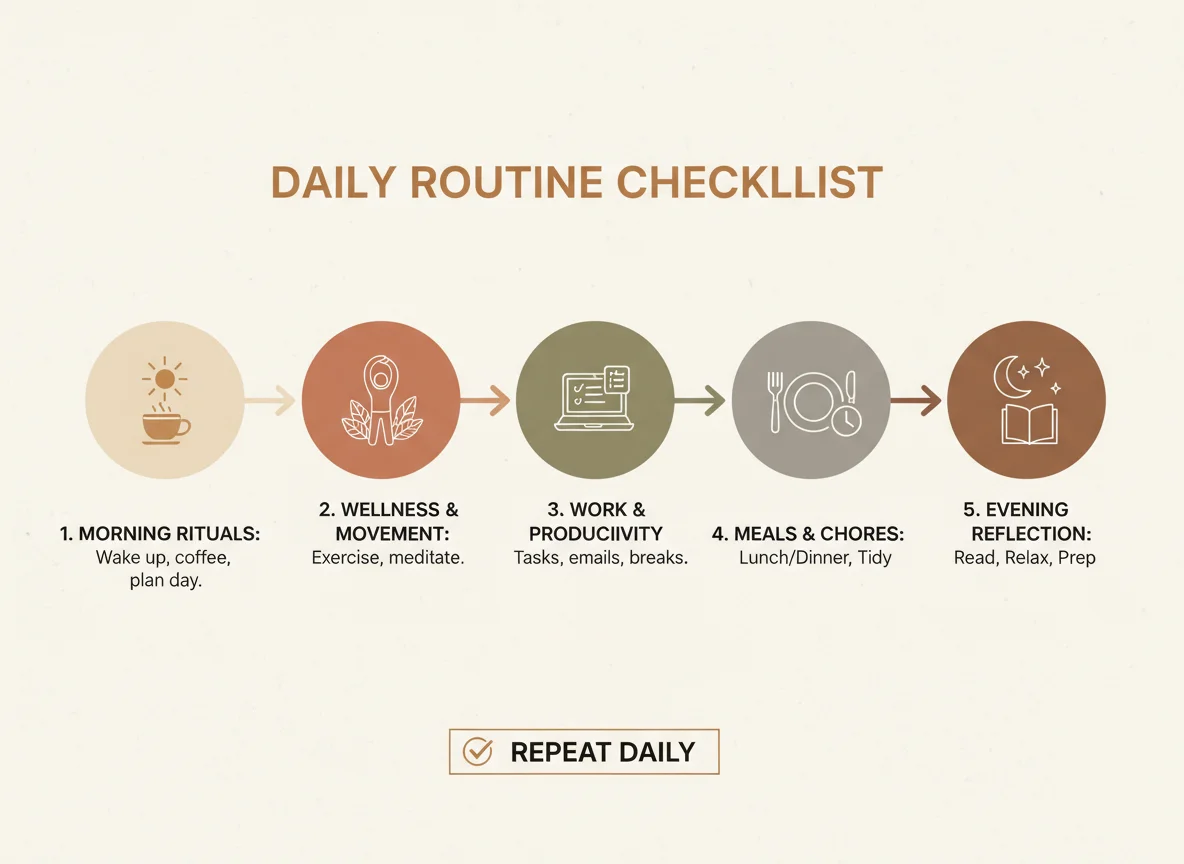
For puppies and kittens, a series of vaccinations is necessary to build immunity, typically given every 3-4 weeks until they are around 16 weeks old. Adult pets usually require annual or triennial boosters. Your veterinarian will explain which vaccines are essential for your pet, such as distemper, parvovirus, adenovirus, and rabies for dogs, and feline panleukopenia, herpesvirus, calicivirus, and rabies for cats. For more detailed guidance, refer to vaccination guidelines from reputable sources like the American Animal Hospital Association (AAHA).
Parasite Prevention:
Parasites pose significant health risks to pets. Your vet will discuss year-round prevention for:
- Fleas and Ticks: These external parasites cause discomfort, skin issues, and can transmit diseases like Lyme disease or tapeworms. Various topical, oral, or collar options exist.
- Heartworm: Transmitted by mosquitoes, heartworm disease is a serious and potentially fatal condition. Monthly preventive medication is crucial, especially in endemic areas.
- Intestinal Worms: Roundworms, hookworms, whipworms, and tapeworms can cause digestive issues, nutrient deficiencies, and can even be zoonotic (transmittable to humans). Regular deworming, especially for young pets, and annual fecal exams are key.
Microchipping:
A microchip is a tiny device implanted under your pet’s skin, typically between the shoulder blades. It contains a unique identification number linked to your contact information. If your pet ever gets lost, shelters and vet clinics can scan for the chip, significantly increasing the chances of a happy reunion. This simple procedure is a vital part of responsible pet care and often done during a routine visit.
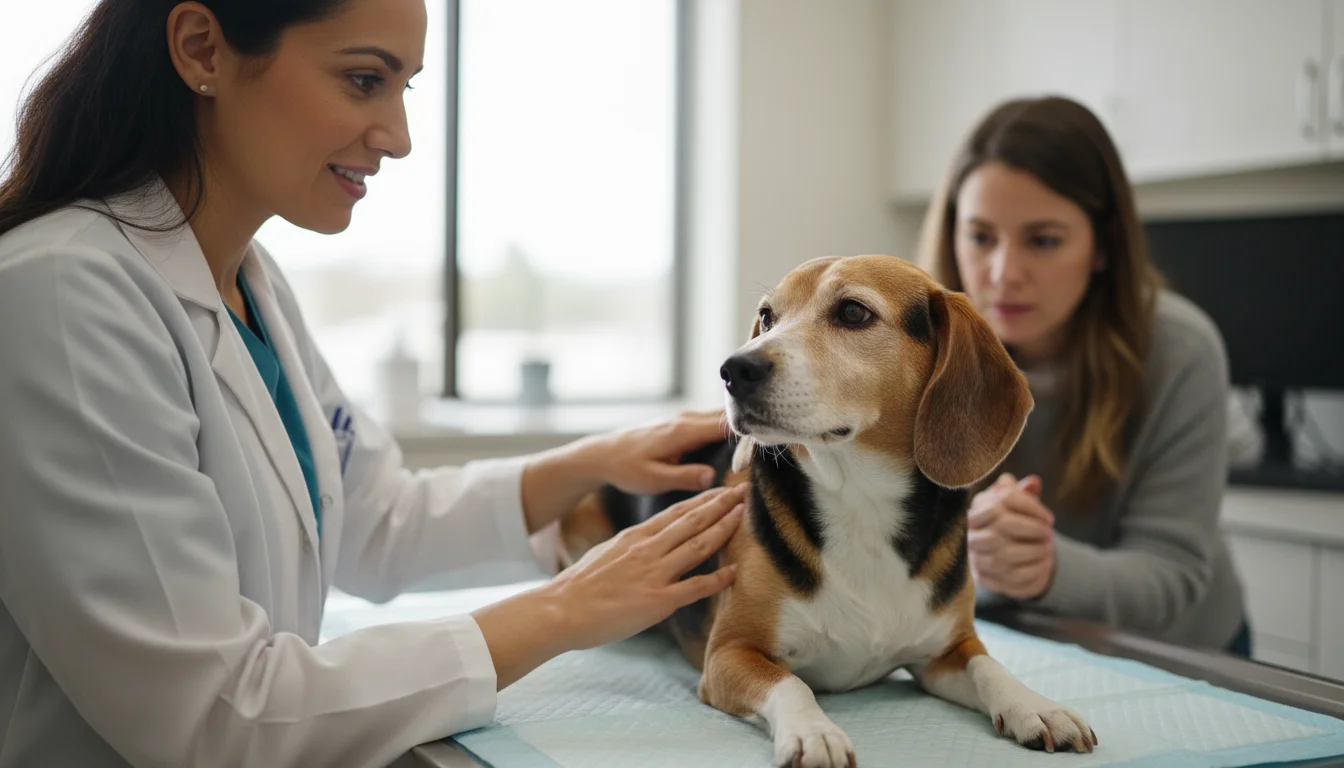
Nutrition and Wellness Discussions
Proper nutrition is fundamental to your pet’s overall pet health. Your first vet visit is the perfect time to discuss diet, weight management, and dental care. Each aspect contributes significantly to your pet’s longevity and quality of life.
Life Stage Feeding and Special Diets:
What you feed your pet directly impacts their growth, energy levels, and disease prevention. Your veterinarian will recommend appropriate food based on your pet’s species, breed, age, activity level, and any existing health conditions.
- Puppy/Kitten Diets: These foods are formulated to support rapid growth and development with higher protein and fat content.
- Adult Diets: Designed for maintenance, providing balanced nutrients for a healthy adult life.
- Senior Diets: Often contain ingredients to support joint health, cognitive function, and kidney health for aging pets.
- Special Diets: If your pet has allergies, sensitivities, or specific medical conditions (e.g., kidney disease, diabetes), your vet may recommend a therapeutic diet. Always consult your vet before making significant dietary changes.
Weight Management:
Obesity is a widespread issue among pets and leads to numerous health problems, including diabetes, arthritis, heart disease, and a shortened lifespan. Your vet will assess your pet’s body condition score and discuss ideal weight goals. They can provide guidance on portion control, appropriate treats, and exercise routines. Even a small amount of excess weight can impact your pet’s health significantly.
Dental Health:
Dental disease is one of the most common health problems in pets, affecting over 80% of dogs and 70% of cats by age three. During the first visit, your vet will examine your pet’s teeth and gums and discuss a proactive dental care plan.
- Brushing Techniques: Your vet or a veterinary technician can demonstrate how to brush your pet’s teeth using pet-specific toothpaste and brushes. Daily brushing is the gold standard for preventing plaque and tartar buildup.
- Dental Chews and Diets: Certain dental chews and prescription diets are formulated to help reduce plaque and tartar. Look for products approved by the Veterinary Oral Health Council (VOHC).
- Signs of Dental Disease: Learn to recognize symptoms such as bad breath, red or swollen gums, yellow or brown tartar on teeth, reluctance to eat, pawing at the mouth, or excessive drooling. If you observe these, schedule a follow-up.
- Professional Cleanings: Your vet will advise when a professional dental cleaning under anesthesia might be necessary to remove built-up tartar and address any underlying issues.

Setting Up for Future Vet Success
The first vet visit is just the beginning. Planning for ongoing care ensures your pet continues to thrive. Discuss follow-up care, emergency preparedness, and medication administration with your vet.
Follow-up Appointments:
Depending on your pet’s age and initial health, your vet may recommend follow-up visits for booster vaccinations, further diagnostic tests, or to monitor a specific condition. Adhering to these schedules is vital for building and maintaining strong immunity and catching potential issues early. For puppies and kittens, expect several visits over the first few months. Adult pets typically need annual wellness exams.
Medication Administration:
Sometimes pets need medication, whether it is for parasite prevention, an acute illness, or a chronic condition. Discuss with your vet the easiest ways to administer pills, liquids, or topical treatments. They can offer practical pet tips, such as hiding pills in treats, using a pill popper, or making the experience positive with rewards. Consistent compliance with medication is critical for effective treatment.
First Aid and Emergency Preparedness:
While we hope for smooth sailing, emergencies can happen. Discuss basic first aid principles with your vet. Knowing how to handle minor injuries or what constitutes an emergency empowers you to act quickly.
- Emergency Contacts: Keep your vet’s emergency number, the number for the nearest 24-hour emergency veterinary clinic, and the Pet Poison Helpline readily accessible.
- Pet Safety Kit: Assemble a basic first aid kit for your pet, including items like sterile gauze pads, antiseptic wipes, pet-safe adhesive tape, blunt-tipped scissors, and a digital thermometer. Your vet can provide guidance on specific contents.
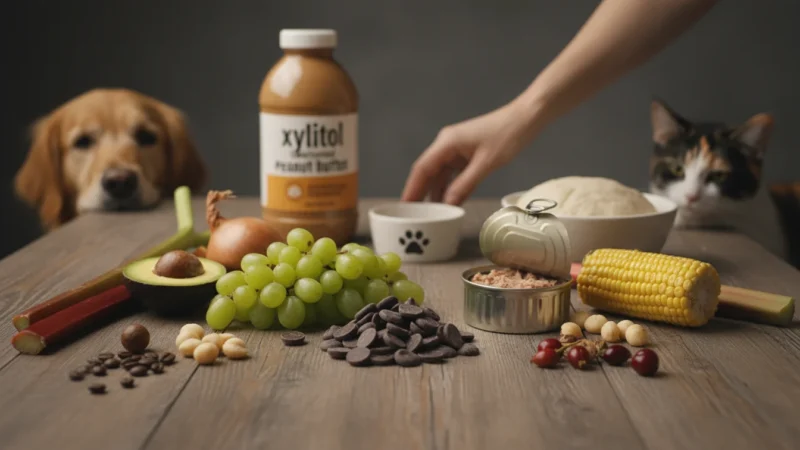
- Pet Proofing Your Home: Review common household hazards with your vet. Many common foods, plants, and household chemicals are toxic to pets. Take steps to secure these items.

Frequently Asked Questions
Can I bring my other pet to the first vet visit for my new pet?
It is generally best to bring only the pet scheduled for the appointment. This allows your new pet to receive your full attention and minimizes potential stress or distractions for all animals in the waiting room. However, if your existing pet is particularly anxious or has separation anxiety, consult your vet beforehand. Some clinics might allow well-behaved, calm pets to wait in the car during the appointment if it helps reduce anxiety for the owner.
How much does a first vet visit usually cost?
The cost varies significantly based on your location, the type of pet, and what services are rendered. A basic examination fee might range from $40 to $80. Vaccinations, deworming, fecal tests, microchipping, and any prescribed medications add to the total. For puppies and kittens, the initial series of visits can be more expensive due to multiple vaccinations and tests. Always ask your clinic for an estimate of services before your appointment so you know what to expect. Many clinics offer puppy or kitten packages that combine these services at a reduced rate.
What if my pet is extremely scared at the vet?
Inform the veterinary staff immediately upon arrival if your pet is showing signs of extreme fear, anxiety, or aggression. They can offer strategies like taking you directly into an exam room, providing a calming pheromone spray, or offering treats in a quiet area. For highly anxious pets, discussing “fear-free” techniques with your vet beforehand is beneficial. This might include pre-visit sedatives or alternative appointment times when the clinic is quieter. Positive reinforcement during the visit, with high-value treats and praise, also helps build positive associations.
How often should my pet visit the vet after the first appointment?
After their initial series of puppy or kitten visits, most adult pets require an annual wellness examination. Senior pets, typically those over seven years old, benefit from bi-annual (twice a year) check-ups to monitor for age-related conditions, which can progress quickly. Your veterinarian will create a customized schedule based on your pet’s age, breed, lifestyle, and overall health status.
For expert pet care guidance, visit
Rover — Pet Care Blog,
Preventive Vet and
American Veterinary Medical Association (AVMA).
Disclaimer: This article is for informational purposes only and is not a substitute for professional veterinary advice, diagnosis, or treatment. Always consult with a licensed veterinarian for medical concerns about your pet.






Leave a Reply