

You care deeply about your pet’s overall well-being, from their shiny coat to their happy tail wags. But what about their teeth and gums? Many pet owners overlook dental care, not realizing it plays a critical role in their pet’s long-term health. Periodontal disease, a common ailment affecting companion animals, can lead to much more than just bad breath. Neglecting your pet’s teeth can open the door to serious systemic issues, impacting their heart, kidneys, and liver. Understanding the importance of consistent dental care is one of the best pet health tips you can implement to ensure your furry friend lives a long, comfortable life.
If you are a new owner, preparing for your pet’s first vet visit is the perfect time to discuss a long-term dental strategy.

Understanding Pet Dental Disease: Beyond Bad Breath
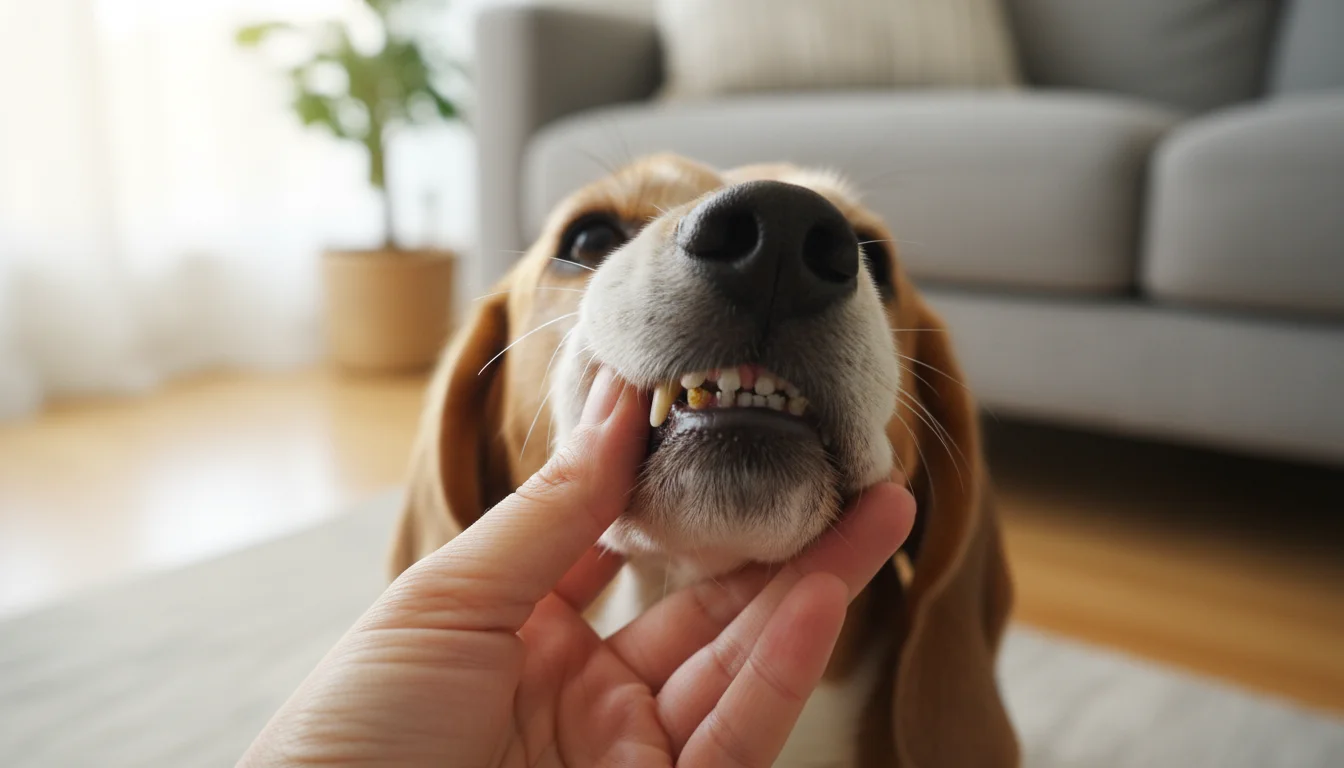
Just like humans, pets accumulate plaque and tartar on their teeth. Plaque is a sticky film of bacteria, food particles, and saliva that forms constantly. If you do not remove plaque regularly, it hardens into tartar, a calcified substance that adheres firmly to the tooth surface. This accumulation is the initial stage of periodontal disease, a progressive condition affecting the structures supporting your pet’s teeth. While bad breath, or halitosis, is a common early indicator, the problem runs much deeper.
Just as you monitor their teeth, staying consistent with parasite prevention is essential for avoiding other common systemic health issues.
While dogs are frequently discussed, feline owners should consult a comprehensive cat dental care guide to understand their unique risks.
It is also worth noting that senior pet health often requires more frequent dental screenings as the risk of periodontal disease increases with age.
Periodontal disease progresses through several stages. Initially, plaque and tartar irritate the gums, leading to gingivitis. You will notice red, swollen, or bleeding gums, but the disease remains reversible at this point with proper cleaning. Without intervention, gingivitis advances to periodontitis. Here, the inflammation spreads below the gum line, affecting the bone and tissues that hold teeth in place. Pockets form between the gums and teeth, allowing more bacteria to accumulate and cause further damage. This stage is irreversible and can lead to tooth loss, pain, and systemic health complications.
Studies show that over 80% of dogs and 70% of cats show signs of oral disease by age three. This staggering statistic underscores the widespread nature of the problem, making pet dental health for pets one of the most critical aspects of overall pet health. Small breeds of dogs, such as Yorkshire Terriers, Chihuahuas, and Miniature Poodles, are particularly prone to early onset and severe dental disease due to crowded teeth and smaller mouth structures. Similarly, certain cat breeds can have predispositions, though all cats are susceptible. Understanding these fundamentals helps you recognize the silent threat that dental issues pose.

The Far-Reaching Impact of Poor Dental Health
You might think of dental problems as isolated to the mouth, but poor oral hygiene significantly impacts your pet’s overall health. The mouth is a gateway to the rest of the body, and the bacteria present in plaque and tartar do not stay confined to the oral cavity. When periodontal disease progresses, these bacteria can enter your pet’s bloodstream. This phenomenon, known as bacteremia, allows the bacteria to travel to major organs, including the heart, kidneys, and liver, potentially causing serious damage or worsening existing conditions.
Because advanced treatments for dental-related organ damage can be expensive, understanding pet insurance can help you prepare for the costs of professional care.
For example, bacterial infections originating in the mouth can lead to endocarditis, an inflammation of the heart’s inner lining. This condition can severely compromise heart function and shorten your pet’s life. Kidney and liver disease can also be exacerbated by persistent bacterial assault from the mouth, placing additional strain on these vital organs. Research published by the American Veterinary Medical Association (AVMA) consistently highlights the strong correlation between oral health and systemic diseases, emphasizing why comprehensive dental care is an integral part of your pet’s preventative health regimen.
Beyond internal organ damage, untreated dental disease causes chronic pain. Pets are masters at hiding pain, so you might not immediately recognize their discomfort. However, pain from infected gums, abscesses, or loose teeth can significantly reduce their quality of life. It can affect their appetite, leading to weight loss, and change their behavior, making them more irritable or withdrawn. Ensuring good dental care helps prevent this suffering and maintains your pet’s comfort and happiness, directly contributing to their overall quality of life and pet health.

Recognizing Signs Your Pet Needs Dental Attention
Identifying dental problems early allows for more effective and less invasive treatment. Because pets often hide their discomfort, you must remain vigilant for subtle changes. Pay close attention to these common indicators that your pet may be experiencing dental issues:
Familiarizing yourself with the specific signs your dog needs a dental checkup can help you act before minor issues become severe.
- Bad Breath (Halitosis): This is often the first noticeable sign. While some “doggy breath” is normal, a truly foul, strong odor indicates significant bacterial overgrowth and possible infection.
- Red, Swollen, or Bleeding Gums: Healthy gums are typically pink and firm. Redness, swelling, or bleeding, particularly when your pet eats or chews, points to gingivitis or more advanced periodontal disease.
- Yellow or Brown Tartar Buildup: A visible accumulation of tartar on the tooth surface, especially along the gum line, is a clear sign that professional dental cleaning is necessary.
- Difficulty Eating or Chewing: Your pet might show reluctance to eat hard food, drop food from their mouth, chew on one side, or vocalize pain while eating. This indicates discomfort.
- Drooling: Excessive drooling, sometimes with blood, can signal oral pain, infection, or growths in the mouth.
- Pawing at the Mouth or Face Rubbing: Pets experiencing pain may try to relieve it by pawing at their mouth or rubbing their face against furniture or the floor.
- Weight Loss or Loss of Appetite: If eating becomes too painful, your pet may eat less or stop altogether, leading to weight loss.
- Lethargy or Irritability: Chronic pain can make pets feel unwell and impact their mood, leading to decreased activity or increased grumpiness.
- Loose or Missing Teeth: In advanced stages, teeth may become loose, fall out, or fracture.
You should schedule a veterinary check-up immediately if you observe any of these signs. Early detection and intervention are crucial for managing dental disease effectively and preventing further complications. Your veterinarian can perform a thorough oral examination and recommend the best course of action for your pet’s specific needs, ensuring they receive the best pet health care.
At-Home Dental Care: Your Daily Routine
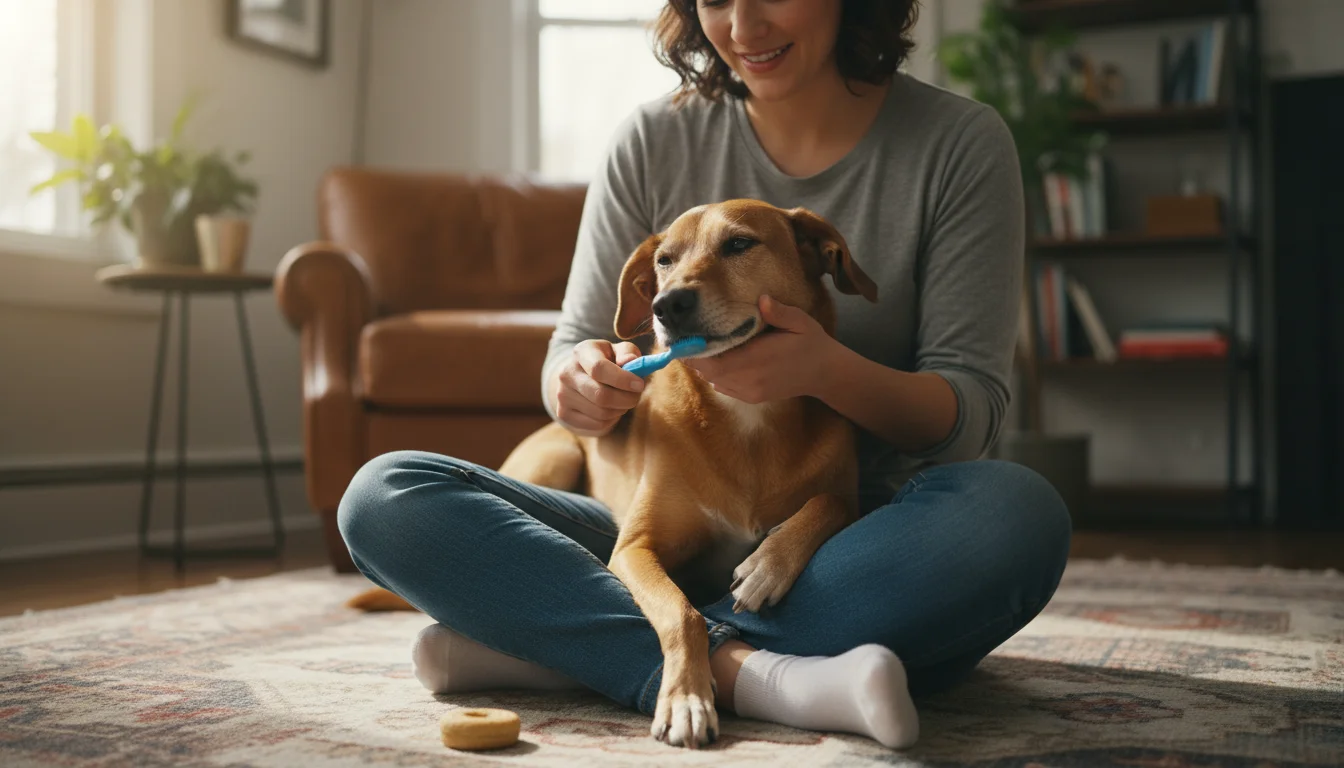
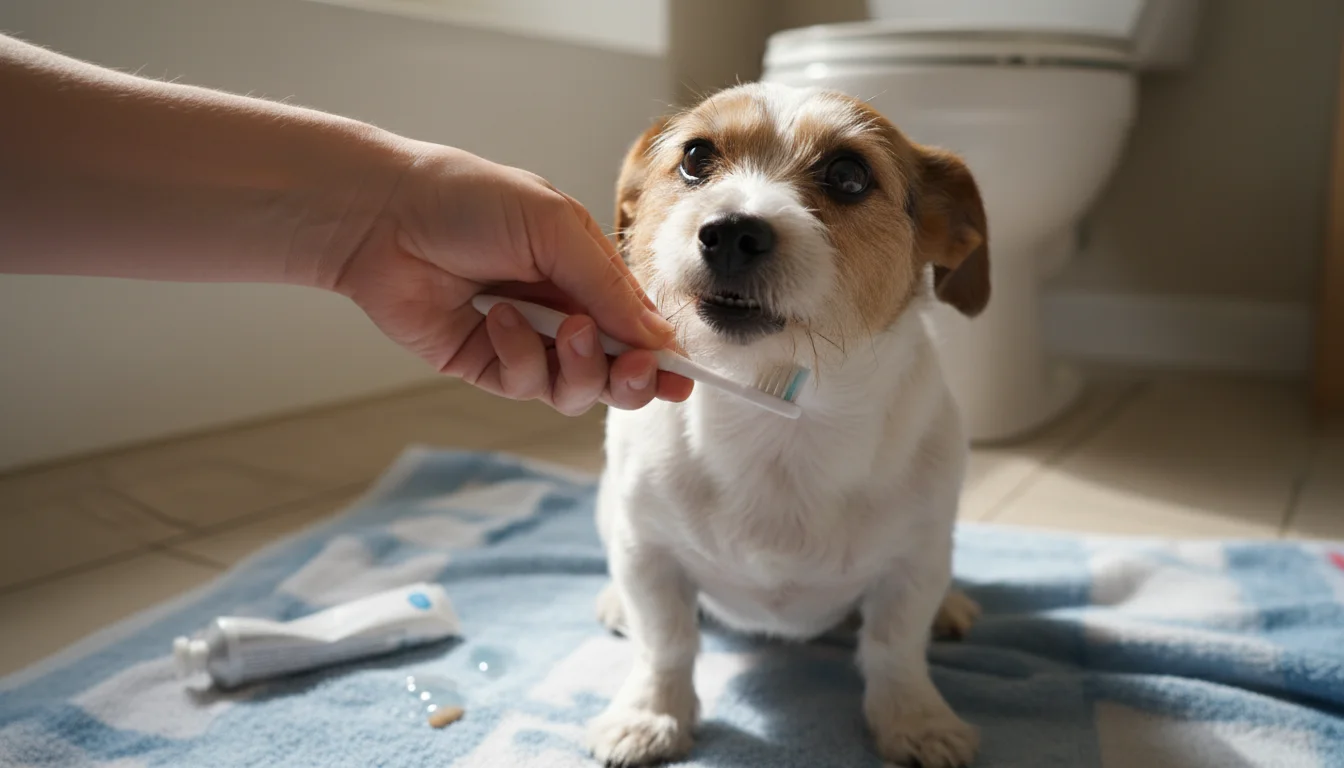
Just like brushing your own teeth, daily at-home dental care is the most effective way to prevent plaque and tartar buildup in your pet. It might seem daunting at first, but with patience and positive reinforcement, most pets can learn to tolerate or even enjoy brushing. Consistency is key to improving pet dental health for pets.
Brushing is a key part of maintenance, though you should also be aware of common dog grooming mistakes that might impact your pet’s overall hygiene and comfort.
If you find it challenging to manage feline oral hygiene, this step-by-step guide on how to brush your cat’s teeth offers practical tips for success.
Introducing Tooth Brushing
Start slowly and make it a positive experience:
- Gather Supplies: You will need a pet-specific toothbrush (designed for animal mouths) and pet-specific toothpaste. Never use human toothpaste, as it contains ingredients toxic to pets.
- Start Small: Begin by letting your pet lick a tiny amount of pet toothpaste from your finger. Praise them and make it a treat.
- Introduce Touch: Once they accept the toothpaste, gently rub a small amount on their gums and outer teeth with your finger for a few seconds. Do this for a few days, gradually increasing the duration.
- Introduce the Brush: Once your pet tolerates finger-brushing, introduce the toothbrush with a tiny amount of toothpaste. Focus on the outside surfaces of the upper teeth first, as this is where plaque tends to accumulate most.
- Gentle Brushing: Use small, circular motions, cleaning a few teeth at a time. Aim for 30 seconds to a minute on each side of the mouth, if possible. Focus on the gum line, where plaque accumulates.
- Positive Reinforcement: Always follow brushing with praise, a favorite toy, or a small treat. End on a good note, even if you only manage a few seconds.
The goal is to establish a routine. Aim for daily brushing. If daily is not feasible, commit to brushing at least three times a week. The American Animal Hospital Association (AAHA) emphasizes that regular home care significantly reduces the frequency of professional cleanings needed, contributing greatly to your pet’s long-term health.
Other At-Home Dental Aids
While brushing is the gold standard, other products can supplement your efforts:
- Dental Wipes: These provide a quick way to wipe away plaque from the tooth surface if brushing is not an option.
- Oral Rinses/Additives: Some veterinary-approved water additives or oral rinses can help reduce bacteria in the mouth. Choose products with the Veterinary Oral Health Council (VOHC) seal of acceptance.
- Dental Chews: Look for VOHC-accepted dental chews specifically designed to scrape away plaque as your pet chews. Ensure they are appropriate for your pet’s size and chewing style to prevent choking or tooth fractures.
Remember, these alternatives are supplemental and do not replace the mechanical action of brushing. They are best used in conjunction with a regular brushing routine to provide comprehensive dental care for your beloved companion.
Professional Dental Cleanings: A Crucial Step
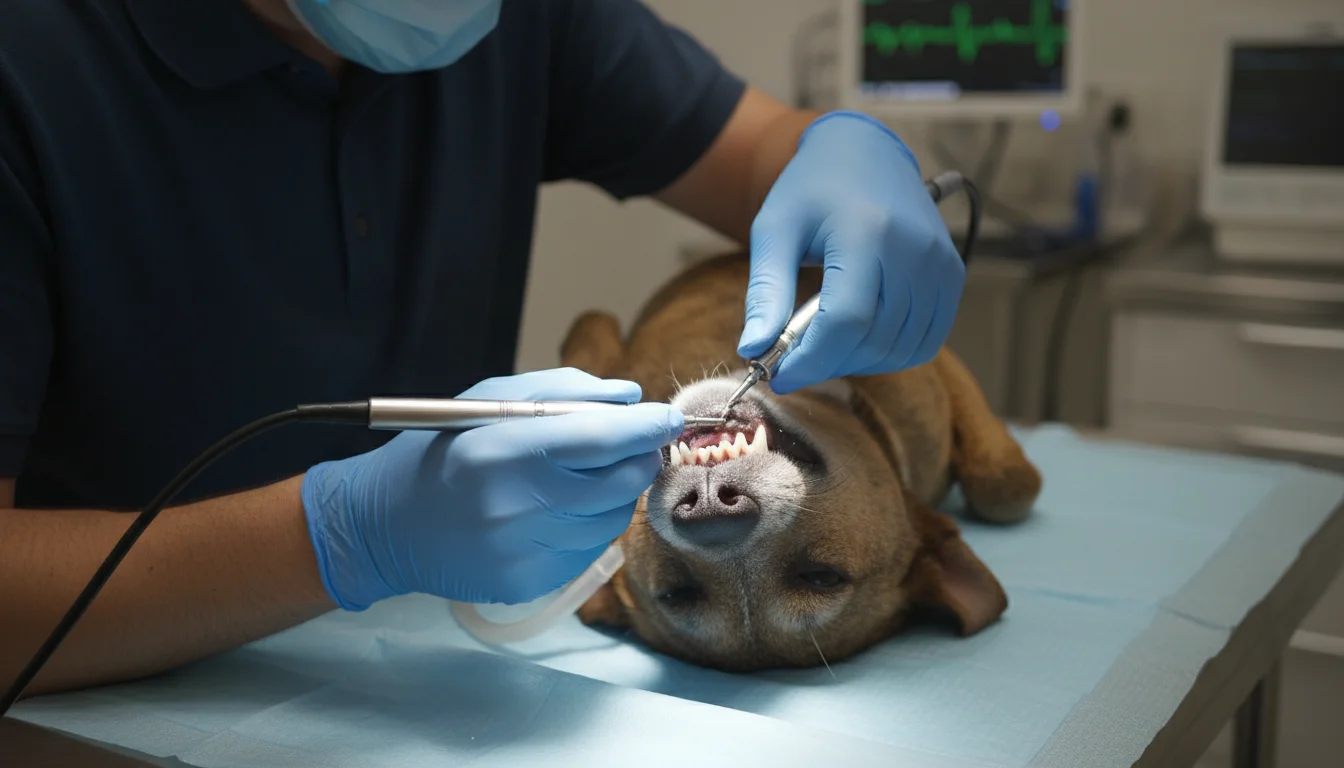
Even with diligent at-home care, professional dental cleanings remain an essential component of your pet’s dental health strategy. Over time, plaque inevitably hardens into tartar, which you cannot remove with a toothbrush alone. A professional cleaning performed by your veterinarian allows for a thorough removal of tartar, both above and below the gum line, and addresses deeper issues.
Because these procedures can be costly, understanding pet insurance can help you determine if dental cleanings or extractions are covered under your plan.
What Happens During a Professional Cleaning?
Veterinary dental cleanings are always performed under general anesthesia. This allows your veterinarian to:
- Thorough Oral Examination: A comprehensive exam of every tooth and the surrounding oral structures, impossible in an awake pet.
- Full-Mouth Dental X-rays: These images reveal problems hidden beneath the gum line, such as bone loss, abscesses, or unerupted teeth. Approximately 70% of dental disease exists below the gum line, making X-rays indispensable.
- Scaling: Using specialized ultrasonic and hand instruments, the veterinary team removes plaque and tartar from all tooth surfaces, including below the gum line.
- Polishing: After scaling, teeth are polished to smooth the surfaces, making it harder for plaque to adhere quickly.
- Fluoride Treatment: Some clinics apply fluoride to strengthen enamel and reduce tooth sensitivity.
- Extractions: If severe periodontal disease, fractures, or other irreversible damage is present, the veterinarian may extract affected teeth to eliminate sources of pain and infection.
Before anesthesia, your veterinarian will recommend pre-anesthetic blood work. This helps assess your pet’s organ function and ensures they are a good candidate for anesthesia, minimizing risks. While the thought of anesthesia can be concerning for pet owners, modern veterinary anesthetic protocols are very safe. Your pet’s vital signs are continuously monitored by trained staff throughout the procedure.
When Is a Professional Cleaning Necessary?
The frequency of professional cleanings varies based on your pet’s breed, age, genetics, diet, and at-home care routine. Many pets benefit from a professional cleaning every 1-3 years. However, some pets, especially smaller breeds prone to rapid tartar buildup, may need annual cleanings. Your veterinarian will assess your pet’s oral health during their annual wellness exams and recommend a schedule tailored to their individual needs. Prioritizing these cleanings significantly enhances their pet dental health for pets and contributes to their overall longevity.

Nutrition, Chews, and Toys for Dental Wellness
While brushing is paramount, diet and appropriate chew toys also play a supporting role in maintaining your pet’s oral health. You can make choices that actively help reduce plaque buildup and promote stronger teeth.
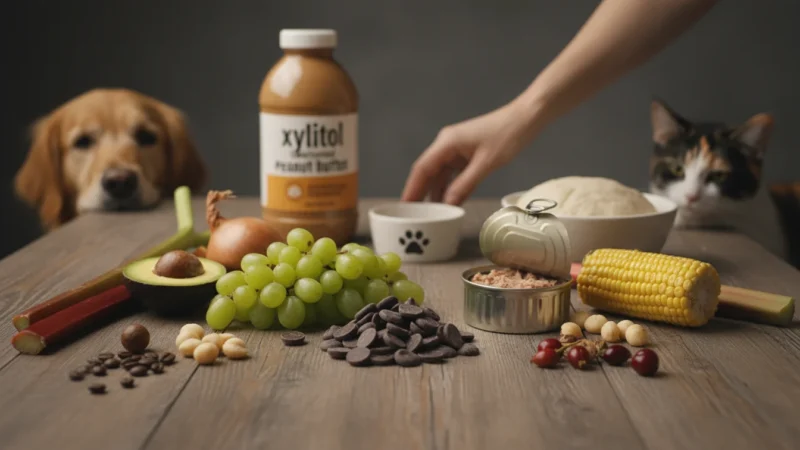
While choosing the right dental treats is important, always remember that certain human foods that are dangerous for pets should be kept far away from your companion.
Dental Diets
Some pet food brands formulate specific dental diets. These kibbles are often larger and have a unique texture that encourages pets to chew more thoroughly. The abrasive action helps to gently scrape away plaque from the tooth surface as your pet crunches. Look for diets that have received the VOHC seal of acceptance, indicating they meet standards for plaque and/or tartar control. These diets are not a substitute for brushing or professional cleanings, but they can be a beneficial part of a comprehensive dental care plan, especially for pets reluctant to have their teeth brushed.
Safe Dental Chews
Dental chews are another popular option, but choosing wisely is critical. Many products claim to clean teeth, but only those with the VOHC seal have scientific evidence to back up their claims. These chews typically contain ingredients or possess a texture designed to disrupt plaque or reduce tartar formation. Consider these factors when selecting dental chews:
- Size Appropriate: Always choose a chew appropriate for your pet’s size and breed to prevent choking.
- Hardness: Avoid chews that are too hard, such as natural bones, antlers, or nylon bones. These can fracture your pet’s teeth, leading to painful and costly emergency dental procedures. A good rule of thumb is if you cannot indent it with your thumbnail, it is too hard for your pet’s teeth.
- Supervision: Always supervise your pet while they are enjoying a dental chew to ensure their safety.
Good examples of safer dental chews include pliable rawhides (if digestible and VOHC-approved), vegetable-based chews, and certain dental treats designed to flex. According to experts at the ASPCA, incorporating safe and effective dental chews can be a helpful addition to a robust pet dental health strategy.
Interactive Chew Toys
Beyond specific dental chews, general chew toys also offer benefits. Toys made from durable rubber, such as Kongs or Nylabones (the softer, flexible varieties), can provide mental stimulation and allow pets to engage in natural chewing behavior. This can help strengthen jaw muscles and, to a lesser extent, help with some plaque removal. Ensure toys are free of small parts that could break off and be swallowed, and always choose toys that are too large to be a choking hazard for your pet. Remember, these are supplementary tools, not replacements for active dental care.
Special Considerations: Breed, Age, and Existing Conditions
Every pet is an individual, and their dental care needs can vary significantly based on their unique characteristics. Understanding these special considerations helps you tailor the best pet health tips for your companion.
Breed-Specific Tendencies
Certain breeds are predisposed to specific dental issues:
- Small Dog Breeds: As mentioned, breeds like Maltese, Shih Tzus, Chihuahuas, and Yorkshire Terriers often have crowded mouths, making them highly susceptible to early and severe periodontal disease. Their small jaws mean teeth are packed closely, creating more surfaces for plaque and tartar to accumulate. Their relatively long roots in small jaws can lead to bone loss more quickly. These breeds often require more frequent professional cleanings and diligent at-home care.
- Brachycephalic Breeds: Breeds with short, pushed-in faces, such as Pugs, Bulldogs, and Persian cats, often suffer from malocclusions (misaligned bites) and overcrowded teeth. This makes effective brushing challenging and increases the risk of food impaction and plaque buildup.
- Large Breed Dogs: While less prone to periodontal disease than small breeds, large dogs can be more susceptible to broken teeth from aggressive chewing on hard objects.
Age-Related Dental Health
A pet’s age significantly influences their dental health needs:
- Puppies and Kittens: Deciduous (baby) teeth erupt between 3-6 weeks of age. Retained deciduous teeth, where baby teeth do not fall out as permanent teeth erupt, are common, especially in small breeds. This can lead to malocclusion and early onset periodontal disease. Your veterinarian will check for retained teeth during puppy/kitten exams and may recommend extraction. Introducing gentle tooth brushing early, even before all permanent teeth erupt, familiarizes them with the process.
- Adult Pets: This is the prime time for preventative care. Consistent daily brushing, appropriate dental chews, and regular veterinary check-ups are crucial to prevent the progression of periodontal disease.
- Senior Pets: Older pets are more likely to have advanced periodontal disease, loose teeth, or tooth root abscesses. They may also have underlying health conditions that make anesthesia riskier. However, neglecting dental care in seniors can severely impact their quality of life. Your veterinarian will carefully assess their health before recommending anesthesia for a dental procedure. Many older pets benefit immensely from having painful teeth addressed, significantly improving their comfort and appetite.
Pets with Existing Health Conditions
If your pet has an existing health condition, particularly heart, kidney, or liver disease, dental care becomes even more critical. The inflammation and bacteria from periodontal disease can worsen these conditions. Your veterinarian will work with you to develop a safe dental plan, often involving pre-anesthetic diagnostics and carefully selected anesthetic protocols to minimize risks. Ignoring dental disease in these pets poses a greater risk than the anesthetic itself, as the chronic infection continues to spread throughout their system.
Addressing Common Challenges in Pet Dental Care
Implementing a consistent dental care routine can present challenges. You are not alone if you find it difficult to brush your pet’s teeth or afford professional cleanings. Here are practical strategies to overcome common hurdles:
My Pet Hates Tooth Brushing!
It takes time and patience. Do not give up after a few attempts. Revisit the introductory steps: start with just toothpaste on your finger, make sessions very short, and always end with a reward. If your pet consistently resists, consider these alternatives:
- Dental Wipes: Some pets tolerate a gentle wipe much better than a brush. While not as effective, it is better than nothing.
- Water Additives: VOHC-approved water additives can help reduce oral bacteria.
- Dental Diets and Chews: As discussed, these can provide some mechanical cleaning action and chemical plaque reduction.
Consistency in positive reinforcement is key. If your pet associates dental care with treats and praise, they are more likely to tolerate it over time. Never force the issue, as this can create a negative association and make future attempts even harder.
Cost of Professional Dental Cleanings
Professional dental cleanings can be a significant expense. If budget is a concern, consider these options:
- Pet Insurance: Many pet insurance policies cover a portion of professional dental cleanings, especially if they are deemed medically necessary. Some wellness plans offered by insurance companies include preventative dental care.
- Payment Plans: Many veterinary clinics offer payment plans or work with third-party financing options like CareCredit. Do not hesitate to discuss financial concerns with your veterinary team; they want to help your pet.
- Preventative Care: The most cost-effective approach is prevention. Consistent at-home dental care from a young age can reduce the frequency and complexity of professional cleanings, potentially saving money in the long run by preventing severe disease that requires multiple extractions. Regular wellness exams help catch issues early when treatment is less expensive.
Remember, the cost of treating advanced periodontal disease, including multiple extractions and managing secondary organ damage, often far outweighs the cost of preventative cleanings. Prioritizing best pet health practices, including dental care, helps mitigate future, more expensive problems.
Finding Time for Daily Care
Integrate dental care into an existing routine. For example, brush your pet’s teeth right before their evening meal or after their morning walk. Consistency is more important than duration. Even 30 seconds a day makes a difference. Preparing all your supplies beforehand makes the process quicker and less stressful for both you and your pet. Establishing these small habits significantly improves pet dental health for pets.

Frequently Asked Questions
Can I just scrape tartar off my pet’s teeth at home?
No, you should never attempt to scrape tartar off your pet’s teeth at home. Doing so can easily damage the enamel, push bacteria below the gum line, or cause serious injury to your pet’s mouth if they move unexpectedly. Only a trained veterinary professional can safely and effectively remove tartar, especially below the gum line, and identify underlying issues. This is why professional dental cleanings under anesthesia are crucial for comprehensive dental care.
My pet has bad breath, but my vet says their teeth look fine. What could be wrong?
While bad breath is a primary sign of dental disease, other conditions can also cause it. These include dietary factors, gastrointestinal issues, kidney disease, diabetes, or even foreign objects lodged in the mouth or throat. If your veterinarian has ruled out dental disease after a thorough examination, including potential X-rays, they will investigate these other potential causes to get to the root of the problem and address your pet’s overall health.
Are “anesthesia-free” dental cleanings safe and effective?
Many veterinary organizations, including the Cornell University College of Veterinary Medicine, advise against anesthesia-free dental cleanings. While they might seem appealing, these procedures are purely cosmetic. They only address the visible portion of the tooth above the gum line and do not allow for a thorough oral examination, X-rays, or subgingival (below the gum line) cleaning. The most significant portion of dental disease exists below the gum line, where it cannot be accessed without anesthesia. Attempting to clean an awake animal’s mouth also poses stress and injury risks to the pet and the handler. For true dental health, anesthesia is necessary to ensure a complete, safe, and effective procedure.
How can I make professional cleanings less stressful for my pet?
Many veterinary practices are incorporating Fear Free principles into their care. You can ask your veterinarian about techniques like pre-visit sedatives, calming pheromones, gentle handling, and comfortable recovery areas. Choosing a Fear Free certified practice can significantly reduce your pet’s stress associated with veterinary visits, including dental procedures. Making the experience as positive as possible contributes to their mental well-being alongside their physical pet health.
What if my pet is too old or has health issues for anesthesia?
This is a common concern. Your veterinarian will perform thorough pre-anesthetic blood work and a physical exam to assess your pet’s individual health risks. Advances in veterinary anesthesia and monitoring make procedures much safer for older or medically fragile pets. Often, the benefits of addressing painful dental disease far outweigh the small risks of anesthesia. Your vet can tailor the anesthetic protocol, use specific medications, and provide continuous monitoring to ensure the safest possible experience. Never assume your pet is “too old” without a full veterinary assessment; quality of life for senior pets often significantly improves after addressing oral pain.
Your commitment to your pet’s dental care is an investment in their overall health and happiness. By understanding the risks of dental disease, implementing consistent at-home care, and utilizing professional veterinary services, you provide your companion with the best possible pet health. Regular dental care is not just about fresh breath; it is a fundamental pillar of preventative pet health for pets, contributing to a longer, more comfortable, and joyful life together.
For expert pet care guidance, visit
PetMD, Vetstreet and Fear Free Pets.
Disclaimer: This article is for informational purposes only and is not a substitute for professional veterinary advice, diagnosis, or treatment. Always consult with a licensed veterinarian for medical concerns about your pet.








Leave a Reply