
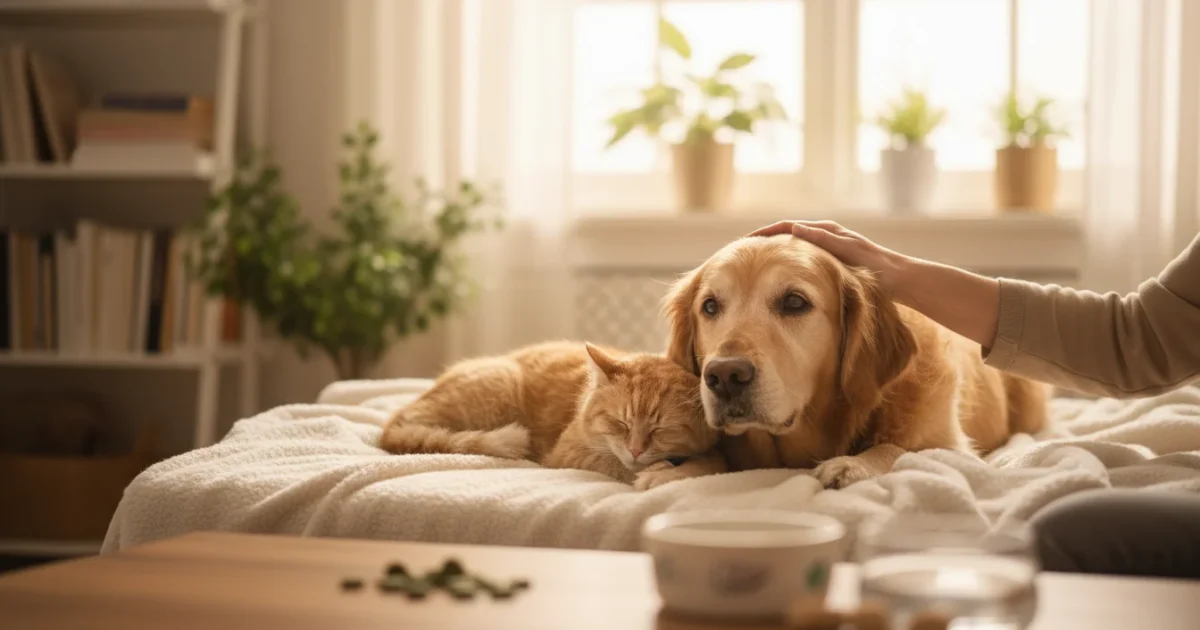
As your beloved companion enters their golden years, their needs change. Just like humans, senior pets experience a natural aging process that brings shifts in their physical and mental well-being. Recognizing these changes early allows you to provide the best possible care, ensuring their comfort, happiness, and continued good health. Your proactive approach to their senior pet health makes a significant difference.
For dog owners, learning how to adjust your routine for older pups is a key part of supporting them through these years.
This comprehensive guide helps you understand what to watch for as your pet ages, offering practical, actionable insights supported by veterinary science. We explore preventive care, common health conditions, nutrition, and environmental adaptations to help your senior pets thrive. Equipping yourself with the best pet health tips for this life stage empowers you to navigate these years with confidence and compassion.
Understanding Senior Pet Health
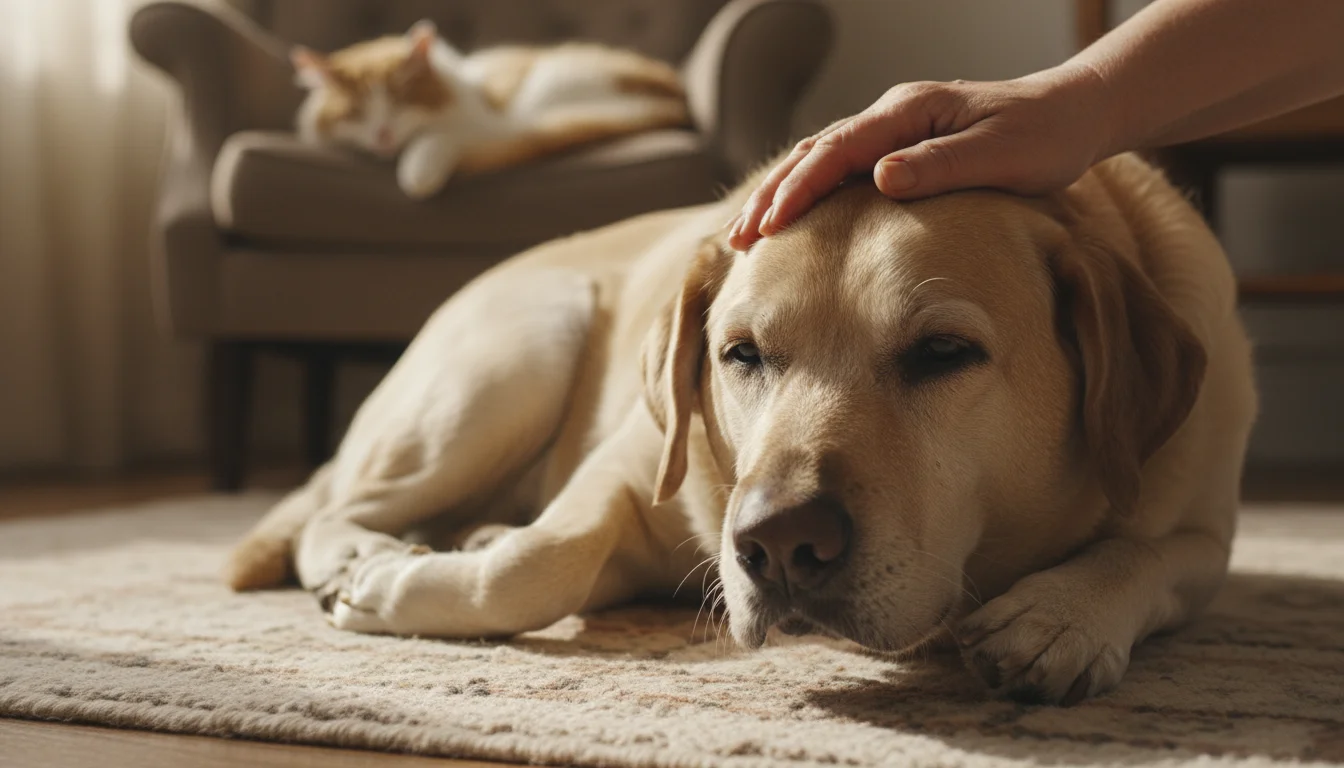
Defining “senior” varies across species and breeds, largely depending on their expected lifespan. Generally, smaller dog breeds may reach senior status around 10-12 years of age, while large and giant breeds often enter their senior years much earlier, sometimes around 5-7 years. Most cats are considered senior at about 7-10 years old. These benchmarks are guidelines, but observing your individual pet’s energy levels, behavior, and physical condition provides the best indicator.
Owners of aging felines should also be aware of common cat health issues and their warning signs that often emerge during the senior years.
As pets age, their bodies undergo various physiological changes. Their immune systems become less robust, organs like kidneys and liver may not function as efficiently, and joints can become arthritic. These natural processes increase their susceptibility to certain health conditions. Understanding these changes empowers you to anticipate potential issues and partner with your veterinarian to maintain optimal pet health.
Proactive care becomes essential for senior pets. Instead of waiting for obvious signs of illness, you actively monitor for subtle shifts that might indicate an underlying problem. Early detection of health issues often leads to more effective treatment and improved quality of life for your aging companion. This focus on preventive senior pet health can extend their healthy, active years significantly. Regular veterinary care, attentive home observation, and appropriate lifestyle adjustments are the cornerstones of supporting your senior pet through this life stage.
The Importance of Regular Veterinary Check-ups
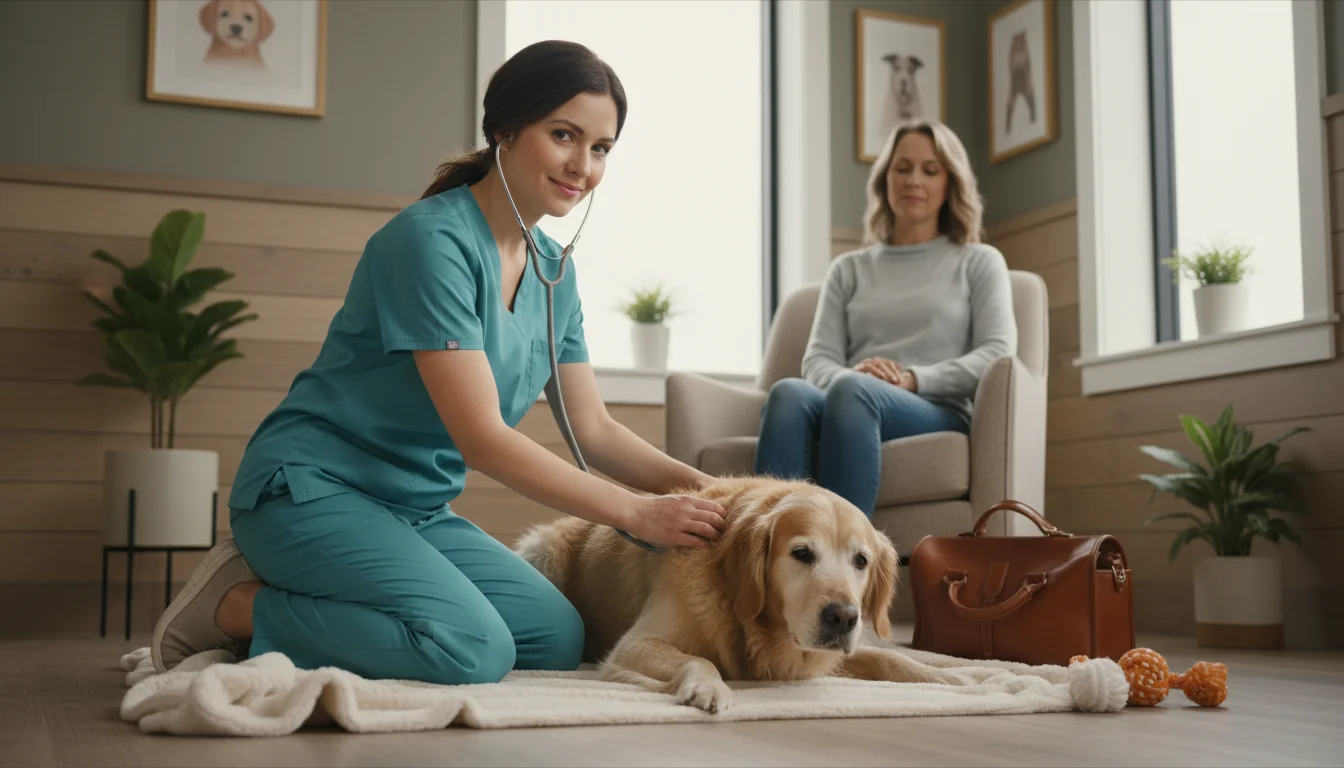
For senior pets, twice-yearly veterinary wellness exams become crucial. These comprehensive check-ups allow your veterinarian to establish a baseline for your pet’s health and detect any subtle changes that might go unnoticed at home. Many age-related conditions, such as kidney disease, heart disease, and thyroid issues, progress slowly and show minimal symptoms in their early stages. Regular screenings provide the best chance for early diagnosis and intervention. Building a trusting relationship with your veterinary team also helps reduce stress for your pet during visits. Experts at Fear Free Pets advocate for techniques that make veterinary visits less frightening and more positive for your companion, which is especially beneficial for senior pets who may be more anxious or sensitive to new environments.
Understanding the warning signs your pet needs a vet visit can help you determine when a check-up shouldn’t wait for your biannual appointment.
During a senior pet exam, your vet typically performs a thorough physical assessment, checking everything from coat condition and weight to listening to their heart and lungs, and palpating their abdomen. They also discuss any changes you have observed in your pet’s eating habits, water intake, mobility, or behavior. According to the American Animal Hospital Association (AAHA), these routine visits are vital for maintaining the health of aging animals, allowing for tailored preventive strategies.
Essential Preventive Care Protocols for Seniors
- Comprehensive Physical Exam: Your veterinarian conducts a head-to-tail examination. They check your pet’s eyes for cataracts, ears for infections, teeth for dental disease, skin for lumps or changes, and assess muscle mass and joint flexibility. This holistic view helps identify issues that might not be immediately apparent.
- Blood and Urine Tests: These laboratory tests provide crucial insights into organ function and overall systemic health. A senior blood panel typically includes a complete blood count (CBC) to check for anemia or infection, a chemistry profile to assess kidney, liver, and pancreatic function, and a thyroid test, particularly important for cats. A urinalysis evaluates kidney function and checks for urinary tract infections or diabetes. Your veterinarian uses these results to catch diseases like kidney failure or diabetes in their earliest, most treatable stages.
- Blood Pressure Monitoring: High blood pressure, or hypertension, is a silent killer in older pets, especially cats. It can lead to kidney damage, heart disease, and sudden blindness. Regular blood pressure checks allow your vet to identify and manage hypertension with medication, protecting your pet’s vital organs and vision.
- Parasite Prevention: Continue year-round prevention for fleas, ticks, heartworm, and intestinal parasites. Senior pets often have less robust immune systems, making them more vulnerable to parasitic infections and the diseases they transmit. Consistent prevention remains a cornerstone of comprehensive senior pet health.
- Vaccination Review: Your veterinarian assesses your pet’s lifestyle, exposure risk, and previous vaccination history to tailor a vaccination schedule. While some core vaccines may be administered less frequently based on immunity duration, others remain important. Discuss this with your veterinarian to ensure your pet remains protected without over-vaccinating, balancing immunity with the overall health of your aging companion.
- Pain Assessment: Older pets frequently experience chronic pain from conditions like arthritis. Your vet expertly identifies subtle signs of discomfort, which might include changes in posture, reluctance to be touched, or altered gait. They then recommend appropriate pain management strategies, which can range from anti-inflammatory medications and joint supplements to physical therapy or alternative treatments, significantly improving your pet’s comfort and mobility.
When you schedule these wellness exams, share a detailed list of any concerns or observations you have. Keeping a journal of changes in your pet’s behavior, appetite, or activity levels can be incredibly helpful for your vet. This partnership with your veterinary team helps them make the most accurate diagnosis and treatment plan for your senior pet’s health.
Nutrition Tailored for Aging Pets
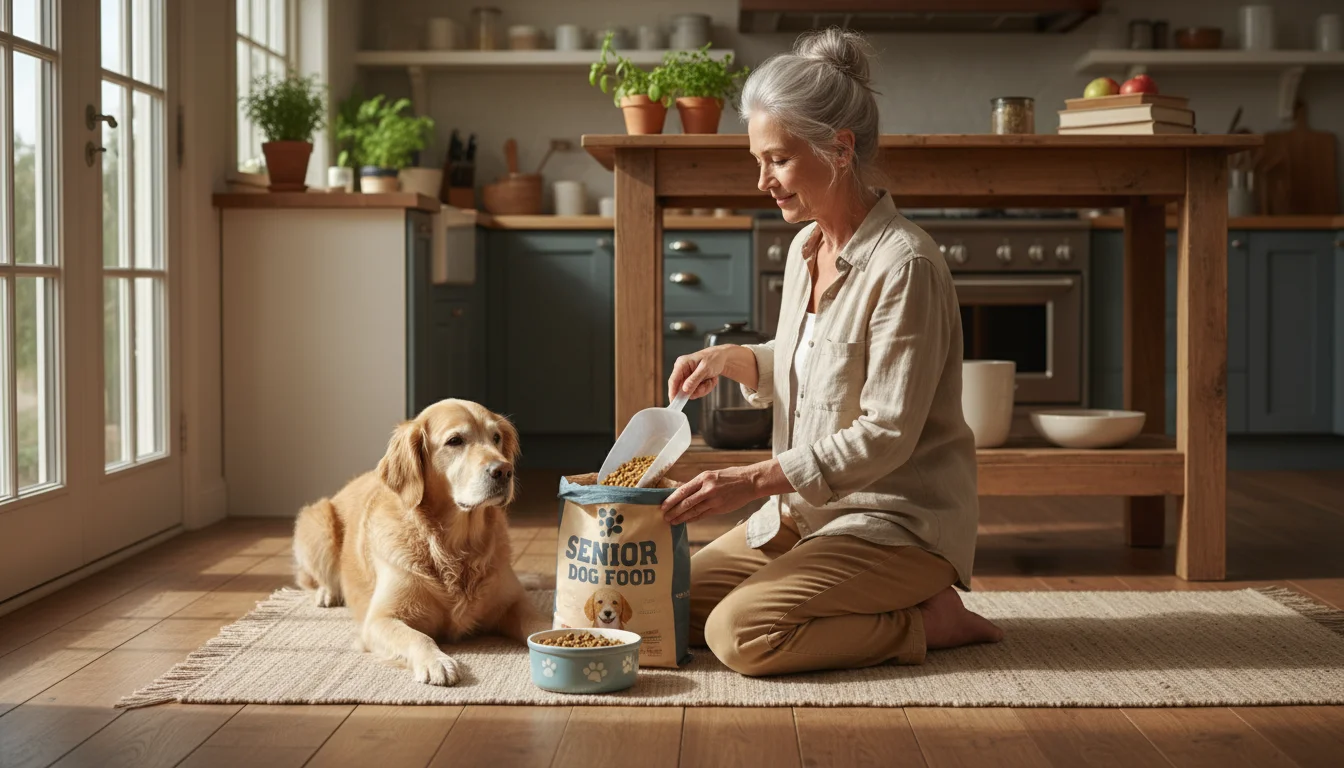
Proper nutrition plays a pivotal role in supporting your senior pet’s health. Their metabolic rate often slows down, and their activity levels may decrease, making them prone to weight gain. Conversely, some older pets may experience weight loss due to underlying medical conditions or decreased appetite. A diet specifically formulated for senior pets addresses these evolving needs, helping manage weight and support aging organs.
Look for commercial pet foods labeled for “senior” or “mature” animals. These diets typically feature specific adjustments designed to meet the physiological demands of aging:
- Lower Calorie Content: To prevent obesity, especially if your pet is less active. Managing calories helps prevent excessive weight gain that can worsen joint pain and increase the risk of conditions like diabetes.
- High-Quality Protein: Essential for maintaining muscle mass, which can naturally decline with age. Ensure the protein source is highly digestible to reduce strain on aging digestive systems.
- Reduced Phosphorus: Often beneficial for kidney health. Lower phosphorus levels can help slow the progression of kidney disease, a common ailment in older cats and dogs.
- Added Joint Support: Many senior diets include supplements like glucosamine, chondroitin, and omega-3 fatty acids (EPA and DHA). These ingredients help reduce inflammation, support cartilage health, and can alleviate discomfort associated with arthritis.
- Increased Fiber: To aid digestion and promote bowel regularity, helping prevent constipation, which can be a common issue in senior pets.
- Antioxidants: Vitamins E and C, along with other antioxidants, help combat cellular damage caused by free radicals, supporting a healthy immune system and cognitive function.
Weight Management is Key
Monitoring your senior pet’s weight is one of the best pet health tips you can follow. Obesity in senior pets exacerbates conditions like arthritis, diabetes, and heart disease. If your pet is overweight, work with your vet to create a safe and effective weight loss plan. This often involves precise portion control and perhaps a prescription diet specifically designed for weight management. If your pet is losing weight unexpectedly, it warrants an immediate veterinary visit, as it can signal serious underlying health issues such as kidney disease, hyperthyroidism, or cancer. Consistent weight monitoring, perhaps weekly or bi-weekly, helps you detect changes promptly.
Consider feeding smaller, more frequent meals if your senior pet has a sensitive stomach or struggles to digest larger quantities. This approach can also help stabilize blood sugar levels. Always ensure fresh water is readily available, ideally in multiple locations, as dehydration can be a particular concern for older animals, potentially worsening kidney function or other systemic issues.
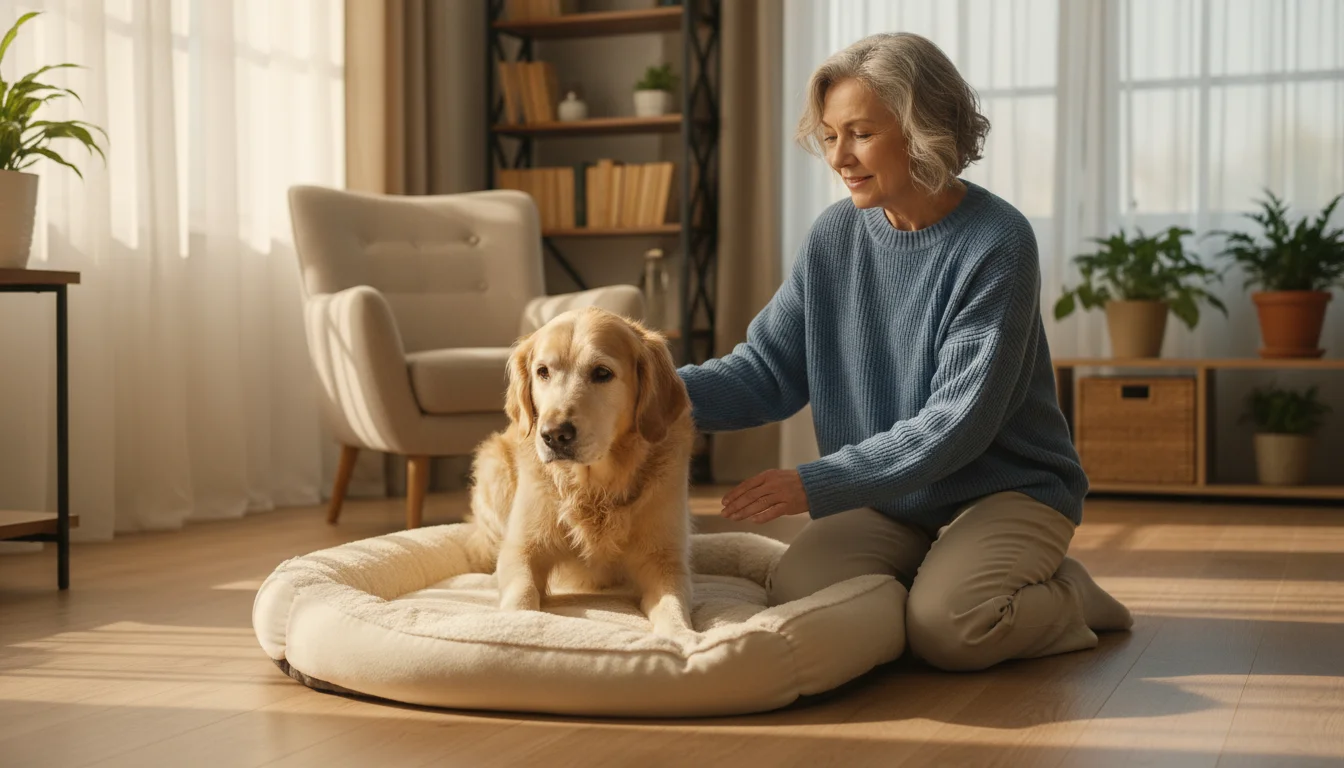
Managing Common Health Conditions
Senior pets are susceptible to a range of common health conditions. Recognizing the symptoms and knowing when to seek veterinary care helps manage these issues effectively, improving your pet’s quality of life. Home monitoring plays a crucial role in early detection.
Arthritis and Joint Pain
What to Watch For: Stiffness after rest, reluctance to jump onto furniture or climb stairs, limping, decreased activity, difficulty standing up, changes in gait (e.g., bunny hopping), or sensitivity when touched around joints. You might notice them slowing down on walks or struggling more on cold, damp days.
Home Monitoring Tips: Observe their movement carefully, especially after they’ve been sleeping. Note how easily they get up, how they walk, and any unusual vocalizations during movement. Keep a journal to track good days versus bad days, as this information helps your vet assess pain levels. Provide soft, orthopedic bedding and ensure non-slip surfaces.
When to See a Vet: At the first signs of mobility issues or pain. Your vet can diagnose arthritis through physical examination, palpating joints, and sometimes X-rays to assess joint changes. They will recommend a comprehensive pain management plan, which may include non-steroidal anti-inflammatory drugs (NSAIDs), joint supplements (glucosamine, chondroitin, green-lipped mussel), physical therapy, or even alternative therapies like acupuncture or laser therapy. Consistent pain management is critical for improving your senior pet’s comfort and overall quality of life.
Kidney Disease
What to Watch For: Increased thirst and urination, decreased appetite, weight loss despite eating, lethargy, vomiting, poor coat quality, and sometimes bad breath (uremic breath). These signs often appear gradually and can be subtle in the early stages.
Home Monitoring Tips: Track water intake and urination frequency. You can measure how much water your pet drinks over 24 hours. Note any changes in appetite or body condition. Pay attention to the volume and color of urine. Promptly report any significant deviations from their norm.
When to See a Vet: Immediately if you observe these symptoms. Early diagnosis through comprehensive blood and urine tests allows for dietary changes (prescription renal diets), fluid therapy (subcutaneous fluids administered at home), and medications to manage symptoms and slow disease progression. According to the Cornell University College of Veterinary Medicine, dietary management is a cornerstone of treatment for feline kidney disease, and similar principles apply to dogs. Early intervention significantly improves prognosis.
Heart Disease
What to Watch For: Persistent coughing (especially at night or after exercise), lethargy, decreased exercise tolerance, difficulty breathing, fainting spells, restlessness, or a swollen abdomen (ascites). Older dogs often develop valvular disease, while cats more commonly suffer from hypertrophic cardiomyopathy.
Home Monitoring Tips: Observe your pet’s breathing rate and effort at rest. A normal resting respiratory rate is typically less than 30 breaths per minute. Note any coughing episodes, their frequency, and whether they occur after activity or at night. Report any unusual fatigue or fainting spells immediately.
When to See a Vet: Promptly if you notice any respiratory distress, persistent coughing, or lethargy. A vet will perform a physical exam, listen to the heart for murmurs or abnormal rhythms, and may recommend diagnostic tests such as X-rays (to check for fluid in lungs or heart enlargement), an EKG (electrocardiogram), or an ultrasound (echocardiogram) to diagnose specific heart conditions. Treatment often includes medication to manage symptoms, improve heart function, and enhance quality of life.
Dental Disease
What to Watch For: Persistent bad breath (halitosis), visible tartar buildup (yellow or brown coating on teeth), red or bleeding gums, loose or broken teeth, excessive drooling, pawing at the mouth, reluctance to eat hard food, or swelling around the face. Sometimes, pets may refuse to eat entirely due to oral pain.
Home Monitoring Tips: Routinely lift your pet’s lips to inspect their teeth and gums. Note any changes in gum color, swelling, or visible plaque and tartar. Pay attention to how they chew their food. Any signs of discomfort while eating or bad breath warrant attention.
When to See a Vet: Regular dental check-ups are an essential part of routine senior pet health. If you notice any of these symptoms, schedule a veterinary visit. Your vet will assess the severity of the dental disease and recommend appropriate treatment, which almost always involves professional dental cleaning under anesthesia, and potentially extractions of diseased teeth. Addressing dental pain significantly improves your pet’s comfort and overall health.
Cognitive Dysfunction Syndrome (CDS)
What to Watch For: Disorientation (getting “stuck” in corners, staring blankly, wandering aimlessly), altered interactions (less affectionate, more irritable, or increased clinginess), sleep-wake cycle changes (pacing at night, sleeping more during the day, vocalizing at odd hours), house-soiling accidents (despite being house-trained), and decreased activity or interest in toys and interaction. This condition is akin to Alzheimer’s in humans.
Home Monitoring Tips: Keep a log of any behavioral changes, noting when they occur and their frequency. For example, track how often your dog paces at night or where your cat has accidents. This detailed information helps your vet differentiate CDS from other conditions.
When to See a Vet: If you observe any of these behavioral changes. Your vet can rule out other medical causes (e.g., pain, vision/hearing loss, thyroid issues) that might mimic CDS symptoms. Once diagnosed, your vet can discuss dietary supplements (e.g., antioxidants, omega-3s, medium-chain triglycerides), specific prescription diets, medications, and environmental enrichment strategies to help manage CDS, improving your pet’s cognitive function and reducing anxiety.
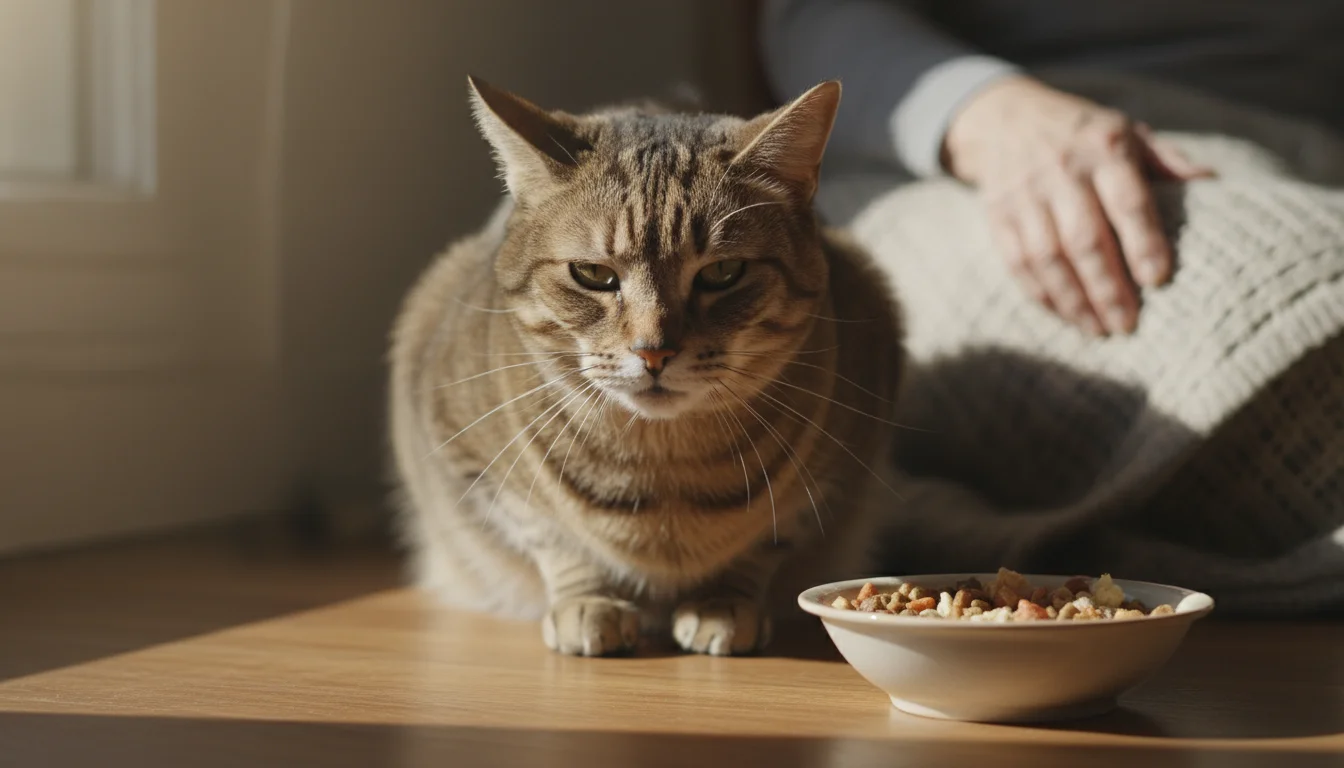
Maintaining Dental Health in Senior Years
Dental health significantly impacts a senior pet’s overall well-being. Chronic dental disease causes pain, difficulty eating, and can lead to systemic health problems. Bacteria from severe dental infections can spread through the bloodstream, affecting vital organs such as the heart, kidneys, and liver. Approximately 80% of dogs and 70% of cats show signs of oral disease by age three, and this prevalence worsens considerably with age.
At-Home Dental Care
- Daily Brushing: This is the most effective way to prevent plaque and tartar buildup. Use pet-specific toothpaste (never human toothpaste, which contains fluoride that is toxic if swallowed) and a soft-bristled brush. Introduce brushing slowly and make it a positive experience with rewards like praise or a small treat. Aim for a few minutes daily, focusing on the outside surfaces of the teeth. Consistency is key to preventing serious senior pet health issues related to oral hygiene.
- Dental Chews and Treats: Choose VOHC (Veterinary Oral Health Council) approved products. These products are scientifically proven to reduce plaque and tartar through mechanical action or specific ingredients. Always supervise your pet with chews to prevent choking.
- Dental Diets: Some prescription and over-the-counter diets are formulated with larger kibble sizes or special fibers that scrub the tooth surface as your pet eats, helping to clean teeth and reduce plaque. Consult your vet before switching to a dental-specific diet.
- Oral Rinses and Water Additives: These can help reduce bacteria in the mouth and improve breath, but they are generally less effective than direct brushing or professional cleanings. Consider them as an adjunct to other dental care methods.
Signs of Dental Disease:
Actively watch for signs of pain or infection, including persistent bad breath, visible tartar buildup (which appears as yellow, brown, or black deposits on teeth), red, swollen, or bleeding gums, loose or broken teeth, excessive drooling, pawing at the mouth, reluctance to eat hard food, or swelling around the face. Any of these symptoms warrant prompt veterinary attention.
Professional Dental Cleanings
Even with consistent home care, senior pets often require professional dental cleanings under anesthesia. Your veterinarian performs a comprehensive oral exam, scales away plaque and tartar both above and below the gum line, polishes the teeth to smooth microscopic scratches where plaque can adhere, and may perform dental X-rays to assess the health of tooth roots and bone. Any diseased or painful teeth are extracted. Prior to anesthesia, your vet will recommend pre-anesthetic blood work, and possibly chest X-rays or an EKG, to ensure your senior pet is a good candidate for the procedure. While anesthesia carries inherent risks, modern veterinary practices prioritize safety, utilizing advanced monitoring equipment (e.g., pulse oximetry, blood pressure, ECG, temperature) and tailored anesthetic protocols for senior pets. The benefits of eliminating chronic pain and infection often far outweigh the risks for improving overall senior pet health and quality of life.
Supporting Mobility and Comfort
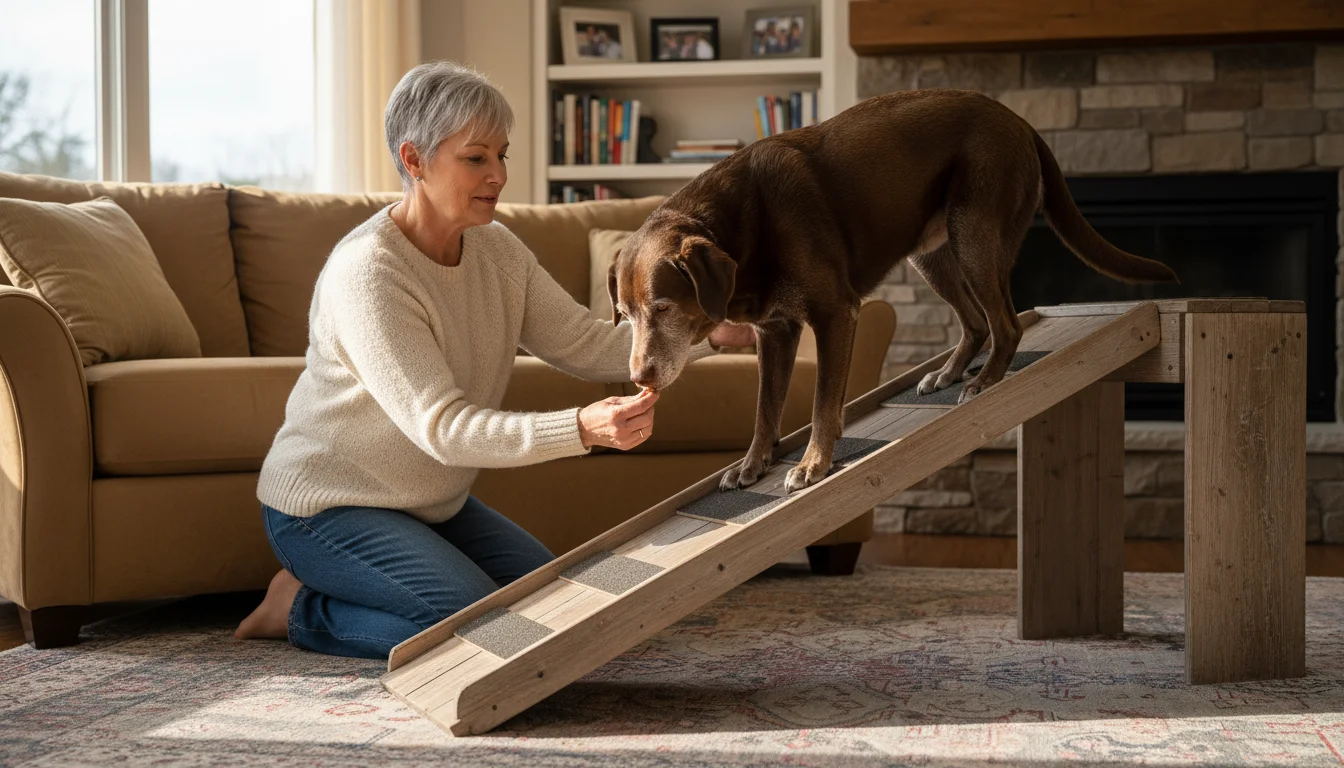
As pets age, many experience reduced mobility due to arthritis, joint pain, muscle weakness, neurological conditions, or a combination of factors. You can take many proactive steps to support their comfort and help them maintain an active, fulfilling life, minimizing the impact of these age-related changes.
Environmental Modifications
- Orthopedic Beds: Provide thick, supportive beds that cushion joints and prevent pressure sores. Memory foam or gel-infused options are excellent choices for senior pets, offering superior support and comfort compared to standard pet beds. Place these beds in quiet, easily accessible, and warm locations.
- Ramps and Stairs: Install ramps for accessing elevated areas like beds, couches, or cars. Small sets of pet stairs can also help them navigate moderate heights. This reduces strain on their joints from repetitive jumping or climbing, preventing further injury and pain.
- Non-Slip Surfaces: Place rugs, yoga mats, or carpet runners on slippery floors (hardwood, tile, laminate) to provide better traction. Pets with arthritis or weakness often struggle on smooth surfaces, increasing their risk of falls and exacerbating joint pain. Ensure these coverings are securely placed to prevent tripping.
- Easy Access to Essentials: Ensure food, water, and litter boxes are easily accessible. For cats, a litter box with lower sides can be a huge relief, allowing them to enter and exit without painful straining. Raised food and water bowls can also benefit dogs with neck or back pain.
- Warmth: Senior pets can be more sensitive to cold due to reduced muscle mass and circulation. Provide warm blankets, a cozy bed, or even a pet-safe heated pad (always with a low setting and auto-shutoff) during cooler months. Protect them from drafts.
Exercise and Physical Therapy
Regular, gentle exercise remains important for senior pets. It helps maintain muscle mass, flexibility, circulation, and a healthy weight. Avoid high-impact activities or long, strenuous walks. Instead, opt for shorter, more frequent walks on soft surfaces (grass, dirt trails) for dogs. For cats, gentle play with feather wands or soft toys can encourage movement and keep them engaged without excessive strain. Listen to your pet and stop if they show signs of fatigue or discomfort.
Veterinary rehabilitation and physical therapy can significantly improve mobility, reduce pain, and enhance overall quality of life for senior pets. These specialized services might include:
- Hydrotherapy: Swimming in a warm-water treadmill or pool reduces weight-bearing stress on joints while building and maintaining muscle mass. The buoyancy of water allows for movement that might be impossible on land.
- Therapeutic Exercises: Guided exercises tailored to your pet’s specific needs to improve strength, balance, coordination, and range of motion. These can be performed at home with professional guidance.
- Laser Therapy: A non-invasive treatment that uses specific wavelengths of light to reduce inflammation, alleviate pain, and promote tissue healing at a cellular level.
- Massage: Gentle therapeutic massage increases circulation, improves flexibility, reduces muscle tension and spasms, and can enhance your pet’s sense of well-being.
- Acupuncture: An ancient practice that involves inserting thin needles into specific points on the body to stimulate natural pain relief and healing mechanisms.
Consult your veterinarian for a referral to a board-certified veterinary rehabilitation specialist or a certified canine rehabilitation therapist if your pet shows significant mobility challenges. They provide the best pet health tips for tailored physical activity and rehabilitation plans, ensuring your senior pet remains as active and comfortable as possible.
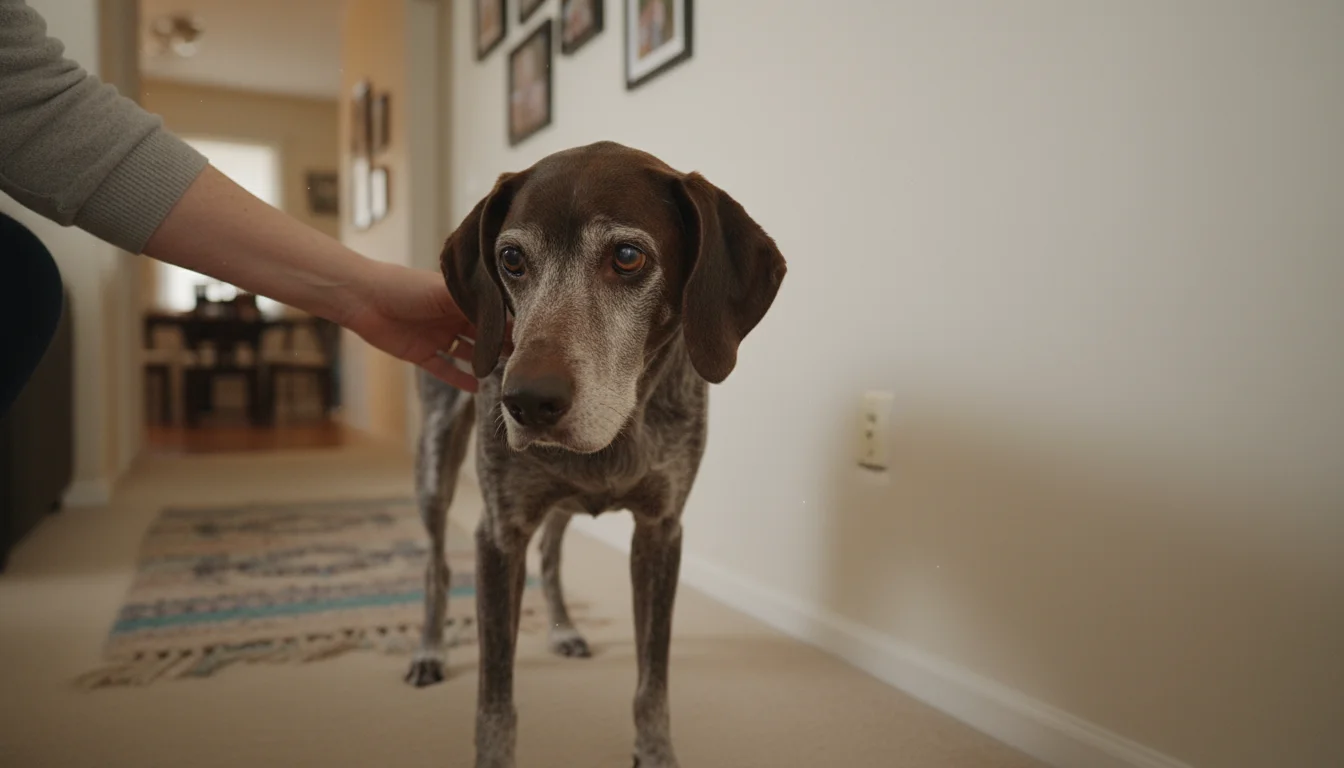
Mental Acuity and Behavioral Changes
Aging affects more than just the body; it impacts the brain too. Cognitive Dysfunction Syndrome (CDS) is a common condition in senior pets, leading to changes in memory, learning, and awareness. Recognizing these changes early helps you provide appropriate support and maintain their mental well-being.
Signs of Cognitive Decline
The acronym “DISHA” helps remember common signs of CDS:
- Disorientation: Your pet may seem confused in familiar surroundings, get lost in corners, stare blankly at walls, or wander aimlessly. They might struggle to find their food bowl or bed.
- Interaction Changes: You might notice altered social interactions. This could manifest as less enthusiastic greetings, increased irritability, reduced desire for petting, or conversely, increased clinginess and attention-seeking.
- Sleep-Wake Cycle Alterations: Their normal sleep patterns may reverse. They might pace, vocalize, or appear restless at night, then sleep excessively during the day.
- House Soiling: Accidents in the house, despite being previously house-trained. This can stem from forgetting where to eliminate, failing to signal the need to go out, or simply being unable to hold their bladder or bowels as long as before.
- Activity Changes: A general decrease in interest in play, exploration, or former favorite activities. They might become withdrawn, or display repetitive behaviors like excessive licking, pacing, or circling.
Supporting Your Pet’s Mental Health
- Mental Enrichment: Continue to engage your senior pet with gentle play, puzzle toys, and short, simple training sessions. These activities stimulate their brains, help maintain cognitive function, and reinforce the human-animal bond. Keep training sessions brief, positive, and rewarding.
- Consistent Routine: Maintain a predictable daily schedule for feeding, walks, potty breaks, and playtime. This consistency helps reduce anxiety and confusion in pets with CDS, providing a sense of security and familiarity.
- Familiar Environment: Avoid major changes to their home environment if possible. If you must rearrange furniture or move, do it gradually and help them reorient themselves to the new layout. Keep their beds, food bowls, and litter boxes in consistent, easily accessible spots.
- Dietary Supplements: Your veterinarian may recommend supplements containing antioxidants (like Vitamin E, C, selenium), omega-3 fatty acids (EPA and DHA), or medium-chain triglycerides (MCTs) to support brain health. These ingredients can help reduce oxidative damage and improve cognitive function.
- Medication: In some cases, specific medications are available that can help manage symptoms of CDS, improving cognitive function, reducing anxiety, and enhancing the overall quality of life for your senior pet. Your vet will discuss if this is an appropriate option.
Discuss any behavioral changes with your veterinarian promptly. They can rule out underlying medical conditions (such as pain, thyroid disease, or sensory loss) that might mimic CDS symptoms and provide specific recommendations for your pet’s senior pet health plan. Collaboration with your vet ensures you address both physical and mental well-being holistically.

Creating a Safe and Comfortable Senior Environment
As your pet ages, their environment needs thoughtful adaptations to keep them safe, comfortable, and reduce stress. Thoughtful modifications can significantly improve their quality of life, allowing them to navigate their surroundings with greater ease and confidence.
Safety Measures
- Supervise Outdoors: Senior pets, especially those with impaired hearing or vision, are more vulnerable to hazards outdoors. Always keep them on a leash in unfamiliar areas and supervise them closely in the yard. Their reaction times slow, and they may not hear or see approaching dangers.
- Limit Stair Access: If your pet struggles with stairs, block off access using gates or use ramps to prevent falls and injuries. A single fall can cause significant pain or injury and worsen existing conditions.
- Consistent Lighting: Ensure well-lit pathways throughout your home, especially at night, for pets with vision impairment. Nightlights can be particularly helpful for preventing disorientation and falls. Keep furniture in consistent locations.
- Poison Prevention: Senior pets may be less discriminating about what they eat due to cognitive changes or changes in scent. Ensure all household chemicals, medications, toxic plants, and hazardous foods are securely stored and out of reach. For any suspected ingestion, contact Pet Poison Helpline immediately for expert advice, as swift action is often crucial.
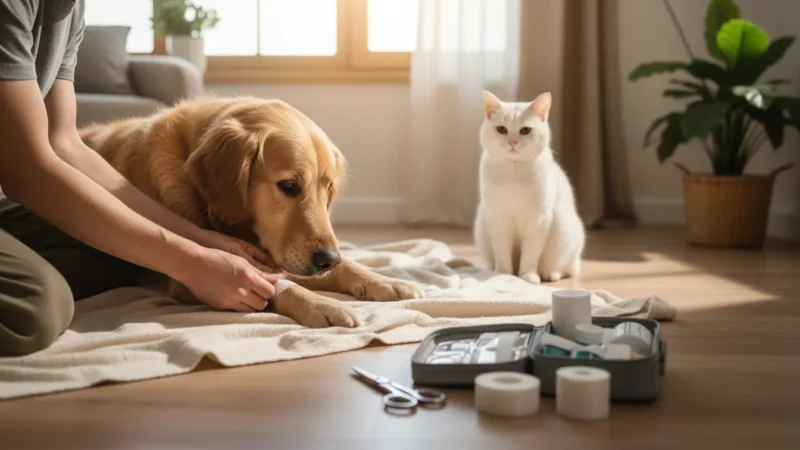
- Emergency Preparedness: Have a pet safety kit ready. This includes basic first aid supplies (gauze, antiseptic wipes, vet wrap), your vet’s contact information, the nearest 24-hour emergency veterinary clinic’s address and phone number, and a current photo of your pet for identification. Knowing who to call and where to go in an emergency saves precious time.
Comfort and Enrichment
- Designated Quiet Space: Provide a peaceful, warm, and easily accessible spot where your senior pet can retreat from household activity if they choose. This could be a crate with soft bedding, a quiet corner with an orthopedic bed, or a comfortable mat under a favorite window.
- Easy Access to Resources: Place food, water, and litter boxes on the same level, easily accessible without navigating obstacles or stairs. For cats, ensure the litter box is clean and has low sides to prevent painful climbing. Consider multiple water bowls throughout the house to encourage hydration.
- Temperature Control: Senior pets are more sensitive to temperature extremes. Keep their environment comfortably warm in winter and cool in summer, using fans or air conditioning as needed. Protect them from drafts near windows or doors.
- Grooming: Regular, gentle grooming helps maintain skin and coat health, which can decline with age. Older pets may struggle to groom themselves thoroughly. Brushing helps stimulate circulation, removes loose fur, and provides an opportunity to check for lumps, bumps, skin issues, or parasites. Be extra gentle, as their skin may be more fragile and sensitive. Professional groomers experienced with senior pets can also provide excellent care.
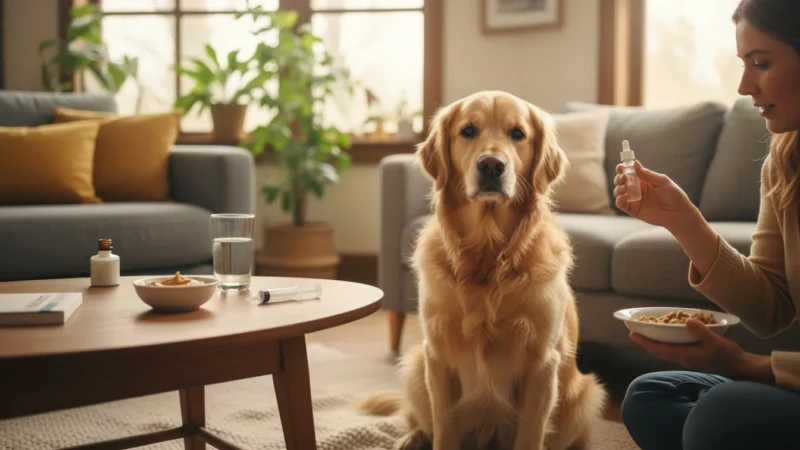
- Medication Administration: Many senior pets require daily medication. Administering pills, liquids, or topical treatments successfully requires patience, a calm approach, and sometimes a bit of creativity.
- Pills: You can hide pills in specialized pill pockets, a small amount of canned food, a dollop of peanut butter (xylitol-free!), or cheese. Always ensure they swallow the pill. If pilling directly, approach calmly, gently open their mouth, place the pill as far back on the tongue as possible, and close their mouth while gently stroking their throat to encourage swallowing.
- Liquids: Use an oral syringe. Place the tip between the cheek and gums, angling slightly towards the back of the mouth, and administer slowly to prevent aspiration.
- Topicals: Apply creams or ointments as directed, ensuring your pet does not lick the area immediately after application. You might need to distract them with a treat or a gentle pet.
Always follow your vet’s instructions precisely regarding dosage and frequency. Consistency and positive reinforcement (rewards!) improve compliance and make the experience less stressful for your pet and you.
By creating a safe and comfortable environment, you proactively address potential challenges, allowing your senior pet to live their golden years with dignity and joy. This thoughtful approach reflects the best pet health tips for aging companions, ensuring they continue to feel loved and cared for.
Frequently Asked Questions
How often should I take my senior pet to the vet?
Veterinarians generally recommend twice-yearly wellness exams for senior pets, starting around age 7-10 for cats and smaller dogs, and 5-7 years for larger dogs. These frequent visits allow for early detection of age-related conditions, which often progress slowly and show minimal outward signs until advanced stages. Regular blood work, urinalysis, and blood pressure checks are often part of these visits, providing crucial data for proactive senior pet health management.
What are the first signs of aging in pets?
The first signs of aging can be subtle. You might notice a decrease in energy levels, increased sleeping, stiffness after resting, a duller or greying coat, changes in appetite or water intake, or slight weight fluctuations. Behavioral changes such as increased anxiety, disorientation (getting confused in familiar places), or house-soiling accidents can also indicate aging. Observing these early shifts helps you address senior pet health needs proactively and seek veterinary advice if concerns arise.
Can I help my senior pet with arthritis pain at home?
You can definitely help manage arthritis pain at home, but always in conjunction with your veterinarian’s guidance. Provide orthopedic beds, use ramps for accessibility to elevated surfaces, maintain a healthy weight through appropriate diet and gentle exercise, and ensure non-slip flooring. Your vet may also recommend specific joint supplements (like glucosamine and chondroitin, or omega-3 fatty acids) or prescription pain medications. Never give human pain medications to your pet, as many are toxic and can be fatal.
Is it normal for senior pets to sleep more?
Yes, increased sleeping is a common sign of aging in pets. As pets get older, their energy levels naturally decrease, and they often require more rest and longer naps. However, excessive lethargy, difficulty waking, or a sudden, dramatic increase in sleep should prompt a veterinary visit to rule out underlying medical conditions, such as pain, heart disease, thyroid issues, or other illnesses. While some changes are normal, a sudden or significant shift warrants investigation to ensure optimal senior pet health.
What if my senior pet suddenly loses weight?
Unexplained weight loss in a senior pet is always a serious concern and requires immediate veterinary attention. It can indicate a variety of underlying health problems, including kidney disease, hyperthyroidism (especially in cats), diabetes, dental disease, gastrointestinal issues, or cancer. Your veterinarian will perform a thorough examination, including comprehensive blood tests and other diagnostics, to identify the cause and recommend appropriate treatment. Never ignore sudden weight loss in an older animal; prompt veterinary care can make a critical difference.
For expert pet care guidance, visit
Certification Council for Professional Dog Trainers (CCPDT),
International Association of Animal Behavior Consultants (IAABC),
American College of Veterinary Behaviorists (ACVB) and
Pet Poison Helpline.
Disclaimer: This article is for informational purposes only and is not a substitute for professional veterinary advice, diagnosis, or treatment. Always consult with a licensed veterinarian for medical concerns about your pet.
If your pet requires treatment for these conditions, learning how to give your dog medication correctly can make the daily routine much easier.





Leave a Reply