

The bond you share with your pet is irreplaceable. You want to give them the best life possible, and that includes providing excellent veterinary care when they need it most. However, unexpected illnesses or injuries can lead to significant veterinary bills, creating stress and difficult decisions. This is where pet insurance offers a vital safety net, protecting your finances while ensuring your beloved companion receives the care they deserve. But with so many options available, understanding pet insurance and what it truly covers can feel overwhelming. This comprehensive guide helps you navigate the complexities, comparing different policy types, explaining common exclusions, and empowering you to make informed decisions for your pet’s health and your peace of mind.
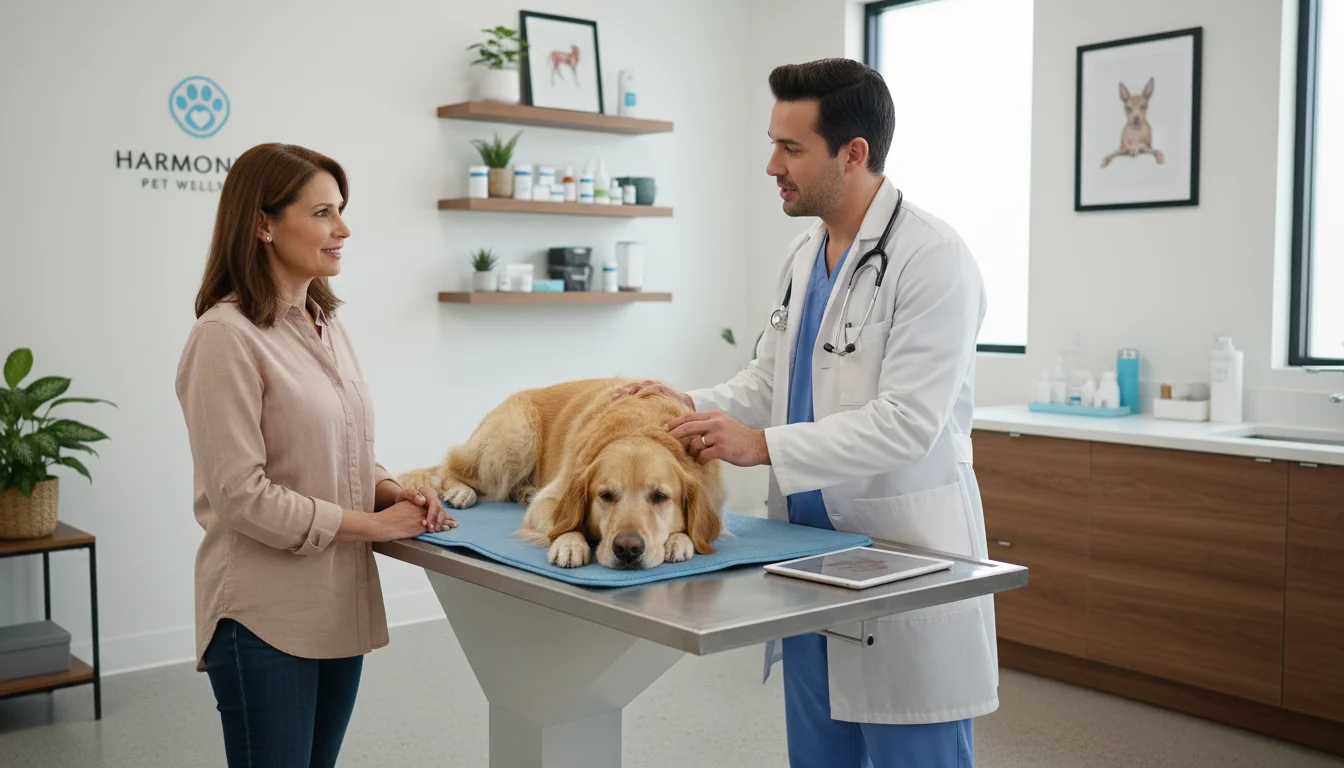
Why Pet Insurance Matters for Your Pet’s Health
Veterinary medicine has advanced significantly, offering treatments for conditions that were once untreatable. While this progress is wonderful for your pet’s health, it also comes with increased costs. Routine check-ups, vaccinations, and parasite prevention are manageable, but imagine an emergency: a sudden ingestion of a toxic substance, a broken bone from an accident, or a life-threatening illness like cancer. These situations require immediate, often expensive, care. Without pet insurance, you might face a bill for thousands of dollars. Such financial strain can force difficult choices during an emotional time.
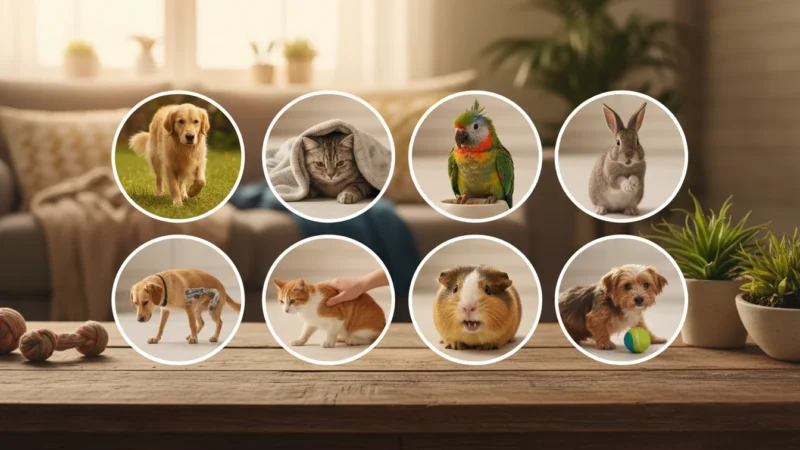
In many cases, recognizing the early signs your pet is in pain can lead to a quicker diagnosis and lower overall treatment costs.
Finding a policy is only half the battle; it is equally important to choose a veterinarian you can trust to provide the high-quality care your insurance will cover.
Pet insurance works by reimbursing you for eligible veterinary expenses, typically after you pay your vet directly. This financial support helps ensure you can approve recommended treatments without letting cost be the deciding factor. It empowers you to prioritize your pet’s well-being, providing access to top-tier care from diagnosis to recovery. For many pet owners, it brings immense peace of mind, knowing they have a plan in place for unexpected challenges in their pet’s health journey. This proactive approach to pet care is one of the best pet health tips you can implement.

Exploring Types of Pet Insurance Coverage: What’s the Difference?
When you start researching pet insurance, you quickly discover that policies are not all the same. Understanding the distinctions between coverage types is fundamental to choosing a plan that aligns with your pet’s specific needs and your budget. We will compare the three primary categories:
Accident-Only Plans: Essential Protection for Unexpected Mishaps
Accident-only plans represent the most basic and typically the most affordable form of pet insurance. These policies focus solely on covering costs associated with unexpected injuries or accidents. They provide a crucial safety net for sudden incidents but offer no coverage for illnesses.
- What they typically cover:
- Broken bones, fractures, sprains, and ligament tears.
- Cuts, lacerations, bite wounds.
- Accidental poisoning or ingestion of foreign objects.
- Hit by car incidents.
- Emergency veterinary visits and diagnostics related to an accident (X-rays, ultrasounds).
- Surgery and hospitalization following an accident.
- Certain prescription medications related to accident recovery.
- What they do NOT cover:
- Any illness, disease, or infection (e.g., cancer, diabetes, ear infections, allergies).
- Wellness exams, vaccinations, parasite prevention.
- Dental cleanings or treatments for dental disease.
- Behavioral issues.
- Pre-existing conditions.
An accident-only plan is a practical choice for pet owners seeking protection against unforeseen physical traumas without the higher premiums of comprehensive plans. It is a solid foundation, especially for younger pets with no known health issues, but it leaves you financially exposed to any illness-related expenses.
Accident & Illness Plans: Comprehensive Care for Your Pet’s Health
Accident and illness plans, often referred to as comprehensive plans, are the most popular choice among pet owners. These policies offer broad coverage for both accidental injuries and a wide range of illnesses, making them ideal for anticipating most veterinary needs. This type of plan truly supports your efforts in maintaining optimal pet health.
- What they typically cover:
- All accident-related costs covered by an accident-only plan.
- Common illnesses: ear infections, urinary tract infections, skin conditions, allergies.
- Serious illnesses: cancer, diabetes, arthritis, kidney disease, heart disease.
- Chronic conditions: ongoing management for conditions like diabetes or allergies, provided they are not pre-existing.
- Hereditary and congenital conditions: illnesses inherited or present from birth, like hip dysplasia, cataracts, or certain heart defects, often covered if symptoms appear after waiting periods.
- Diagnostic tests: blood work, urinalysis, X-rays, MRIs, CT scans.
- Surgeries, hospitalizations, emergency care.
- Specialist care: consultations with veterinary cardiologists, dermatologists, oncologists.
- Prescription medications and therapeutic diets for covered conditions.
- What they generally do NOT cover:
- Wellness exams, vaccinations, parasite prevention (unless a wellness add-on is purchased).
- Routine dental cleanings (unless a wellness add-on is purchased, or for treatment of accidental injury to teeth).
- Pre-existing conditions.
- Elective or cosmetic procedures (e.g., tail docking, ear cropping).
- Breeding and pregnancy-related expenses.
Comprehensive plans provide extensive coverage, allowing you to focus on your pet’s recovery rather than the accumulating bills. They offer significant value, particularly as pets age and become more susceptible to various health conditions. According to the American Veterinary Medical Association (AVMA), regular veterinary check-ups and early detection are crucial for managing chronic conditions, and a comprehensive insurance plan helps facilitate access to this vital care.
Wellness/Preventive Care Add-ons: Investing in Proactive Pet Health
While accident and illness plans cover unexpected events, wellness add-ons or separate wellness plans focus on the proactive side of pet care. These are designed to cover the routine, anticipated costs of keeping your pet healthy, supporting the best pet health tips.
- What they typically cover:
- Annual wellness exams and check-ups.
- Vaccinations (e.g., rabies, distemper, parvovirus).
- Flea, tick, and heartworm prevention.
- Routine dental cleanings.
- Fecal tests and deworming.
- Microchipping.
- Spaying/neutering (sometimes included, especially for younger pets).
- Key Considerations:
- Wellness plans are usually offered as an optional add-on to an accident and illness policy, or as a standalone plan.
- They often have a set annual allowance or a predetermined schedule of covered services.
- You pay a separate monthly premium for these benefits.
A wellness plan helps you budget for predictable veterinary expenses throughout the year. While it might not save you a significant amount compared to paying for these services out-of-pocket, it helps spread the cost and encourages consistent preventive care, which is paramount for long-term pet health. This approach can be particularly beneficial for puppies and kittens who require a series of vaccinations and regular check-ups.

Understanding Exclusions: What Most Policies Won’t Cover
Just as important as knowing what your pet insurance covers is understanding what it explicitly does not. Exclusions are standard across the industry, and familiarizing yourself with them prevents unpleasant surprises when you need to file a claim. The most common and impactful exclusion is for pre-existing conditions.
Pre-existing Conditions: The Biggest Hurdle
A pre-existing condition refers to any illness or injury that your pet had before your insurance policy’s effective date or before the end of the waiting period. Insurance providers consider these uninsurable risks, meaning they will not cover treatment costs for conditions diagnosed or showing symptoms before your coverage officially began. This is a critical factor when considering pet insurance: the younger and healthier your pet is when you enroll, the fewer pre-existing conditions they are likely to have.
- What qualifies as pre-existing:
- A chronic condition like diabetes or arthritis diagnosed before enrollment.
- Symptoms of an illness, even if undiagnosed, observed by you or a vet before the policy’s start date or waiting period ends.
- A recurring injury, such as a limp, that was documented before coverage.
- Curable vs. Incurable pre-existing conditions: Some policies distinguish between curable and incurable pre-existing conditions. A “curable” condition might become covered if your pet remains symptom-free for a specified period (e.g., 6-12 months). For instance, a past ear infection might eventually be covered if your pet has no recurrence for a year. However, incurable conditions, like chronic kidney disease or certain cancers, will almost certainly remain excluded for the life of the policy. Always check your specific policy wording.
- Bilateral conditions: Some conditions, like hip dysplasia or cruciate ligament tears, can affect both sides of a pet’s body. If one side showed symptoms or was diagnosed before coverage, many policies will consider the condition on the other side as pre-existing, even if it manifests later.
Elective and Cosmetic Procedures
Most pet insurance plans will not cover procedures performed for aesthetic reasons or those considered non-medical. This includes:
- Tail docking and ear cropping.
- Declawing (unless medically necessary, which is rare).
- Dewclaw removal (unless for medical reasons or injury prevention).
Breeding and Pregnancy-Related Costs
If you plan to breed your pet, be aware that costs associated with pregnancy, breeding, whelping, or queening are typically excluded from standard pet insurance policies. This extends to complications during pregnancy or birth.
Experimental or Investigational Treatments
While veterinary medicine is continually advancing, treatments deemed experimental, investigational, or not yet widely accepted within the veterinary community are usually not covered. This can include certain holistic therapies, unproven medications, or highly specialized procedures that lack sufficient research backing.
Other Common Exclusions
- Grooming: Costs associated with bathing, nail trims, or anal gland expression (unless medically necessary due to a covered condition).
- Food and dietary supplements: Unless a specific therapeutic diet is prescribed for a covered illness and explicitly included in your policy.
- Cloning: As you might expect, cloning your pet is not covered.
- Vet exam fees for non-covered conditions: If your vet visit is solely for a non-covered condition (e.g., a routine wellness exam without a wellness add-on), the exam fee itself may not be reimbursed.
Carefully reviewing a sample policy or discussing exclusions directly with an insurance provider before committing is one of the most critical pet tips for understanding your coverage.

Deciphering Policy Terms: Deductibles, Reimbursement, and Annual Limits
Understanding the financial mechanics of pet insurance is key to selecting a policy that truly protects your finances. Three terms form the cornerstone of every policy: deductibles, reimbursement percentages, and annual limits. These factors directly influence your out-of-pocket costs and how much the insurance company pays.
Deductibles: Your Initial Contribution
A deductible is the amount of money you must pay out of your pocket before your insurance company starts reimbursing you for eligible expenses. Think of it as your initial contribution to your pet’s veterinary care for the policy period. Deductibles typically range from $100 to $1,000, and your choice impacts your monthly premium: a higher deductible usually means a lower premium, and vice-versa.
- Annual Deductible: This is the most common type. You pay your chosen deductible once per policy year, regardless of how many different conditions or incidents your pet experiences. Once you meet it, the insurance company starts reimbursing for all subsequent eligible claims within that year.
- Per-Incident Deductible: Less common, but still offered by some providers. With this model, you pay a separate deductible for each new condition or incident your pet experiences. For example, if your dog breaks a leg and then later develops a severe ear infection, you would pay two separate deductibles. While this might lead to lower individual claim payments for minor issues, it can quickly add up if your pet has multiple unrelated health problems in a year.
When selecting a deductible, consider your financial comfort level. Can you easily afford a $500 or $1,000 upfront payment for a veterinary emergency? If not, a lower deductible might be a better choice, even with a slightly higher monthly premium.
Reimbursement Levels: How Much the Insurer Pays Back
The reimbursement level, or percentage, determines how much of the eligible veterinary bill your insurance company pays after your deductible is met. Common reimbursement options are 70%, 80%, or 90%.
- Example:
- Let’s say your pet has an eligible vet bill of $1,000.
- You have a $250 annual deductible and an 80% reimbursement level.
- First, you pay the $1,000 bill to the vet.
- The deductible ($250) is subtracted from the eligible bill: $1,000 – $250 = $750.
- The insurance company then reimburses 80% of this remaining amount: 0.80 * $750 = $600.
- Your total out-of-pocket cost for this incident would be the $250 deductible + the 20% co-pay on the remaining amount ($150) = $400.
A higher reimbursement percentage means less out-of-pocket expense for you after meeting your deductible, but it also comes with a higher monthly premium. Consider your risk tolerance and budget when choosing this percentage.
Annual Limits: The Maximum Payout
The annual limit is the maximum amount your insurance company will reimburse you for eligible claims within a single policy year. These limits can range from $2,500 to unlimited. Once you reach your annual limit, you become responsible for 100% of any further eligible veterinary expenses until your policy renews.
- Consideration: While a lower annual limit results in a lower premium, it also carries the risk of hitting that ceiling quickly, especially with serious illnesses or multiple accidents. For catastrophic events like cancer treatment or multiple surgeries, bills can easily exceed $10,000 to $20,000. An unlimited annual payout provides the greatest financial security, although at a higher premium.
This table compares how different policy terms interact and affect your costs:
| Feature | Impact on Premium | Impact on Out-of-Pocket | Consideration |
|---|---|---|---|
| Higher Deductible | Lower | Higher initial payment | Good if you can cover initial costs; best for infrequent claims. |
| Lower Deductible | Higher | Lower initial payment | Good for frequent claims or if you prefer predictable lower costs. |
| Higher Reimbursement (e.g., 90%) | Higher | Lower, after deductible | Maximal protection, pays more of the bill. |
| Lower Reimbursement (e.g., 70%) | Lower | Higher, after deductible | More affordable premium, but you pay a larger share of the bill. |
| Higher/Unlimited Annual Limit | Higher | Lower, for catastrophic events | Best for severe illnesses or multiple claims; ultimate peace of mind. |
| Lower Annual Limit | Lower | Higher, for catastrophic events | Risk of exceeding coverage; consider if your pet is low-risk. |
Balancing these three elements—deductible, reimbursement, and annual limit—is key to tailoring a policy that fits both your financial situation and your desire for robust pet health coverage.

Choosing the Right Plan for Your Companion: A Step-by-Step Guide
Selecting the best pet insurance plan for your companion involves careful consideration and research. Follow these steps to make an informed decision that provides optimal pet health coverage without overstretching your budget.
Step 1: Assess Your Pet’s Unique Needs
- Species and Breed: Different animals and breeds have varying predispositions to certain health issues. Large dog breeds, for instance, are prone to hip and elbow dysplasia, while certain cat breeds might be genetically predisposed to heart conditions. Research common health concerns for your pet’s specific breed, if applicable.
- Age: Younger pets typically qualify for more comprehensive coverage at lower premiums. As pets age, premiums increase, and some conditions might become pre-existing. Enroll when your pet is young and healthy to lock in the best rates and coverage.
- Current Health Status: Document any existing conditions or medical history. These will likely be considered pre-existing and excluded from coverage. This knowledge helps you realistically evaluate what a new policy will and will not cover.
- Lifestyle: Is your pet an indoor couch potato or an adventurous outdoor explorer? High-energy, outdoor pets might have a higher risk of accidents, making accident coverage particularly valuable.
Step 2: Determine Your Budget and Risk Tolerance
- Monthly Premium: How much can you comfortably afford to pay each month for the insurance?
- Deductible: What amount can you realistically pay out of pocket before reimbursement begins? Remember, a higher deductible means a lower premium.
- Reimbursement Level: Are you comfortable covering 20-30% of eligible vet bills, or do you prefer higher reimbursement (e.g., 90%) for lower out-of-pocket costs?
- Annual Limit: Are you willing to risk a lower annual payout limit for a cheaper premium, or do you prefer unlimited coverage for peace of mind against catastrophic events?
Step 3: Research and Compare Providers
Do not settle for the first quote you receive. Gather quotes from multiple reputable pet insurance companies. Look beyond just the price and compare the specifics of their offerings:
- Coverage Details: What types of conditions do they cover? Are hereditary conditions included? What about behavioral treatments?
- Exclusions: Carefully read their list of exclusions. Pay close attention to how they define pre-existing conditions and any breed-specific exclusions.
- Waiting Periods: All policies have waiting periods before coverage begins (e.g., 14 days for illness, 2-6 days for accidents, and sometimes longer for orthopedic conditions). Understand these terms.
- Customer Service and Claims Process: Look for companies with a reputation for excellent customer service and a straightforward, efficient claims process. Reviews from other pet owners can be very insightful here.
- Reputation: According to the American Animal Hospital Association (AAHA), partnering with reputable companies, whether for veterinary services or insurance, ensures higher standards of care and ethical practices.
Step 4: Read the Fine Print (Sample Policy)
Before purchasing, always request and thoroughly read a sample policy document. This document details all terms, conditions, exclusions, definitions, and limitations. If anything is unclear, contact the provider for clarification. This diligence prevents misunderstandings later on.
Step 5: Enroll Your Pet
Once you select a plan, complete the enrollment process. Many companies require a recent veterinary exam or access to your pet’s medical records to establish their baseline health before coverage begins. Do not delay enrollment; the sooner your pet is covered, the better, especially as waiting periods apply.
By following these steps, you empower yourself to choose a pet insurance plan that truly covers your pet’s potential health needs and aligns with your financial strategy, offering valuable pet tips for long-term care.

Pet Age, Breed, and Location: How They Impact Your Premiums and Coverage
The cost and scope of your pet insurance policy are not arbitrary. Several key factors related to your pet and where you live significantly influence what you pay and what coverage options are available to you. Understanding these variables helps you anticipate costs and choose wisely.
Pet Age: The Younger, The Better
Age is one of the most substantial determinants of pet insurance premiums. Insurers operate on risk assessment:
- Puppies and Kittens: Younger pets generally have lower premiums because they are less likely to have existing health conditions. Enrolling a puppy or kitten as early as possible (often around 8 weeks old) is highly recommended. This strategy allows them to be covered for any new conditions that arise throughout their lives, preventing future health issues from being classified as pre-existing.
- Adult Pets: Premiums gradually increase as pets age. An adult pet might have a few minor health issues or be at a higher risk for age-related conditions.
- Senior Pets: Older pets (typically 8 years and above for dogs, and 10+ for cats, depending on breed) face the highest premiums. Many insurers might impose stricter limitations on coverage for senior pets, or even decline coverage if they have significant pre-existing conditions. Some policies might also introduce lower reimbursement rates or higher deductibles for older animals. However, some companies specialize in senior pet coverage, though it often comes at a higher cost. It is still possible to get pet health insurance for an older pet, but understanding the limitations is key.
The best strategy for pet owners is to enroll their pets when they are young and healthy. This ensures comprehensive coverage for potential future conditions and generally secures lower rates throughout the pet’s life, even if premiums gradually increase with age.
Breed: Genetic Predispositions and Their Cost
Certain breeds are genetically predisposed to specific health conditions, and this genetic lottery directly impacts insurance premiums. Insurers factor in these breed-specific risks when calculating your policy’s cost.
- High-Risk Breeds: Breeds known for particular ailments often have higher premiums. For example:
- Large and Giant Dog Breeds: Prone to orthopedic issues like hip and elbow dysplasia (German Shepherds, Labradors, Golden Retrievers), bloat (Great Danes, Weimaraners), and certain cancers.
- Brachycephalic Breeds (short-nosed): Breeds like Pugs, Bulldogs, and French Bulldogs often suffer from Brachycephalic Obstructive Airway Syndrome (BOAS), eye problems, and skin fold dermatitis, leading to higher vet costs.
- Certain Purebred Cats: Some purebred cats, such as Maine Coons and Ragdolls, have predispositions to heart conditions like hypertrophic cardiomyopathy (HCM).
- Lower-Risk Breeds: Mixed-breed dogs or cats, sometimes referred to as “mutts” or “moggy cats,” can sometimes have lower premiums. Genetic diversity often reduces the likelihood of inheriting specific breed-related ailments, though this is not a guarantee of perfect pet health.
If you own a breed known for specific health challenges, prioritize a comprehensive accident and illness plan that covers hereditary and congenital conditions. Be prepared for potentially higher premiums, but remember that the long-term financial protection can be invaluable.
Location: The Cost of Vet Care Varies Geographically
Just like human healthcare, the cost of veterinary care varies significantly depending on your geographic location. This variation directly influences your pet insurance premiums.
- Urban vs. Rural: Veterinary services in major metropolitan areas typically cost more than in rural regions. Higher overheads for practices in cities, including rent, staff salaries, and specialized equipment, translate into higher fees for pet owners.
- Regional Differences: Even within a state or region, veterinary costs can differ. If you live in an area with a high cost of living, expect your pet insurance premiums to reflect that.
When you get a quote, insurance companies use your zip code to estimate average veterinary costs in your area. This ensures their premiums adequately cover the expected reimbursement amounts. While you cannot change your location easily, being aware of this factor helps you understand why quotes might differ from friends or family living elsewhere. It also highlights the importance of getting quotes specific to your address for accurate pricing.
By understanding how your pet’s age, breed, and your location influence pet insurance, you gain crucial pet tips for navigating the market and securing a plan that fits your specific circumstances.
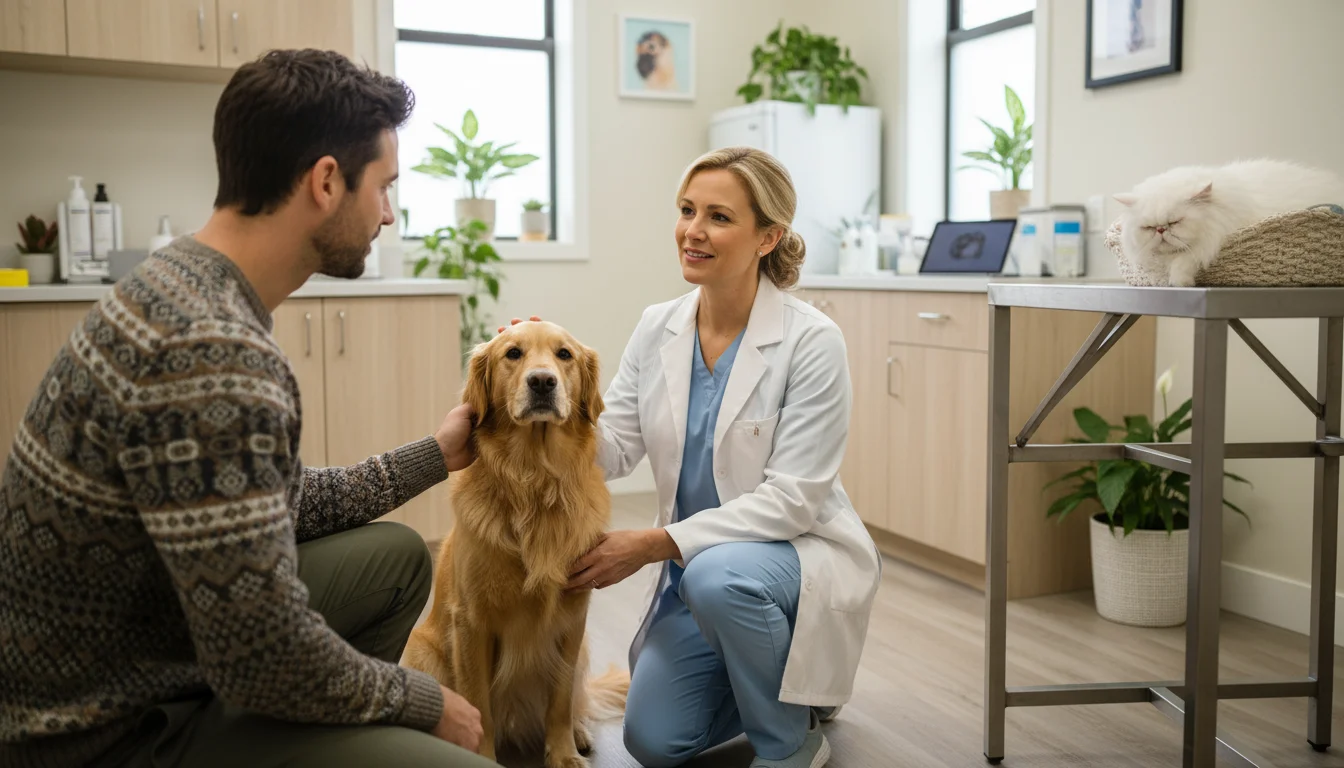
Maximizing Your Pet Insurance Benefits: Pet Health Tips for Savvy Owners
Having pet insurance is a significant step toward responsible pet ownership and protecting your finances. However, simply having a policy does not automatically maximize its value. Proactive management and adherence to the best pet health tips ensure you get the most out of your investment while prioritizing your pet’s well-being.
Embrace Preventive Care Consistently
Even if your insurance policy focuses on accidents and illnesses, preventive care remains the cornerstone of good pet health. Regular wellness exams, vaccinations, and parasite prevention help catch potential problems early, often before they become serious and costly. If you have a wellness add-on, make sure you utilize all the covered benefits. Schedule those annual check-ups, dental cleanings, and vaccination boosters. Proactive care often reduces the likelihood of needing expensive treatments for advanced conditions later on.
As noted by experts at the ASPCA, routine veterinary visits are essential for preventing disease and ensuring your pet lives a long, healthy life. These visits allow your veterinarian to monitor your pet’s overall health, identify subtle changes, and provide tailored advice on nutrition and lifestyle.
Understand Your Policy Inside and Out
Do not wait for an emergency to understand your coverage. Regularly review your policy document. Familiarize yourself with your deductible, reimbursement percentage, annual limit, and especially the exclusions. Knowing these details upfront allows you to anticipate out-of-pocket costs and avoid surprises when a claim arises. If you have questions, contact your insurance provider directly. Their customer service team is there to help clarify policy specifics.
Keep Meticulous Records
Good record-keeping is vital for smooth claims processing. Maintain a file, either physical or digital, with all your pet’s veterinary records. This includes:
- Veterinary invoices and receipts, clearly itemizing services, diagnostics, and medications.
- Medical charts documenting diagnoses, treatments, and prognosis.
- Proof of prior vet visits, especially before your policy’s effective date, to establish baseline health for pre-existing condition discussions.
- Communication records with your insurance provider.
When you submit a claim, the insurer often requests these documents. Having them readily accessible expedites the reimbursement process.
Understand the Claims Process
Most pet insurance works on a reimbursement model, meaning you pay the veterinary bill upfront and then submit a claim for reimbursement. Here is a general overview:
- Pay the Vet: Settle your bill directly with your veterinarian.
- Complete Claim Form: Fill out your portion of the insurance claim form, providing all requested information accurately.
- Veterinarian’s Section: Ask your veterinary clinic to complete their section of the claim form, which typically includes diagnosis codes, treatment details, and itemized costs. Many clinics can submit these forms electronically on your behalf.
- Submit Claim: Send the completed form and all supporting documentation (itemized invoice, medical records) to your insurance provider. Most companies offer online portals, mobile apps, or email submission.
- Await Reimbursement: The insurer processes your claim, applies your deductible and reimbursement percentage, and then sends you a check or direct deposit for the covered amount.
Familiarize yourself with your provider’s specific claims submission methods and expected processing times. Some providers offer direct pay options, where they pay the vet directly, but this is less common.
Consider Accident-Only or High-Deductible Plans for Budget Constraints
If budget is a primary concern but you still want some financial protection for your pet’s health, consider an accident-only plan. These are generally much more affordable than comprehensive policies. Alternatively, opt for a comprehensive plan with a higher deductible and a lower reimbursement percentage. While this means more out-of-pocket expense for you per incident, it keeps your monthly premiums lower, offering a balance between cost and coverage.
Maximizing your pet insurance benefits involves a combination of informed decision-making, proactive pet care, and diligent record-keeping. By actively engaging with your policy and consistently applying best pet health tips, you ensure your pet receives the best possible care while securing your financial peace of mind.

Frequently Asked Questions
Is pet insurance worth the cost?
For many pet owners, pet insurance is a valuable investment. It provides financial security against unexpected veterinary bills, which can easily range from hundreds to thousands of dollars for accidents, illnesses, or chronic conditions. While you might not use it every year, the peace of mind it offers, knowing you can provide necessary care without financial strain, makes it worthwhile for safeguarding your pet’s health and your wallet.
Can I get pet insurance for an older pet?
Yes, you can typically get pet insurance for older pets, but there are important considerations. Premiums are generally higher for senior pets due to their increased likelihood of developing health issues. Additionally, any pre-existing conditions your older pet already has will be excluded from coverage. It is crucial to read the policy terms carefully and understand any age-related limitations or waiting periods.
What is a waiting period, and why does it matter?
A waiting period is a specific amount of time, set by the insurance company, that must pass from your policy’s effective date before coverage for certain conditions begins. For instance, there might be a 2-day waiting period for accidents and a 14-day waiting period for illnesses, with longer periods for orthopedic conditions like hip dysplasia. This matters because any illness or injury that occurs or shows symptoms during the waiting period will be considered pre-existing and therefore not covered by the policy.
Does pet insurance cover routine vaccinations and check-ups?
Typically, standard accident and illness pet insurance policies do not cover routine preventive care like vaccinations, annual check-ups, or parasite prevention. However, many providers offer separate wellness or preventive care add-ons that you can purchase for an additional premium. These add-ons specifically reimburse for a range of routine veterinary services, helping you budget for predictable pet health expenses.
Understanding pet insurance requires careful examination of coverage types, exclusions, and policy terms. By comparing options, assessing your pet’s needs, and familiarizing yourself with the claims process, you empower yourself to choose a plan that offers genuine protection for your beloved companion’s health and your financial peace of mind. Investing in pet insurance is one of the best pet health tips, allowing you to focus on your pet’s recovery rather than the cost when unexpected health challenges arise.
For expert pet care guidance, visit
Fear Free Pets, The Spruce Pets, Rover — Pet Care Blog and Preventive Vet.
Disclaimer: This article is for informational purposes only and is not a substitute for professional veterinary advice, diagnosis, or treatment. Always consult with a licensed veterinarian for medical concerns about your pet.
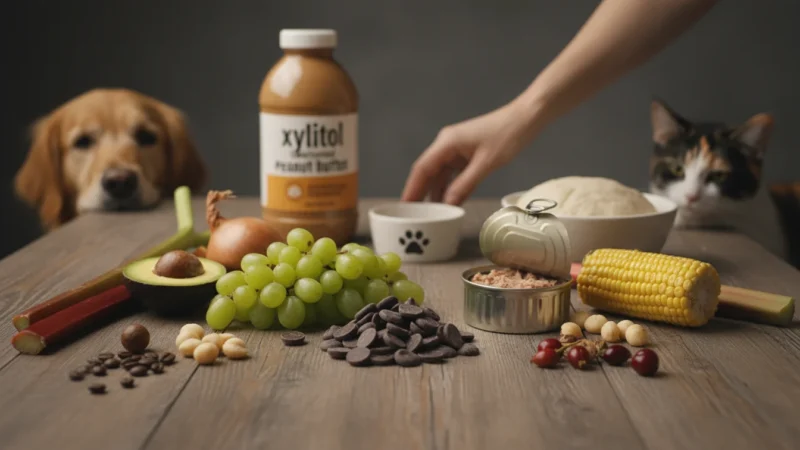
Accidental poisoning is common, so it is vital to know which human foods are dangerous for pets before an emergency occurs.
Before selecting a plan, ensure you choose a veterinarian you can trust to provide the documentation needed for future claims.






Leave a Reply