
Common Training Challenges and How to Overcome Them
Even with the best intentions, you might encounter bumps in the road during your trick training journey. Understanding common challenges and how to address them helps you stay positive and productive.
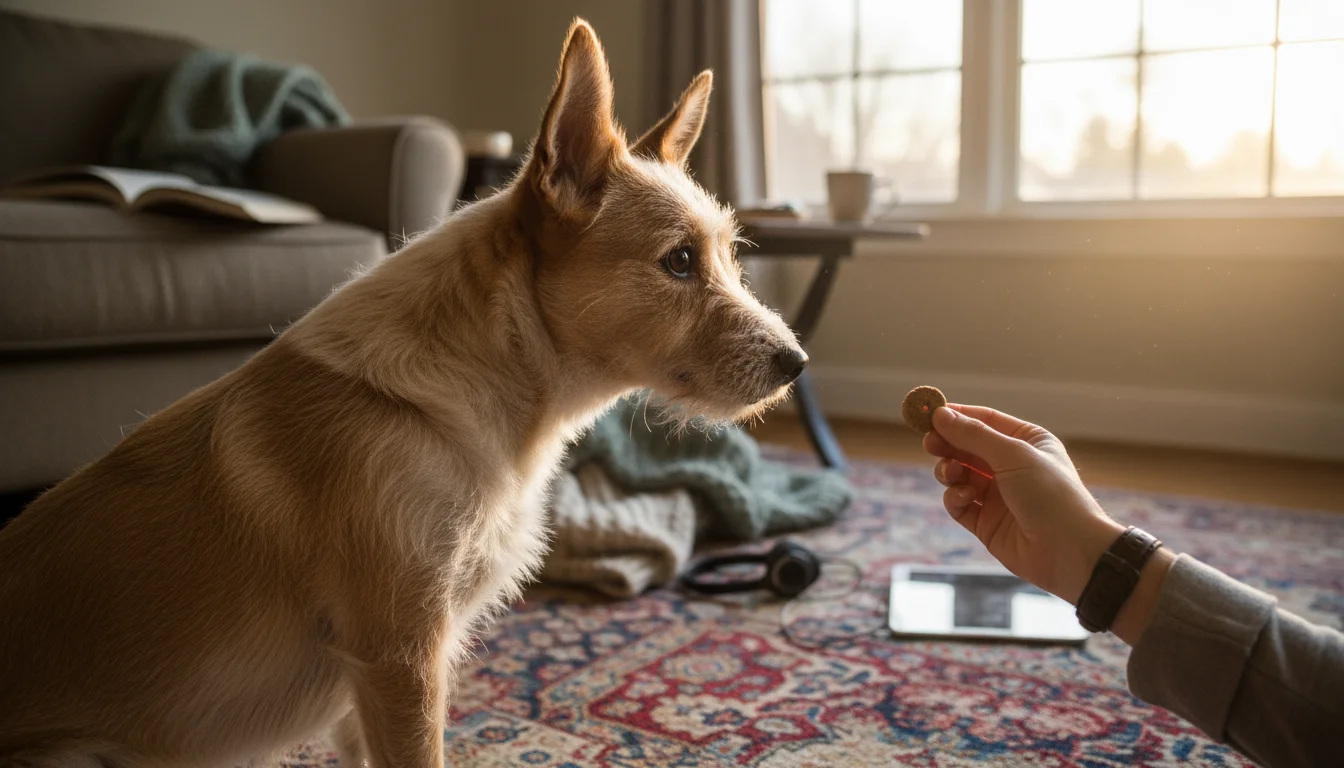
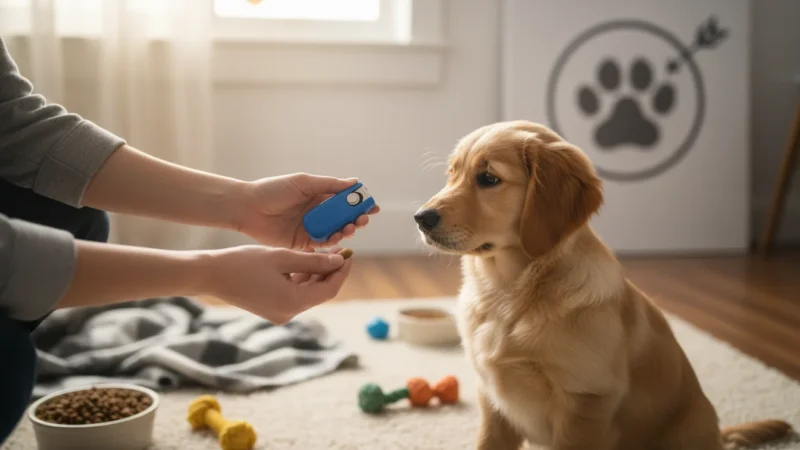
- Lack of Motivation: If your dog seems uninterested, your rewards might not be high-value enough. Experiment with different treats, toys, or praise. Sometimes, dogs get bored of the same reward. Try using a “jackpot” reward, which is a larger quantity or particularly delicious treat, for significant breakthroughs. Ensure you are training in a quiet environment, free from overwhelming distractions.
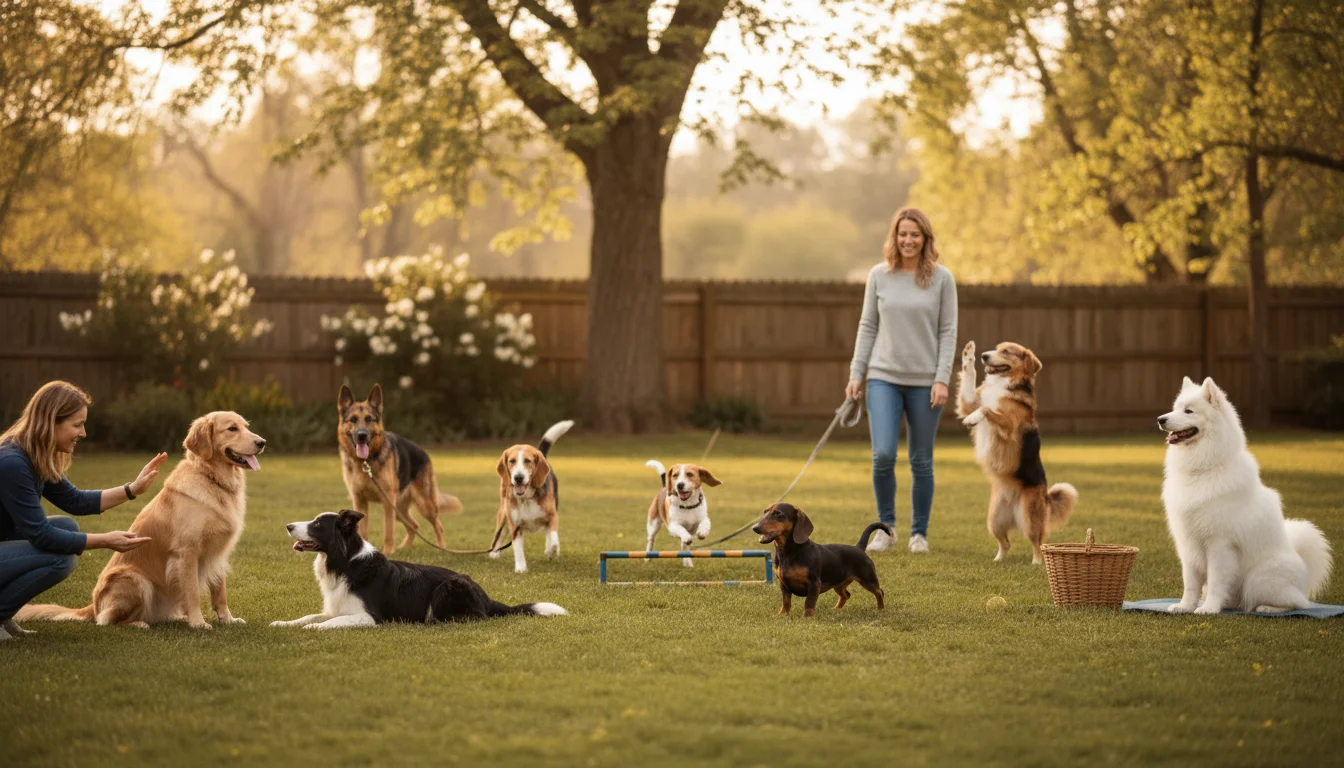
- Distractions: Training in a busy environment makes it hard for your dog to focus. Start training new tricks in a calm, quiet space. Once your dog reliably performs the trick in that setting, gradually introduce mild distractions, like another person in the room, then move to slightly busier areas. Always increase the level of distraction slowly and only when your dog is ready.
- Frustration (Yours or Your Dog’s): If you feel frustrated, your dog likely senses it, making them anxious or confused. If your dog is not getting it, or you feel your patience wearing thin, take a break. End the session on an easy trick your dog knows, then revisit the challenging trick later. Break the trick into even smaller steps. What seems simple to you might be complex for your dog.
- Inconsistency: If different family members use different cues or methods, your dog gets confused. Ensure everyone involved in training uses the same verbal cues, hand signals, and reinforcement strategies. Consistency reinforces learning and helps your dog generalize the trick.
- Physical Limitations: Always consider your dog’s age, breed, and physical condition. A senior dog with arthritis might struggle with “crawl” or “spin.” A brachycephalic (short-nosed) breed might have trouble with certain mouth-related tricks. Adapt tricks or choose ones that are comfortable and safe for your individual dog. Never push your dog past their comfort level or cause them pain.
If you find yourself struggling, review these 8 common training mistakes to help refine your technique and get back on track.
Troubleshooting these issues with patience and a positive mindset ensures you maintain a rewarding and enjoyable training experience for both of you.



Leave a Reply