
Grooming Your Apartment Cat: By Coat Type
Grooming is more than just aesthetics, it is an important part of pet care that supports skin health, prevents matting, and reduces shedding. The frequency and type of grooming depend heavily on your cat’s coat. Regular grooming also serves as an opportunity to check for any lumps, bumps, or skin irritations.
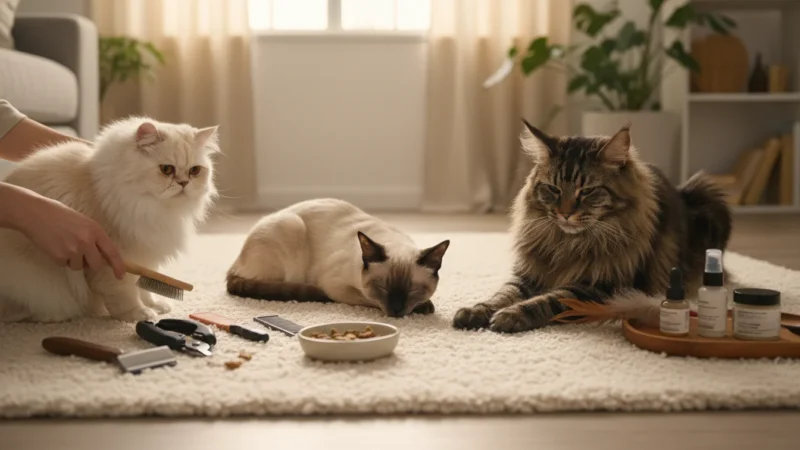
Long-Hair Breeds (e.g., Persian, Ragdoll, Maine Coon)
These breeds require the most intensive grooming.
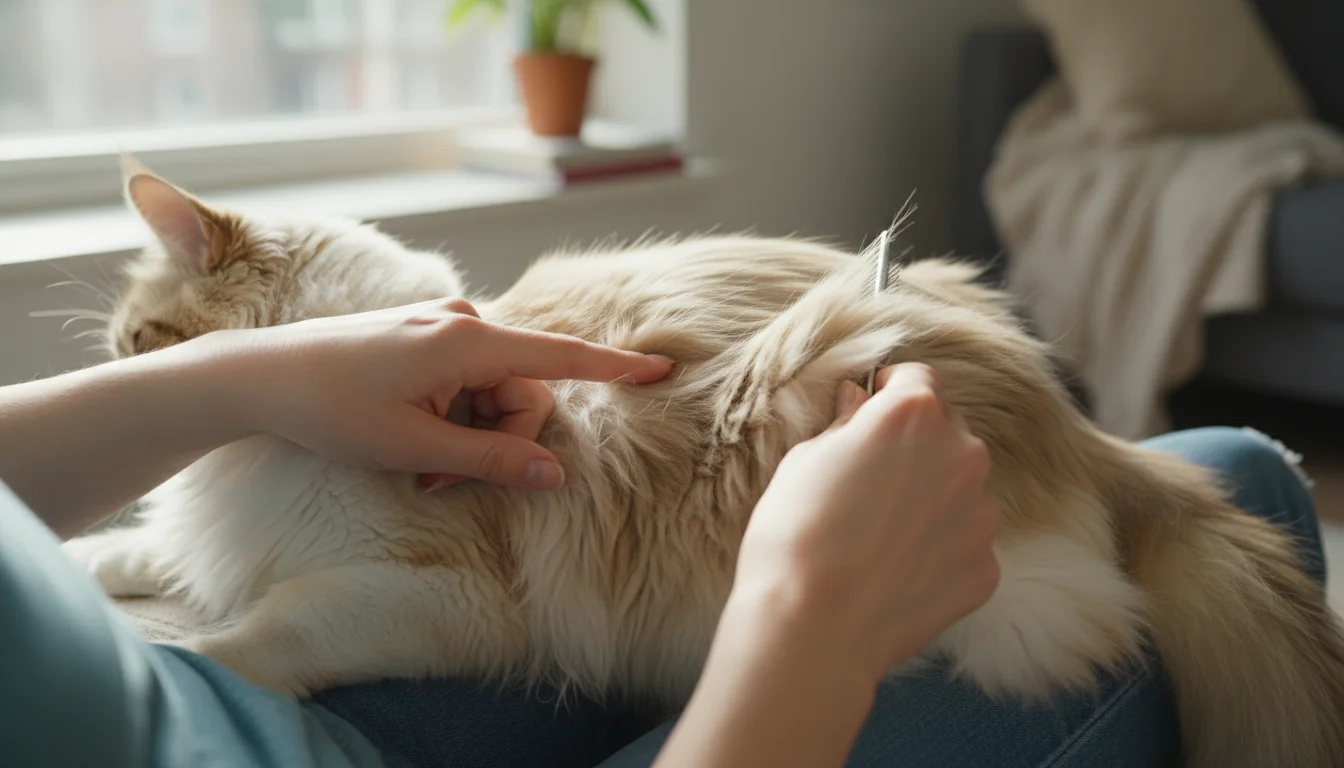
- Daily Brushing: Use a slicker brush and a metal comb to gently detangle and remove loose fur. Pay close attention to areas prone to matting, such as behind the ears, armpits, and flanks.
- Prevent Matting: Regular brushing is the best defense against mats, which can be painful and lead to skin infections. If you encounter a mat, try to gently tease it apart with your fingers or the comb. For severe mats, professional grooming might be necessary.
- Bathing: Occasional baths, every few months or as needed, help keep their coats clean and healthy. Use a cat-specific shampoo and ensure thorough rinsing to prevent skin irritation.
Short-Hair Breeds (e.g., British Shorthair, American Shorthair, Russian Blue)
Short-haired cats are generally lower maintenance, but still benefit from regular grooming.
- Weekly Brushing: Use a rubber curry brush or a fine-toothed comb to remove loose hair and stimulate blood circulation. This reduces shedding around your home.
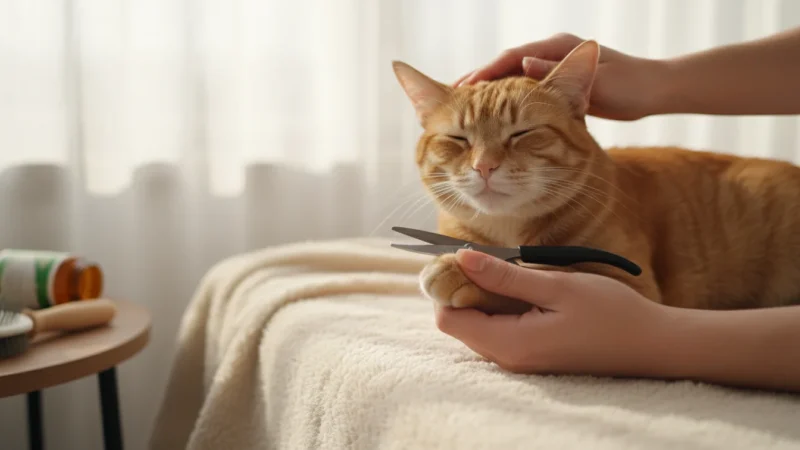
- Nail Trimming: All cats need regular nail trims, typically every two to four weeks. Introduce this early and make it a positive experience with treats.
- Ear and Eye Cleaning: Check ears weekly for dirt or signs of infection. Clean with a vet-approved solution. Wipe eyes gently with a soft, damp cloth if any discharge is present.
Hairless Breeds (e.g., Sphynx, Peterbald)
Hairless cats have unique grooming requirements, focusing on skin care.
- Weekly Baths: Since they lack fur to absorb body oils, hairless cats need regular baths to prevent oily build-up on their skin. Use a gentle, hypoallergenic cat shampoo and ensure they are kept warm afterward.
- Skin Care: Monitor their skin for dryness, rashes, or sunburn. Apply vet-approved moisturizing lotions if necessary and provide sun protection if they have outdoor access or direct sun exposure indoors.
- Ear Cleaning: Their ears can accumulate more wax and dirt due to the lack of hair protection. Clean them weekly with a vet-approved ear cleaner.
Consistent grooming, tailored to your cat’s coat, keeps them comfortable and healthy, making them even better apartment companions. For detailed guidelines on maintaining your cat’s overall health, including grooming best practices, consider resources like Cornell University College of Veterinary Medicine’s Feline Health Center.





Great advice for me, apartment dweller, but where can I obtain these breeds? Are they expensive?