

Frequently Asked Questions
Can an energetic cat breed live in an apartment?
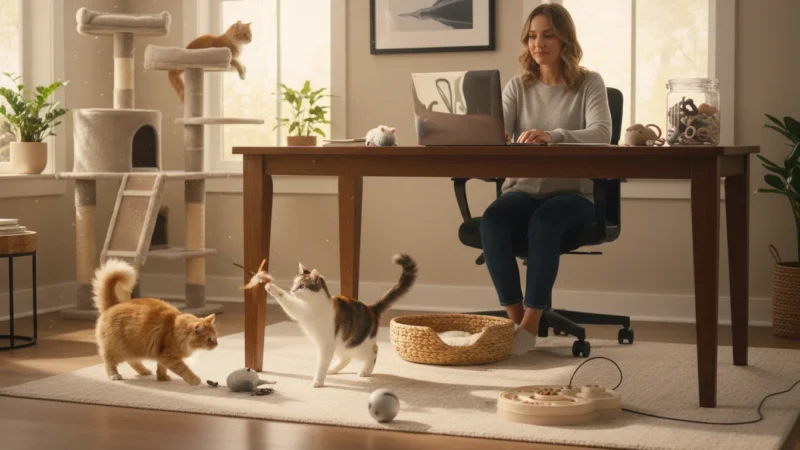
Yes, some energetic cat breeds can live in an apartment, provided you commit to providing ample daily exercise and mental stimulation. Breeds like the Siamese or Abyssinian are naturally active and intelligent. They need consistent interactive play sessions, puzzle toys, and vertical climbing structures to expend their energy safely indoors. Without sufficient outlets, energetic cats may develop destructive behaviors or become stressed.
How much space does a cat need in an apartment?
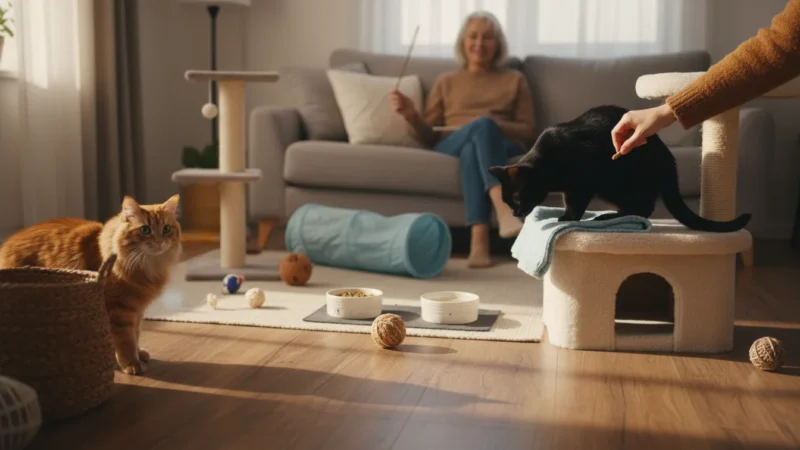
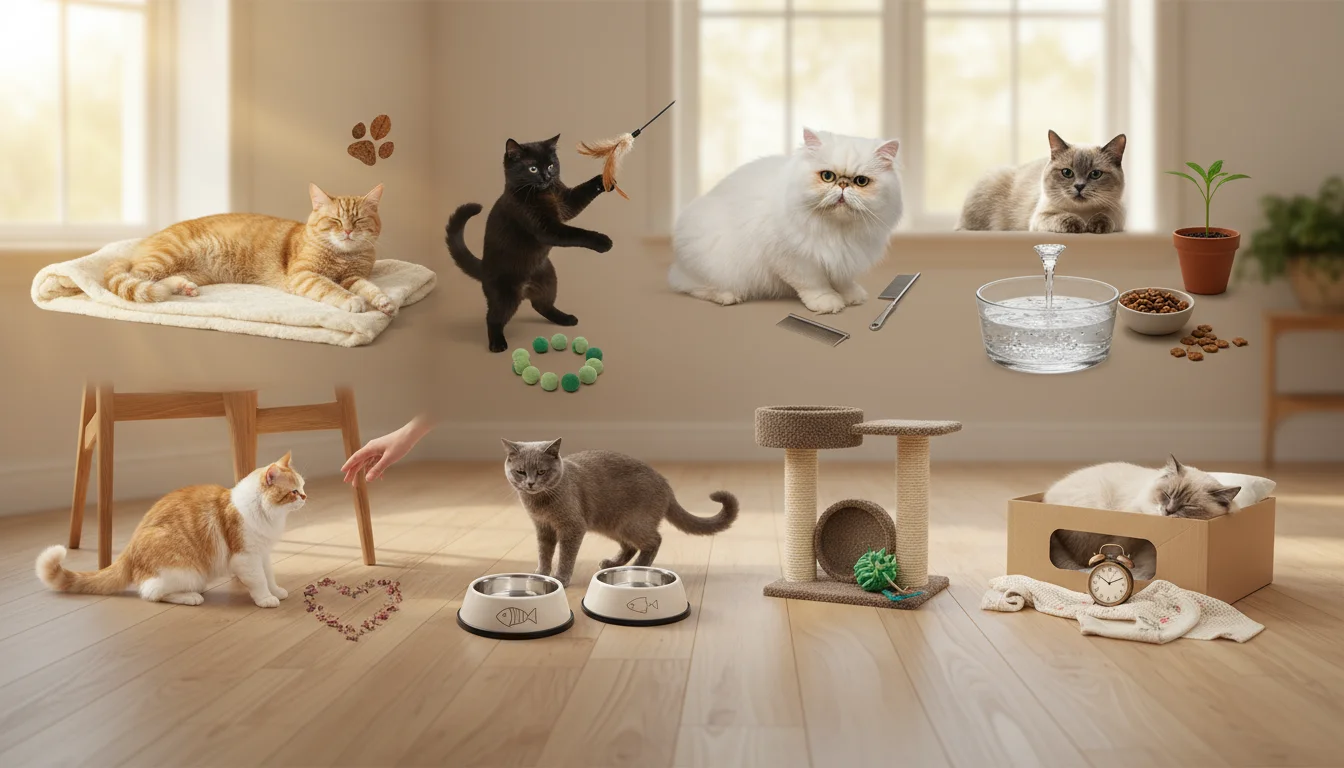
Cats do not require a vast floor plan, but they need adequate “vertical” space and enrichment. More important than square footage is the quality of their environment. Provide vertical climbing structures, window perches, scratching posts, and safe hiding spots. A small apartment can be perfectly suitable if it offers plenty of stimulation, comfortable resting places, and appropriate resources. The focus should be on creating a stimulating and secure territory within the available space.
What are the signs a cat is unhappy in an apartment?
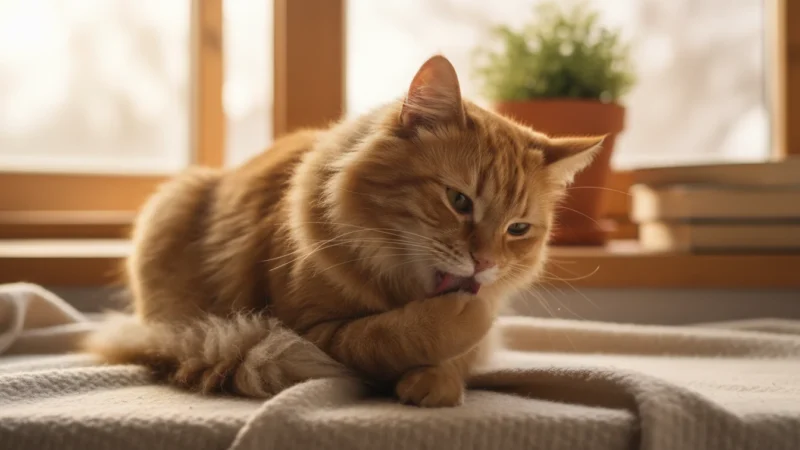
Signs a cat may be unhappy in an apartment include increased destructive scratching, urinating or defecating outside the litter box, excessive vocalization, lethargy, aggression, over-grooming, or hiding more often. These behaviors often indicate stress, boredom, or a lack of appropriate physical and mental stimulation. Addressing these issues early with environmental enrichment, increased play, or a vet visit can improve their well-being.
Do apartment cats need access to outdoors?
No, apartment cats do not inherently need outdoor access to be happy and healthy. Many cats thrive as indoor-only pets, which also protects them from outdoor dangers like traffic, predators, diseases, and parasites. The key is to provide a rich, stimulating indoor environment with plenty of vertical space, toys, scratching opportunities, and human interaction. Supervised outdoor time on a leash or in a secure “catio” can be an option for some cats, but it is not a requirement.
For expert pet care guidance, visit
Preventive Vet, American Veterinary Medical Association (AVMA), American Kennel Club (AKC), Cat Fanciers’ Association (CFA) and ASPCA.
Disclaimer: This article is for informational purposes only and is not a substitute for professional veterinary advice, diagnosis, or treatment. Always consult with a licensed veterinarian for medical concerns about your pet.
Finding ways to keep your cat entertained while you work is particularly important in an apartment setting to prevent boredom-induced behaviors.
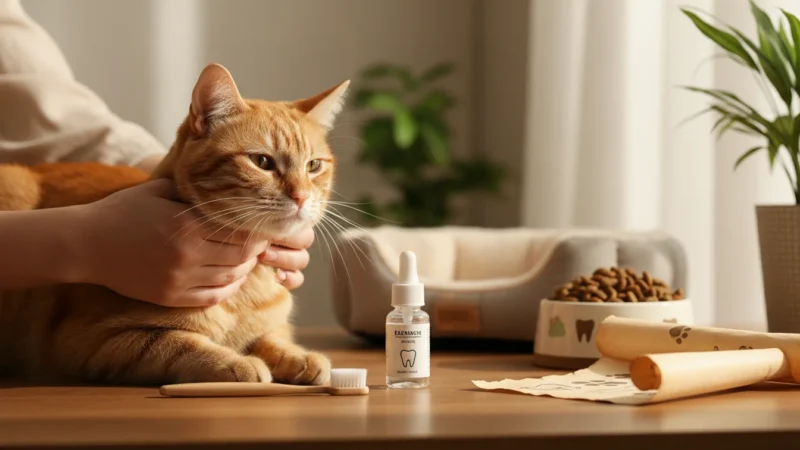
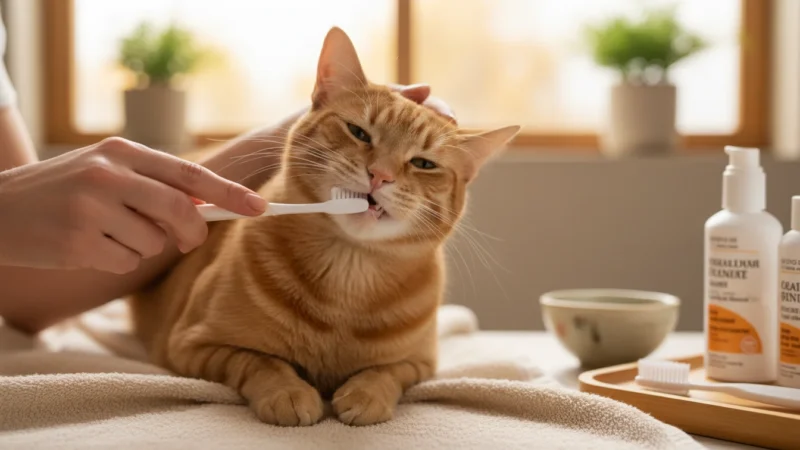
Don’t overlook oral hygiene; following a cat dental care guide is vital for preventing systemic health problems later in life.

Great advice for me, apartment dweller, but where can I obtain these breeds? Are they expensive?