
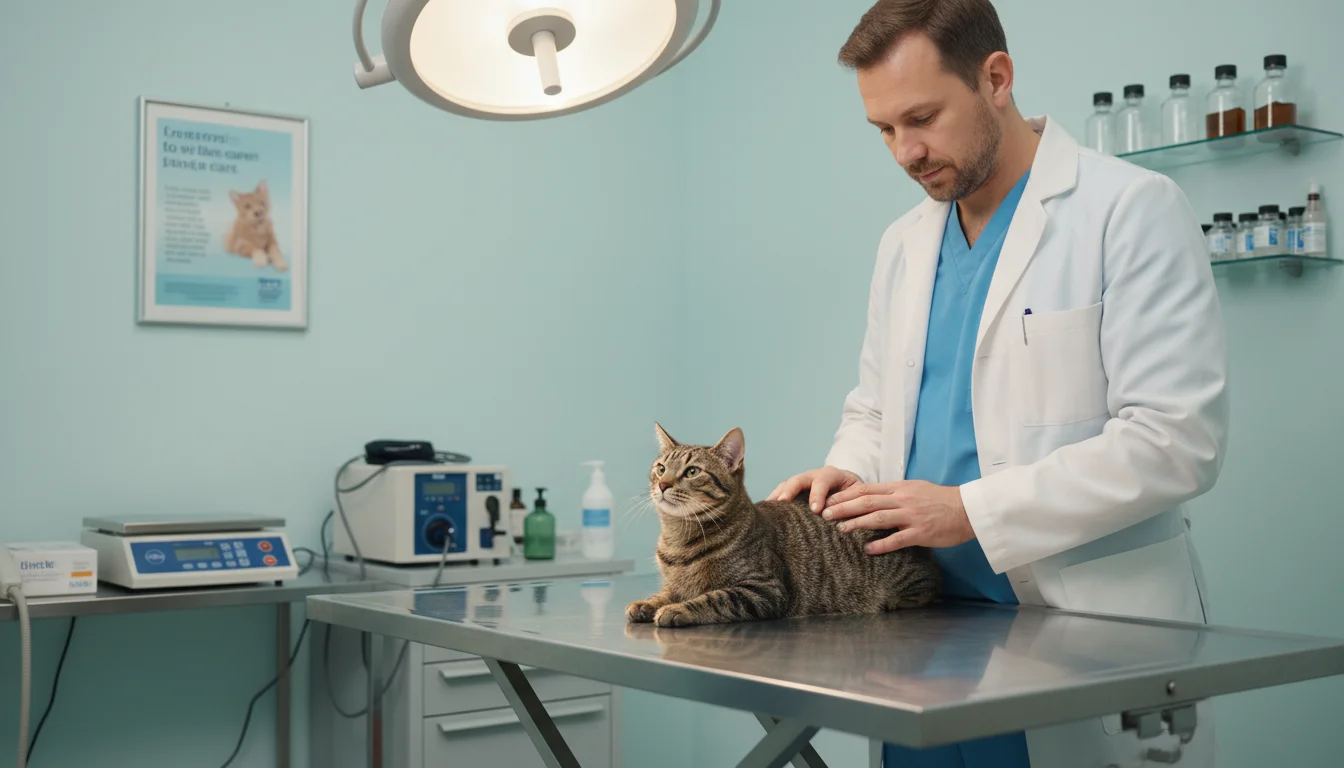
Myth 2: Indoor Cats Do Not Need Regular Veterinary Check-ups or Vaccinations
A widespread misconception suggests that indoor cats are immune to diseases and parasites, therefore negating the need for routine veterinary care. This belief puts your cat’s health at significant risk. Even the most strictly indoor cats can encounter pathogens and health issues that require professional attention, impacting their long-term well-being.
Proper care involves more than just medical visits; for example, keeping indoor cats cool during heatwaves is a vital part of home management.
Understanding Indoor Risks and Stealthy Threats
While an indoor lifestyle reduces exposure to certain outdoor risks, it does not eliminate them entirely. Pathogens can enter your home in subtle ways: on your shoes, clothing, or bags; through open windows via airborne particles; or carried by other pets that venture outdoors. Mosquitoes, which transmit heartworm, easily enter homes. Fleas and other parasites can hitchhike indoors on you or other family members. Beyond external threats, indoor cats are susceptible to chronic conditions such as dental disease (affecting 70-90% of cats by age three), obesity, arthritis, hyperthyroidism, and kidney disease, all of which benefit from early detection and consistent management.
The Critical Role of Preventative Care and Early Detection
Regular veterinary check-ups allow your veterinarian to perform thorough physical examinations, detect subtle changes in health, and recommend appropriate preventative measures. The American Veterinary Medical Association (AVMA) strongly advocates for annual wellness exams for adult cats and twice-yearly exams for senior cats. These visits provide a crucial baseline for your cat’s health and typically include:
- Comprehensive Physical Exam: Your vet assesses overall health, monitors weight, checks dental health, evaluates heart and lung function, and palpates for any abnormalities or pain.
- Tailored Vaccinations: Even indoor cats typically require core vaccinations like rabies (often legally mandated) and FVRCP (feline viral rhinotracheitis, calicivirus, and panleukopenia). Your vet determines additional vaccinations based on your cat’s specific risk factors.
- Parasite Control: Recommendations for year-round prevention against fleas, ticks, heartworm, and intestinal parasites, even if your cat does not go outside.
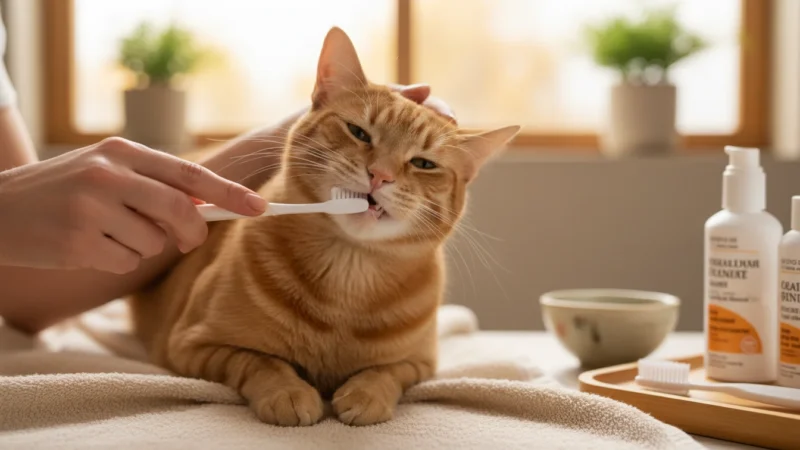
- Dental Care: Professional dental cleanings and at-home care advice to prevent painful periodontal disease, which affects overall health.
- Nutritional and Behavioral Guidance: Personalized dietary advice to maintain a healthy weight and address specific health concerns, alongside behavioral tips.
Specialized Senior Cat Care
As your cat transitions into their senior years, generally considered around 10-12 years of age, the need for regular vet visits becomes even more critical. Senior cats are prone to age-related conditions like kidney disease, hyperthyroidism, diabetes, and arthritis. Early detection through routine blood work, urine analysis, and regular physical exams significantly improves the prognosis and quality of life for your aging companion. Your veterinarian can recommend mobility aids, comfort measures like joint supplements or pain management, and specific health monitoring protocols to keep your senior cat comfortable, active, and healthy in their golden years. These proactive steps allow you to address issues before they become severe.








Leave a Reply