🐶🐱 Everyday With Pets.com
  • Dog Care
  • Cat Care
  • Pet Health
  • Lifestyle & Fun
  • Training & Behavior
  • Product Reviews

8 Common Cat Care Myths Debunked

December 16, 2025 · Cat Care

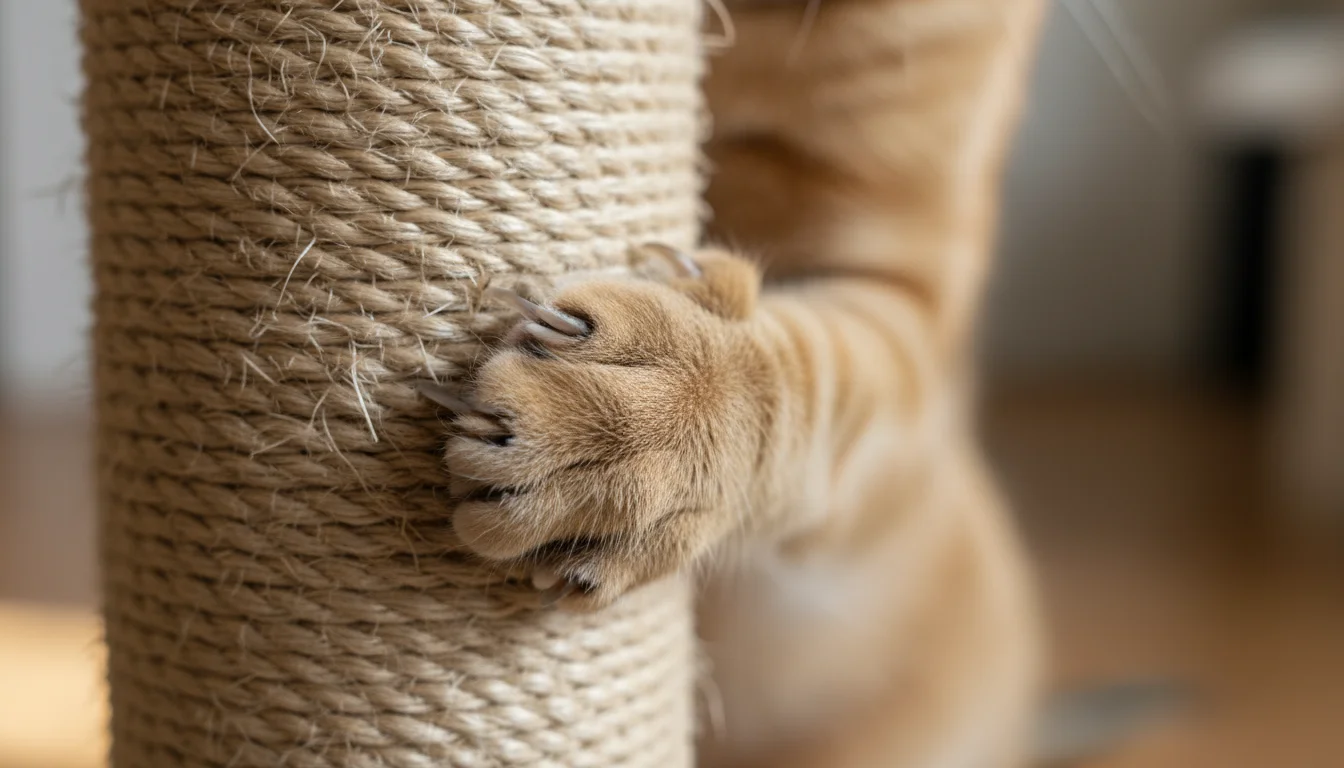
A close-up view of a cat's healthy front paw, showing its intact claws gripping a sisal scratching post.
This cat uses its strong, natural claws to scratch a sisal post.

Myth 5: It’s Okay to Declaw a Cat to Stop Scratching

Declawing, or onychectomy, is a surgical procedure that involves amputating the last bone of each toe. This is not merely a nail trim; it is a serious and irreversible surgery comparable to removing the last knuckle of each of your fingers. Veterinary organizations worldwide largely oppose declawing for non-medical reasons due to its painful nature and potential for long-term physical and behavioral complications that significantly impact a cat’s quality of life.

The Realities and Risks of Declawing

The Humane Society of the United States and many other animal welfare organizations consider declawing an inhumane and unnecessary procedure when performed for convenience. The procedure severs tendons, nerves, and ligaments, and the recovery is often painful. Cats may experience chronic paw pain, nerve damage, or lameness long after the surgery. This pain can lead to changes in gait, making walking and jumping uncomfortable. Furthermore, declawed cats may develop aversions to their litter box due to paw pain, leading to inappropriate elimination outside the box. They can also become more prone to biting as their primary defense mechanism is removed, causing them to feel vulnerable. The procedure ultimately compromises your cat’s natural anatomy and behavior, often for the owner’s convenience rather than the cat’s welfare.

Humane and Effective Alternatives to Declawing

You can effectively manage your cat’s natural scratching behaviors without resorting to painful and ethically questionable surgery. Consider these humane and highly effective alternatives:

  • Provide Abundant and Appropriate Scratching Surfaces: Offer a variety of scratching posts (vertical, horizontal, angled) made from different materials (sisal rope, corrugated cardboard, carpet, wood). Cats often have preferences for texture and orientation. Place these posts in areas where your cat naturally wants to scratch, such as near furniture, doorways, or their favorite resting spots.
  • Regular Nail Trims: Keep your cat’s nails trimmed every 2-4 weeks. This simple routine significantly reduces the damage they can inflict on furniture and keeps their paws healthy. Introduce nail trims early in life and make it a positive, calm experience with treats and praise. If you are unsure how to trim your cat’s nails, ask your veterinarian or groomer for a demonstration.
  • Soft Paws (Nail Caps): These are vinyl caps that you glue onto your cat’s claws. They effectively blunt the claws, preventing scratching damage, and typically last 4-6 weeks before needing replacement as the nail grows. Most cats tolerate them well, and they offer an immediate, non-invasive solution.
  • Positive Reinforcement Training: Redirect your cat to appropriate scratching posts using treats, praise, and interactive play. Make the designated scratching areas highly appealing by rubbing catnip on them or playing near them. Reward generously when your cat uses the post.
  • Protective Barriers: Temporarily cover furniture or areas your cat is scratching with deterrents like double-sided sticky tape, aluminum foil, or plastic protectors. These make the undesired surfaces less appealing, helping to redirect them to appropriate scratchers.


Pages: 1 2 3 4 5 6 7 8 9 10

Share this article

Facebook Twitter Pinterest LinkedIn Email

Leave a Reply Cancel reply

Your email address will not be published. Required fields are marked *

Search

Latest Posts

  • A retired man reading a book in a cozy armchair while his senior dog rests its head on his knee in a sunlit living room. 8 Reasons More Retirees Are Adopting Older Dogs
  • A close-up photograph of a tabby cat headbutting a woman's cheek in a warm, sunlit living room. If Your Cat Headbutts You, This Is What It Really Means
  • A ginger cat leans its head against a person's hand on a wooden table in a sunlit, cozy living room. 10 Pet Habits That Reveal Hidden Feelings
  • Close-up macro photograph of a vibrant Panther Chameleon with turquoise and red scales on a mossy branch. 10 Most Beautiful Color Changing Animals
  • A senior yellow Labrador Retriever resting on a rug in a sunlit room, looking slightly tired, captured in a candid home setting. 6 Symptoms of Insulin Deficiency in Dogs
  • A senior dog rests its head on a woman's knee in a sun-drenched room, symbolizing a deep, secure bond. 9 Behaviors That Reveal Strong Pet-Owner Bonds
  • A dog and a cat sitting together in a sunlit living room, subtly communicating through body language and proximity. 10 Ways Pets Quietly Communicate with Owners
  • Close-up of an elderly Golden Retriever with a grey muzzle resting on a cushion in warm, natural morning light. 9 Changes Senior Pets Often Go Through
  • A fluffy Ragdoll cat with blue eyes relaxes on a grey sofa in a sunlit, cozy living room during golden hour. 10 Cat Breeds Known for Affectionate Personalities
  • A large Greyhound and a small Cavalier King Charles Spaniel resting together on a rug in a sun-filled living room. 9 Dog Breeds Known for Calm Personalities

Newsletter

Get the latest posts delivered to your inbox.

Related Articles

Summer Cat Care: Keeping Indoor Cats Cool - comprehensive guide

Summer Cat Care: Keeping Indoor Cats Cool

Learn essential summer cat care tips for indoor cats, including hydration, cooling strategies, and recognizing…

Read More →
10 Signs Your Cat Is Happy and Healthy - comprehensive guide

10 Signs Your Cat Is Happy and Healthy

Learn 10 clear signs your cat is happy and healthy, with practical advice on grooming,…

Read More →
How to Keep Your Cat Entertained While You Work - comprehensive guide

How to Keep Your Cat Entertained While You Work

Learn practical ways to keep your cat entertained and happy while you work, using science-backed…

Read More →
How to Introduce a New Cat to Your Home - comprehensive guide

How to Introduce a New Cat to Your Home

Learn how to introduce a new cat to your home with expert, step-by-step guidance on…

Read More →
Understanding Your Cat’s Grooming Behavior - comprehensive guide

Understanding Your Cat’s Grooming Behavior

Learn why cats groom, how to interpret their grooming behavior, and practical tips to support…

Read More →
15 Best Cat Breeds for Apartment Living - comprehensive guide

15 Best Cat Breeds for Apartment Living

Discover the 15 best cat breeds for apartment living and essential cat care tips for…

Read More →
Understanding Cat Coat Types and Care Needs - comprehensive guide

Understanding Cat Coat Types and Care Needs

Learn about various cat coat types and their specific grooming needs to ensure your feline's…

Read More →
Indoor vs Outdoor Cats: Care Differences Explained - comprehensive guide

Indoor vs Outdoor Cats: Care Differences Explained

Learn the key differences in care for indoor vs outdoor cats, covering health, safety, enrichment,…

Read More →
How to Trim Your Cat’s Claws Without the Drama - comprehensive guide

How to Trim Your Cat’s Claws Without the Drama

Learn how to trim your cat's claws without the drama. Get practical, step-by-step guidance, essential…

Read More →
🐶🐱 Everyday With Pets.com

Making Pet Care Simple, Every Day

Inedit Agency S.R.L.
Bucharest, Romania

contact@everydaywithpets.com

Trust & Legal

  • Home
  • About Us
  • Contact Us
  • Editorial Policy
  • Privacy Policy
  • Terms and Conditions
  • Subscribe
  • Unsubscribe
  • Request to Know
  • Request to Delete
  • CA Private Policy

Categories

  • Cat Care
  • Dog Care
  • Lifestyle & Fun
  • Pet Health
  • Product Reviews
  • Training & Behavior

© 2026 🐶🐱 Everyday With Pets.com. All rights reserved.