🐶🐱 Everyday With Pets.com
  • Dog Care
  • Cat Care
  • Pet Health
  • Lifestyle & Fun
  • Training & Behavior
  • Product Reviews

8 Common Cat Care Myths Debunked

December 16, 2025 · Cat Care

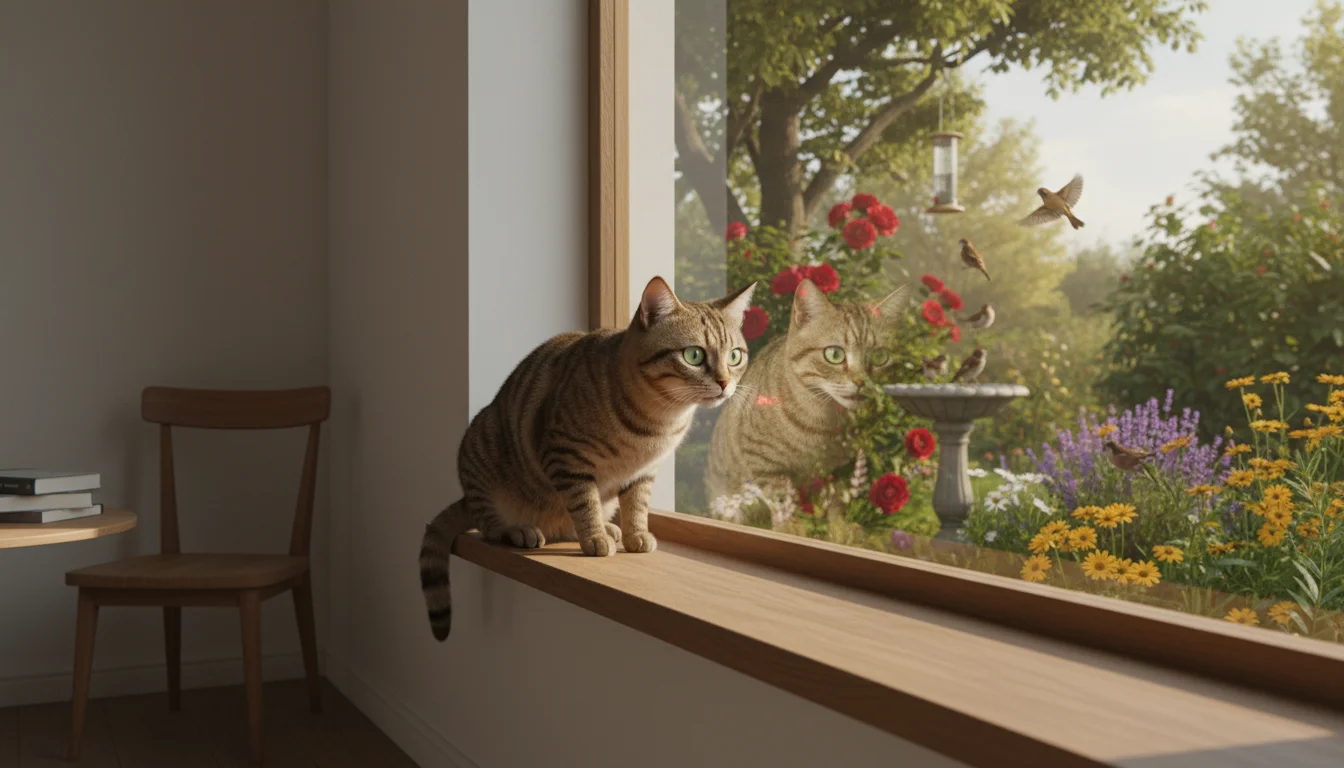
A sleek tabby cat sits on a bare windowsill, intently gazing out at a vibrant garden with birds, its subtle reflection showing a yearning.
Even without constant human interaction, cats need stimulating environments.

Myth 4: Cats Are Low-Maintenance Pets Requiring Little Interaction or Enrichment

This myth is perhaps one of the most damaging, as it often leads to cats experiencing boredom, stress, and a host of behavioral problems. The idea that cats are content to simply eat, sleep, and use a litter box overlooks their complex needs for mental stimulation, physical activity, and environmental enrichment, which are crucial for their psychological and physical well-being.

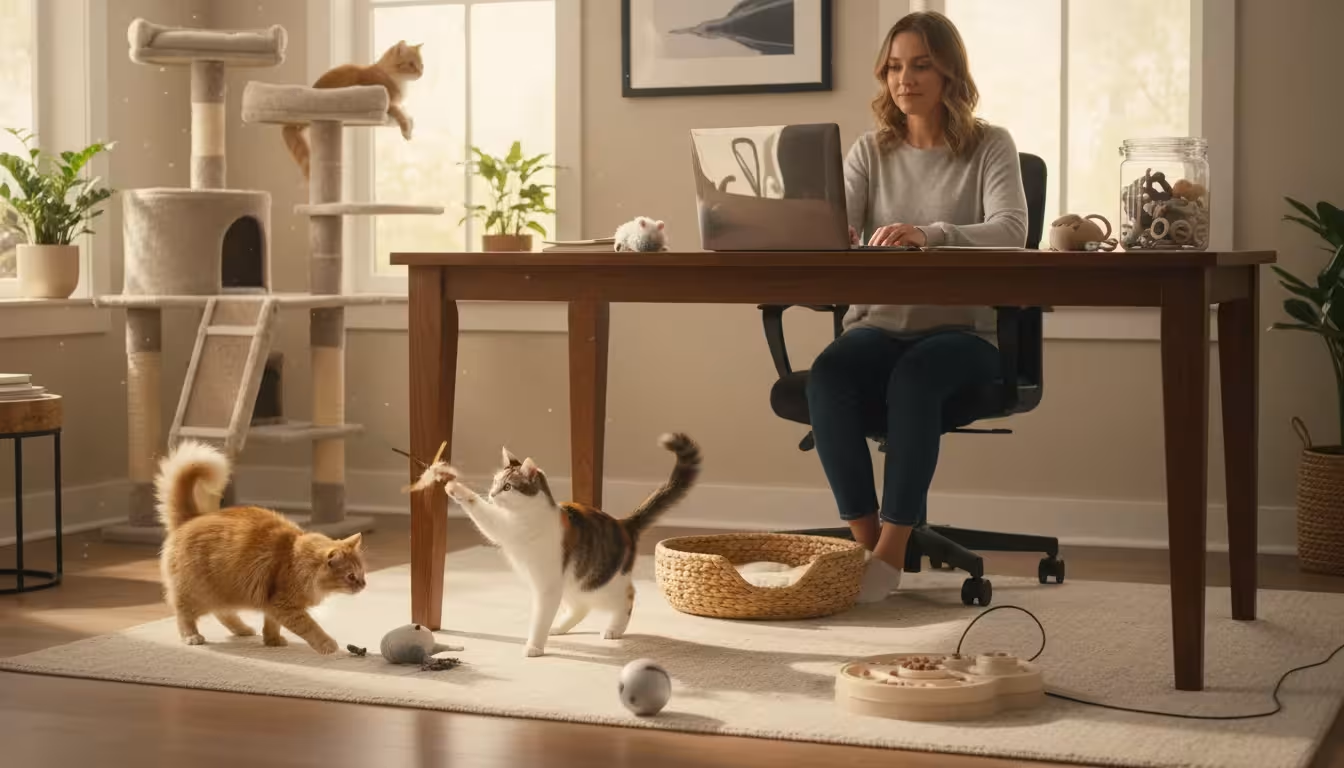
Many owners struggle to provide enough stimulation, but learning how to keep your cat entertained while you work can prevent boredom-related behaviors.

The Indispensable Need for Environmental Enrichment

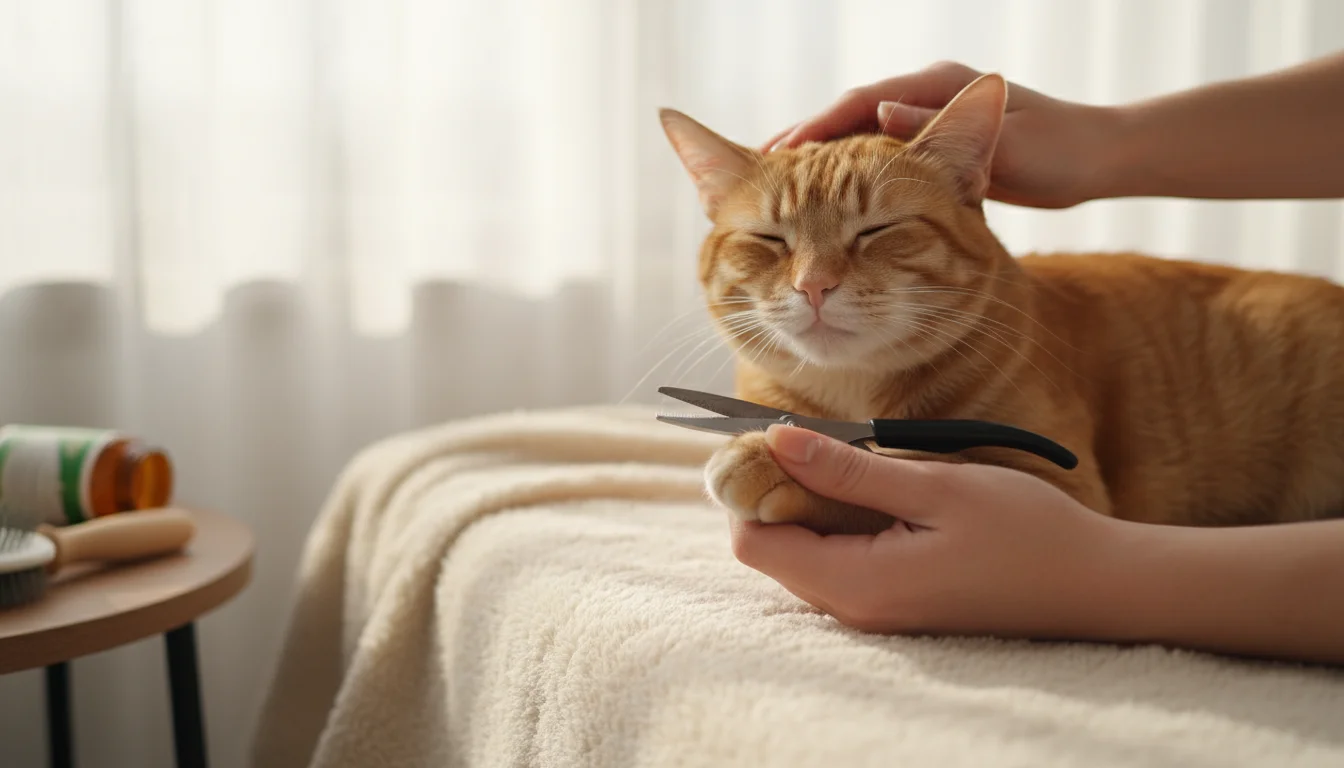
Alongside enrichment, knowing how to trim your cat’s claws without the drama is an essential skill that supports their natural grooming needs without stress.

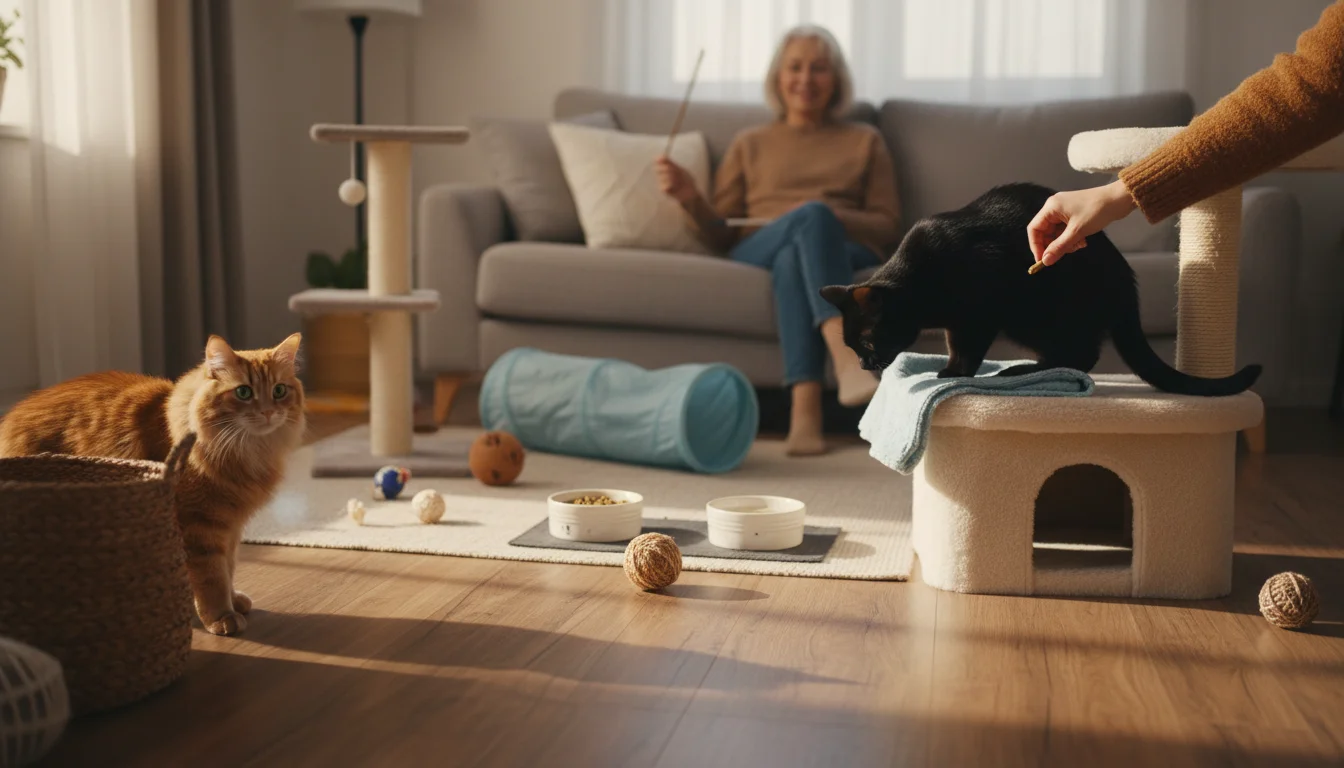
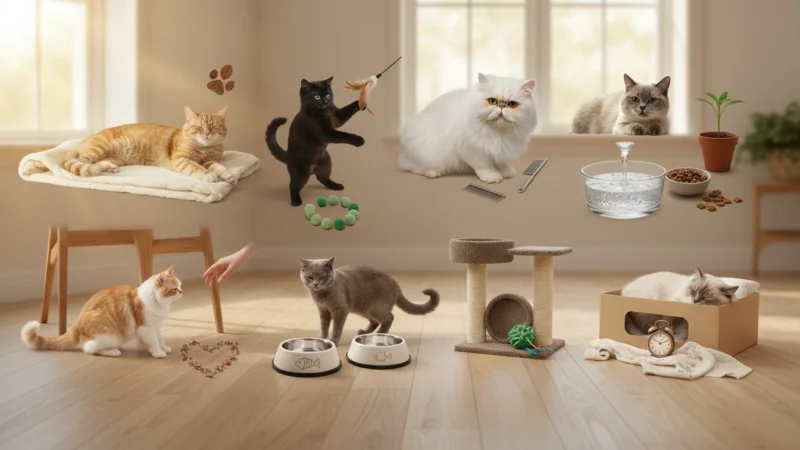
Cats are natural hunters, climbers, and explorers. Confining them to an indoor environment without adequate stimulation can lead to a range of issues, including destructive behaviors, excessive vocalization, aggression (towards humans or other pets), over-grooming, anxiety, or withdrawal and lethargy. Providing a rich, stimulating environment caters to their natural instincts and actively prevents boredom and stress. Key elements of indoor environmental enrichment include:

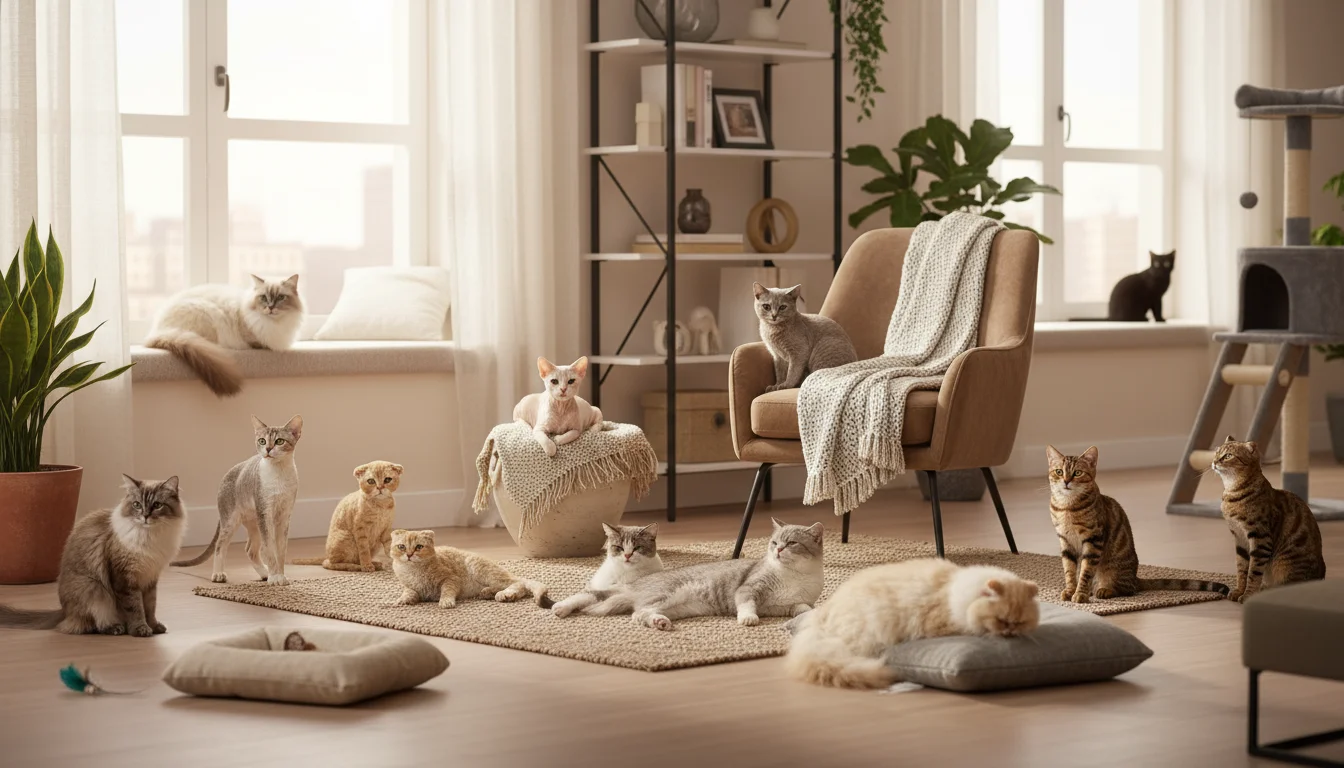
  1. Vertical Space: Cats feel safe, secure, and confident when they can observe their surroundings from an elevated position. Provide cat trees of varying heights, sturdy wall-mounted shelves, and comfortable window perches. These structures satisfy their instinct to climb, provide escape routes, and create crucial “territory” in a multi-cat household. The Cornell University College of Veterinary Medicine highlights the importance of vertical territory for feline well-being and reducing inter-cat conflict.
  2. Scratching Posts and Surfaces: Cats scratch for essential reasons: to mark territory (visually and with scent from paw glands), to stretch their muscles, and to shed the outer dead layers of their claws. Provide a variety of scratching surfaces (cardboard, sisal, carpet, wood) in both vertical and horizontal orientations. Place them in prominent areas where your cat typically stretches or “marks,” such as near their sleeping areas or entryways to rooms.
  3. Interactive Toys and Play: Engage your cat with toys that mimic prey. Wand toys, feather teasers, and light-reflecting toys are excellent for interactive play. Puzzle feeders and motorized toys can provide solo entertainment. Rotate toys regularly to keep them novel and exciting, ensuring your cat does not get bored with the same items. Aim for at least two 10-15 minute interactive play sessions daily.
  4. Window Perches and “Cat TV”: Allow your cat to safely observe the outside world. A comfortable window perch provides mental stimulation as they watch birds, squirrels, or passersby. Consider placing a bird feeder outside a window to create “cat TV” entertainment for hours.
  5. Foraging Opportunities: Instead of feeding all meals in a single bowl, use puzzle feeders or hide small portions of dry food or treats around the house. This stimulates their natural hunting and foraging instincts, making mealtime a more engaging and mentally challenging activity.

Feline Behavior Understanding and The Power of Positive Reinforcement

Understanding feline body language and vocalizations is crucial for effective interaction and building a strong bond. A slow blink, for example, often indicates trust and contentment. An arched back with piloerection (raised fur) and hissing signals fear or aggression. Learning to read these subtle cues helps you respond appropriately, preventing misunderstandings and reducing stress for your cat. Positive reinforcement, using treats, praise, or play, is the gold standard for encouraging desired behaviors and is far more effective and humane than punishment. Punishment creates fear, erodes trust, and can lead to increased stress, anxiety, and potentially more severe behavioral issues. Instead, reward good behavior, such as scratching on a post, to reinforce positive habits.
Pages: 1 2 3 4 5 6 7 8 9 10

Share this article

Facebook Twitter Pinterest LinkedIn Email

Leave a Reply Cancel reply

Your email address will not be published. Required fields are marked *

Search

Latest Posts

  • A retired man reading a book in a cozy armchair while his senior dog rests its head on his knee in a sunlit living room. 8 Reasons More Retirees Are Adopting Older Dogs
  • A close-up photograph of a tabby cat headbutting a woman's cheek in a warm, sunlit living room. If Your Cat Headbutts You, This Is What It Really Means
  • A ginger cat leans its head against a person's hand on a wooden table in a sunlit, cozy living room. 10 Pet Habits That Reveal Hidden Feelings
  • Close-up macro photograph of a vibrant Panther Chameleon with turquoise and red scales on a mossy branch. 10 Most Beautiful Color Changing Animals
  • A senior yellow Labrador Retriever resting on a rug in a sunlit room, looking slightly tired, captured in a candid home setting. 6 Symptoms of Insulin Deficiency in Dogs
  • A senior dog rests its head on a woman's knee in a sun-drenched room, symbolizing a deep, secure bond. 9 Behaviors That Reveal Strong Pet-Owner Bonds
  • A dog and a cat sitting together in a sunlit living room, subtly communicating through body language and proximity. 10 Ways Pets Quietly Communicate with Owners
  • Close-up of an elderly Golden Retriever with a grey muzzle resting on a cushion in warm, natural morning light. 9 Changes Senior Pets Often Go Through
  • A fluffy Ragdoll cat with blue eyes relaxes on a grey sofa in a sunlit, cozy living room during golden hour. 10 Cat Breeds Known for Affectionate Personalities
  • A large Greyhound and a small Cavalier King Charles Spaniel resting together on a rug in a sun-filled living room. 9 Dog Breeds Known for Calm Personalities

Newsletter

Get the latest posts delivered to your inbox.

Related Articles

How to Introduce a New Cat to Your Home - comprehensive guide

How to Introduce a New Cat to Your Home

Learn how to introduce a new cat to your home with expert, step-by-step guidance on…

Read More →
15 Best Cat Breeds for Apartment Living - comprehensive guide

15 Best Cat Breeds for Apartment Living

Discover the 15 best cat breeds for apartment living and essential cat care tips for…

Read More →
How to Trim Your Cat’s Claws Without the Drama - comprehensive guide

How to Trim Your Cat’s Claws Without the Drama

Learn how to trim your cat's claws without the drama. Get practical, step-by-step guidance, essential…

Read More →
Understanding Cat Coat Types and Care Needs - comprehensive guide

Understanding Cat Coat Types and Care Needs

Learn about various cat coat types and their specific grooming needs to ensure your feline's…

Read More →
Creating the Perfect Cat Grooming Station - comprehensive guide

Creating the Perfect Cat Grooming Station

Learn how to create the perfect cat grooming station with essential tools, positive reinforcement techniques,…

Read More →
Kitten Care Guide: The First 12 Weeks - comprehensive guide

Kitten Care Guide: The First 12 Weeks

Learn essential kitten care for the first 12 weeks, covering nutrition, socialization, health, and creating…

Read More →
10 Signs Your Cat Is Happy and Healthy - comprehensive guide

10 Signs Your Cat Is Happy and Healthy

Learn 10 clear signs your cat is happy and healthy, with practical advice on grooming,…

Read More →
How to Keep Your Cat Entertained While You Work - comprehensive guide

How to Keep Your Cat Entertained While You Work

Learn practical ways to keep your cat entertained and happy while you work, using science-backed…

Read More →
Senior Cat Care: What Changes as Your Cat Ages - comprehensive guide

Senior Cat Care: What Changes as Your Cat Ages

Learn how to provide optimal senior cat care by understanding the physical and behavioral changes…

Read More →
🐶🐱 Everyday With Pets.com

Making Pet Care Simple, Every Day

Inedit Agency S.R.L.
Bucharest, Romania

contact@everydaywithpets.com

Trust & Legal

  • Home
  • About Us
  • Contact Us
  • Editorial Policy
  • Privacy Policy
  • Terms and Conditions
  • Subscribe
  • Unsubscribe
  • Request to Know
  • Request to Delete
  • CA Private Policy

Categories

  • Cat Care
  • Dog Care
  • Lifestyle & Fun
  • Pet Health
  • Product Reviews
  • Training & Behavior

© 2026 🐶🐱 Everyday With Pets.com. All rights reserved.