
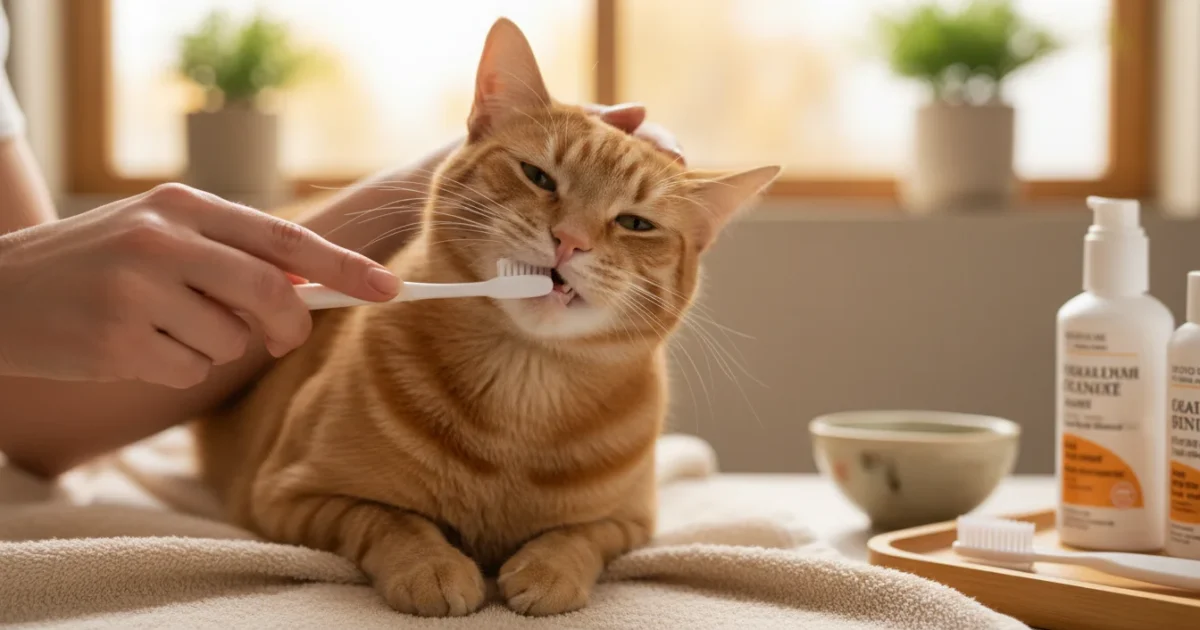
Brushing your cat’s teeth may sound like a challenging task, but it is one of the most impactful things you can do for your feline friend’s long-term health. Dental disease is incredibly common in cats, affecting up to 90% of felines over the age of three. Without regular oral hygiene, plaque and tartar build up, leading to painful conditions such as gingivitis, periodontitis, and even systemic health issues. Brushing your cat’s teeth regularly helps prevent these problems, ensuring a healthier and happier life for your beloved companion.
A holistic approach also involves understanding your cat’s coat type to ensure their entire grooming routine is handled correctly.
Whether you manage the health of indoor or outdoor cats, consistent oral hygiene remains a top priority for all feline owners.
To learn more about the broader impact of oral hygiene, read about why pet dental health matters more than you think.
Maintaining oral hygiene is a vital part of the complete guide to cat grooming at home.
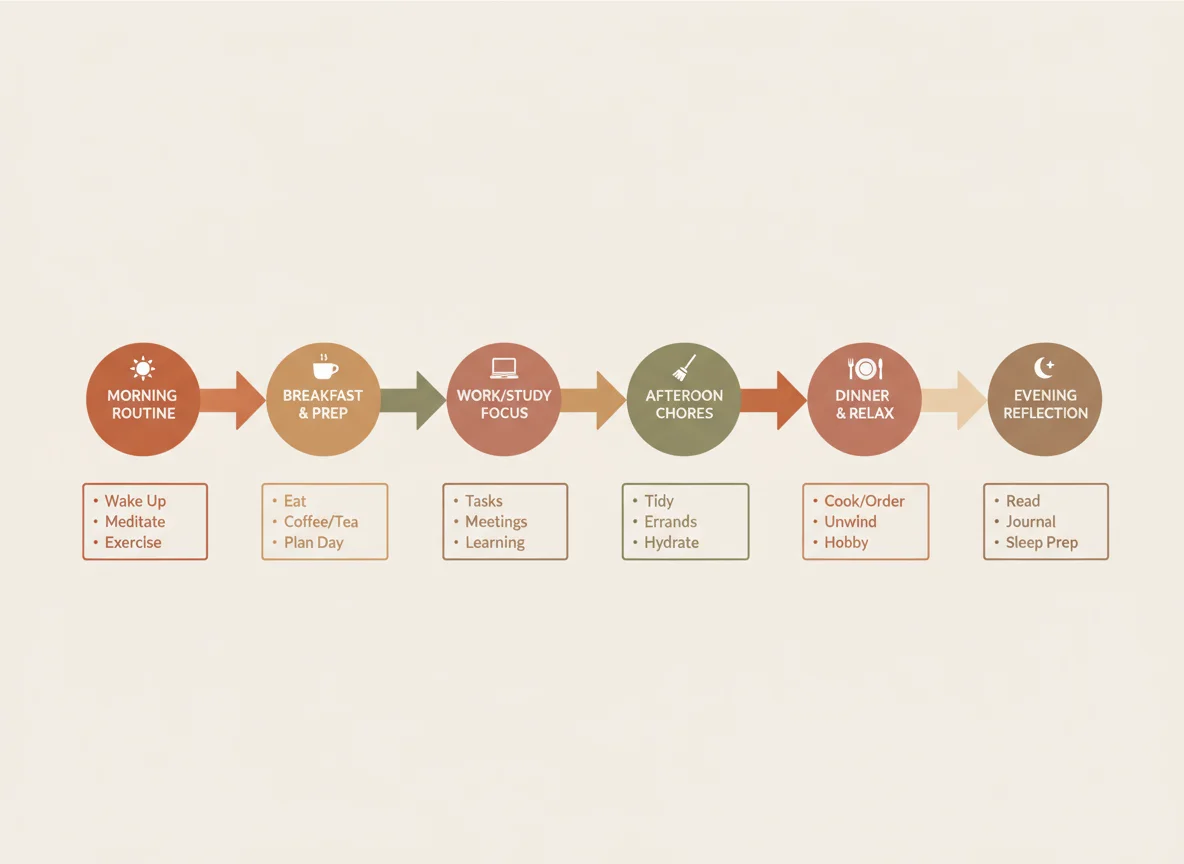
Many cat owners overlook dental care, assuming cats clean their own teeth or that dental issues are just a part of aging. However, proactive pet care, particularly consistent dental hygiene, can significantly improve your cat’s quality of life and reduce the need for costly veterinary dental procedures later on. This comprehensive guide provides you with practical, actionable pet tips to make tooth brushing a positive experience for both you and your cat.

Why Dental Care is Crucial for Your Cat
Just like humans, cats accumulate plaque, a sticky film of bacteria, on their teeth. If not removed, plaque hardens into tartar, a calcified deposit that irritates the gums. This irritation leads to gingivitis, an inflammation of the gums. Untreated gingivitis progresses to periodontitis, a more severe form of dental disease that destroys the bone and tissues supporting the teeth. Periodontitis can result in painful tooth loss, oral abscesses, and chronic pain for your cat.
Staying informed about common cat health issues can help you identify warning signs before dental problems escalate into systemic conditions.
It is important to separate fact from fiction, as there are several common cat care myths regarding feline oral health.
Beyond oral discomfort, poor dental health can have far-reaching effects on your cat’s overall well-being. Bacteria from infected gums can enter the bloodstream and spread to vital organs such as the heart, kidneys, and liver, potentially causing serious systemic health problems. Regular home dental care, particularly brushing, plays a critical role in preventing these issues. According to the American Veterinary Medical Association (AVMA), good oral hygiene contributes to a pet’s overall health and longevity.

Understanding Feline Dental Health
Cats typically have 30 permanent teeth. Their teeth are designed for tearing and shearing meat, not for grinding, which means food can easily get trapped, leading to plaque formation. Recognizing the signs of dental problems helps you intervene early and seek professional help when necessary. Observe your cat for:
In addition to brushing, you should choose the right cat food for your pet’s life stage to support their teeth and gums from the inside out.
A sudden change in your cat’s grooming behavior can often be an early indicator of dental discomfort.
Monitoring your pet’s teeth and gums is one of the clearest signs your cat is happy and healthy.
- Bad breath (halitosis), which is often the first sign of dental disease.
- Red, swollen, or bleeding gums.
- Excessive drooling.
- Difficulty eating, chewing on one side of the mouth, or dropping food.
- Loss of appetite or weight loss.
- Pawing at the mouth or facial swelling.
- Visible tartar buildup, which appears as brown or yellow deposits on the teeth, especially near the gum line.
If you notice any of these symptoms, schedule an appointment with your veterinarian promptly. These signs indicate your cat may already be experiencing significant discomfort and requires professional veterinary attention.
Essential Tools for Cat Dental Care
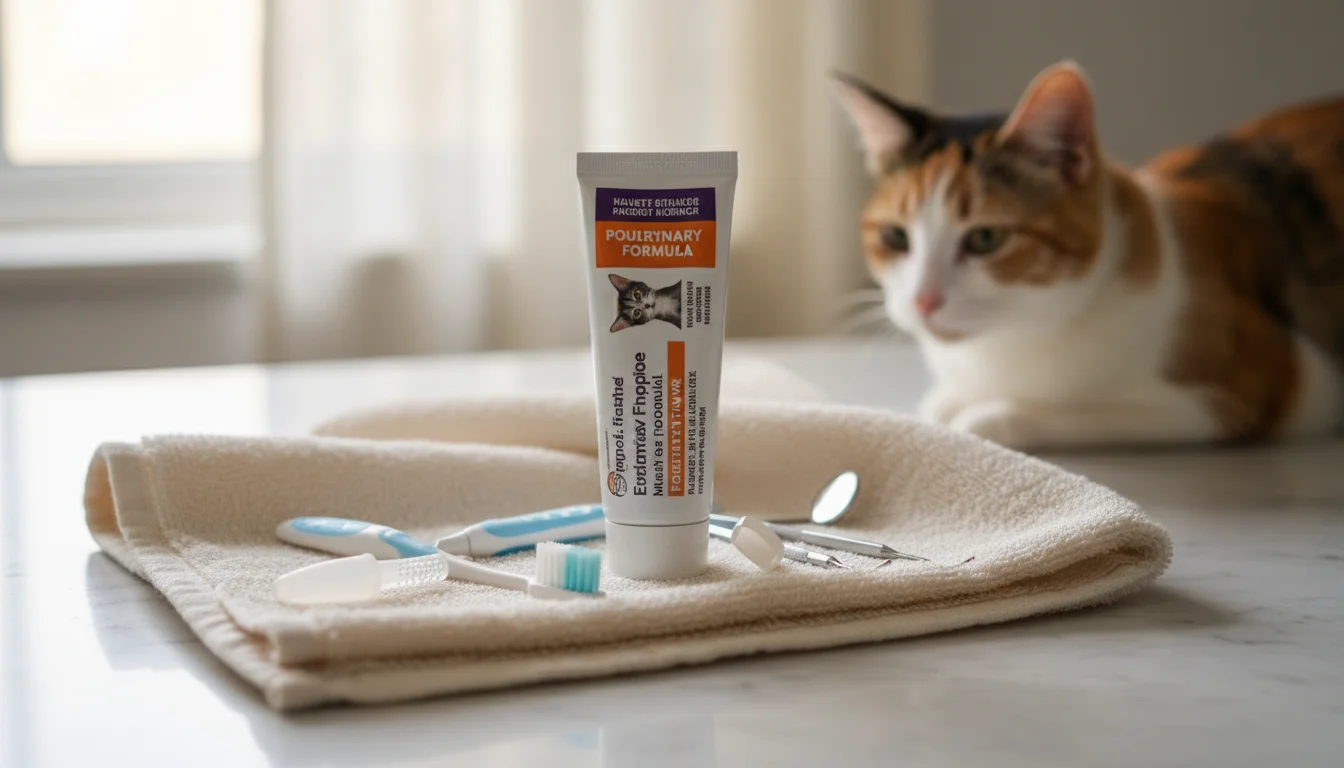
Gathering the right supplies makes the tooth brushing process smoother and more effective for how to brush your cat’s teeth for cats. You will need:
For maximum efficiency, consider creating a cat grooming station where all your dental tools and treats are kept within easy reach.
- Cat-Specific Toothbrush: These brushes are smaller than human toothbrushes and often have softer bristles to accommodate your cat’s delicate gums and smaller mouth. Finger toothbrushes, which fit over your finger, also provide good control for some cats.
- Cat-Specific Toothpaste: NEVER use human toothpaste for your cat. Human toothpaste contains ingredients like fluoride and xylitol that are toxic to cats and can cause severe illness if ingested. Cat toothpastes come in appealing flavors such as poultry, fish, or malt, which can make the experience more enjoyable for your cat. They are also enzymatic, meaning they help break down plaque even without vigorous scrubbing.
- Positive Reinforcement Treats: Have some highly palatable treats ready to reward your cat immediately after each session, regardless of how short or imperfect. This creates a positive association with dental care.
- A Quiet, Comfortable Space: Choose a calm environment where both you and your cat feel relaxed and secure. A counter or a lap with a towel can work well.
Investing in quality cat care products tailored for dental health ensures safety and efficacy. Many veterinary clinics also stock recommended brands, so ask your vet for their specific recommendations.
Preparing Your Cat for Tooth Brushing: Positive Reinforcement Steps
Success with cat care, especially brushing, relies heavily on patience and positive reinforcement. Do not expect to brush all your cat’s teeth on the first try. Introduce the process gradually over several days or even weeks. This gentle approach helps desensitize your cat and build a positive association with tooth brushing.
The desensitization techniques used here are the same ones used to trim your cat’s claws without stress or drama.
It is highly recommended to start these grooming habits early, as detailed in our comprehensive kitten care guide.
- Start with Gentle Handling: Begin by gently petting your cat around their head, chin, and mouth. Do this daily for a few minutes, rewarding them with praise and treats for calm behavior. The goal is for your cat to tolerate touch around their muzzle.
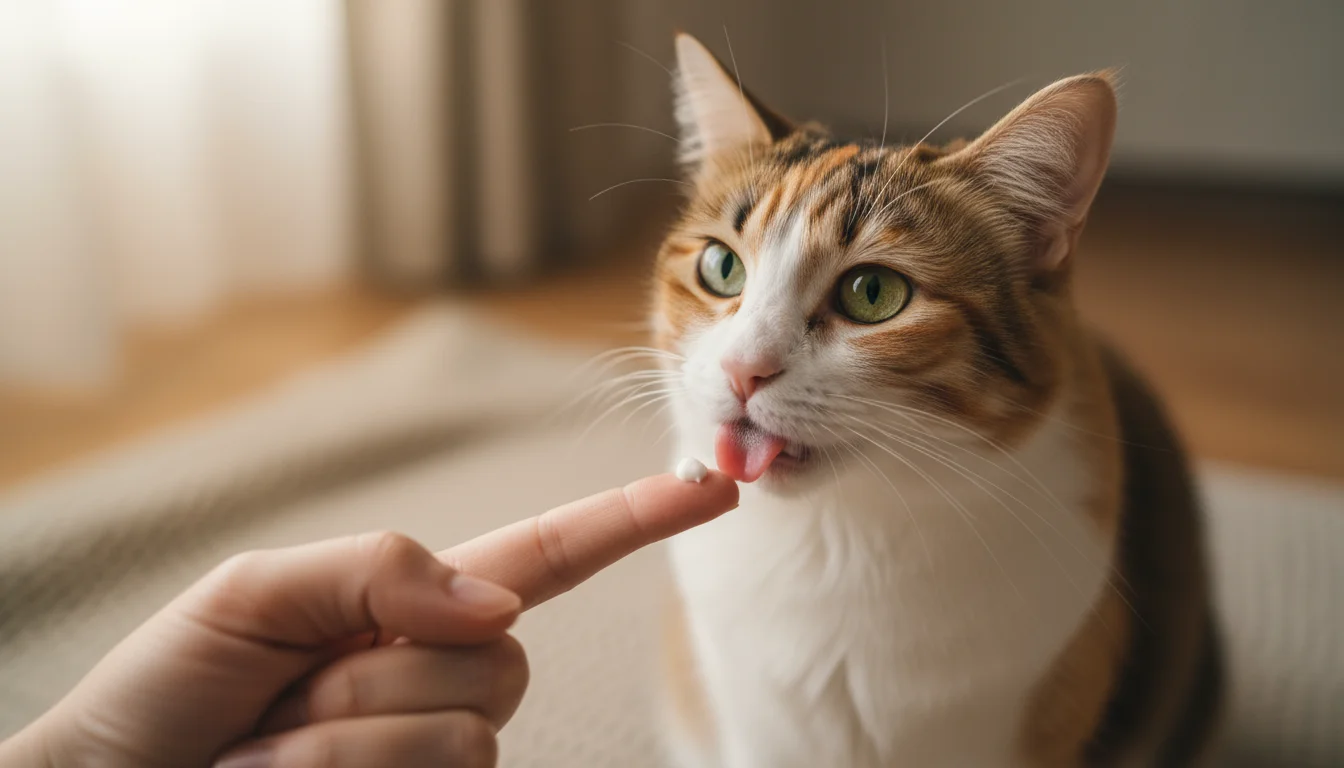
- Introduce the Toothpaste: Once your cat is comfortable with facial touches, let them taste the cat toothpaste from your finger. Most cats enjoy the flavor. If they readily lick it, praise them and offer a treat. Repeat this several times a day for a few days.
- Familiarize with the Toothbrush: Apply a small amount of toothpaste to the cat toothbrush. Let your cat lick the toothpaste off the brush. This helps them associate the toothbrush with a positive experience. Again, reward generously.
- Short Gum Massage: Once your cat accepts the toothbrush with toothpaste, gently lift their lip and touch the bristles to their gums and a few teeth for just a few seconds. Do not attempt to scrub at this stage. Focus on positive interaction and immediate rewards. Gradually increase the duration and number of teeth touched over several sessions. This gradual exposure is key for establishing a comfortable routine for how to brush your cat’s teeth for cats.
Remember, each step should be a positive experience. If your cat shows any signs of stress, such as tail flicking, flattening ears, hissing, or struggling, stop immediately and try again later or shorten the session next time. According to Fear Free Pets, prioritizing positive emotional states during care procedures reduces anxiety and makes future interactions easier.
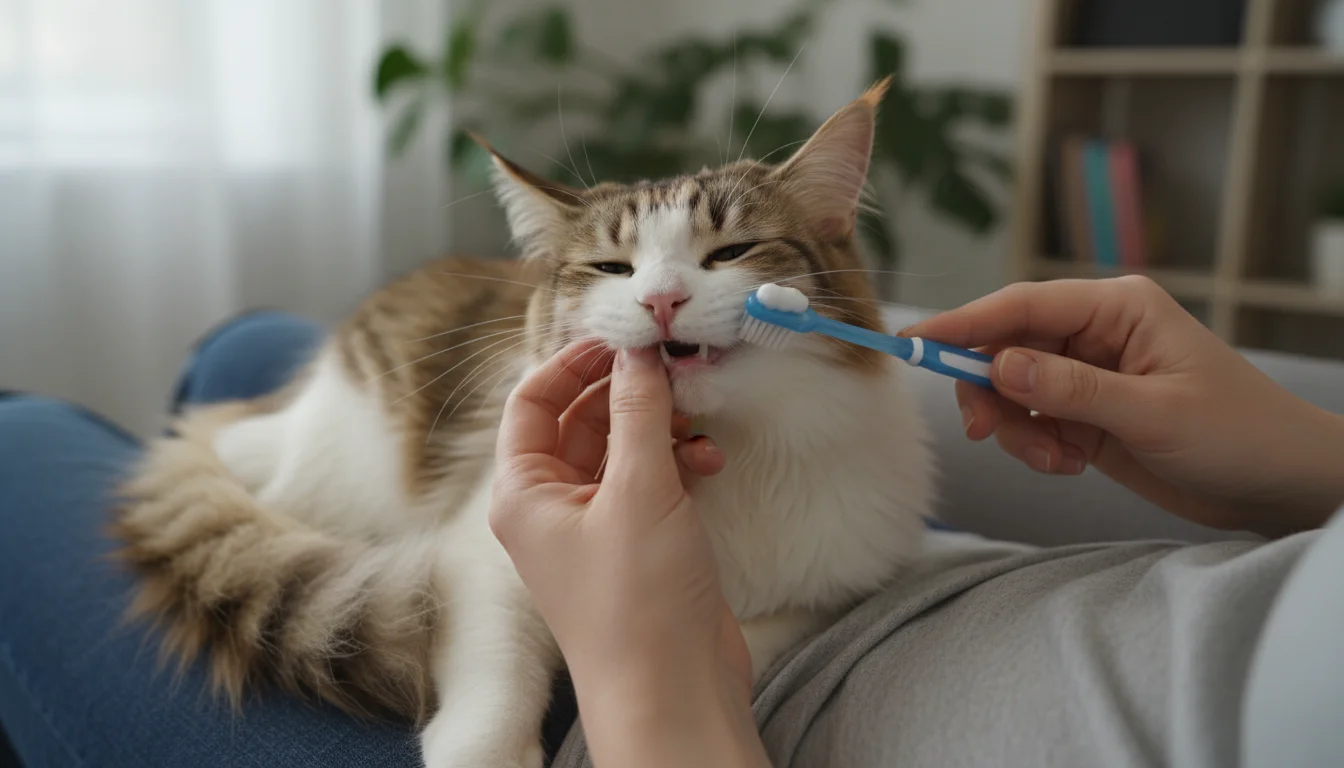
The Step-by-Step Guide to Brushing Your Cat’s Teeth
Once your cat tolerates the preliminary steps, you are ready to begin regular brushing. Aim for daily brushing, or at least several times a week, to effectively remove plaque. Choose a consistent time that fits your schedule, perhaps after a meal or during a relaxed cuddle session.
If your pet becomes reactive during the process, it may be helpful to review strategies for reducing cat aggression during handling.
For a broader look at feline oral hygiene beyond just brushing, refer to The Ultimate Cat Dental Care Guide.
- Position Yourself and Your Cat: Sit on the floor with your cat facing away from you, resting gently between your legs, or place them on a counter at a comfortable height. Having them in a secure, stable position reduces their ability to squirm away.
- Apply Toothpaste: Put a pea-sized amount of cat toothpaste on the toothbrush.
- Gently Lift the Lip: With one hand, gently lift your cat’s upper lip on one side to expose the outer surface of their teeth and gums. You do not need to open their mouth wide; the primary focus is on the outside surfaces where plaque accumulates most.
- Brush with Gentle Motions: Angle the toothbrush at about a 45-degree angle to the gum line. Use small, circular motions, focusing on the gum line. Start with just a few teeth, brushing for about 10-15 seconds on each side. The goal is to gently disrupt plaque, not to scrub vigorously.
- Target Key Areas: Prioritize the outer surfaces of the canine teeth (the long pointy ones) and the large premolars and molars at the back of the mouth. These are the teeth that accumulate the most plaque and tartar. You can eventually try to reach the inner surfaces if your cat is extremely cooperative, but the outer surfaces are the most critical.
- Switch Sides: Repeat the process on the other side of your cat’s mouth.
- Keep it Short and Positive: A full brushing session might only last 30 seconds to a minute initially. The goal is consistency and positive association.
- Reward Generously: Immediately after brushing, offer praise, petting, and a highly desired treat. This reinforces the idea that tooth brushing is a good experience.
Consistency is more important than perfection. Even if you only manage to brush a few teeth each day, you are still making a significant difference in your cat’s dental health.

Common Challenges and Troubleshooting Tips
It is normal to encounter some resistance when you first start brushing your cat’s teeth. Do not get discouraged. Here are common challenges and practical solutions:
- Cat Resists or Becomes Aggressive: If your cat struggles, hisses, or tries to bite, stop the session immediately. Do not force it. Return to the desensitization steps, shortening the sessions and increasing positive reinforcement. Some cats respond better if wrapped loosely in a towel (a “purrito”) to gently restrict their paws, but only if they remain calm. If aggression persists, consult your veterinarian or a certified feline behaviorist.
- Difficulty Reaching Back Teeth: Focus on the most accessible teeth first, typically the canines and front molars. Even brushing these significantly helps. As your cat becomes more comfortable, you can gradually attempt to reach further back.
- Cat Dislikes Toothpaste Flavor: Try a different flavor of cat toothpaste. There are several options available, so experiment to find one your cat enjoys.
- Short Attention Span: Keep sessions very brief, even 10-15 seconds. Gradually increase the duration as your cat’s tolerance grows. The key is to end on a positive note before your cat becomes agitated.
- Older Cats: Older cats may be more resistant to new routines. They may also have pre-existing dental pain, making brushing difficult. If you have a senior cat, consult your veterinarian before starting a brushing routine, as they may need a professional dental cleaning first to alleviate any pain.
Remember that every cat is an individual. What works for one cat may not work for another. Patience and understanding are your best tools in this process of cat care.
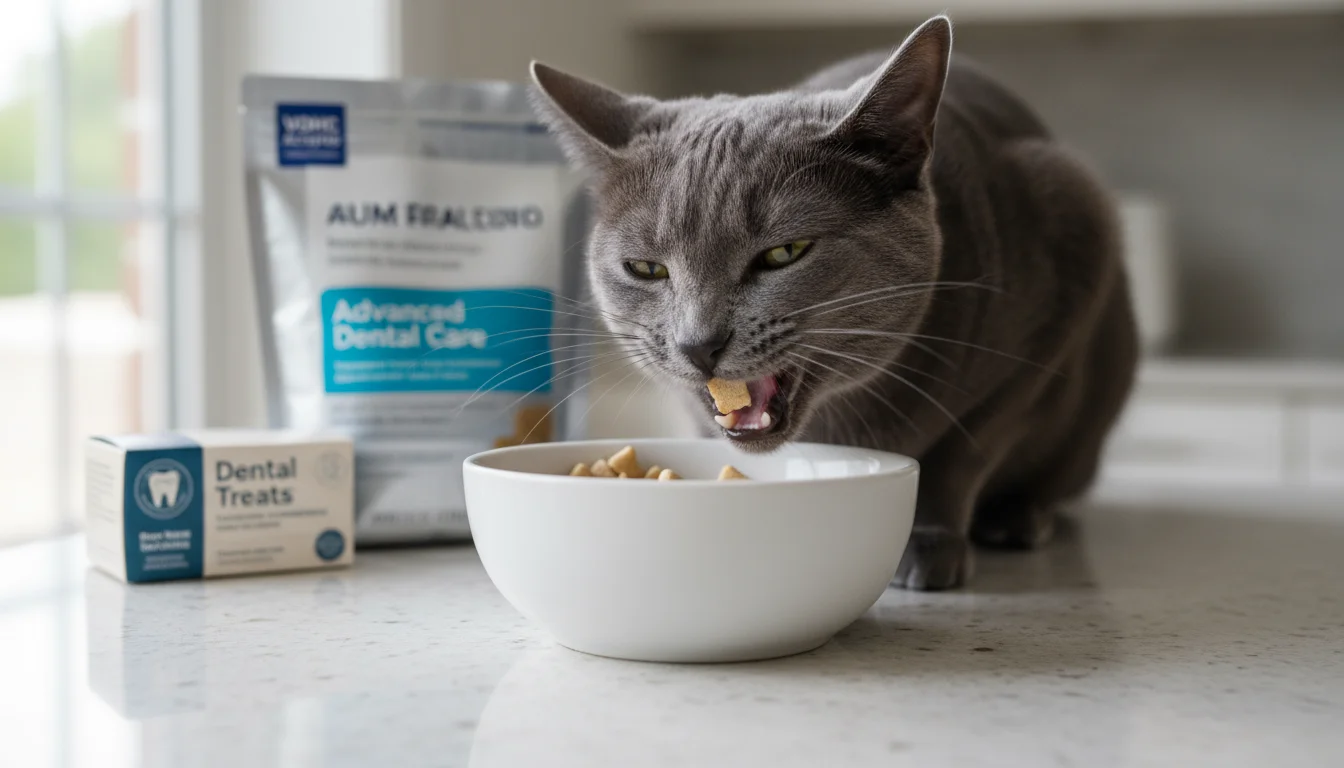
Maintaining Ongoing Feline Dental Health
While brushing is the gold standard for how to brush your cat’s teeth, other methods can complement your efforts and contribute to your cat’s overall oral hygiene. These should not replace brushing but can provide additional support.
Because nutrition impacts oral health, it is helpful to know how to choose the right cat food for your pet’s age.
- Dental Diets: Certain prescription veterinary diets are specifically formulated to help reduce plaque and tartar buildup. These kibbles are designed to mechanically scrub the teeth as your cat chews. Look for diets approved by the Veterinary Oral Health Council (VOHC) for proven efficacy.
- Dental Treats and Chews: Like dental diets, some treats are designed to help clean teeth. Choose VOHC-approved options, as not all dental treats are effective. Ensure any treats are appropriate for your cat’s size and caloric needs.
- Water Additives: Some water additives contain ingredients that help reduce bacteria in the mouth and freshen breath. While they offer minimal plaque removal, they can be a useful adjunct to a comprehensive dental plan. Always choose products specifically designed for cats and consult your vet before using.
- Professional Dental Cleanings: Despite your best efforts with home care, most cats will require periodic professional dental cleanings under anesthesia. Your veterinarian can assess your cat’s oral health and recommend the appropriate frequency. These cleanings allow for thorough scaling, polishing, and examination for issues below the gum line. According to Cornell University College of Veterinary Medicine, routine veterinary dental care is vital for detecting and treating painful conditions early.
Discuss all dental health options with your veterinarian to create the most effective long-term strategy for your cat’s individual needs. A combination of home care and professional cleanings offers the best chance for optimal feline dental health.
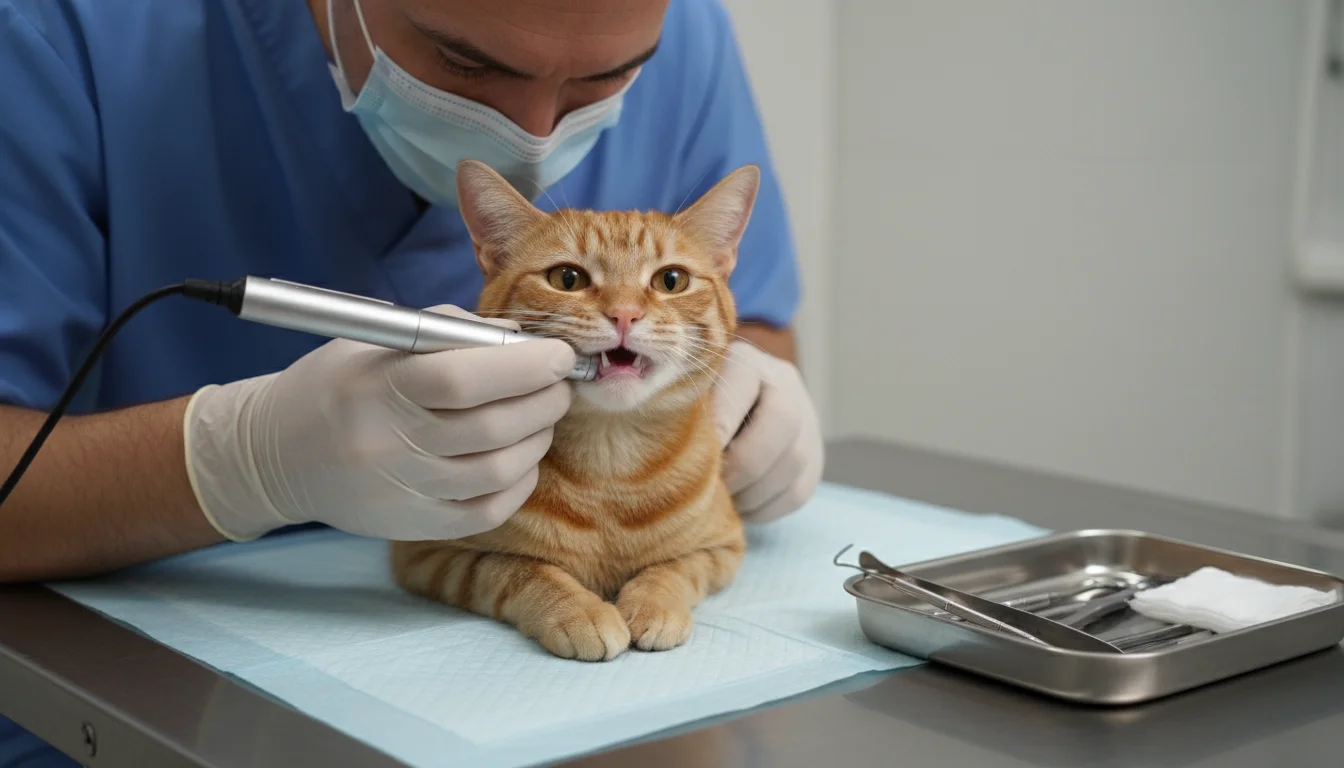
When to Consult Your Veterinarian
Even with diligent home care, professional veterinary intervention is sometimes necessary. Consult your veterinarian immediately if you observe any of the following:
Familiarizing yourself with common cat health issues can help you differentiate between simple dental plaque and more serious underlying conditions.
- Sudden onset of bad breath.
- Visible bleeding from the gums.
- Loose or broken teeth.
- Facial swelling or tenderness around the mouth.
- Changes in eating habits, such as refusing dry food or showing pain while chewing.
- Persistent reluctance to have their mouth handled despite gentle desensitization.
- Any concerns about severe plaque or tartar buildup that you cannot address with brushing.
Your veterinarian can perform a comprehensive oral examination, recommend dental X-rays to check for issues below the gum line, and provide a professional dental cleaning. Early detection and treatment of dental disease can prevent more severe complications and improve your cat’s comfort.

Frequently Asked Questions
How often should I brush my cat’s teeth?
Ideally, brush your cat’s teeth daily. If daily brushing is not feasible, aim for at least three times a week. Consistency is more important than scrubbing every tooth perfectly. Regular removal of plaque prevents it from hardening into tartar, which only a professional dental cleaning can remove.
What if my cat refuses to let me brush their teeth?
If your cat strongly resists, do not force them. Forcing your cat can create fear and make future attempts even harder. Revisit the desensitization steps, making sessions shorter and increasing positive reinforcement. If your cat remains uncooperative, discuss alternative dental care options with your veterinarian, such as dental diets, treats, or water additives. Your vet can also assess for underlying pain that might be causing resistance.
Is it too late to start brushing my older cat’s teeth?
It is never too late to start improving your cat’s dental health, but proceed with caution for older cats. Senior cats may have significant pre-existing dental disease, which can be painful. Begin by consulting your veterinarian. They can perform an oral exam and recommend whether a professional cleaning is needed first to address any pain or infection before you start a home brushing routine. Once any issues are resolved, you can begin the gradual desensitization process.
Can dental treats replace brushing?
No, dental treats and diets are helpful adjuncts, but they do not replace the effectiveness of daily tooth brushing. Brushing provides mechanical removal of plaque from the gum line, which is the most effective way to prevent dental disease. Think of dental treats as supplements to brushing, not substitutes. Always look for VOHC-approved products for evidence-based efficacy.
What is a professional dental cleaning for cats like?
A professional dental cleaning for cats involves general anesthesia. The veterinarian performs a thorough oral exam, removes plaque and tartar using ultrasonic scalers (similar to what human dentists use), polishes the teeth, and takes dental X-rays to assess the health of the tooth roots and jawbone. This allows for detection and treatment of diseases that are not visible during an awake examination. Your vet will discuss pre-anesthetic blood work and safety protocols before the procedure.
For expert pet care guidance, visit
Pet Poison Helpline,
FDA Center for Veterinary Medicine and
PetMD.
Disclaimer: This article is for informational purposes only and is not a substitute for professional veterinary advice, diagnosis, or treatment. Always consult with a licensed veterinarian for medical concerns about your pet.
Starting a dental routine early is ideal; for more early-life advice, see our kitten care guide.
Using these same desensitization techniques can also help you learn how to trim your cat’s claws with minimal stress.









Leave a Reply