
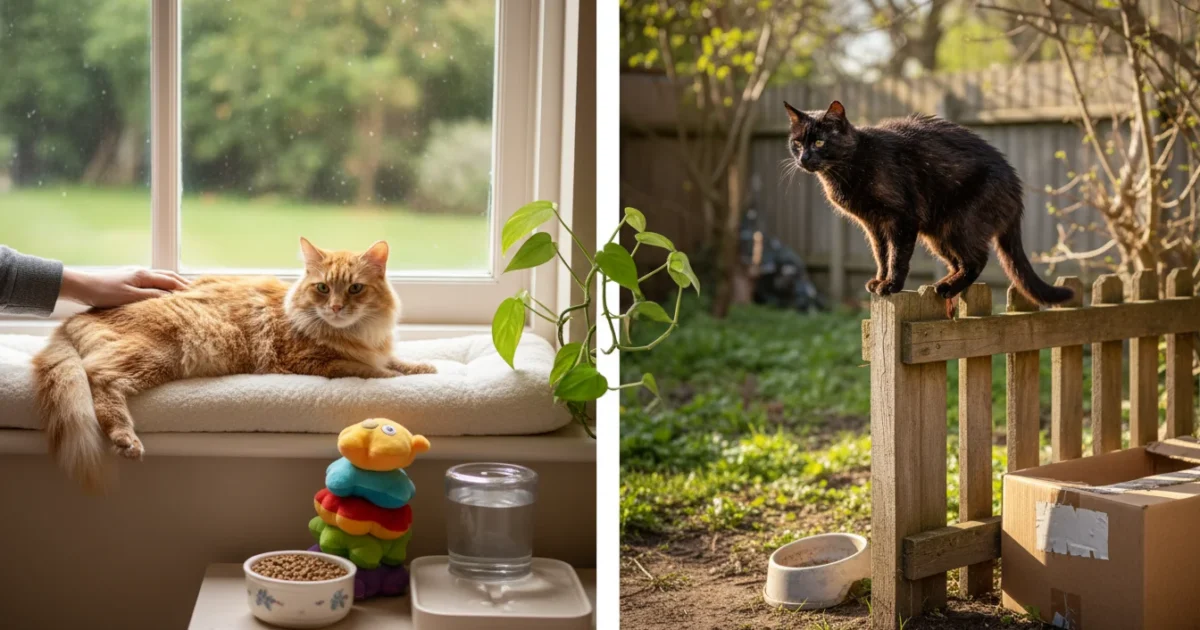
Deciding whether your cat lives indoors, outdoors, or a combination of both is a significant choice for any pet owner. This decision impacts their health, safety, behavior, and the type of daily care you provide. Understanding these differences helps you create the best possible life for your feline companion, aligning with their natural instincts while keeping them safe and healthy. This guide explores the distinct care requirements for indoor versus outdoor cats, offering practical, actionable advice to support your decision and optimize your approach to cat care.
For those living in smaller spaces, selecting one of the 15 best cat breeds for apartment living can help ensure your pet thrives in a strictly indoor environment.
Understanding the Indoor Cat Lifestyle
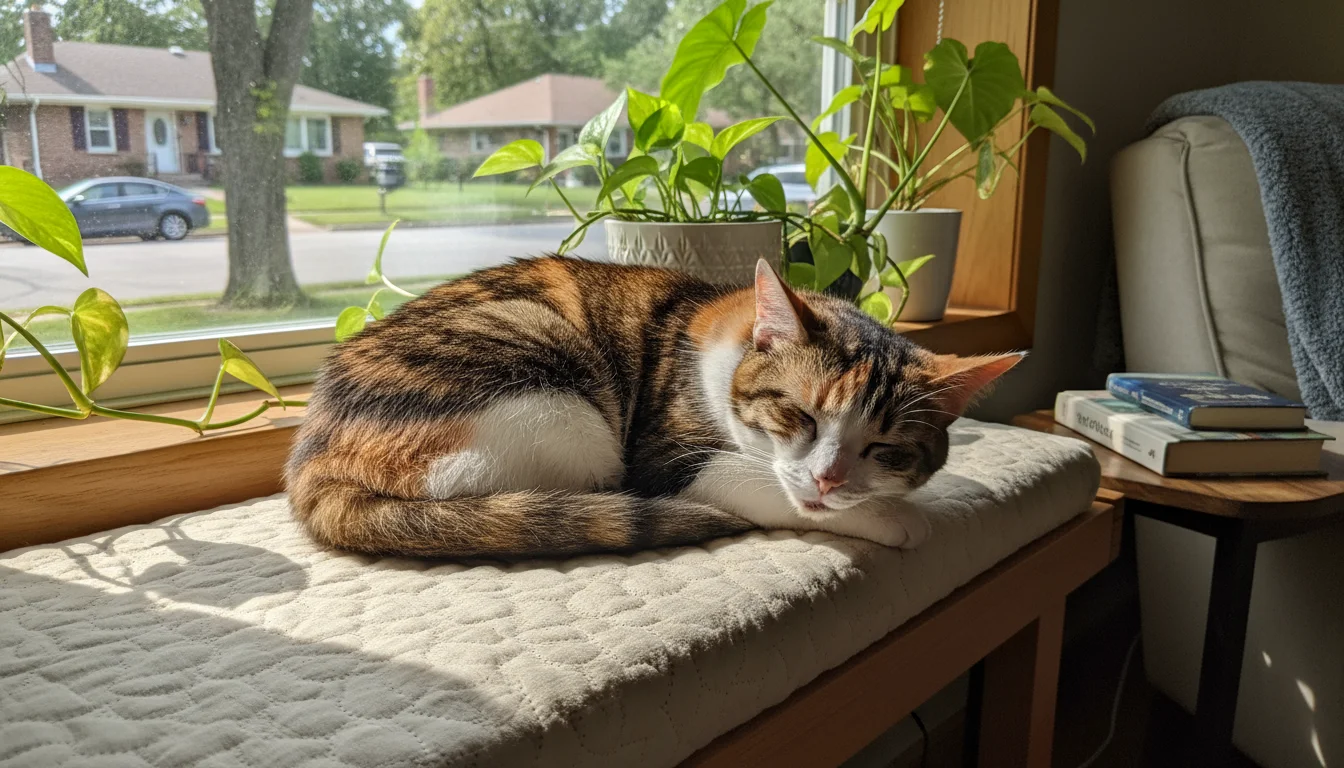
Keeping cats indoors provides numerous safety advantages, protecting them from many of the dangers inherent in the outdoor world. Indoor pets avoid traffic accidents, encounters with predators like coyotes or larger dogs, and fights with other cats that can lead to injuries or disease transmission. An indoor environment also shields them from environmental toxins, intentional harm from humans, and exposure to various parasites. The ASPCA strongly advocates for keeping cats indoors, citing a significantly longer average lifespan for indoor cats compared to their outdoor counterparts, approximately 10-15 years versus 2-5 years.
Additionally, during the warmer months, prioritizing keeping indoor cats cool is essential to prevent overheating in south-facing rooms or apartments.
Environmental Enrichment for Indoor Pets
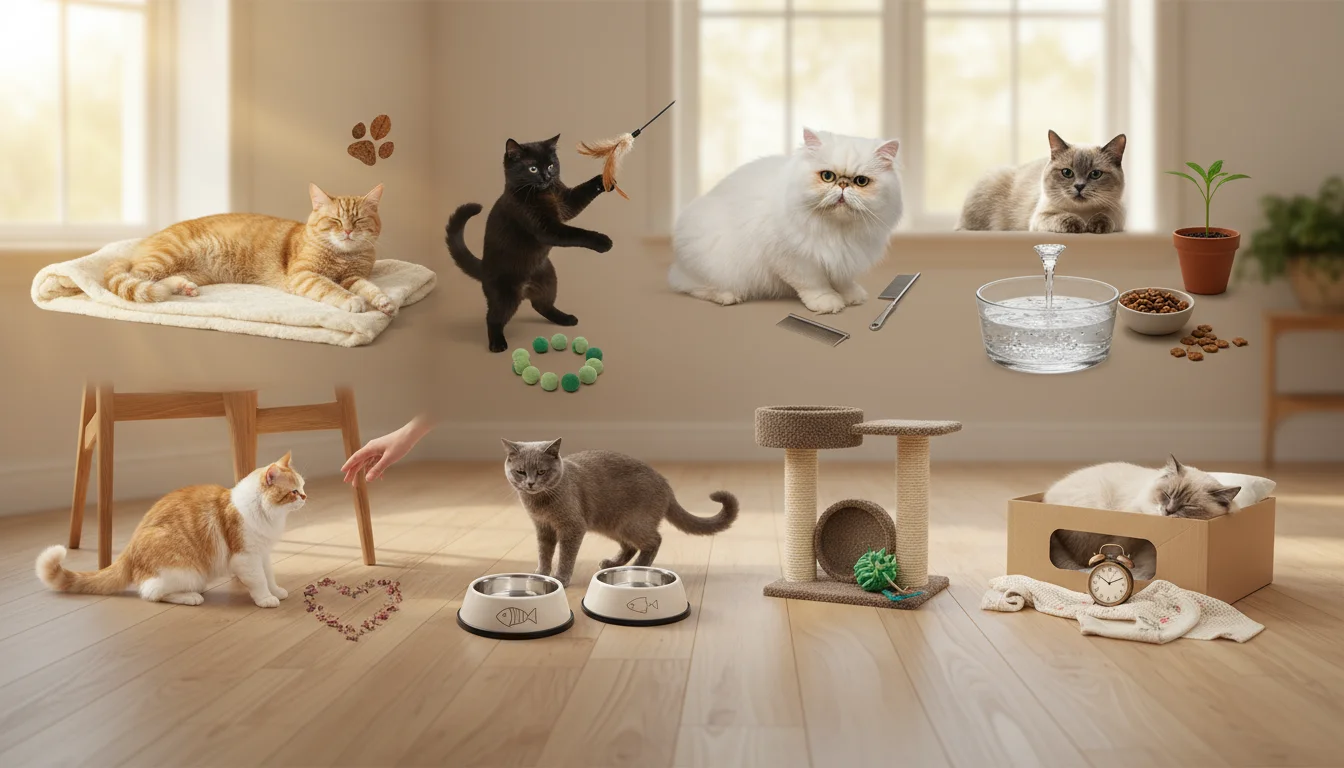
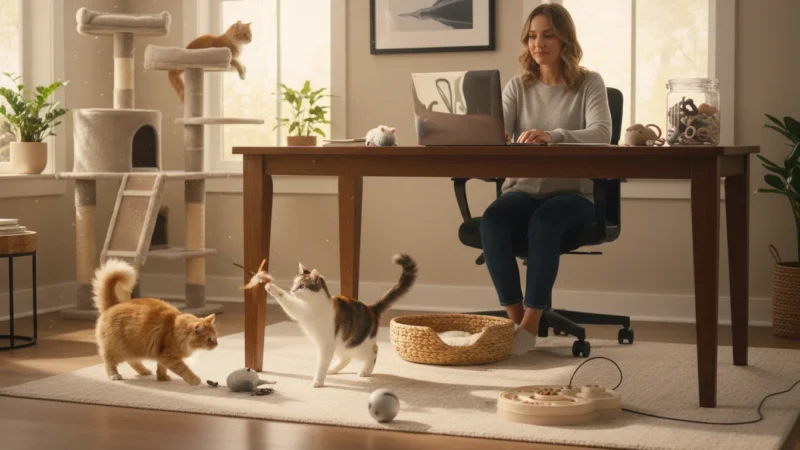
While an indoor life offers safety, it demands a proactive approach to enrichment to ensure your cat’s physical and mental well-being. Cats are natural hunters and explorers. You must replicate aspects of their natural environment within your home. Implementing these strategies significantly improves your cat’s quality of life, making their indoor existence fulfilling.
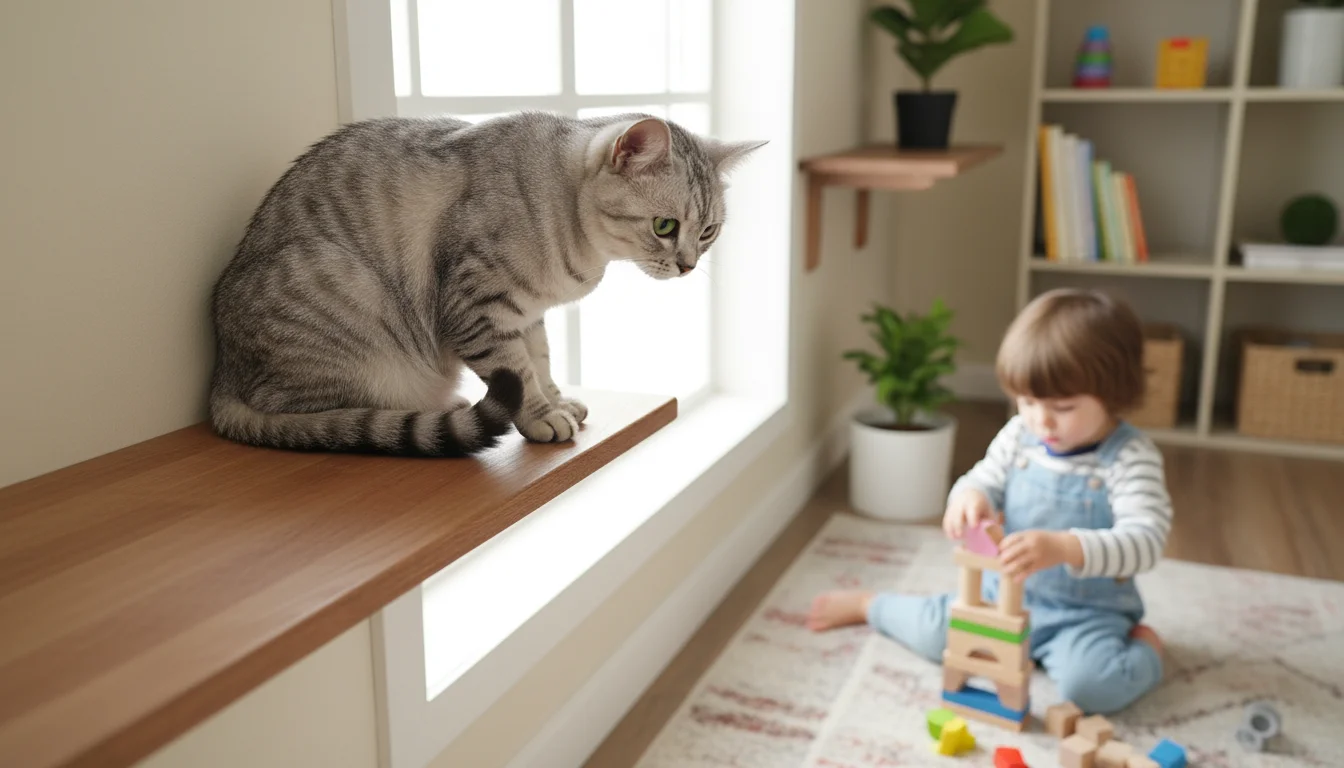
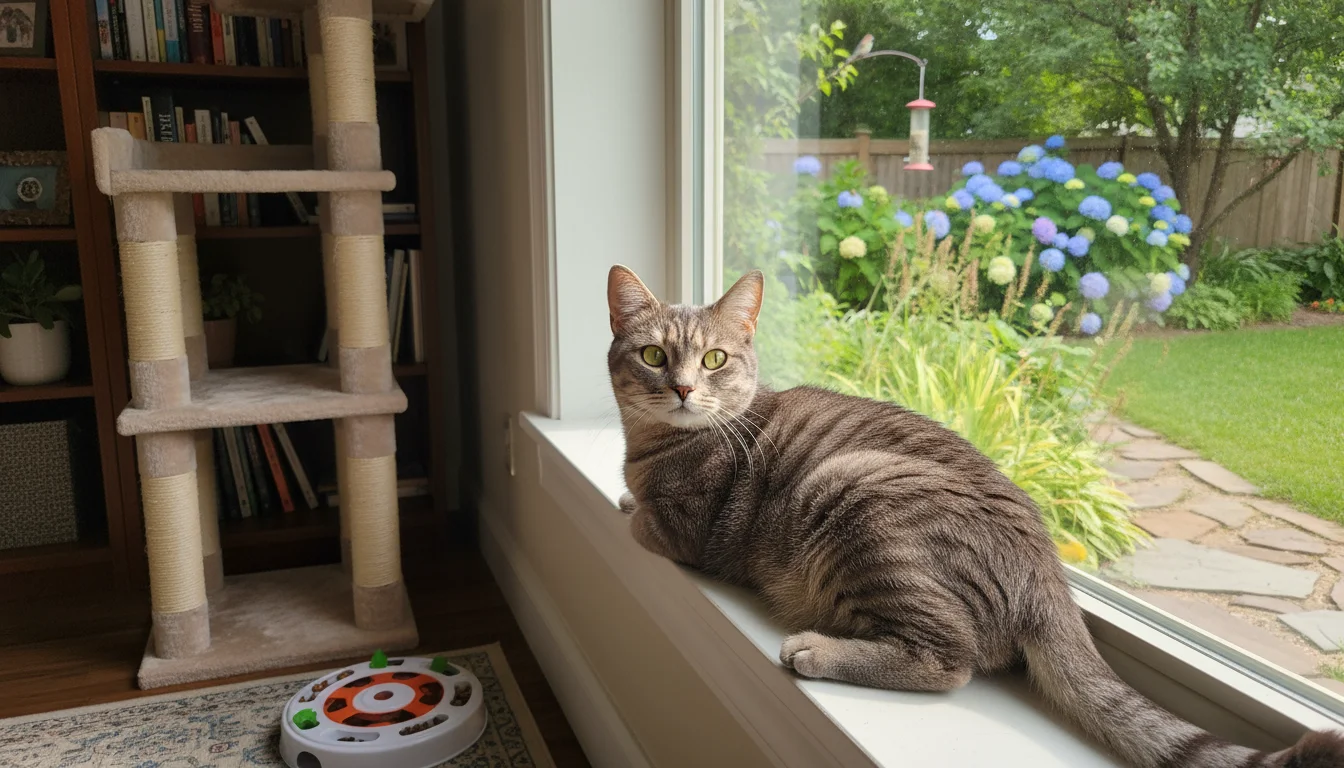
- Vertical Space: Cats feel secure and observe their territory from elevated positions. Provide cat trees, wall-mounted shelves, and tall scratching posts. These structures allow them to climb, jump, and survey their surroundings, mimicking their instinct to climb trees.
- Scratching Posts: Offer a variety of scratching surfaces. Cats scratch to stretch their muscles, shed outer claw layers, and mark territory. Provide both vertical (sisal rope, cardboard) and horizontal (cardboard, carpet) options in different areas of your home. Place them near sleeping areas and entryways where your cat naturally wants to scratch.
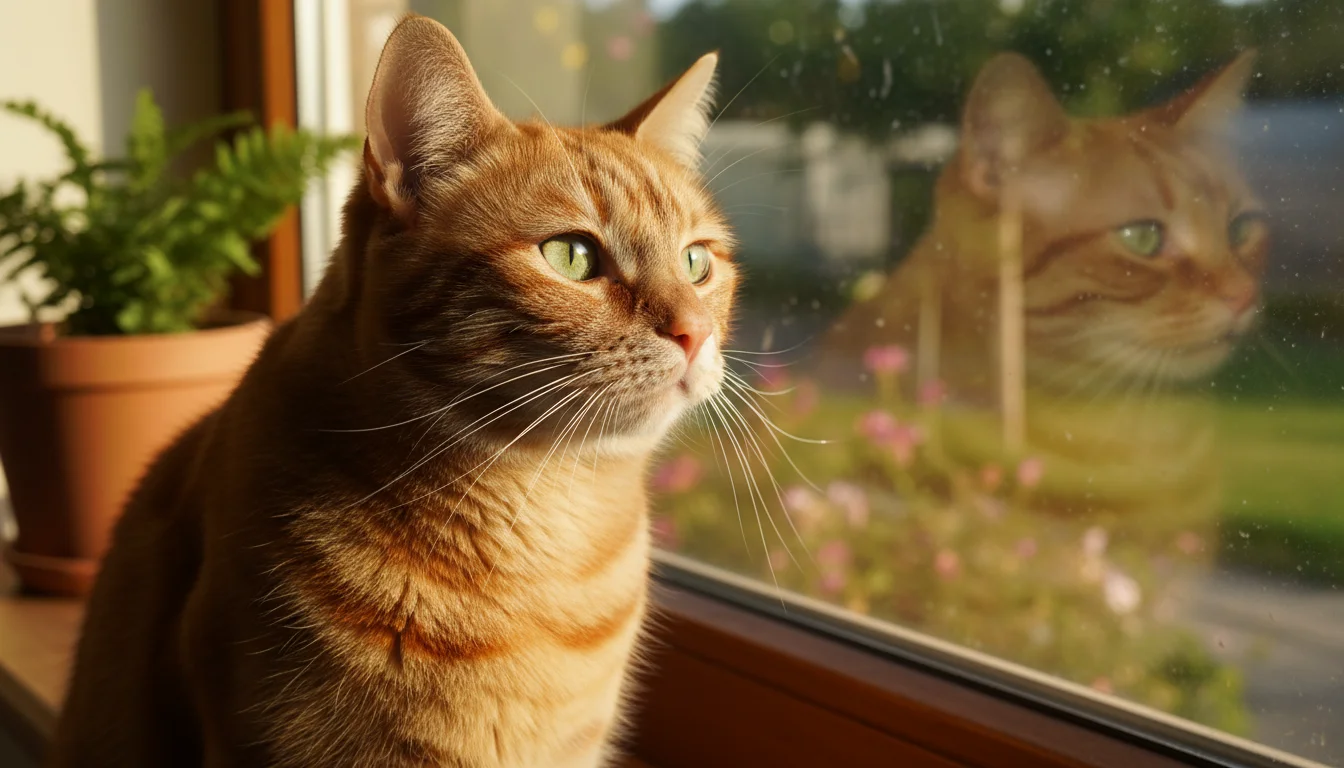
- Window Perches: A window perch provides mental stimulation as your cat watches birds, squirrels, and other outdoor activity. Ensure the perch is secure and comfortable, offering a safe vantage point for observation.
- Interactive Toys and Puzzle Feeders: Engage your cat’s hunting instincts with toys that mimic prey. Wand toys, laser pointers (used responsibly, always ending with a tangible reward), and small, tossable toys are excellent. Puzzle feeders challenge your cat to ‘hunt’ for their food, slowing down eating and providing mental exercise. Rotate toys regularly to maintain interest.
- Regular Play Sessions: Dedicate at least 15-20 minutes daily to interactive play. This helps maintain a healthy weight, strengthens your bond, and provides an outlet for their energy.
Understanding feline behavior is key to successful indoor cat care. Recognize their need for territory and personal space, especially in multi-cat households. Ensure each cat has access to their own resources, including feeding stations, water bowls, resting spots, and litter boxes, to prevent conflict.
Navigating the Outdoor Cat Lifestyle and Its Risks
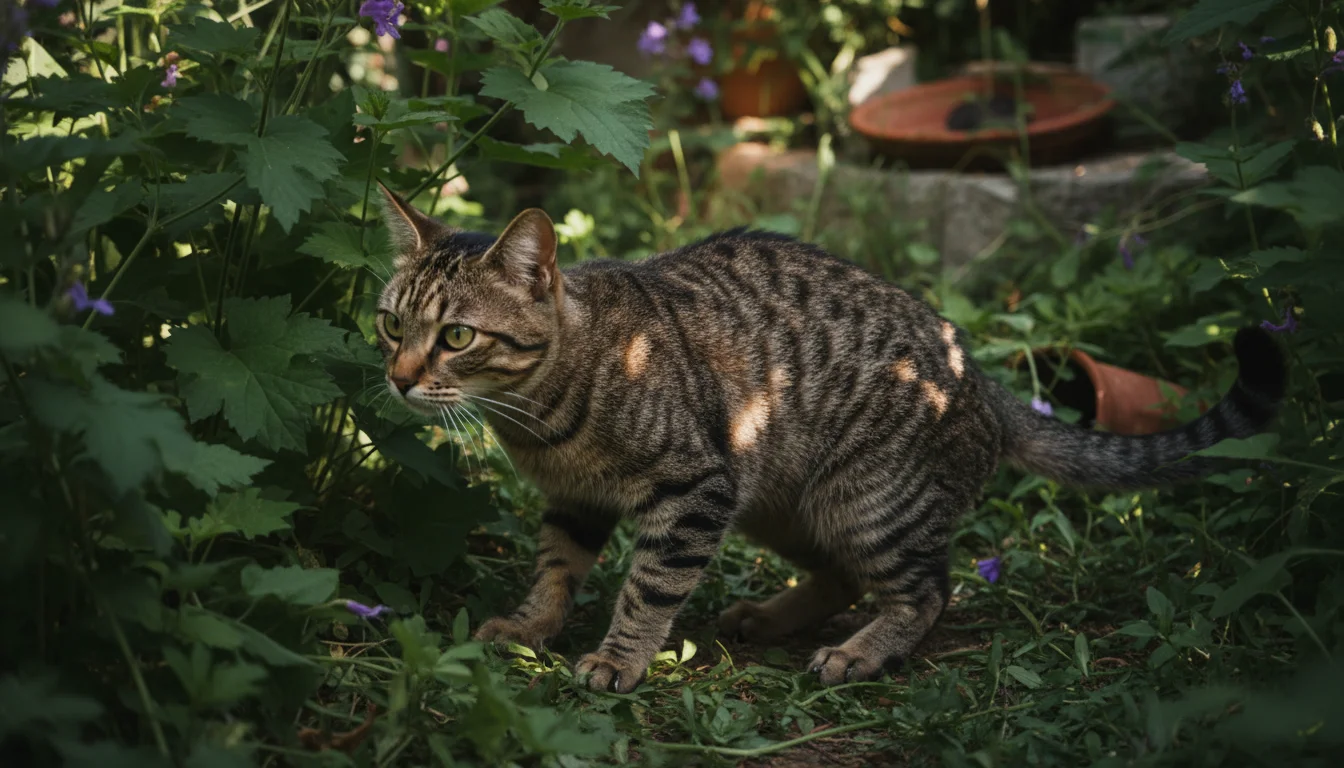
Outdoor cats experience a world of sensory stimulation and the freedom to express natural behaviors, such as hunting, exploring, and marking territory. However, this freedom comes with substantial risks that significantly impact their health and safety. Responsible cat ownership means weighing these risks carefully.
Because of these heightened risks, many owners of outdoor cats look into how pet insurance works to help manage the costs of potential emergencies or accidents.
Significant Safety Concerns for Outdoor Cats
The dangers outdoor cats face are numerous and often severe:
- Traffic Accidents: Vehicles pose the most common threat, resulting in injury or death. This risk exists even in quiet neighborhoods.
- Predators: Wildlife such as coyotes, owls, or even aggressive dogs can prey on cats.
- Fights with Other Animals: Conflicts with other cats or wildlife can cause severe injuries, including abscesses, broken bones, and transmitted diseases.
- Exposure to Toxins: Outdoor cats may ingest antifreeze, rodenticides, pesticides, or poisonous plants. These substances are prevalent in many outdoor environments.
- Disease Transmission: Exposure to diseases like Feline Immunodeficiency Virus (FIV), Feline Leukemia Virus (FeLV), rabies, and various parasites is significantly higher for outdoor cats who interact with other animals.
- Environmental Hazards: Extreme weather, lack of shelter, and becoming trapped can lead to hypothermia, heatstroke, or injury.
- Human Interaction: Not all human interactions are positive. Cats can face intentional harm or be stolen.
- Impact on Wildlife: Domestic cats are highly effective predators. Even well-fed cats hunt birds, small mammals, and reptiles, impacting local wildlife populations. Studies consistently show that outdoor cats contribute significantly to wildlife mortality. The Humane Society of the United States provides resources on this issue, advocating for keeping cats indoors to protect both cats and wildlife.
For those considering outdoor access, alternatives like supervised leash walks or enclosed outdoor spaces, known as “catios,” offer a safer compromise. Catios provide fresh air and stimulation without the associated risks, allowing your cat to enjoy the outdoors from a secure environment.
Health and Veterinary Care: Distinct Needs
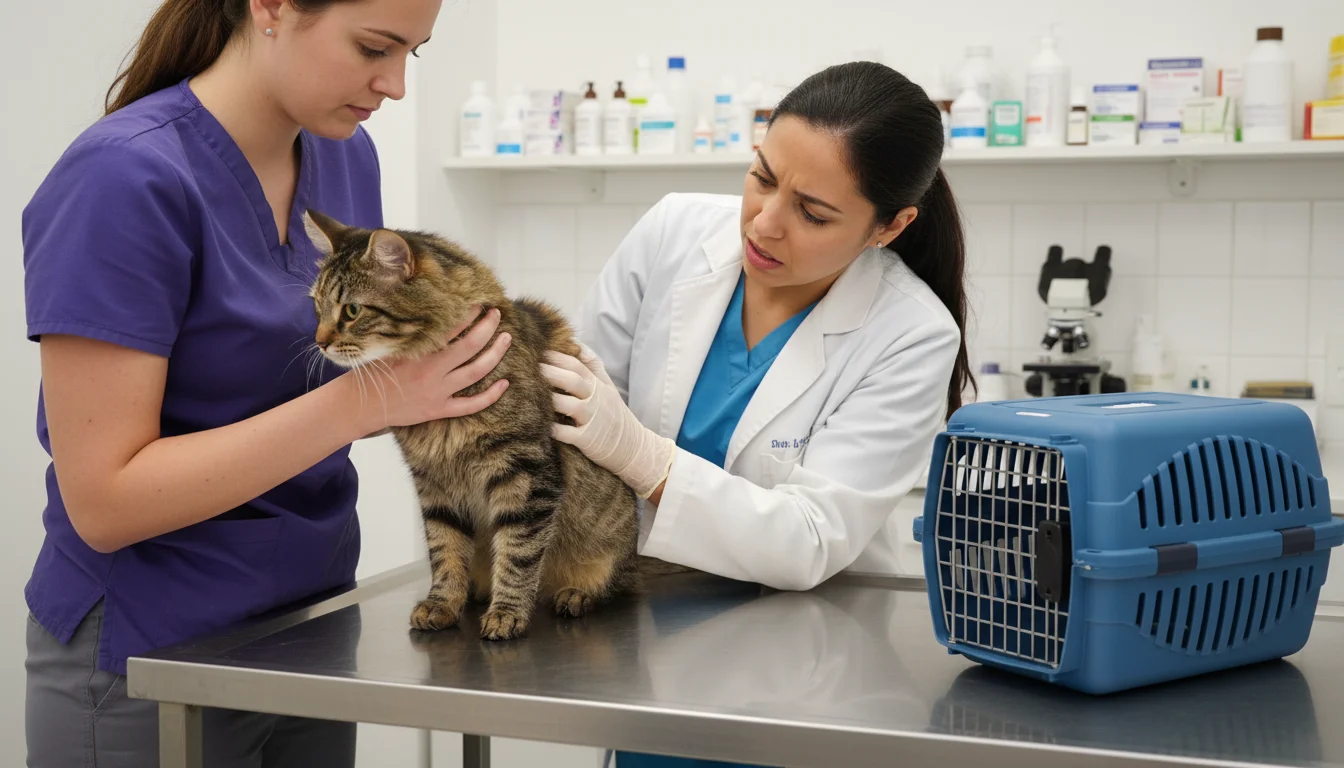
Regardless of their lifestyle, all cats require consistent veterinary care. However, the specific focus and intensity of this care differ considerably between indoor and outdoor felines.
Beyond routine vaccinations, it is vital to stay alert for common cat health issues and their warning signs, which can manifest differently depending on a cat’s exposure level.
Vaccinations and Parasite Control
Indoor Cats: While less exposed, indoor cats still need core vaccinations against Rabies and Feline Distemper (FVRCP). They can also pick up parasites indirectly, through shared environments with pets that go outside, or even from pests brought indoors. A regular deworming schedule and flea prevention are advisable, especially if other pets in the household venture outdoors.
Outdoor Cats: Their increased exposure necessitates more robust preventive measures. In addition to core vaccinations, outdoor cats require the Feline Leukemia Virus (FeLV) vaccine due to the risk of contact with infected cats. Parasite control is paramount for outdoor cats. They face constant exposure to fleas, ticks, ear mites, and intestinal worms from hunting prey or interacting with other animals. Monthly broad-spectrum parasite prevention, covering fleas, ticks, heartworms, and intestinal worms, becomes a critical part of their routine care. The American Veterinary Medical Association (AVMA) offers comprehensive guidelines on vaccination protocols and parasite prevention strategies tailored to a cat’s lifestyle and risk factors.
Dietary Needs
Indoor Cats: Often less active, indoor cats are prone to weight gain. Their diet should consist of a high-quality, measured indoor cat formula designed to support a healthy weight and minimize hairballs. Interactive feeding methods, like puzzle feeders, help slow eating and provide mental stimulation.
Outdoor Cats: These cats typically have higher energy requirements due to more active lifestyles, including hunting and patrolling territory. They may benefit from a diet with a higher calorie count. However, ensuring consistent access to a balanced, nutritious diet can be challenging if they are free-roaming and supplementing their food intake with prey.
Regular Check-ups
All cats benefit from annual or bi-annual veterinary check-ups. These visits allow your veterinarian to monitor overall health, detect potential issues early, and update preventive care plans. For senior cats or those with chronic conditions, more frequent check-ups are essential, regardless of lifestyle.
Managing Feline Behavior and Social Dynamics
Understanding feline behavior is fundamental to providing good cat care. While innate behaviors are universal, their expression and management differ based on whether a cat lives indoors or outdoors, especially concerning territory and social interactions.
While territory management is key, exploring unique ways to bond with your cat can help resolve behavioral tension and create a more harmonious home environment.
Territory Needs and Management
Indoor Cats: Cats are territorial by nature. In an indoor setting, their territory is your home. You must provide clear, distinct areas for essential resources: food, water, litter boxes, resting spots, and scratching areas. Vertical spaces, as mentioned earlier, allow cats to expand their perceived territory. Conflict in multi-cat households often stems from resource guarding or perceived territory infringements. You prevent this by ensuring abundant resources and private spaces for each cat.
Outdoor Cats: Outdoor cats establish much larger territories, often overlapping with other cats’ territories. This can lead to territorial disputes, which manifest as physical fights, spraying, or prolonged stand-offs. You often see cats patrolling their boundaries, leaving scent marks, and engaging in assertive body language to communicate their presence and ownership of an area. Managing an outdoor cat’s territory involves spaying/neutering to reduce hormonal aggression and ensuring they have safe access points to their core home territory.
Body Language and Vocalizations
Learning to interpret your cat’s body language and vocalizations is crucial for any cat owner. Tail position, ear direction, pupil dilation, and specific meows or purrs communicate their emotional state. A low, crouched posture with a tucked tail often signals fear, while a tail held high with a slight curl indicates contentment. Understanding these cues helps you respond appropriately, whether to provide comfort, space, or playful interaction. For indoor pets, recognizing subtle behavioral changes helps identify stress or illness early.
Multi-Cat Household Dynamics (Primarily Indoor Focus)
Managing a multi-cat household requires careful planning and observation. Successful integration and peaceful cohabitation hinge on several factors:
- Introductions: Introduce new cats slowly and carefully, allowing them to acclimate to each other’s scent before direct contact. Use a “slow and steady” approach, involving scent swapping, parallel feeding, and short, supervised interactions. Professional advice from a certified feline behaviorist can be invaluable.
- Resource Distribution: The “N+1” rule for litter boxes (one box per cat, plus one extra) also applies to food bowls, water stations, and resting spots. Place resources in different, non-bottlenecked areas to prevent ambush scenarios or resource guarding.
- Conflict Resolution: If conflicts arise, identify the trigger. Is it resource guarding, territorial aggression, or play gone wrong? Separate fighting cats immediately. Never punish them, as this increases fear and aggression. Instead, redirect their energy with toys, increase enrichment, and ensure adequate resources. Consult with a veterinary behaviorist if aggression persists, as underlying medical issues or significant stress may require intervention. The American College of Veterinary Behaviorists (ACVB) lists qualified professionals who can assist with complex behavioral issues.
Grooming by Coat Type: Adapting to Environment
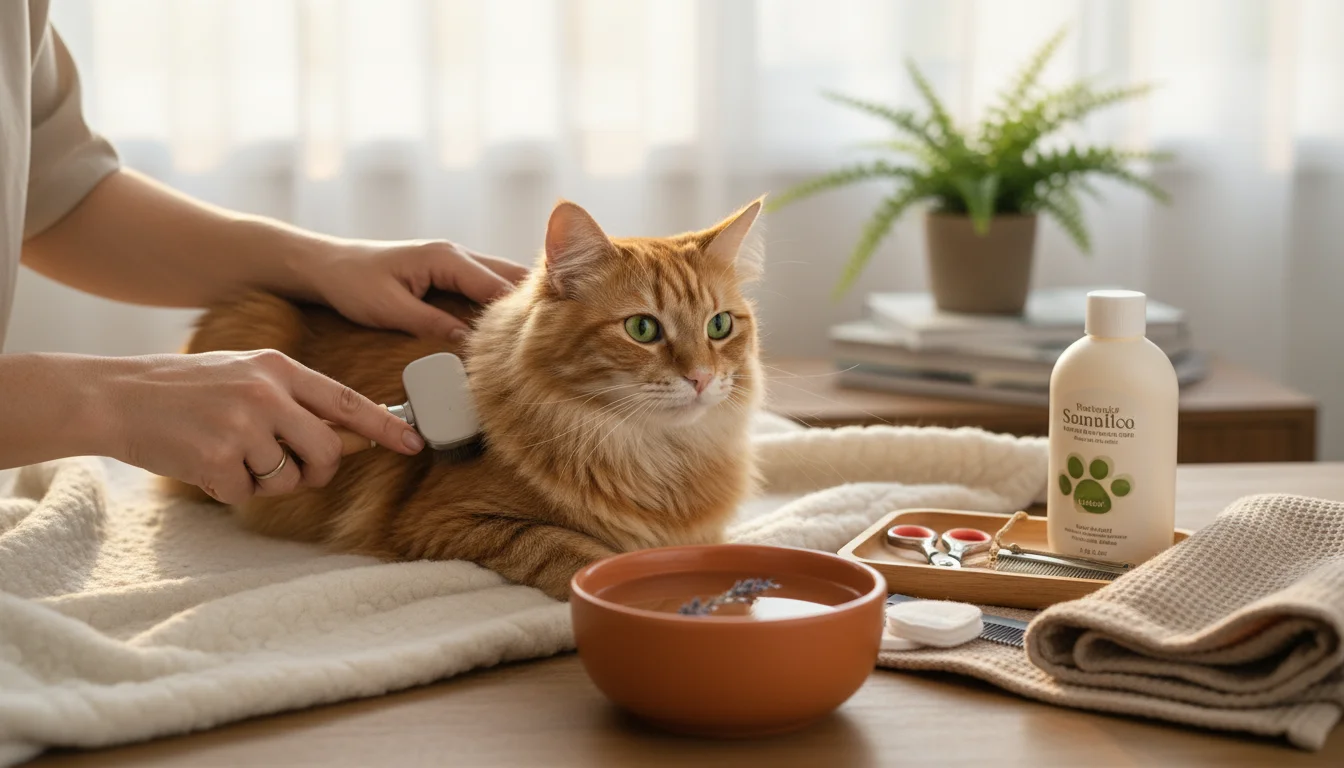
Grooming is essential for all cats, contributing to skin health, coat condition, and preventing matting. While all cats self-groom, your assistance becomes vital, especially considering coat type and environmental exposure.
Specific grooming requirements often depend on the variety of cat coat types, as outdoor cats may require more frequent debris removal than their indoor counterparts.
Proper maintenance starts with understanding cat coat types and care needs, which varies significantly between indoor and outdoor lifestyles.
Long-Hair Breeds (e.g., Maine Coon, Persian)
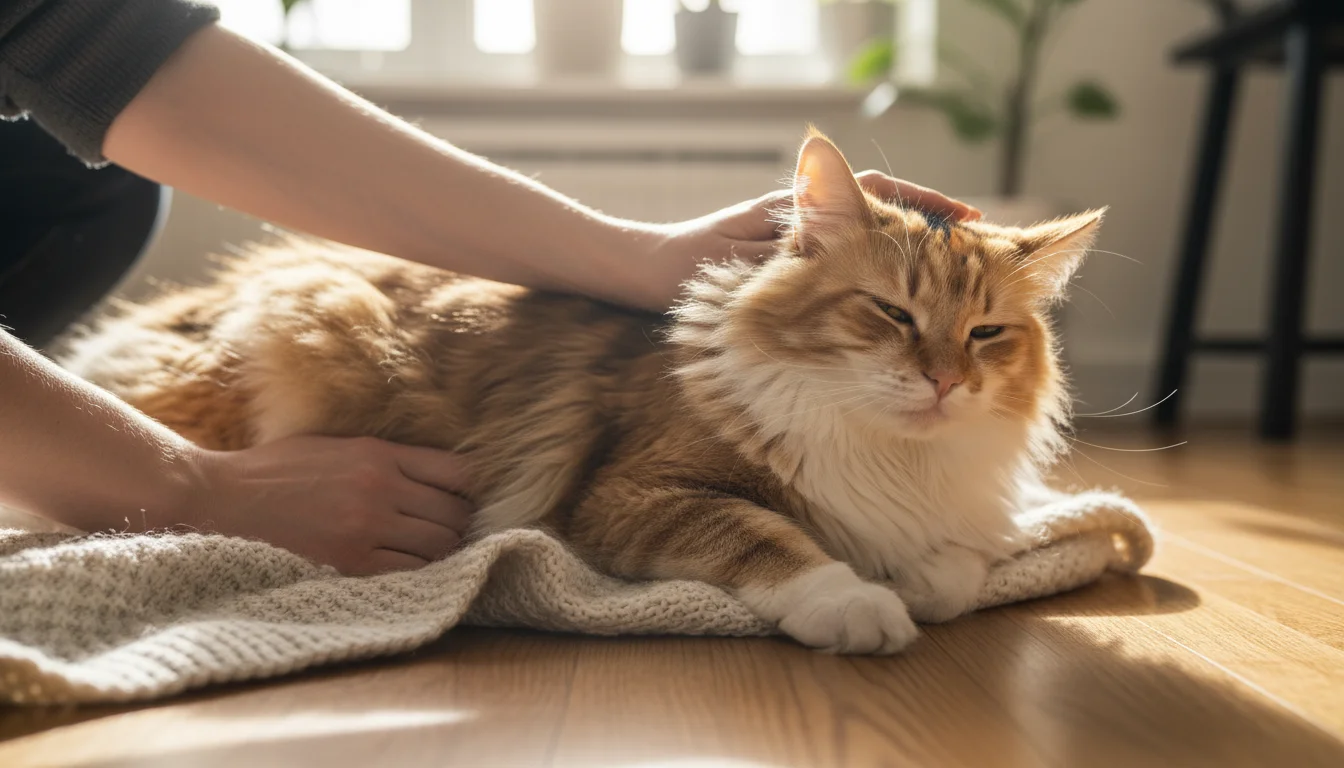
Indoor: Daily brushing is typically necessary to prevent mats and tangles. Long-haired cats shed a lot, and regular grooming reduces hairballs and keeps their coats shiny. Introduce brushing early in life, making it a positive experience with treats and praise.
Outdoor: Long-haired outdoor cats face a higher risk of matting due to exposure to dirt, burrs, twigs, and moisture. They require even more diligent daily brushing, along with regular checks for parasites hidden within their thick coats. Their long hair can also become an issue if they eliminate in areas where their fur can pick up waste. Keep the fur around their hindquarters trimmed for hygiene.
Short-Hair Breeds (e.g., Siamese, American Shorthair)
Indoor: Short-haired cats generally have less intensive grooming needs. Weekly brushing removes loose fur, minimizes shedding around the house, and promotes healthy skin by distributing natural oils. This also reduces hairball formation.
Outdoor: While their shorter coats are less prone to matting, outdoor short-haired cats still benefit from regular brushing. This helps remove dirt, debris, and any external parasites they may pick up. After outdoor excursions, perform a quick brush-down and check for ticks or burrs.
Hairless Breeds (e.g., Sphynx)
Indoor: Hairless cats do not have fur to absorb their natural oils, requiring regular bathing (typically weekly) to prevent skin buildup and acne. Use a veterinarian-approved shampoo. Their skin also needs protection from sunburn if they spend time in sunny windows, and warmth in cooler environments.
Outdoor: Hairless cats are generally not suitable for outdoor living due to their vulnerability. Their lack of fur makes them highly susceptible to sunburn, hypothermia, skin injuries, and parasites. If they do have supervised outdoor access, apply pet-safe sunscreen to exposed skin, ensure they stay warm, and closely monitor their environment.
Regardless of coat type, use a soft-bristled brush or a fine-toothed comb appropriate for their fur. Make grooming a bonding experience, using positive reinforcement. If your cat resists, introduce grooming tools gradually and offer high-value treats.
Litter Box Management: A Cornerstone of Indoor Care
For indoor cats, proper litter box management is paramount for their health, hygiene, and your household’s peace. Even cats with controlled outdoor access may still rely on indoor litter boxes, especially in adverse weather or during nighttime hours.
To maintain a clean home environment, it is helpful to address common litter box problems before they become habits.
Placement
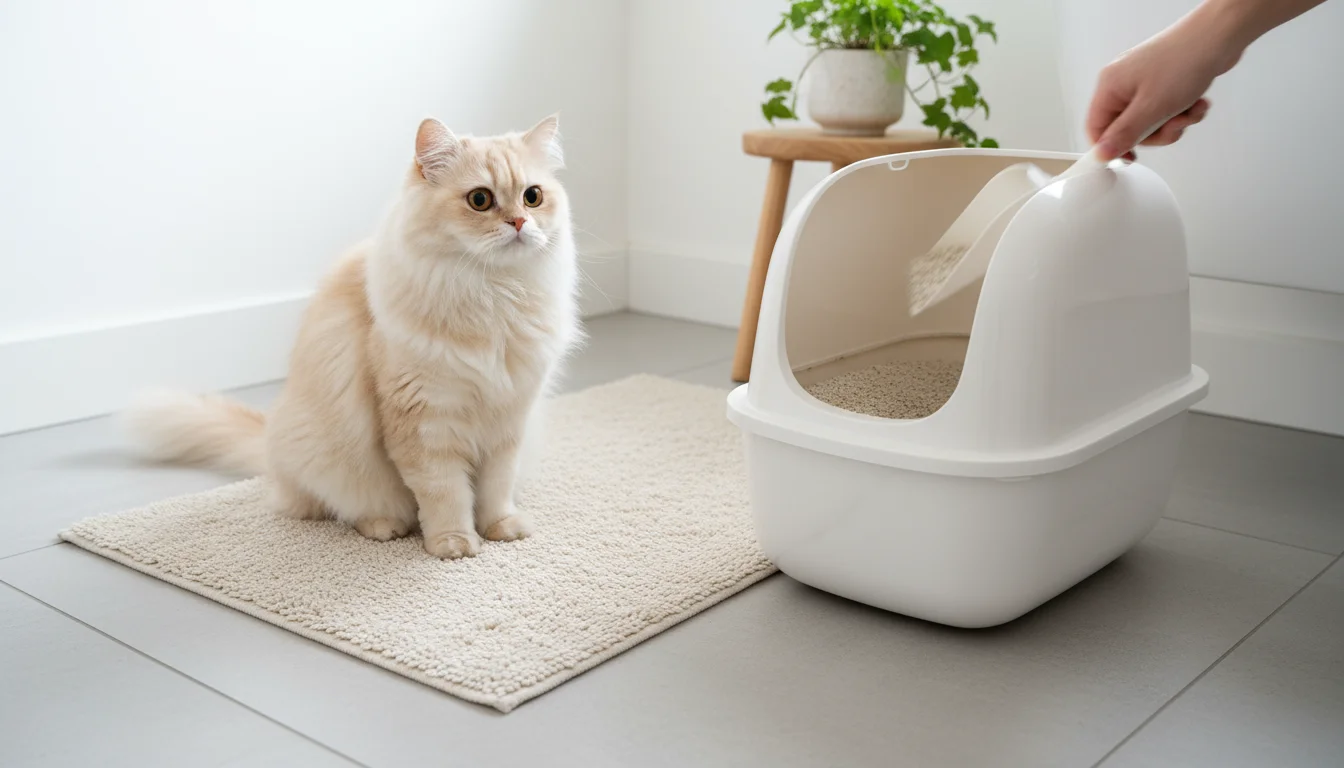
The location of the litter box significantly impacts its use. Cats prefer privacy, but they also need easy access. Avoid placing litter boxes in high-traffic areas, near loud appliances, or next to their food and water bowls. A quiet, easily accessible corner in different rooms works well, especially for multi-cat households. If you have a multi-story home, place at least one litter box on each floor.
Cleaning Frequency and Methods
Cats are fastidiously clean animals. A dirty litter box is a common reason for inappropriate urination or defecation outside the box. Scoop waste at least once daily, or twice a day for multi-cat households. Completely empty and clean the litter box with mild, unscented soap and water weekly, or every other week depending on the litter type and number of cats. Avoid harsh chemicals or strong-smelling cleaners, as these can deter your cat from using the box.
Number of Boxes
A good rule of thumb is to have one litter box per cat, plus one extra. So, if you have two cats, provide at least three litter boxes. This prevents competition, offers choices, and ensures a clean option is always available. Place these boxes in various locations throughout your home to offer maximum accessibility and choice.
Substrate Choices
Most cats prefer unscented, clumping clay litter, as it mimics the texture of natural soil and is easy to clean. Experimenting with different litter types might be necessary if your cat shows aversion to a particular substrate. Some cats prefer pellet litters, silica gel, or natural litters made from corn or paper. Avoid scented litters, which can be overpowering for a cat’s sensitive nose and may contain irritants.
Troubleshooting Accidents
If your cat suddenly stops using the litter box, do not assume it is purely a behavioral issue. A visit to the veterinarian is the first step, as medical problems like urinary tract infections, kidney disease, or arthritis (making it painful to get into a high-sided box) can cause inappropriate elimination. Once medical issues are ruled out, address environmental factors: dirty boxes, new litter, placement, or stress in the household. Patience and positive reinforcement are key to retraining your cat.
Senior Cat Care: Adjustments for Aging Felines
As cats age, their needs change significantly. Senior cats, generally considered to be over 10 years old, often experience reduced mobility, sensory decline, and an increased susceptibility to various health conditions. Proactive adjustments to their environment and care routine improve their comfort and quality of life.
As your pet matures, specialized senior cat care becomes necessary to address changes in mobility, vision, and cognitive function regardless of their lifestyle.
As your pet matures, it is vital to understand senior cat care and how their environmental needs might shift.
Mobility Aids and Comfort Measures
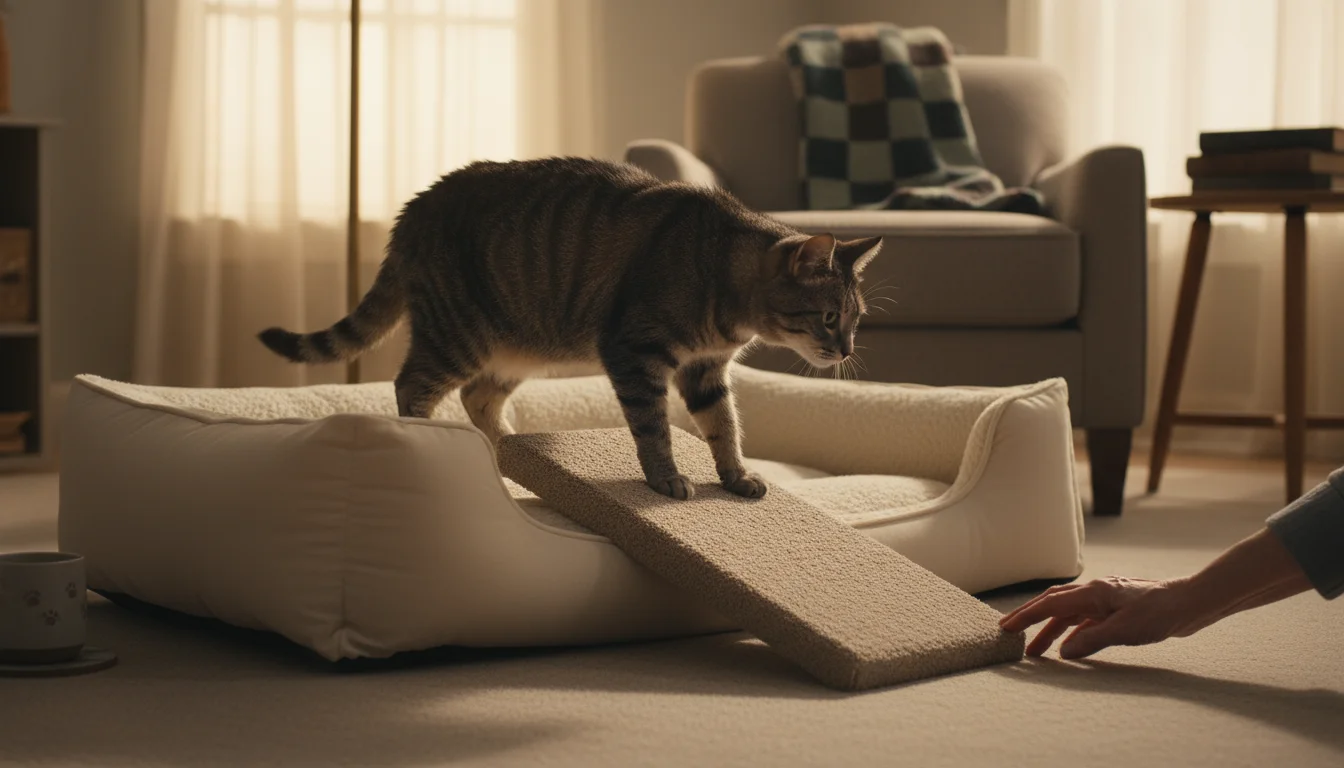
For Indoor Senior Cats: Arthritis and joint pain are common in older cats, making jumping and climbing difficult. Provide ramps or steps to help them access favorite elevated spots, like window perches or beds. Ensure their sleeping areas are easily accessible, warm, and well-padded. Low-sided litter boxes are crucial for cats with painful joints, preventing awkward entry and exit. Place food and water bowls in easily reachable locations, perhaps even elevated slightly to reduce neck strain. Ensure traction on slippery floors with rugs or mats. You also might want to investigate options for an orthopedic cat bed to alleviate pressure points.
For Outdoor Senior Cats (with controlled access): If your senior cat still has supervised outdoor access, ensure their entry and exit points are low and easy to navigate. Provide warm, sheltered spots outdoors where they can rest without being exposed to the elements or other animals. Be extra vigilant about their safety, as slower reflexes and reduced agility make them more vulnerable to outdoor hazards.
Health Monitoring and Veterinary Care
Senior cats require more frequent veterinary check-ups, often every six months, to monitor for age-related conditions. Common issues include kidney disease, hyperthyroidism, diabetes, dental disease, and various forms of cancer. Your veterinarian may recommend regular blood work, urine tests, and blood pressure checks to detect these conditions early. Watch for subtle changes in your senior cat’s behavior:
- Changes in appetite or thirst
- Weight loss or gain
- Increased or decreased urination/defecation
- Lethargy or reduced activity
- Vocalization changes
- Difficulty jumping or navigating their environment
- Changes in grooming habits (over-grooming or neglected grooming)
Report any of these observations to your vet promptly. Early detection and intervention can significantly manage chronic conditions and maintain your cat’s comfort. Pain management, including prescribed medications or supplements, may be part of their care plan. The Cornell University College of Veterinary Medicine provides extensive resources on senior cat health and care, emphasizing proactive management.
Nutrition for Aging Cats
Senior cats often have different nutritional requirements. Some require diets formulated for kidney health, while others need higher calorie intake if they are losing weight. Discuss your cat’s specific dietary needs with your veterinarian to ensure they receive appropriate nutrition to support their aging body.
Making the Best Choice for Your Cat
The decision to keep your cat indoors or allow outdoor access is a deeply personal one, influenced by your environment, lifestyle, and individual cat’s temperament. However, a significant body of evidence supports the safety and longevity benefits of an indoor lifestyle.
Regardless of whether they live indoors or out, monitoring for the signs your cat is happy and healthy remains the most important part of being a responsible pet owner.
For many cat owners, providing a safe, enriching indoor environment offers the best of both worlds. You protect your cat from the myriad dangers of the outside world while still allowing them to express natural behaviors through play, climbing, and observation from a window perch. Focusing on enrichment for indoor pets ensures their mental and physical well-being. This approach often leads to the best cat care tips for cat owners who prioritize safety and health.
If you feel strongly about providing your cat with some outdoor experience, consider controlled options such as:
- Catios: Secure, enclosed outdoor spaces that allow your cat to enjoy fresh air and sights without risk.
- Leash Training: Some cats can be trained to walk on a harness and leash, offering supervised outdoor excursions in safe areas. Start training indoors to ensure comfort and safety.
- Fenced Enclosures: Fully secure outdoor areas that prevent your cat from escaping and other animals from entering.
Ultimately, your responsibility as a pet owner is to provide a safe, loving, and stimulating environment that meets your cat’s unique needs. Prioritize their health and happiness by making informed choices based on expert advice and a deep understanding of feline welfare.
Frequently Asked Questions
Can an indoor cat go outside safely?
Yes, indoor cats can safely experience the outdoors through controlled methods. Supervised leash walks, secure catio enclosures, or outdoor runs provide mental stimulation and fresh air without exposing them to the full range of outdoor risks. Never allow an indoor cat to roam unsupervised outside.
How do I enrich my indoor cat’s life?
Enriching an indoor cat’s life involves providing opportunities for play, climbing, and mental stimulation. Offer vertical spaces like cat trees and shelves, a variety of scratching posts, interactive toys, puzzle feeders, and window perches. Regular, dedicated play sessions with you are also crucial.
What are the biggest health risks for outdoor cats?
Outdoor cats face numerous health risks, including traffic accidents, encounters with predators or aggressive animals, exposure to infectious diseases (like FeLV and FIV), ingestion of toxins (antifreeze, pesticides), and infestation by parasites (fleas, ticks, worms). These risks significantly shorten their lifespan compared to indoor cats.
Is it possible to transition an outdoor cat to an indoor lifestyle?
Yes, transitioning an outdoor cat to an indoor lifestyle is often possible, though it requires patience and a gradual approach. Create a highly enriching indoor environment, introduce toys, scratching posts, and vertical spaces. Gradually reduce outdoor access, rewarding indoor behavior with treats and positive attention. Provide comfortable hiding spots during the transition. Consult a veterinary behaviorist if your cat experiences significant stress or resistance.
How many litter boxes do I need for my indoor cat?
A general rule for litter box management is to provide one litter box per cat, plus one additional box. For example, if you have one cat, you should have at least two litter boxes. If you have two cats, aim for three litter boxes. Place them in separate, quiet locations around your home.
For expert pet care guidance, visit
American Veterinary Medical Association (AVMA) and
ASPCA.
Disclaimer: This article is for informational purposes only and is not a substitute for professional veterinary advice, diagnosis, or treatment. Always consult with a licensed veterinarian for medical concerns about your pet.
In addition to providing scratching surfaces, learning how to trim your cat’s claws safely is a vital skill for indoor cat maintenance.
Developing a routine and knowing how to keep your cat entertained can prevent boredom-related behaviors in indoor pets.




Leave a Reply