
Bringing a new kitten into your home is an incredibly exciting experience, filled with adorable purrs, playful pounces, and endless curiosity. The first 12 weeks of a kitten’s life are a period of rapid development, requiring focused attention and consistent care to ensure they grow into a healthy, well-adjusted cat. This comprehensive kitten care guide provides practical, actionable insights for new and experienced pet owners, helping you navigate these crucial early months with confidence. We focus on evidence-based practices that prioritize your kitten’s welfare, emphasizing positive reinforcement and a safe, enriching environment. By understanding the specific needs of kittens during this foundational stage, you lay the groundwork for a lifetime of companionship and joy.
As you begin this journey, it is helpful to familiarize yourself with common cat care myths to ensure you are following the best advice for your new pet.
Providing optimal cat care during these early weeks is paramount. Your active involvement in their nutrition, socialization, and health directly influences their physical and emotional development. Whether you are wondering how to kitten care guide: the first 12 weeks will truly support your new family member or seeking a thorough kitten care guide for cats, you will find clear, step-by-step guidance here.

Preparing for Your Kitten’s Arrival
Before your kitten even steps paw into your home, proactive preparation ensures a smooth transition and a safe environment. Creating a dedicated “kitten zone” helps your new feline friend adjust without feeling overwhelmed by an entire house. This initial setup is a vital part of comprehensive pet care.
To ensure a peaceful homecoming, it is also useful to learn how to introduce a new cat to your home safely.
Understanding how to choose the right cat food by life stage is essential for meeting their specific nutritional requirements as they mature.
Essential Supplies Checklist:
- High-Quality Kitten Food: Choose a formula specifically designed for kittens, often labeled “for growth” or “all life stages.” Consult with your veterinarian on the best option.
- Food and Water Bowls: Select shallow, wide bowls made of ceramic, stainless steel, or glass to prevent whisker fatigue. Ensure they are easy to clean.
- Litter Box and Litter: Provide at least one litter box per cat in your household, plus one extra. Use unscented, fine-grained litter for kittens, as scented options can irritate their sensitive respiratory systems.
- Comfortable Bedding: A soft, warm bed provides a secure place for rest and sleep. Consider a small cat tree or a cozy cave bed.
- Scratching Posts/Pads: Offer both vertical (posts) and horizontal (pads) scratching surfaces. This helps redirect natural scratching behavior away from your furniture.
- Safe Toys: Kittens love to play. Provide a variety of toys, including wand toys for interactive play, crinkle balls, and soft plush toys. Avoid toys with small parts that a kitten could swallow.
- Carrier: A sturdy, secure carrier is essential for safe transport to veterinary appointments and any future travel.
- Grooming Tools: A soft brush, nail clippers specifically for cats, and a flea comb.
- First Aid Kit: Consult your vet for recommended items, but consider sterile saline solution, gauze, and pet-safe antiseptic wipes.
Kitten-Proofing Your Home:
Kittens are naturally curious and small enough to get into tight spaces. Thorough kitten-proofing protects them from potential hazards:
- Secure loose wires and cords.
- Store cleaning supplies, medications, and toxic plants out of reach.
- Block off small openings or crawl spaces where a kitten could get stuck.
- Remove small objects they might swallow, such as rubber bands, hair ties, or small craft items.
- Ensure windows have secure screens to prevent falls.
- Remove any dangling blinds or curtain cords, as these pose a strangulation risk.
The First Weeks: Newborn to Four Weeks Old
While most people adopt kittens older than four weeks, understanding this crucial early period is beneficial, especially if you are fostering very young or orphaned kittens. This stage demands intensive cat care and mimics the mother cat’s constant attention.
Nutrition:
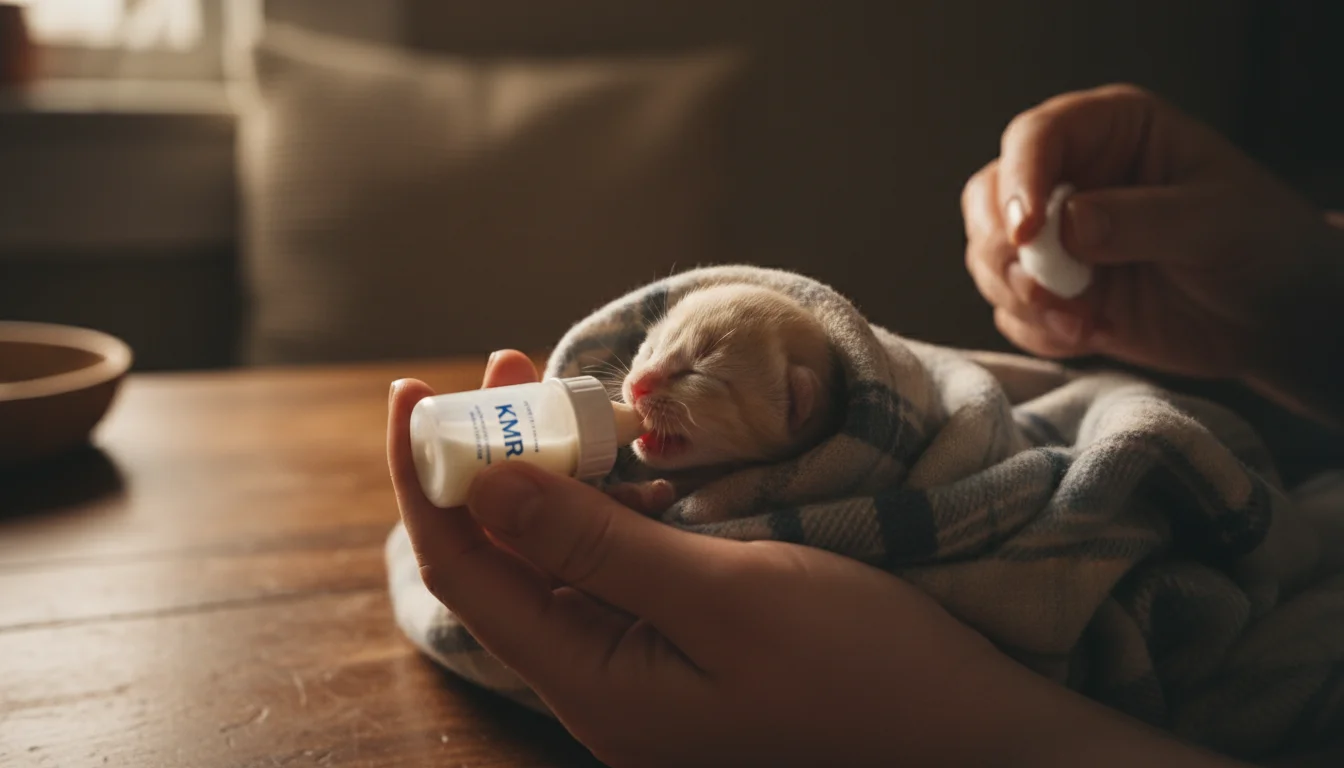
Newborn kittens rely entirely on their mother’s milk for nutrition and antibodies. If you are caring for orphaned kittens, use a kitten milk replacer (KMR), available at pet supply stores or through your veterinarian. Never give cow’s milk, as it can cause severe digestive upset. Feed kittens every 2-4 hours, gradually increasing the interval as they grow. Follow the specific instructions on the KMR packaging carefully. After each feeding, gently stimulate the kitten’s perineal area with a warm, damp cotton ball to encourage urination and defecation, as they cannot do this on their own.
Warmth:
Kittens cannot regulate their body temperature effectively until they are several weeks old. Maintain an ambient temperature of 85-90°F (29-32°C) for newborns, gradually reducing it to 75°F (24°C) by four weeks. Use a heating pad set on low and covered with a towel, or a Snuggle Safe disc, placed in a corner of their bed, allowing them to move away if they get too warm. Always ensure a kitten can move off the heat source.
Early Socialization and Handling:
Gentle handling from birth helps kittens become accustomed to human touch. Handle them briefly and often, ensuring they feel secure and supported. This early interaction is foundational for their future temperament. Kittens begin to open their eyes at 7-10 days old and start to explore their immediate surroundings. Their sense of hearing also develops during this time.
Veterinary Checks:
If you have newborn kittens, especially orphans, an immediate veterinary check-up is essential. The veterinarian will check for congenital issues, parasites, and overall health, providing guidance on feeding and care specific to their condition. They will also discuss initial deworming protocols.
Growing Independence: Four to Eight Weeks Old
By four weeks, kittens are becoming much more active and independent. This period is crucial for developing motor skills, beginning litter box training, and expanding their social horizons. Your consistent pet care during this time helps them build confidence.
Weaning and Solid Food Introduction:
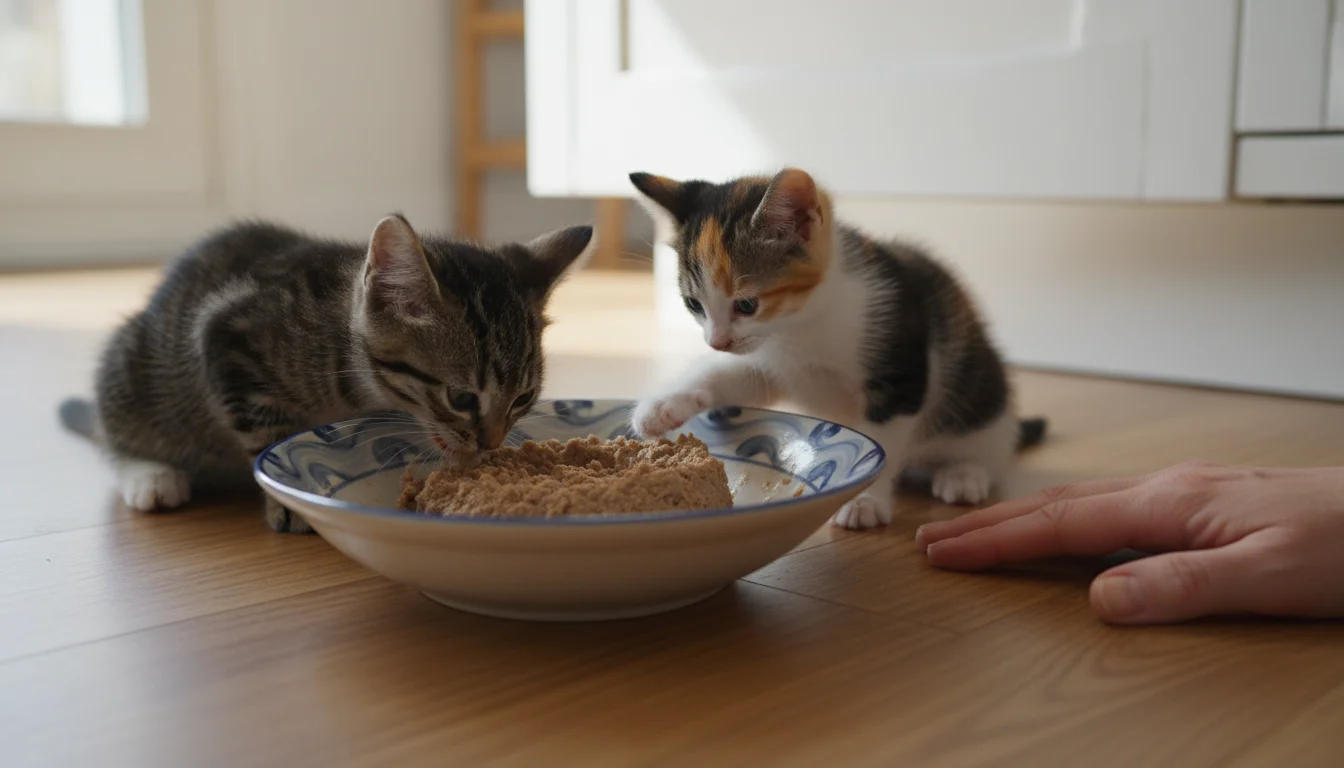
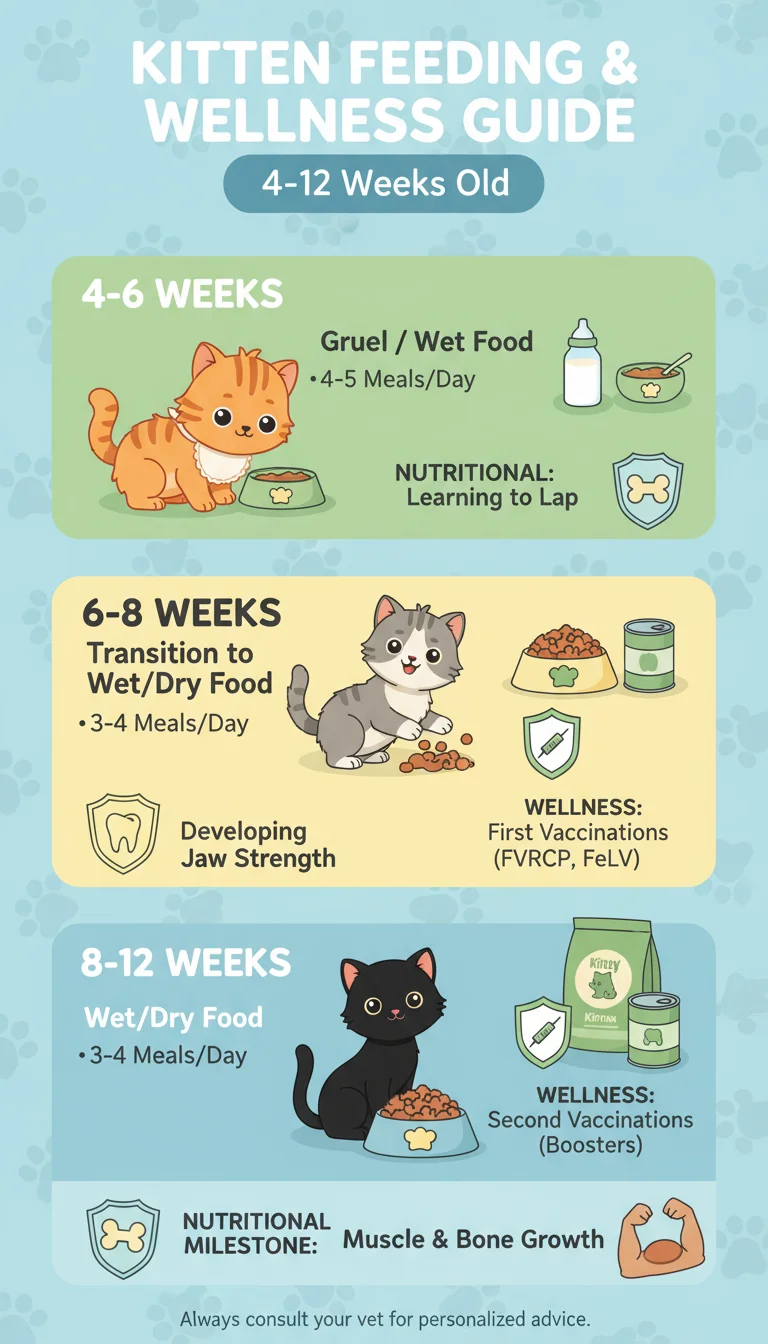
Around 4-5 weeks, begin introducing moistened kitten food. Mix KMR or warm water with a small amount of high-quality kitten pate. Offer this “gruel” several times a day in a shallow dish. Gradually reduce the amount of liquid over the next few weeks until they eat dry or wet kitten food exclusively by 7-8 weeks. Ensure fresh water is always available in a shallow bowl.
Litter Box Training:
Kittens naturally learn to use a litter box. Place shallow litter boxes with low sides in easily accessible areas. Show them the box by gently placing them in it after waking up, eating, and playing. Use unscented, non-clumping litter initially, as clumping litter can be ingested by very young kittens and cause digestive issues. Positive reinforcement, such as praise, when they use the box correctly, helps solidify this behavior.
Play and Socialization:
Play becomes vital for development. Provide a variety of safe toys. Interactive play with wand toys helps develop their hunting skills and forms a bond with you. Continue gentle handling. Expose kittens to different sights, sounds, and textures in a positive, non-threatening way. This process, known as socialization, helps them become comfortable with new experiences as adult cats. For example, introduce them to calm, vaccinated, cat-friendly dogs under strict supervision, or gentle, respectful children, ensuring all interactions are positive and brief.
First Vaccinations and Deworming:
Typically, at 6-8 weeks of age, kittens receive their first round of core vaccinations, which often include distemper (panleukopenia), calicivirus, and rhinotracheitis (feline herpesvirus). According to the American Animal Hospital Association (AAHA), these vaccinations are critical for protecting your kitten from common, serious feline diseases. Your veterinarian will also administer deworming medication, as nearly all kittens are born with or acquire intestinal parasites.

Crucial Development: Eight to Twelve Weeks Old
This period often marks the time kittens are adopted into their forever homes. It’s a critical window for reinforcement of good habits, continued socialization, and important veterinary care. Your dedication to their well-being at this stage significantly shapes their adult personality and health.
Continued Socialization:
The socialization window is still open and incredibly important. Continue exposing your kitten to various positive experiences: different people, gentle handling, household noises (vacuum cleaners, doorbells at a distance), and short car rides in their carrier. Always ensure these experiences are positive and never forced. Use treats and praise to create positive associations. Experts at the ASPCA emphasize that positive exposure during this phase helps prevent fear-based behaviors later in life.
Grooming Introduction:
Start introducing grooming habits early. Use a soft brush to gently comb your kitten, making it a pleasant experience with treats and praise. This familiarizes them with the process, making grooming easier as they grow. For long-haired breeds, daily brushing prevents mats. Short-haired cats benefit from weekly brushing to remove loose hair. Even hairless breeds need skin care, including gentle bathing and moisturizing, as directed by your vet, to prevent skin issues.
Litter Box Refinement:
By now, your kitten should be consistently using the litter box. Maintain strict cleanliness, scooping at least once daily and changing the litter completely every 1-2 weeks. Ensure multiple boxes are available in multi-cat households, ideally one per cat plus one extra, placed in quiet, accessible locations.
Second Round of Vaccinations and Spay/Neuter Discussion:
Around 9-12 weeks, your kitten will receive booster vaccinations. This is also the time to discuss spaying or neutering with your veterinarian. Early spaying or neutering, typically recommended around 5-6 months of age, prevents unwanted litters and reduces the risk of certain health and behavioral issues. Your vet will advise the best timeline for your individual kitten.
Introducing a New Kitten to Existing Cats:
If you have other cats, a slow, supervised introduction is key to harmonious multi-cat household dynamics. Keep the new kitten in a separate room initially, allowing them to acclimate to new scents. Gradually introduce them through scent swapping (exchanging bedding) and then visual access (through a baby gate), always ending on a positive note. Use treats and praise to create positive associations with each other’s presence. Never force interactions.

Kitten Nutrition and Feeding
Proper nutrition provides the essential building blocks for your kitten’s rapid growth and development. Feeding a high-quality, complete, and balanced kitten formula is non-negotiable for their health.
Proper feeding is the foundation of wellness; you can monitor their progress by looking for signs your cat is happy and healthy as they grow.
Choosing the Right Food:
Select a kitten-specific formula from a reputable brand. These foods contain higher levels of protein, fat, and essential nutrients like taurine, crucial for a kitten’s energy needs and development. Look for labels that state “complete and balanced” and “for growth” or “all life stages.” Both wet and dry foods offer benefits. Wet food provides hydration and often has fewer calories per serving, while dry food can be convenient. Many owners opt for a combination. Discuss food choices with your veterinarian to find the best option for your kitten’s specific needs.
Feeding Schedule:
Kittens have small stomachs and high energy requirements, so they need to eat more frequently than adult cats. Generally:
- 4-6 Weeks: 4-5 small meals per day (wet food or moistened dry food).
- 6-12 Weeks: 3-4 meals per day.
- 3-6 Months: 2-3 meals per day.
- 6-12 Months: 2 meals per day.
Always follow the feeding guidelines on the food packaging as a starting point, adjusting based on your kitten’s activity level, body condition, and your vet’s recommendations. Monitor your kitten’s weight to ensure they are not over or underweight. Never free-feed kittens, as this can lead to obesity.
Water Access:
Always provide fresh, clean water. Offer it in multiple bowls around the house. Some kittens prefer moving water, so a pet water fountain might encourage better hydration.
Common Feeding Mistakes to Avoid:
- Overfeeding: Leading to obesity, which can cause health problems.
- Underfeeding: Preventing proper growth and development.
- Feeding Adult Cat Food: Adult cat food lacks the specific nutrient profile kittens need for growth.
- Giving Human Food: Many human foods are toxic or unhealthy for cats.
- Sudden Food Changes: Gradually transition to new foods over 7-10 days to prevent digestive upset.
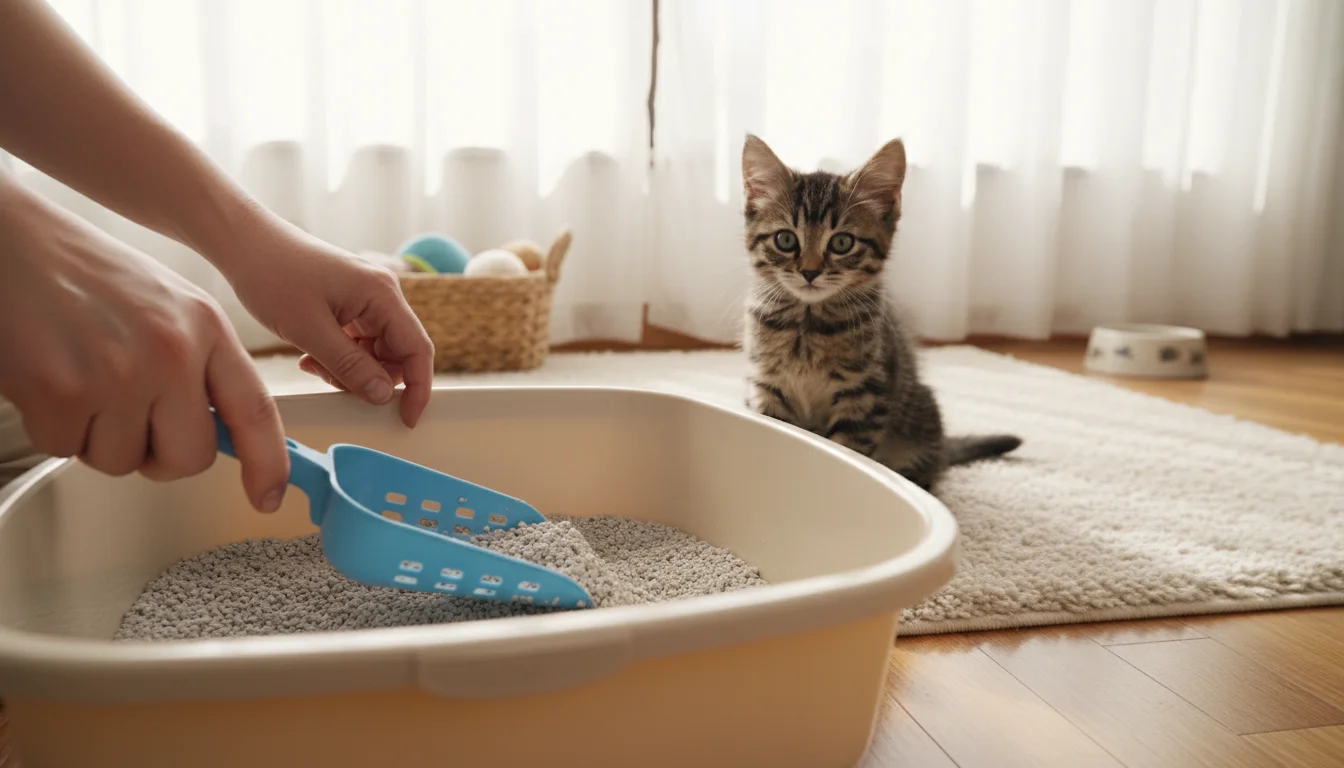
Building Good Habits: Litter Box, Grooming, and Training
Establishing good habits early makes for a well-adjusted and easy-to-care-for adult cat. Consistent, positive reinforcement is the key to teaching your kitten appropriate behaviors.
As your kitten becomes more independent, discover how to keep your cat entertained when you are busy around the house.
Litter Box Management:
Proper litter box setup and maintenance prevent many common behavioral issues. Aim for at least one litter box per cat, plus one extra, and place them in quiet, accessible areas away from food and water bowls. For kittens, use a box with low sides. Scoop solid waste daily and change the litter completely every 1-2 weeks. Clean the box with mild, unscented soap and water. Most cats prefer unscented, clumping clay litter, though fine-grained natural litters are also popular. Observe your kitten’s preferences.
Introducing Grooming by Coat Type:
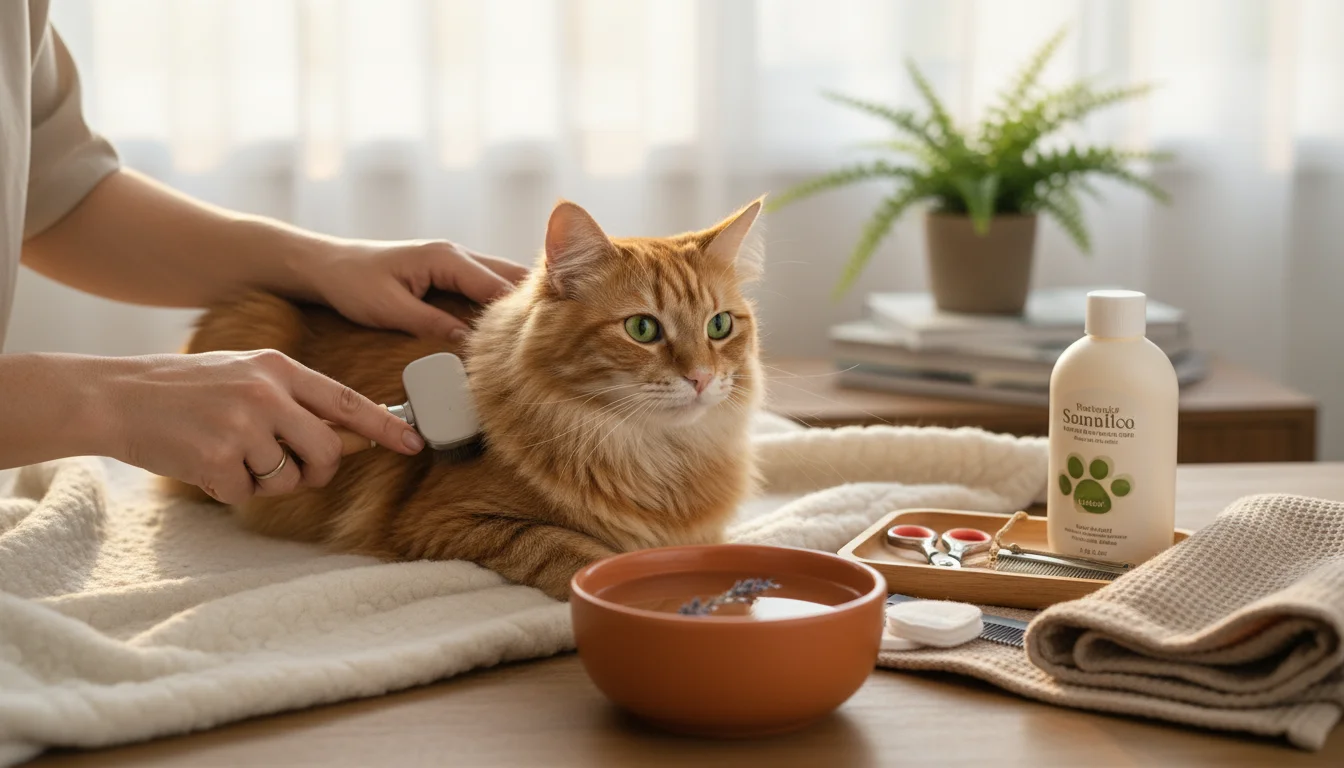
Regular grooming keeps your kitten healthy and helps strengthen your bond. Start early to accustom them to the process.
- Short-Hair Breeds: A soft rubber brush or fine-toothed comb used weekly removes loose hair and stimulates the skin.
- Long-Hair Breeds: Daily brushing with a slicker brush and a wide-toothed comb prevents mats and tangles, which can be painful and lead to skin infections. Pay extra attention to areas behind the ears, armpits, and under the tail.
- Hairless Breeds (e.g., Sphynx): These breeds require regular bathing (weekly to bi-weekly) with a vet-approved shampoo to remove skin oils and debris. They may also need moisturizing lotions to prevent dry skin.
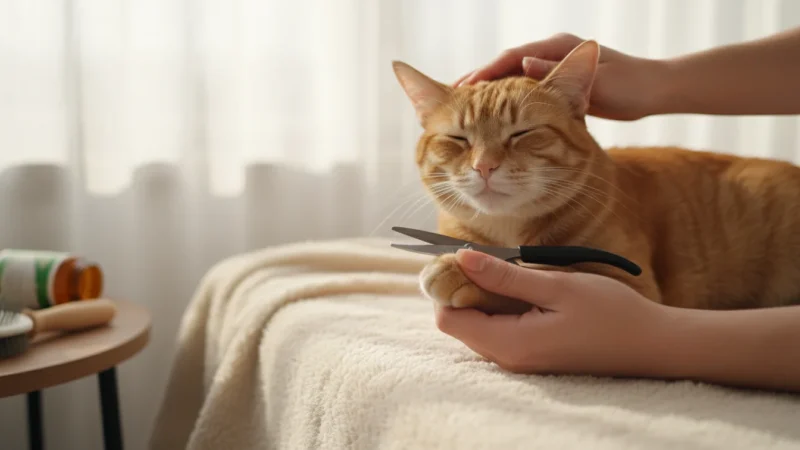
All kittens benefit from nail trims every 2-4 weeks. Start by gently handling their paws and pressing on their toe pads to extend the claws. Clip only the sharp tip, avoiding the pink “quick,” which contains blood vessels and nerves. If you are unsure, ask your vet or a professional groomer for a demonstration.
Positive Reinforcement Training:
Use positive reinforcement for all training. This involves rewarding desired behaviors with treats, praise, or gentle petting. Never use punishment, which can create fear and damage your bond. Focus on:
- Scratching Post Training: Encourage use of scratching posts by placing them in prominent areas and gently redirecting your kitten if they scratch furniture. Reward them when they use the post.
- Leash Training (Optional): If you plan to take your cat outdoors on a leash, start early with a comfortable harness (not a collar) and short sessions indoors, using treats to make it a positive experience.
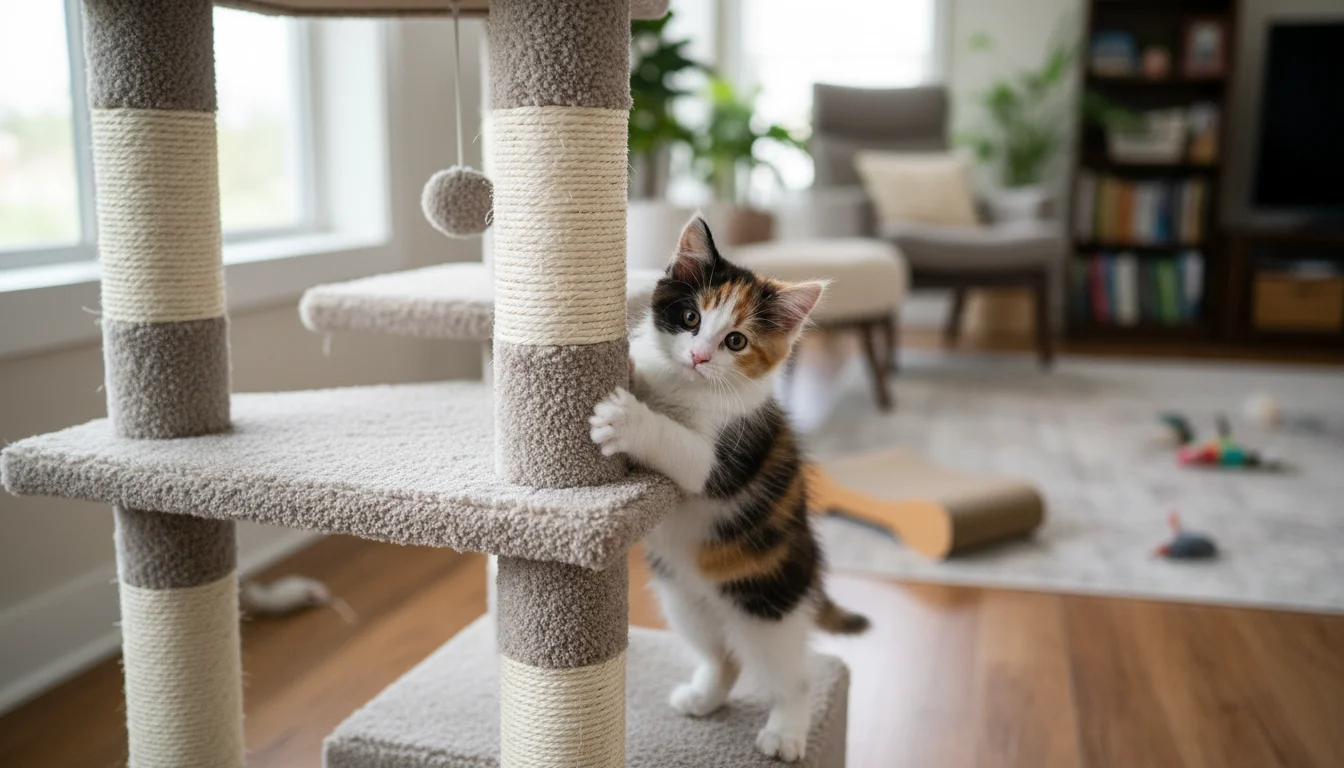
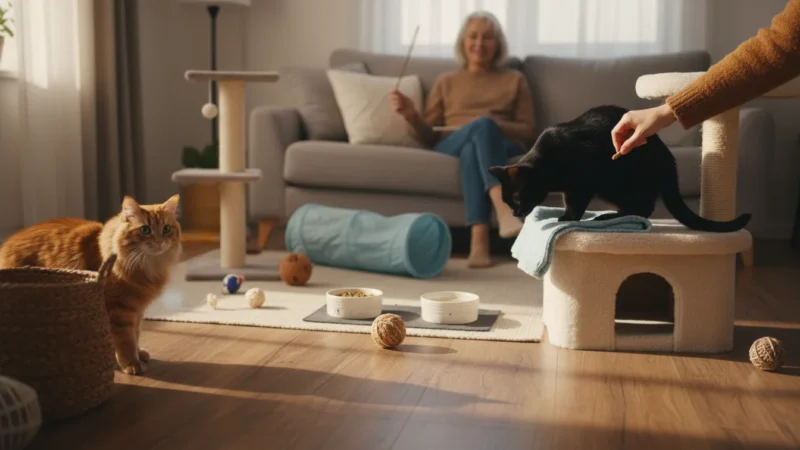
Creating a Stimulating Indoor Environment
Indoor environmental enrichment is crucial for a kitten’s physical and mental well-being, preventing boredom and promoting healthy behaviors. A stimulating environment is a core component of responsible pet care.
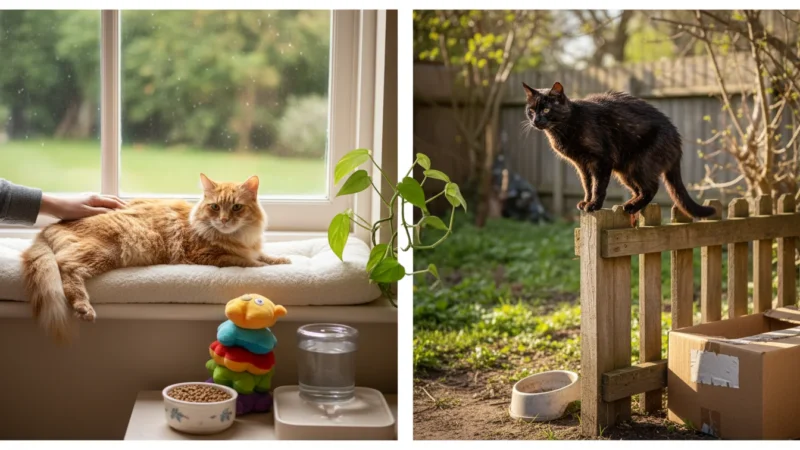
While creating an indoor sanctuary is vital, understanding the differences between indoor and outdoor cat care can help you decide the best lifestyle for your pet.
Vertical Space:
Cats naturally seek high vantage points. Provide vertical space through cat trees, shelves, or window perches. This allows kittens to observe their territory from a safe height, fulfilling a natural instinct and reducing potential stress, especially in multi-cat households. Ensure any vertical structures are stable and secure.
Scratching Posts and Pads:
As mentioned earlier, offer a variety of scratching surfaces. Cats prefer different textures (sisal, cardboard, carpet) and orientations (vertical posts, horizontal pads). Place them in areas where your kitten naturally spends time and near furniture you want them to avoid scratching. Replace worn-out posts to keep them appealing.
Interactive Toys and Play:
Regular interactive play is vital for a kitten’s physical exercise and mental stimulation. Use wand toys, laser pointers (with a solid target at the end), and puzzle feeders to mimic hunting behavior. Rotate toys regularly to keep things interesting. Schedule dedicated play sessions daily, ideally for 10-15 minutes, several times a day. This builds your bond and helps burn off excess energy.
Window Perches:
A window perch provides endless entertainment as kittens watch birds, squirrels, and outdoor activity. Ensure the perch is secure and offers a comfortable resting spot. This helps to satisfy their innate curiosity and engagement with the outside world from the safety of indoors.
Safety Considerations for Enrichment:
Always ensure all enrichment items are safe. Check toys for loose parts, ensure cat trees are sturdy, and avoid potential hazards like cords or small objects that could be swallowed. Supervision during play is always recommended.
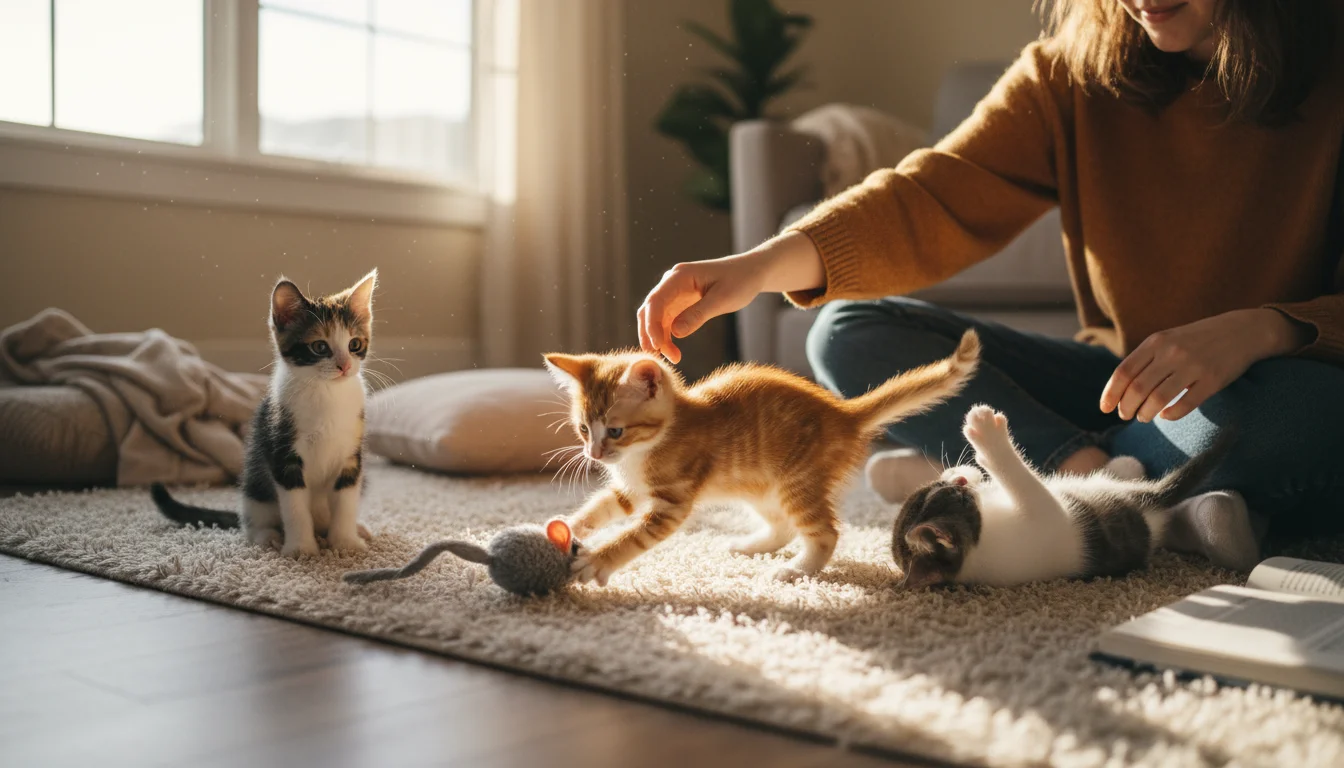
Understanding Kitten Behavior and Socialization
Understanding feline behavior is essential for building a strong relationship with your kitten and addressing any potential issues proactively. The first 12 weeks are a critical period for behavioral development.
Key Developmental Stages:
- 0-2 Weeks (Neonatal): Helpless, focused on feeding and warmth.
- 2-7 Weeks (Socialization Period): Rapid learning about their environment, littermates, and mother. Key time for positive human interaction. Exposure to gentle handling and various stimuli is crucial.
- 7-14 Weeks (Social Play Period): Developing complex social skills through play with littermates. Learning bite inhibition. This is a crucial time for continued socialization with humans and new experiences.
Body Language Signals:
Learn to read your kitten’s body language to understand their mood and needs:
- Tail Upright with a Slight Curl: Happy, confident.
- Tail Tucked: Fearful, anxious.
- Ears Forward: Alert, interested.
- Ears Pinned Back: Fearful, agitated.
- Slow Blinking: A sign of trust and affection.
- Purring: Contentment (though sometimes also a sign of pain or anxiety).
- Hissing/Growling: Fearful, warning.
- Kneading: A sign of comfort and contentment, a leftover kitten behavior from nursing.
Importance of Positive Early Experiences:
Positive socialization during the first 12 weeks significantly impacts how your cat interacts with the world. Gently expose your kitten to different people, sounds, and objects. Always make these experiences pleasant, using treats and calm interactions. Avoid forcing interactions that cause fear. According to Fear Free Pets, creating positive emotional experiences early helps prevent anxiety and aggression in adult cats.
Handling Techniques:
Practice gentle, supportive handling. Always support their hindquarters when picking them up. Get them used to having their paws touched, their ears examined, and their mouths checked. This makes future grooming and vet visits much less stressful for both you and your kitten.

When to Contact Your Veterinarian
As a responsible pet care provider, knowing when to seek professional veterinary help is paramount. Kittens are delicate, and their health can decline rapidly.
Immediate Veterinary Attention is Needed For:
- Lethargy: Unusually low energy, not interested in play or food.
- Loss of Appetite or Refusal to Drink: Any significant change in eating or drinking habits.
- Vomiting or Diarrhea: Especially if persistent or severe. Dehydration can quickly become critical in kittens.
- Difficulty Breathing: Open-mouthed breathing, coughing, or labored breaths.
- Lameness or Injury: Limping, inability to bear weight, or obvious trauma.
- Swollen Abdomen: Can indicate parasites or other serious conditions.
- Discharge from Eyes or Nose: Often a sign of upper respiratory infection.
- Constant Crying or Excessive Vocalization: Can indicate pain or distress.
- Trouble Urinating or Defecating: Straining in the litter box, crying, or not producing waste.
- Exposure to Toxins: If your kitten ingested a toxic substance, contact your vet immediately or call the Pet Poison Helpline.
Do not hesitate to contact your veterinarian if you have any concerns about your kitten’s health or behavior. They are your best resource for personalized advice and care. Always have the contact information for your regular vet and an emergency veterinary clinic readily available.
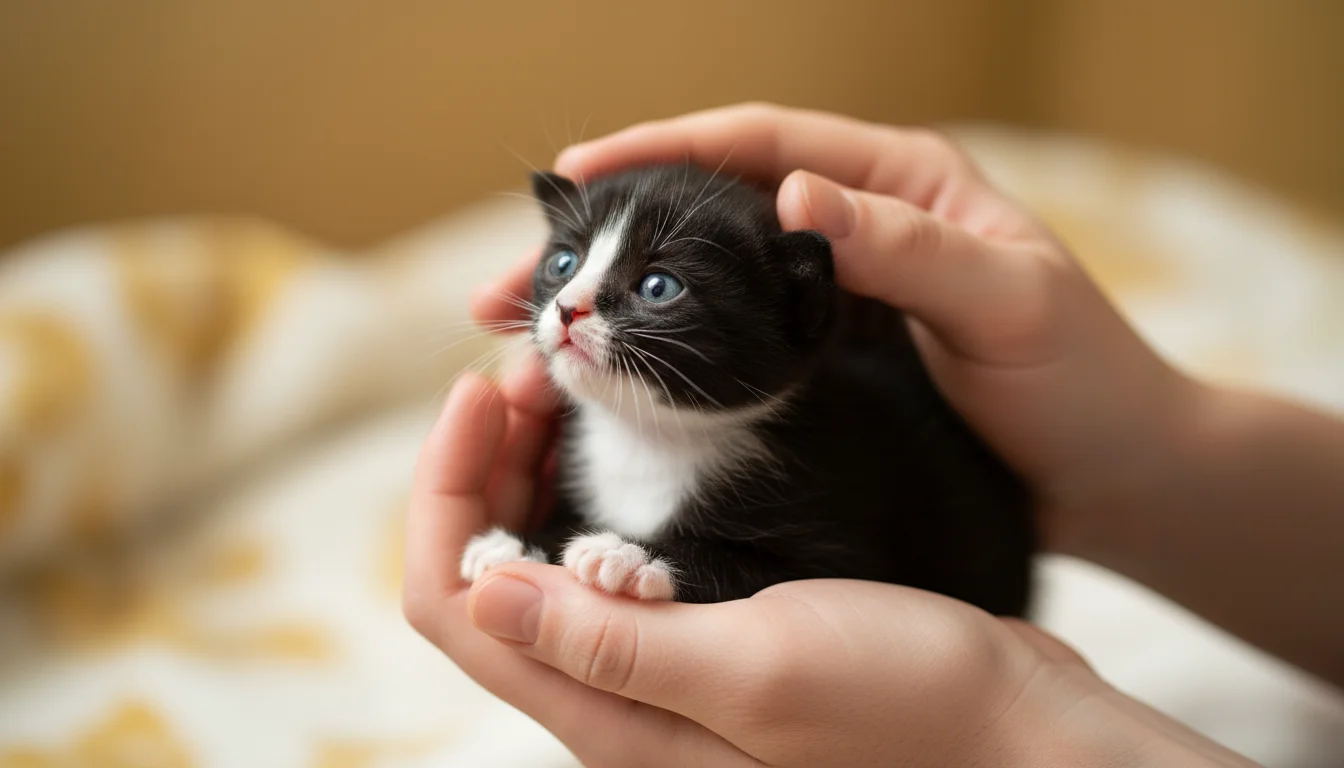
Frequently Asked Questions
How often should I take my kitten to the vet in the first 12 weeks?
Your kitten will typically need a series of veterinary visits during the first 12 weeks for vaccinations, deworming, and a general health check. This usually involves appointments at 6-8 weeks and then again at 9-12 weeks. Your veterinarian will outline a specific schedule tailored to your kitten’s age and health status.
What are the signs of a healthy kitten?
A healthy kitten is alert, curious, and playful. They have clear, bright eyes, a clean nose without discharge, and clean ears. Their coat is soft and free of parasites. They eat and drink regularly, pass solid stools, and urinate consistently. A healthy kitten also maintains a good body weight for their age.
Can kittens be left alone for long periods?
Very young kittens (under 8 weeks) should not be left alone for extended periods due to their feeding and stimulation needs. Kittens 8-12 weeks old can typically be left alone for a few hours, but ideally not for an entire workday. Ensure they have access to food, water, litter boxes, and safe toys. As they grow, they can tolerate longer periods of solitude, especially if you provide ample environmental enrichment.
When can my kitten start going outside?
It is generally recommended to keep kittens strictly indoors for their safety and health. If you plan for your cat to be an outdoor cat (which many organizations like the Humane Society of the United States discourage due to safety risks), they should complete their full series of vaccinations and be spayed or neutered before venturing outdoors. Even then, supervised outdoor time on a leash or in a secure “catio” is a safer alternative.
How do I introduce my kitten to my dog?
Introduce a new kitten to an existing dog slowly and carefully. Start with scent swapping, then supervised visual introductions through a barrier, always keeping the dog on a leash. Reward calm behavior from both animals. Ensure the kitten has a safe escape route and elevated hiding spots. Never force interactions and always prioritize the safety and comfort of both pets.
For expert pet care guidance, visit
Rover — Pet Care Blog, Preventive Vet and American Veterinary Medical Association (AVMA).
Disclaimer: This article is for informational purposes only and is not a substitute for professional veterinary advice, diagnosis, or treatment. Always consult with a licensed veterinarian for medical concerns about your pet.
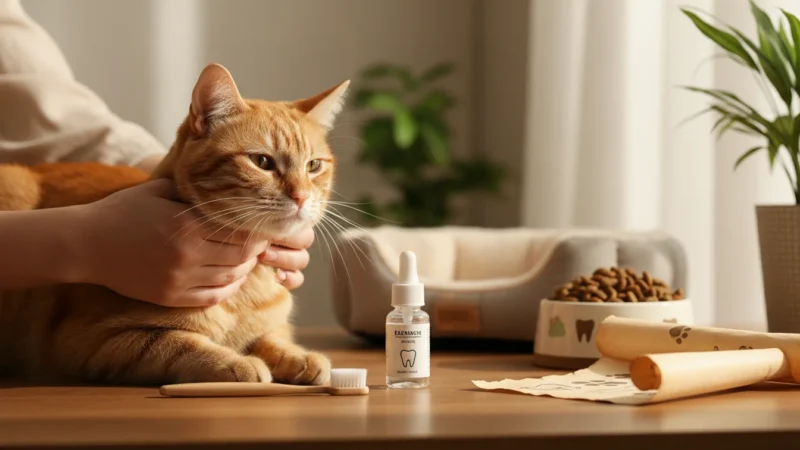
This is also an ideal time to start a dental hygiene routine using a step-by-step teeth brushing guide to prevent future health issues.




Leave a Reply