
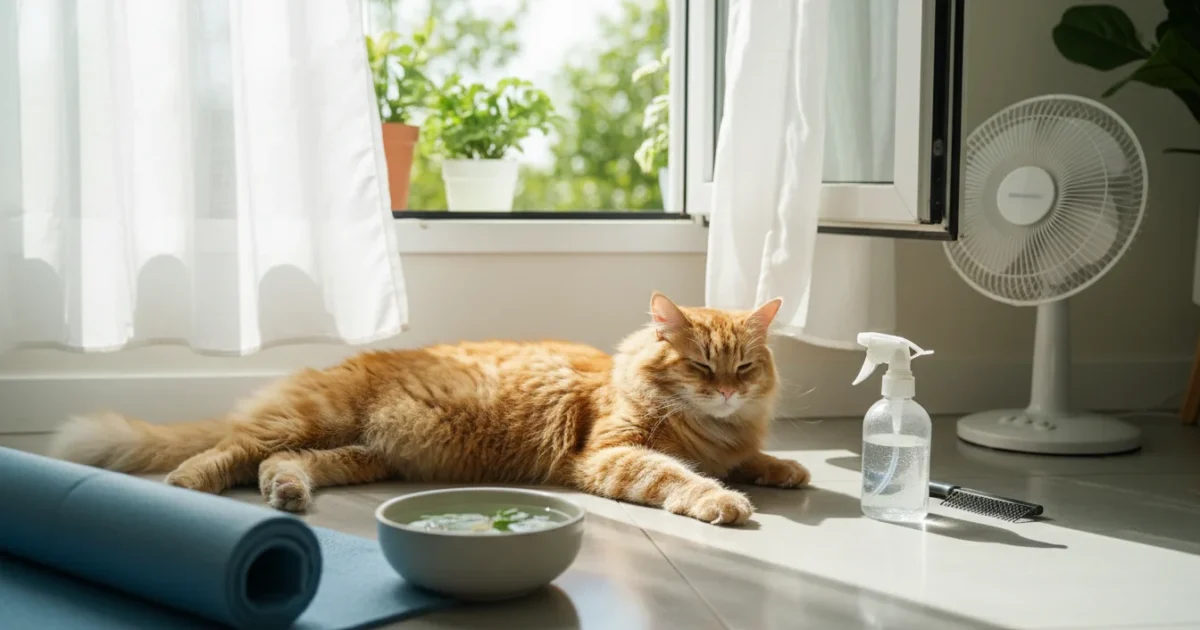
As summer temperatures rise, you naturally seek ways to stay cool and comfortable. Your indoor cat, despite having the luxury of a climate-controlled home, faces similar challenges. Cats are adept at hiding discomfort, but they can still suffer from overheating or heatstroke if you do not take proactive measures. Understanding feline physiology and implementing practical cooling strategies ensures your indoor companion remains safe, hydrated, and happy throughout the warmest months.
If you have recently used a guide on how to introduce a new cat to your home, pay extra attention to their comfort during their first summer.
While this guide focuses on felines, households with multiple pets should also prioritize summer dog care to ensure every animal stays protected from rising temperatures.
This comprehensive guide provides actionable advice and evidence-based tips to help you maintain a cool and comfortable environment for your indoor cat. You will learn how to recognize signs of heat stress, optimize your home, and adjust your cat’s routine and care to beat the heat.

Understanding Feline Heat Sensitivity
Cats regulate their body temperature differently than humans. While we sweat across our skin, cats primarily rely on panting, sweating through their paw pads, and seeking cooler environments. This limited ability to dissipate heat makes them vulnerable to rising temperatures, even within the confines of your home. A cat’s normal body temperature ranges from 100.4 to 102.5 degrees Fahrenheit. Anything significantly above this indicates a potential problem.
Whether you own one of the best cat breeds for apartment living or a mixed breed, monitoring your home’s temperature is crucial for their safety.
Overheating can quickly lead to heat exhaustion and, if left unaddressed, progress to a life-threatening condition called heatstroke. Indoor cats spend their entire lives in your controlled environment, making you responsible for ensuring their comfort and safety. Monitoring the indoor temperature and recognizing subtle changes in your cat’s behavior become crucial during summer months. Even a seemingly comfortable room can become too warm for a cat, especially during the peak afternoon heat or in rooms with direct sunlight.
Several factors increase a cat’s risk of overheating:
- Lack of Airflow: Stagnant air traps heat, making it harder for your cat to cool down.
- High Humidity: Humidity interferes with evaporative cooling, making panting less effective.
- Direct Sunlight: Sunbeams, even through windows, can rapidly heat up surfaces and your cat’s body.
- Breed Predisposition: Brachycephalic (flat-faced) breeds, such as Persians and Himalayans, have compromised airways that make breathing and cooling more difficult.
- Age and Health: Senior cats, kittens, and cats with underlying health conditions, like heart disease or obesity, regulate temperature less effectively.
As a responsible pet owner, you must actively manage your home environment and be vigilant for any signs of discomfort. Proactive summer cat care for cats is not just about comfort, it is about their health and well-being.
Creating a Cool Haven: Environmental Adjustments
Transforming your home into a cool sanctuary is one of the most effective strategies for keeping indoor pets comfortable. These best cat care tips for cat owners focus on practical, actionable steps you can implement immediately.
Temperature Control and Airflow
- Air Conditioning: If you have air conditioning, keep it running at a comfortable, consistent temperature, ideally between 75-80 degrees Fahrenheit (24-27 degrees Celsius). Do not set it too low, as rapid temperature changes can also be stressful.
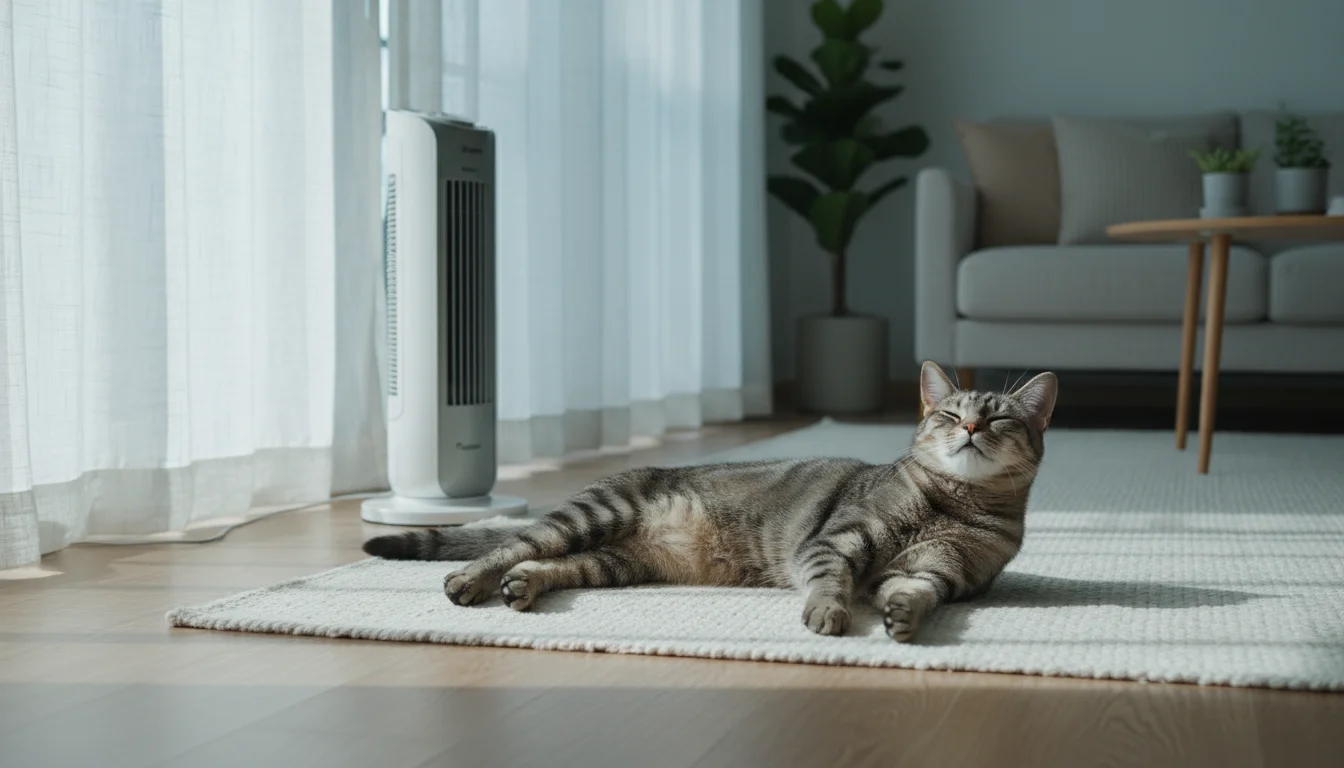
- Fans: Strategically place floor or ceiling fans to circulate air, but ensure they are out of your cat’s direct reach to prevent accidents. Fans create a wind chill effect that helps cats lose heat through convection.
- Close Blinds and Curtains: During the hottest parts of the day, close blinds, curtains, or shades on windows that receive direct sunlight. This significantly reduces heat gain inside your home, keeping the overall temperature lower.
- Open Windows (with Screens): In the early mornings or late evenings when outdoor temperatures are cooler, open windows with secure screens to allow for cross-ventilation. Ensure screens are sturdy enough to prevent escapes.
Creating Cool Zones
Cats instinctively seek out cool surfaces. Provide accessible areas where your cat can cool down easily.
- Tile or Hardwood Floors: These surfaces stay cooler than carpet. Encourage your cat to rest on them by placing a favorite blanket or toy nearby.
- Elevated Beds: Some elevated beds allow air to circulate underneath, providing a cooler sleeping surface than traditional plush beds.
- Cooling Mats: Pet-specific cooling mats, which often use gel or water to absorb heat, can be very effective. Ensure the mat is non-toxic and puncture-resistant, especially if your cat tends to chew.
- Frozen Water Bottles: Wrap a frozen plastic water bottle in a towel and place it in your cat’s favorite resting spot. This offers a makeshift, temporary cooling pad.
- Basements or Cooler Rooms: If you have a cooler room or a basement, ensure your cat has safe access to it. These areas often remain significantly cooler than upper floors.
By implementing these indoor environmental enrichment adjustments, you provide your cat with multiple options to manage its body temperature, an essential component of proper cat care during summer.
Hydration is Key: Encouraging Water Intake
Proper hydration is absolutely vital for your cat’s health, particularly during warm weather. Dehydration can lead to serious health issues, including kidney problems and heatstroke. Cats often do not drink enough water naturally, a legacy from their desert-dwelling ancestors who derived most moisture from their prey. Your proactive steps can significantly increase their water intake.
Provide Multiple Water Sources
Offer several water bowls throughout your home, especially in areas where your cat frequently rests or eats. Use different types of bowls, such as ceramic, stainless steel, or glass, as some cats have preferences.
- Wide, Shallow Bowls: Many cats dislike their whiskers touching the sides of a bowl. Wide, shallow bowls are more comfortable.
- Placement: Place bowls away from litter boxes and food dishes. Cats often prefer to drink in a separate location from where they eat. This also prevents cross-contamination.
- Fresh Water Daily: Always provide fresh, clean water. Cats are particular about water quality.
Consider a Water Fountain
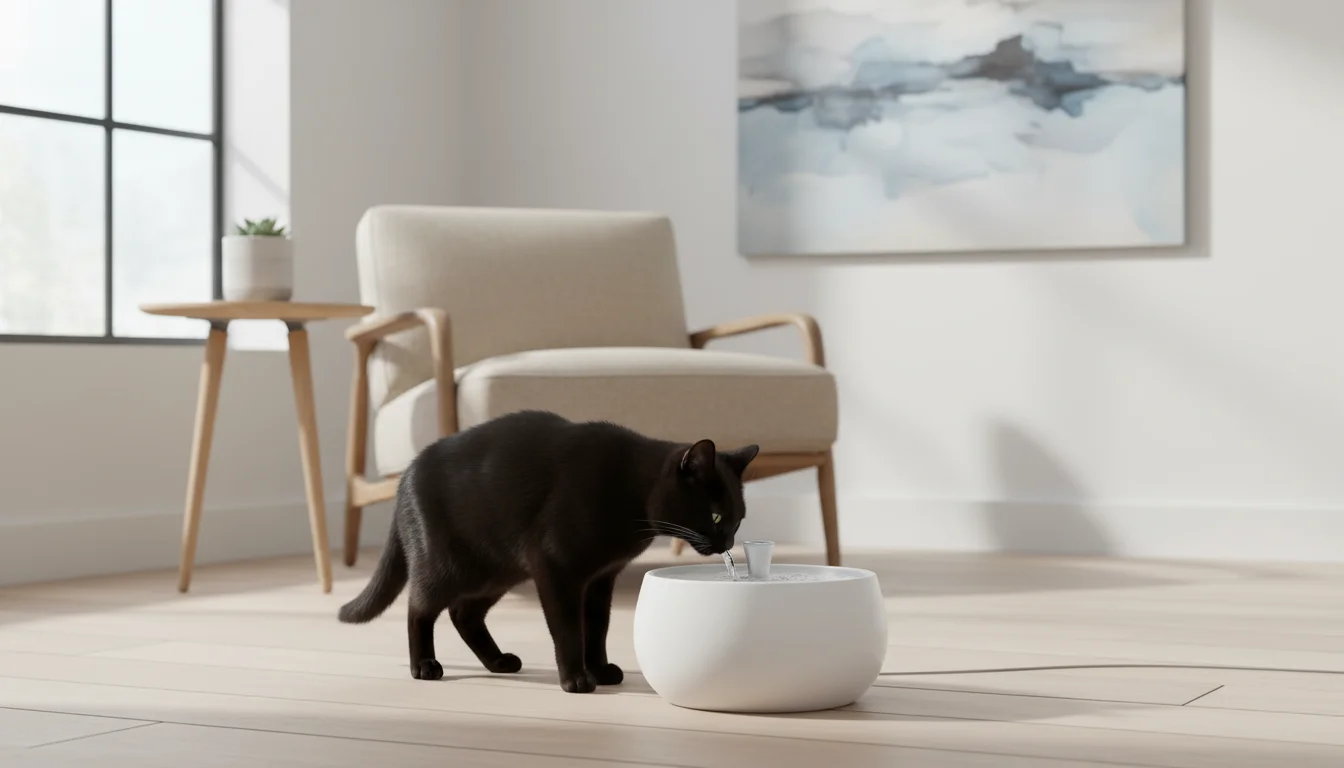
Many cats are enticed by moving water. A circulating pet water fountain encourages drinking by providing fresh, filtered, aerated water that mimics a natural stream. Research from Cornell University College of Veterinary Medicine emphasizes the importance of adequate hydration for feline urinary tract health, and water fountains can be a significant aid.
Add Ice Cubes
Adding a few ice cubes to your cat’s water bowl can make it more appealing and keep it cooler for longer. Some cats even enjoy batting at the ice cubes, turning hydration into a fun activity.
Incorporate Wet Food
Switching to or increasing the proportion of wet food in your cat’s diet is an excellent way to boost hydration. Wet food contains a high percentage of moisture, often around 70-80%, contributing significantly to their daily water intake. This is especially beneficial for cats that are reluctant drinkers.
Make it Fun
Try placing a few drops of tuna juice (from tuna packed in water) or low-sodium chicken broth in their water bowl as an occasional treat to encourage drinking. Ensure these additions are safe for feline consumption and do not contain excessive salt or harmful ingredients like onion or garlic.
Consistent access to fresh water and creative approaches to encourage drinking are critical components of summer cat care. Hydration directly impacts every bodily function and is paramount for keeping indoor cats cool and healthy.
Grooming for Comfort: Coat Management in Summer
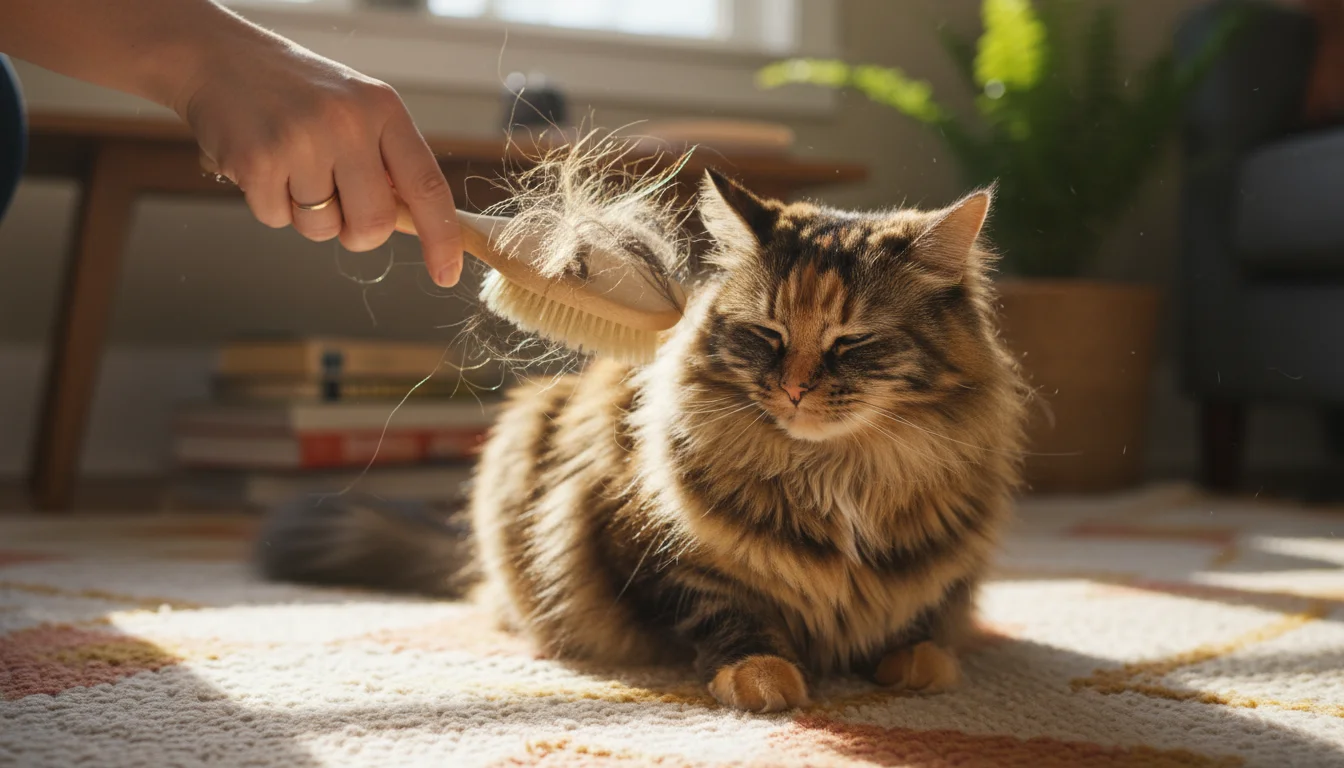
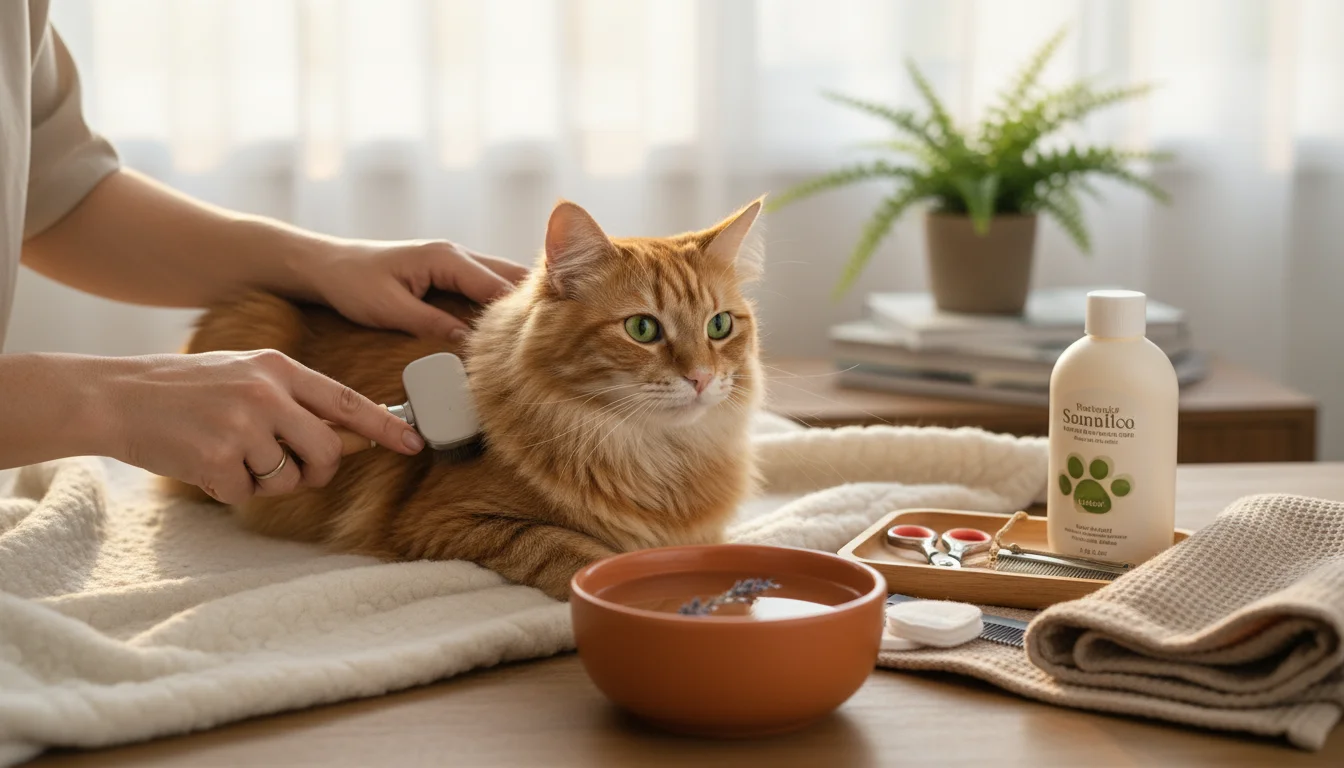
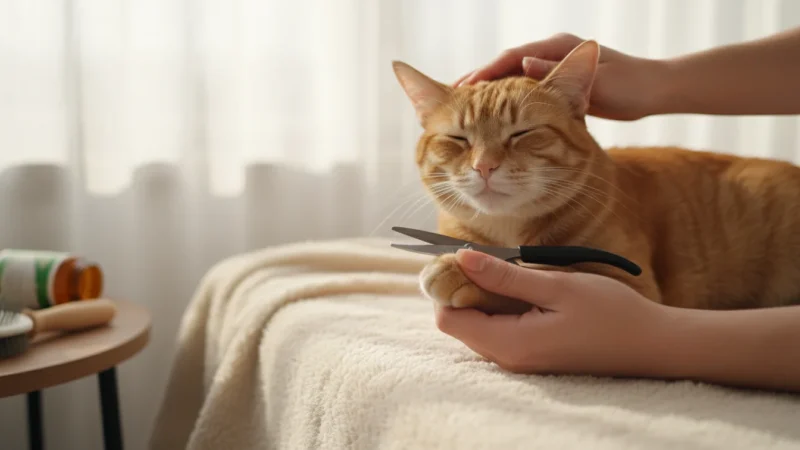
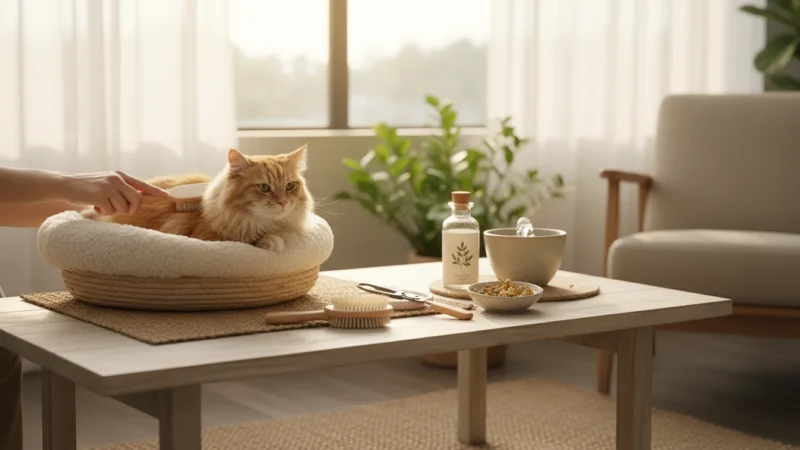
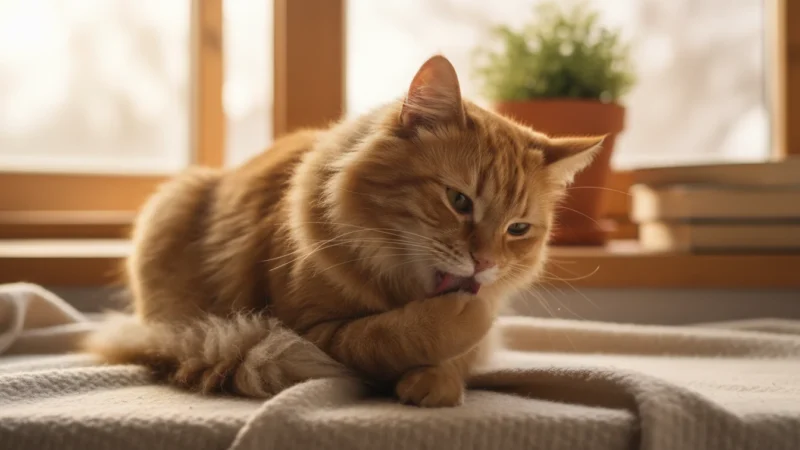
Grooming is more than just aesthetics; it is a vital aspect of your cat’s health, especially during warmer months. Regular grooming removes loose fur, prevents matting, and can help your cat feel more comfortable and cooler. Different coat types require specific attention.
Beyond temperature control, understanding your cat’s grooming behavior can help you identify if they are over-grooming due to heat-related stress.
For more detailed advice on maintaining your pet’s appearance, refer to our complete guide to cat grooming at home.
The Benefits of Brushing
A thick undercoat can trap heat, making your cat feel warmer. Regular brushing helps to remove this dead hair, allowing air to circulate closer to the skin. It also prevents hairballs, which can be more prevalent when cats shed heavily. Brushing is a fantastic bonding experience, and it allows you to check for any skin irritations, parasites, or lumps that might be hidden by fur.
Grooming by Coat Type
- Long-Hair Breeds (e.g., Persians, Maine Coons): These breeds require daily brushing to prevent mats and tangles, which can pull at the skin and create hot spots. Use a slicker brush to remove loose undercoat and a metal comb to work through longer guard hairs. Professional grooming for a sanitary trim around the hindquarters or a “lion cut” might be beneficial for very long-haired cats, but consult with your vet or a certified groomer first. Be cautious with full-body shaves, as fur provides some sun protection and insulation.
- Short-Hair Breeds (e.g., Domestic Shorthair, Siamese): While less prone to matting, short-haired cats still benefit from regular brushing, 2-3 times a week, to remove loose fur. A rubber curry brush or a fine-toothed comb works well to collect shed hair and stimulate circulation. This type of grooming helps to keep their coat sleek and efficient at regulating temperature.
- Hairless Breeds (e.g., Sphynx, Peterbald): Although they lack fur, hairless cats require special skin care. Their skin can get oily, attracting dirt and debris, and they are susceptible to sunburn. Give them regular sponge baths with cat-specific, gentle shampoo to keep their skin clean. Protect them from direct sun exposure, perhaps with pet-safe sunscreen recommended by your vet or lightweight cat clothing if they tolerate it.
Wiping with a Damp Cloth
On extremely hot days, gently wipe your cat with a damp (not soaking wet) cloth, focusing on their head, neck, and tummy. The evaporating water provides immediate, temporary relief and mimics how cats might clean themselves. Avoid getting water into their ears.
Proper grooming reduces the insulating effect of their coat, making it easier for them to stay cool. It is an essential component of comprehensive cat care and contributes significantly to their comfort during the summer.
Safe Indoor Enrichment During Warm Weather
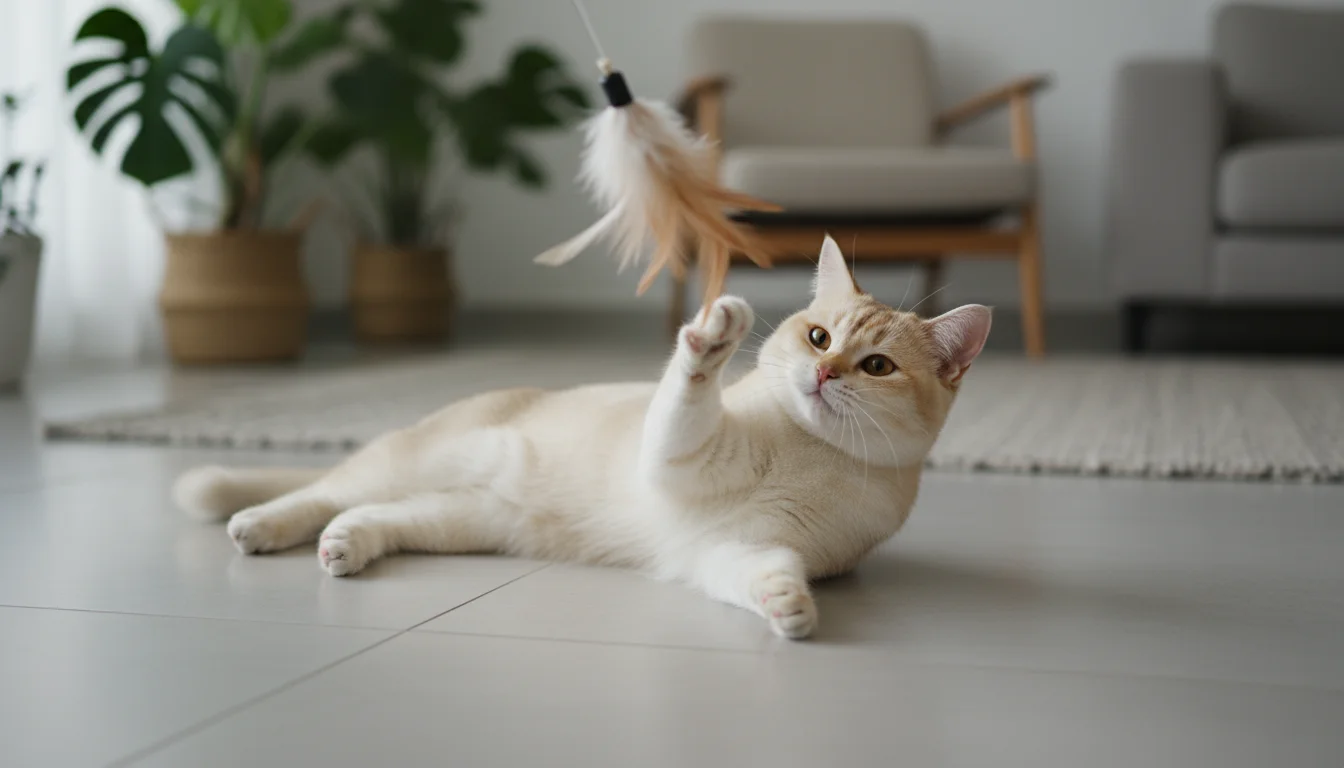
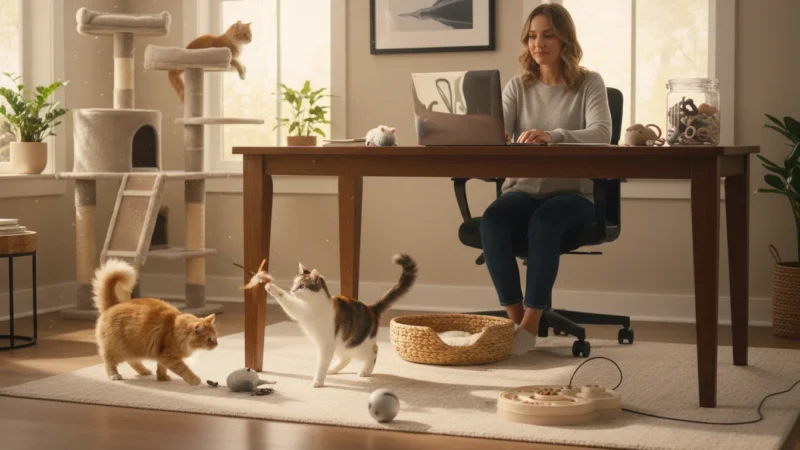
Keeping indoor pets engaged and mentally stimulated is crucial year-round, but summer presents unique challenges. You want to provide enrichment without encouraging activities that could lead to overheating. Strategic indoor environmental enrichment ensures your cat remains happy and active in a safe, cool environment.
Low-energy play using the best interactive cat toys can keep them occupied without causing them to overexert themselves in the heat.
Adjust Playtime Schedule
Schedule active play sessions during the cooler parts of the day, such as early mornings or late evenings. Avoid intense play during midday heat. Short, frequent play sessions are better than one long, exhausting one.
Embrace Vertical Space
Cats love to climb and observe their surroundings from high vantage points. Vertical space is excellent indoor enrichment. Install cat trees, shelves, or wall-mounted perches that allow your cat to climb without expending too much energy in the heat. Place these in cooler areas of your home, away from sunny windows, or near a gentle fan.
Window Perches with a View
Window perches offer mental stimulation as your cat watches birds, squirrels, and neighborhood activity. During summer, ensure these perches are not in direct sunlight. If a window receives intense afternoon sun, keep the blinds closed or relocate the perch to a shadier window. Providing a stimulating view without the direct heat prevents overheating.
Interactive and Puzzle Toys
Engage your cat’s mind with puzzle feeders or interactive toys that dispense treats. These toys provide mental exercise and can keep your cat occupied without requiring strenuous physical activity. Look for toys that can be chilled or that do not involve vigorous running and jumping. For instance, a frozen treat dispenser can be both stimulating and cooling.
DIY Hideouts and Exploration
Cats love exploring new spaces. Create temporary hideouts using cardboard boxes, paper bags (with handles removed), or blankets draped over chairs. These provide mental stimulation and offer cool, dark places for your cat to relax. Rotate these elements to keep the environment fresh and interesting.
The Benefits of Scratching Posts
Scratching is a natural feline behavior that keeps claws healthy and helps stretch muscles. Ensure you have scratching posts in various materials and orientations (vertical and horizontal) throughout your home. While not directly related to cooling, providing appropriate scratching outlets prevents destructive scratching on furniture and contributes to overall feline well-being, which is especially important when cats are spending more time indoors due to heat.
By thoughtfully integrating these indoor environmental enrichment strategies, you can keep your cat mentally and physically stimulated without compromising their comfort or safety during the summer heat. This holistic approach to pet care supports your cat’s health and happiness.
Special Considerations for Vulnerable Cats
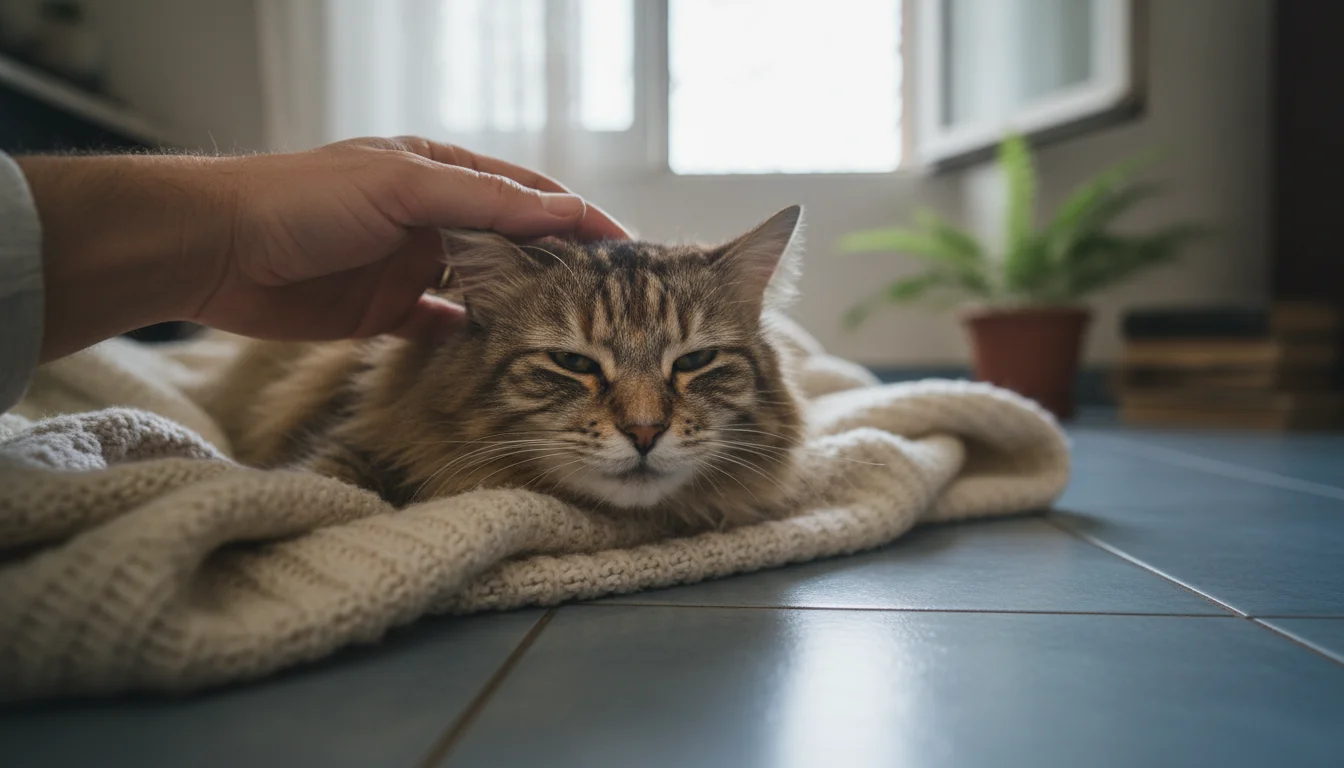
While all cats can suffer from heat-related illnesses, certain groups are particularly susceptible. Recognizing these vulnerabilities allows you to provide even more focused summer cat care, ensuring these indoor pets receive the extra attention they need.
Senior Cats
Older cats often have reduced mobility, underlying health conditions (like arthritis, kidney disease, or heart issues), and a less efficient ability to regulate body temperature. They may not move as readily to cooler spots or drink as much water.
- Increased Monitoring: Observe senior cats more frequently for signs of lethargy, panting, or reduced appetite.
- Accessibility: Ensure their favorite cool spots, water bowls, and litter boxes are easily accessible without requiring strenuous movement.
- Comfort Measures: Provide soft, elevated beds that keep them off hot floors but allow airflow. Consider pet-safe cooling mats or a gentle fan directed at their resting area.
- Veterinary Check-ups: Regular veterinary check-ups are always important, but especially for senior cats, as underlying health issues can worsen in the heat. The American Veterinary Medical Association (AVMA) routinely recommends annual or semi-annual check-ups for senior pets to proactively manage their health.
Kittens
Very young kittens have undeveloped thermoregulation systems and can quickly become dehydrated or overheated.
- Constant Supervision: Keep a close eye on kittens, especially if they are very active.
- Shady Play Areas: Ensure their play areas are always in the shade and have access to fresh water.
- Avoid Over-Exertion: Limit strenuous play during peak heat.
Overweight or Obese Cats
Excess body fat acts as insulation, trapping heat and making it harder for these cats to cool down. They also tend to be less active and may have respiratory issues.
- Weight Management: Consult your veterinarian about a weight loss plan. Reducing weight improves overall health and heat tolerance.
- Cooling Efforts: Be extra diligent with cooling strategies, providing ample cool spots and encouraging hydration.
Brachycephalic Breeds
Flat-faced breeds, such as Persians, Himalayans, and Exotic Shorthairs, have shortened airways that make breathing difficult even in normal temperatures. Heat exacerbates these issues, significantly increasing their risk of respiratory distress and heatstroke. The Cat Fanciers’ Association (CFA) notes breed-specific considerations often include respiratory challenges.
- Constant Vigilance: These breeds require constant monitoring for any signs of labored breathing or distress.
- Strict Temperature Control: Maintain a consistently cool indoor environment.
- Limit Activity: Avoid any strenuous play, especially during warm periods.
- Professional Consultation: Discuss heat management strategies with your veterinarian, as some brachycephalic cats may benefit from surgical intervention to improve breathing.
Understanding and addressing the specific needs of these vulnerable cat populations ensures that your cat care plan for the summer is truly inclusive and protective.

Recognizing and Responding to Heatstroke
Heatstroke is a medical emergency that occurs when a cat’s body temperature rises to a dangerously high level, overwhelming its natural cooling mechanisms. Recognizing the signs early and taking swift action can be life-saving. As noted by experts at the ASPCA, understanding these symptoms and knowing when to act is crucial for pet owners.
Symptoms of Heatstroke
Be aware of these indicators that your cat may be suffering from heatstroke:
- Excessive Panting: While occasional panting can be normal for cats after intense play, persistent, heavy panting is a red flag.
- Lethargy and Weakness: Your cat may appear unusually tired, reluctant to move, or may collapse.
- Vomiting or Diarrhea: Gastrointestinal upset is a common symptom.
- Drooling: Excessive salivation.
- Reddened Gums and Tongue: While sometimes subtle, an overly red appearance indicates overheating.
- Rapid Heart Rate: You might notice their heartbeat feels very fast if you gently place your hand on their chest.
- Stumbling or Lack of Coordination: Your cat may appear disoriented or unable to walk steadily.
- Seizures: In severe cases, heatstroke can lead to neurological symptoms.
Do not wait for all these symptoms to appear. If you observe any combination, act immediately.
First Aid Steps
If you suspect your cat has heatstroke, follow these critical steps while preparing to transport them to the vet:
- Move to a Cooler Area: Immediately relocate your cat to the coolest part of your home, such as a tiled floor in an air-conditioned room.
- Apply Cool Water: Gently wet your cat’s fur with cool (not ice-cold) water, especially on their head, neck, and inner thighs. Use a damp cloth or sponge. Do not submerge your cat in water, as this can cause shock.
- Use a Fan: Direct a fan towards your cat to aid in evaporative cooling.
- Offer Water: If your cat is conscious and willing, offer small amounts of cool water to drink. Do not force them to drink.
- Avoid Ice: Do not use ice packs or ice-cold water directly on your cat’s skin. Rapid cooling can cause blood vessels to constrict, hindering heat dissipation, and can lead to hypothermia.
When to Seek Urgent Veterinary Care
Even if your cat seems to recover with first aid, veterinary attention is always necessary for suspected heatstroke. Internal organ damage from overheating may not be immediately apparent. Call your veterinarian or an emergency veterinary clinic immediately to inform them you are on your way. They can provide specific instructions and prepare for your arrival.
Proactive summer cat care, including preventative measures and knowledge of emergency response, significantly reduces the risk of heatstroke, ensuring your cat stays safe throughout the warm season.

Frequently Asked Questions
Is it safe to shave my long-haired cat in the summer to keep them cool?
Generally, it is not recommended to shave a cat entirely. While removing mats is crucial, a cat’s fur provides a layer of insulation that helps regulate body temperature, protecting them from both heat and sunburn. A complete shave can expose their sensitive skin to UV rays, increasing the risk of sunburn and skin cancer. Instead, focus on regular brushing to remove loose undercoat and consult a professional groomer for a sanitary trim or a specific “lion cut” if appropriate for your cat’s breed and coat type. Always discuss grooming options with your veterinarian.
Can indoor cats get sunburned?
Yes, indoor cats can get sunburned, especially if they enjoy sunbathing in a window that receives direct sunlight for extended periods. Cats with thin fur, white or light-colored fur, or hairless breeds are particularly susceptible. Sunburn can lead to skin damage, pain, and an increased risk of skin cancer. Ensure window perches are in shaded areas or use UV-blocking window films. If your cat must be in a sunny spot, use pet-safe sunscreen recommended by your vet on vulnerable areas like ear tips and noses, but complete avoidance of direct, intense sun is the best preventative measure.
What are the signs that my cat is just hot versus actually suffering from heat exhaustion?
A cat that is “just hot” might seek cooler areas, stretch out on a tile floor, or drink more water. They may seem a bit less active than usual but otherwise appear normal. Signs of heat exhaustion or heatstroke are more severe. These include persistent, heavy panting, lethargy, drooling, vomiting, reddened gums, stumbling, or collapse. Any deviation from their normal behavior coupled with signs of distress warrants immediate action. If you are unsure, err on the side of caution and contact your veterinarian.
How can I keep my multi-cat household cool without breaking the bank?
Keeping multiple cats cool on a budget is achievable with strategic efforts. Increase the number of water bowls in different locations to ensure easy access for all cats, reducing potential resource guarding. Consider multiple frozen water bottles wrapped in towels for various resting spots. Utilize ceiling fans and strategically opened windows (with secure screens) for airflow. Close blinds to block sun, especially on east and west-facing windows. For a DIY cooling pad, freeze a damp towel in a plastic bag and then place it in a pillowcase for your cats to lie on. These best cat care tips for cat owners prioritize affordability and effectiveness.
My cat hates water. How can I encourage hydration when it’s hot?
For water-averse cats, focus on making water appealing and increasing moisture through food. Offer water in various types of bowls (ceramic, glass, metal) and in different locations. Try a pet water fountain, as moving water often attracts cats. Add a few ice cubes to their bowl to keep it fresh and make it more interesting. The most effective strategy is often increasing wet food intake, as it provides significant moisture. You can also mix a small amount of low-sodium chicken broth or tuna water (from tuna packed in water) into their wet food or water as an occasional enticement, ensuring the broth is onion and garlic-free.
For expert pet care guidance, visit
FDA Center for Veterinary Medicine, PetMD, Vetstreet and Fear Free Pets.
Disclaimer: This article is for informational purposes only and is not a substitute for professional veterinary advice, diagnosis, or treatment. Always consult with a licensed veterinarian for medical concerns about your pet.

Leave a Reply