

Your cat’s sparkling eyes and purring demeanor often hide a silent health threat: dental disease. Many cat owners overlook the critical importance of feline dental care, unaware that poor oral hygiene can lead to significant pain, infection, and even impact their cat’s overall health. Just like humans, cats accumulate plaque and tartar on their teeth, which can escalate into serious problems if left unaddressed. Prioritizing your cat’s dental health is not just about fresh breath, it is a fundamental aspect of their general wellness and longevity.
Understanding pet dental health and why it matters more than you might think is the first step toward better feline wellness.
This comprehensive guide empowers you with practical, actionable insights to protect your cat’s pearly whites and ensure their comfort. You will learn to recognize dental issues, implement effective home care routines, and understand the vital role of professional veterinary care. Maintaining good oral hygiene for your cat is an investment in their happiness and well-being. This guide truly offers the ultimate cat dental care guide for cats, helping you secure a healthier future for your cherished companion through consistent dental care.

Understanding Feline Dental Disease: A Silent Threat
Dental disease is one of the most common health problems veterinarians diagnose in cats. Data consistently shows that over 50% of cats older than four years of age suffer from some form of dental disease. Many times, you will not even realize your cat is in pain because they are experts at hiding discomfort.
Dental hygiene is particularly critical as your pet grows; for more details, see our guide on senior cat care to understand how their needs shift.
While many owners believe dental issues only affect older pets, this is just one of many cat care myths that can delay essential treatment.
The progression of feline dental disease typically begins with plaque, a sticky film of bacteria, food particles, and saliva. If you do not remove plaque regularly through brushing or chewing, it hardens into tartar. Tartar is rough and creates an ideal surface for more bacteria to adhere, leading to inflammation of the gums, a condition known as gingivitis. You might notice your cat’s gums appear red and swollen, and they might bleed easily.
When gingivitis progresses without intervention, it becomes periodontitis. Periodontitis is a more severe infection that affects the entire supporting structure of the tooth, including the gums, ligaments, and bone. This infection creates pockets around the teeth where bacteria thrive, leading to painful abscesses, bone loss, and eventually, tooth loss. Beyond the mouth, the bacteria from severe dental disease can enter your cat’s bloodstream, potentially causing damage to vital organs such as the heart, kidneys, and liver. According to the American Veterinary Medical Association (AVMA), periodontal disease is the most common clinical condition in adult cats, impacting their systemic health significantly.
Another common and painful feline dental condition is feline odontoclastic resorptive lesions (FORLs). These are erosions that occur on the tooth surface, often at or below the gum line. FORLs are incredibly painful, similar to a severe cavity in humans, and they often require extraction of the affected tooth. These lesions can be challenging to detect without a professional veterinary examination, including dental X-rays, as they often occur beneath the gum line.

Recognizing the Signs of Dental Problems in Your Cat
Because cats naturally hide pain, recognizing the signs of dental problems requires careful observation on your part. You might not see them pawing at their mouth or crying out, but subtle behavioral changes often signal discomfort. Pay close attention to these indicators:
Dental problems are often linked to other common cat health issues, so staying observant is crucial for your pet’s wellbeing.
- Bad Breath (Halitosis): This is often the first sign cat owners notice. While a cat’s breath might not always be pleasant, a consistently foul or pungent odor is a strong indicator of bacterial overgrowth and infection.
- Difficulty Eating or Changes in Eating Habits: You might observe your cat chewing on one side of their mouth, dropping food, showing reluctance to eat hard kibble, or even shying away from their food bowl altogether. They might only eat soft food.
- Drooling: Excessive drooling, especially if it is tinged with blood, indicates oral pain or inflammation.
- Pawing at the Mouth or Face Rubbing: While not always specific to dental issues, if your cat frequently paws at their face or rubs their face against furniture more than usual, they might be attempting to alleviate discomfort.
- Irritability or Hiding: A cat in dental pain might become more withdrawn, irritable, or less tolerant of being touched, especially around their head. They might hide more frequently than before.
- Weight Loss: If eating becomes too painful, your cat might consume less food, leading to noticeable weight loss over time.
- Visible Tartar and Red Gums: When you lift your cat’s lip, you might see yellow or brown crusts (tartar) on their teeth, especially on the back molars. Their gums might appear red, swollen, or bleed easily when touched.
Do not dismiss these signs. If you observe any of these symptoms, schedule an appointment with your veterinarian promptly. Early intervention can prevent further pain and preserve your cat’s overall health.
Proactive Home Dental Care: Your First Line of Defense
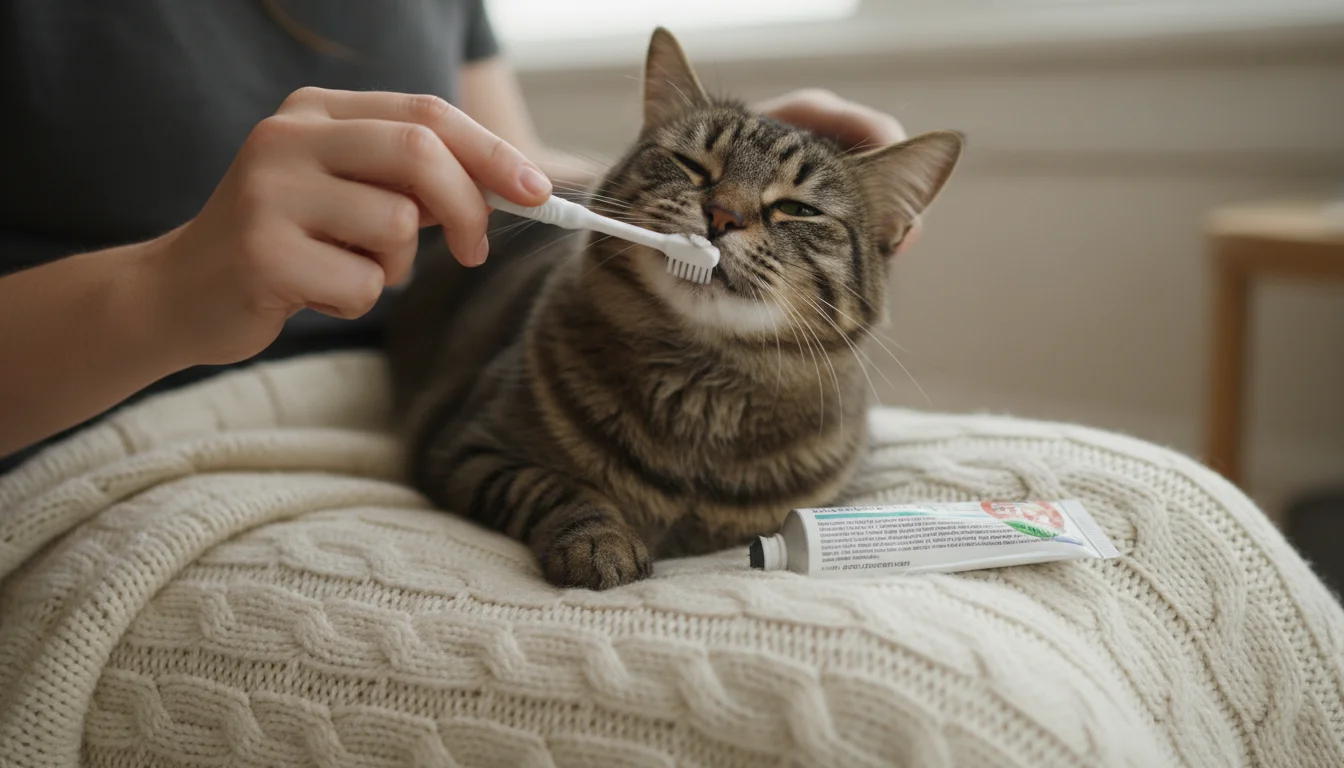
While professional cleanings are essential, establishing a consistent home dental care routine significantly reduces the frequency and severity of dental disease. The most effective method for home dental care is brushing your cat’s teeth. This is a crucial aspect of responsible cat care and a key component of the ultimate cat dental care guide.
Starting these habits early is best; our kitten care guide offers advice for establishing routines with young cats.
Step-by-Step Guide to Brushing Your Cat’s Teeth
Introducing tooth brushing to your cat requires patience, positive reinforcement, and a gentle approach. Start slow, make it a positive experience, and gradually increase the duration. Remember, your goal is progress, not perfection.
- Gather Your Tools: You will need a pet-specific toothbrush (finger brushes, small angled brushes, or gauze wrapped around your finger work well) and a veterinary-approved enzymatic toothpaste. Never use human toothpaste, as it contains ingredients toxic to cats.
- Introduce the Toothpaste: Let your cat taste a tiny bit of the toothpaste off your finger. Many pet toothpastes come in appealing flavors like chicken or seafood. If they enjoy it, this helps create a positive association.
- Get Your Cat Used to Mouth Handling: Gently rub your finger along their gums and teeth for a few seconds. Do this daily for a few days, rewarding them with praise or a small treat afterward. The goal is to make them comfortable with you touching their mouth.
- Introduce the Brush: Once your cat tolerates finger rubbing, put a small amount of toothpaste on the brush and let them lick it off. Then, gently attempt to brush just one or two teeth for a few seconds. Focus on the outside surfaces of the upper teeth first, as this is where plaque and tartar accumulate most rapidly.
- Increase Duration Gradually: Over several days or weeks, slowly increase the number of teeth you brush and the duration of each session. Aim to brush for at least 30 seconds, focusing on the gum line, where plaque builds up. You do not need to worry about brushing the inside surfaces of the teeth, as your cat’s tongue often helps keep these cleaner.
- Positive Reinforcement is Key: Always praise your cat and offer a reward immediately after each brushing session. This could be a favorite treat, a playtime session, or gentle petting. You want them to associate brushing with good things.
- Consistency: The ideal frequency is daily, but even brushing a few times a week makes a significant difference. Consistency is more important than length.
If your cat resists, do not force them. Forcing will create a negative association and make future attempts more difficult. Take a break, try again later, or consult your veterinarian for advice on alternative methods or training techniques.

Beyond the Brush: Supplemental Dental Care Options
While brushing reigns supreme, several other products can complement your home dental care routine, especially if your cat strongly resists brushing. These supplements contribute to overall pet care by helping to reduce plaque and tartar buildup:
In addition to these oral treatments, maintaining a complete guide to cat grooming at home ensures your pet stays clean and comfortable.
- Dental Treats and Chews: Look for dental treats that are specifically designed to clean teeth as your cat chews them. These products often have a unique texture or ingredients that help scrape away plaque. Critically, only select products that have received recognition from leading veterinary dental health organizations, confirming their efficacy and safety. These products undergo rigorous testing to ensure they actually work.
- Dental Diets: Certain prescription and over-the-counter cat foods are formulated with kibble that is larger or has a unique fiber matrix. This design encourages mechanical scrubbing of the tooth surface during chewing, which helps reduce plaque and tartar. Like dental treats, ensure these diets have scientific backing or veterinary recommendation.
- Water Additives: Some water additives contain ingredients that help reduce bacteria in the mouth or prevent plaque from adhering to tooth surfaces. You simply add a measured amount to your cat’s drinking water daily. While convenient, these are generally less effective than brushing or dental diets but can be a helpful adjunct.
- Dental Wipes and Gels: These provide a quick way to clean the outer surfaces of your cat’s teeth without using a brush. Wipes offer a gentle abrasive action, while gels often contain enzymes or antibacterial agents that help break down plaque. They are a good option for cats that tolerate mouth handling but not a full brush.
Remember, these supplemental options do not replace brushing or professional cleanings entirely, but they certainly play a valuable role in a comprehensive dental care strategy. Always discuss these options with your veterinarian to ensure they are appropriate for your cat’s specific needs.
The Essential Role of Professional Veterinary Dental Cleanings
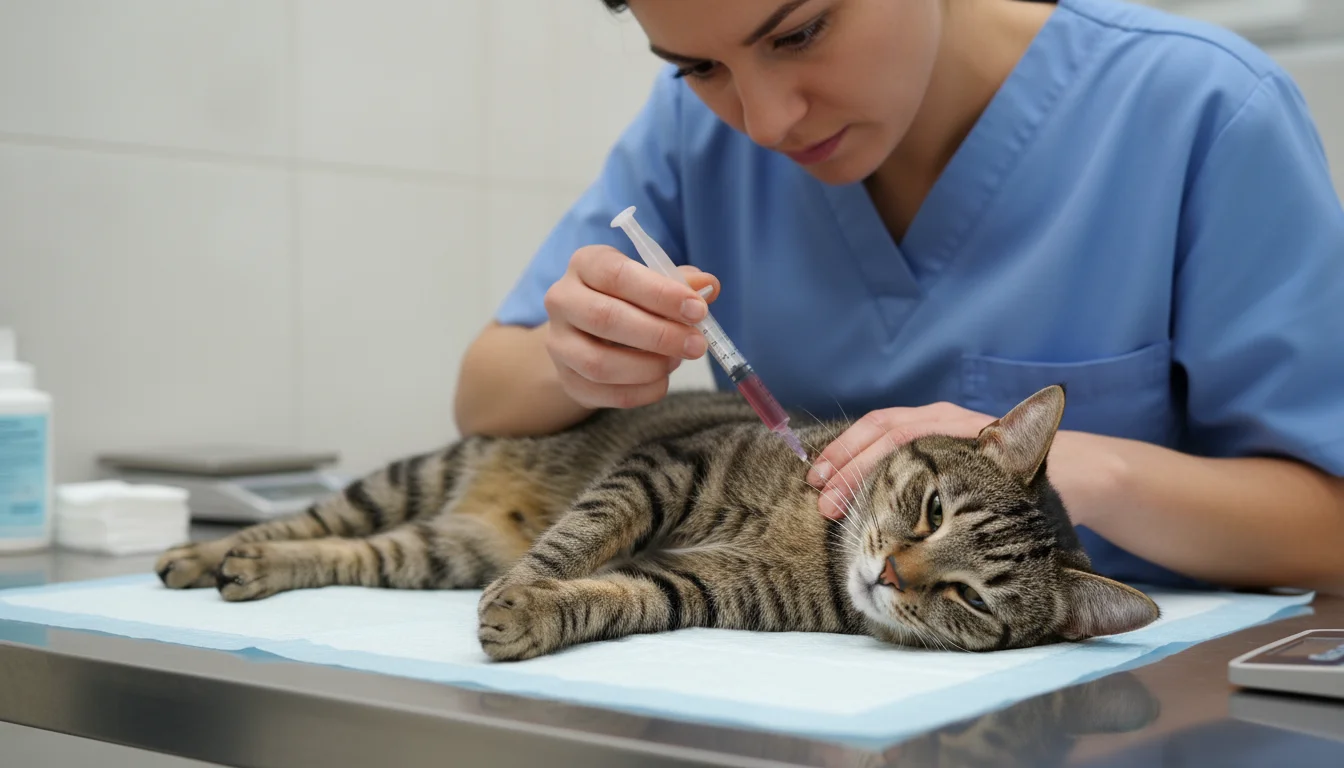
Even with diligent home care, professional dental cleanings by your veterinarian are indispensable for maintaining your cat’s oral health. Home brushing primarily addresses the visible surfaces of the teeth and helps prevent plaque accumulation. However, it cannot remove hardened tartar below the gum line or treat existing periodontal disease. For a thorough cleaning, your cat requires a professional dental procedure under anesthesia.
If you don’t have a regular clinic yet, learn how to choose a veterinarian you can trust to handle your cat’s professional cleanings.
During a professional dental cleaning, your veterinarian performs several critical steps:
- Pre-Anesthetic Blood Work: Before any anesthetic procedure, your vet will conduct blood tests to assess your cat’s organ function and ensure they are healthy enough for anesthesia. This significantly reduces risks.
- Anesthesia: Cats receive safe, modern anesthetics. Anesthesia allows the veterinary team to perform a detailed and pain-free examination and cleaning. Your cat’s vital signs, including heart rate, breathing, and blood pressure, are closely monitored throughout the procedure by a dedicated veterinary nurse. Experts at the American Animal Hospital Association (AAHA) provide comprehensive dental care guidelines emphasizing the importance of rigorous patient monitoring during anesthesia to maximize safety.
- Oral Examination and Dental X-rays: Once your cat is under anesthesia, the vet performs a thorough oral examination. Dental X-rays are crucial, as approximately two-thirds of a cat’s tooth lies below the gum line. X-rays reveal problems like bone loss, abscesses, unerupted teeth, and feline odontoclastic resorptive lesions (FORLs) that are invisible to the naked eye.
- Scaling: Using specialized ultrasonic and hand instruments, the veterinary team removes plaque and tartar from above and below the gum line. This step is impossible to do effectively or safely on an awake cat.
- Polishing: After scaling, the teeth receive polishing. This smooths the tooth surface, making it more difficult for new plaque to adhere.
- Fluoride Treatment: Some veterinarians apply a fluoride treatment to strengthen enamel and reduce tooth sensitivity.
- Extractions: If the veterinarian discovers severely diseased, fractured, or painful teeth during the examination and X-rays, they might recommend extraction. This relieves pain and prevents further infection.
The frequency of professional cleanings varies based on your cat’s age, breed, and individual propensity for dental disease. Some cats might need annual cleanings, while others might only need them every few years. Your veterinarian will advise you on the best schedule for your cat. Investing in these professional cleanings is a cornerstone of effective cat care and proactive health management, often preventing more costly and painful interventions down the road. Addressing dental issues early also aligns with the comprehensive goals of the ultimate cat dental care guide for cats.
Special Considerations for Different Cat Ages and Breeds
Dental care is not a one-size-fits-all approach. Your cat’s age and breed can influence their specific dental needs and the best approach to home care and professional intervention.
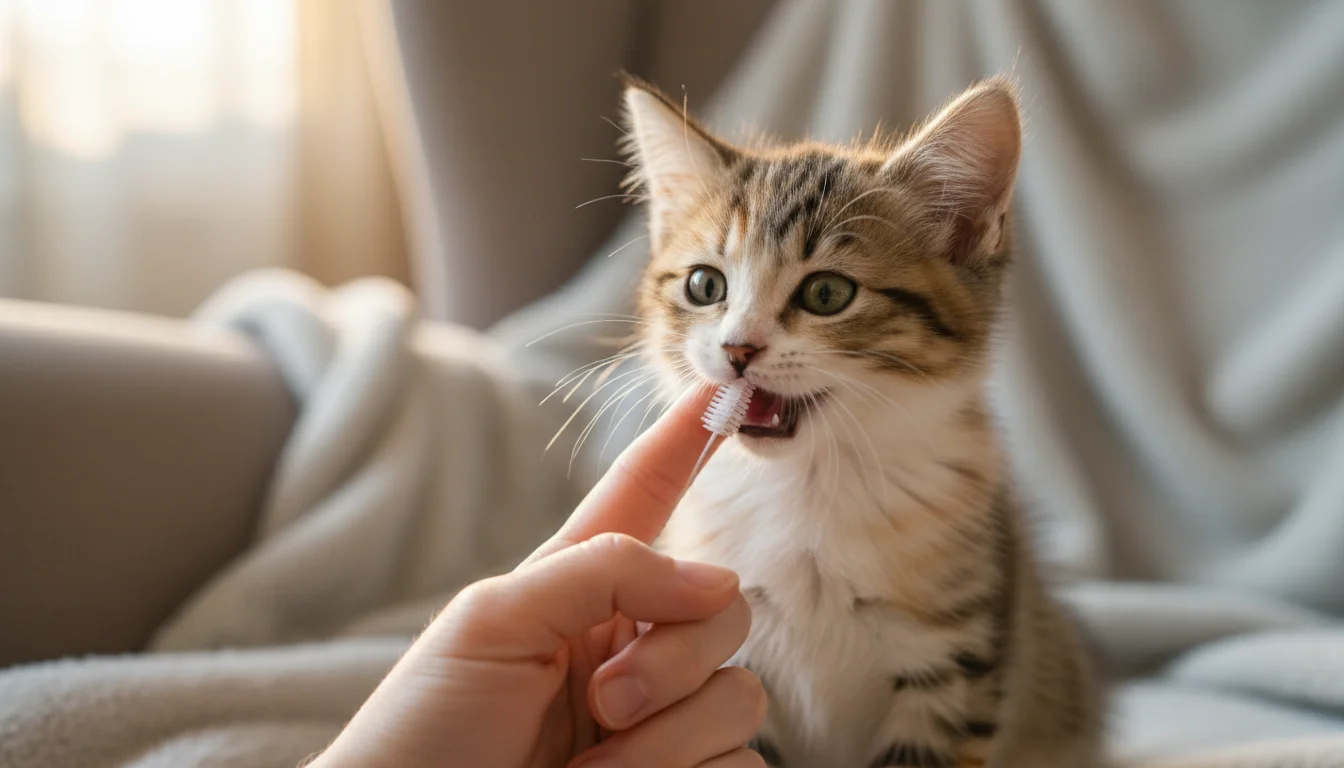
- Kittens: The kitten stage is the ideal time to start familiarizing your cat with mouth handling. Even though kittens have deciduous (baby) teeth, getting them accustomed to having their mouths touched and gums rubbed prepares them for a lifetime of successful tooth brushing. Introduce a finger brush or a piece of gauze gently. Focus on positive reinforcement, making it a comfortable experience.
- Adult Cats: For adult cats, consistency in home dental care is paramount. If you have not started brushing their teeth, it is never too late. Introduce the routine gradually, as described earlier. Regular veterinary check-ups are important to monitor their dental health and determine the appropriate timing for professional cleanings.
- Senior Cats: Senior cats, typically those 7 years and older, are at a significantly higher risk for advanced dental disease, including periodontitis and tooth resorption. Their teeth have had more time to accumulate plaque and tartar. Additionally, senior cats often have other underlying health conditions, such as heart or kidney disease, which can complicate anesthesia. However, neglecting dental pain in senior cats only exacerbates their discomfort and can worsen systemic health issues. Modern anesthetic protocols are very safe for senior pets, with thorough pre-anesthetic screening and monitoring. Your veterinarian will perform a comprehensive health assessment to tailor the safest anesthetic plan.
- Breed Predispositions: While all cats can develop dental disease, some breeds might have anatomical predispositions. For example, brachycephalic (flat-faced) breeds like Persians and Himalayans can have crowded teeth due to their shorter jaws. This crowding creates more nooks and crannies for food and bacteria to collect, making them more prone to plaque and tartar buildup. Similarly, some purebred lines might have genetic predispositions to specific dental issues, such as FORLs. If you own one of these breeds, extra vigilance and more frequent veterinary dental check-ups are advisable.
Understanding these age and breed-specific nuances allows you to provide targeted and effective dental care, ensuring that your cat receives the best possible preventive and therapeutic measures throughout their life.

Overcoming Challenges and Common Misconceptions
Implementing a comprehensive dental care routine for your cat can present challenges, and several common misconceptions often hinder effective care. Addressing these directly helps you navigate your cat’s dental health journey effectively.
- “My cat won’t let me brush their teeth”: This is a frequent concern. Do not give up! If direct brushing proves too stressful for your cat, explore alternatives. Dental treats, water additives, and dental diets can offer some benefit. Crucially, even if you cannot brush, professional veterinary cleanings become even more vital. Discuss behavioral modification techniques with your vet or a certified feline behaviorist, who can offer tailored strategies for positive training. Remember, any form of positive interaction around their mouth is better than none.
- “Dry food cleans my cat’s teeth”: This is a pervasive myth. While some specially formulated dental diets are effective, most standard dry kibble offers minimal dental benefit. Kibble often shatters before it can provide any significant mechanical scrubbing action on the tooth surface. It is analogous to humans eating crackers instead of brushing their teeth. Do not rely solely on dry food for dental hygiene.
- “Bad breath is normal for cats”: Absolutely not. While a cat’s breath may not smell like roses, truly foul or pungent breath, also known as halitosis, is never normal. It almost always indicates bacterial overgrowth due to plaque, tartar, and infection in the mouth. Bad breath is a red flag that warrants immediate veterinary attention.
- Budget Concerns: Professional dental care can be an investment. However, consider the long-term costs. Neglecting your cat’s dental health often leads to advanced disease, requiring multiple extractions, extended anesthesia, and treatment for secondary infections or systemic health issues. These complex procedures are often far more expensive than regular preventive cleanings. Many veterinary clinics offer payment plans, or you can consider pet insurance, which often covers routine dental care. Proactive dental care is a financially wise decision for your pet’s long-term health.
- When to Seek Immediate Veterinary Attention: Beyond routine check-ups, contact your veterinarian immediately if your cat suddenly stops eating, exhibits severe drooling, has visible swelling on their face, or shows signs of extreme pain when touching their mouth. These symptoms could indicate an abscess or another acute, painful dental emergency.
By understanding and overcoming these challenges, you empower yourself to provide the highest standard of dental care for your feline friend. This proactive stance is essential for their overall well-being and a cornerstone of effective cat care.

Frequently Asked Questions
How often should I brush my cat’s teeth?
Ideally, you should brush your cat’s teeth daily to effectively remove plaque before it hardens into tartar. If daily brushing is not feasible, aiming for at least three times a week still provides significant benefits. Consistency is more important than the duration of each session in the beginning.
Are dental chews or treats really effective?
Some dental chews and treats can be effective as a supplement to brushing, but they do not replace it entirely. Look for products that have undergone rigorous testing and carry a seal of approval from veterinary dental health organizations. These products have scientific data to back up their claims of plaque and tartar reduction. Always discuss specific products with your veterinarian.
What if my cat is aggressive or extremely resistant when I try to brush their teeth?
Do not force your cat, as this can create negative associations and worsen their resistance. Instead, take a break and re-evaluate your approach. Start with very short, positive sessions, focusing only on gentle mouth handling. You can also explore alternatives like dental wipes, water additives, or prescription dental diets. Most importantly, consult your veterinarian for advice on alternative methods or professional dental cleaning, which becomes even more critical if home care is difficult.
Is anesthesia safe for cat dental cleanings?
Modern veterinary anesthesia protocols are very safe, especially when a thorough pre-anesthetic screening is performed, and your cat’s vital signs are continuously monitored by trained veterinary staff throughout the procedure. The risks of untreated dental disease, including pain and systemic infections, often outweigh the minimal risks associated with anesthesia for a healthy cat. Your veterinarian will discuss all aspects of anesthesia safety with you.
Can diet alone prevent dental disease in cats?
While some specialized dental diets are designed to help reduce plaque and tartar, diet alone is typically not enough to completely prevent dental disease. These diets are best used as part of a multi-modal approach that also includes home brushing (if tolerated) and regular professional veterinary dental cleanings. Standard dry kibble generally offers very little dental benefit.
For expert pet care guidance, visit
FDA Center for Veterinary Medicine, PetMD, Vetstreet, Fear Free Pets and The Spruce Pets.
Disclaimer: This article is for informational purposes only and is not a substitute for professional veterinary advice, diagnosis, or treatment. Always consult with a licensed veterinarian for medical concerns about your pet.









Leave a Reply