
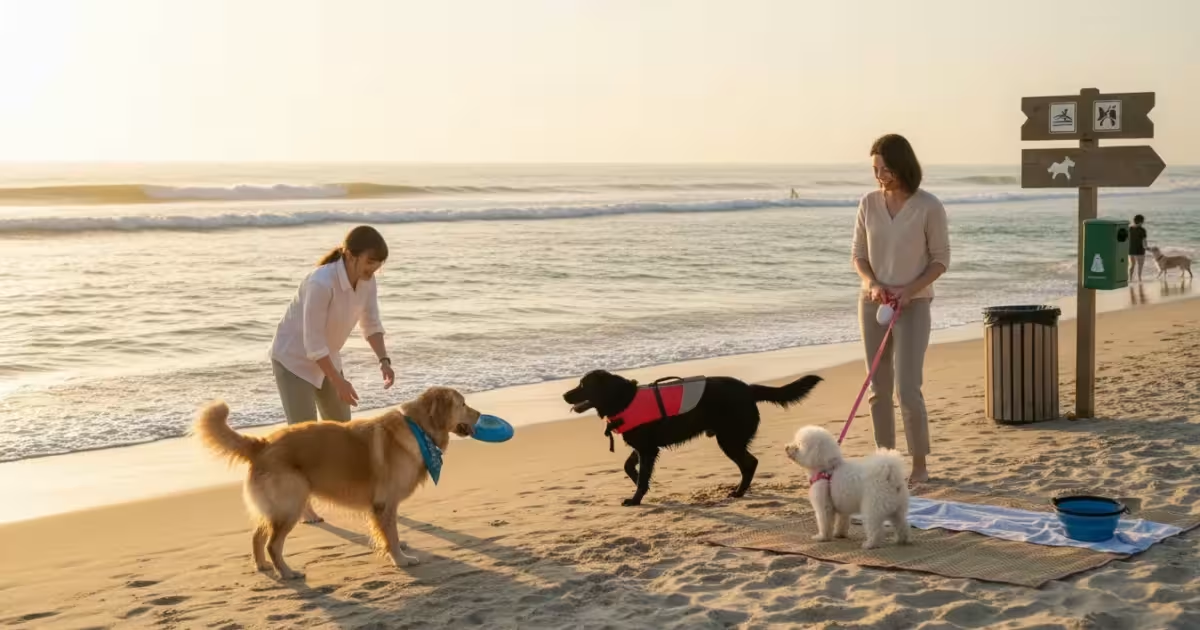
A beach day offers a wonderful opportunity for you and your dog to enjoy the outdoors, exercise, and create lasting memories. However, a successful and safe outing requires careful planning and adherence to specific guidelines. You need to consider everything from your dog’s temperament to local regulations to ensure a positive experience for everyone. This guide provides actionable steps and expert advice, helping you prepare for a fun, responsible, and safe beach day with your cherished canine companion.

Preparing for Your Dog’s Beach Adventure
Before you even pack your bags, assess your dog’s readiness for a beach environment. Not all dogs are natural beachgoers. Consider your dog’s personality, health, and training level.
First, research pet-friendly beaches in your area. Many beaches have specific regulations regarding dogs, including designated hours, leash requirements, and restricted zones. A quick online search for “dog-friendly beaches near me” or checking local park and recreation websites provides this crucial information. Some beaches require a permit or charge a fee, so verify these details in advance. Visiting a beach where dogs are not permitted, or where you violate local rules, can result in fines and a less enjoyable experience.
Next, evaluate your dog’s social skills. A beach is a stimulating environment, often bustling with other dogs, people, and unfamiliar sounds. Your dog needs to tolerate other dogs and humans calmly. If your dog exhibits reactivity or anxiety around strangers or other animals, a crowded beach might be too stressful. Instead, consider visiting during off-peak hours or choosing a quieter, less populated location for their first beach experience. Positive reinforcement training, which involves rewarding desired behaviors, significantly helps your dog adjust to new environments. You build their confidence and create positive associations with new experiences through rewards.
Your dog’s health status also plays a critical role. Ensure your dog is up-to-date on all vaccinations, especially those for leptospirosis, which can be found in stagnant water, and canine influenza. Flea, tick, and heartworm prevention are also essential, as parasites thrive in outdoor environments. According to the American Veterinary Medical Association (AVMA), maintaining a current vaccination schedule and parasite control regimen safeguards your pet’s health, particularly when exposed to new environments and other animals. Consult your veterinarian before your trip to address any health concerns or obtain necessary preventive medications.
Breed-specific considerations factor into your planning. Brachycephalic breeds, like Bulldogs or Pugs, struggle more in heat due to their short snouts and compromised breathing. Flat-faced breeds are highly susceptible to heatstroke. Breeds with thick double coats, such as Huskies or Newfoundlands, also overheat quickly. Conversely, breeds with single coats or light fur, like Greyhounds or Boxers, are more prone to sunburn. Knowing your dog’s breed-specific needs helps you tailor their beach experience for optimal safety and comfort.
Essential Beach Gear for Dogs
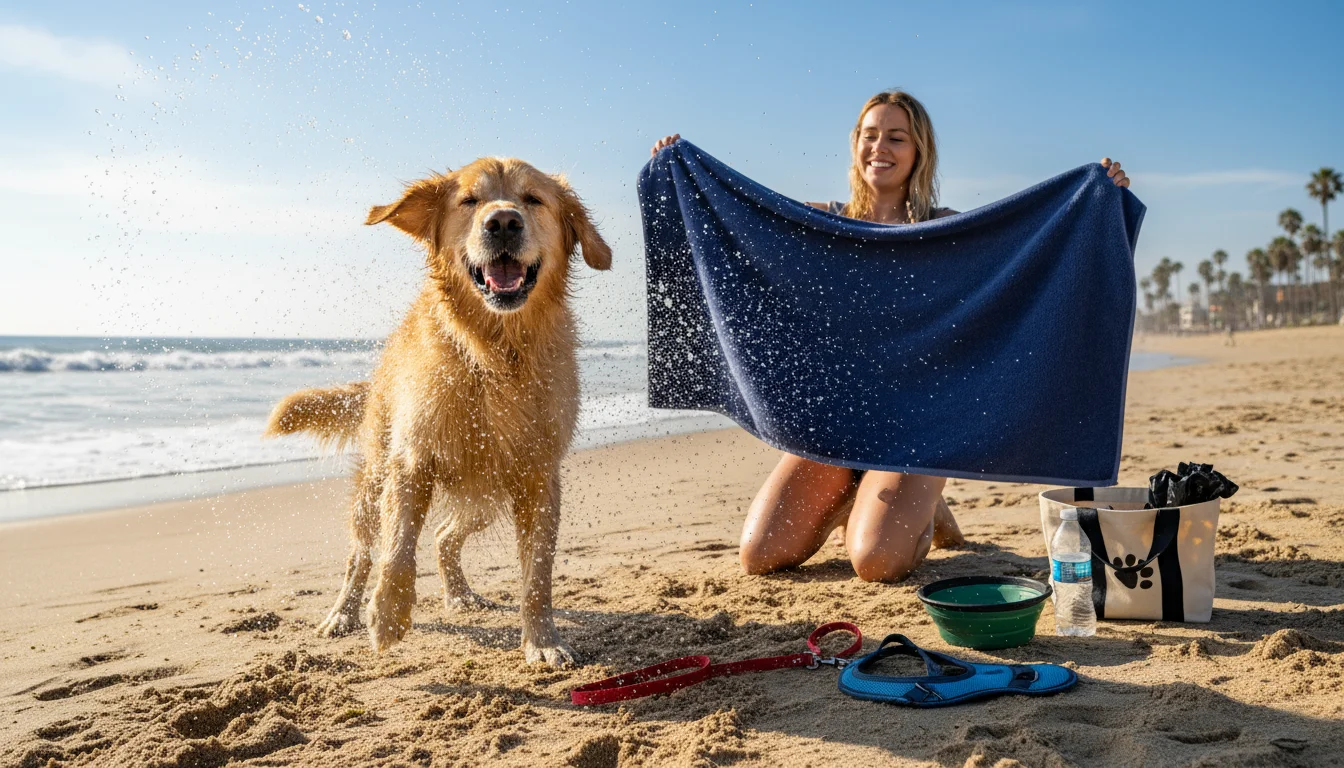
Packing the right gear makes a substantial difference in your beach day’s success. Think beyond just a leash and collar.
Here is a comprehensive packing list:
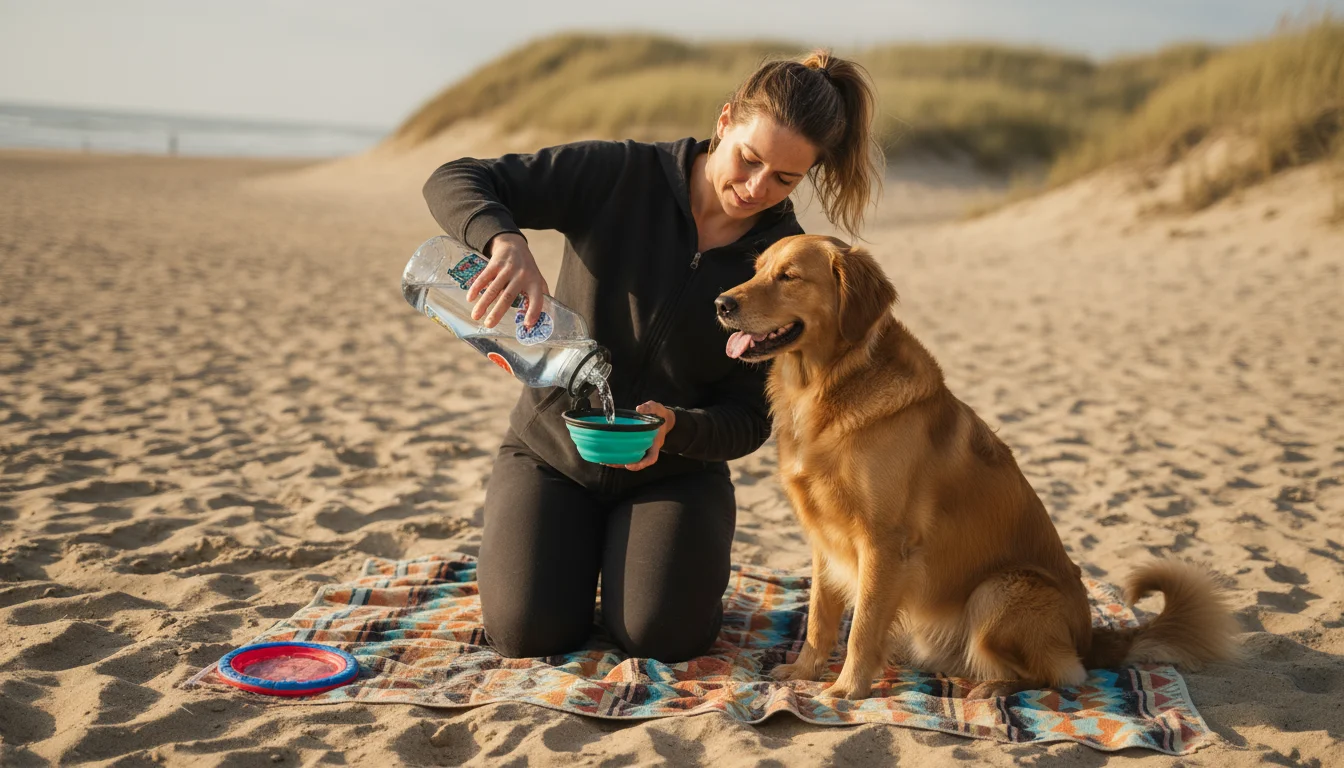
- Fresh Water and Bowl: Always bring plenty of fresh water for your dog. Ocean water is toxic due to its high salt content and can cause vomiting, diarrhea, and severe dehydration. A portable, collapsible bowl is ideal for convenience.
- Leash and Harness: Even at off-leash dog beaches, keep a leash handy for control in emergencies or when navigating crowded areas. A well-fitting harness prevents choking and offers better control than a collar.
- Dog Waste Bags: This is a non-negotiable item. Clean up after your dog immediately to maintain beach cleanliness and adhere to etiquette rules.
- Towels: Pack several towels to dry off your dog after swimming and to clean sand from their paws and coat before getting back in your car.
- Dog-Specific Sunscreen: Yes, dogs can get sunburned! Especially on their noses, ear tips, and areas with thin fur. Use a pet-safe sunscreen to protect sensitive areas.
- Paw Protection: The sand can get extremely hot, especially on sunny days. Consider dog booties if your dog tolerates them, or plan to visit during cooler parts of the day.
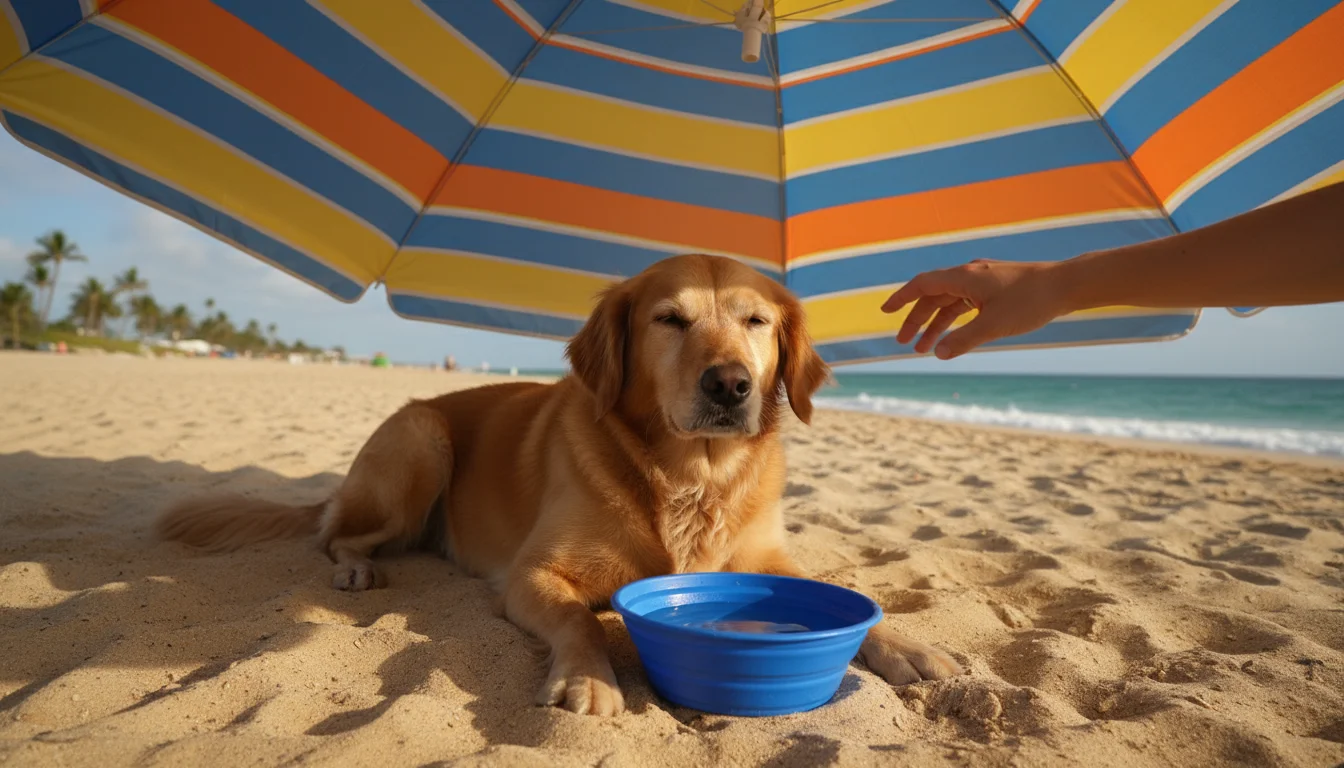
- Shade Provision: A portable umbrella or beach tent provides a crucial escape from direct sunlight, preventing overheating.
- First-Aid Kit: Include essentials like antiseptic wipes, gauze, vet wrap, tweezers, and any necessary medications for your dog.
- Floating Toys: Bring toys that float and are visible in the water to encourage play and enrichment. Avoid sticks, which can splinter and cause injuries.
- ID Tags and Microchip Information: Ensure your dog wears current ID tags with your contact information. A microchip with up-to-date registration provides an extra layer of security if your dog gets lost.
- Life Vest (for less confident swimmers): A dog life vest offers buoyancy and helps conserve energy, especially for dogs new to swimming or those with specific body types that struggle in water.
Prioritizing Hydration and Sun Safety
Your dog’s health depends heavily on proper hydration and protection from the sun. Heatstroke is a serious, life-threatening condition for dogs, and it occurs rapidly, particularly in warm beach environments.
Offer fresh water frequently, at least every 15-20 minutes, even if your dog does not appear thirsty. Encourage them to drink after any period of activity. Watch for signs of dehydration such as excessive panting, dry gums, lethargy, or sunken eyes. If your dog shows these symptoms, offer water, move them to a cool, shaded area immediately, and contact a veterinarian.
Sun protection is equally vital. Just like humans, dogs can suffer from sunburn, which leads to pain, blistering, and increased risk of skin cancer over time. Apply pet-safe sunscreen to vulnerable areas like the bridge of the nose, ear tips, belly, and any areas with sparse fur. Remember that zinc oxide, common in human sunscreens, is toxic to dogs if ingested. Ensure you use a product specifically formulated for canines.
Provide ample shade throughout your beach visit. A beach umbrella, pop-up tent, or even a large towel draped over a cooler creates a shaded retreat. Never leave your dog unattended in direct sunlight, even for a short time. Consider visiting the beach during cooler parts of the day, such as early morning or late afternoon, to avoid the peak heat. Pay close attention to the sand temperature; if it feels too hot for your bare hand, it is too hot for your dog’s paws.
Navigating Water Safety and Hazards
While many dogs love the water, ocean environments present unique risks. Always supervise your dog closely near and in the water.
Currents and tides are significant dangers. Even strong swimmers can quickly become exhausted or swept away by powerful currents. Stay in shallow areas where your dog can easily stand, and remain aware of tide changes. Research local tidal patterns before your visit.
Ingesting too much saltwater poses a serious health risk, leading to “saltwater poisoning.” Symptoms include vomiting, diarrhea, excessive thirst, lethargy, tremors, and seizures. Offer fresh water frequently to dilute any ingested saltwater and reduce their desire to drink from the ocean. If your dog shows severe symptoms, seek veterinary attention immediately.
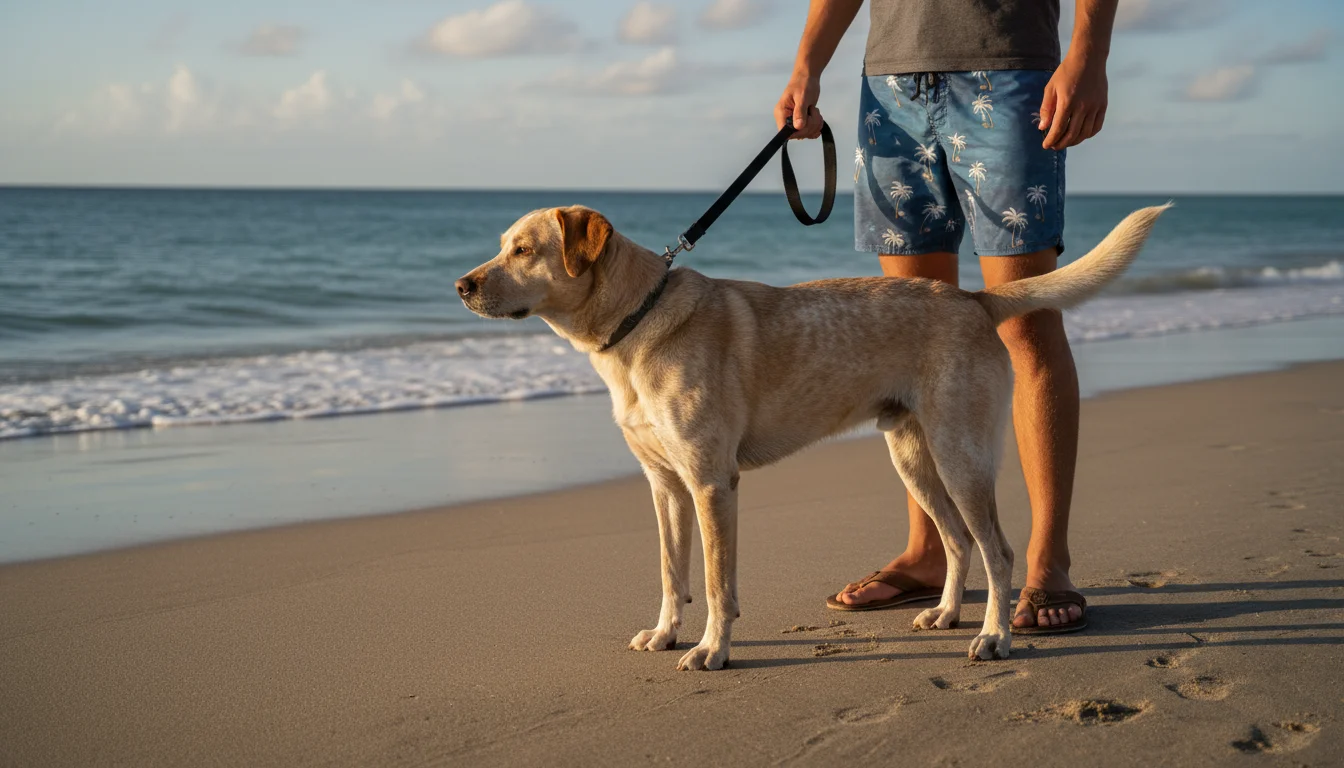
Marine life also poses hazards. Jellyfish, stingrays, and sharp shells can cause painful injuries. Watch where your dog is exploring and prevent them from investigating any washed-up marine animals or debris. Keep your dog on a leash or close by when walking near the water’s edge to prevent unwanted encounters.
Not all dogs are strong swimmers. Introduce your dog to the water gradually, starting in very shallow areas. If your dog seems hesitant or fearful, do not force them. A dog life vest provides confidence and safety for novice swimmers or breeds that struggle in water, such as Bulldogs or Basset Hounds, which have denser bones and larger heads that make swimming challenging. Even strong swimmers benefit from a life vest during longer periods in the water, as it helps conserve energy and makes them more visible.

Understanding Beach Etiquette and Leash Laws
Responsible pet ownership on the beach involves respecting other beachgoers, wildlife, and the environment. Your actions reflect on all dog owners.
First and foremost, always follow local leash laws. Many beaches require dogs to remain on a leash at all times. If a beach allows off-leash play, ensure your dog has excellent recall, meaning they reliably return to you when called, even with distractions. An unreliable recall can lead to dangerous situations, such as your dog running into traffic, bothering other people, or disturbing wildlife. The Association of Professional Dog Trainers (APDT) emphasizes the importance of consistent, positive reinforcement training for recall, ensuring your dog’s safety and responsible behavior in public spaces.
Always clean up after your dog. Carry plenty of waste bags and dispose of them properly in designated receptacles. Leaving dog waste on the beach is unsanitary, disrespectful, and often illegal. It contaminates the sand and water, posing health risks to humans and other animals.
Respect other beachgoers. Not everyone loves dogs, and some people have fears or allergies. Keep your dog from approaching people without their explicit invitation. If your dog is overly enthusiastic, boisterous, or tends to jump, consider a different activity or location until their manners improve. Keep an eye on children, ensuring your dog does not accidentally knock them over during play.
Protect local wildlife. Dogs chasing birds or disturbing nests can harm local ecosystems. Keep your dog away from dunes and nesting areas, which are often protected habitats.
Cleaning Up and Post-Beach Care
After a fun day, proper post-beach care prevents skin irritations, infections, and sand accumulation in your home and car.
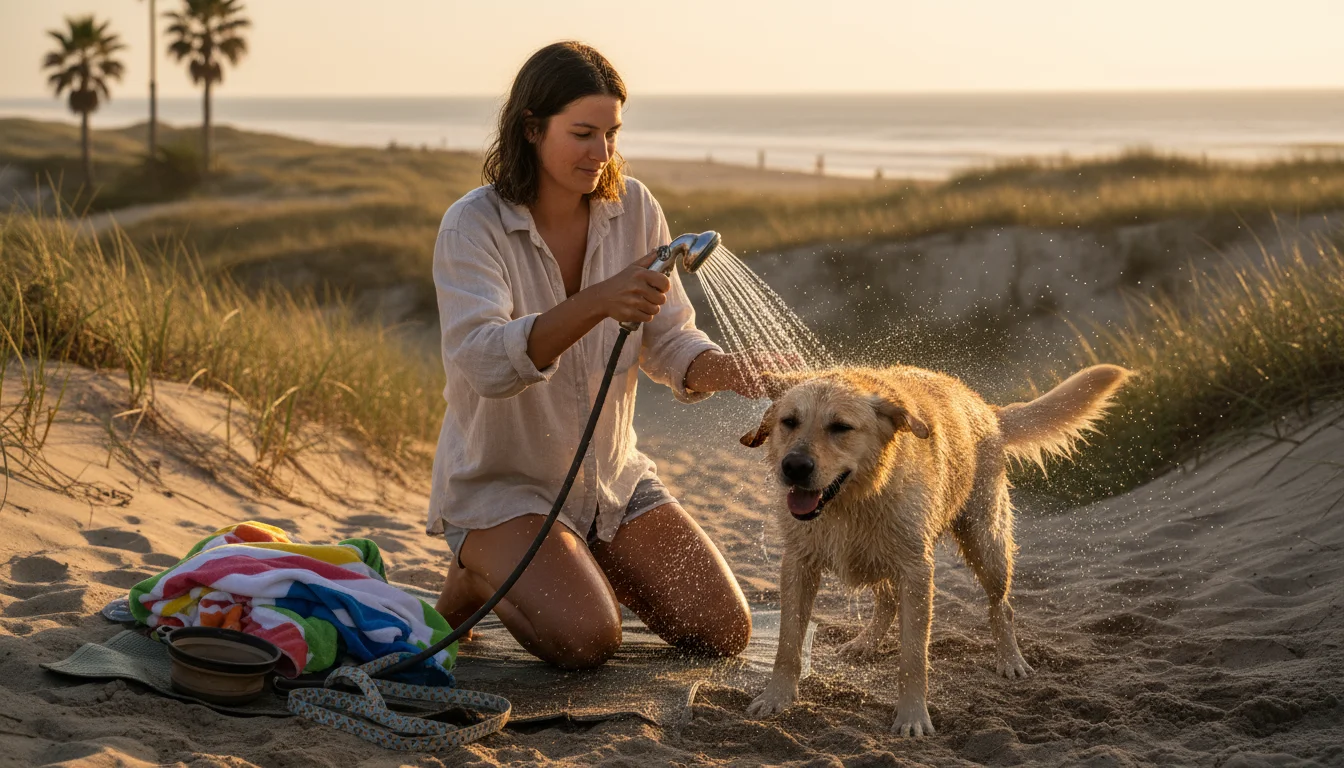
Thoroughly rinse your dog with fresh water as soon as possible after leaving the beach. This removes salt, sand, and any potential contaminants from their coat and skin. Pay special attention to their paws, ears, and belly. Leftover salt and sand can cause skin irritation, dryness, matting, and even ear infections. Sand trapped between paw pads is particularly uncomfortable and can lead to abrasions.
Dry your dog thoroughly with towels. If they have a thick coat, consider using a high-velocity dog dryer at home to ensure complete dryness, preventing hot spots or fungal infections.
Inspect your dog’s paws carefully. Check for cuts, scrapes, blisters, or any embedded foreign objects like shells or thorns. Clean any minor injuries with antiseptic and apply a pet-safe balm to soothe and protect paw pads.
Examine your dog’s ears, especially if they have floppy ears. Moisture trapped in the ear canal creates a perfect breeding ground for bacteria and yeast, leading to painful ear infections. Clean their ears with a veterinarian-approved ear cleaner, following the product instructions. If you notice redness, discharge, or a foul odor, consult your vet.
Finally, offer your dog a small, easily digestible meal and plenty of fresh water when you return home. They might be tired after the excitement and exercise. Allow them to rest in a comfortable, quiet spot.

Recognizing When to Call a Vet or Trainer
Even with careful planning, unexpected situations can arise. Knowing when to seek professional help ensures your dog’s well-being.
Contact your veterinarian immediately if your dog exhibits any of these symptoms after a beach trip:
- Excessive vomiting or diarrhea, especially if bloody or persistent.
- Signs of heatstroke: profuse panting, lethargy, disorientation, stumbling, bright red gums, or collapse.
- Limping, favoring a paw, or apparent pain when walking.
- Severe cuts, puncture wounds, or bleeding that does not stop.
- Changes in breathing, coughing, or gagging.
- Signs of an allergic reaction: facial swelling, hives, excessive itching, or difficulty breathing.
- Any unusual behavior, significant lethargy, or loss of appetite lasting more than a few hours.
These symptoms indicate potential saltwater poisoning, paw injuries, overheating, or other serious conditions requiring prompt veterinary intervention. For general pet safety, the ASPCA recommends contacting your veterinarian or the Pet Poison Helpline immediately if you suspect your pet has ingested a toxic substance or displays signs of serious illness.
If your dog struggles with beach etiquette, such as excessive barking, lunging at other dogs, or an unreliable recall, consider consulting a certified professional dog trainer or a veterinary behaviorist. These experts use positive reinforcement methods to address behavioral challenges and teach essential skills, ensuring your dog can safely and politely enjoy public spaces.
Budget-Friendly Beach Day Tips
Enjoying a beach day with your dog does not require an expensive outlay. You can maximize fun and safety without breaking the bank.
Choose beaches that do not charge an entry fee or a specific dog permit fee. Research local parks or lesser-known coastal areas that welcome dogs without additional costs. Visiting during off-peak seasons or weekdays often provides a more relaxed experience and potentially lower parking fees.
DIY your dog’s beach gear. Instead of buying specialized portable bowls, use a sturdy plastic container from home. Repurpose old towels for drying your dog. For toys, consider a durable tennis ball or a rope toy rather than expensive floating novelties. However, do not compromise on safety essentials like a proper leash, harness, and waste bags.
Prepare your own snacks and water. Bringing a cooler filled with fresh water for both you and your dog, along with homemade dog treats, saves money on concession stands and ensures your dog consumes healthy options.
Regular training at home builds a well-behaved beach dog. Investing time in recall training and basic obedience at your local park prevents needing expensive emergency training sessions later. A well-trained dog is a safe and enjoyable companion.
Consider a “staycation” style beach trip. Instead of overnight stays, plan a day trip to a nearby dog-friendly beach. This eliminates accommodation costs, allowing you to focus your budget on essentials for the day. Remember, the most valuable part of a beach day is the shared experience and bonding with your dog, not the cost of the accessories.

Frequently Asked Questions
Can my dog drink ocean water?
No, your dog should not drink ocean water. Its high salt content causes saltwater poisoning, leading to vomiting, diarrhea, dehydration, and potentially more severe neurological symptoms. Always bring plenty of fresh water for your dog and offer it frequently.
Do dogs need sunscreen?
Yes, dogs benefit from sunscreen, especially those with short or light-colored fur, pink skin, or thin coats on their noses, ears, and belly. Use a pet-specific sunscreen, as human sunscreens often contain zinc oxide, which is toxic to dogs if ingested.
What if my dog eats sand at the beach?
Ingesting small amounts of sand is usually harmless, but larger quantities can cause “sand impaction,” a blockage in the intestines. Symptoms include vomiting, constipation, abdominal pain, and lethargy. Encourage your dog to drink plenty of fresh water and monitor them closely. If symptoms appear or worsen, seek veterinary care immediately.
How long should my dog stay at the beach?
The ideal duration depends on your dog’s age, breed, health, and the weather conditions. Young puppies and senior dogs tire more easily. Brachycephalic breeds should have shorter trips. Generally, start with short visits (30-60 minutes) and gradually increase the time as your dog acclimates. Always prioritize their comfort and watch for signs of fatigue or overheating.
For expert pet care guidance, visit
UC Davis School of Veterinary Medicine, American Animal Hospital Association (AAHA), Association of Professional Dog Trainers (APDT) and Certification Council for Professional Dog Trainers (CCPDT).
Disclaimer: This article is for informational purposes only and is not a substitute for professional veterinary advice, diagnosis, or treatment. Always consult with a licensed veterinarian for medical concerns about your pet.









Leave a Reply