
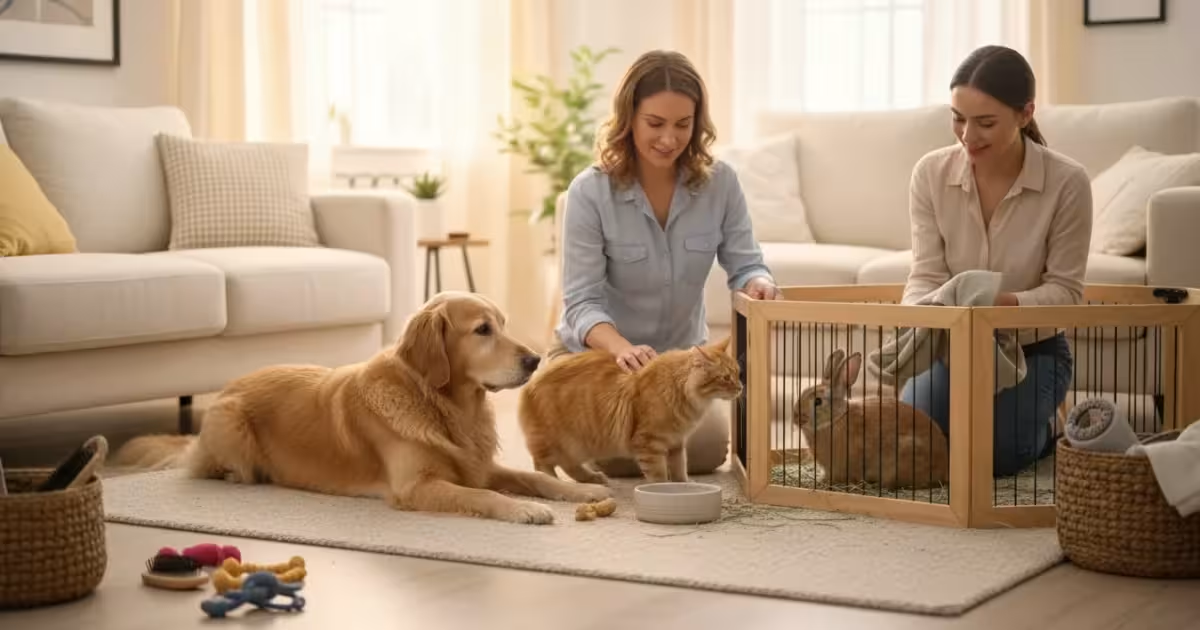
Bringing a new pet home excites you, but it can also bring apprehension about how your current companion will react. A smooth introduction is not just about avoiding immediate conflict; it sets the foundation for a peaceful, harmonious multi-pet household. Your existing pet may feel territorial, anxious, or even jealous, while the new pet might feel overwhelmed or scared. Approaching this transition thoughtfully and methodically ensures safety and promotes positive relationships for everyone involved. This comprehensive guide provides actionable, science-backed steps to introduce a new pet to your current pet, focusing on positive reinforcement and individual animal welfare.
Understanding the Stakes: Why a Proper Introduction Matters
The first impression truly matters when introducing pets. A rushed, uncontrolled, or negative initial meeting can create lasting fear, aggression, or anxiety between animals. This can lead to ongoing stress for your pets, behavioral problems, and a challenging living situation for you. Conversely, a carefully managed introduction fosters mutual respect and can lead to strong, positive bonds. Your goal is to help your pets feel safe, secure, and positive about each other’s presence. Remember, pets are individuals with unique personalities, past experiences, and sensitivities. What works for one pair may not work for another.
Prioritizing animal welfare means approaching introductions with patience and a commitment to positive reinforcement. Never force interactions or punish your pets for expressing discomfort. Punishment can exacerbate fear and aggression, damaging your relationship with your pets and making future introductions even harder. Instead, reward calm, positive behaviors and give them space and time.
Preparation is Key: Setting Up for Success
Successful introductions begin long before your new pet crosses the threshold. Thorough preparation minimizes stress and maximizes the chances of a smooth transition. This involves creating separate spaces, managing resources, and understanding your current pet’s temperament.
Creating Safe, Separate Spaces
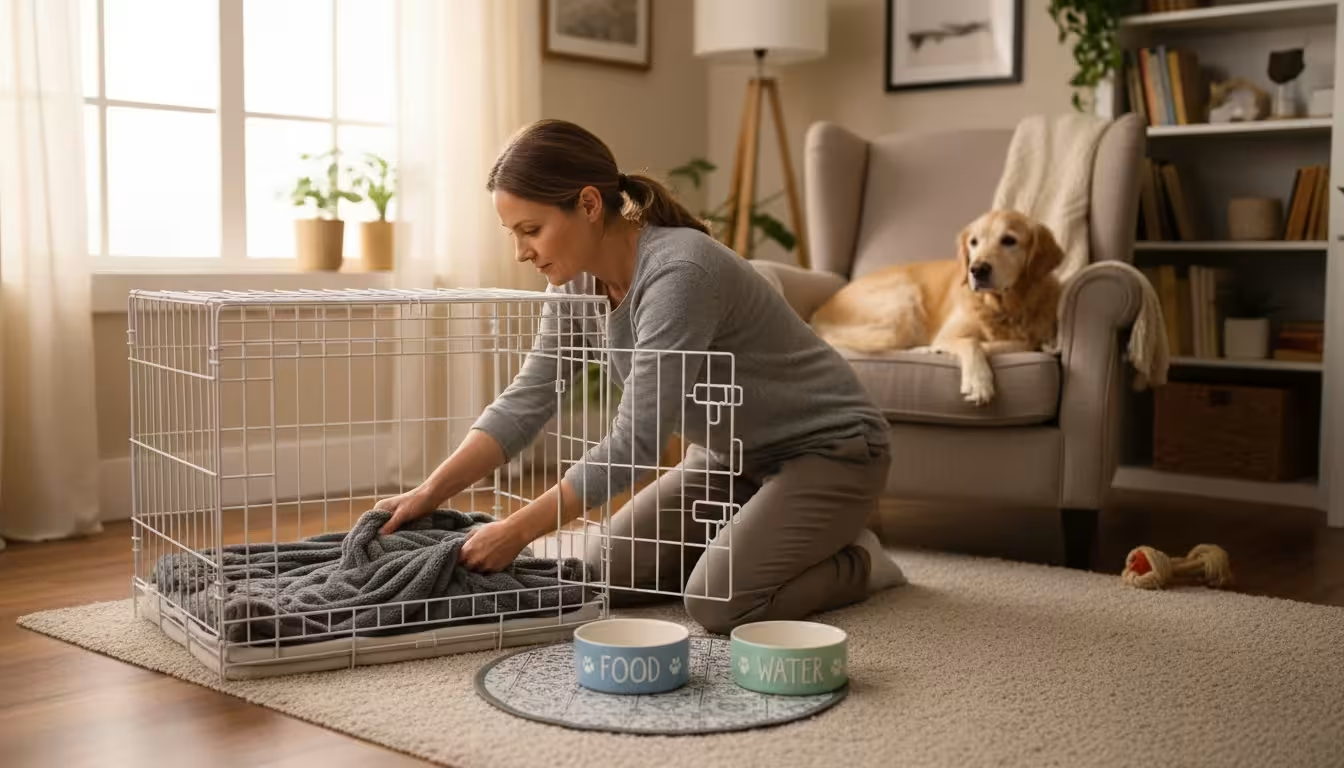
You need a designated safe space for each pet, especially for the newcomer. This might be a spare room, a large crate, or a section of your home partitioned with baby gates. This area should include food, water, bedding, toys, and a litter box if applicable. The goal is to give each pet a sanctuary where they can relax without feeling threatened or encroached upon. This also allows the new pet to acclimate to your home’s sounds and smells from a secure distance.
Resource Management
Resource guarding, where one pet becomes possessive over food, toys, sleeping spots, or even your attention, is a common source of conflict. Prevent this by providing ample resources for both pets. Ensure you have:
- Separate food and water bowls, fed in separate locations initially.
- Multiple resting spots, beds, and hiding places.
- Plenty of toys, ideally different types to see what each pet prefers.
- Separate litter boxes (for cats, follow the “n+1” rule: one more litter box than you have cats).
Always supervise meal times or feed pets in completely separate rooms until you are certain they are comfortable eating near each other. According to experts at the ASPCA, managing resources effectively is crucial in preventing early conflicts and fostering a positive multi-pet environment.
Vet Visits and Health Checks
Before any introduction, ensure both pets are healthy, up-to-date on vaccinations, and parasite-free. A sick or uncomfortable pet is more likely to be irritable or defensive. A pre-introduction vet check for your new pet also ensures they do not bring any contagious diseases into your home. If your current pet has any underlying health issues or chronic pain, consult your veterinarian; pain can significantly alter behavior.
Understand Your Current Pet’s Temperament
Consider your current pet’s personality. Is your dog generally calm and tolerant, or easily startled? Is your cat playful or more reserved? Does your pet have a history of aggression or fear towards other animals? Understanding these factors helps you tailor the introduction speed and identify potential challenges. For example, a highly territorial dog will require a slower, more controlled introduction process than a dog who regularly enjoys calm interactions with other canines.
Initial Steps: Scent Swapping and Controlled Sightings
The introduction process involves gradual exposure, moving from indirect contact to supervised interactions. This multi-stage approach minimizes stress and allows pets to acclimate at their own pace.
Phase 1: Scent Swapping
Scent is critical in how animals perceive their world. Before any visual contact, allow your pets to get used to each other’s scent. This helps them understand who the other animal is without the pressure of a face-to-face meeting. Here’s how:
- Swap bedding or toys: Take a blanket or toy from your new pet’s area and place it in your current pet’s space. Do the same in reverse. Observe their reactions. A calm sniff and move on is a positive sign. Growling, hissing, or extreme avoidance indicates you need to proceed more slowly.
- Rub a towel: Gently rub a clean towel on each pet to pick up their scent. Swap the towels. Repeat this daily for several days, associating the new scent with positive experiences, like treats or praise.
- Positive association: Always pair scent swapping with high-value treats or praise. This helps pets form a positive association with the other animal’s smell.
Phase 2: Sight, No Contact
Once pets are tolerating each other’s scent without significant stress, move to visual introductions without direct contact. This allows them to see each other in a controlled environment. Utilize baby gates or crates for this stage.
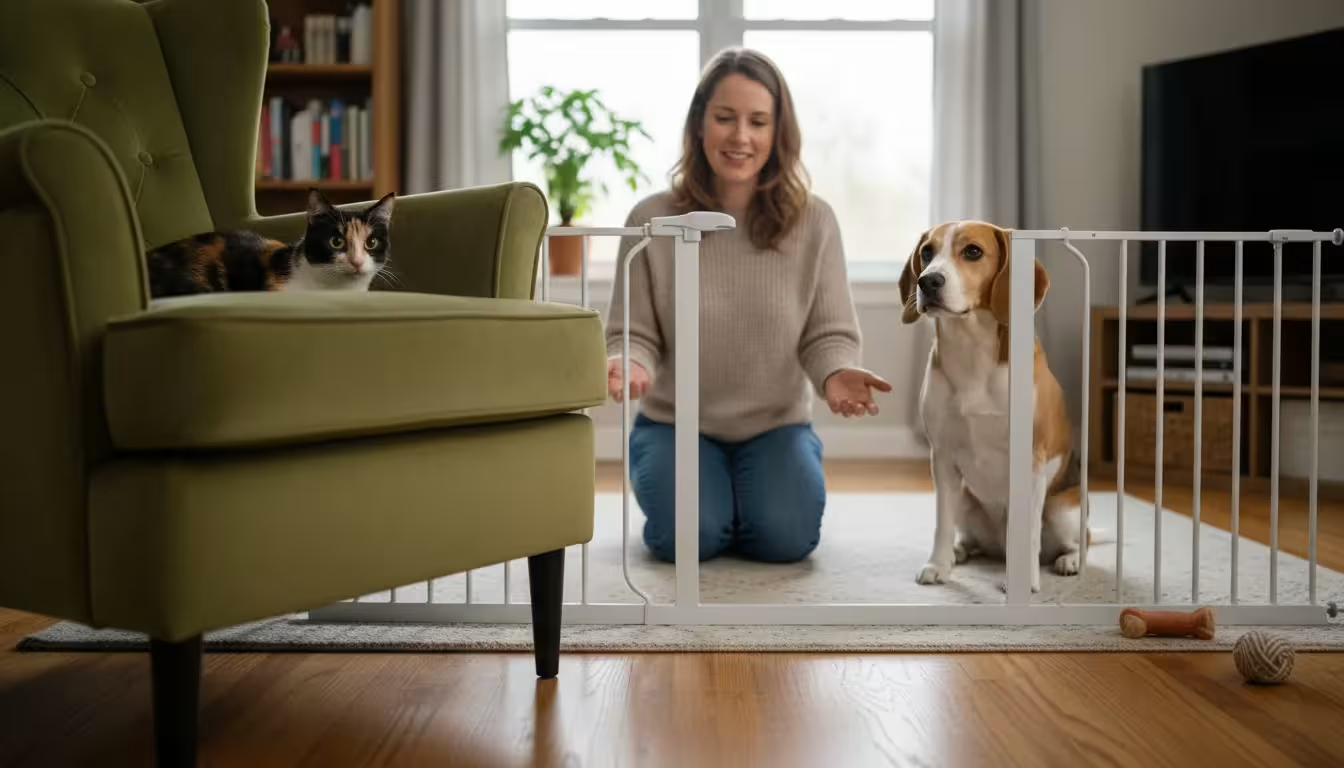
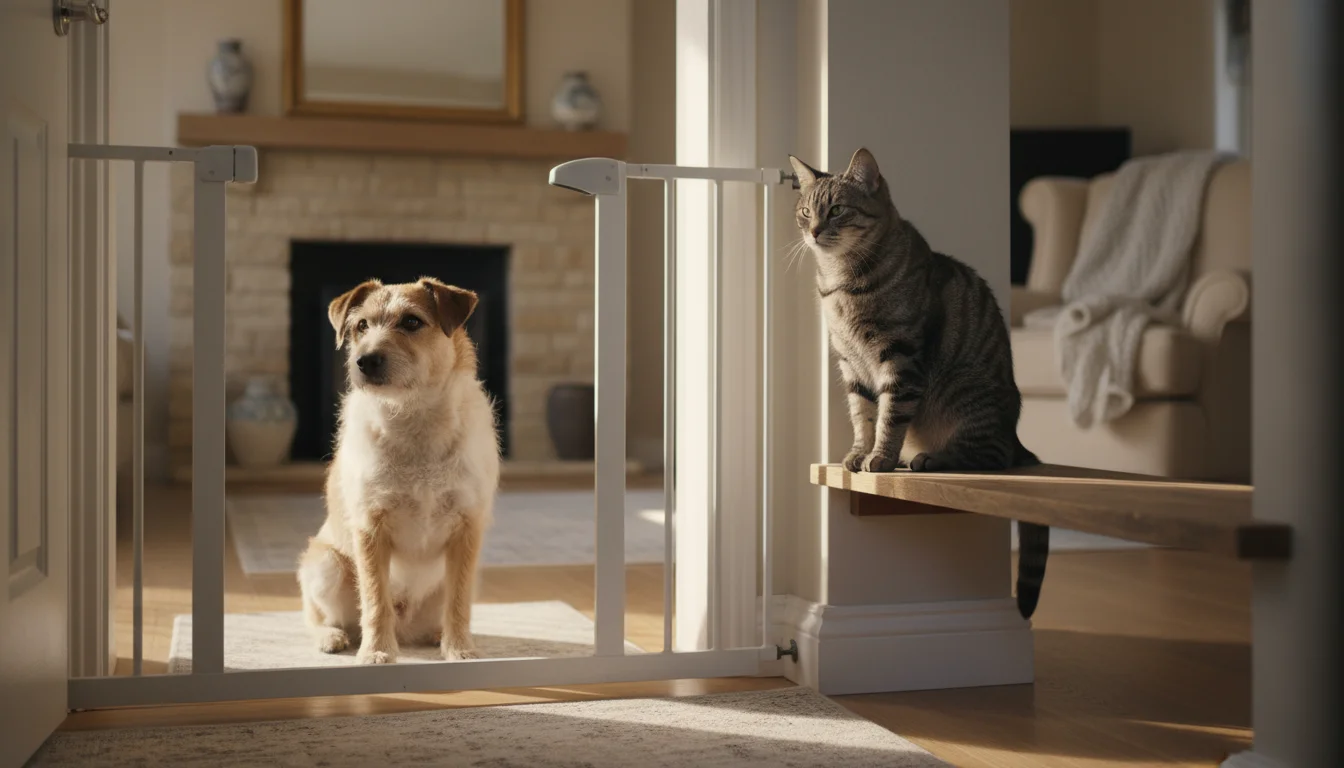
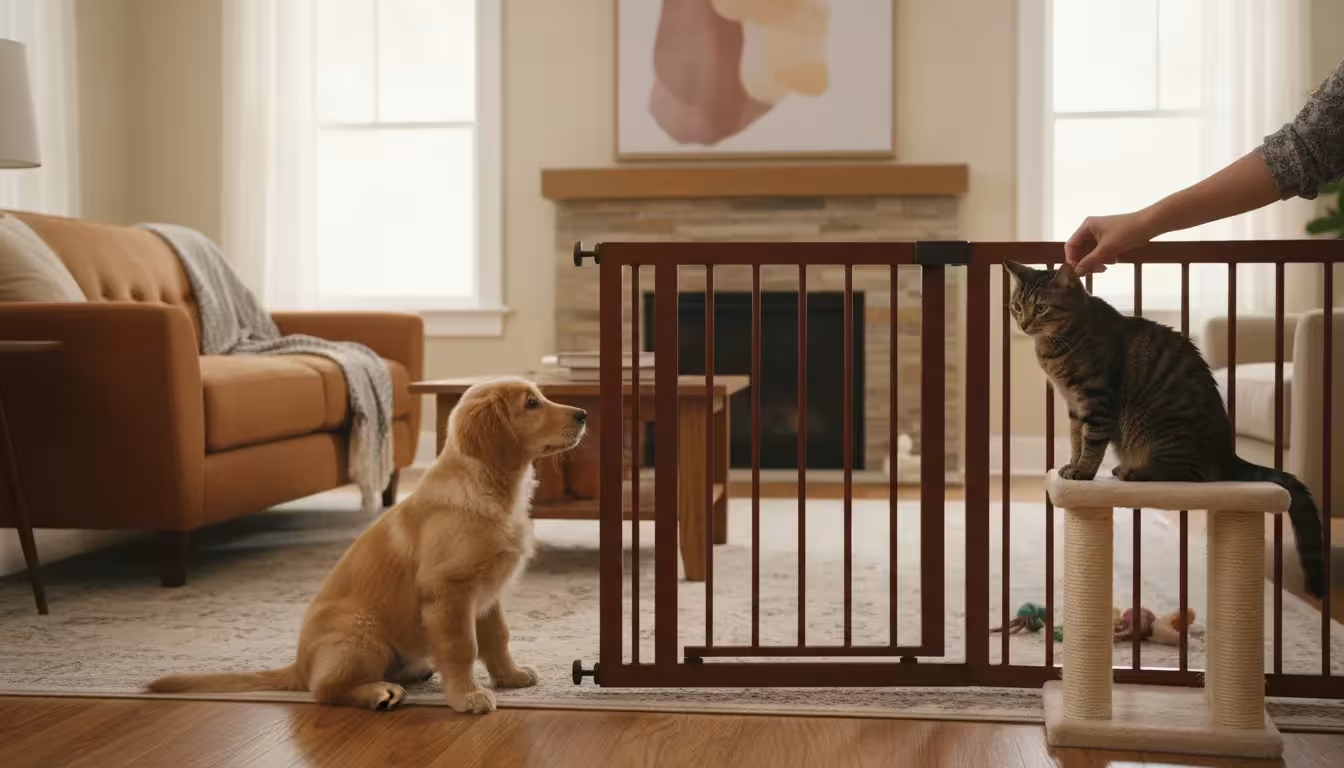
- Gate introductions: Place a sturdy baby gate between rooms, allowing pets to see and smell each other through the barrier. Keep initial sessions short, perhaps 5-10 minutes. Distract both pets with treats, toys, or praise whenever they are calm in the other’s presence.
- Crate introductions: For dogs, a crate can be useful. Keep one dog crated while the other is loose in the same room. Ensure the crated dog feels secure and has a comfortable space. Switch roles. This provides a safe barrier and allows dogs to get used to each other’s presence.
- Neutral territory for dogs: For dog-to-dog introductions, especially with a new dog who is leash-trained, an on-leash walk in a neutral outdoor area can be highly effective. The shared activity and open space reduce territorial pressure. Walk parallel to each other at a distance, gradually decreasing the space as they show calm, positive body language. Avoid direct face-to-face greetings initially.
Managing First Meetings: Supervised Interactions
When your pets show calm and curious behavior during scent swapping and barrier introductions, you can progress to supervised, controlled physical meetings. This is a critical stage that requires your full attention and readiness to intervene if needed.
First Physical Introductions (Controlled and Supervised)
- Keep it short and positive: The first few physical meetings should be brief, perhaps 5-10 minutes, and always end on a positive note. Do not wait for things to escalate before separating them.
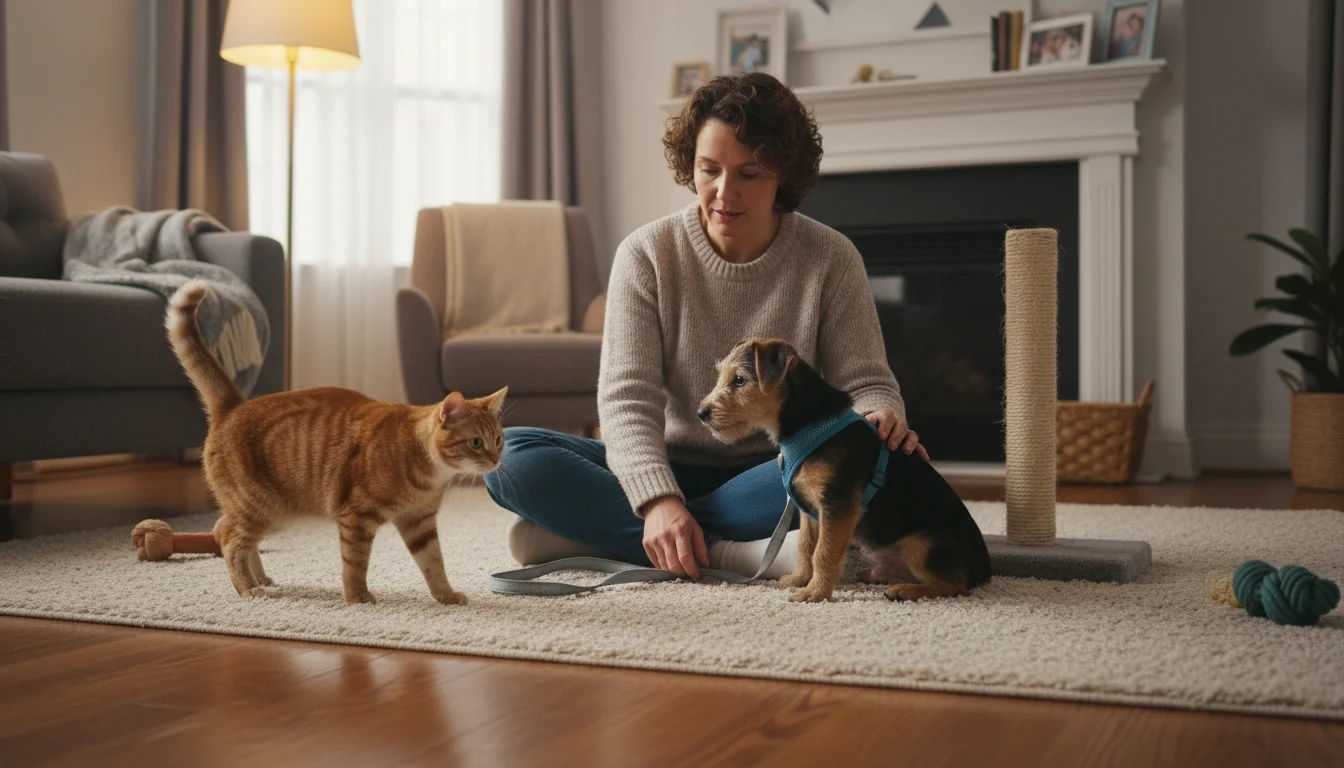
- Leashes for dogs: For dog introductions, keep both dogs on leashes during initial meetings, with two handlers if possible. This gives you control to gently guide them or separate them if necessary. The leashes should be loose, not taut, to avoid creating tension.
- Neutral location: Start in a neutral, open space within your home, free of valuable resources like food or favorite toys that could trigger guarding.
- Positive reinforcement: Constantly reward calm behavior. Give treats, praise, or gentle petting whenever they look at each other calmly, sniff appropriately, or ignore each other. This teaches them that good things happen when the other pet is around.
- Observe body language: Pay close attention to subtle cues.
- Positive signs: Loose body, soft gaze, relaxed ears, sniffing, play bows (for dogs), purring (for cats), slow blinks (for cats), mutual grooming (for cats).
- Warning signs: Stiff body, direct stare, raised hackles, growling, hissing, flattened ears, excessive lip licking, yawning (out of context), tail tucked, avoidance, swatting (for cats).
If you see warning signs, calmly and gently separate them before conflict arises.
- Intervention: If you need to intervene, do so calmly. Avoid yelling or sudden movements, which can increase tension. Gently guide them apart or use a barrier if necessary.
Extending Interaction Time
Gradually increase the duration and frequency of supervised interactions as long as they remain positive. Never leave the pets unsupervised until you are absolutely certain they are comfortable and safe together. This can take weeks, or even months, depending on the individual animals. For some, full unsupervised integration may never be appropriate, and continued management (e.g., separate rooms when you are away) is the safest long-term solution.

Species-Specific Considerations: Dogs, Cats, and Smaller Companions
While the general principles apply, specific dynamics come into play when introducing different species or even different breeds.
Dog to Dog Introductions
Dogs often use body language and scent to communicate. When introducing two dogs:
- Walk together: As mentioned, a parallel walk in a neutral outdoor space is often the best first face-to-face interaction. Allow them to sniff the same spots but avoid nose-to-nose greetings until they seem comfortable.
- Supervise play: Once they are comfortable, allow for short, supervised play sessions. Look for balanced play, where both dogs take turns chasing and being chased. Watch for one dog constantly pinning or dominating the other, which can indicate an imbalance or potential problem.
- Age and size: Consider the age and size difference. A large, boisterous young dog might inadvertently injure a senior or very small dog. Manage play to ensure it remains gentle and appropriate.
Cat to Cat Introductions
Cats are often more territorial and less social than dogs, making introductions potentially slower. They thrive on predictability and routine. The primary goal is to help them associate each other’s presence with positive experiences.
- Scent is paramount: Cat introductions rely heavily on scent swapping. Rubbing a towel on each cat’s cheeks and head (where they have scent glands) and swapping them is a great way to introduce their individual pheromones.
- Gradual visual access: Use a baby gate or screen door to allow visual access while maintaining separation. Feed them on opposite sides of the barrier to create positive associations.
- Vertical space: Cats feel safer when they have vertical escape routes. Ensure plenty of cat trees, shelves, and high perches in areas where they will eventually interact. This allows a cat to retreat upward if feeling threatened.
- Resource abundance: Multiple litter boxes, food stations, and resting spots are essential to prevent resource guarding.
- Play therapy: Engage cats in interactive play (e.g., with wand toys) in the same room, but not directly with each other. This channels their energy and creates a shared positive experience.
A study by Cornell University College of Veterinary Medicine highlights the importance of providing ample resources and gradual exposure for successful cat-to-cat introductions.
Dog to Cat Introductions
This dynamic often presents unique challenges due to differing communication styles and predatory instincts. Safety is paramount.
- Dog’s prey drive: Assess your dog’s prey drive. If your dog has a high prey drive, introducing them to a cat requires extreme caution and potentially professional intervention.
- Controlled leash introduction for dogs: Keep the dog on a leash and under strict control. The cat should have an escape route, preferably vertical. Reward the dog for calm behavior in the cat’s presence.
- Separate feeding: Always feed dogs and cats in separate rooms.
- Cat’s safe spaces: Ensure the cat has numerous high places and escape routes where the dog cannot reach them.
- Never leave unsupervised: Even after months, some dog-cat pairings can never be left alone together safely. Always err on the side of caution.
Introducing Small Companion Animals (Rabbits, Guinea Pigs, Hamsters)
Introducing smaller pets to dogs or cats always carries a significant risk due to predator-prey dynamics. It is often safest to keep them completely separate, especially when unsupervised. If you choose to attempt an introduction:
- Secure enclosures: Small pets must always remain in secure, predator-proof enclosures when larger pets are present.
- Supervision: Any interaction must be 100% supervised, with the larger pet on a leash or behind a barrier.
- Dog/cat training: Train your dog or cat to be calm around the smaller animal’s cage, rewarding quiet observation.
- Risk assessment: Frankly assess the risk. For many small pets, the stress of being around a predator, even behind bars, can be detrimental to their health. In some cases, a peaceful coexistence means simply maintaining strict separation.

The Long Game: Building Lasting Harmony
Introductions do not end after the first few weeks. Building lasting harmony requires ongoing effort, observation, and management. Think of pet integration as a lifestyle change, not a one-time event.
Ongoing Supervision and Management
Even after successful introductions, maintain a watchful eye. Continue to supervise interactions, especially during high-value situations like meal times or when new visitors are present. Ensure all pets have their own space to retreat to if they feel overwhelmed. Baby gates can continue to be valuable tools for managing household dynamics, allowing for breaks or separate activities.
Shared Positive Experiences
Actively foster positive associations between your pets. Engage them in shared, low-stress activities where they receive rewards for being in each other’s presence. This could include:
- Parallel walks (for dogs).
- Interactive playtime in the same room (e.g., you playing with a wand toy for the cat while the dog quietly observes and receives treats for calm behavior).
- Quiet cuddle time with you, where both pets are present and receive affection.
- Puzzle toys or treat dispensers used in the same general area, but with enough space to prevent conflict.
Maintaining Individual Attention
Ensure each pet still receives individual attention, playtime, and training sessions with you. This reinforces your bond with each animal and prevents jealousy or feelings of being replaced. A well-adjusted, confident pet is more likely to be tolerant of another.
Recognizing Play Styles
Understanding each pet’s play style is crucial for multi-pet harmony. Some dogs prefer rough-and-tumble play, while others enjoy more gentle interactions. Cats might enjoy stalking and pouncing. Observe if play is balanced, if both pets initiate and disengage equally, and if one pet consistently appears stressed or defensive. Intervene if play becomes too intense or one-sided, teaching them appropriate boundaries.
Common Challenges and Troubleshooting
Even with the best intentions, you might encounter bumps in the road. Here are common issues and how to address them:
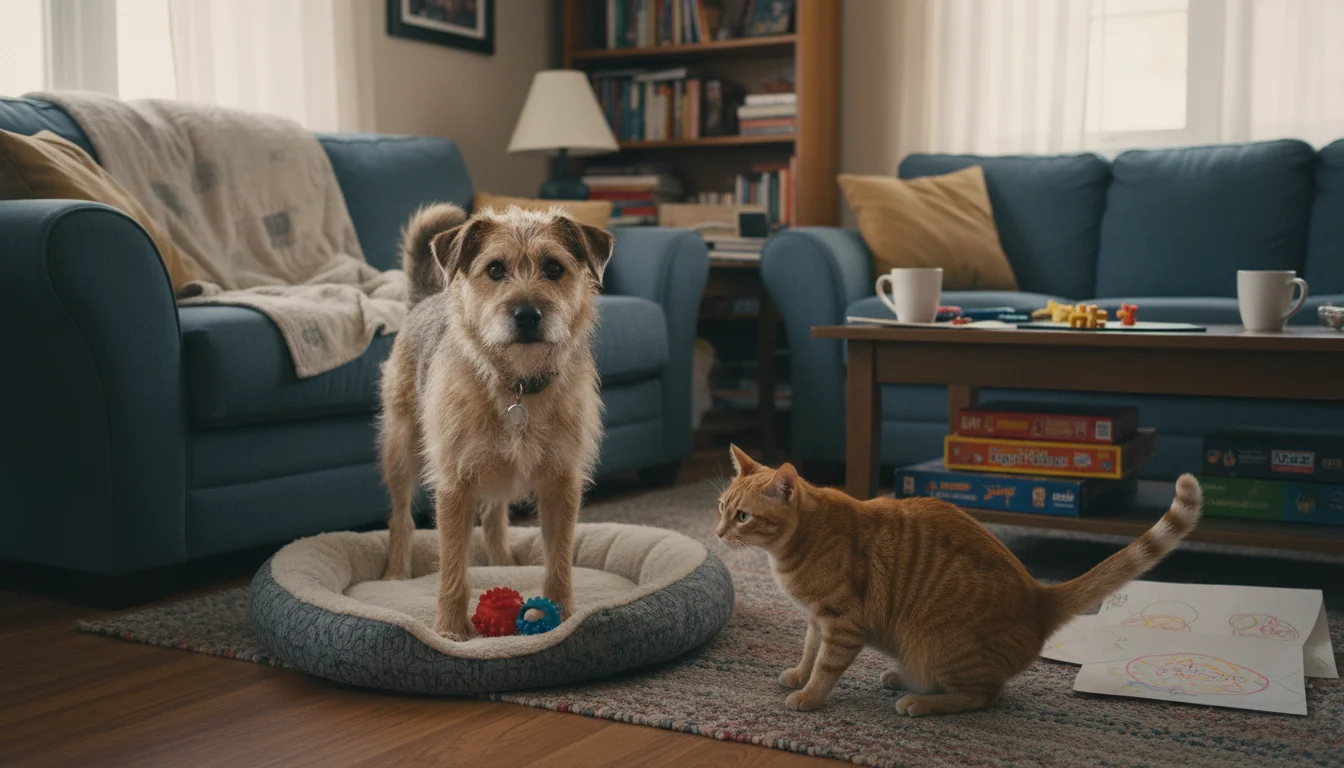
- Hissing/Growling: This is a warning. Separate pets immediately, calmly, without scolding. Revert to an earlier stage of introduction (scent swapping or barrier introductions). Increase positive associations with distance.
- Resource Guarding: If a pet guards food, toys, or specific locations, increase the number of resources dramatically. Feed pets in separate rooms or use crates. Pick up all toys when you cannot supervise. Work on “drop it” and “leave it” commands with the guarding pet.
- Fear/Avoidance: If one pet consistently hides or tries to avoid the other, they feel unsafe. Re-establish separate safe zones. Decrease exposure time. Ensure escape routes and vertical spaces (for cats). Avoid forcing interactions.
- Over-excitement/Pestering: If one pet is overly enthusiastic and pestering the other, use leashes or baby gates to manage their energy. Reward calm behavior. Provide outlets for excess energy through exercise and individual play.
Patience is your most valuable tool. Never rush the process. If you face persistent challenges, it is time to seek professional guidance.
When to Seek Professional Help
While this guide provides a solid framework, some situations warrant professional intervention. Do not hesitate to reach out to experts if you encounter:
- Aggression: Any actual fighting, biting, or serious aggression (not just warning growls or hisses). This requires immediate professional assessment for safety.
- Persistent Fear/Anxiety: If a pet remains constantly fearful, hides, stops eating, or develops stress-related behaviors like excessive grooming or destructive chewing.
- Unresolvable Resource Guarding: When careful management does not resolve guarding behaviors, creating a tense environment.
- Lack of Progress: If you follow the steps for weeks or months and see no improvement, or if the situation deteriorates.
- Safety Concerns: If you are genuinely concerned for the physical safety of either pet or yourself.
Consult your veterinarian first to rule out any underlying medical issues that could be contributing to behavioral problems. If health issues are not a factor, your veterinarian can refer you to a certified professional dog trainer (CPDT-KA, as certified by the Certification Council for Professional Dog Trainers), a certified cat behavior consultant (CCBC), or a board-certified veterinary behaviorist (DACVB, as recognized by the American College of Veterinary Behaviorists). These professionals can assess your specific situation, provide tailored advice, and guide you through a safe introduction process.
Frequently Asked Questions
When can I leave my pets unsupervised?
You can leave your pets unsupervised only when you are absolutely certain they are comfortable, safe, and exhibit consistent positive or neutral interactions. This can take weeks, months, or for some pairs, may never be fully safe. Look for relaxed body language, shared space without tension, and a lack of resource guarding. Even then, start with short periods and gradually increase duration, observing their behavior upon your return.
What if my current pet is very old or very young?
Introducing a new pet to an elderly animal requires extra sensitivity. Older pets may have less tolerance for change, noise, or playful energy. Provide them with extra secure, quiet spaces. Conversely, a very young puppy or kitten may be too rambunctious for an established adult. Ensure the older pet has the ability to retreat from persistent play attempts. Always supervise and protect both from injury or undue stress.
Can I introduce a new pet if my current pet has a history of aggression towards other animals?
Introducing a new pet when your current pet has a history of aggression is extremely challenging and often carries significant risks. This situation demands immediate professional intervention from a board-certified veterinary behaviorist or a highly experienced certified professional dog trainer. Do not attempt this introduction on your own; safety is paramount for all animals and humans involved.
What if my pets never become best friends? Is that okay?
Absolutely. The goal is not always for pets to become inseparable companions. Peaceful coexistence, where they can share a home without stress or conflict, is a perfectly successful outcome. Some pets will form strong bonds, while others will simply tolerate each other’s presence. As long as all animals feel safe and are not exhibiting signs of chronic stress, you have achieved a successful multi-pet household.
For expert pet care guidance, visit
The Humane Society of the United States, Cornell University College of Veterinary Medicine, UC Davis School of Veterinary Medicine and American Animal Hospital Association (AAHA).
Disclaimer: This article is for informational purposes only and is not a substitute for professional veterinary advice, diagnosis, or treatment. Always consult with a licensed veterinarian for medical concerns about your pet.









Leave a Reply