
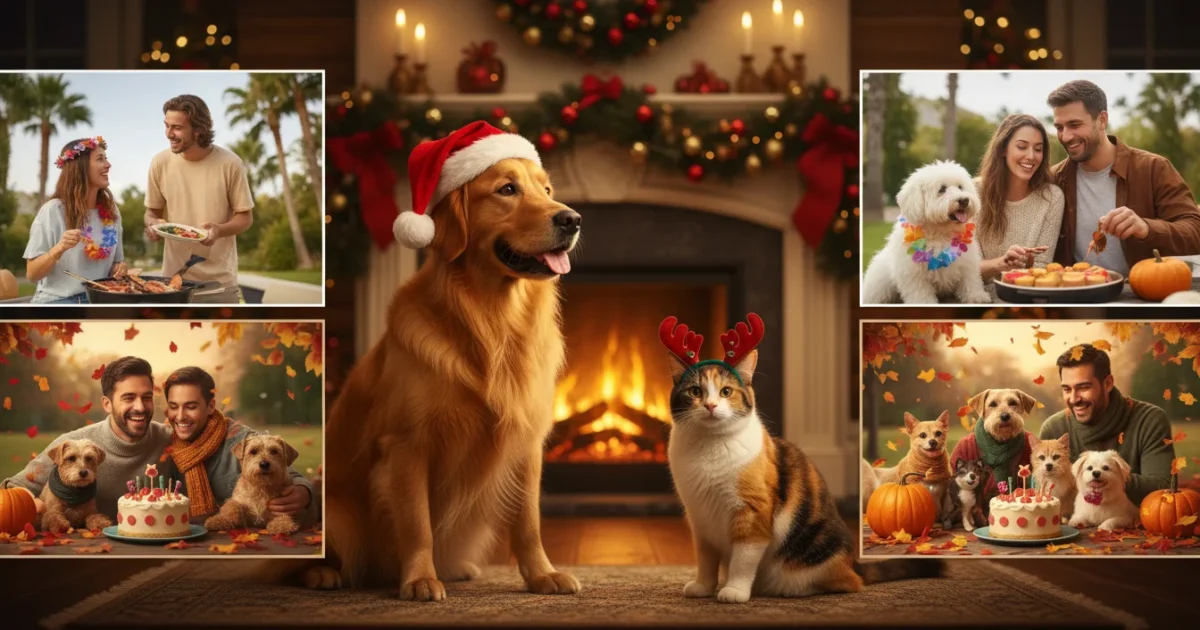
Bringing your beloved pet into holiday celebrations enriches these special moments, creating lasting memories for your entire family. From festive gatherings to serene seasonal traditions, ensuring your pet’s safety and enjoyment requires thoughtful planning and a proactive approach. This guide empowers you with actionable strategies to create a pet-friendly environment for every occasion on the calendar, ensuring your companion animals remain happy, healthy, and included.
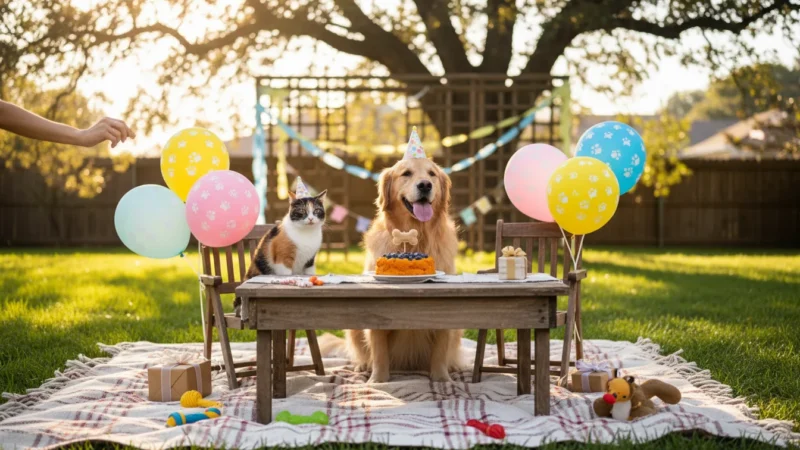
Beyond seasonal holidays, you can also explore fun ideas to celebrate your pet’s birthday to honor their specific personal milestones.
Integrating pets into your celebrations goes beyond simply allowing them in the same room. It involves understanding their unique needs, mitigating potential risks, and actively involving them in ways that promote their well-being. Whether you share your home with a curious cat, an adventurous dog, or a quiet companion animal, these insights help you navigate the joys and challenges of seasonal festivities with their best interests at heart.
Planning for Pet-Friendly Festivities Throughout the Year
Successful pet-friendly celebrations begin with preparation. Understanding the specific risks associated with different holidays and proactively addressing them ensures a safe and enjoyable experience for everyone. This foundational approach covers everything from guest interactions to managing environmental changes.
Assessing Your Pet’s Personality and Needs
Every pet is an individual. Consider your pet’s temperament, age, and breed characteristics when planning. An outgoing golden retriever might thrive amidst a bustling party, while a shy cat or an anxious small dog might prefer a quiet, secure retreat. Evaluate if your pet genuinely enjoys social interaction or if specific holiday elements, such as loud noises or many strangers, cause stress. Adapting your plans to fit your pet’s comfort level is crucial for their well-being.
Creating a Safe Haven
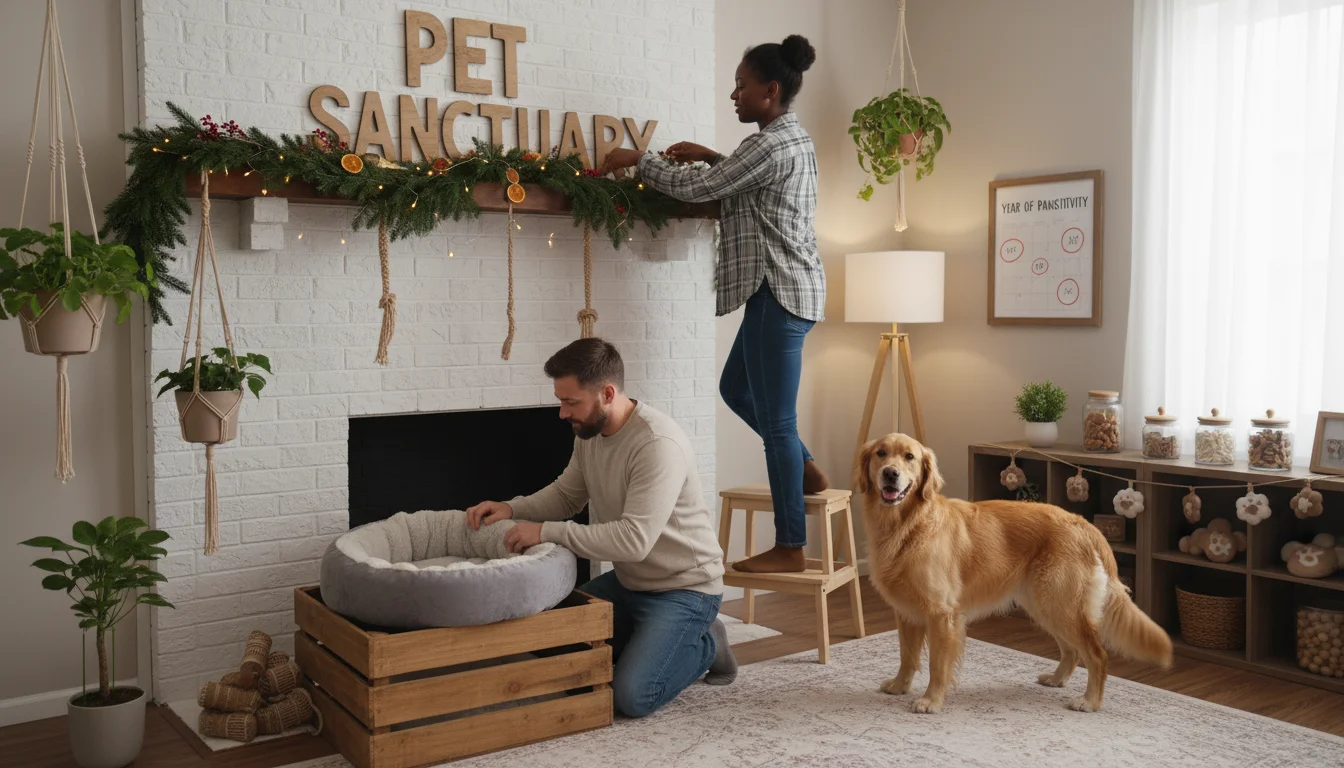
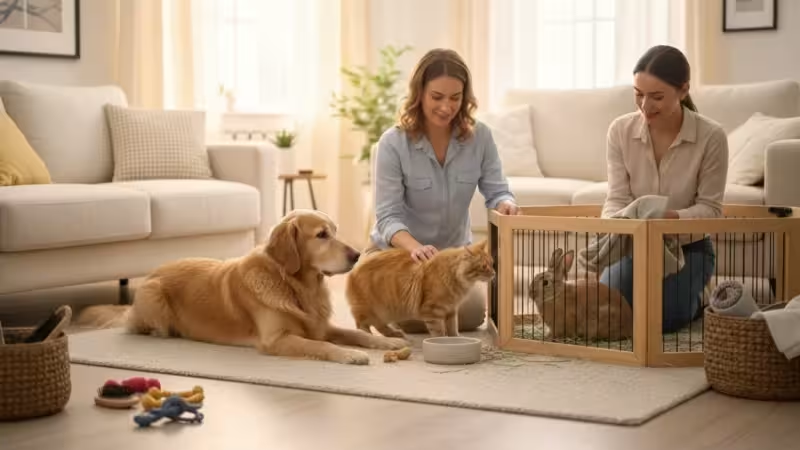
Designate a quiet, secure space for your pet, especially during busy times. This sanctuary should include their bed, favorite toys, water, and a litter box for cats. A spare bedroom, a quiet crate, or a secured area away from the main festivities offers a refuge from overstimulation. Ensure all family members and guests respect this space, allowing your pet to retreat whenever they feel overwhelmed.
Guest Etiquette and Pet Interactions
Brief guests on how to interact with your pet. Request that they do not offer table scraps, respect your pet’s personal space, and supervise children. Even the most tolerant pet can become stressed with unfamiliar hands, loud children, or relentless attention. According to the ASPCA, clear communication with guests about pet boundaries helps prevent accidents and ensures a positive experience for both pets and people.
Spring Celebrations and Outdoor Adventures
Spring brings warmer weather and holidays like Easter, offering opportunities for outdoor fun. Planning pet-friendly activities while remaining mindful of seasonal risks allows your pet to fully participate.
Easter Fun: Safe Egg Hunts and Spring Flowers
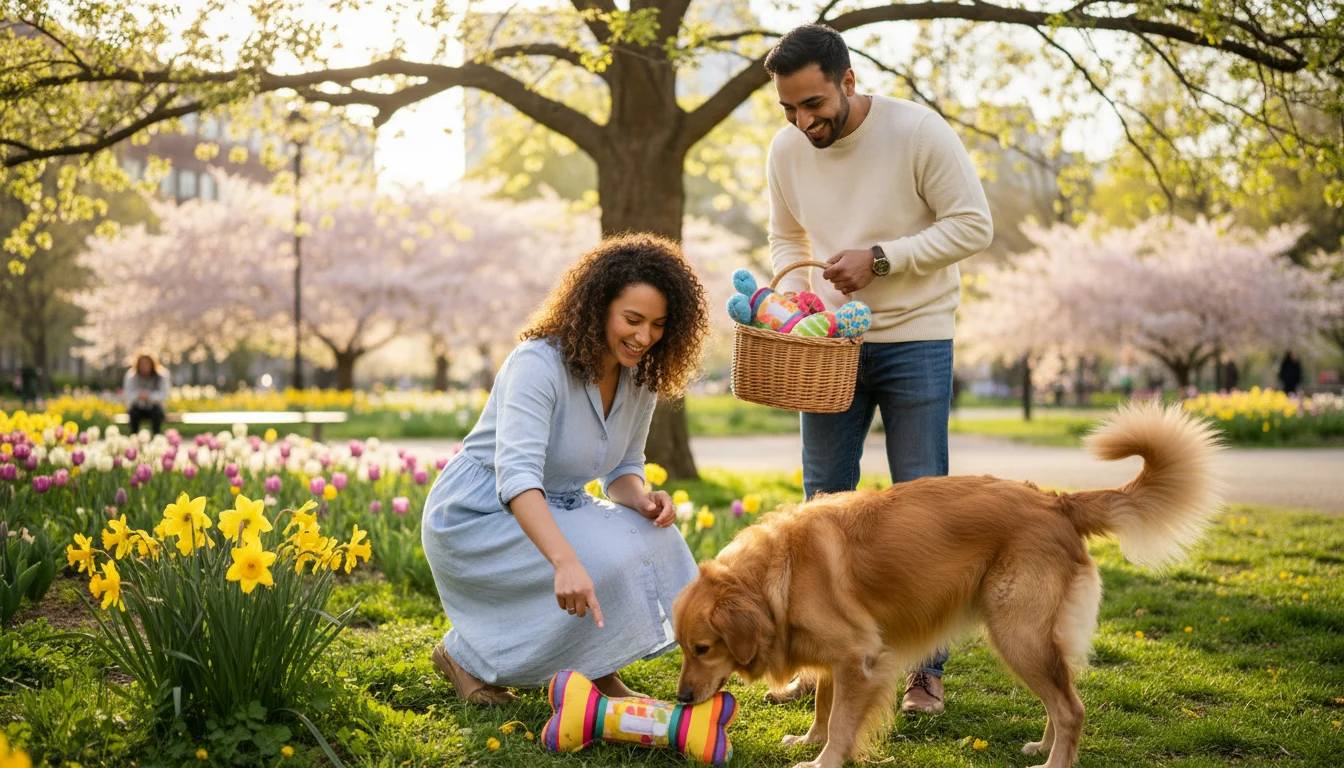
Organize a pet-safe “egg hunt” using non-toxic, pet-friendly treats or their regular kibble hidden in pet-safe plastic eggs. Ensure children’s candy or chocolate eggs remain strictly out of reach, as chocolate is toxic to pets. Many spring plants, such as lilies, daffodils, and tulips, are also toxic. Prevent access to these plants both indoors and in your garden. Consult the Pet Poison Helpline for a comprehensive list of toxic plants.
Spring Cleaning and Garden Safety
As you refresh your home for spring, keep cleaning products, pesticides, and fertilizers away from curious paws and noses. Many common household and garden chemicals pose significant health risks. When gardening, use organic, pet-safe alternatives where possible. Supervise your pet outdoors to prevent ingestion of mulch, snail bait, or other garden chemicals.
Outdoor Adventures: Hiking and Trail Safety
Spring is ideal for exploring nature. When hiking with your dog, always keep them on a leash, especially in unfamiliar areas or where wildlife exists. Pack essentials like water, a portable bowl, waste bags, and a first-aid kit. Check for ticks after every outing, particularly in wooded or grassy areas. Ensure your dog has up-to-date vaccinations and flea/tick prevention.
Summer Safety and Travel Tips
Summer offers opportunities for travel and outdoor celebrations. Heat, crowds, and fireworks present unique challenges for pet owners.
Fourth of July: Managing Noise Anxiety
Fireworks can cause severe anxiety in many pets. Prepare by creating a quiet, secure indoor space for your pet well before the celebrations begin. Close windows and blinds, turn on a fan or white noise machine, and play calming music to muffle sounds. Provide favorite toys or long-lasting chews. Never leave your pet unattended outside during fireworks. For pets with severe noise phobia, consult your veterinarian about anxiety-reducing medications or behavioral strategies. Research from the Fear Free Pets initiative emphasizes proactive measures to reduce stress during loud events.
Summer Travel: Car Safety and Pet-Friendly Destinations
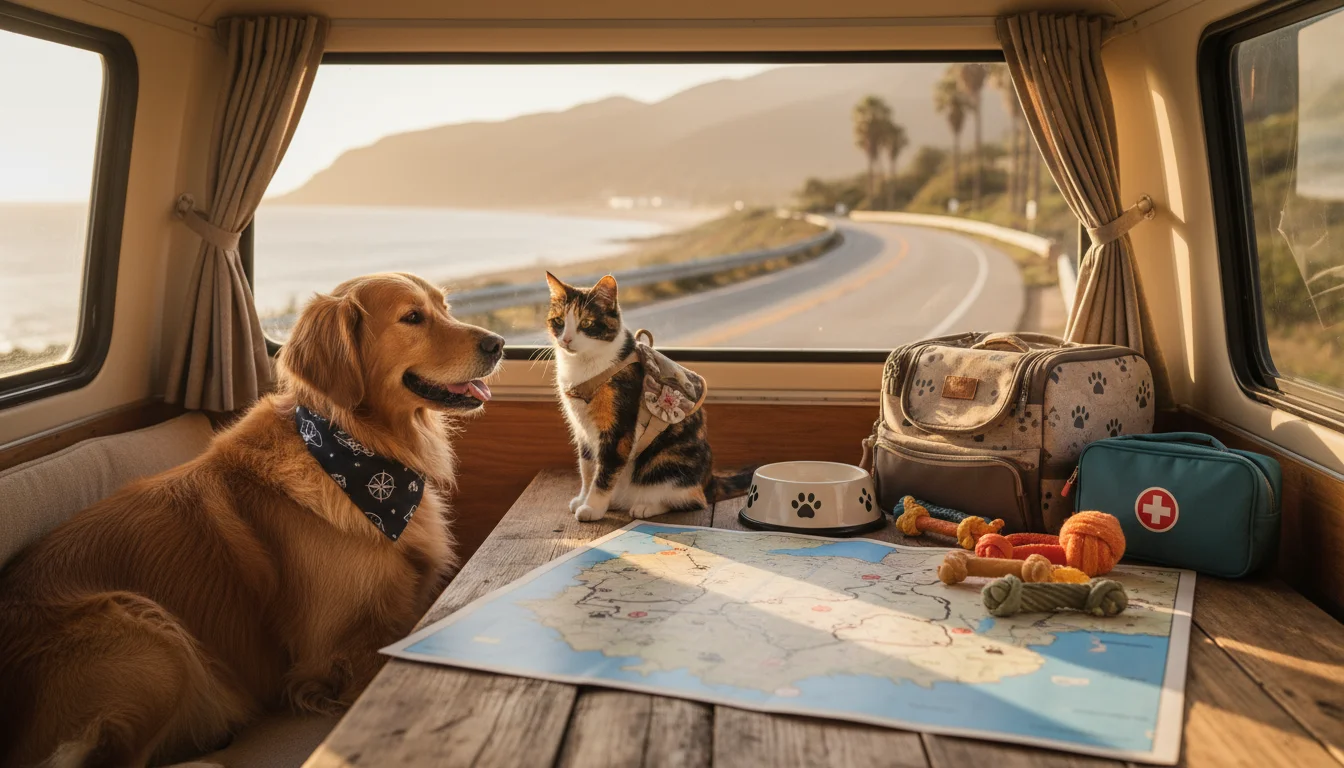
When traveling by car, secure your pet safely in a crash-tested crate or with a pet safety harness. Never allow pets to ride unrestrained in the back of a truck or with their heads out the window. Plan frequent stops for water and potty breaks. Research pet-friendly accommodations and activities at your destination. Pack a travel kit including food, water, medications, bowls, toys, waste bags, and a copy of your pet’s vaccination records.
Beach Trips and Water Safety
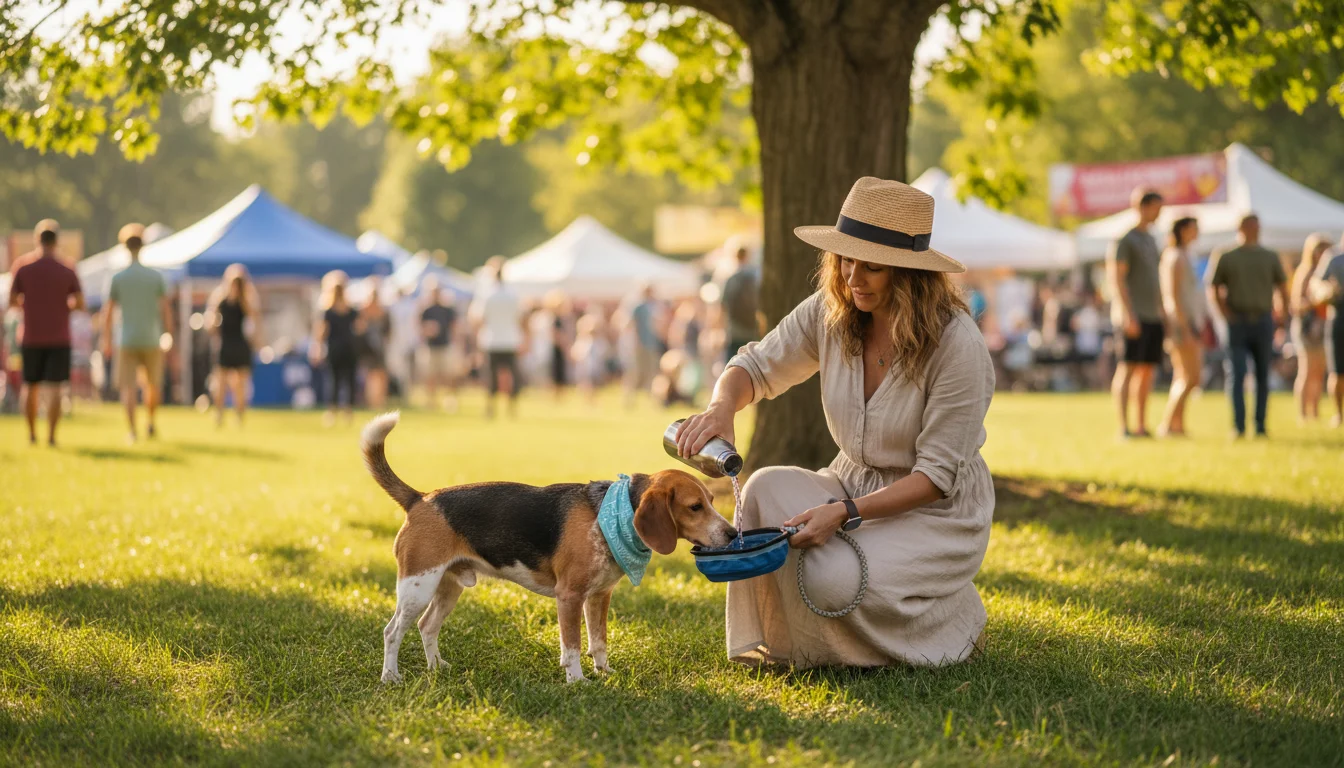
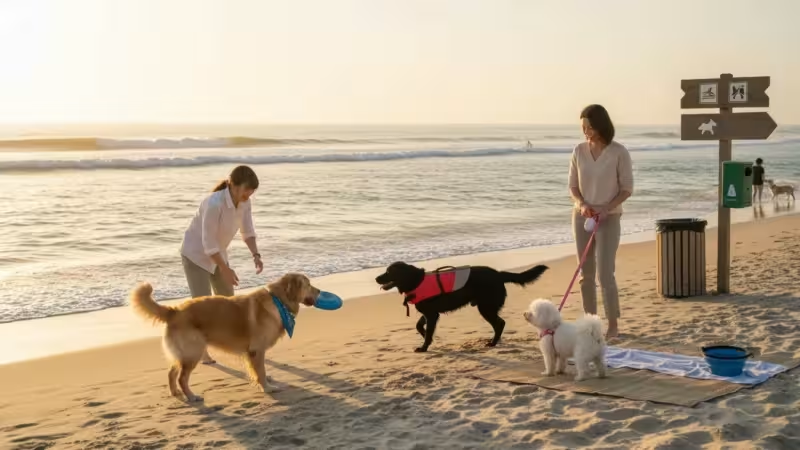
Many dogs love the beach. Always supervise your dog near water, even strong swimmers. Rinse their coat thoroughly after swimming to remove salt or chlorine, which can irritate skin. Provide plenty of fresh drinking water to prevent them from ingesting saltwater, which can cause dehydration and stomach upset. Protect paws from hot sand, and provide shade to prevent heatstroke.
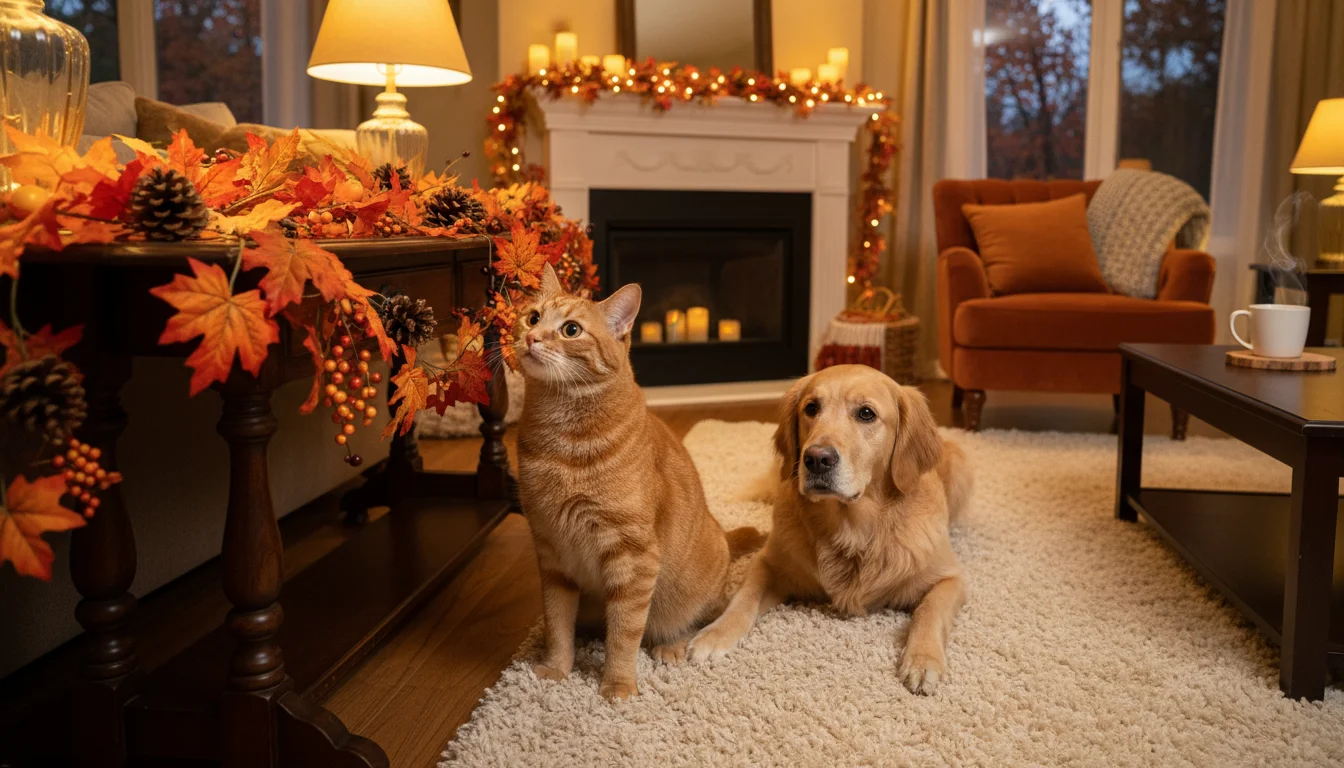
Autumn Festivities and Multi-Pet Dynamics
Autumn brings holidays like Halloween and Thanksgiving, often involving costumes, seasonal decorations, and family gatherings. These events require careful consideration for multi-pet households and potential hazards.
Halloween: Costume Safety and Trick-or-Treating
If you dress your pet in a costume, ensure it fits properly, does not restrict movement or breathing, and avoids small, easily chewed parts. Supervise your pet at all times while they wear it. Keep candy, especially chocolate and xylitol-containing treats, out of reach. The doorbell ringing frequently can stress some pets. Consider containing anxious pets in their safe haven during trick-or-treating hours, offering them a puzzle toy or a calming chew.
Thanksgiving Feasts: Food Dangers and Guest Management
Thanksgiving tables often feature foods toxic to pets, such as turkey bones, onions, garlic, grapes, raisins, and excessive fats. Even seemingly benign foods can cause pancreatitis or gastrointestinal upset. Stick to pet-specific treats or small, plain portions of cooked turkey meat (no skin or bones) or plain sweet potato. Clearly communicate “no human food” rules to guests. Manage multi-pet households by feeding pets separately and providing designated quiet areas to reduce stress and prevent squabbles over food or attention.
Fall Activities: Leaf Piles and Cooler Weather
Enjoy crisp autumn walks, but be mindful of hazards. Rake leaves often, as moldy leaves can cause respiratory issues for pets if ingested or inhaled. Watch for wild mushrooms, many of which are toxic. As temperatures drop, ensure your pet has appropriate outdoor gear, like a jacket for short-haired breeds, and access to warm, dry shelter if they spend time outside.
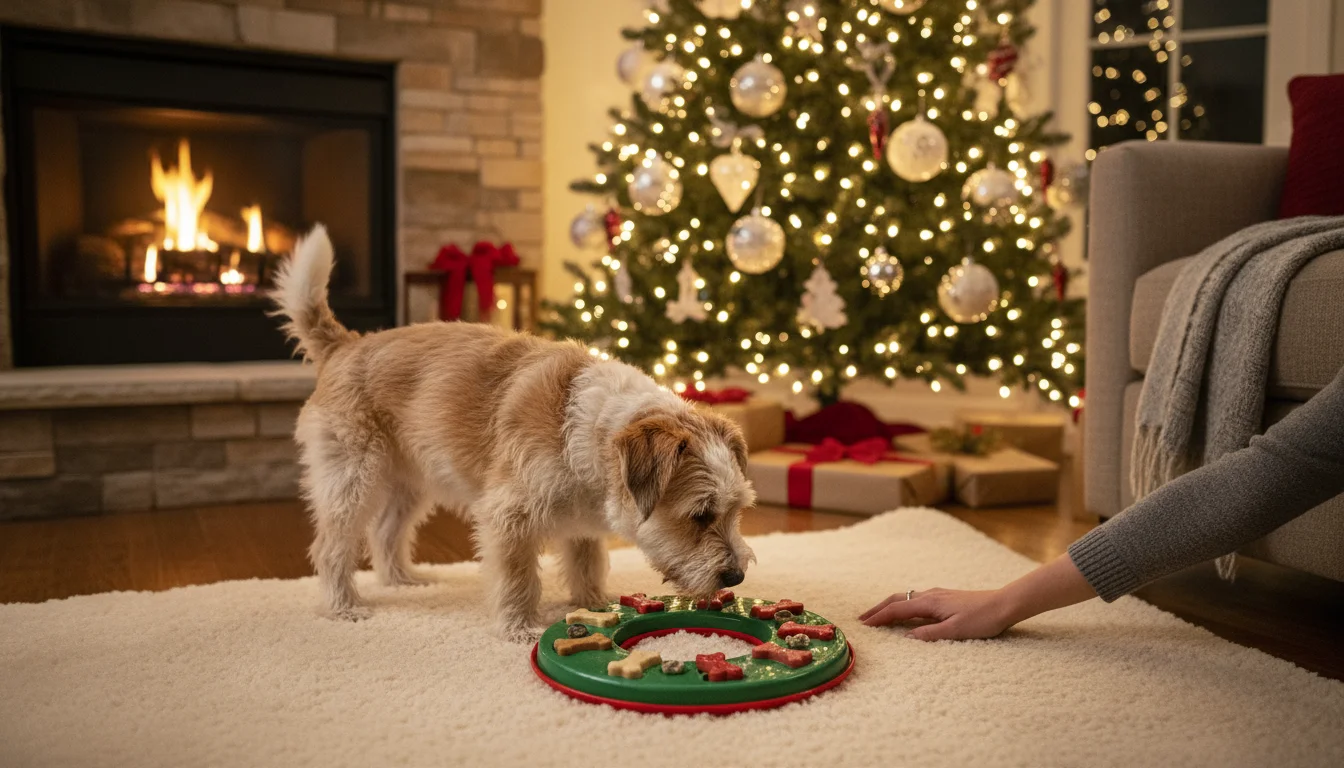
Winter Wonders and Indoor Enrichment
Winter holidays like Christmas and New Year’s bring sparkling decorations, gifts, and indoor gatherings. These require careful planning to ensure safety and enjoyment.
Christmas Decor: Tree Safety and Festive Hazards
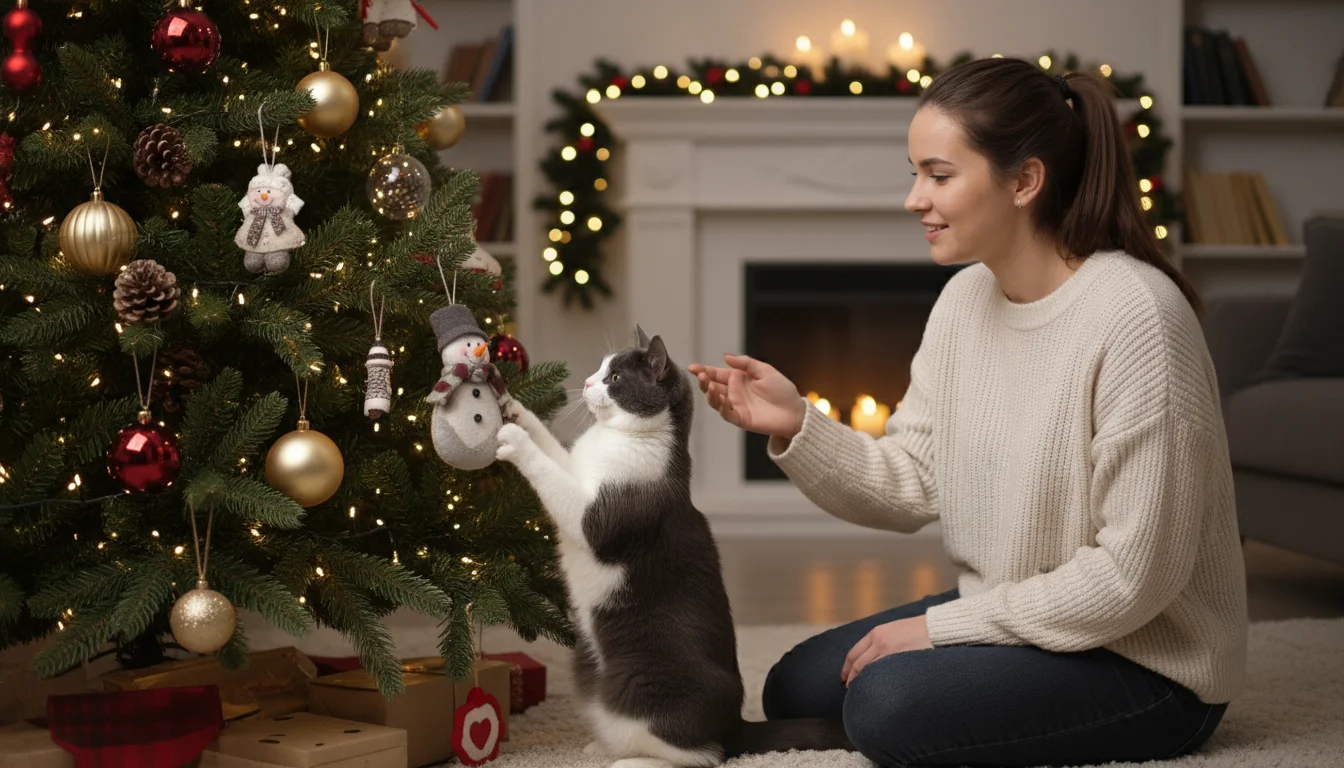
Secure your Christmas tree to prevent tipping, especially if you have playful cats or large dogs. Avoid edible ornaments that might tempt pets. Keep breakable ornaments and tinsel out of reach; ingested tinsel can cause serious intestinal blockages. Electrical cords for lights pose a chewing hazard; secure them or use pet-proof covers. Avoid toxic holiday plants like mistletoe and holly. Poinsettias are mildly toxic, causing gastrointestinal upset.
Holiday Gifts and Pet-Friendly Presents
Include your pet in gift-giving. Choose safe, durable toys appropriate for their size and play style. Consider puzzle toys that offer mental stimulation during colder, indoor months. DIY options like braided tug toys from old T-shirts or homemade treat dispensers from cardboard boxes provide inexpensive enrichment. Ensure any gifts given by others are pet-safe and supervise their use.
New Year’s Eve: Party Petiquette and Winter Walks
New Year’s Eve often involves loud parties and fireworks. Revisit the strategies for managing noise anxiety from the Fourth of July section. If hosting, ensure your pet has a comfortable retreat. During winter walks, protect paws from ice, rock salt, and de-icing chemicals using booties or paw balm. Wipe paws thoroughly after outdoor excursions. Never leave pets in cold vehicles, as temperatures drop rapidly.
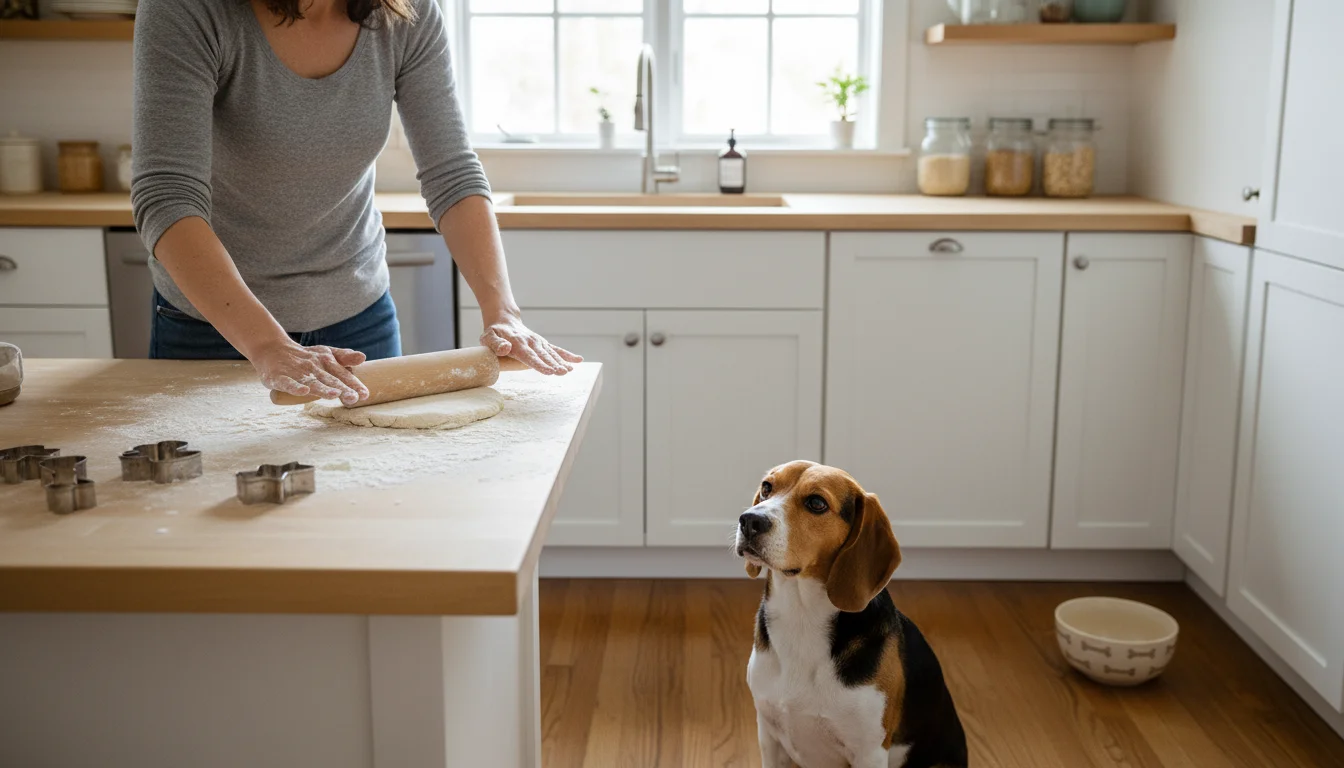
DIY Projects and Homemade Treats for Year-Round Fun
Embrace your creativity to craft pet-friendly items and treats. These projects offer personalized enrichment and strengthen your bond.
Homemade Toys for Every Season
- Spring Puzzle Feeder: Cut holes in a clean plastic bottle. Fill with kibble. Your pet rolls it to dispense food, stimulating problem-solving skills.
- Summer Chill Toy: Freeze a mixture of pet-safe broth and small pieces of cooked chicken or fruit in an ice cube tray. These offer a refreshing, long-lasting treat on hot days.
- Autumn Snuffle Mat: Cut strips of fleece and tie them through a rubber mat with holes. Hide treats deep within the fabric for a stimulating scent-work activity.
- Winter Fetch Toy: Braid old t-shirt strips together to create a durable, washable tug toy.
Pet-Safe Treat Recipes
Always consult your veterinarian before introducing new foods, especially for pets with allergies or dietary restrictions. Use plain, unsweetened ingredients.
Pumpkin Peanut Butter Bites (Dog-Friendly):
- Preheat oven to 350°F (175°C).
- Mix 1 cup pumpkin puree (not pie filling), 1/2 cup natural peanut butter (xylitol-free!), and 2 eggs.
- Gradually add 2-3 cups whole wheat flour until a dough forms.
- Roll out the dough and use cookie cutters to create shapes.
- Bake for 15-20 minutes, or until firm.
- Allow to cool completely before serving. Store in an airtight container.
Tuna Catnip Treats (Cat-Friendly):
- Preheat oven to 350°F (175°C).
- Blend one 5 oz can of tuna (in water, drained), 1/2 cup oat flour, and 1 egg.
- Add 1-2 teaspoons of dried catnip (optional).
- Form small, pea-sized balls and place on a baking sheet.
- Bake for 10-12 minutes, or until firm.
- Cool completely before serving. Store in the refrigerator.
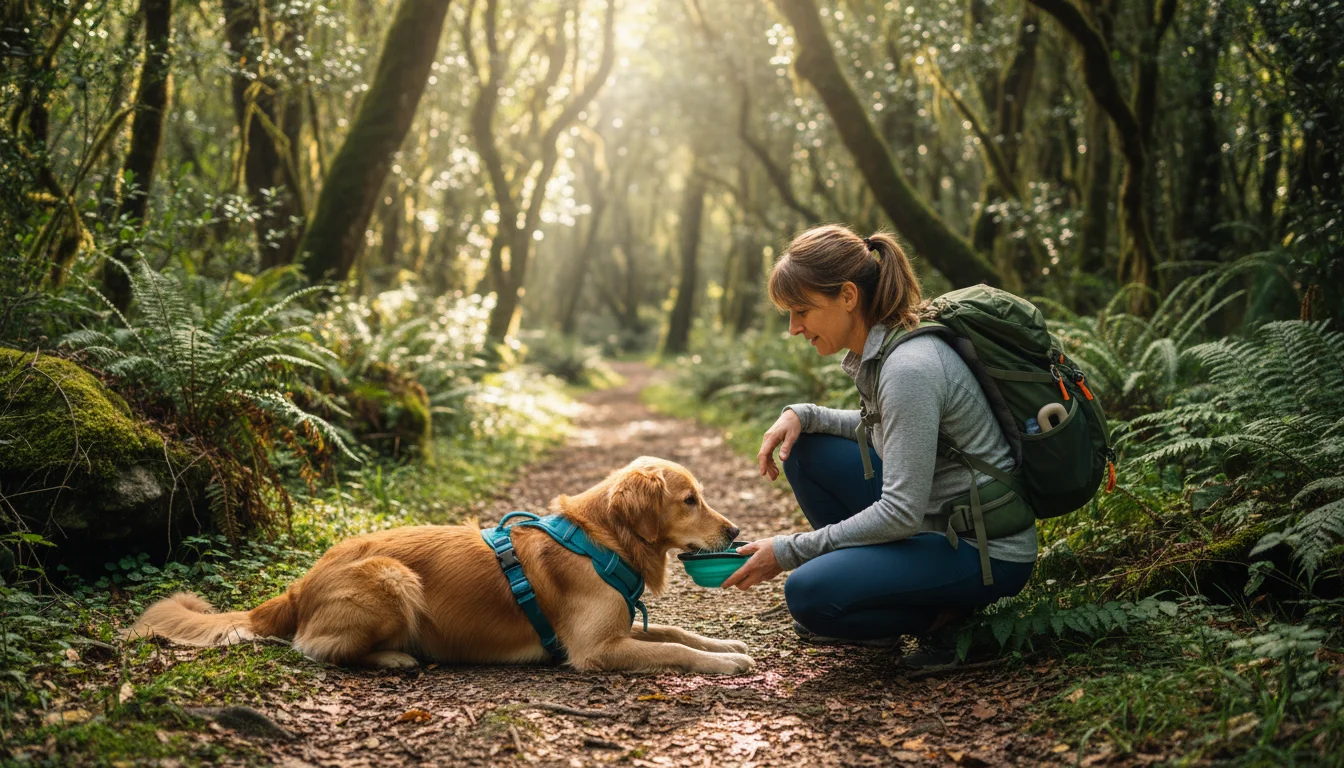
Pet-Friendly Travel Beyond Holidays
Beyond holiday specific travel, integrating your pet into everyday adventures enriches their lifestyle and strengthens your bond. Planning and preparation remain key to safe and enjoyable experiences.
Essential Packing List for Pet Travel
Before any trip, compile a comprehensive list:
- Food and water (enough for the entire trip, plus extra)
- Food and water bowls
- Medications (with prescriptions if necessary)
- Medical records (vaccination certificates, vet contact info)
- Leash, collar, and ID tags (with current contact information)
- Crate or carrier (labeled with your name and contact info)
- Waste bags
- Favorite toys and comfort items
- First-aid kit (gauze, antiseptic wipes, tweezers, vet wrap)
- Grooming supplies (brush, wipes)
- Travel-sized litter box and litter for cats
For air travel, research airline-specific requirements well in advance. These often include specific carrier dimensions, health certificates from your veterinarian, and breed restrictions. Many airlines also have temperature restrictions for pets traveling in cargo. Early planning prevents last-minute stress.
Choosing Pet-Friendly Destinations and Activities
Seek out destinations that actively welcome pets. Many national parks, state parks, and beaches offer designated pet-friendly trails and areas. Websites and apps specializing in pet travel can help you locate suitable hotels, restaurants with outdoor pet-friendly seating, and local attractions. Always verify pet policies directly with establishments before booking.
Troubleshooting Common Holiday Pet Challenges
Even with careful planning, challenges can arise. Knowing how to address common issues ensures a smoother experience for you and your pet.
Managing Pet Stress and Anxiety
Symptoms of stress include excessive panting, drooling, pacing, hiding, trembling, or destructive behaviors. If you notice these signs, provide immediate access to their quiet retreat. Engage them in a calming activity like a gentle massage or a quiet puzzle toy. For persistent or severe anxiety, especially around specific triggers like noise, consult your veterinarian. They may recommend supplements, pheromone diffusers, or prescribe anxiety medication. A certified professional dog trainer, such as those recognized by the Association of Professional Dog Trainers (APDT), can also provide behavior modification strategies.
Dealing with Begging and Counter Surfing
Prevent begging by feeding your pet their regular meal or a special pet-safe treat before guests arrive. Ask guests not to feed your pet from the table. If your pet consistently begs or counter surfs, calmly redirect their attention to a designated chewing toy or a puzzle feeder. Consistent training using positive reinforcement methods helps teach impulse control. Never punish your pet for these behaviors, as it can create fear and worsen anxiety.
Accidents and Emergency Preparedness
New environments or stress can sometimes lead to indoor accidents. Clean up promptly with an enzymatic cleaner to eliminate odors that might attract your pet back to the same spot. Keep your veterinarian’s contact information, as well as the nearest 24-hour emergency vet clinic, readily accessible. Know the signs of common holiday pet emergencies, such as vomiting, diarrhea, lethargy, or signs of pain after ingesting something harmful. Swift action makes a significant difference in outcomes.
Frequently Asked Questions
Is it safe to leave my pet alone during holiday parties?
It depends on your pet. If your pet is prone to anxiety, fear, or destructive behavior when left alone, especially with unusual noises or visitors, it is best to have a trusted sitter or family member check on them. If your pet is comfortable in their designated safe space, leaving them there with plenty of water, food, and enrichment toys works well. Always prioritize their comfort and safety over convenience.
How can I introduce my pet to new holiday decorations safely?
Introduce new decorations gradually. Place items in supervised areas first to observe your pet’s reaction. Use barriers, like baby gates, to block access to areas with potentially hazardous items like Christmas trees or delicate ornaments. Secure cords and choose pet-safe alternatives whenever possible. Reward calm behavior around new decorations with treats and praise, making the experience positive.
My pet loves to chew on everything. How do I protect holiday gifts and packaging?
Provide appropriate chew toys and redirect your pet to these whenever they show interest in gifts or packaging. Store gifts in a secure, inaccessible location until it is time to open them. Supervise gift opening closely and immediately dispose of wrapping paper, ribbons, and bows, as these pose choking or ingestion hazards.
Can I bring my pet to a potluck or gathering at someone else’s house?
Always ask the host in advance if pets are welcome. Even if they are, consider if your pet will genuinely enjoy the experience. An unfamiliar environment with new people, smells, and potentially different rules can be stressful. If you do bring your pet, ensure they are well-behaved, leash-trained, and have a designated quiet area to retreat to. Bring their food, water, and waste bags, and respect the host’s home and preferences.
For expert pet care guidance, visit
Vetstreet, Fear Free Pets, The Spruce Pets and Rover — Pet Care Blog.
Disclaimer: This article is for informational purposes only and is not a substitute for professional veterinary advice, diagnosis, or treatment. Always consult with a licensed veterinarian for medical concerns about your pet.


Leave a Reply