
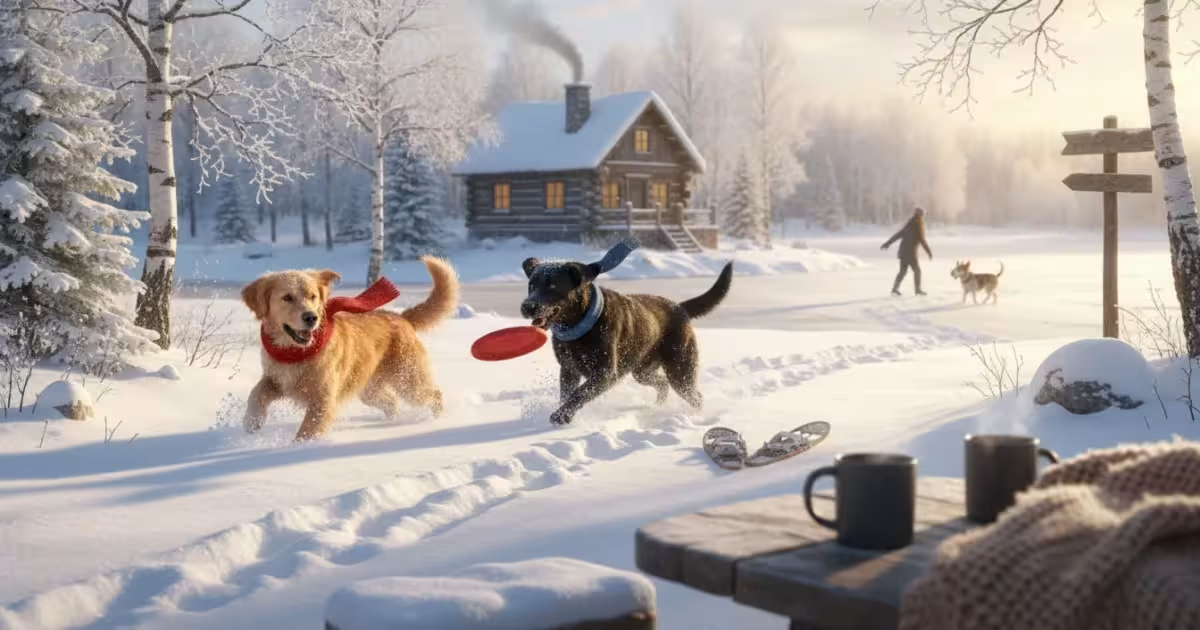
Winter brings crisp air and beautiful scenery, but for many dog owners, it also presents a challenge: how do you keep your canine companion active and engaged when the temperatures drop and daylight hours shrink? Your dog’s need for physical exercise and mental stimulation does not hibernate with the snow. Maintaining their activity levels during the colder months is crucial for their physical health, mental well-being, and your bond together. Regular exercise helps manage weight, supports joint health, and reduces the likelihood of behavioral issues that often stem from boredom or pent-up energy. When you provide enriching activities, you keep your dog happy and healthy throughout the winter season.
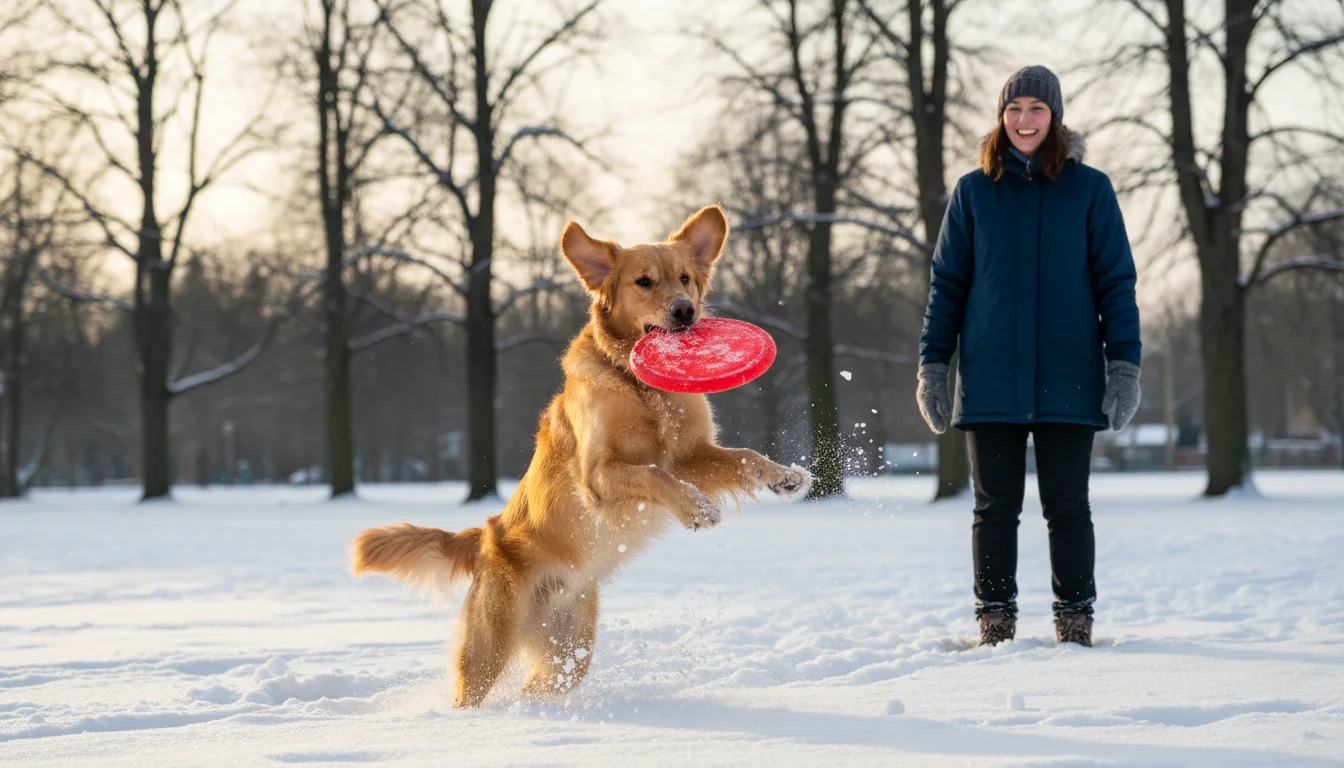
The Importance of Winter Activity for Your Dog’s Well-being
Your dog needs consistent activity, even when the weather outside turns frosty. The benefits extend far beyond simply burning off energy. Physically, regular exercise helps maintain a healthy weight, which prevents strain on joints and reduces the risk of conditions such as arthritis. Active dogs also boast stronger immune systems and better cardiovascular health. Mentally, stimulation from new activities or familiar games prevents boredom, a common trigger for destructive behaviors like chewing furniture, excessive barking, or digging. Dogs thrive on routine and engagement, and winter should not disrupt this vital aspect of their lives.
For young, energetic dogs, consistent activity channels their natural exuberance productively. For senior dogs, gentle, consistent movement helps maintain flexibility and muscle mass, easing age-related stiffness. Breeds with thick coats may tolerate cold better, while short-haired or small breeds require extra protection and often prefer indoor activities. Understanding your dog’s specific needs and limits allows you to tailor their winter activity plan effectively. Prioritizing their activity promotes a balanced and content pet, strengthening the incredible bond you share.
Safety First: Preparing Your Dog for Cold Weather Fun
Ensuring your dog’s safety is paramount when planning winter activities. Cold weather presents specific hazards that require your attention and preparation. Before you step outside, take precautions to protect your dog from the elements and environmental dangers.
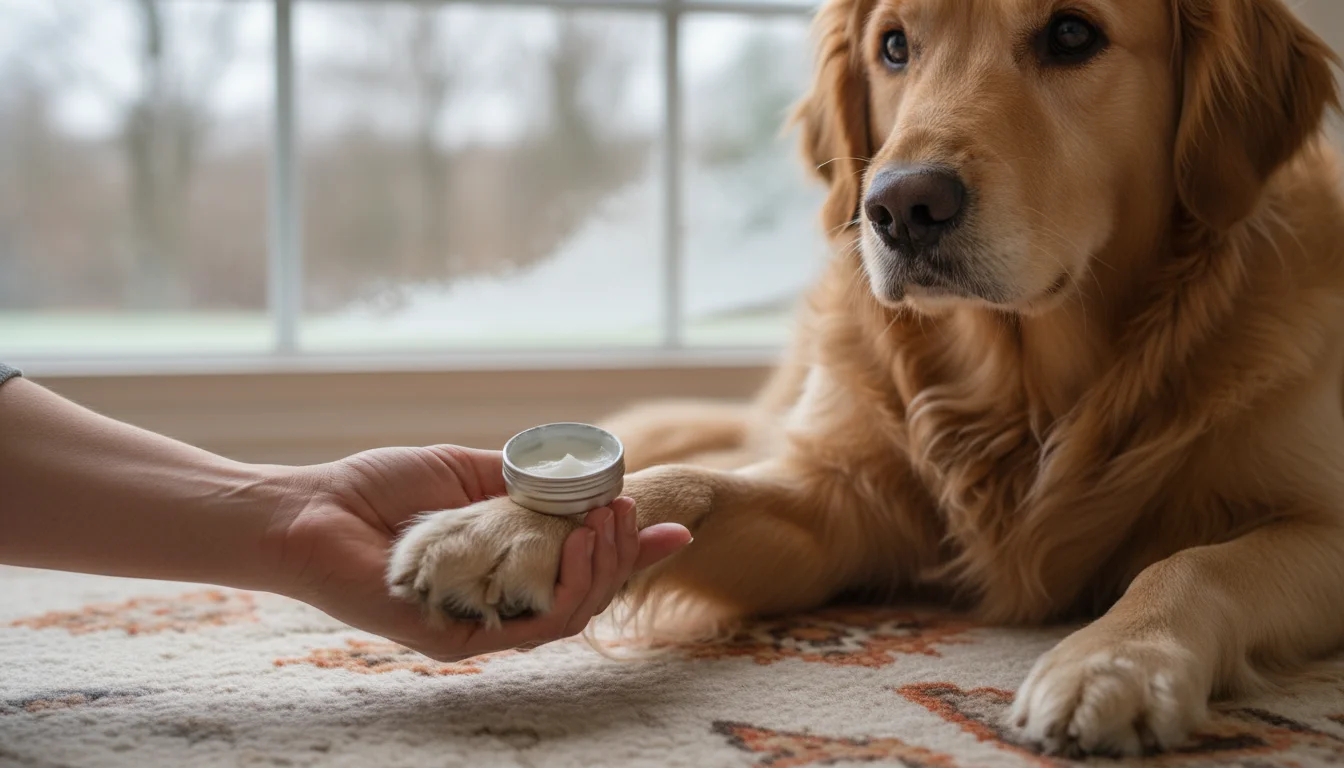
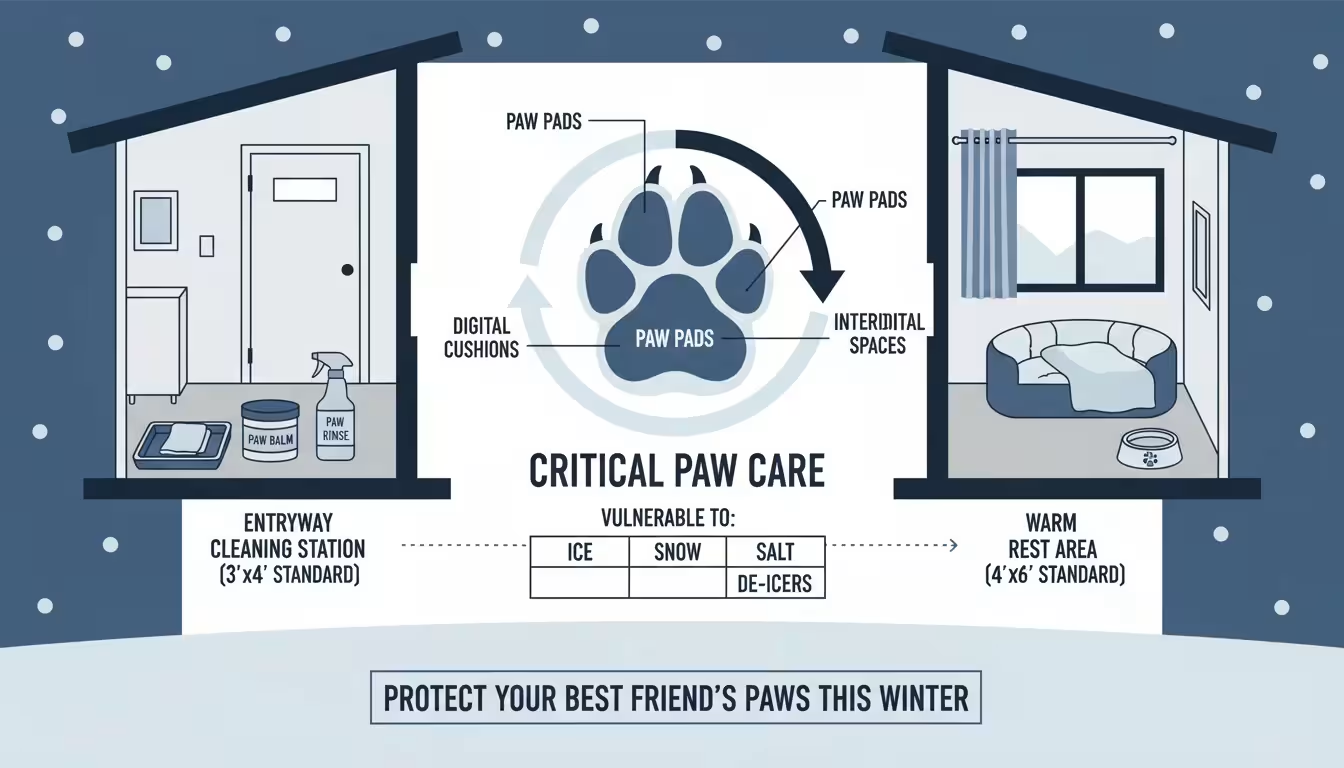
Paw Care is Critical: Your dog’s paws are vulnerable to ice, snow, salt, and de-icing chemicals. Consider using dog booties to provide a protective barrier. If booties are not an option, apply a paw balm or wax before going out. These products create a protective layer and moisturize the pads. Upon returning indoors, always wipe your dog’s paws thoroughly to remove salt, ice, and chemicals, which can cause irritation or be toxic if ingested. According to the American Veterinary Medical Association (AVMA), exposure to de-icing salts and chemicals can cause chemical burns to paw pads and lead to digestive upset if dogs lick their paws after contact.
Warmth and Protection: Not all dogs are built for winter weather. Short-haired breeds, puppies, senior dogs, and those with underlying health conditions benefit from sweaters or coats. Choose outerwear that fits well, offers good insulation, and covers their belly. Ensure it does not restrict movement or rub uncomfortably. Always monitor your dog for signs of being too cold, such as shivering, whining, slowing down, or lifting paws. These signs indicate it is time to head indoors immediately.
Hydration and Nutrition: Dogs can become dehydrated in winter, just as they can in summer. Cold air is dry, and dogs may be less inclined to drink cold water. Ensure your dog has access to fresh, unfrozen water both before and after outdoor excursions. Some dogs may require a slightly increased caloric intake to maintain body temperature in very cold conditions, but consult your veterinarian before making significant dietary changes.
Environmental Hazards: Be vigilant about ice and slippery surfaces to prevent falls and injuries. Avoid frozen bodies of water, as thin ice poses a significant drowning risk. De-icing chemicals, particularly antifreeze, are highly toxic. Keep your dog away from puddles or areas where these chemicals might be present. Always supervise your dog closely during outdoor winter activities to prevent them from ingesting harmful substances or encountering unforeseen dangers.
Cozy Indoors: Engaging Your Dog with Brain Games and Enrichment
When the weather makes outdoor play impossible or uncomfortable, turn your home into an exciting playground for your dog. Indoor activities offer excellent mental stimulation, crucial for preventing boredom and fostering a happy, well-behaved companion. Engage your dog’s mind with these fun and effective options.
Puzzle Toys and Interactive Feeders
Puzzle toys challenge your dog to figure out how to access treats or food. These toys tap into their natural problem-solving instincts. Options range from simple treat-dispensing balls to complex multi-step puzzles. Start with easier puzzles to build your dog’s confidence, gradually introducing more challenging ones. This keeps them engaged and prevents frustration.
- Kongs: Stuff a Kong with peanut butter, yogurt, kibble, or even frozen broth. Freezing makes the challenge last longer.
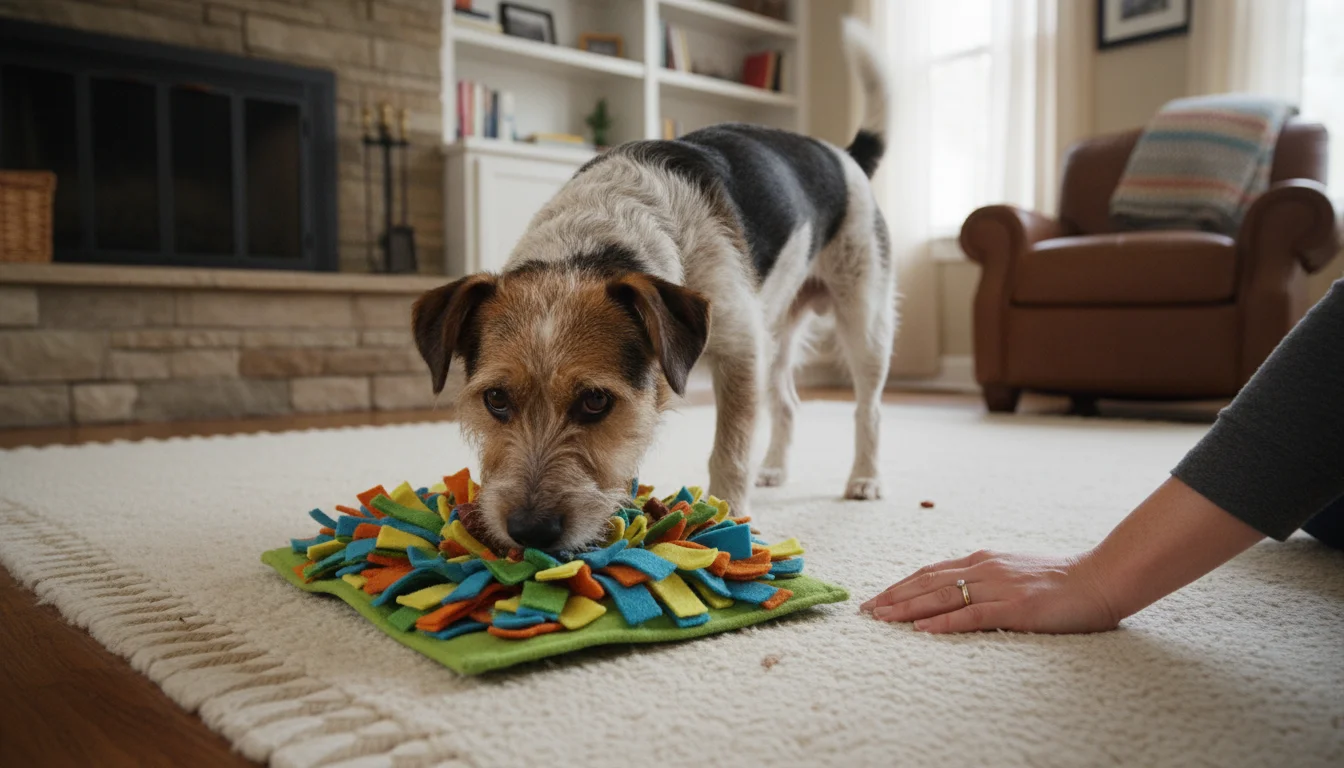
- Snuffle Mats: Hide dry kibble or small treats deep within the fabric strips of a snuffle mat. Your dog uses their nose to find the hidden rewards, engaging their powerful sense of smell.
- Interactive Feeders: These bowls have mazes or obstacles that slow down eating and provide mental work during mealtime. They turn mealtime into a stimulating activity.
Scent Games
Dogs navigate the world with their noses, and scent games are incredibly enriching. They are easy to set up indoors and require minimal equipment.
- “Find It” Game: Start by showing your dog a high-value treat. Tell them “Find It” and toss the treat a short distance. As they grasp the concept, gradually hide treats in more challenging spots around a room, then in multiple rooms.
- Hide-and-Seek: Have your dog stay in one room while you hide in another part of the house. Call their name enthusiastically. When they find you, reward them with praise and a small treat. This reinforces their recall and provides mental exercise.
- Shell Game: Place three opaque cups upside down. Show your dog a treat, place it under one cup, and then shuffle the cups. Encourage them to choose the cup with the treat. This sharpens their observational skills.
Indoor Agility and Training New Tricks
You do not need a large space or specialized equipment for indoor agility. You can create a fun course using everyday household items. Training new tricks also provides excellent mental stimulation and strengthens your bond.
- DIY Agility Course:
- Use pillows or cushions as low jumps.
- Arrange chairs for weave poles.
- Drape a blanket over two chairs to create a tunnel.
- Use a broomstick resting on two low boxes as a limbo bar.
Always prioritize safety. Keep obstacles low and ensure soft landings. Use positive reinforcement, like treats and praise, to guide your dog through the course.
- Learn New Tricks: Teach your dog tricks like “shake a paw,” “roll over,” “bow,” or “spin.” Breaking down complex tricks into small, achievable steps makes learning fun and rewarding. Positive reinforcement, as advocated by organizations like the Association of Professional Dog Trainers (APDT), encourages your dog to offer desired behaviors willingly, building confidence and trust.
Embracing the Chill: Outdoor Winter Adventures
While safety remains your top concern, many dogs truly love winter’s unique opportunities for outdoor fun. With the right precautions and gear, you and your dog can enjoy invigorating adventures in the cold.
Snowshoeing and Cross-Country Skiing with Your Dog
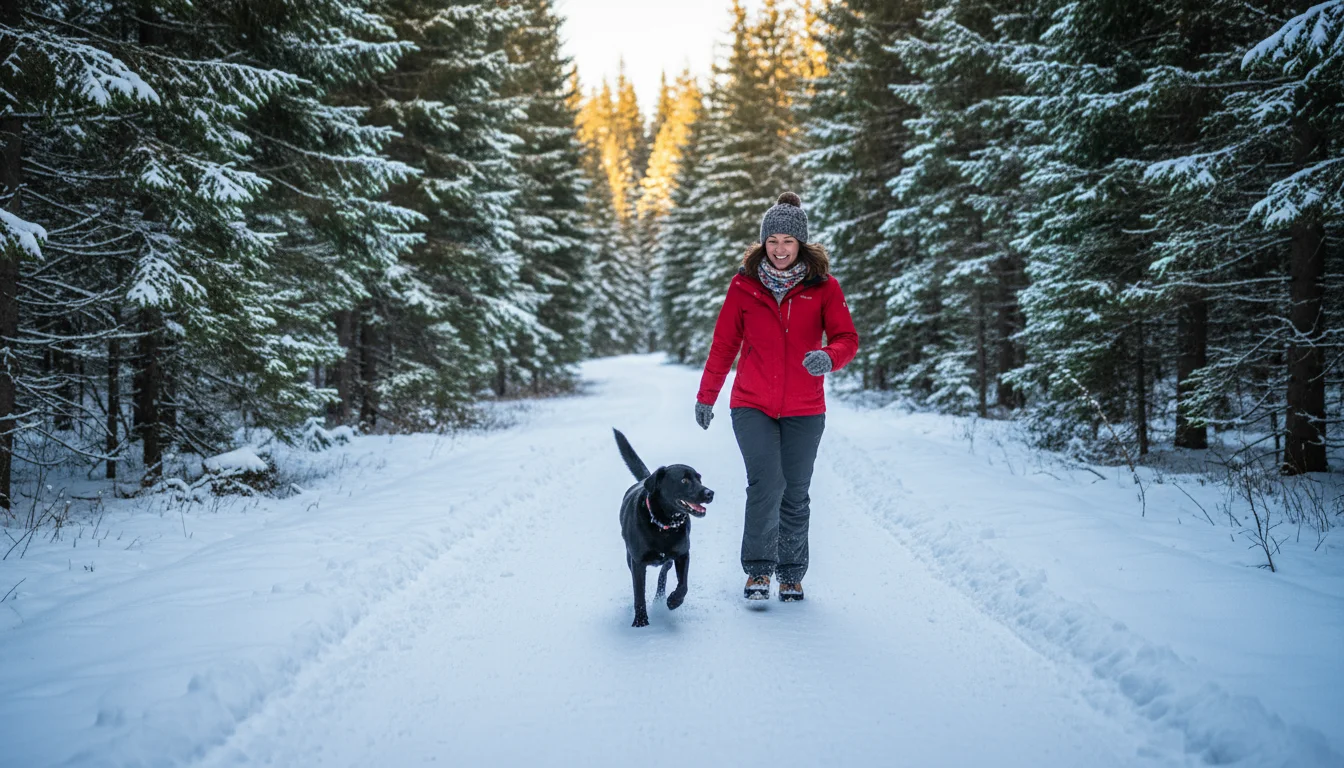
If you enjoy winter sports, consider bringing your dog along. Snowshoeing and cross-country skiing can provide excellent exercise for active dogs. Ensure your dog is physically conditioned for these activities and accustomed to the cold. Outfit them with a well-fitting harness designed for pulling, and use a skijor leash if you plan to ski. Always check trail regulations to confirm dogs are permitted. Watch for signs of fatigue or cold in your dog, and turn back if they appear uncomfortable.
Winter Hikes and Walks
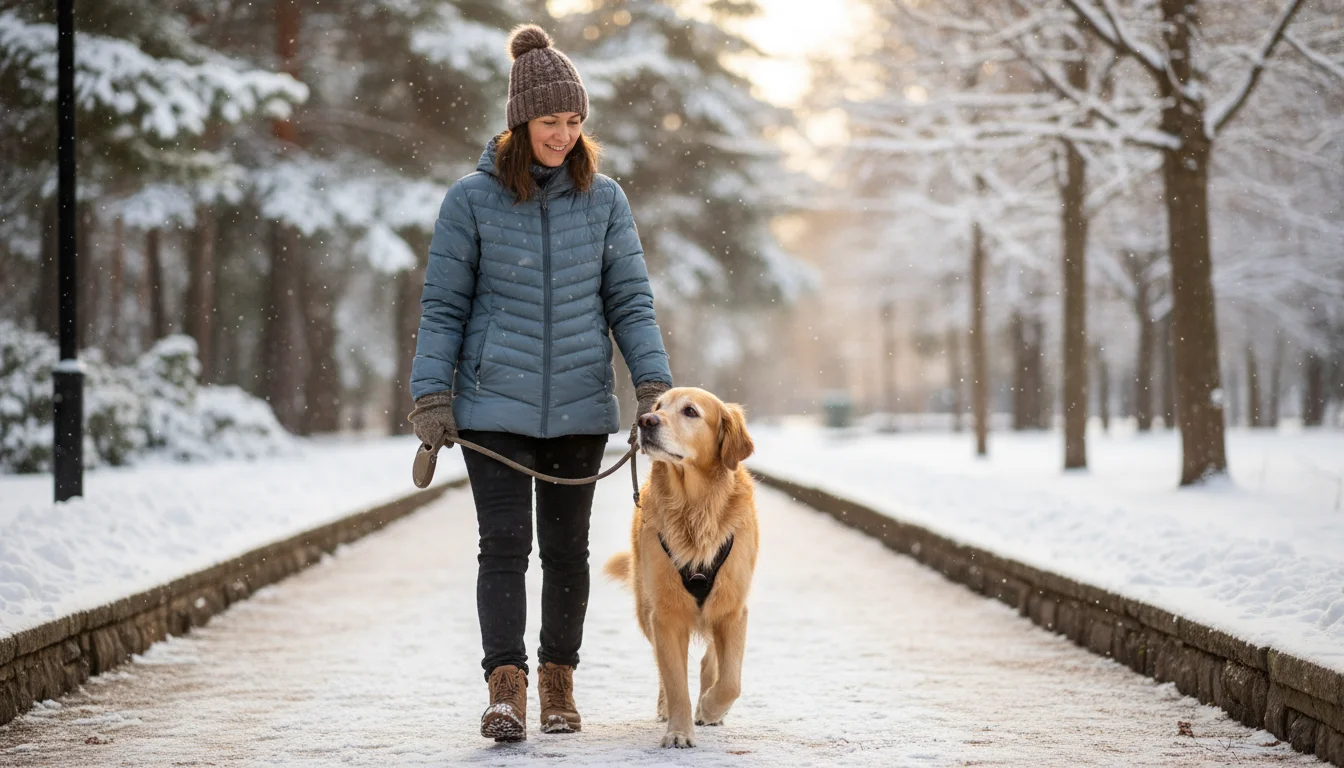
Even a brisk walk or hike in a snowy park offers a refreshing change of pace. Choose familiar trails that are well-maintained to avoid hidden hazards under the snow. Keep your dog leashed, especially in areas with wildlife or changing terrain. Pay close attention to paw protection and warmth. Shorter, more frequent walks might be better than one long excursion on very cold days. Bring a thermos of warm water for your dog to help them stay hydrated.
Snow Play
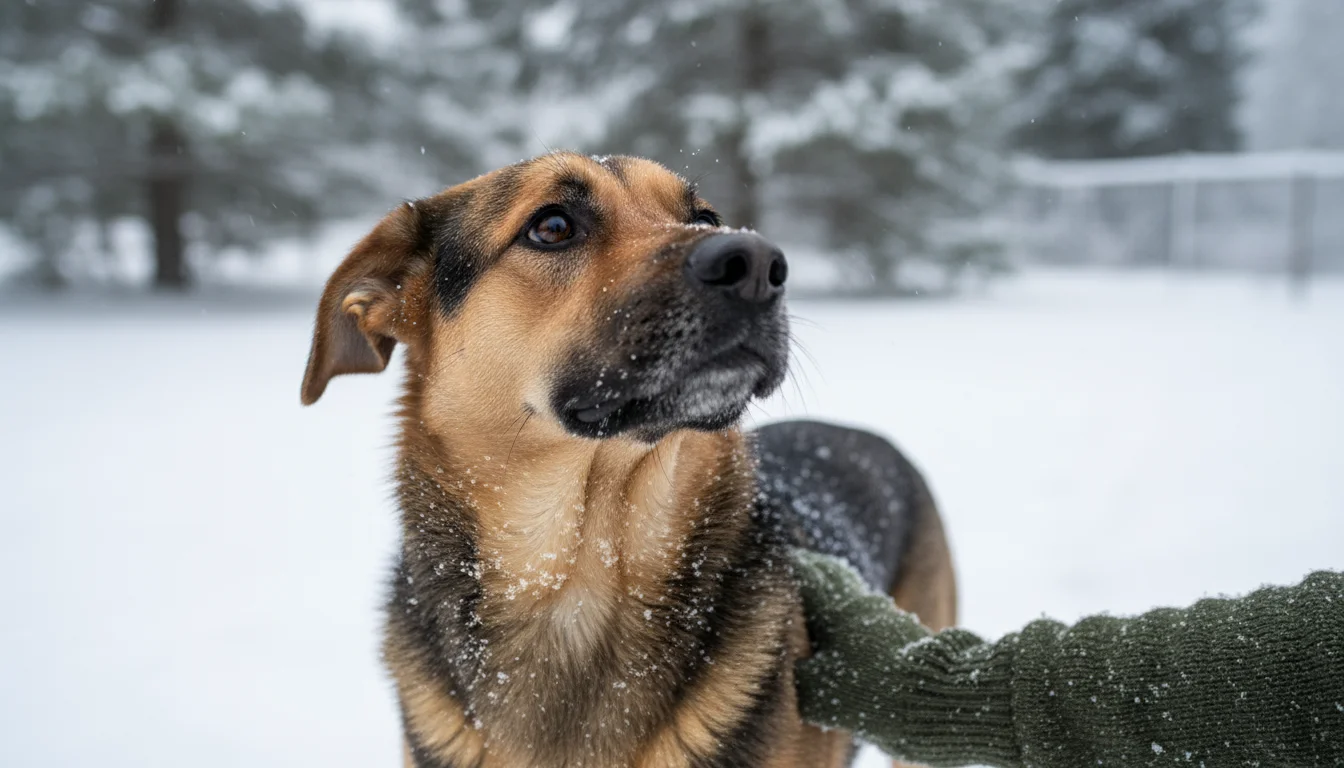
For many dogs, snow itself is a source of immense joy. Throwing snowballs can be a fun variation on fetch, but monitor your dog to ensure they do not eat excessive amounts of snow, which can lead to an upset stomach or even hypothermia in extreme cases. Let them dig and roll in fresh powder. Some dogs love to tunnel through deeper snow. Supervise closely and ensure the snow is clean and free of hidden objects or chemicals.
Safety Reminders for Outdoor Play
- Leash Use: Always keep your dog on a leash, especially in areas with slippery surfaces or obscured paths. A strong leash provides safety and control.
- Shorten Outings: Even cold-hardy breeds have limits. Err on the side of shorter outdoor sessions to prevent frostbite or hypothermia.
- Check Paws: Regularly inspect paws for ice balls, cracks, or irritation from salt.
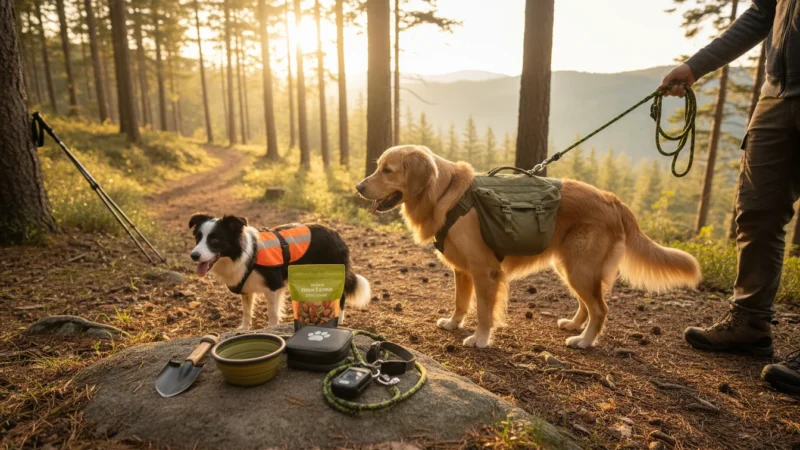
- Visibility: Dress yourself and your dog in bright colors or reflective gear, especially during overcast days or at dusk, to enhance visibility for safety.
Tailored Fun: Activities for Different Dogs
Every dog is an individual, and their ideal winter activity plan reflects their age, breed, size, and health status. What invigorates one dog might overwhelm another. Adapt your approach to ensure your pet’s comfort and enjoyment.
Puppies and Young Dogs
Puppies have boundless energy but are also more susceptible to cold and fatigue. Focus on shorter outdoor play sessions, perhaps 10-15 minutes at a time, followed by warm-up periods indoors. Emphasize indoor games that build confidence and body awareness, such as gentle indoor fetch or supervised puppy playdates. Continue with basic obedience training, transforming learning into fun games.
Senior Dogs
Older dogs often suffer from arthritis or decreased mobility, making cold weather particularly challenging. Prioritize warmth and gentle activity. Short, warm walks are beneficial for joint flexibility. Indoor enrichment, such as puzzle toys or gentle scent games, provides mental stimulation without physical strain. Consider a comfortable dog bed with orthopedic support and ensure easy access to food and water. Consult your veterinarian about joint supplements or pain management options for their comfort.
High-Energy Breeds
Breeds like Border Collies, Huskies, and German Shepherds require significant physical and mental exertion regardless of the weather. When safe, provide longer outdoor adventures like vigorous hikes or snow runs. Indoors, engage them with advanced puzzle toys, multi-step obedience training, or indoor agility courses to channel their drive. Consider dog sports like nose work or canine freestyle, which can be adapted for indoor spaces.
Small Breeds
Small dogs lose heat more quickly and often have less ground clearance, making them more vulnerable to deep snow and cold surfaces. Provide extra layers of warmth with sweaters and coats. Prioritize indoor games, creating a stimulating environment within your home. If venturing outside, keep walks short and consider carrying them over deep snow patches. A pet stroller can offer a warm, safe way to experience the outdoors.
Brachycephalic Breeds
Breeds with short noses, such as Bulldogs, Pugs, and French Bulldogs, can have difficulty regulating their body temperature and are prone to respiratory issues. Monitor them closely for any signs of labored breathing or overheating, even in cold weather. Keep outdoor exposure extremely brief, focusing primarily on warm, indoor enrichment. Avoid strenuous activities that could lead to respiratory distress.

DIY Delight: Crafting Winter Entertainment for Your Dog
You do not need to spend a lot of money to keep your dog entertained during winter. Many effective and fun enrichment items can be made using household materials. DIY projects offer a budget-friendly way to provide mental and physical stimulation.
Homemade Snuffle Mat
A snuffle mat encourages your dog’s natural foraging instincts and is easy to make. You will need a rubber mat with holes (like a sink mat or anti-fatigue mat) and strips of fleece fabric (about 1-2 inches wide and 8-10 inches long).
- Cut the fleece into strips.
- Tie each strip through the holes in the rubber mat, creating a dense, shaggy surface.
- Continue until the entire mat is covered.
- Hide kibble or small treats deep within the fleece for your dog to sniff out.
This activity provides a rewarding challenge for their nose and mind.
DIY Puzzle Toys
Transform everyday items into engaging puzzle toys.
- Plastic Bottle Dispenser: Take a clean, empty plastic water bottle. Remove the cap and label. Fill it with a few pieces of kibble or small treats. Your dog bats and rolls the bottle to get the treats out. Supervise to ensure they do not chew on the plastic.
- Cardboard Box Game: Place treats inside several small, empty cardboard boxes. Close the flaps loosely. Arrange the boxes in a larger box or on the floor. Your dog investigates and paws at the boxes to get to the treats. Always ensure no staples or sharp edges are present.
- Muffin Tin Challenge: Place a treat in each cup of a muffin tin. Cover each cup with a tennis ball or another toy your dog can easily move. Your dog removes the balls to uncover the treats.
Frozen Treats
Frozen treats offer long-lasting mental stimulation and are easy to prepare.
- Broth Ice Cubes: Pour low-sodium chicken or beef broth into an ice cube tray and freeze. Offer these as a refreshing and engaging treat.
- Stuffed Kongs: As mentioned, a Kong stuffed with a mix of wet and dry ingredients and then frozen provides a substantial challenge. Try layering kibble, peanut butter, and a bit of plain yogurt.
- Lick Mats: Spread dog-safe peanut butter, plain yogurt, or canned pumpkin on a lick mat and freeze it. Licking is a self-soothing behavior for dogs and provides a calming, long-lasting activity.
Always supervise your dog when introducing new DIY toys or treats to ensure safety and prevent ingestion of non-food items.
When to Seek Professional Guidance
While proactive care and engaging activities help keep your dog happy, there are times when professional expertise is invaluable. Recognizing these moments ensures your dog receives the best possible care.
Sudden Behavioral Changes
If your dog suddenly becomes lethargic, withdrawn, unusually destructive, or exhibits new aggression or anxiety despite increased enrichment, consult your veterinarian first. Rule out any underlying medical conditions before addressing behavioral causes. If the vet clears them, consider contacting a certified professional dog trainer or a veterinary behaviorist. These experts can assess the root cause of the behavior and develop a tailored positive reinforcement plan. The American College of Veterinary Behaviorists (ACVB) offers a directory of board-certified professionals who can help with complex behavioral issues.
Physical Discomfort or Injury
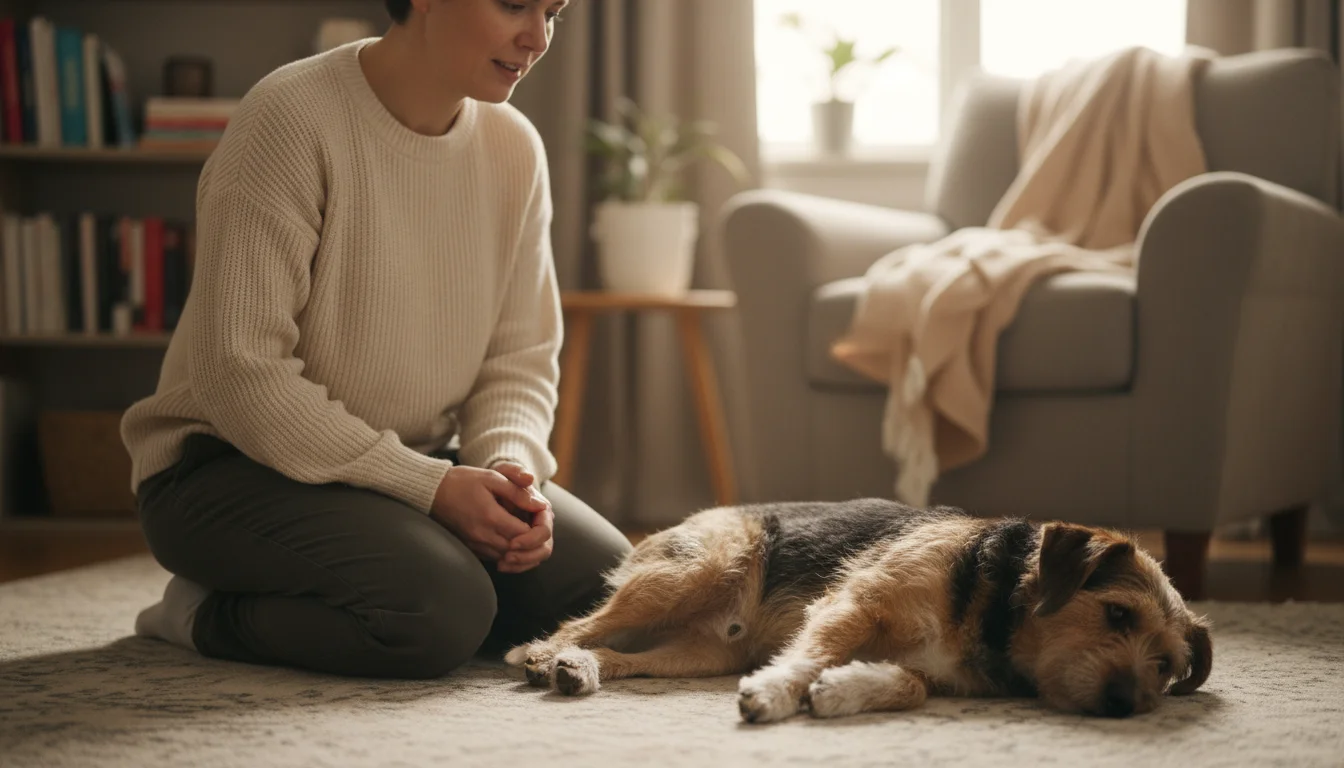
Any signs of lameness, limping, reluctance to move, persistent shivering, or unusual vocalizations during or after winter activities warrant a veterinary visit. These symptoms could indicate an injury, frostbite, or a worsening of an underlying condition like arthritis. Early intervention can prevent minor issues from becoming severe. Additionally, if you suspect your dog has ingested a toxic substance, such as antifreeze or excessive de-icing salt, contact your veterinarian or the Pet Poison Helpline immediately.
Extreme Fear or Dislike of Winter
Some dogs genuinely dislike cold weather, snow, or wearing protective gear. If your dog exhibits extreme fear, anxiety, or distress related to winter outings, forcing them can be detrimental. A professional trainer can guide you through desensitization and counter-conditioning techniques to help your dog develop a more positive association with winter elements. If a dog refuses to wear booties, a trainer can offer techniques to slowly introduce them in a positive, reward-based manner, increasing acceptance over time.
Frequently Asked Questions
Is it safe for my dog to eat snow?
Eating small amounts of clean, fresh snow is generally not harmful. However, avoid letting your dog eat large quantities of snow, especially dirty snow from roadsides, which can contain salt, chemicals, or other contaminants. Ingesting too much cold snow can lead to an upset stomach or even a drop in body temperature, especially for smaller dogs. Always offer fresh water instead of relying on snow for hydration.
How do I know if my dog is too cold?
Watch for key signs: shivering, hunching their back, lifting paws off the ground, whining, seeking shelter, or slowing down their pace. Pay attention to their ears and paws; if they feel unusually cold to the touch, your dog is likely too cold. Puppies, senior dogs, and those with thin coats are more susceptible. If you observe any of these signs, bring your dog indoors immediately to warm up.
Can my dog get cabin fever in winter?
Yes, dogs can absolutely experience boredom and frustration from reduced activity, often referred to as “cabin fever.” This can manifest as destructive chewing, excessive barking, digging, or general restlessness. Providing consistent physical exercise and, more importantly, mental enrichment through puzzle toys, training, and indoor games helps prevent these behavioral issues and keeps your dog’s mind stimulated and happy.
What if my dog doesn’t like wearing booties?
Many dogs resist booties at first. Introduce them gradually and positively. Start by letting your dog sniff and investigate the booties, rewarding calm interactions with treats. Then, put one bootie on for a few seconds, offering a treat, and immediately remove it. Slowly increase the time and number of booties. Never force them or make it a negative experience. You might also try different styles or brands of booties to find a more comfortable fit for your dog.
Are certain dog breeds better suited for winter activities?
Breeds with thick double coats, like Siberian Huskies, Alaskan Malamutes, Samoyeds, and Bernese Mountain Dogs, are generally better adapted to cold weather and often enjoy snow activities. However, even these breeds have limits and require monitoring. Breeds with short coats, small size, or brachycephalic (flat) faces are less tolerant of cold and require more protection and shorter outdoor times.
Embracing winter with your dog means finding creative ways to keep them active, happy, and stimulated. By prioritizing safety, understanding your dog’s individual needs, and exploring a mix of indoor and outdoor activities, you can ensure the colder months remain a joyful and enriching time for both of you. Winter offers unique opportunities for bonding and discovery, transforming potential challenges into delightful shared experiences. Enjoy the season with your beloved companion, making memories that last.
For expert pet care guidance, visit
American College of Veterinary Behaviorists (ACVB), Pet Poison Helpline and FDA Center for Veterinary Medicine.
Disclaimer: This article is for informational purposes only and is not a substitute for professional veterinary advice, diagnosis, or treatment. Always consult with a licensed veterinarian for medical concerns about your pet.


Leave a Reply