
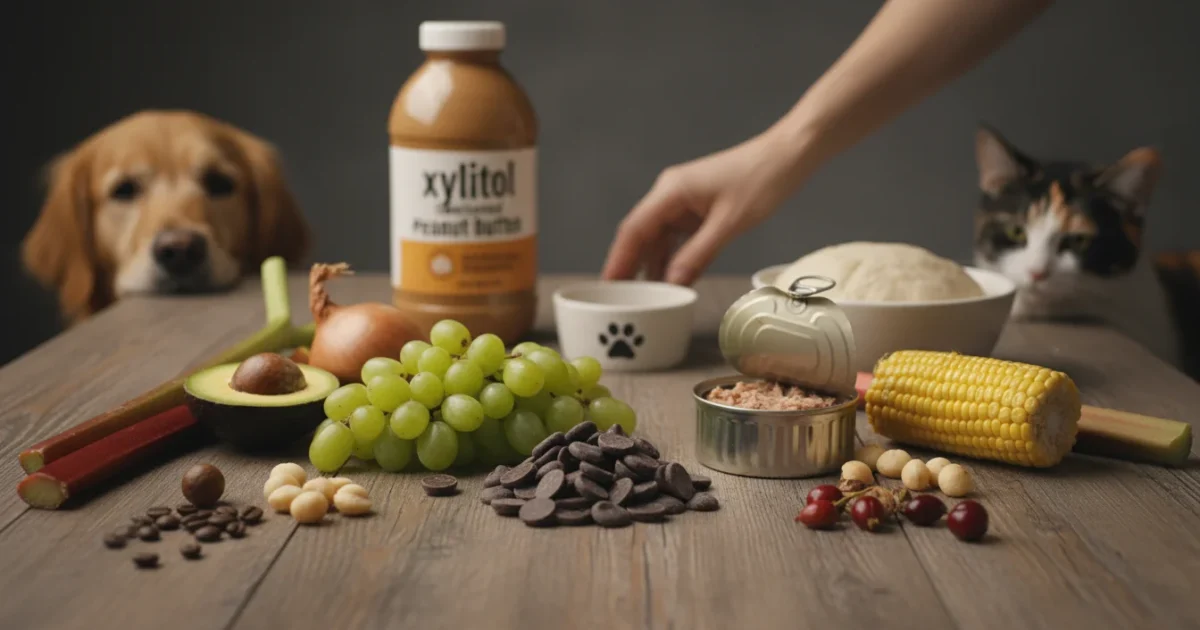
As a loving pet owner, you naturally want to share every part of your life with your furry companions, and that often includes food. However, what tastes delicious and is perfectly safe for you can be incredibly harmful, even deadly, for your dog, cat, or other companion animals. Understanding which human foods pose a threat is a critical aspect of responsible pet health. This article provides practical, actionable insights to help you protect your pets from common dietary dangers, ensuring they live long, healthy lives. We focus on preventive care and clear guidance, allowing you to confidently manage your pet’s diet and keep them safe from everyday hazards.
In addition to dietary safety, creating a pet-friendly home ensures that all potential hazards are kept out of reach from your curious companions.

Understanding Pet Toxicology: Why Certain Human Foods Harm Pets
Pets metabolize substances differently than humans do. Their digestive systems are often more sensitive, and their bodies lack specific enzymes to break down certain compounds. This means that ingredients harmless to us can become concentrated toxins in their systems. For instance, the compound theobromine in chocolate, which humans process quickly, stays in a dog’s body for a much longer time, accumulating to toxic levels. Understanding these physiological differences is key to safeguarding your pet’s well-being and practicing responsible pet care.
Beyond toxic compounds, some animals may also suffer from pet allergies that require careful dietary management and monitoring.
The Dangerous Dozen: 12 Human Foods to Avoid
Here are 12 specific human foods that are dangerous for pets, with explanations of why they pose a risk and what symptoms you might observe if your pet ingests them.
Feeding a high-quality diet from the best dog food brands is the most effective way to ensure your pet stays satisfied and healthy.
1. Chocolate
Why it’s dangerous: Chocolate contains theobromine and caffeine, which are stimulants. Dogs, especially, metabolize these compounds much slower than humans, leading to toxic buildup. Dark chocolate and baking chocolate contain higher concentrations of theobromine, making them more dangerous than milk chocolate.
Symptoms: Vomiting, diarrhea, increased thirst, panting, restlessness, hyperactivity, tremors, seizures, and an elevated heart rate. Severe cases can lead to heart failure, coma, and death.
2. Grapes and Raisins
Why it’s dangerous: The exact toxic substance in grapes and raisins remains unknown, but even small amounts can cause acute kidney failure in dogs. This toxicity affects some dogs profoundly while others show no signs, indicating a potential individual sensitivity.
Symptoms: Vomiting, diarrhea, lethargy, decreased appetite, abdominal pain, increased thirst, and reduced or absent urination (a sign of kidney failure).
3. Onions, Garlic, Chives, and Leeks (Allium Family)
Why it’s dangerous: These vegetables contain compounds that can damage red blood cells in pets, leading to hemolytic anemia. Garlic is generally considered more toxic than onions, but all members of the allium family pose a risk, whether raw, cooked, dried, or powdered. Cats are particularly susceptible.
Symptoms: Vomiting, diarrhea, lethargy, weakness, pale gums, rapid breathing, and reddish-brown urine.
4. Xylitol (Artificial Sweetener)
Why it’s dangerous: Xylitol, found in many sugar-free products like gum, candies, certain peanut butters, and some baked goods, causes a rapid and severe release of insulin in dogs. This leads to a dangerous drop in blood sugar (hypoglycemia) and can cause liver failure. Even a small amount can be life-threatening.
Symptoms: Vomiting, lethargy, weakness, disorientation, collapse, seizures. Signs of liver failure may appear later.
5. Alcohol
Why it’s dangerous: Alcohol, in any form (alcoholic beverages, raw dough, cough syrup), is highly toxic to pets. Their smaller size and inability to metabolize alcohol efficiently means even small amounts can cause significant intoxication and damage to the brain and liver.
Symptoms: Vomiting, diarrhea, disorientation, incoordination, depression of the central nervous system, tremors, difficulty breathing, decreased body temperature, coma, and death.
6. Avocado
Why it’s dangerous: Avocados contain persin, a fungicidal toxin. While relatively harmless to dogs in small amounts, large quantities can cause vomiting and diarrhea. Birds, rabbits, and horses are much more sensitive to persin, which can cause severe respiratory distress and congestive heart failure. The pit also presents a choking hazard and can cause intestinal obstruction in any pet.
Symptoms: Vomiting, diarrhea (dogs); respiratory distress, fluid accumulation around the heart (birds, other susceptible species).
7. Caffeine
Why it’s dangerous: Caffeine, found in coffee, tea, soda, energy drinks, and some medications, is a stimulant similar to theobromine in chocolate. Pets are very sensitive to its effects, which can overstimulate their nervous system and heart.
Symptoms: Restlessness, hyperactivity, tremors, elevated heart rate, vomiting, seizures, and collapse. Similar to chocolate toxicity.
8. Macadamia Nuts
Why it’s dangerous: The exact toxin in macadamia nuts is unknown, but they can cause weakness, tremors, and hyperthermia (elevated body temperature) in dogs. While typically not fatal, they cause severe discomfort and require veterinary attention.
Symptoms: Weakness, especially in the hind legs, vomiting, tremors, fever, abdominal pain, and depression.
9. Raw or Undercooked Meat, Eggs, and Bones
Why it’s dangerous:
- Raw Meat and Eggs: Can contain harmful bacteria like Salmonella and E. coli, leading to food poisoning in pets and potentially to humans handling the food. Raw eggs also contain avidin, an enzyme that interferes with the absorption of biotin (a B vitamin), potentially leading to skin and coat problems over time.
- Bones: Cooked bones splinter easily, posing a choking hazard or causing internal injuries like punctures or obstructions in the digestive tract. Raw bones can also cause dental fractures or carry bacteria.
Symptoms: Vomiting, diarrhea, lethargy (bacterial contamination); choking, severe abdominal pain, vomiting, bloody stools, loss of appetite, straining to defecate (bone ingestion).
10. Yeast Dough
Why it’s dangerous: Unbaked yeast dough can be life-threatening. The warm, moist environment of a pet’s stomach causes the yeast to ferment, producing alcohol and carbon dioxide gas. The alcohol can lead to alcohol poisoning (as discussed above), and the expanding dough can cause severe bloating, abdominal pain, and potentially a life-threatening condition called gastric dilatation-volvulus (GDV), where the stomach twists.
Symptoms: Severe abdominal distension, bloating, retching without vomiting, weakness, disorientation, collapse, difficulty breathing, elevated heart rate.
11. Salt and Salty Snacks
Why it’s dangerous: Excessive salt intake can lead to sodium ion poisoning in pets. This can occur from eating large quantities of salty snacks like potato chips, pretzels, or even homemade playdough. Access to sufficient water is critical, but too much salt without enough water can cause severe dehydration and neurological issues.
Symptoms: Vomiting, diarrhea, lethargy, excessive thirst, increased urination, tremors, seizures, incoordination, and coma.
12. Marijuana and Cannabis Products
Why it’s dangerous: With the increased availability of cannabis products, accidental ingestion by pets is on the rise. THC, the psychoactive component, is toxic to pets. Edibles, which often contain butter, chocolate, or xylitol, compound the danger. Pets metabolize THC differently than humans, leading to prolonged and more intense effects.
Symptoms: Lethargy, disorientation, incoordination, dribbling urine, dilated pupils, vomiting, tremors, and sometimes hyperactivity or agitation. In severe cases, coma and seizures can occur. According to Pet Poison Helpline, clinical signs typically develop within 30-90 minutes of ingestion.

Recognizing the Signs of Poisoning
Quick recognition of poisoning symptoms significantly improves your pet’s prognosis. While specific symptoms vary depending on the toxin, common general signs of pet poisoning include:
Since emergency treatment for toxicity can be costly, understanding pet insurance is a proactive way to manage unexpected veterinary expenses.
It is important to remember that many toxicity symptoms are also warning signs your pet needs a vet visit for other underlying medical conditions.
In addition to these toxicity symptoms, it is helpful to be familiar with general signs your pet is in pain to catch health issues early.
- Vomiting
- Diarrhea
- Lethargy or unusual weakness
- Loss of appetite
- Excessive drooling
- Tremors or seizures
- Difficulty breathing
- Pale or discolored gums
- Increased thirst or urination (or lack thereof)
- Abdominal pain or bloating
- Disorientation or incoordination
- Changes in behavior, such as agitation or extreme calmness
These signs can be subtle at first, becoming more pronounced as the toxin takes effect. Observe your pet closely, especially if you suspect they have eaten something they shouldn’t have.

Emergency Action: What To Do If Your Pet Eats Something Dangerous
Time is of the essence when a pet ingests a toxic substance. Your immediate actions can be life-saving. Here is a step-by-step guide:
It is essential to have already chosen a veterinarian you trust so you know exactly who to call during a dietary emergency.
While waiting for medical help, knowing how to administer first aid to your pet can stabilize them in critical moments.
While calling a professional is the priority, knowing how to administer first aid can help stabilize your pet while you are en route to the clinic.
- Stay Calm: Panic makes it harder to think clearly and take effective action. Your calm demeanor also helps keep your pet from becoming more stressed.
- Remove Any Remaining Toxin: Safely remove your pet from the source of the dangerous food. Prevent further ingestion if possible.
- Gather Information: Collect any packaging, labels, or remnants of the ingested food. Note the approximate amount consumed and the time of ingestion. This information is crucial for the veterinarian.
- Contact Your Veterinarian Immediately: Call your primary veterinarian or the nearest emergency veterinary clinic without delay. Explain the situation clearly, providing all the information you gathered. Do not wait for symptoms to appear if you know your pet ingested a dangerous substance.
- Do Not Induce Vomiting Without Guidance: Never try to make your pet vomit unless explicitly instructed by a veterinarian or a pet poison control center. Some toxins can cause more harm coming back up, or your pet might be at risk of aspirating vomit into their lungs.
- Contact a Pet Poison Control Center: If your vet is unavailable or advises it, contact a specialized pet poison control center like Pet Poison Helpline (855-764-7661) or the ASPCA Animal Poison Control Center (888-426-4435). These services have experts available 24/7 who can provide immediate guidance and often work directly with your vet. Be aware that these services typically charge a consultation fee.
- Follow Veterinary Instructions: Carefully follow all instructions provided by your veterinarian or poison control experts. This may include bringing your pet in for immediate treatment.
Immediate veterinary intervention is often necessary for detoxifying your pet and providing supportive care. The quicker you act, the better the chances of a positive outcome for your pet. For further guidance on food safety, you can also consult resources from the FDA Center for Veterinary Medicine.

Preventive Measures and Safe Alternatives
Prevention is always the best strategy to protect your pets from dangerous human foods. Implement these practical pet health tips in your daily routine:
Because emergency poisoning treatment can be costly, many owners find peace of mind by understanding pet insurance options before an accident occurs.
- Secure Your Food: Store all human food in pet-proof containers or in cupboards that your pets cannot access. This includes counter surfing prevention.
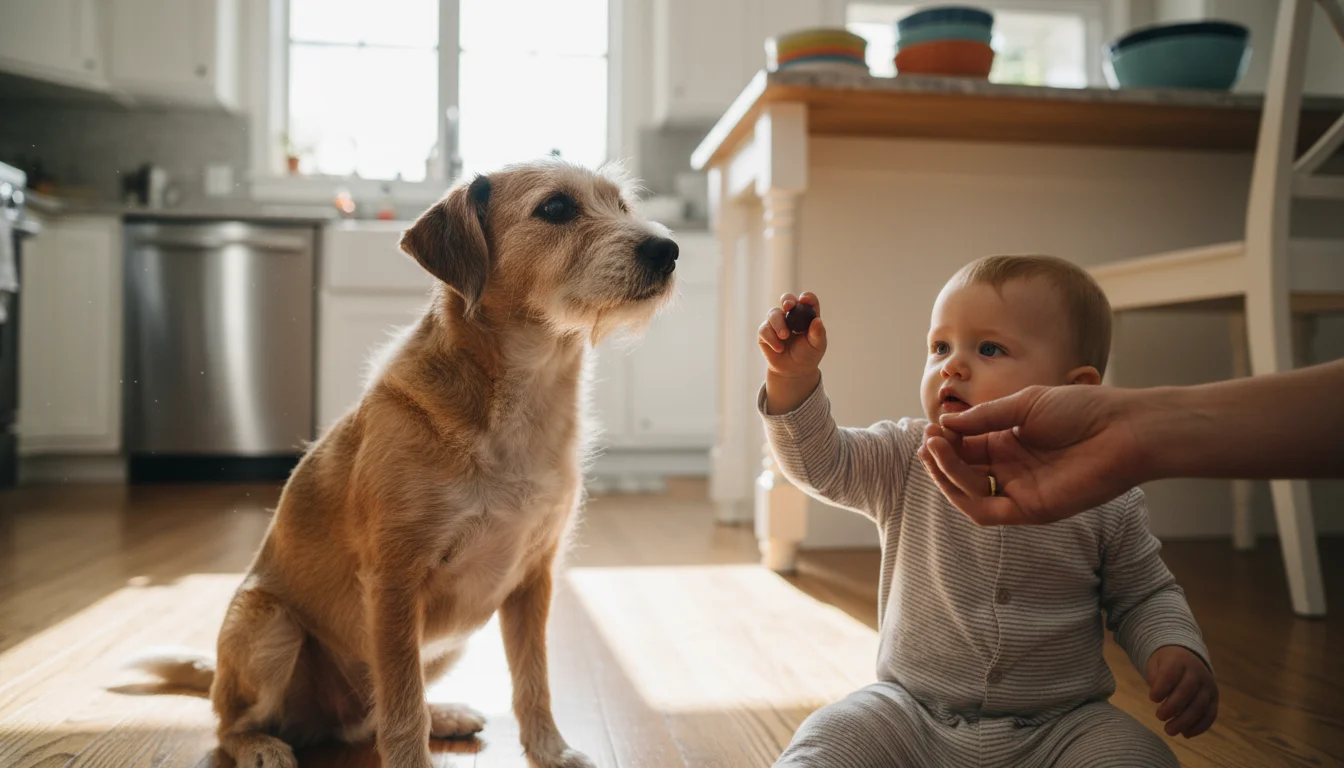
- Educate Your Household: Ensure everyone in your home, including children and guests, understands which foods are toxic to pets and the importance of not sharing human food.
- Supervise Meal Times: Never leave dangerous foods unattended, especially during parties or family gatherings when distractions are high.
- Leash Your Dog on Walks: This prevents them from scavenging potentially harmful items off the ground.
- Use Pet-Specific Treats: Always opt for commercially prepared pet treats designed for your pet’s species and size.
- Offer Safe Human Foods (in Moderation): If you want to share, stick to clearly safe options like plain cooked chicken or turkey (no bones or seasoning), plain cooked rice, small amounts of certain fruits (e.g., apples without seeds, blueberries), and vegetables (e.g., carrots, green beans). Always introduce new foods slowly and in small quantities to avoid digestive upset.
- Dispose of Trash Properly: Use bins with secure lids that pets cannot open to prevent them from raiding the garbage for scraps.

Breed, Age, and Species Considerations
While the list of dangerous foods applies broadly to many pets, certain factors can influence susceptibility and severity of reactions:
Metabolism changes as animals grow older, making senior pet health an important topic for owners of aging companions.
Feline owners should also research common cat health issues to better distinguish between dietary reactions and other medical conditions.
- Size and Breed: Smaller breeds of dogs often show more severe signs of toxicity from smaller amounts of dangerous foods compared to larger breeds, simply because of their lower body weight. Some breeds, like herding dogs, can also have sensitivities to certain medications and compounds, though this is less common with food toxins.
- Age: Puppies and kittens, with their developing immune systems and often higher curiosity, are particularly vulnerable to ingesting toxins. Older pets, especially those with pre-existing conditions like kidney or liver disease, may also be more susceptible to severe reactions.
- Species: While many foods are universally dangerous, some toxins affect specific species more severely. For example, cats are especially sensitive to allium vegetables (onions, garlic). Birds and rabbits are highly susceptible to avocado. Always consider your specific pet’s species when evaluating potential food hazards.
- Individual Sensitivities: Just like humans, individual pets can have varying sensitivities to different substances. What might cause mild upset in one pet could be severe for another.
Always err on the side of caution. If you are unsure about a food’s safety, it is best to avoid feeding it to your pet.

Frequently Asked Questions
Can a small amount of a dangerous food really hurt my pet?
If you don’t already have a regular clinic for emergencies, take the time to learn how to choose a veterinarian you can rely on.
Yes, even small amounts of certain foods can be extremely dangerous, especially for smaller pets or those with underlying health conditions. For example, a single piece of sugar-free gum containing xylitol can be fatal to a small dog. The severity depends on the specific food, the amount ingested, your pet’s size, and their individual sensitivity.
My pet ate something bad, but they seem fine. Should I still call the vet?
Absolutely. Symptoms of poisoning can have a delayed onset, sometimes not appearing for hours or even days after ingestion. Early intervention significantly improves the prognosis. A veterinarian or pet poison control center can assess the risk based on the ingested substance and quantity, and advise on whether immediate treatment, such as inducing vomiting or administering activated charcoal, is necessary.
What are some safe human food alternatives I can give my pet as treats?
You can safely offer many plain, cooked, and unseasoned human foods in moderation. Examples include small pieces of lean cooked chicken or turkey (without skin or bones), plain cooked rice, steamed green beans, carrots, apple slices (without seeds), and blueberries. Always check for seeds, pits, or tough skins, and ensure the food is cut into appropriate, choke-proof sizes.
For expert pet care guidance, visit
American Animal Hospital Association (AAHA), Association of Professional Dog Trainers (APDT), Certification Council for Professional Dog Trainers (CCPDT), International Association of Animal Behavior Consultants (IAABC) and American College of Veterinary Behaviorists (ACVB).
Disclaimer: This article is for informational purposes only and is not a substitute for professional veterinary advice, diagnosis, or treatment. Always consult with a licensed veterinarian for medical concerns about your pet.









Leave a Reply