
Pets bring immeasurable joy into our lives, becoming cherished members of our families. As pet owners, you bear the vital responsibility of ensuring their well-being, and a crucial part of this involves recognizing when your furry, feathered, or scaled friend experiences discomfort or pain. Unlike humans, pets cannot tell us directly when they hurt. They often instinctively hide signs of weakness or pain, a survival mechanism from their wild ancestors. This natural tendency means you must become a keen observer of their behavior, habits, and physical cues. Understanding the subtle indicators of pain allows you to seek timely veterinary attention, providing relief and improving your pet’s quality of life. This guide delivers practical, actionable insights to help you identify eight common signs your pet is in pain, empowering you to advocate for their health with confidence.

Understanding Pain in Pets
Pain in pets manifests in various forms, ranging from acute, sudden discomfort due to injury to chronic, persistent pain caused by conditions like arthritis or dental disease. Recognizing the type and severity of pain requires careful observation. Your pet’s responses to pain vary based on their species, breed, individual temperament, and the underlying cause. For instance, a stoic dog might show only subtle signs, while a more vocal cat might cry out immediately. Understanding that pain impacts both physical and psychological well-being emphasizes the importance of early detection and intervention. Veterinary professionals use various tools, including pain scales and detailed physical examinations, to assess discomfort, but your observations at home provide the most critical initial information. As the American Veterinary Medical Association (AVMA) explains, effective pain management starts with accurate recognition of pain signals by pet owners.

Behavioral Changes: A Key Indicator
One of the earliest and most reliable indicators your pet experiences pain involves a shift in their usual behavior. You know your pet’s personality best, so pay close attention to any deviations from their normal routines or temperament. A usually friendly dog might become withdrawn or even aggressive when approached, particularly if you touch a painful area. A playful cat might stop initiating games or hide more frequently. Conversely, some pets become clingier, seeking constant reassurance. These changes, no matter how subtle, signal distress. For example, if your normally outgoing golden retriever suddenly shies away from being petted on their back, or your adventurous tabby starts spending all their time under the bed, pain may be the underlying cause. Keep a journal of these behavioral shifts, noting their onset, duration, and any accompanying symptoms. This detailed information assists your veterinarian in their diagnosis.
- Increased Irritability or Aggression: Your pet may growl, snap, hiss, or scratch when you approach them or attempt to touch a specific body part. They may not intend to harm you, but pain causes them to guard their body.
- Withdrawal or Hiding: Many animals, especially cats, retreat to secluded areas when in pain. They may stop greeting you at the door or participating in family activities.
- Restlessness or Inability to Settle: While some pets become lethargic, others struggle to find a comfortable position. They may pace, frequently change sleeping spots, or repeatedly get up and lie down.
- Changes in Temperament: A typically calm pet might become anxious, agitated, or even fearful. An overly active pet might seem subdued.

Changes in Mobility and Movement
Pain often manifests physically through altered movement. Watch how your pet walks, runs, jumps, and climbs stairs. Any new reluctance to perform these activities or noticeable changes in their gait suggests discomfort. Arthritis, hip dysplasia, soft tissue injuries, or even spinal issues commonly cause mobility problems. You might observe a limp, stiffness, or an uneven stride. Cats, known for their agility, might struggle to jump onto furniture they previously accessed with ease. Dogs might hesitate before going up or down stairs, or they might struggle to get into a car. Even subtle shifts, such as a dog favoring one paw or a cat moving more slowly than usual, warrant investigation. For instance, an elderly Labrador who always eagerly bounded for their walk but now lags behind or moves stiffly after a rest likely experiences joint pain.
- Limping or Lameness: This is a clear sign, indicating pain in a limb or joint. It might be continuous or intermittent.
- Stiffness: Your pet may appear rigid, especially after rest. They might struggle to stand up or lie down smoothly.
- Reluctance to Move: They might avoid stairs, jumping, or their usual walks. They may move more slowly or cautiously.
- Shifting Weight: Pets experiencing pain in one limb might shift their weight to other limbs, altering their posture.
- Trembling or Shivering: Localized pain, especially in the abdomen or limbs, can cause muscle tremors.
- Difficulty Rising: Older pets or those with orthopedic issues often struggle to get up from a lying position.

Vocalizations and Unusual Sounds
While some pets remain stoic, others vocalize their pain. Listen for new or increased sounds your pet makes. Whining, whimpering, howling, yelping, or crying often indicates acute pain in dogs. Cats might meow excessively, growl, hiss, or purr differently. A low, continuous purr, often called a “rumble purr,” can sometimes signal discomfort rather than contentment. Some pets might groan or grunt when they move or try to get comfortable. If your normally quiet pet suddenly becomes vocal, or if a vocal pet changes their typical sounds, it is a significant sign. For example, a dog yelps when jumping off the couch, or a cat hisses when you touch their lower back. These are clear calls for help that you must address promptly.
- Whining or Whimpering: Common in dogs, especially with acute pain or anxiety related to discomfort.
- Yelping or Crying: Often signals sudden, intense pain, such as after an injury or if a painful area is touched.
- Growling or Hissing: A warning sign, indicating your pet feels threatened due to pain, and might react defensively.
- Excessive Meowing or Purring (in cats): While purring usually means happiness, a sustained, low purr can sometimes be a self-soothing mechanism for a cat in pain.
- Groaning or Grunting: These sounds may occur when your pet lies down, stands up, or shifts position, indicating discomfort with movement.

Alterations in Eating, Drinking, or Elimination
Pain significantly impacts your pet’s basic biological functions. A loss of appetite or a refusal to eat or drink suggests discomfort, especially if accompanied by other signs. Dental pain, for instance, makes eating difficult and painful. Abdominal pain might lead to nausea and avoidance of food. Changes in thirst, either increased or decreased, can also indicate underlying health issues. Similarly, observe changes in your pet’s bathroom habits. Straining to urinate or defecate, increased frequency of urination, or accidents inside the house might signal bladder infections, kidney issues, or constipation, all of which cause pain. Difficulty squatting or posturing for elimination also indicates musculoskeletal pain. For example, a dog who suddenly stops eating their favorite meal or a cat who begins urinating outside the litter box needs veterinary attention immediately. According to experts at Cornell University College of Veterinary Medicine, changes in elimination patterns are often early indicators of significant health problems in felines.
- Loss of Appetite (Anorexia) or Reduced Intake: Your pet may refuse food or eat less than usual. This is a common, non-specific sign of illness and pain.
- Changes in Drinking Habits: Either excessive thirst or a noticeable decrease in water consumption can signal various health issues, including kidney problems or dehydration.
- Difficulty Chewing or Dropping Food: This often points to dental pain, gum disease, or an oral injury.
- Straining to Urinate or Defecate: Indicates pain or difficulty with elimination, potentially from urinary tract infections, bladder stones, or constipation.
- Accidents in the House: A house-trained pet suddenly having accidents signals pain, a urinary tract issue, or a mobility problem that prevents them from reaching their designated spot.

Grooming Habits and Body Posture
Pets are generally meticulous groomers. Changes in these habits offer clear clues about pain. A pet in pain might over-groom a specific area, licking, chewing, or biting at it excessively, leading to skin irritation, hair loss, or “hot spots.” Conversely, they might neglect grooming altogether, resulting in a dull, unkempt coat. This often occurs with widespread pain or a lack of energy due to illness. Beyond grooming, observe your pet’s body posture. Pets often adopt unusual stances to alleviate pressure on a painful area. A dog with abdominal pain might stand with an arched back or in a “prayer position,” with front legs extended and hindquarters raised. A cat might hunch their back, tuck their tail, or hold their head low. A pet might also be reluctant to lie down or stand up, preferring to remain in one position. For example, if your normally fastidious cat stops cleaning themselves, or your dog frequently stands hunched with their tail tucked, it is important to investigate the cause.
- Excessive Licking, Chewing, or Biting at a Specific Area: This indicates localized pain, itching, or irritation, potentially from an injury, allergy, or joint pain.
- Neglecting Grooming: A dull, matted, or unkempt coat suggests widespread pain, general malaise, or an inability to reach certain areas due to pain.
- Hunched Back or Tucked Tail: Common postures for pets experiencing abdominal pain, back pain, or general discomfort.
- “Prayer Position” (Front End Down, Rear End Up): Often associated with abdominal pain or pancreatitis in dogs.
- Reluctance to Lie Down or Stand Up: Pets with joint or back pain may avoid these movements or do so very slowly and carefully.
- Abnormal Head Carriage: Holding their head low or tilting it could indicate neck pain or neurological issues.

Physical Signs: Swelling, Wounds, or Sensitivity
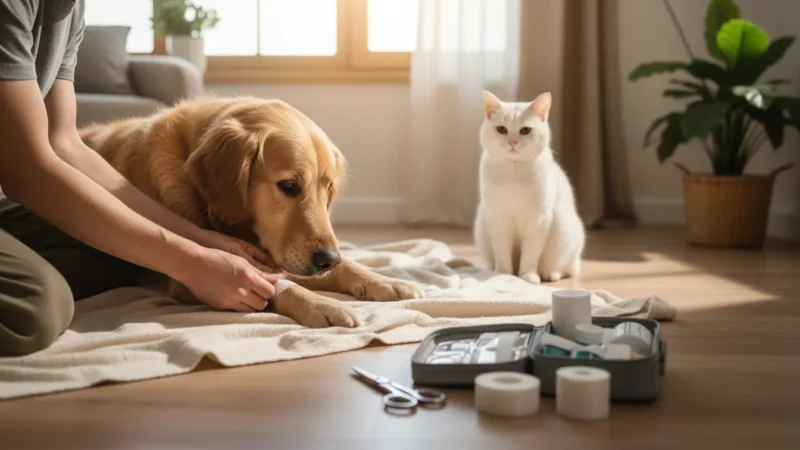
Sometimes, the signs of pain are visually evident. Look for any visible swelling, redness, bruising, or open wounds on your pet’s body. These indicate injury, inflammation, or infection. Inspect their paws for cuts, thorns, or broken nails. Carefully palpate (gently touch) your pet, noting any flinching, yelping, or guarding when you touch a particular area. This sensitivity pinpoints the source of their discomfort. A pet might also pant excessively even when not exercising or hot, which can be a response to pain. Observe their breathing; rapid, shallow breathing or changes in respiratory effort also signal distress. For example, if you notice a swollen joint on your dog’s leg or a tender spot on your cat’s abdomen that causes them to pull away, you have identified a clear physical sign of pain. Regular, gentle physical checks help you catch these issues early.
- Visible Swelling, Redness, or Bruising: Direct indicators of injury, inflammation, or infection.
- Open Wounds, Cuts, or Lacerations: Obvious sources of pain that require immediate attention.
- Sensitivity to Touch: Your pet flinches, cries out, or tries to move away when you touch a specific body part. This is a direct sign of localized pain.
- Excessive Panting or Rapid Breathing: While panting helps regulate body temperature, it can also be a stress or pain response, even in cool environments.
- Dilated Pupils: Pain can cause physiological changes, including pupil dilation.
- Changes in Gum Color: Pale or discolored gums can indicate shock or other serious underlying conditions causing pain.

Loss of Interest in Activities
A pet in pain often loses enthusiasm for activities they once enjoyed. If your dog no longer greets you with excitement for a walk, or your cat ignores their favorite toy or refuses to chase a laser pointer, it indicates a significant change in their well-being. This lack of interest extends to playing, interacting with family members or other pets, and even their favorite treats. Lethargy, a general lack of energy or enthusiasm, frequently accompanies chronic pain. They might sleep more than usual or appear generally sluggish. This change signifies their body conserves energy to cope with discomfort. For example, a young border collie who suddenly shows no interest in fetch, or a Siamese cat who stops their usual morning vocalizations and cuddles, sends a clear signal that something is wrong. The American Animal Hospital Association (AAHA) emphasizes that changes in a pet’s normal routine, including disinterest in favorite activities, often warrant a veterinary visit.
- Refusal to Play: Your pet may ignore toys, not engage in roughhousing, or avoid their usual games.
- Lack of Engagement: They may not interact with you, other pets, or visitors as they normally would.
- Avoiding Walks or Outdoor Time: A dog might resist going outside or walk slowly and reluctantly.
- Ignoring Favorite Treats: Even high-value treats might not entice a pet experiencing significant pain or nausea.
- Increased Lethargy: Sleeping more than usual, appearing sluggish, or having a general lack of energy.

Changes in Sleep Patterns
Pain significantly disrupts normal sleep patterns. A pet in pain might struggle to find a comfortable position, leading to restlessness and frequent position changes throughout the night. They might awaken more often, or you might find them sleeping in unusual places, trying to find relief. Conversely, some pets with chronic pain become overly lethargic and sleep excessively, but their sleep quality might be poor, preventing true rest. Observe if your pet seems more tired or irritable despite spending more time asleep. These sleep disturbances, particularly if persistent, signal an underlying discomfort that prevents them from resting peacefully. For example, a dog who used to sleep soundly through the night but now paces, whines, or frequently repositions themselves, or a cat who previously enjoyed naps in sunny spots but now avoids them, indicates that pain interferes with their ability to relax and sleep.
- Restlessness During Sleep: Frequent changes in position, tossing and turning, or getting up and lying down repeatedly.
- Awakening More Frequently: Pain can prevent deep sleep, causing your pet to wake up more often.
- Sleeping in Unusual Places: Your pet might seek out softer surfaces or isolated spots to try and find comfort.
- Excessive Sleep or Lethargy: While seeming to sleep more, they may not be getting restful sleep, leading to overall fatigue.
- Difficulty Getting Comfortable: Circling multiple times before lying down, or struggling to settle into a relaxed posture.

Age and Breed Considerations for Pain Assessment
When assessing pain, consider your pet’s age and breed, as these factors influence both susceptibility to certain conditions and how pain manifests. Senior pets, like older humans, frequently develop age-related conditions such as arthritis, dental disease, or organ dysfunction. Their pain might be chronic and progressive, leading to more subtle, cumulative changes rather than sudden, acute signs. You might misinterpret their reduced activity as “just old age,” but it often signals treatable pain. Breeds also carry predispositions to specific painful conditions. For instance, large breed dogs like German Shepherds or Labradors are prone to hip and elbow dysplasia. Brachycephalic breeds, such as Pugs or Bulldogs, can experience respiratory distress and related pain. Certain toy breeds face patellar luxation. Owners of these breeds should remain particularly vigilant for early signs of their breed-specific vulnerabilities. Understanding these predispositions helps you proactively monitor for symptoms and discuss preventive strategies with your veterinarian. This proactive approach supports their long-term pet health and well-being.
- Senior Pets:
- More susceptible to chronic conditions like arthritis, degenerative joint disease, and dental pain.
- Pain signs may be subtle and gradual; often mistaken for normal aging.
- Key observation: reluctance to move, stiffness after rest, changes in appetite or mood.
- Breed-Specific Predispositions:
- Large Breed Dogs (e.g., German Shepherds, Retrievers): Prone to hip and elbow dysplasia, osteochondrosis.
- Small Breed Dogs (e.g., Chihuahuas, Poodles): Prone to luxating patellas, dental disease.
- Brachycephalic Breeds (e.g., Bulldogs, Pugs): Can suffer from respiratory issues, which can cause discomfort and pain.
- Cats (especially purebreds): Certain breeds may have genetic predispositions to conditions like hypertrophic cardiomyopathy (HCM) which can cause pain if it leads to blood clots.
- Early Intervention: Knowing these factors helps you recognize subtle signs early, leading to more effective management and better outcomes. Regular wellness exams become even more critical for these pets.

When to See Your Veterinarian Immediately
Recognizing the signs of pain is the first step; acting on them is paramount. If you observe any of these signs, particularly if they are sudden, severe, or persist for more than 24 hours, you must contact your veterinarian immediately. Delaying veterinary care prolongs your pet’s suffering and can allow conditions to worsen. Prepare to provide your vet with detailed information: when you first noticed the signs, their frequency, any changes in severity, and specific situations that seem to trigger or alleviate the pain. Your veterinarian possesses the expertise to perform a thorough examination, conduct diagnostic tests such as X-rays or blood work, and accurately diagnose the cause of the pain. They then develop a comprehensive treatment plan, which might include pain medication, anti-inflammatory drugs, physical therapy, or even surgery. Remember, advocating for your pet’s comfort and health is a key aspect of responsible pet care. Never hesitate to seek professional help when you suspect your pet is in pain. Prompt action is the best pet health tips you can follow.
- Sudden Onset of Severe Pain: Marked limping, persistent crying, or acute aggression.
- Inability to Bear Weight: If your pet cannot use a limb.
- Difficulty Breathing: Labored breathing, gasping, or blue gums.
- Swelling or Visible Trauma: Any large swelling, deep wound, or obvious fracture.
- Persistent Vomiting or Diarrhea: Especially if accompanied by lethargy or weakness.
- Loss of Consciousness or Collapse: This constitutes an emergency.
- Lack of Urination or Defecation: If your pet strains without success for an extended period.
- Any Rapidly Worsening Symptoms: Even if initially subtle, quick deterioration demands urgent care.

Supporting Your Pet at Home and Preventive Care
While veterinary intervention is crucial for diagnosing and treating pain, you can implement several strategies at home to support your pet and potentially alleviate discomfort, especially for chronic conditions like arthritis. Always discuss these home care measures with your veterinarian to ensure they complement the prescribed medical plan. For pets with joint pain, consider investing in orthopedic beds for better support. Gentle, controlled exercise, as recommended by your vet, helps maintain mobility without exacerbating pain. Weight management plays a significant role; excess weight puts undue stress on joints. Providing ramps or steps helps pets with mobility issues access furniture safely. For dental pain prevention, regular brushing and professional dental cleanings are vital. Preventive care protocols, including routine wellness exams, appropriate vaccinations, and year-round parasite prevention, contribute significantly to your pet’s overall health and help catch potential issues before they become severe. For pets on long-term medication, strict adherence to the vet’s instructions for dosage and administration is crucial for effective pain management. You might also explore complementary therapies like acupuncture or hydrotherapy, again, only under veterinary guidance. These proactive and supportive measures enhance your pet’s comfort and quality of life, offering the best pet health tips for everyday living.
- Orthopedic Beds: Provide soft, supportive surfaces, particularly beneficial for older pets or those with joint pain.
- Ramps or Steps: Help pets access elevated surfaces like couches or beds without painful jumping.
- Weight Management: Maintaining a healthy weight significantly reduces stress on joints and internal organs. Your vet can help you develop a diet and exercise plan.
- Gentle Exercise: Follow your veterinarian’s recommendations for low-impact activities like short walks or swimming to maintain muscle mass and joint flexibility.
- Warm Compresses: For muscle soreness or stiffness (always check with your vet first).
- Regular Grooming: Helps prevent matting that can pull on skin and cause discomfort, and allows you to check for skin issues or lumps.
- Medication Administration: Follow your vet’s instructions carefully for any prescribed pain relief or supplements.
- Dental Care: Regular home brushing and professional dental cleanings prevent painful dental disease.
- Stress Reduction: Create a calm, predictable environment. Stress can exacerbate pain.

Frequently Asked Questions
Can my pet hide their pain effectively?
Yes, pets often hide pain as an instinctual survival mechanism. This makes recognizing subtle behavioral and physical changes critical for owners. Many will only show obvious signs when the pain becomes severe.
What common conditions cause pain in pets?
Common conditions include arthritis, dental disease, injuries (e.g., sprains, fractures), infections, pancreatitis, cancer, and post-surgical discomfort. Age, breed, and lifestyle all influence susceptibility to specific conditions.
Should I give my pet human pain medication?
Never give your pet human pain medication without direct veterinary guidance. Many human medications, even common ones like ibuprofen or acetaminophen, are highly toxic to pets and can cause severe, life-threatening reactions. Always consult your veterinarian for appropriate pet-specific pain relief.
How can I differentiate between pain and behavioral issues?
Pain often underlies sudden behavioral changes like aggression, withdrawal, or house-soiling. While some behaviors stem from training or anxiety, a veterinarian should always rule out pain as the primary cause first. Once pain is addressed, then you can work with a certified professional dog trainer or veterinary behaviorist if behavioral issues persist.
What is the role of preventive care in managing pain?
Preventive care protocols, including annual wellness exams, dental cleanings, appropriate nutrition, and weight management, help detect potential issues early and prevent many painful conditions from developing or worsening. Early intervention through regular vet visits is your best defense against prolonged pet pain.
For expert pet care guidance, visit
Vetstreet,
Fear Free Pets,
The Spruce Pets and
Rover β Pet Care Blog.
Disclaimer: This article is for informational purposes only and is not a substitute for professional veterinary advice, diagnosis, or treatment. Always consult with a licensed veterinarian for medical concerns about your pet.
Leave a Reply