
Vocalizations and Unusual Sounds
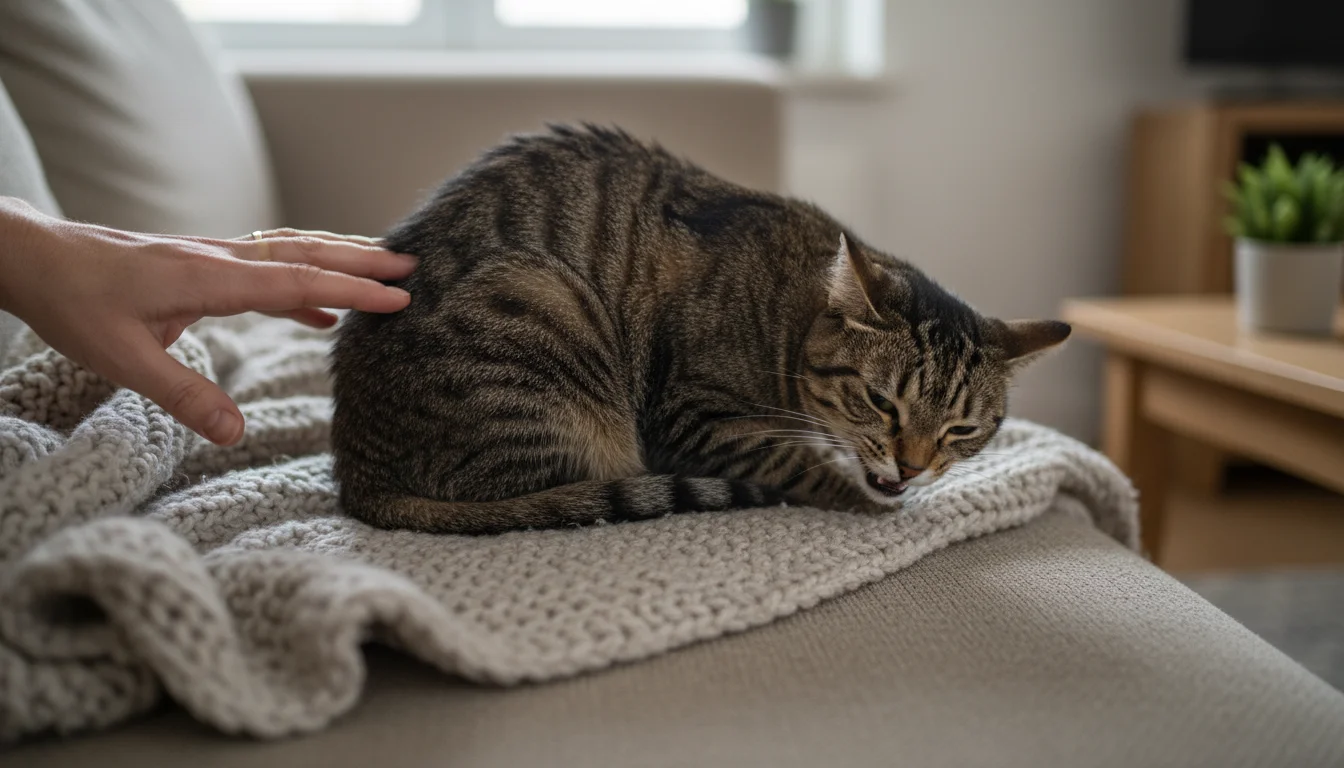
While some pets remain stoic, others vocalize their pain. Listen for new or increased sounds your pet makes. Whining, whimpering, howling, yelping, or crying often indicates acute pain in dogs. Cats might meow excessively, growl, hiss, or purr differently. A low, continuous purr, often called a “rumble purr,” can sometimes signal discomfort rather than contentment. Some pets might groan or grunt when they move or try to get comfortable. If your normally quiet pet suddenly becomes vocal, or if a vocal pet changes their typical sounds, it is a significant sign. For example, a dog yelps when jumping off the couch, or a cat hisses when you touch their lower back. These are clear calls for help that you must address promptly.
Understanding common cat health issues can provide more context for why your feline friend might be vocalizing their distress.
- Whining or Whimpering: Common in dogs, especially with acute pain or anxiety related to discomfort.
- Yelping or Crying: Often signals sudden, intense pain, such as after an injury or if a painful area is touched.
- Growling or Hissing: A warning sign, indicating your pet feels threatened due to pain, and might react defensively.
- Excessive Meowing or Purring (in cats): While purring usually means happiness, a sustained, low purr can sometimes be a self-soothing mechanism for a cat in pain.
- Groaning or Grunting: These sounds may occur when your pet lies down, stands up, or shifts position, indicating discomfort with movement.







Leave a Reply