
Grooming Habits and Body Posture
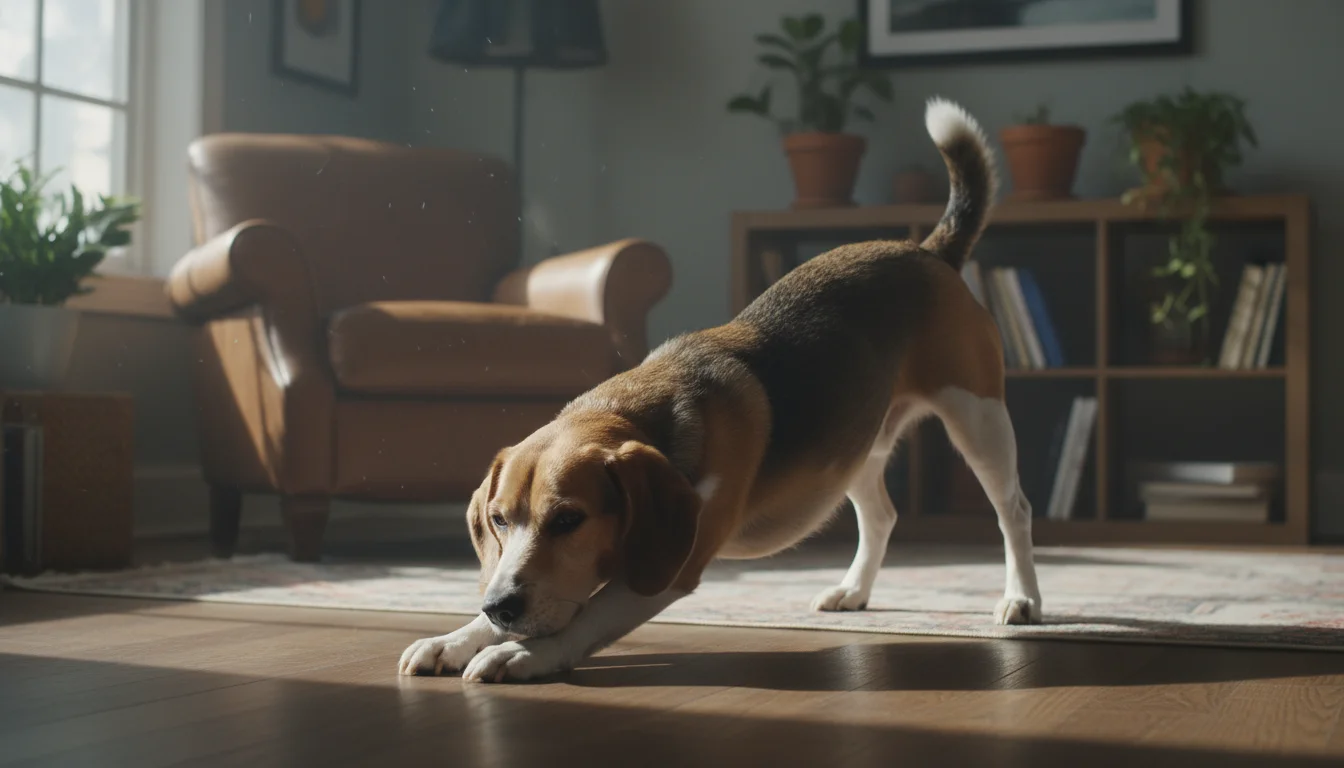
Pets are generally meticulous groomers. Changes in these habits offer clear clues about pain. A pet in pain might over-groom a specific area, licking, chewing, or biting at it excessively, leading to skin irritation, hair loss, or “hot spots.” Conversely, they might neglect grooming altogether, resulting in a dull, unkempt coat. This often occurs with widespread pain or a lack of energy due to illness. Beyond grooming, observe your pet’s body posture. Pets often adopt unusual stances to alleviate pressure on a painful area. A dog with abdominal pain might stand with an arched back or in a “prayer position,” with front legs extended and hindquarters raised. A cat might hunch their back, tuck their tail, or hold their head low. A pet might also be reluctant to lie down or stand up, preferring to remain in one position. For example, if your normally fastidious cat stops cleaning themselves, or your dog frequently stands hunched with their tail tucked, it is important to investigate the cause.
- Excessive Licking, Chewing, or Biting at a Specific Area: This indicates localized pain, itching, or irritation, potentially from an injury, allergy, or joint pain.
- Neglecting Grooming: A dull, matted, or unkempt coat suggests widespread pain, general malaise, or an inability to reach certain areas due to pain.
- Hunched Back or Tucked Tail: Common postures for pets experiencing abdominal pain, back pain, or general discomfort.
- “Prayer Position” (Front End Down, Rear End Up): Often associated with abdominal pain or pancreatitis in dogs.
- Reluctance to Lie Down or Stand Up: Pets with joint or back pain may avoid these movements or do so very slowly and carefully.
- Abnormal Head Carriage: Holding their head low or tilting it could indicate neck pain or neurological issues.



Leave a Reply