

Selecting the right veterinarian is one of the most important decisions you make for your companion animal. A trusted vet becomes a vital partner in ensuring your pet lives a long, healthy, and happy life. This guide delivers practical steps and actionable insights to help you find a veterinary professional who aligns with your values and your pet’s needs, focusing on proactive `pet health` and compassionate `pet care`.
Your veterinarian does more than treat illness; they serve as your primary resource for `pet tips` on preventive care, nutrition, and behavior. Building a relationship based on trust and clear communication ensures your pet receives the best possible care from puppyhood or kittenhood through their senior years. This comprehensive approach empowers you to confidently navigate all aspects of your pet’s well-being.
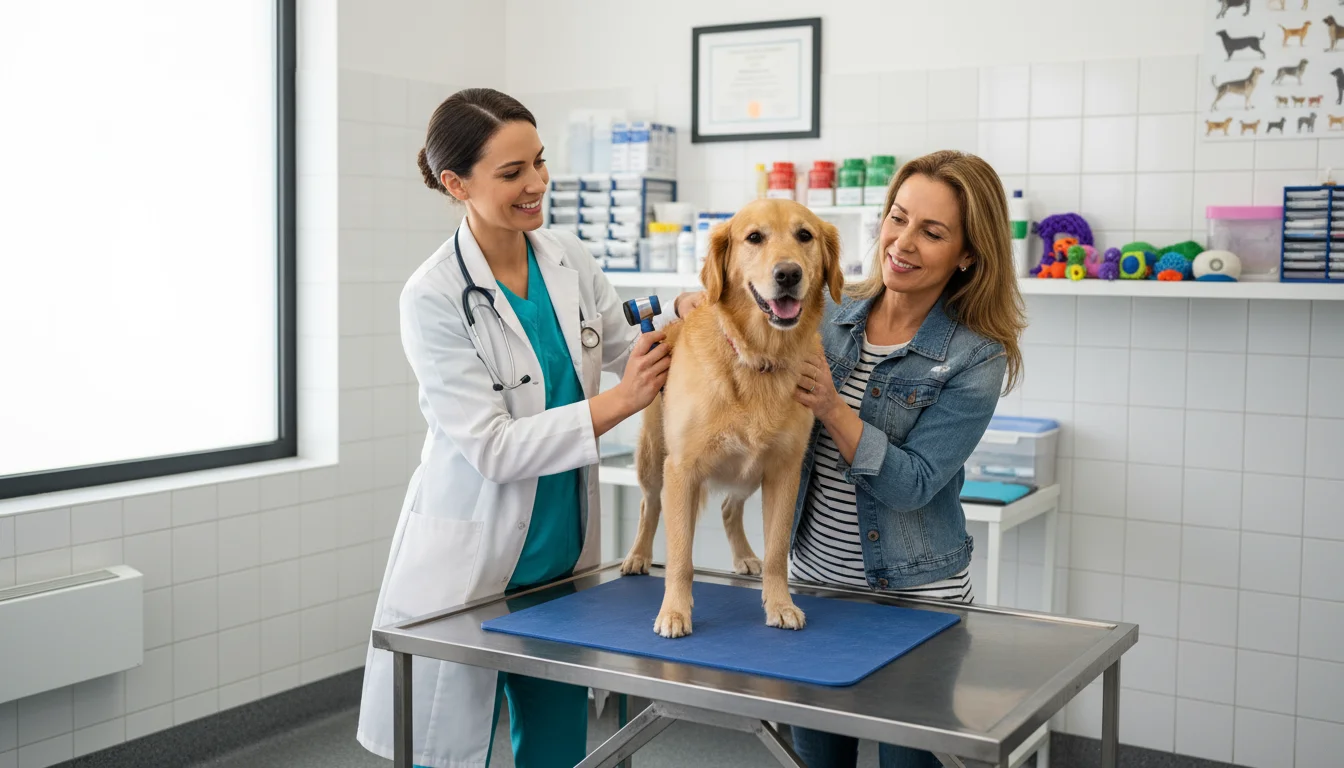
The Foundation of Pet Wellness: Why a Trusted Veterinarian Matters
A veterinarian serves as your pet’s lifelong advocate, guiding you through every stage of their life. From essential puppy and kitten vaccinations to managing chronic conditions in senior pets, their expertise is indispensable. A strong veterinary relationship ensures consistent, informed decision-making for your pet’s `pet health`.
In addition to clinical visits, learning how to check your pet’s vital signs at home is a great way to monitor their health between appointments.
In addition to finding the right provider, understanding pet insurance can help you manage the long-term costs of your pet’s health care.
Preventive care forms the cornerstone of veterinary medicine. Regular wellness exams allow your vet to detect potential issues early, often before symptoms become apparent. This proactive approach leads to better outcomes and can significantly reduce the cost and complexity of treatment later on. For instance, annual physical examinations identify subtle changes in weight, coat condition, or organ function, which might indicate underlying health problems. The American Veterinary Medical Association (AVMA) emphasizes the importance of routine check-ups, stating they are critical for maintaining overall pet health and detecting diseases early.
Moreover, your veterinarian provides tailored advice on nutrition, exercise, and behavior, addressing specific breed or species predispositions. They act as a trusted source for accurate information, helping you sift through the vast amount of conflicting `pet tips` available online. Establishing this relationship early on builds a foundation of confidence, ensuring you always have a reliable professional to turn to for your pet’s well-being. This ongoing partnership contributes significantly to your peace of mind as a responsible pet owner.

Understanding Your Pet’s Unique Needs
Every pet is an individual, and their specific needs influence the type of veterinarian best suited for them. Consider your pet’s species, age, and existing health status when starting your search for a vet you can trust. A young, healthy puppy requires different care considerations than an elderly cat with kidney disease, for instance.
These initial life-stage discussions often include planning for important procedures like spaying and neutering to ensure long-term health benefits.
Species and Breed Considerations
While most veterinary clinics treat both dogs and cats, some specialize in certain species. If you have an exotic pet, such as a bird, reptile, or small mammal, you will need a veterinarian with specialized training and equipment for those animals. General practitioners typically possess comprehensive knowledge for common companion animals, but exotic animal vets have additional expertise in their unique physiology, common conditions, and husbandry requirements.
Breed-specific health concerns also play a role. For example, brachycephalic breeds (like Bulldogs or Pugs) often experience respiratory issues, while large breeds may be prone to orthopedic problems. A veterinarian familiar with your pet’s breed characteristics offers more targeted preventive care and watchful monitoring for these predispositions. They understand the nuances of various breeds, providing care that addresses potential genetic or anatomical vulnerabilities.
Age and Life Stage
A puppy or kitten needs a vet who provides comprehensive vaccination schedules, parasite prevention, and early socialization guidance. These early visits establish a baseline for `pet health` and introduce your young animal to positive veterinary experiences. Regular visits for wellness checks during this formative period are crucial for monitoring growth and development.
Adult pets benefit from annual wellness exams, dental cleanings, and ongoing parasite prevention. The veterinarian helps you maintain their ideal weight and addresses any emerging behavioral or health concerns. They guide you on appropriate diet changes as your pet matures, ensuring nutritional needs are met.
Senior pets often require more frequent check-ups, specialized diets, and pain management strategies. A vet experienced in geriatric `pet care` understands the challenges of aging animals, focusing on improving quality of life and managing age-related conditions like arthritis, cognitive dysfunction, or organ decline. They offer a compassionate approach to end-of-life care discussions, supporting you through difficult decisions.
Current Health Status and Special Needs
If your pet has a chronic condition, such as diabetes, allergies, or heart disease, you need a veterinarian experienced in managing these complex cases. They should demonstrate a willingness to work with specialists if necessary and possess a clear understanding of long-term treatment plans. Discussing these specific needs upfront ensures the clinic can provide the necessary level of care. You need a vet who can administer complex medications, monitor progress effectively, and communicate clearly about your pet’s prognosis and treatment options.

Starting Your Search: Research and Recommendations
Finding the right veterinarian begins with thorough research. You want to identify a professional who is not only medically competent but also a good communicator and compassionate caregiver. This initial phase helps you narrow down your options effectively.
If you are a feline owner, finding a provider who understands the specific signs your cat is happy and healthy is a vital part of the research process.
Seek Personal Recommendations
Start by asking friends, family, neighbors, and local pet owners for recommendations. Their firsthand experiences provide valuable insights into a clinic’s atmosphere, staff professionalism, and vet’s communication style. Ask specific questions: “What do you like most about your vet?” “How do they handle emergencies?” “Do they explain things clearly?” Local pet groomers, dog walkers, or pet supply store employees often have good recommendations too, as they interact with many pet owners and sometimes directly with vet clinics.
Online Reviews and Directories
Utilize online resources like Google Reviews, Yelp, or specific veterinary directories. These platforms offer a broader perspective, with multiple reviews highlighting consistent positives or negatives. Look for patterns in feedback, paying attention to comments about wait times, staff friendliness, cleanliness, and how well veterinarians explain diagnoses and treatment plans. While individual reviews can be subjective, collective feedback often reveals a clinic’s true character. The American Animal Hospital Association (AAHA) offers an online search tool to find accredited hospitals, which is an excellent starting point for high-quality care.
Check Accreditation and Licensing
Verify that any potential veterinarian is licensed by their state’s veterinary board. This ensures they meet the minimum standards for practice. Additionally, consider clinics accredited by the American Animal Hospital Association (AAHA). AAHA-accredited hospitals voluntarily meet over 900 rigorous standards in areas like patient care, diagnostics, pharmacy, and pain management, often exceeding state requirements. Choosing an AAHA-accredited practice provides an extra layer of confidence in the quality of care your pet receives. You can find more information about these standards and search for accredited hospitals on the AAHA website.
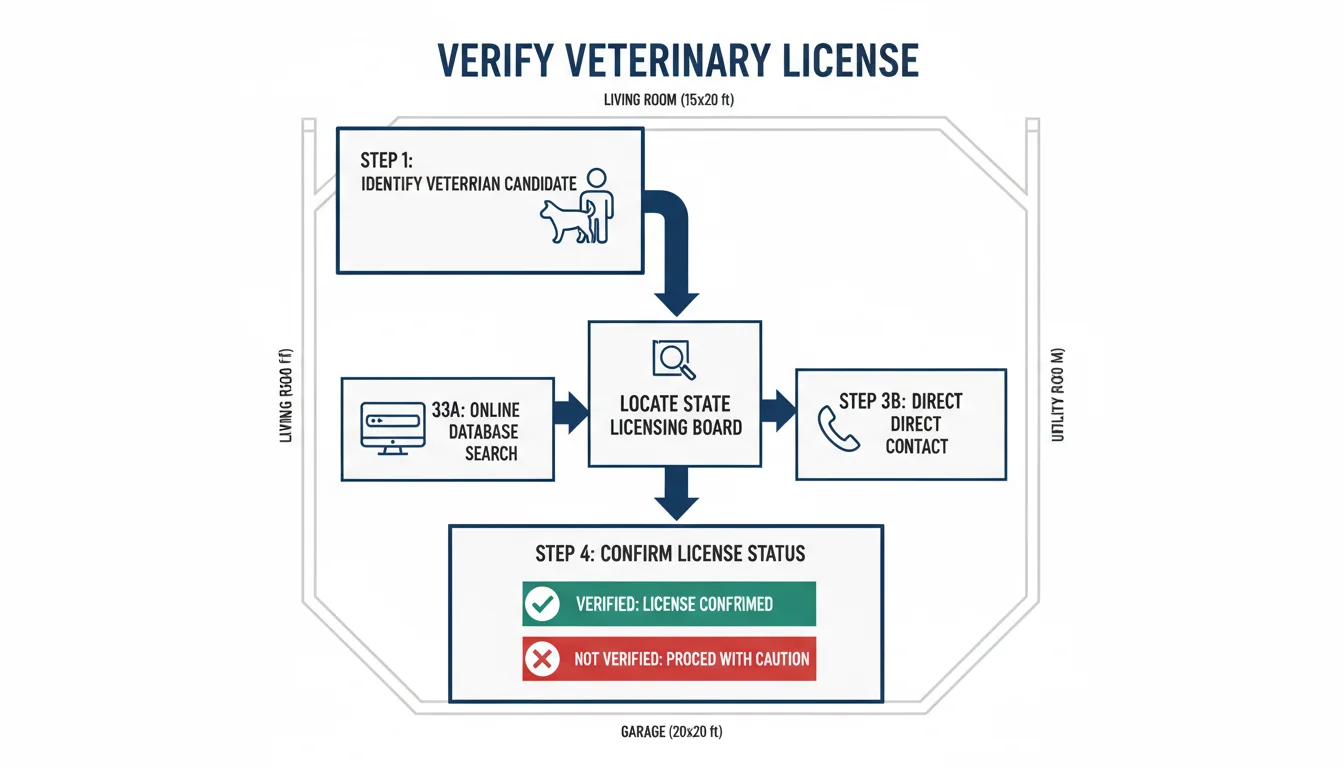

Evaluating a Veterinary Practice: Beyond the Exam Room
Once you have a shortlist of potential veterinarians, schedule a visit or a “meet and greet” without your pet, if possible. This allows you to observe the clinic environment and interact with the staff without the added stress of your pet’s presence. Pay close attention to these critical aspects.
Once you have selected a clinic, take a moment to prepare for your pet’s first vet visit to ensure the experience is as stress-free as possible.
Clinic Environment and Cleanliness
A clean, well-maintained facility indicates professionalism and attention to detail. Observe the waiting room, exam rooms, and even the outdoor areas. Are they tidy and free of strong odors? A clean environment minimizes the risk of infection and creates a more pleasant experience for both you and your pet. Look for separate waiting areas for cats and dogs, which can significantly reduce stress for feline patients.
Staff Friendliness and Professionalism
The entire veterinary team plays a crucial role in your experience. Are the receptionists welcoming and efficient? Do veterinary technicians seem knowledgeable and compassionate? A friendly and professional staff contributes to a positive overall impression and makes you feel more comfortable entrusting your pet to their care. Observe how they interact with other pet owners and their animals.
Handling of Animals (If Observing)
If you see staff interacting with animals, observe their approach. Do they use calm, gentle techniques? Do they speak reassuringly to the pets? Practices that prioritize positive reinforcement and “fear-free” methods create less stressful experiences for animals, which contributes to better `pet care` outcomes. Fear Free Pets offers certifications and resources for veterinary professionals focusing on reducing fear, anxiety, and stress in animals, indicating a commitment to animal welfare.
Equipment and Technology
Modern veterinary medicine relies on advanced diagnostics. Does the clinic have up-to-date equipment for X-rays, ultrasound, blood work, and surgical procedures? While you do not need to be an expert, a well-equipped facility suggests a commitment to comprehensive `pet health` services. Do they use digital records? These aspects contribute to faster, more accurate diagnoses and effective treatment plans.

Dissecting the Details: Essential Veterinary Services
A good veterinary practice offers a comprehensive range of services, addressing both preventive care and acute medical needs. Discuss these key areas during your initial consultation to ensure they meet your expectations for `pet care`.
A comprehensive clinic should also guide you on how to recognize subtle signs your pet is in pain, as animals often mask their discomfort.
Understanding the 10 warning signs your pet needs a vet visit can help you decide when a health concern requires urgent attention.
Preventive Care Protocols
- Vaccination Schedules: Inquire about their standard vaccination protocols. Do they follow current guidelines for core vaccines (e.g., rabies, distemper, parvovirus for dogs; rabies, feline distemper for cats)? Do they offer lifestyle-based vaccines (e.g., Bordetella, leptospirosis for dogs; feline leukemia for cats)? A good vet tailors vaccination plans to your pet’s individual risk factors.
- Parasite Prevention: Discuss their recommendations for year-round flea, tick, heartworm, and intestinal parasite prevention. Do they offer a variety of options to suit your pet’s lifestyle and your budget? Effective parasite control is critical for both your pet’s health and your family’s.
- Wellness Exams: Understand their philosophy on annual or semi-annual wellness exams. What does a typical exam include? Are blood work and urine analysis recommended regularly for certain age groups? These exams are the best way to catch potential issues early.
Common Health Conditions and Emergency Protocols
Ask how the clinic handles common conditions like ear infections, skin allergies, or gastrointestinal upset. Who do you call if your pet gets sick after hours? Do they have emergency referral partners? Understanding their emergency preparedness ensures your pet receives timely care when unexpected situations arise. Knowing the protocol for emergencies gives you peace of mind.
Nutrition and Diet Management
A skilled veterinarian provides evidence-based nutritional advice. Do they recommend specific diets for different life stages (puppy/kitten, adult, senior)? How do they approach weight management for overweight or obese pets? Do they guide you through therapeutic diets for specific health conditions, such as kidney disease or food sensitivities? A vet’s nutritional guidance should be based on scientific research, not just anecdotal evidence.
Dental Health
Dental health significantly impacts overall `pet health`. Inquire about their dental services, including professional dental cleanings under anesthesia. Do they offer guidance on home dental care, such as brushing techniques or dental chews? Ask about signs of dental disease to watch for. Regular dental care prevents pain, infection, and other systemic health issues.
Medication Administration
Understand how they approach medication administration, especially for pets who resist pills or liquids. Do they offer tips for compliance? How do they communicate medication instructions? Clear, concise instructions are vital for successful home treatment.

Communication, Empathy, and Trust: The Human Connection
Beyond medical expertise, the soft skills of a veterinarian and their team are paramount. Effective communication and genuine empathy build the trust necessary for a strong long-term relationship. You need a vet who truly listens and understands your concerns.
Clear and Compassionate Communication
Does the veterinarian explain diagnoses and treatment options in a way you understand, avoiding excessive jargon? Do they present alternatives, including costs and prognoses, allowing you to make informed decisions? A vet who takes the time to answer your questions thoroughly and patiently demonstrates respect for you and your role in your pet’s `pet care`. Good communication ensures you understand your pet’s condition and treatment plan fully.
Empathy and Bedside Manner
Observe how the vet interacts with your pet. Do they approach them gently, speak in soothing tones, and try to make the experience as stress-free as possible? A compassionate veterinarian shows genuine concern for your pet’s comfort and well-being, not just their medical condition. Their ability to connect with animals, often referred to as a good “bedside manner,” greatly influences your pet’s experience and your trust.
Respect for Your Role as a Pet Owner
A good veterinarian recognizes you as a key member of your pet’s `pet health` team. They respect your financial limitations, your understanding of your pet’s personality, and your emotional bond. They partner with you, offering guidance and support rather than dictating choices. This collaborative approach builds a stronger, more trusting relationship.
Openness to Your Questions and Concerns
Do you feel comfortable asking questions, even if they seem trivial? Does the vet encourage an open dialogue about your pet’s health and behavior? A trustworthy vet welcomes your input and addresses your concerns without dismissiveness. They should be willing to discuss your `pet tips` or observations, as you know your pet best.

Financial Planning and Emergency Preparedness
Veterinary care represents a significant investment in your pet’s `pet health`. Discussing financial aspects and emergency planning upfront ensures transparency and helps you prepare for the unexpected.
Understanding Costs and Payment Options
Ask about their fee structure for common services like exams, vaccinations, and routine procedures. Do they provide estimates for more extensive treatments? Transparency about costs helps you budget for `pet care`. Inquire about payment options: Do they accept payment plans, or work with third-party financing like CareCredit? Understanding these details prevents unpleasant surprises and ensures you can afford necessary treatments.
Pet Insurance
Discuss pet insurance with your potential vet. Do they accept all major pet insurance providers? While they cannot recommend a specific plan, they can explain how pet insurance typically works and how it integrates with their billing procedures. Pet insurance can significantly alleviate the financial burden of unexpected illnesses or injuries, making comprehensive `pet health` care more accessible. Many pet owners find pet insurance a valuable tool for managing healthcare costs.
Emergency Protocols and Referrals
Clarify their emergency policy. Do they have after-hours services, or do they refer to a local emergency veterinary clinic? If they refer, ask for the contact information and location of their preferred emergency partners. Knowing exactly where to go and who to call during a crisis saves precious time and reduces stress in an already difficult situation. The Pet Poison Helpline provides 24/7 assistance for pet poison emergencies, which your vet can also integrate into their emergency advice.
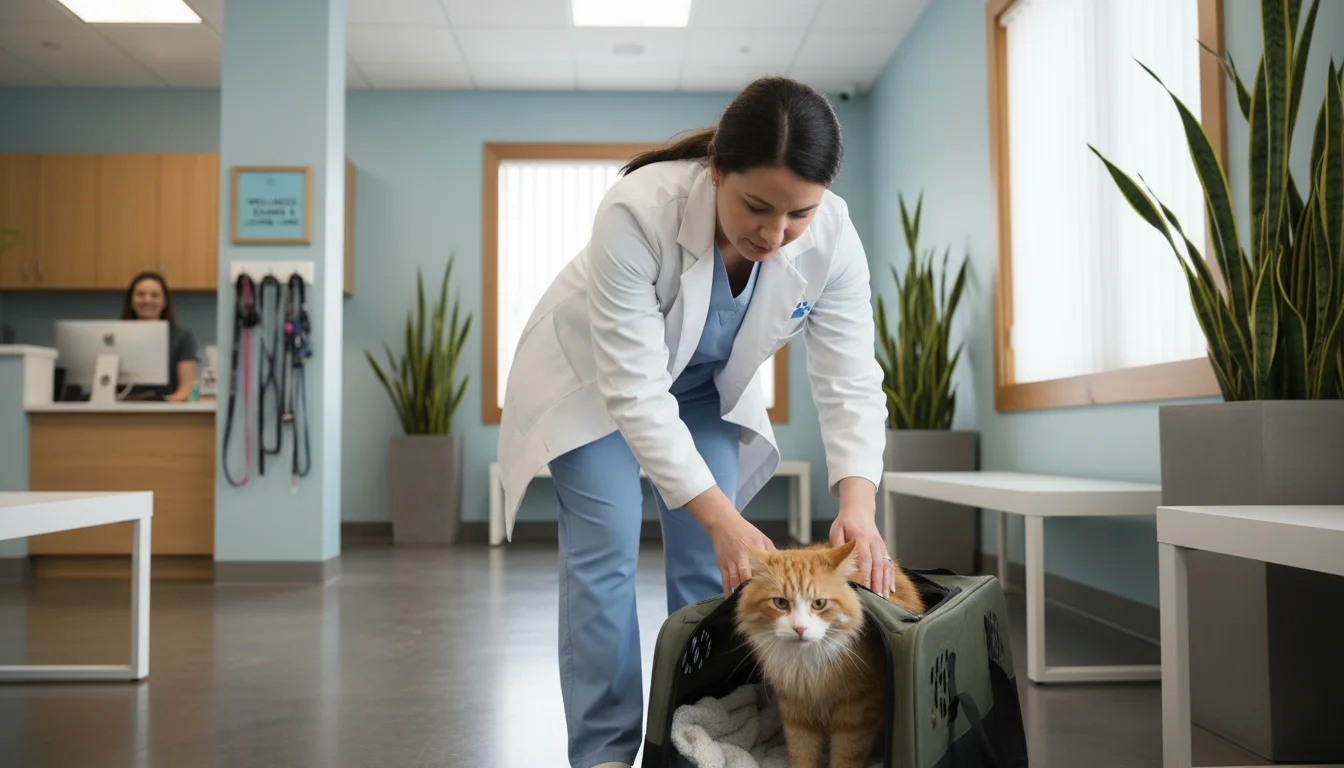
Recognizing Red Flags and Green Lights
During your search, certain signs indicate whether a veterinary practice aligns with your expectations for quality `pet care`. Recognizing these signals helps you make an informed decision about who you can trust with your pet’s `pet health`.
Beyond routine checks, staying alert for warning signs your pet needs a vet visit immediately can save lives in critical situations.
Red Flags to Watch For
- Lack of Transparency: The clinic avoids discussing costs upfront or does not clearly explain diagnoses and treatment options. You should always feel informed about your pet’s condition and the rationale behind any recommended procedures.
- Poor Communication: Staff seems rushed, unhelpful, or unwilling to answer your questions thoroughly. A lack of clear, empathetic communication erodes trust and makes it difficult to participate effectively in your pet’s care decisions.
- Pushy Sales Tactics: You feel pressured into buying unnecessary products or services. While veterinarians recommend products based on `pet health` needs, a trustworthy practice respects your choices and budget.
- Unsanitary Conditions: The clinic appears dirty, disorganized, or has strong, unpleasant odors. Cleanliness is fundamental for preventing infections and maintaining a professional environment.
- High Staff Turnover: Frequent changes in veterinary staff or the primary vet can disrupt continuity of care and indicate underlying management issues. Consistency builds rapport and trust.
- Negative Online Reviews: Consistent patterns of negative feedback about specific issues (e.g., long wait times, misdiagnoses, rude staff) warrant careful consideration.
Green Lights and Trust Signals
- Clear Communication: The vet and staff explain everything clearly, answer questions patiently, and offer treatment options with pros and cons. They ensure you understand your pet’s condition and the proposed `pet care` plan.
- Compassionate Handling: Staff handles your pet gently, using calming techniques and positive reinforcement, especially for fearful animals. They prioritize your pet’s emotional well-being during visits.
- Transparency in Pricing: The clinic provides clear estimates, discusses financial options, and explains billing without hesitation.
- Clean and Organized Facility: The environment is clean, well-maintained, and fosters a sense of professionalism and hygiene.
- Emphasis on Preventive Care: The practice actively promotes wellness exams, vaccinations, and parasite prevention, focusing on proactive `pet health` rather than just treating illness.
- Accreditation and Continuing Education: The clinic is AAHA-accredited, or the veterinarians actively participate in continuing education, demonstrating a commitment to high standards and staying current with medical advances. The American Veterinary Medical Association (AVMA) promotes rigorous standards for veterinary education and practice.
- Positive Referrals: Consistent positive feedback from friends, local pet professionals, and online reviews indicates a reputable practice.
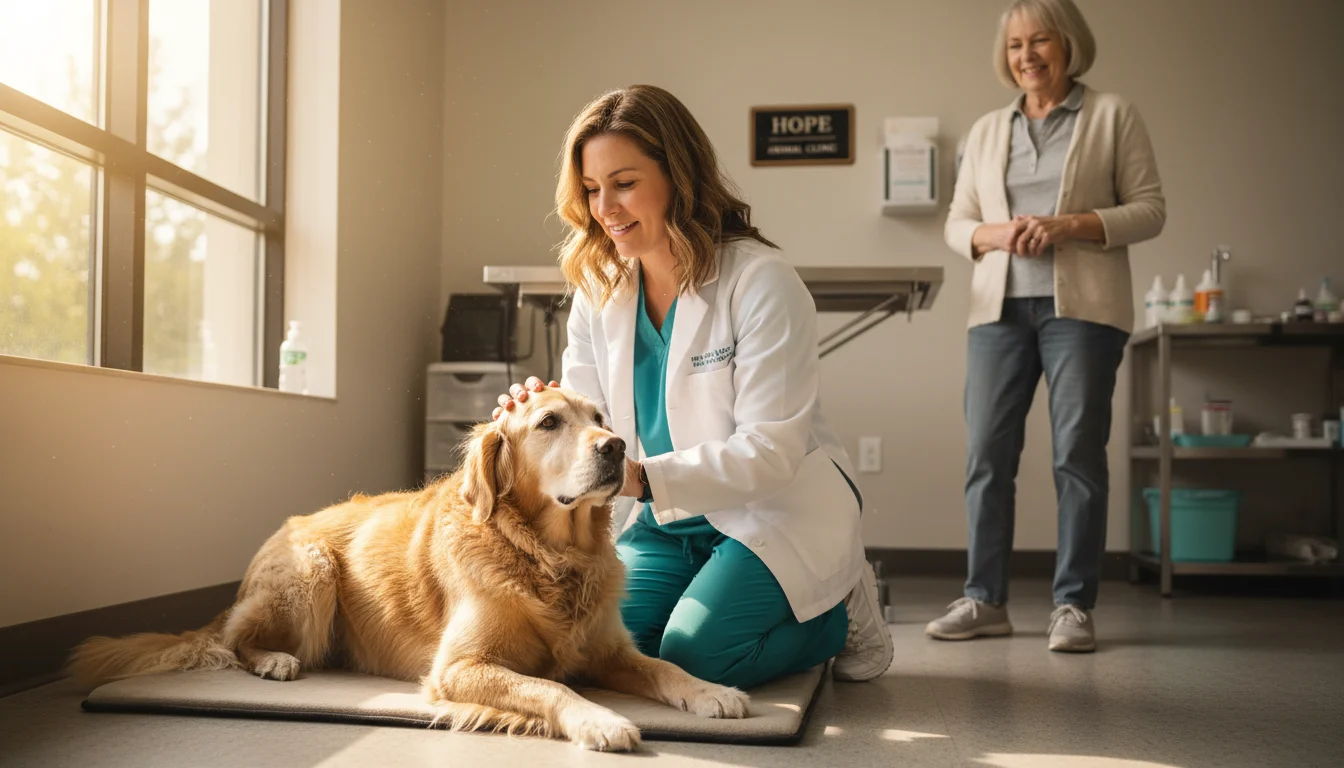
Making Your Choice and Building a Lasting Relationship
After gathering all the information, it is time to make your decision about `how to choose a veterinarian you can trust`. Choose the practice that feels right for you and your pet, balancing medical expertise with compassionate care. Remember, this is a partnership that will evolve over your pet’s lifetime.
Trust Your Gut Feeling
While data and recommendations are important, your personal comfort level and intuition play a significant role. If a clinic and its staff make you feel heard, respected, and confident in their abilities, that is a strong indicator of a good fit. You are looking for someone you can truly trust with your beloved companion. This emotional connection enhances your peace of mind and your pet’s experience.
Schedule an Initial Appointment
Once you make your choice, schedule a full wellness exam for your pet. This initial appointment allows both you and your pet to experience the clinic firsthand. It is also an excellent opportunity to establish a baseline for your pet’s `pet health`, discuss any immediate concerns, and formally transfer previous medical records if applicable. Prepare a list of questions about preventive care, nutrition, and any specific behaviors or health issues you have observed.
Building the Relationship
A strong relationship with your veterinarian develops over time through open communication and consistent visits. Be honest and thorough when describing your pet’s symptoms or changes in behavior. Ask questions and express your concerns. Just as you trust your vet for their expertise, they rely on you for accurate observations about your pet’s daily life. This collaborative approach ensures your pet receives the most personalized and effective `pet care` throughout their life.

Frequently Asked Questions
How often should my pet see the veterinarian?
Most adult pets benefit from annual wellness exams. Puppies and kittens require more frequent visits for their initial vaccination series and deworming. Senior pets or those with chronic conditions may need semi-annual or more frequent check-ups to monitor their `pet health` closely. Your veterinarian will recommend a schedule based on your pet’s age, species, breed, and health status.
What should I bring to my first vet appointment?
Bring any previous medical records, vaccination history, a list of current medications or supplements your pet takes, and a fresh stool sample (if requested). Also, bring a list of questions or concerns you have about your pet’s `pet health`, behavior, or diet. A secure carrier for cats and small pets, and a leash for dogs, are essential for safety.
What if I disagree with my veterinarian’s recommendation?
It is perfectly acceptable to ask for clarification, discuss alternative options, or even seek a second opinion. A good veterinarian welcomes open dialogue and wants you to feel comfortable and confident in the decisions made for your pet’s `pet care`. Do not hesitate to express your concerns and ask for more information before proceeding with any treatment.
How can I prepare my pet for a positive vet visit?
Start positive reinforcement early. Acclimate your pet to their carrier or car rides with treats and praise. Practice handling their paws, ears, and mouth gently at home. Bring their favorite treats or toys to the appointment. Consider clinics that practice “fear-free” techniques, which aim to reduce stress and anxiety during visits, promoting a more positive experience for your pet.
Is it worth paying for an emergency vet clinic after hours?
Yes, for true emergencies, an emergency vet clinic is essential. These clinics are equipped to handle critical situations outside regular business hours. While more expensive, they provide immediate, specialized `pet care` that your regular veterinarian cannot offer late at night or on weekends. Do not delay seeking emergency care for severe symptoms; early intervention can be life-saving.
For expert pet care guidance, visit
Certification Council for Professional Dog Trainers (CCPDT), International Association of Animal Behavior Consultants (IAABC) and American College of Veterinary Behaviorists (ACVB).
Disclaimer: This article is for informational purposes only and is not a substitute for professional veterinary advice, diagnosis, or treatment. Always consult with a licensed veterinarian for medical concerns about your pet.









Leave a Reply