

Common Training Challenges and Solutions
Even with the best intentions, you might encounter hurdles during training. Understanding common challenges and how to address them helps keep you and your dog on the path to success.
- Distractions: Dogs, especially young ones, get easily distracted.
- Solution: Start training in a quiet, familiar environment. Gradually introduce distractions once your dog is reliable. For example, practice “Come” indoors before attempting it at a busy park. Your reward must be more enticing than the distraction.
- Inconsistency: If you or other family members are not consistent with commands and expectations, your dog will get confused.
- Solution: Ensure everyone in the household uses the same verbal cues, hand signals, and understands the rules. Hold family meetings to align your training approach.
- Lack of Motivation: If your dog seems uninterested, your rewards might not be high-value enough, or training sessions are too long.
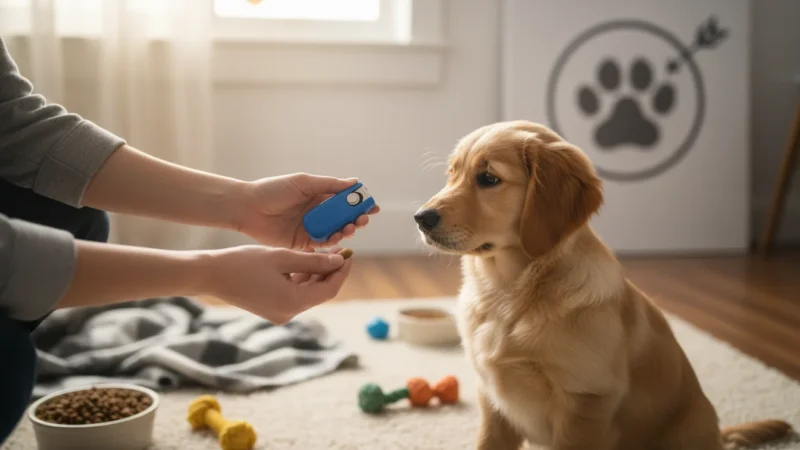
- Solution: Experiment with different types of treats (soft, smelly, meaty), favorite toys, or play as rewards. Keep sessions short (5-10 minutes) and always end on a positive note. Ensure your dog is neither too full nor too hungry.
- Patience and Realistic Timelines: Training takes time. Some dogs learn faster than others, and every dog has good and bad days.
- Solution: Celebrate small successes. Do not compare your dog to others. Focus on gradual progress. If you feel frustrated, take a break and resume later with a fresh perspective.
- Breed and Age Considerations: Some breeds naturally pick up commands faster due to their working backgrounds. Puppies have shorter attention spans, while older dogs might have ingrained habits.
- Solution: Adjust your expectations. For puppies, keep sessions very short and engaging. For older dogs, be patient and consistent, understanding that changing old habits requires sustained effort. For example, a Border Collie might excel at “Stay” quickly, while a Basset Hound might require more creative motivation and patience due to their scent-driven nature.





Leave a Reply