🐶🐱 Everyday With Pets.com
  • Dog Care
  • Cat Care
  • Pet Health
  • Lifestyle & Fun
  • Training & Behavior
  • Product Reviews

10 Essential Commands Every Dog Should Know

November 11, 2025 · Training & Behavior

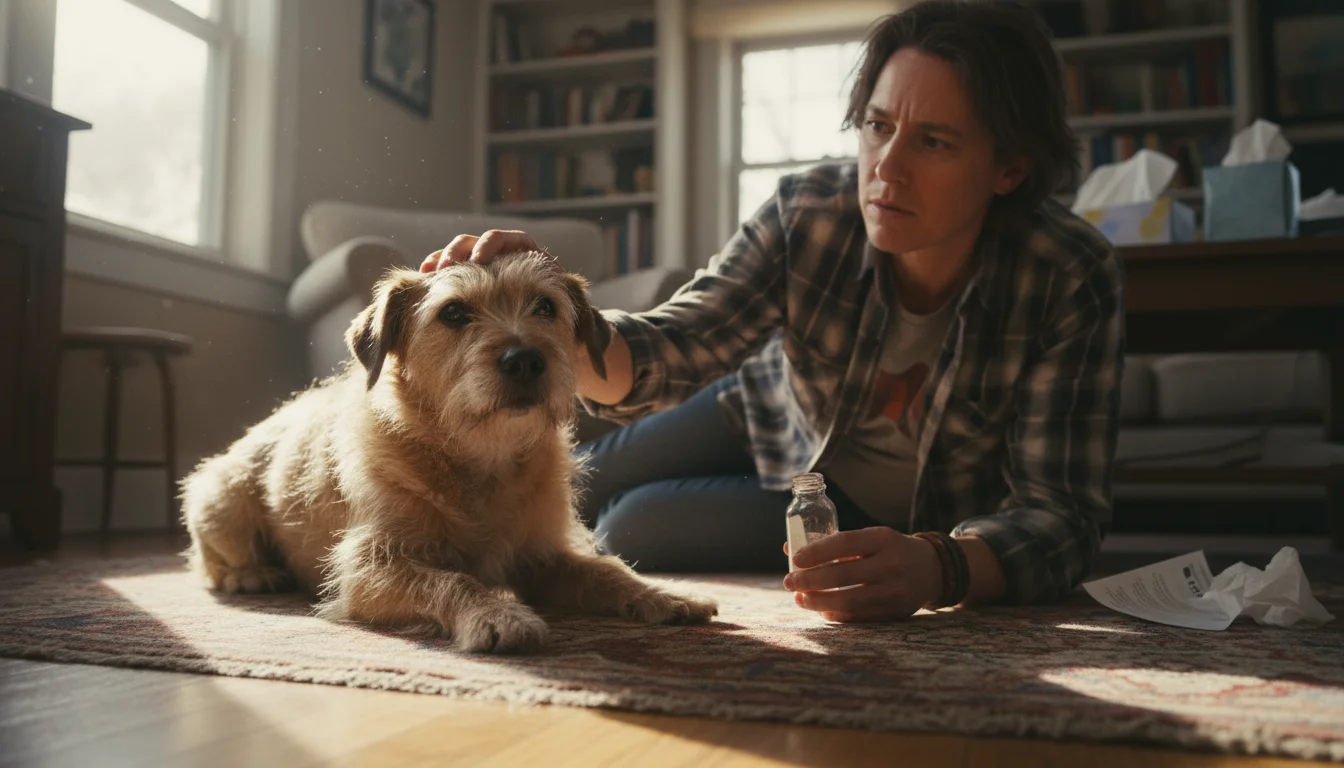
A scruffy terrier mix sits patiently, looking up at its owner who kneels beside it with a thoughtful expression, hand on the dog's head.
Considering the next steps in training with a thoughtful companion.

Frequently Asked Questions

How long does it take to teach a dog these commands?

The timeline varies greatly depending on your dog’s age, breed, individual personality, and your consistency. Most dogs can learn the basics of “Sit,” “Down,” and “Come” in a few weeks of consistent, daily practice (5-10 minute sessions). Mastering these commands with reliability in distracting environments takes several months or even longer. Consistency is far more important than speed.

Can you teach an old dog new tricks?

Absolutely! Older dogs can and do learn new commands and behaviors. While they might have established habits, their capacity for learning remains. You might need more patience and higher-value rewards, but an older dog can be just as trainable as a puppy. Focus on positive reinforcement, keep sessions short, and build on their existing knowledge.

What if my dog is not food motivated?

Not all dogs are equally driven by food. If your dog isn’t food motivated, experiment with other high-value rewards. This could include a favorite toy, a quick game of fetch or tug, enthusiastic verbal praise, a favorite petting spot, or access to an exciting activity like a walk. Observe what your dog truly enjoys and use that as leverage for positive reinforcement. Sometimes, hunger levels affect motivation, so try training before mealtimes.

When should I start training my puppy?

You can start basic training, like “Sit” and name recognition, as soon as you bring your puppy home, usually around 8 weeks old. Puppyhood, especially the critical socialization period between 3 and 16 weeks, is an ideal time to introduce positive experiences and foundational commands. Keep sessions very short, positive, and fun. Early training and socialization lay the groundwork for a well-adjusted adult dog.

Should I use a clicker for training?

A clicker is an excellent tool for precision in positive reinforcement training. It acts as a clear, consistent “marker” that tells your dog the exact moment they performed the desired behavior, immediately followed by a reward. While not strictly necessary (a verbal marker like “Yes!” works too), many trainers find a clicker enhances clarity and speeds up learning, especially for complex behaviors. If you choose to use one, ensure you “charge” the clicker first by repeatedly clicking then immediately giving a treat, so your dog associates the sound with good things.

For expert pet care guidance, visit
FDA Center for Veterinary Medicine, PetMD, Vetstreet and Fear Free Pets.

Disclaimer: This article is for informational purposes only and is not a substitute for professional veterinary advice, diagnosis, or treatment. Always consult with a licensed veterinarian for medical concerns about your pet.

Pages: 1 2 3 4 5 6 7 8 9 10 11 12 13 14 15 16

Share this article

Facebook Twitter Pinterest LinkedIn Email

Leave a Reply Cancel reply

Your email address will not be published. Required fields are marked *

Search

Latest Posts

  • A ginger cat leans its head against a person's hand on a wooden table in a sunlit, cozy living room. 10 Pet Habits That Reveal Hidden Feelings
  • Close-up macro photograph of a vibrant Panther Chameleon with turquoise and red scales on a mossy branch. 10 Most Beautiful Color Changing Animals
  • A senior yellow Labrador Retriever resting on a rug in a sunlit room, looking slightly tired, captured in a candid home setting. 6 Symptoms of Insulin Deficiency in Dogs
  • A senior dog rests its head on a woman's knee in a sun-drenched room, symbolizing a deep, secure bond. 9 Behaviors That Reveal Strong Pet-Owner Bonds
  • A dog and a cat sitting together in a sunlit living room, subtly communicating through body language and proximity. 10 Ways Pets Quietly Communicate with Owners
  • Close-up of an elderly Golden Retriever with a grey muzzle resting on a cushion in warm, natural morning light. 9 Changes Senior Pets Often Go Through
  • A fluffy Ragdoll cat with blue eyes relaxes on a grey sofa in a sunlit, cozy living room during golden hour. 10 Cat Breeds Known for Affectionate Personalities
  • A large Greyhound and a small Cavalier King Charles Spaniel resting together on a rug in a sun-filled living room. 9 Dog Breeds Known for Calm Personalities
  • A person gently examines a senior Golden Retriever's ear in a sunlit living room, symbolizing careful pet health observation. 10 Body Changes in Dogs Worth Watching Closely
  • A senior woman in a knit cardigan sits in a leather chair with a fluffy Ragdoll cat on her lap in a sunlit living room. 7 Cat Breeds That Are Perfectly Suited for Quiet Senior Households

Newsletter

Get the latest posts delivered to your inbox.

Related Articles

Litter Box Problems: Causes and Solutions - comprehensive guide

Litter Box Problems: Causes and Solutions

Learn common causes of litter box problems for pets and find actionable solutions to restore…

Read More →
Understanding Dog Aggression: Types and Solutions - comprehensive guide

Understanding Dog Aggression: Types and Solutions

Understand dog aggression types, triggers, and solutions with science-backed positive reinforcement tips for effective pet…

Read More →
Understanding Cat Aggression and Reducing It - comprehensive guide

Understanding Cat Aggression and Reducing It

Learn to understand and reduce cat aggression with science-backed pet training tips and environmental enrichment…

Read More →
8 Best Pets for Seniors Living Alone

8 Best Pets for Seniors Living Alone

Discover the 8 best pets for seniors living alone. Explore expert behavior advice, low-maintenance care…

Read More →
How to Socialize Your Puppy: A Week-by-Week Plan - comprehensive guide

How to Socialize Your Puppy: A Week-by-Week Plan

Learn how to socialize your puppy effectively with a week-by-week plan, building confidence and preventing…

Read More →
Clicker Training 101: Getting Started the Right Way - comprehensive guide

Clicker Training 101: Getting Started the Right Way

Learn clicker training for your pet with this comprehensive guide, covering setup, techniques, troubleshooting, and…

Read More →
How to Stop Excessive Barking: A Positive Approach - comprehensive guide

How to Stop Excessive Barking: A Positive Approach

Learn how to stop excessive barking in your pet with positive reinforcement. Get actionable insights,…

Read More →
Understanding and Managing Dog Separation Anxiety - comprehensive guide

Understanding and Managing Dog Separation Anxiety

Learn to understand and manage dog separation anxiety with practical, evidence-based training tips, positive reinforcement,…

Read More →
12 Signs Your Dog Needs Professional Training Help - comprehensive guide

12 Signs Your Dog Needs Professional Training Help

Learn 12 crucial signs your dog needs professional training help, from aggression to anxiety, and…

Read More →
🐶🐱 Everyday With Pets.com

Making Pet Care Simple, Every Day

Inedit Agency S.R.L.
Bucharest, Romania

contact@everydaywithpets.com

Trust & Legal

  • Home
  • About Us
  • Contact Us
  • Editorial Policy
  • Privacy Policy
  • Terms and Conditions
  • Subscribe
  • Unsubscribe
  • Request to Know
  • Request to Delete
  • CA Private Policy

Categories

  • Cat Care
  • Dog Care
  • Lifestyle & Fun
  • Pet Health
  • Product Reviews
  • Training & Behavior

© 2026 🐶🐱 Everyday With Pets.com. All rights reserved.