
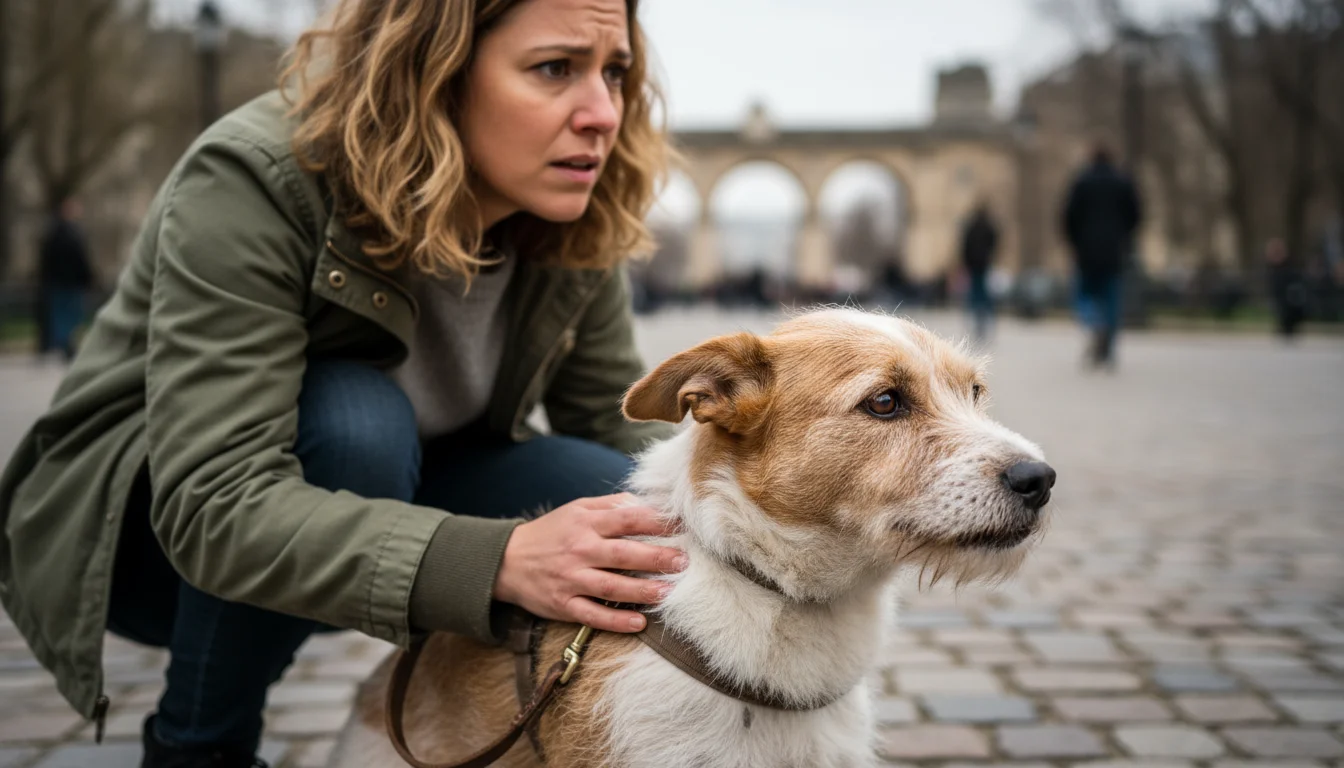
Aggression and Reactivity Concerns
Aggressive and reactive behaviors are among the most serious issues dog owners face. They pose safety risks to people and other animals and significantly impact your dog’s quality of life. These behaviors often stem from fear, anxiety, resource guarding, pain, or a lack of appropriate socialization. Addressing them requires a careful, systematic approach, usually best guided by a professional.
1. Aggression Towards People or Other Animals
Aggression manifests in various forms, including growling, snarling, snapping, lunging, or biting. This behavior indicates your dog feels threatened, is in pain, is defending territory or resources, or has a history of negative experiences. A single instance of aggression warrants immediate attention. Ignoring aggression escalates the risk of serious injury and can lead to legal complications. According to the American Veterinary Medical Association (AVMA), it is crucial to rule out any underlying medical conditions, such as pain or neurological issues, before assuming the problem is purely behavioral. A veterinary check-up is always the first step.
What to look for: Unprovoked growling, snapping, or biting. Freezing, hard staring, or a stiff body posture before an incident. These signs are often precursors to more severe aggression.
When to seek help: Immediately, if your dog shows any signs of aggression. A certified professional dog trainer (CPDT-KA) specializing in aggression or a board-certified veterinary behaviorist (DACVB) can develop a safety plan and behavior modification program. Never attempt to punish aggression, as this often intensifies fear and makes the behavior worse.
2. Leash Reactivity and Excessive Pulling
Does walking your dog feel like a wrestling match? Leash reactivity involves behaviors like barking, lunging, growling, or pulling intensely when your dog sees other dogs, people, bikes, or cars. While common, it makes walks stressful and potentially dangerous. This behavior often stems from excitement, frustration, fear, or overstimulation. A reactive dog is not necessarily aggressive, but their reactions can be misinterpreted and cause problems. Persistent pulling, even without reactivity, indicates a lack of leash manners that can strain your dog’s neck and your arm.
What to look for: Tense body language, high tail, stiff gait, frantic pulling, barking, or lunging at specific triggers while on a leash.
When to seek help: If your dog’s leash manners make walks unpleasant or unsafe. A professional trainer can teach you techniques like “engage-disengage,” counter-conditioning, and desensitization to help your dog develop positive associations with triggers and walk calmly. They also help establish proper loose-leash walking techniques using positive reinforcement.
3. Resource Guarding
Resource guarding occurs when your dog protects valued possessions, such as food, toys, sleeping spots, or even you, from perceived threats. This protective behavior can range from subtle body blocking and growling to snapping or biting. While a natural instinct, unchecked resource guarding can lead to dangerous confrontations, especially in multi-pet households or homes with children. It indicates your dog feels insecure about maintaining possession of something important to them.
What to look for: Stiffening, growling, staring, snapping, or biting when someone approaches their food bowl, a favorite toy, a bed, or a person.
When to seek help: If you observe any signs of resource guarding. A professional trainer can guide you through specific protocols to teach your dog that human presence near their resources predicts good things, reducing the need to guard. This process requires careful management and consistent positive reinforcement.







Leave a Reply