🐢🐱 Everyday With Pets.com
  • Dog Care
  • Cat Care
  • Pet Health
  • Lifestyle & Fun
  • Training & Behavior
  • Product Reviews

15 Fun Tricks to Teach Your Dog

January 2, 2026 Β· Training & Behavior
15 Fun Tricks to Teach Your Dog - comprehensive guide

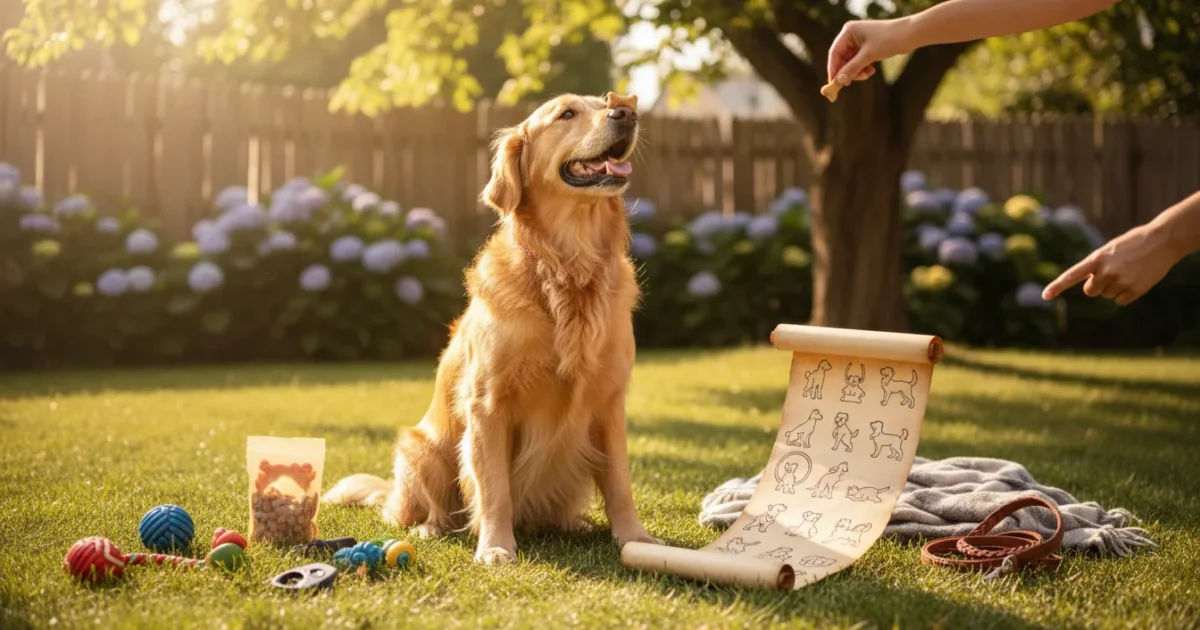
Teaching your dog new tricks offers more than just entertainment for you and your friends. It provides crucial mental stimulation for your canine companion, strengthens your bond, and builds a solid foundation for more advanced obedience training. Engage your dog’s mind and body with rewarding activities that enhance their well-being and deepen your connection. This guide delivers practical, actionable insights for teaching 15 fun tricks, all while focusing on positive reinforcement and your dog’s safety.

Table of Contents

  • Why Teach Your Dog Tricks?
  • Positive Reinforcement: The Foundation of Fun Training
  • Getting Started: Essential Supplies and Mindset
  • The 15 Fun Tricks to Teach Your Dog
  • Common Training Challenges and How to Overcome Them
  • Tailoring Training for Your Dog’s Age and Breed
  • When to Seek Professional Guidance
  • Frequently Asked Questions
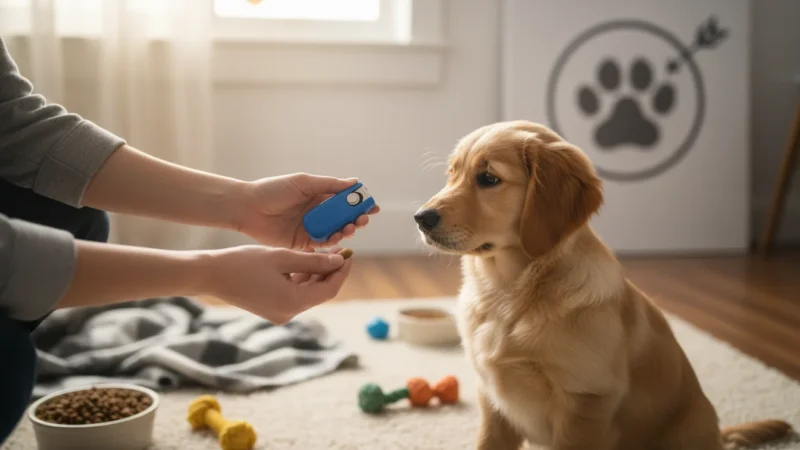
A Golden Retriever mix intently watching a treat in its owner's hand during a trick training session indoors.
Learning new tricks is a great way to bond and keep minds sharp!

Why Teach Your Dog Tricks?

Engaging your dog in trick training offers a wealth of benefits beyond simple amusement. This activity acts as excellent mental enrichment, which is just as vital as physical exercise for your pet’s overall health and happiness. A mentally stimulated dog is often a calmer, more contented dog, reducing the likelihood of boredom-induced destructive behaviors. When you teach your dog tricks, you provide a constructive outlet for their energy and intelligence, preventing issues such as excessive barking or chewing.

Trick training also significantly strengthens the human-animal bond. As you work together, communicate, and achieve successes, your relationship with your dog deepens. They learn to trust you, understand your cues, and enjoy the collaborative process. This shared experience fosters mutual respect and affection, making your dog a more responsive and joyful companion. Moreover, successful trick training boosts your dog’s confidence. Mastering a new skill empowers them, reducing anxiety and shyness in various situations. It equips them with a sense of accomplishment, which translates into a more secure and well-adjusted personality.

The skills your dog develops during trick training also lay a strong foundation for advanced obedience. Tricks like “shake a paw” or “roll over” require focus, body awareness, and the ability to follow sequences, all of which transfer directly to more complex obedience commands. You teach your dog patience, attention, and the joy of learning, making future training endeavors smoother and more enjoyable for both of you. According to the ASPCA, providing appropriate enrichment for your dog, including mental challenges like trick training, helps prevent behavioral problems and promotes a higher quality of life for pets.
A brown mixed-breed dog, paw raised, interacts joyfully with a smiling woman holding a clicker and treat pouch on a patio.
Training feels like play with positive reinforcement!

Positive Reinforcement: The Foundation of Fun Training

Positive reinforcement forms the cornerstone of effective and humane pet training, especially when teaching fun tricks. This method focuses on rewarding desired behaviors, making your dog more likely to repeat them. It creates a positive association with learning, ensuring your dog enjoys the training process and views you as a source of good things. Avoid punishment-based methods; these can damage your bond, suppress natural behaviors, and introduce fear or anxiety, making your dog reluctant to engage with you.

Successful positive reinforcement relies on three key elements:

  1. Marker Training: A marker is a signal that tells your dog, “Yes, that’s exactly what I wanted!” The most common marker is a clicker, but you can also use a verbal marker like “Yes!” or “Good!” The marker’s purpose is to precisely pinpoint the exact moment your dog performs the desired action. When your dog touches your hand, for example, click or say “Yes!” immediately at that instant. Follow the marker with a reward.
  2. Reward Timing: Timely rewards are crucial. Deliver the reward within 1-2 seconds of the desired behavior and the marker. If you wait too long, your dog may not associate the reward with the specific action you praised, making learning confusing. High-value treats, such as small pieces of cooked chicken, cheese, or specialized training treats, often work best, especially in the initial stages of learning a new trick. You can also use toys or praise if your dog finds those highly motivating.
  3. Motivation: Understand what truly motivates your dog. While most dogs respond well to food, some find toys, vigorous praise, or a quick game of fetch more rewarding. Experiment to discover what your dog values most. Use these high-value rewards during training sessions to keep your dog engaged and eager to learn. Keep training sessions short, typically 5-10 minutes, to maintain high motivation and prevent boredom or frustration. Aim for several short sessions throughout the day rather than one long one.

According to the Association of Professional Dog Trainers (APDT), reward-based training builds confidence, strengthens relationships, and is significantly more effective and humane than methods relying on punishment or intimidation. By consistently applying positive reinforcement, you create a fun, stress-free learning environment for your dog.

An adult's hands put training treats into a fabric pouch on a rug. A clicker, toy, and calm short-haired dog are nearby.
Getting ready for a fun training session together!

Getting Started: Essential Supplies and Mindset

Before you dive into trick training, gather a few essential supplies and adopt the right mindset for success. These preparations ensure a smooth, positive experience for both you and your dog.

Essential Supplies:

  • High-Value Treats: Keep a plentiful supply of small, soft, irresistible treats. These should be easy for your dog to chew quickly without getting distracted. Think cooked chicken, hot dogs, cheese, or specialized training treats. Cut them into pea-sized pieces to avoid overfeeding.
  • Clicker (Optional but Recommended): A clicker provides a consistent, clear marker signal. It helps your dog pinpoint the exact moment they perform the desired behavior. If you prefer, a verbal marker like “Yes!” works too, but ensure you deliver it consistently.
  • Quiet Training Area: Choose a distraction-free environment, especially when introducing new tricks. A quiet room in your home or a fenced backyard works well. As your dog progresses, you can gradually introduce more distractions.
  • Patience and a Positive Attitude: These are your most important tools. Learning takes time, and every dog learns at their own pace. Celebrate small successes and avoid frustration if your dog does not grasp a trick immediately. Keep sessions lighthearted and fun.

The Right Mindset:

  • Keep Sessions Short: Aim for 5-10 minute training sessions, several times a day if possible. Short, frequent sessions prevent your dog from becoming bored or overwhelmed and keep their motivation high.
  • End on a High Note: Always finish a training session with a trick your dog already knows and performs well. This leaves them feeling successful and eager for the next session.
  • Be Consistent: Use the same verbal cues and hand signals every time. Consistency helps your dog understand what you expect. Everyone in the household should use the same cues.
  • Break Down Tricks: Complex tricks become manageable when you break them into smaller, achievable steps. Reward each tiny step towards the final behavior. This technique is called “shaping.”

Approaching training with patience, consistency, and plenty of positive reinforcement sets you up for enjoyable and effective trick teaching.

A tri-color Australian Shepherd mix dog gently taps a human's closed fist with its paw on a living room rug.
Teaching a new trick takes patience and tasty rewards!

The 15 Fun Tricks to Teach Your Dog

Ready to impress your friends and delight your dog? Here are 15 engaging tricks, each with clear, actionable steps for success. Remember to use your marker (clicker or verbal “Yes!”) the instant your dog performs the desired action, followed immediately by a high-value treat.

  1. Shake a Paw

    How-to:

    1. Ask your dog to sit.
    2. Hold a treat in a closed fist. Present your fist near the ground in front of one of your dog’s paws.
    3. Most dogs will try to paw at your hand to get the treat. The moment their paw touches your hand, mark and reward.
    4. Repeat this several times. Once your dog consistently paws your hand, start saying “Shake” or “Paw” as their paw touches.
    5. Gradually open your hand, allowing them to place their paw in your palm. Mark and reward.
    6. Eventually, fade the lure and only offer your open hand with the verbal cue.

    Tips for Success: If your dog tries to mouth your hand, retract it immediately and restart. Be patient; some dogs use their nose before their paw.

  2. High Five

    How-to:

    1. Start with the “Shake a Paw” command. Once your dog consistently shakes your hand, move your hand higher, slightly above their paw.
    2. As they lift their paw higher to meet your hand, mark and reward.
    3. Continue to raise your hand a bit more with each successful attempt until they are reaching upwards for a high five.
    4. Introduce the verbal cue “High Five” as they lift their paw.

    Tips for Success: Practice “Shake” regularly to build the foundation. Do not rush raising your hand; go at your dog’s pace.

  3. Spin/Twirl

    How-to:

    1. Hold a treat close to your dog’s nose.
    2. Move the treat in a circular motion, guiding your dog’s head and body to follow it in a full circle.
    3. As soon as your dog completes a full spin, mark and reward.
    4. Repeat, adding the verbal cue “Spin” or “Twirl” as you begin the motion.
    5. Gradually reduce the size of your hand lure until your dog spins with just your verbal cue and a small hand gesture.

    Tips for Success: Lure smoothly to avoid confusing your dog. Practice spinning both clockwise and counter-clockwise if you wish, using different verbal cues for each.

  4. Bow (Play Bow)

    How-to:

    1. Hold a treat near your dog’s nose.
    2. Lure your dog’s nose down towards the floor between their front paws, while encouraging their rear end to stay up.
    3. The moment their chest goes down and their rear stays up, mark and reward.
    4. Add the verbal cue “Bow” as they perform the action.
    5. Practice by luring repeatedly, then gradually fade the lure to just a hand signal or verbal cue.

    Tips for Success: Be careful not to lure their rear end down. If they lie down completely, reset and try a slightly different lure path.

  5. Crawl

    How-to:

    1. Ask your dog to lie down.
    2. Hold a treat directly in front of their nose, just out of reach.
    3. Slowly move the treat forward, low to the ground, encouraging your dog to move forward while remaining in a down position.
    4. Mark and reward for any forward movement while crawling. Even a single paw movement forward is a good start.
    5. Gradually increase the distance your dog crawls before marking and rewarding. Add the verbal cue “Crawl.”

    Tips for Success: Ensure your dog stays in a down position. If they stand up, reset them and start again. Keep the treat very low.

  6. Play Dead/Bang!

    How-to:

    1. Ask your dog to lie down.
    2. Lure your dog onto their side by moving a treat from their nose towards their shoulder and then behind their head.
    3. The moment they roll onto their side, mark and reward.
    4. Repeat this, adding your verbal cue “Bang!” or “Play Dead.”
    5. Practice until they reliably roll over on cue. You can eventually add the hand gesture of pointing your finger like a gun.

    Tips for Success: Some dogs are hesitant to roll over. Break it down further if needed, rewarding for just a slight tilt first. Ensure they are comfortable lying on their side.

  7. Fetch (Named Toy)

    How-to:

    1. Start with a toy your dog already loves. Get them excited about the toy.
    2. Toss the toy a short distance. When your dog retrieves it and brings it back to you, mark and reward.
    3. Once they reliably retrieve it, introduce the name of the toy (“Go get the ball!”).
    4. Gradually introduce other toys, giving each a unique name.
    5. Practice asking for specific toys by name, rewarding only when they bring the correct one.

    Tips for Success: Make retrieval fun. If your dog prefers to chew the toy, trade it for a treat when they bring it back, then mark and reward.

  8. Weave Through Legs

    How-to:

    1. Stand with your feet shoulder-width apart. Lure your dog through your legs with a treat.
    2. As they emerge from the other side, step forward with the opposite leg, creating an opening for them to weave through again.
    3. Guide them through your legs in a figure-eight pattern. Mark and reward for each successful weave.
    4. Once they understand the motion, add a verbal cue like “Weave” or “Figure 8.”

    Tips for Success: Keep your movements smooth and fluid. Start slowly and gradually increase your speed as your dog gets the hang of it.

  9. Kiss

    How-to:

    1. Put a tiny smear of peanut butter or a delicious treat on your cheek.
    2. When your dog licks it, mark and reward.
    3. Repeat, adding the verbal cue “Kiss” just before they lick your cheek.
    4. Gradually fade the lure by using less and less treat on your cheek until they “kiss” on cue without any treat there, only receiving it after the kiss.

    Tips for Success: Ensure your dog is comfortable being close to your face. If they try to mouth, pull back and restart.

  10. Say Your Prayers

    How-to:

    1. Ask your dog to sit.
    2. Place a treat on the floor between your dog’s front paws, covered by your hand.
    3. Most dogs will try to push their head under your hand to get the treat. As they put their head down, mark and reward.
    4. Repeat, adding the verbal cue “Pray” or “Say your prayers.”
    5. Gradually remove your hand once your dog consistently lowers their head.

    Tips for Success: If your dog tries to paw your hand, wait for them to lower their head instead. You can also hold a treat at the floor level and lure their head down.

  11. Ring a Bell

    How-to:

    1. Hang a bell (like a jingle bell or a small service bell) at your dog’s nose height on a door or stand.
    2. Put a small smear of peanut butter or a sticky treat on the bell.
    3. When your dog nudges or licks the bell, mark and reward.
    4. Repeat until your dog consistently touches the bell.
    5. Gradually fade the treat on the bell, only rewarding after they touch it, then add your verbal cue “Ring the bell.”

    Tips for Success: This trick helps with house-training if you teach them to ring the bell to go outside. Ensure the bell is securely mounted and cannot be swallowed.

  12. Wave Goodbye

    How-to:

    1. Start by holding a treat near your dog’s nose.
    2. Move the treat upwards and outwards, encouraging your dog to lift one paw as if reaching for it.
    3. The moment their paw lifts even slightly, mark and reward.
    4. Gradually increase the height and range of the paw lift until it resembles a wave.
    5. Add the verbal cue “Wave” or “Goodbye” as they lift their paw.

    Tips for Success: This builds on the “Shake a Paw” foundation. If your dog just extends their paw without lifting, try to get them to lift it a little higher before marking.

  13. Hold (An Object)

    How-to:

    1. Start with a lightweight, safe object your dog can hold comfortably, like a soft toy.
    2. Present the object to your dog’s mouth. The instant their lips or teeth touch it, mark and reward.
    3. Gradually delay the mark, requiring them to hold it for a fraction of a second, then a full second, and so on.
    4. Once they hold it for a few seconds, add the verbal cue “Hold.”
    5. To release, teach a “Drop it” command.

    Tips for Success: Be patient. If your dog drops it, simply pick it up and try again. Do not force the object into their mouth.

  14. Fetch a Leash

    How-to:

    1. Place your dog’s leash on the floor or hang it low.
    2. Encourage your dog to interact with the leash. The moment they touch it with their nose or mouth, mark and reward.
    3. Gradually require them to pick it up. Mark and reward for lifting it even slightly.
    4. Once they pick it up, encourage them to bring it to you. Mark and reward for any movement towards you with the leash.
    5. Add the verbal cue “Get your leash” or “Leash.”

    Tips for Success: Make it a game. This trick is very useful for signaling walk time. Ensure the leash is lightweight and easy for them to grasp.

  15. Pick Up Your Toys

    How-to:

    1. Teach your dog “Hold” and “Drop It” first.
    2. Place a toy near an open toy basket or box. Ask your dog to “Hold” the toy.
    3. Lure your dog with the toy towards the basket. As they drop the toy inside the basket (or even close to it), mark and reward.
    4. Repeat with multiple toys, gradually increasing the distance the toys are from the basket.
    5. Add the verbal cue “Pick up your toys.”

    Tips for Success: This trick is a multi-step process. Be patient and reward each small step towards the goal. Start with only one or two toys.

A scruffy terrier mix dog on a rug, intently looking out a window, ignoring a treat held by a human hand.
Sometimes, even the best treats can’t compete with the world outside.

Common Training Challenges and How to Overcome Them

Even with the best intentions, you might encounter bumps in the road during your trick training journey. Understanding common challenges and how to address them helps you stay positive and productive.

  • Lack of Motivation: If your dog seems uninterested, your rewards might not be high-value enough. Experiment with different treats, toys, or praise. Sometimes, dogs get bored of the same reward. Try using a “jackpot” reward, which is a larger quantity or particularly delicious treat, for significant breakthroughs. Ensure you are training in a quiet environment, free from overwhelming distractions.
  • Distractions: Training in a busy environment makes it hard for your dog to focus. Start training new tricks in a calm, quiet space. Once your dog reliably performs the trick in that setting, gradually introduce mild distractions, like another person in the room, then move to slightly busier areas. Always increase the level of distraction slowly and only when your dog is ready.
  • Frustration (Yours or Your Dog’s): If you feel frustrated, your dog likely senses it, making them anxious or confused. If your dog is not getting it, or you feel your patience wearing thin, take a break. End the session on an easy trick your dog knows, then revisit the challenging trick later. Break the trick into even smaller steps. What seems simple to you might be complex for your dog.
  • Inconsistency: If different family members use different cues or methods, your dog gets confused. Ensure everyone involved in training uses the same verbal cues, hand signals, and reinforcement strategies. Consistency reinforces learning and helps your dog generalize the trick.
  • Physical Limitations: Always consider your dog’s age, breed, and physical condition. A senior dog with arthritis might struggle with “crawl” or “spin.” A brachycephalic (short-nosed) breed might have trouble with certain mouth-related tricks. Adapt tricks or choose ones that are comfortable and safe for your individual dog. Never push your dog past their comfort level or cause them pain.

Troubleshooting these issues with patience and a positive mindset ensures you maintain a rewarding and enjoyable training experience for both of you.

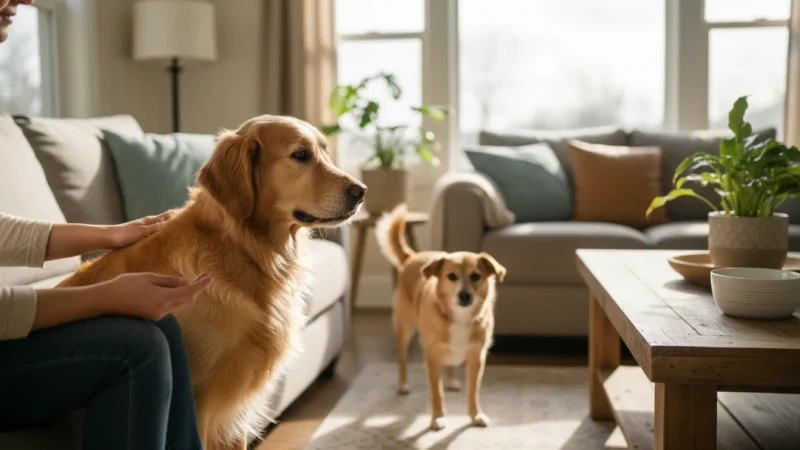
Two parallel scenes in a living room: an adult kneeling to patiently train a curious Golden Retriever puppy, and another adult gently petting a calm s
Different ages and needs, but always a loving approach to training.

Tailoring Training for Your Dog’s Age and Breed

Every dog is unique, and effective training recognizes these individual differences. Adjust your approach based on your dog’s age and breed to maximize success and ensure their comfort.

Age-Specific Considerations:

  • Puppies (8 weeks to 6 months): Puppies have short attention spans but are eager learners. Keep sessions very short, 2-5 minutes, multiple times a day. Focus on foundational tricks and positive exposure to new experiences, often referred to as socialization. Use high-value treats and praise. Tricks like “Sit,” “Shake,” and short “Fetch” games are excellent for early development, building confidence and coordination.
  • Adolescent Dogs (6 months to 2 years): This stage often brings increased energy and a testing of boundaries. Channel their energy into more complex tricks, like “Weave” or “Crawl,” which offer mental and physical challenges. Be patient and consistent, as distractions become more enticing during this period. Adolescent dogs can benefit from longer, but still frequent, training sessions, perhaps 10-15 minutes.
  • Adult Dogs (2 years +): Adult dogs often learn quickly because they have better focus and impulse control. They may have prior training experience or habits. You can tackle any of the 15 tricks with an adult dog, adapting to their existing knowledge. They typically handle longer training sessions well, but still keep them fun and rewarding.
  • Senior Dogs (7 years +): Senior dogs may have decreased stamina, joint pain, or vision/hearing loss. Choose tricks that are gentle on their joints, such as “Kiss,” “Hold,” or “Say Your Prayers,” rather than physically demanding ones. Keep sessions very short and ensure a comfortable training surface. Adjust your cues if their hearing or vision has declined. Celebrating small efforts boosts their mental engagement and keeps them active.

Breed-Specific Considerations:

  • Retrievers (Labradors, Goldens): These breeds often excel at “Fetch” and “Hold” tricks due to their natural instincts. Their eagerness to please makes them highly motivated by positive reinforcement.
  • Herding Breeds (Border Collies, Australian Shepherds): Highly intelligent and energetic, these dogs thrive on mental challenges. Tricks like “Weave,” “Spin,” and multi-step commands (like “Pick Up Your Toys”) are ideal. They require consistent engagement to prevent boredom.
  • Terriers: Known for their independent and tenacious nature, terriers may require more patience and very high-value rewards. Tricks that engage their natural curiosity and desire to dig or chase can be adapted.
  • Brachycephalic Breeds (Pugs, Bulldogs): These breeds may have respiratory limitations. Avoid tricks that involve excessive running, jumping, or sustained physical exertion. Focus on stationary or low-impact tricks like “Bow,” “Kiss,” or “Hold.” Always monitor their breathing.
  • Scent Hounds (Beagles, Basset Hounds): Their powerful noses can be a distraction. Train in low-scent environments initially. Tricks involving scent work (like finding a hidden toy) can be highly engaging.

Always prioritize your dog’s comfort and safety. If a trick seems uncomfortable or frustrating, modify it or choose a different one. The goal is to make learning a positive and enriching experience for your unique companion.

A woman sits on a sofa, gently stroking a golden retriever mix resting on her lap, looking thoughtfully into the distance.
A quiet moment of reflection with a beloved companion.

When to Seek Professional Guidance

While DIY trick training is highly rewarding, situations arise where professional help becomes invaluable. Knowing when to consult an expert ensures your dog receives the best possible support and prevents issues from escalating.

Consider Professional Help If:

  • You Encounter Persistent Behavioral Issues: If your dog displays behaviors such as aggression, severe anxiety (separation anxiety, noise phobias), destructive chewing, excessive barking, or resource guarding, beyond what basic training can address, a professional is essential. These issues often stem from complex underlying causes that require specialized expertise.
  • Your Dog Shows Fear or Aggression During Training: If your dog growls, snaps, bites, or exhibits significant fear during training attempts, stop immediately. This indicates discomfort or pain, or a deeper behavioral issue. Forcing the issue can exacerbate the problem and damage your bond.
  • You Are Not Seeing Progress: If you consistently struggle to teach a trick or address a behavior, despite your best efforts, a professional can offer fresh perspectives, identify communication gaps, or suggest alternative strategies tailored to your dog’s specific needs and learning style.
  • You Need Help with Specific Advanced Training: For complex obedience, service dog training, or competitive sports, certified professionals provide structured programs and advanced techniques.

Who to Consult:

  • Certified Professional Dog Trainer (CPDT-KA, KPA-CTP): These trainers specialize in teaching basic obedience, manners, and tricks using positive reinforcement. They can help with typical training challenges and provide personalized guidance. Certifications like CPDT-KA (Certified Professional Dog Trainer – Knowledge Assessed) or KPA-CTP (Karen Pryor Academy Certified Training Partner) indicate a strong understanding of animal learning and humane training practices.
  • Veterinary Behaviorist (DACVB): For severe behavioral problems, a board-certified veterinary behaviorist is the highest level of expert. These are veterinarians with extensive training in animal behavior, psychology, and psychopharmacology. They can diagnose and treat complex behavioral disorders, often combining behavior modification with medication if necessary. As noted by experts at the American College of Veterinary Behaviorists (ACVB), behavioral issues often have medical components, and a veterinary behaviorist can provide a comprehensive diagnostic and treatment plan.
  • Certified Applied Animal Behaviorist (CAAB/ACAAB): These individuals hold advanced degrees (Masters or PhD) in animal behavior and provide behavioral consultations, particularly for complex issues. They do not typically prescribe medication but work closely with veterinarians.

Investing in professional help, when needed, protects your dog’s welfare and ensures you build a strong, positive relationship based on understanding and appropriate guidance.

A person gently strokes their fluffy mixed-breed dog in a warm living room, looking thoughtful.
Quiet moments often lead to the best questions about our furry friends.

Frequently Asked Questions

Is my dog too old to learn new tricks?

No, dogs of all ages can learn new tricks! While puppies may pick things up quickly, older dogs possess better focus and patience. You might need to adjust your approach for senior dogs, choosing gentler tricks and keeping sessions shorter, but their capacity for learning and enjoying new challenges remains. It is never too late to engage your dog’s mind.

How often should I train my dog?

Aim for several short training sessions daily rather than one long one. Two to three sessions of 5-10 minutes each are generally more effective than a single 30-minute session. This keeps your dog engaged, prevents boredom, and helps them retain information better. Consistency is more important than duration.

What if my dog is not food motivated?

If treats do not motivate your dog, explore other high-value rewards. Some dogs prefer toys, such as a favorite squeaky ball or a tug rope. Others respond best to vigorous praise, a quick game of fetch, or a belly rub. Experiment to find what your dog truly values and use that as your primary reinforcement.

Can I teach multiple dogs tricks at the same time?

You can, but it is often more effective to train each dog individually, especially when they are learning a new trick. Training them separately minimizes distractions and allows you to focus on each dog’s specific needs and learning pace. Once they master a trick individually, you can practice it with them together.

How do I make sure my dog retains the tricks they learn?

Practice regularly and incorporate learned tricks into your daily routine. Ask for a “Shake” before dinner or a “Bow” before a walk. Randomly review older tricks to keep them fresh in your dog’s memory. This practice keeps their skills sharp and reinforces the joy of learning.

For expert pet care guidance, visit
Certification Council for Professional Dog Trainers (CCPDT),
International Association of Animal Behavior Consultants (IAABC),
American College of Veterinary Behaviorists (ACVB),
Pet Poison Helpline and
FDA Center for Veterinary Medicine.

Disclaimer: This article is for informational purposes only and is not a substitute for professional veterinary advice, diagnosis, or treatment. Always consult with a licensed veterinarian for medical concerns about your pet.

Share this article

Facebook Twitter Pinterest LinkedIn Email

Leave a Reply Cancel reply

Your email address will not be published. Required fields are marked *

Recent Posts

  • How to Train Multiple Dogs at Once
  • Litter Box Problems: Causes and Solutions
  • How to Socialize Your Puppy: A Week-by-Week Plan
  • 15 Fun Tricks to Teach Your Dog
  • Understanding Dog Aggression: Types and Solutions
  • How to Train Your Cat to Use a Scratching Post
  • Cat Behavior Problems: When to Call a Behaviorist
  • How to Stop Excessive Barking: A Positive Approach
  • 12 Signs Your Dog Needs Professional Training Help
  • Clicker Training 101: Getting Started the Right Way

Related Articles

12 Signs Your Dog Needs Professional Training Help - comprehensive guide

12 Signs Your Dog Needs Professional Training Help

Learn 12 crucial signs your dog needs professional training help, from aggression to anxiety, and…

Read More β†’
Understanding and Managing Dog Separation Anxiety - comprehensive guide

Understanding and Managing Dog Separation Anxiety

Learn to understand and manage dog separation anxiety with practical, evidence-based training tips, positive reinforcement,…

Read More β†’
Clicker Training 101: Getting Started the Right Way - comprehensive guide

Clicker Training 101: Getting Started the Right Way

Learn clicker training for your pet with this comprehensive guide, covering setup, techniques, troubleshooting, and…

Read More β†’
How to Housetrain Your Puppy in 7 Days - comprehensive guide

How to Housetrain Your Puppy in 7 Days

Learn how to housetrain your puppy in 7 days with this comprehensive, step-by-step guide using…

Read More β†’
Positive Reinforcement Training: A Complete Beginner’s Guide - comprehensive guide

Positive Reinforcement Training: A Complete Beginner’s Guide

Learn positive reinforcement training for your pet with this complete beginner's guide, covering fundamentals, socialization,…

Read More β†’
Litter Box Problems: Causes and Solutions - comprehensive guide

Litter Box Problems: Causes and Solutions

Learn common causes of litter box problems for pets and find actionable solutions to restore…

Read More β†’
How to Stop Excessive Barking: A Positive Approach - comprehensive guide

How to Stop Excessive Barking: A Positive Approach

Learn how to stop excessive barking in your pet with positive reinforcement. Get actionable insights,…

Read More β†’
How to Train Your Cat to Use a Scratching Post - comprehensive guide

How to Train Your Cat to Use a Scratching Post

Learn how to train your cat to use a scratching post with positive reinforcement, proper…

Read More β†’
Cat Behavior Problems: When to Call a Behaviorist - comprehensive guide

Cat Behavior Problems: When to Call a Behaviorist

Learn when to call a cat behaviorist for common problems like litter box issues, aggression,…

Read More β†’
🐢🐱 Everyday With Pets.com

Making Pet Care Simple, Every Day

TechTonic Team, L.L.C-FZ
Dubai, UAE

contact@simplegardenjoy.com

Explore

  • Home
  • About Us
  • Contact Us
  • Editorial Policy
  • Privacy Policy
  • Terms and Conditions
  • Subscribe
  • Unsubscribe

Categories

  • Cat Care
  • Dog Care
  • Lifestyle & Fun
  • Pet Health
  • Product Reviews
  • Training & Behavior

© 2026 🐢🐱 Everyday With Pets.com. All rights reserved.