
Positive Reinforcement: The Foundation of Fun Training
Positive reinforcement forms the cornerstone of effective and humane pet training, especially when teaching fun tricks. This method focuses on rewarding desired behaviors, making your dog more likely to repeat them. It creates a positive association with learning, ensuring your dog enjoys the training process and views you as a source of good things. Avoid punishment-based methods; these can damage your bond, suppress natural behaviors, and introduce fear or anxiety, making your dog reluctant to engage with you.
Consistency is key, so try to integrate these short sessions into your essential daily dog care tasks for the best results.
Successful positive reinforcement relies on three key elements:
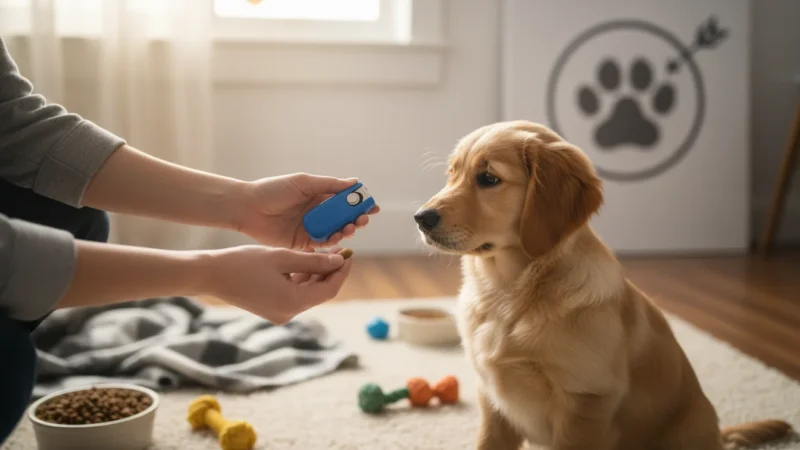
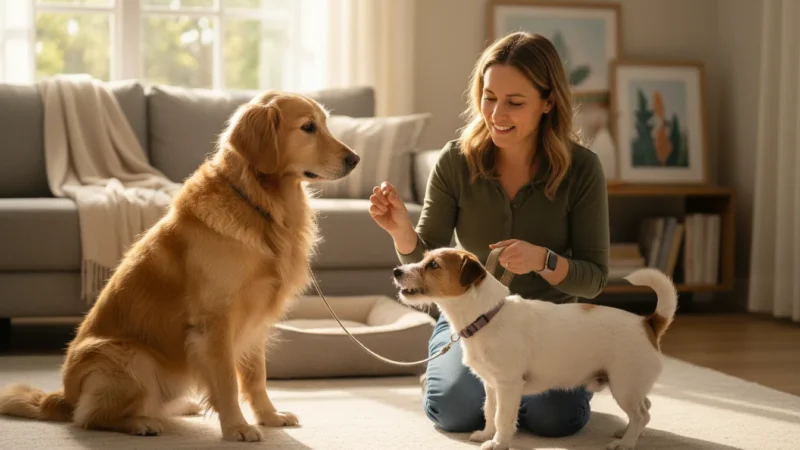
- Marker Training: A marker is a signal that tells your dog, “Yes, that’s exactly what I wanted!” The most common marker is a clicker, but you can also use a verbal marker like “Yes!” or “Good!” The marker’s purpose is to precisely pinpoint the exact moment your dog performs the desired action. When your dog touches your hand, for example, click or say “Yes!” immediately at that instant. Follow the marker with a reward.
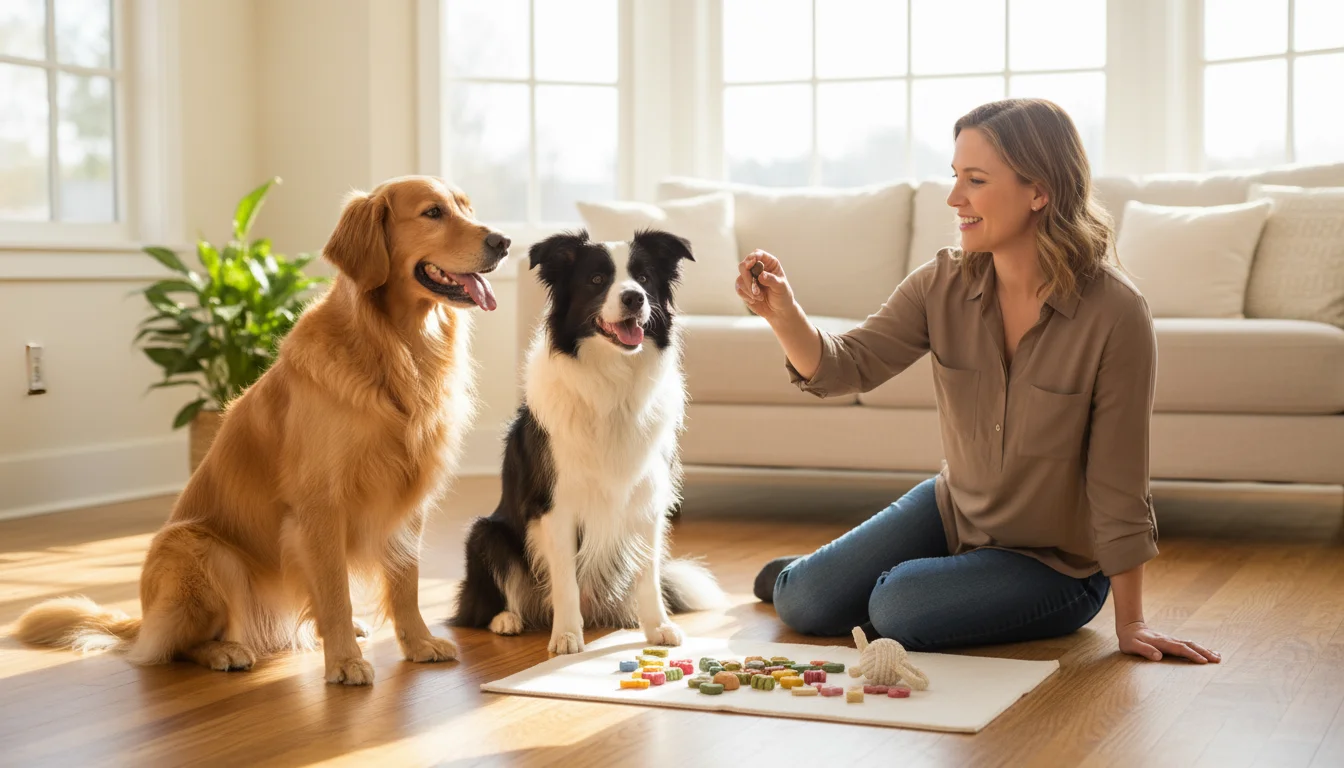
- Reward Timing: Timely rewards are crucial. Deliver the reward within 1-2 seconds of the desired behavior and the marker. If you wait too long, your dog may not associate the reward with the specific action you praised, making learning confusing. High-value treats, such as small pieces of cooked chicken, cheese, or specialized training treats, often work best, especially in the initial stages of learning a new trick. You can also use toys or praise if your dog finds those highly motivating.
- Motivation: Understand what truly motivates your dog. While most dogs respond well to food, some find toys, vigorous praise, or a quick game of fetch more rewarding. Experiment to discover what your dog values most. Use these high-value rewards during training sessions to keep your dog engaged and eager to learn. Keep training sessions short, typically 5-10 minutes, to maintain high motivation and prevent boredom or frustration. Aim for several short sessions throughout the day rather than one long one.
According to the Association of Professional Dog Trainers (APDT), reward-based training builds confidence, strengthens relationships, and is significantly more effective and humane than methods relying on punishment or intimidation. By consistently applying positive reinforcement, you create a fun, stress-free learning environment for your dog.
Leave a Reply