
Getting Started: Essential Supplies and Mindset
Before you dive into trick training, gather a few essential supplies and adopt the right mindset for success. These preparations ensure a smooth, positive experience for both you and your dog.
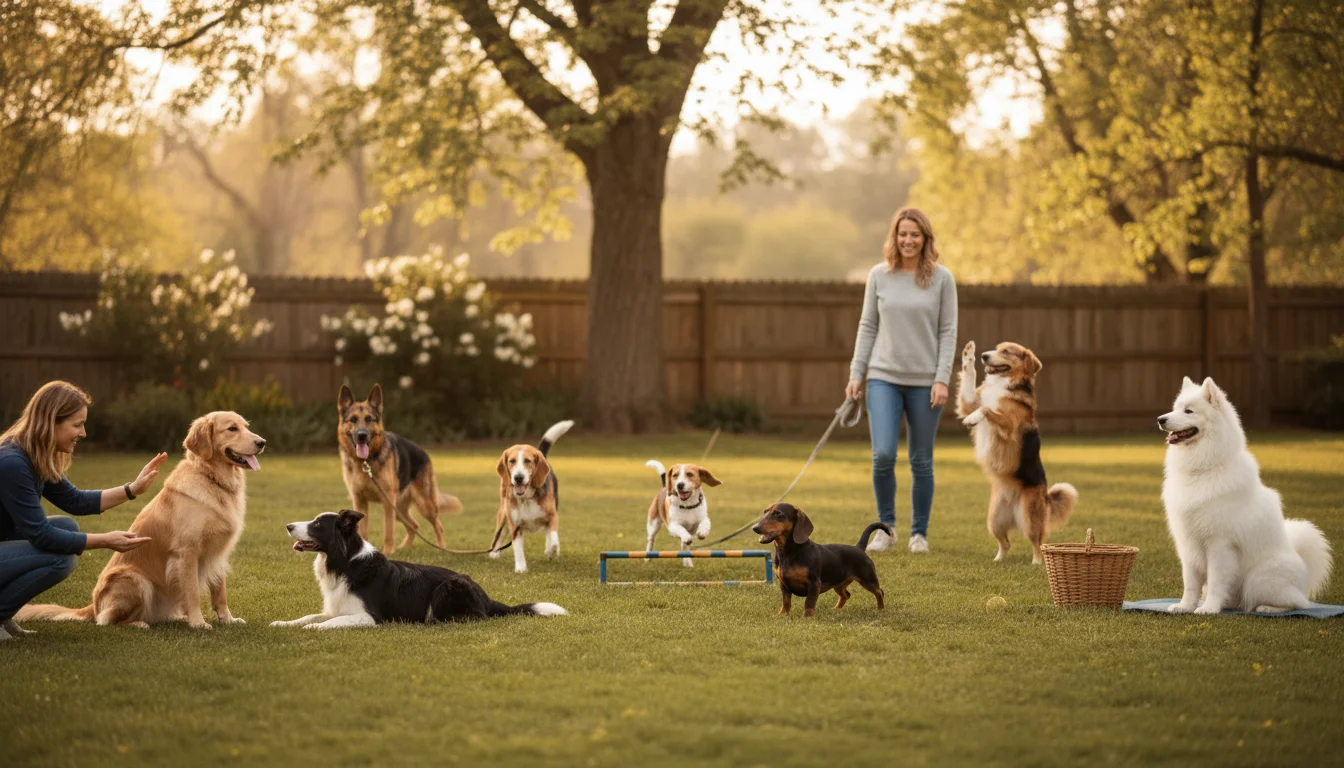
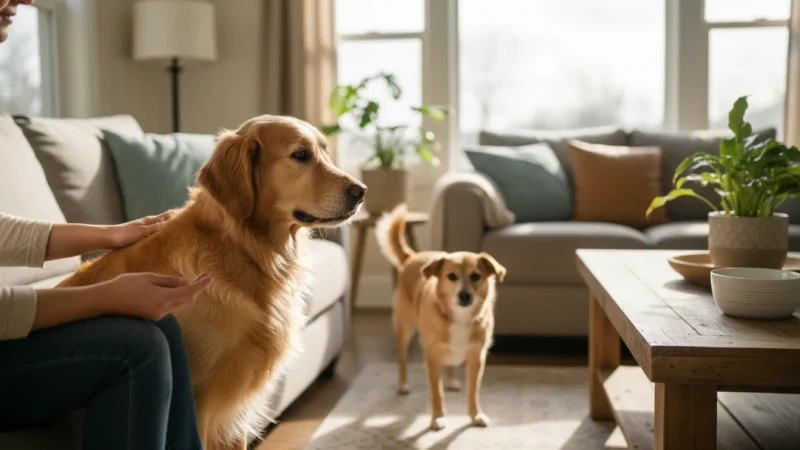
If you have a multi-pet household, you might find it useful to learn how to train multiple dogs at once to prevent distractions and keep everyone focused.
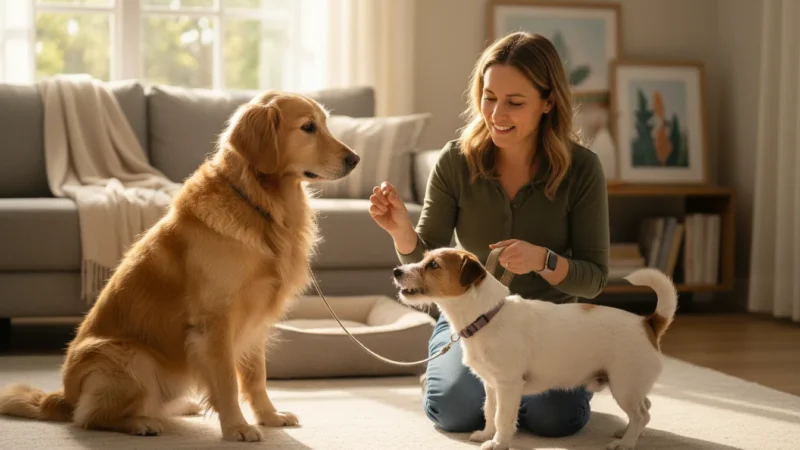
While some of the best dog breeds for first-time owners are naturally more eager to please, any dog can learn tricks with the right motivation.
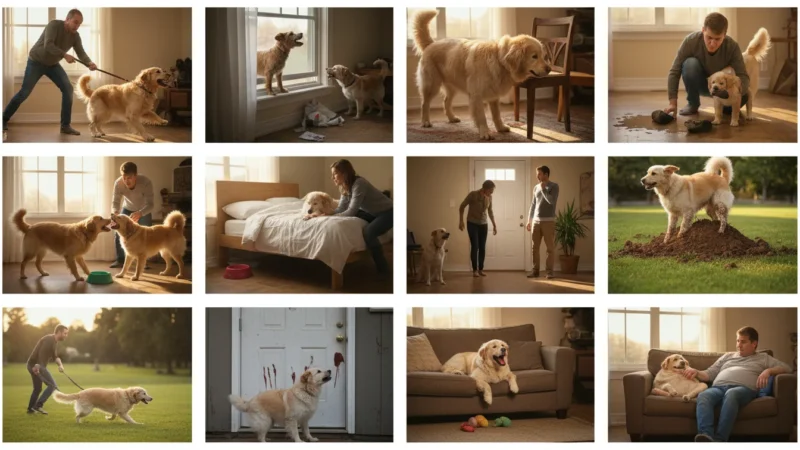
Reviewing common training mistakes can also help ensure your sessions remain productive and fun.
Essential Supplies:
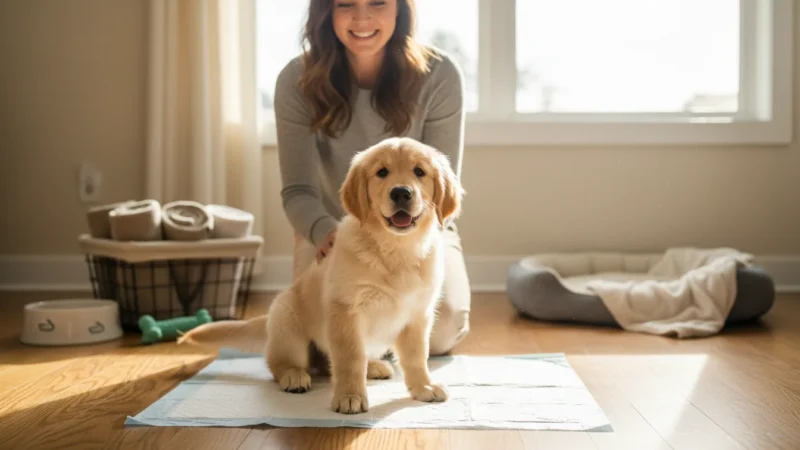
For owners of young pets, it is equally important to socialize your puppy to ensure they are comfortable and confident during training sessions.
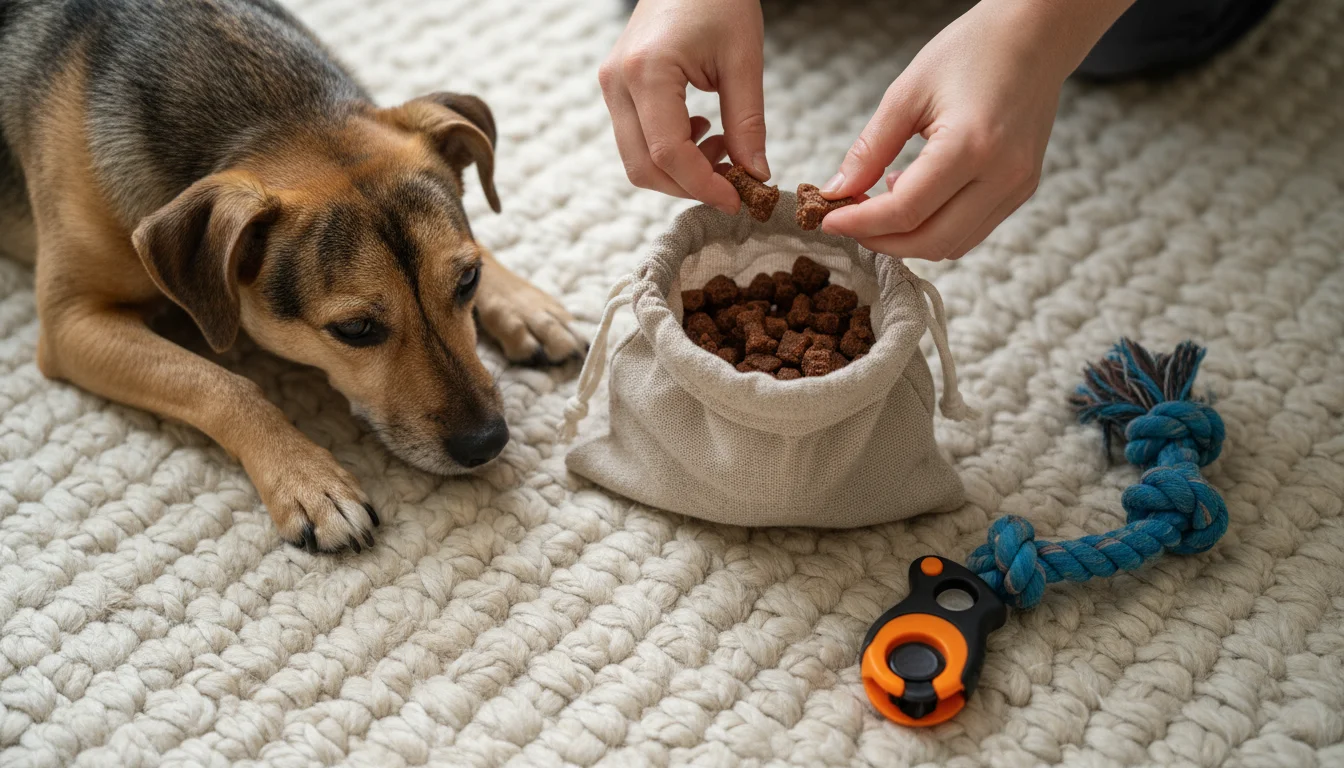
- High-Value Treats: Keep a plentiful supply of small, soft, irresistible treats. These should be easy for your dog to chew quickly without getting distracted. Think cooked chicken, hot dogs, cheese, or specialized training treats. Cut them into pea-sized pieces to avoid overfeeding.
- Clicker (Optional but Recommended): A clicker provides a consistent, clear marker signal. It helps your dog pinpoint the exact moment they perform the desired behavior. If you prefer, a verbal marker like “Yes!” works too, but ensure you deliver it consistently.
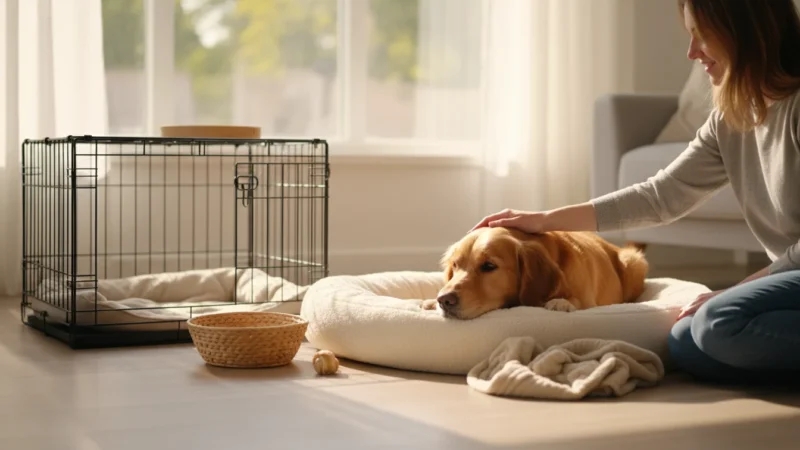
- Quiet Training Area: Choose a distraction-free environment, especially when introducing new tricks. A quiet room in your home or a fenced backyard works well. As your dog progresses, you can gradually introduce more distractions.
- Patience and a Positive Attitude: These are your most important tools. Learning takes time, and every dog learns at their own pace. Celebrate small successes and avoid frustration if your dog does not grasp a trick immediately. Keep sessions lighthearted and fun.
The Right Mindset:
- Keep Sessions Short: Aim for 5-10 minute training sessions, several times a day if possible. Short, frequent sessions prevent your dog from becoming bored or overwhelmed and keep their motivation high.
- End on a High Note: Always finish a training session with a trick your dog already knows and performs well. This leaves them feeling successful and eager for the next session.
- Be Consistent: Use the same verbal cues and hand signals every time. Consistency helps your dog understand what you expect. Everyone in the household should use the same cues.
- Break Down Tricks: Complex tricks become manageable when you break them into smaller, achievable steps. Reward each tiny step towards the final behavior. This technique is called “shaping.”
Approaching training with patience, consistency, and plenty of positive reinforcement sets you up for enjoyable and effective trick teaching.
Leave a Reply